Modern bedroom design in 2026 is moving to smart, calm and personal rooms, where every wall, headboard and piece of furniture works in unison like a well thought out plan. When I think of new bed designs ideas 2026 I imagine spaces that create a blend between steel details and warm wood finishes so that the bedroom appears modern and comfortable at the first look.
As I design a bedroom right now, I ask myself a few questions. How can I use the bed to solve the storage problems in a small room. Can I tuck in study table without crowding the space. Is there a way to bring in garden inspired calm, or even playing such an element like a Minecraft palette, but without losing a grown up feel. In this article, I aim to explore some bed ideas that will answer these questions and illustrate how headboards, bedding, room color trends, interior design, and even backyard influenced designs are impacting simple and master room designs for 2026.
1. New bed designs ideas 2026: trends shaping the modern bedroom
When I look at new bed designs ideas 2026, I see the bedroom transforming into a hybrid space that is a balance of rest, work, and storage without being cluttered. I often begin with a well-defined zoning plan with the bed being the center of the room surrounded by the other elements such as a sofa, side table, or small living rooms with storage modules in a tranquil design. Of course, the bed itself becomes the focal point of design, with a sculptural headboard, softer curves and fabric and wood mix with delicate metal materials, that give the room a feeling of being technically advanced but also warm and human.
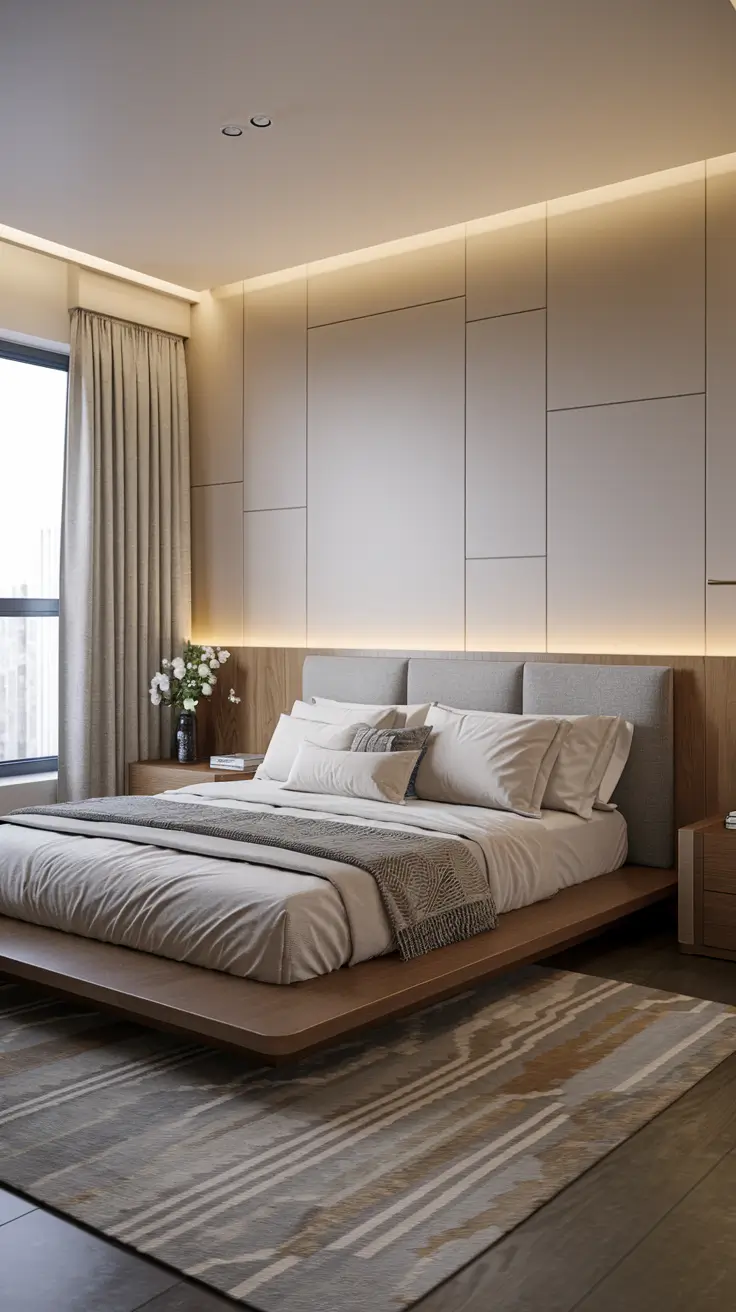
In these modern rooms, I opt for beds that are storage drawers in the base or headboard and a wood matching headboard and side tables, and in some cases, a small sofa at the foot of the bed to form a mini living area. I like to use layered bedding in tonal neutrals in combination with a cover that provides a single accent colour based upon current interior room colour trends such as low-impact terracotta, sage green or ink blue. Large reading lights diagonally mounted on the walls, a bench made of thin steel with no center seats, and small living rooms with built-in storage on one of the walls all contribute to making the entire layout purposeful, while keeping the floors uncluttered.
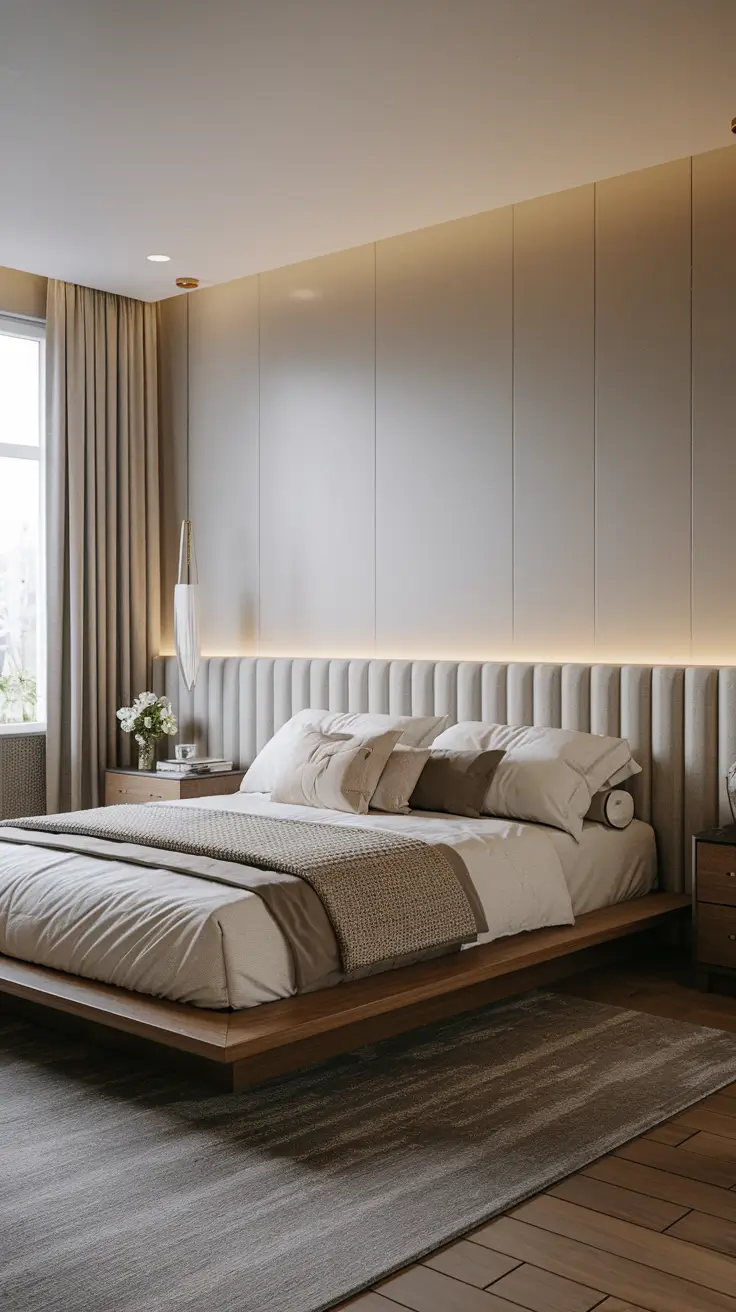
From my point of view, this new generation of beds is about adapting the bedroom to make it more flexible without losing its harmonious and restful function. In fact, most designers quoted in US publications such as Architectural Digest say that the bed should be the calm island in the room, where all the things surrounding it function to quietly accommodate real life storage, technology, and work requirements. I follow that logic by hiding visual noise within closed storage, choosing quiet colors and making the bed a focal point that is beautiful even if the bedding is not perfectly styled.
In this type of section, I would still like to add more concrete examples of combinations that work, such as a low wood platform bed paired with a tall upholstered headboard, or a slim steel frame bed paired with pillows of thick textured bedding. I also believe it would benefit the reader if I included a few sample floor plans for various room sizes, ranging from small city bedrooms to spacious master room suites, so readers can see how the same bed concept translates to different floor plans.
2. Modern minimalist bed frames for stylish 2026 interiors
When designing a modern minimalist bedroom for 2026, a bed frame design that looks effortless, as if it is floating slightly above the ground, is the first step. I like low-profile beds with slim legs or recessed plinths which give the bedroom a bigger and calmer feel, this is particularly useful if the bedroom is small. The idea is to allow free movement of the eye so the bed doesn’t steal the show, but is a clean shape against a quiet wall and the rest of the space has breath.
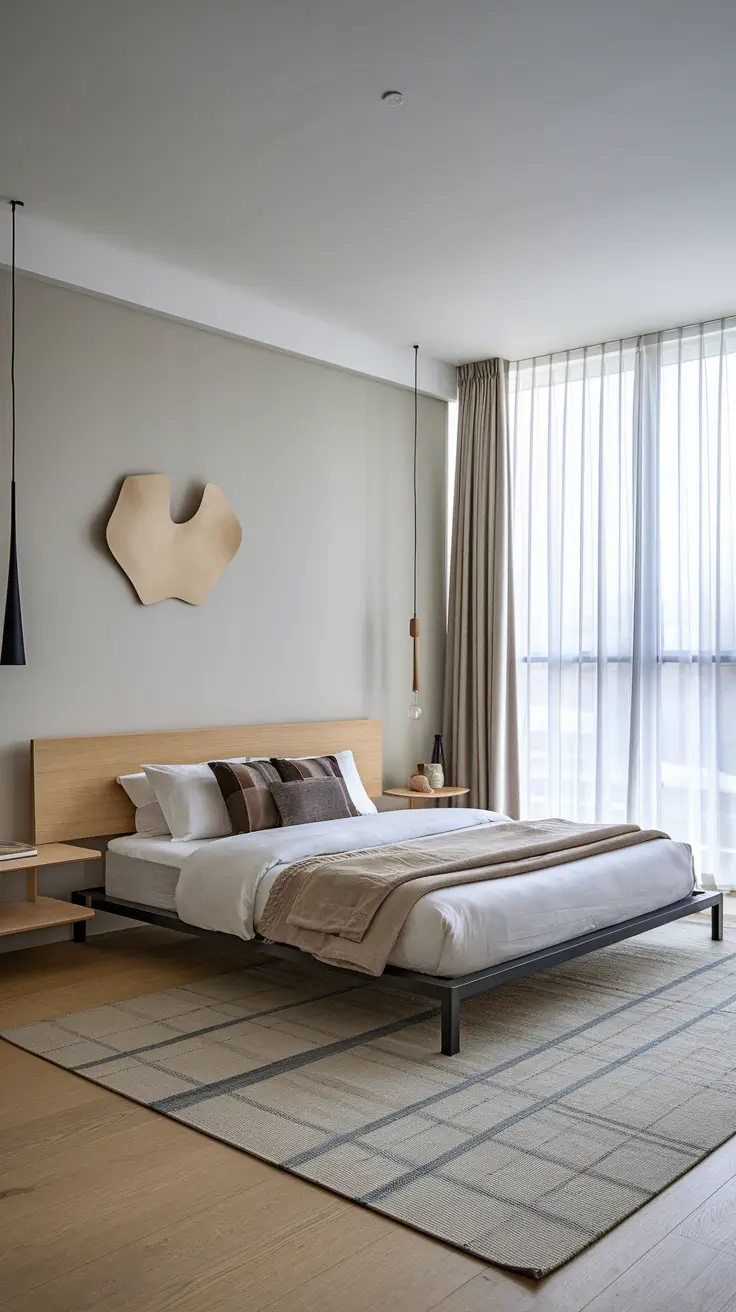
For the frame I tend to go for either a simple wooden plinth with a basic wood headboard or a thin steel frame in a soft matt finish. I pair it with a pair of minimal side table units that are in the same material as the bed and discreet under bed storage drawers in place of bulky chests. The bedding is typically layered in tonal neutrals with one or two accent cushions to pick up the room color trends interior with a simple wall lamp replacing a table lamp to keep surfaces clear.
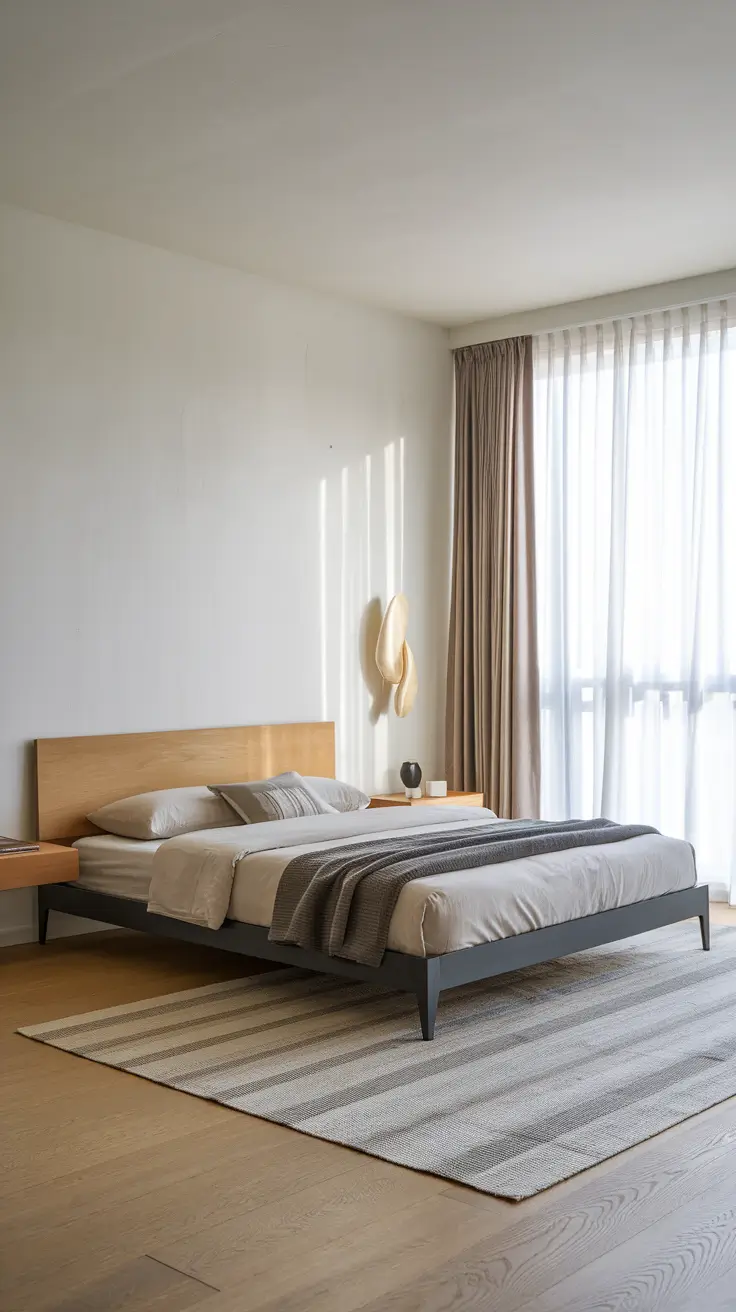
I find that minimalist bed frames of this nature settle clients down and help them feel calmer as they enter a room as they are seeing less clutter. Many US interior designers, such as those featured in magazines like Elle Decor, would say that it is the selection of edited furniture and clean lines that allow the bedroom to be seen as more luxurious. I agree, but I always caution clients with the idea that minimalist does not equate to empty. It means that every object, from the bed to the tiniest side table, has its purpose.
In this section, I would like to add even more information on finishes like which wood species feel modern without a cold appearance, or which metal tones work best with which wall colors. I could also add hidden charging specifications or cable management into the bed design so that the minimalist appearance is not disrupted by the cords and technology clutter.
3. Creative wall bed ideas for flexible small spaces
When I am working on a small apartment or studio, creative wall bed ideas instantly transform the way in which the space functions throughout the day. A well-designed wall bed, usually in the form of a modern reincarnation of a Murphy system, can transform the room from bedroom to living room to home office with a few actions. In 2026, these systems will have a sleeker look, quieter functionality and visually blend in with the rest of the wall so the bed looks like a built-in wardrobe or storage panel when it’s closed.
I typically design the wall unit as a full height unit incorporating the Murphy bed section, overhead storage and open niches for books or decor. I usually combine small sitting rooms on one side or under the bed fold down area with small storage facilities like benches with lids that can be opened or drawers. The head end is usually a collapsible padded headboard that is revealed when the bed is down along with a small but comfortable mattress and practical bedding that can be conveniently folded up and covered when the bed is up.
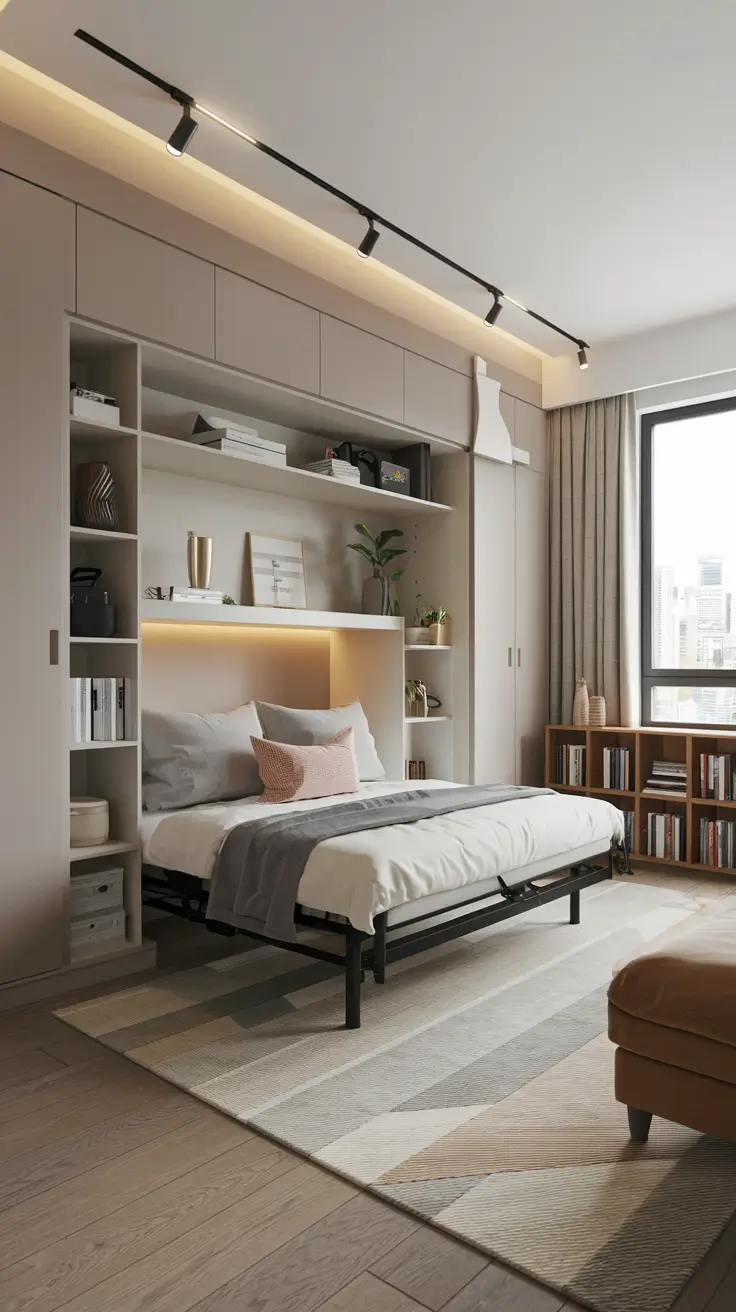
From my experience, clients are surprised by how comfortable modern wall beds can be compared to old wall beds. When set up properly, the wall bed, with the right mattress and a supportive headboard, can feel just as good as a fixed bed, while freeing up precious floor space during the day. Wall beds are something of a logical extension of the philosophy that US small space design experts love: make space work a bit like a larger space by using little furniture and lots of vertical storage.
In this section I would include more examples of how to incorporate a wall bed with a media wall, a small sofa, or even a fold out table so that the same wall can be used for various daily activities. I would also like to add information on selecting reliable wall bed hardware and detailing wall reinforcement, due to the importance of technical details as much as the styling in terms of long-term safety and comfort.
4. Steel bed designs for an industrial modern 2026 look
When I create a bedroom with the industrial modern vibe, a steel bed will be a powerful focal point that instantly defines the tone of the space. I prefer to use slim steel profiles painted matt black, charcoal or warm dark bronze, combined with softer finishes so that the room is not felt as cold. The bed generally has a straight headboard that is slightly set back from a textured wall forming a slight shadow line and creating depth in the bedroom.
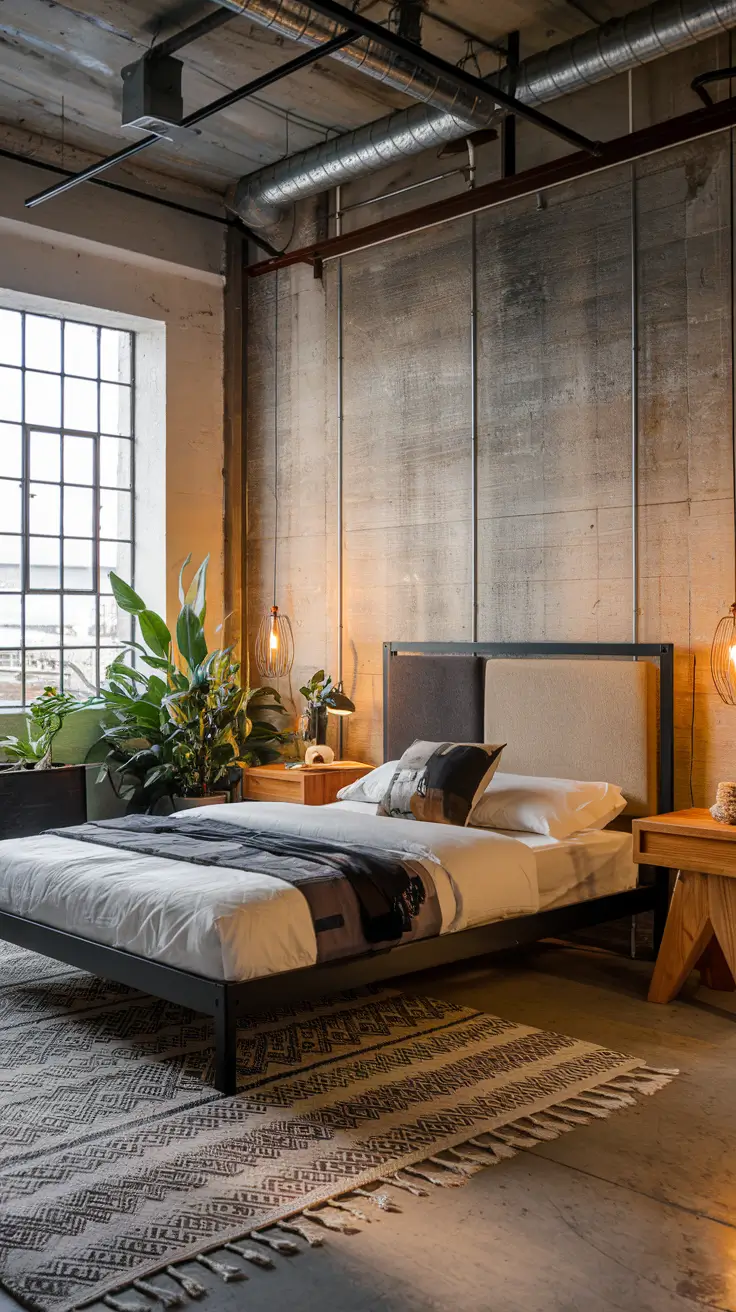
The furniture arrangement around a steel bed is important. I tend to use the steel bed frame in combination with wooden side table options, a low sofa or bench with a textured fabric cover and built in wardrobes with simple flat panel doors. For the headboard I would do some sort of steel and upholstery panels combination, so the bed is comfortable to lean against while reading. Natural linens and cottons in muted colors are usual on bedding, with one bold cover or throw adding in color such as rust, green, or blue.
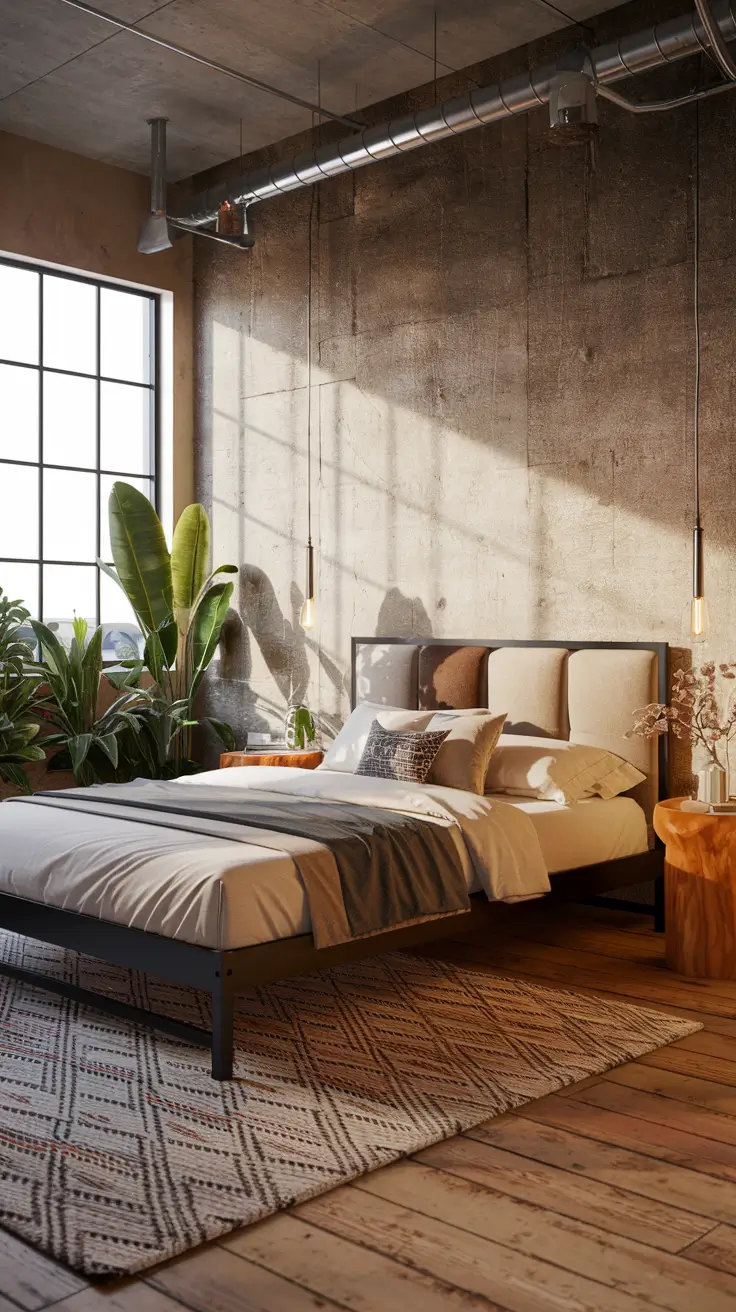
Personally, I love steel bed designs because they are a combination of strong and light. The frame is thought to be sturdy and durable, but the slender legs and exposed under bed storage make the room feel spacious. A lot of designers in the US seem to be fixated on a combination of hard and soft materials, and I use that concept with my combination of steel with wood, fabric and warm lighting in the fact that I have a lot of loft apartments and converted industrial buildings in my practice.
In this section, I would like to provide further advice on combining steel beds with various types of flooring such as polished concrete, wide plank wood or tiles of larger format. I would also elaborate more on how to match the steel bed with the rest of the metal elements in the room such as door handles, lamp arms and shelving brackets so that the industrial modern look is more of a cohesive style rather than a random one.
5. Raised garden inspired daybeds for outdoor relaxation
When I venture outside of the bed design world I am often inspired by raised garden beds and backyard landscaping flower beds. A raised garden inspired daybed often rests on a platform or deck surrounded by planters, which is a visual response to the way that plants rise above ground in contemporary landscaping. This kind of design helps to take a corner of the patio or backyard and make it into an outdoor bedroom, where you could stretch out on a daybed and still feel embedded in the greenery and fresh air.
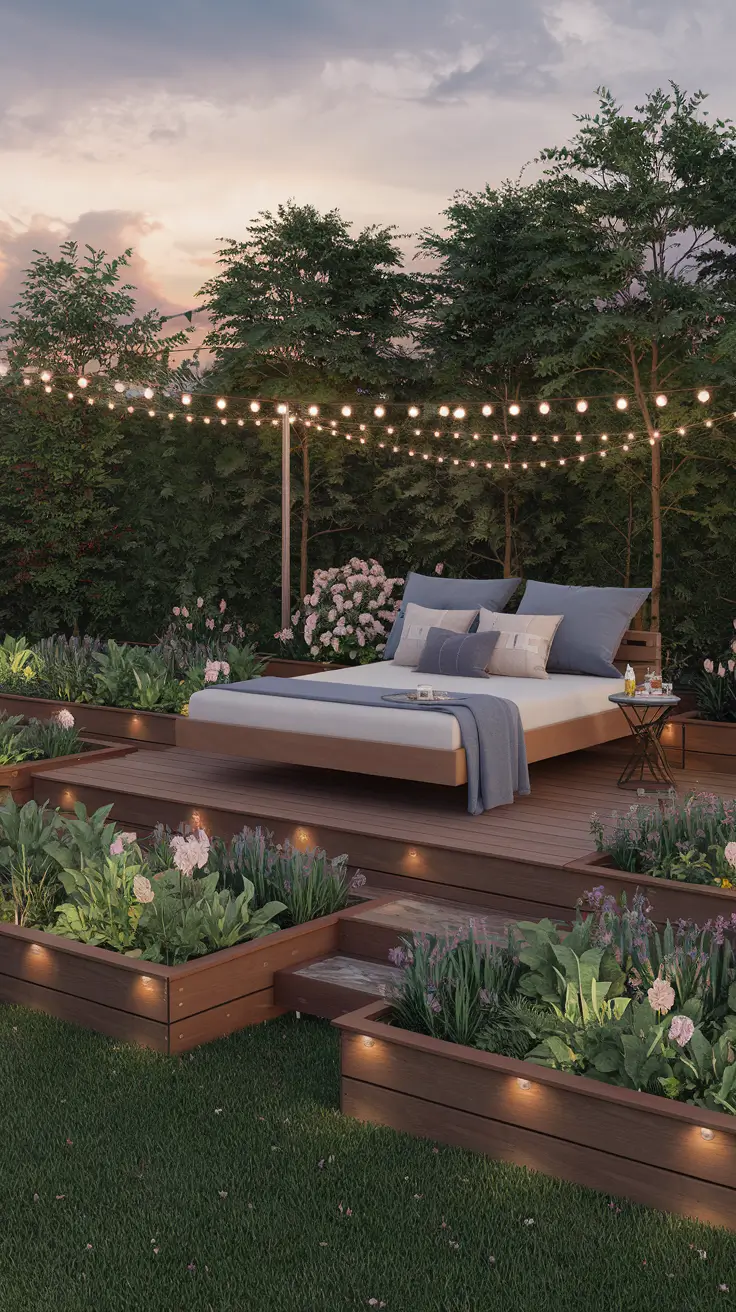
For the daybed itself, I tend to opt for a frame of solid construction in a weather resistant wood or powder coated steel with deep and comfy cushions that are similar to indoor bedding. Around it, I like to construct low planters with layer upon layer of flowers and herbs, side table stools for drinks and books, and perhaps a slim pergola or canopy structure that supports light curtains or shades. The colour scheme frequently borrows naturally from the garden, with cushions in stone, sand and green shades; there are also a few patterned pillows in the colours of the nearby flowers.
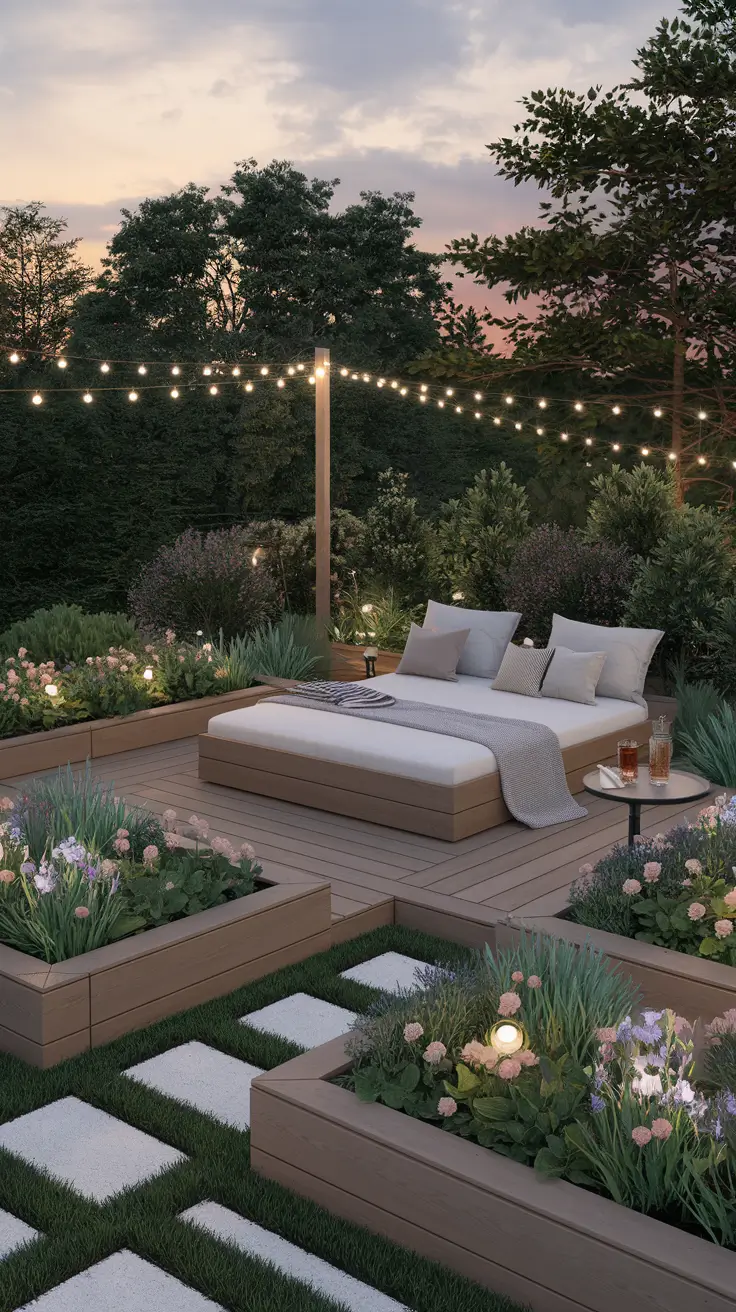
I find clients react emotionally to these raised garden inspired daybeds because they have the comfort of a bed and the atmosphere of a small outdoor living area. When you have the luxury of being able to lie down, read, or nap within reach of plants, it is a daily stress relief ritual. Homeowners reading US publications may hear the mantras of landscape designers about how even a small corner of lawn can seem luxurious when it is well planned, and I think the daybed has an important role to play in that conversion.
Of course, I would include more details about plant selection and care in this section, so that the garden element is still useful. In addition, I would like to have some thoughts about incorporating discrete outdoor lighting and possibly a small element of fire, so the daybed area functions both during the day and in the evening without a sense of losing the tranquil and elevated garden inspired ambiance.
6. Smart bed ideas for maximizing comfort in a small room
When I decorate a small room, I use a lot of smart bed solutions that can adapt to the user and silently undertake multiple functions. In 2026, this can mean a bed with integrated tech such as adjustable bases, subtle lighting, and built in charging, but it can also mean smart use of space with drawers, lift up storage, or modular headboards headboards that solve more than one problem. My goal is to create a bedroom that is restful first, but also helps to control the clutter.
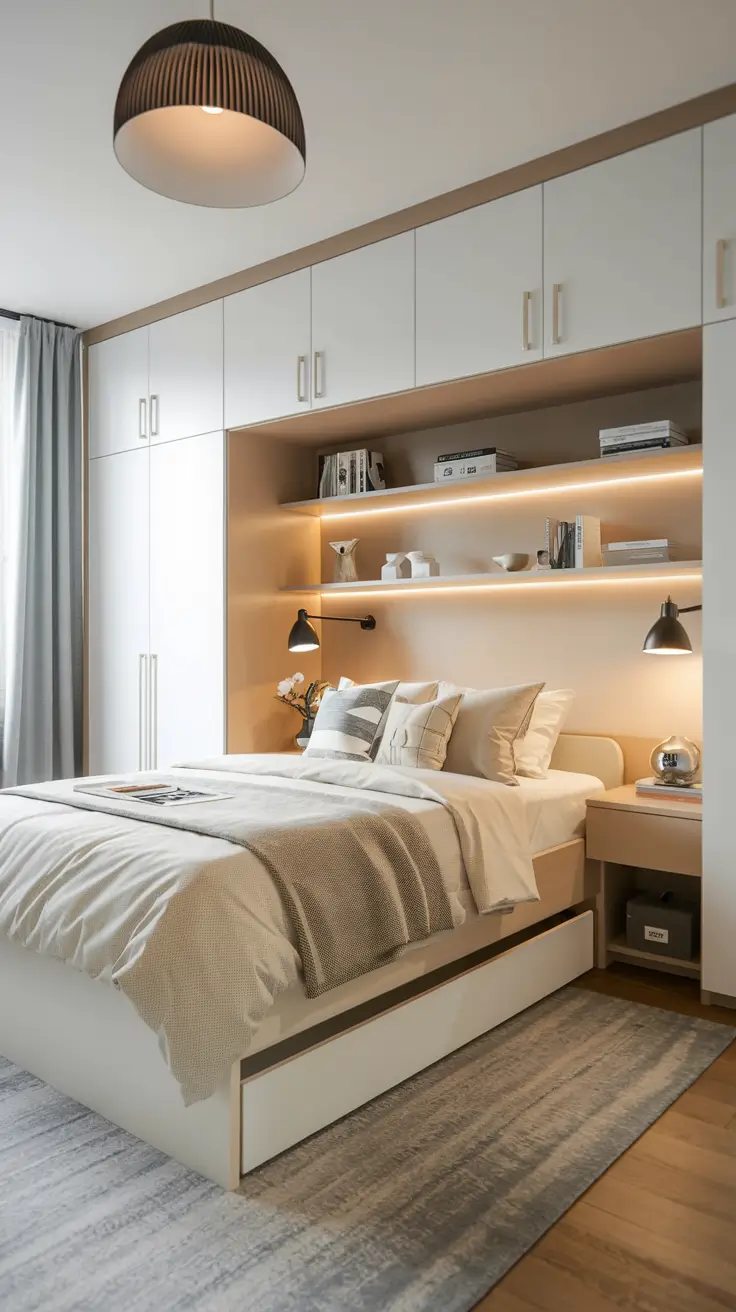
In practice, I have often specified beds with hydraulic lift bases or deep under bed drawers for storage of off season bedding and clothing, with headboards that include either shelving or closed niches. The side table pieces can be mounted on the bed frame for space saving purposes, and in some cases I extend the headboard to the entire wall to make the room seem larger. I opt for light colored bedding to reflect more light and a cover that is similar to the walls or curtains to visually simplify the space.
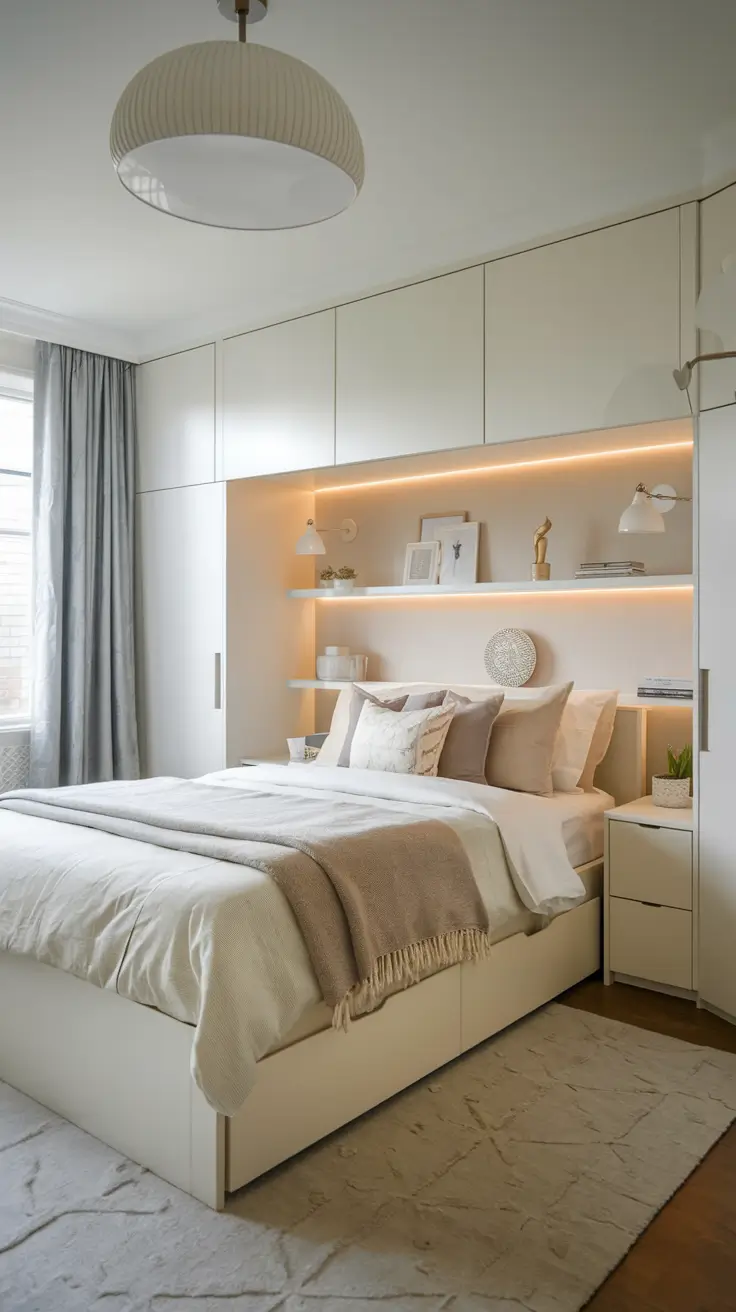
From my experience, smart beds do not have to look too high tech to be effective. Many clients want to design that conceals the tech features so that the room still looks like a tranquil retreat and not a gadget display. I apply this advice by using hidden storage with simple materials and colors that help reduce visual clutter and visual noise, and I’m a huge fan of the idea that sleep experts and interior designers have for achieving better rest: keep clutter down to increase the amount of visual space available for use.
In this section, I would go further into the balance between smart features and budget, and which features are likely to be the most comfortable features for the money spent (e.g., adjustable head sections or built-in night lighting). I would also like to make a comparison between simple mechanical storage solutions and fully connected smart beds, so readers can make their own decisions as to which level of technology actually suits their lifestyle.
7. Beds with built in study table for work and rest
In particular I find beds with a study table especially useful for people who work or study from home in space restricted areas. The designs include using the bedroom as a master room and small office, without the clutter of an awkward floating desk within the room. The key is to make sure that the work zone feels intentional but can visually recede when it is time to rest.
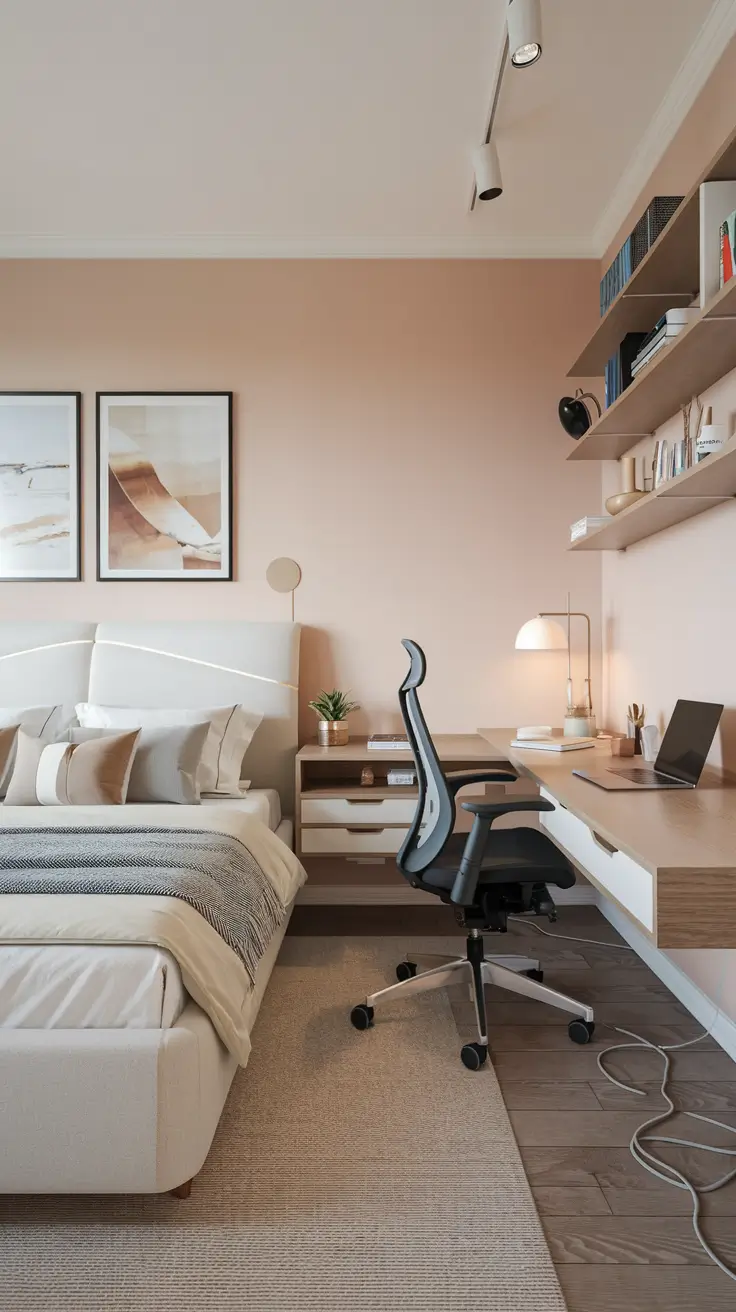
Often I plan a long headboard wall along which the bed is placed slightly away from the line and the study table continues on the same line. Sometimes the table is built into the bed frame, creating a L or a plank that is a home headboard and desk surface. A comfortable chair, a modest desk lamp and narrow overhead shelves are the way to go; office supplies are kept in built in drawers or in storage style cabinets in the vicinity of living rooms. The color of the walls and the bedding is selected to facilitate focus during the day and relaxation at night, often in a soft neutral tone with one accent color.
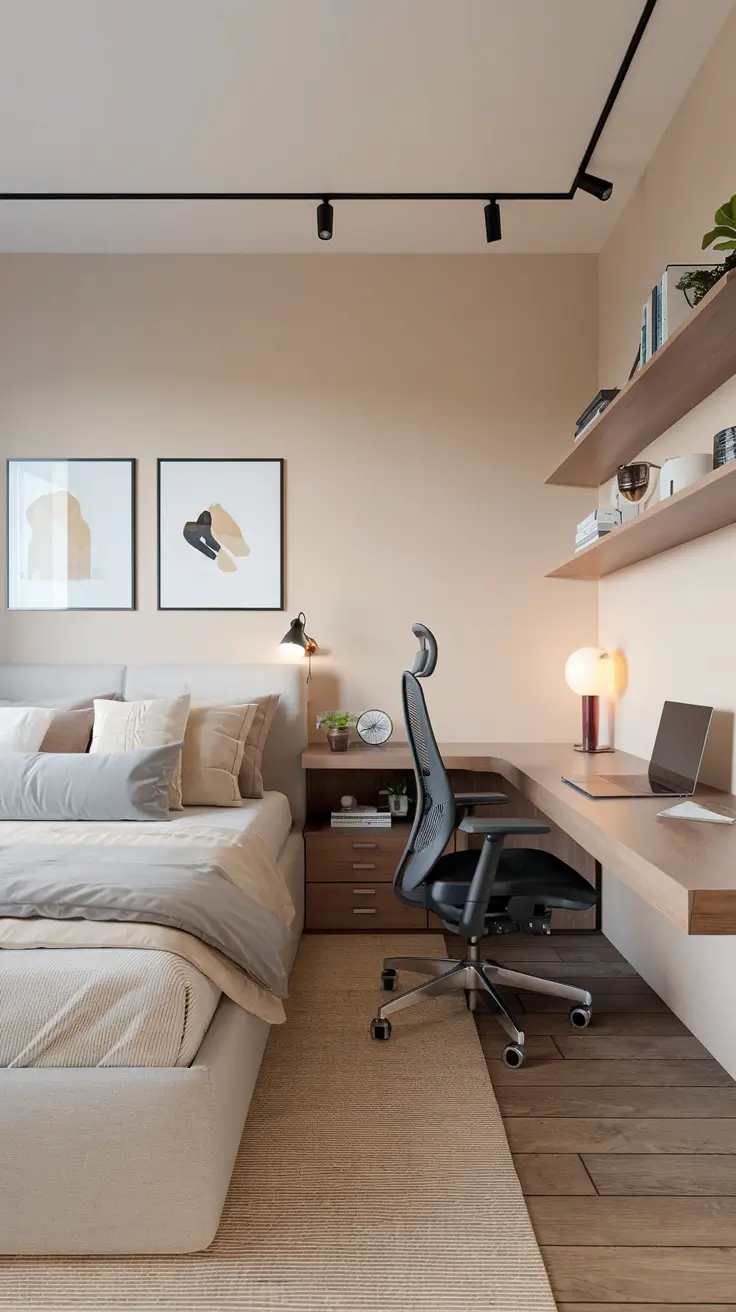
Personally, I find the integrated bed and study table solutions work best if the work surface can be kept visually uncluttered. I recommend that clients use cable management, wall-mounted task lighting, and closed storage for documents so that the view from the bed is not constantly reminding them of incomplete work. Although there are writers in the US media who stress the need to create work and rest areas in the mind, even if they occupy the same physical space, I do try to keep that separation in mind by giving the space around the desk some kind of visual separation with textures or colors.
In this paragraph, I would like to include more examples of layout options for different users, for instance, students, remote workers, couples sharing a room, etc. I would also go one step further and engage in ergonomics such as table height, chair choice, and light levels so that the study table is not just aesthetically blended into the bed but also ergonomically suitable for longer working/study sessions or even for reading.
8. Bold statement headboards for new bed designs 2026
When I consider bold statement headboards in 2026, I see them as the main factor that can completely define the personality of a bedroom. Even beds with easy design can be made into editorial and customised interiors with the intelligent use of the headboard. I find the headboard is very important in many ways: it anchors the main wall and frames the bed visually, and ties the color and texture story throughout the room.
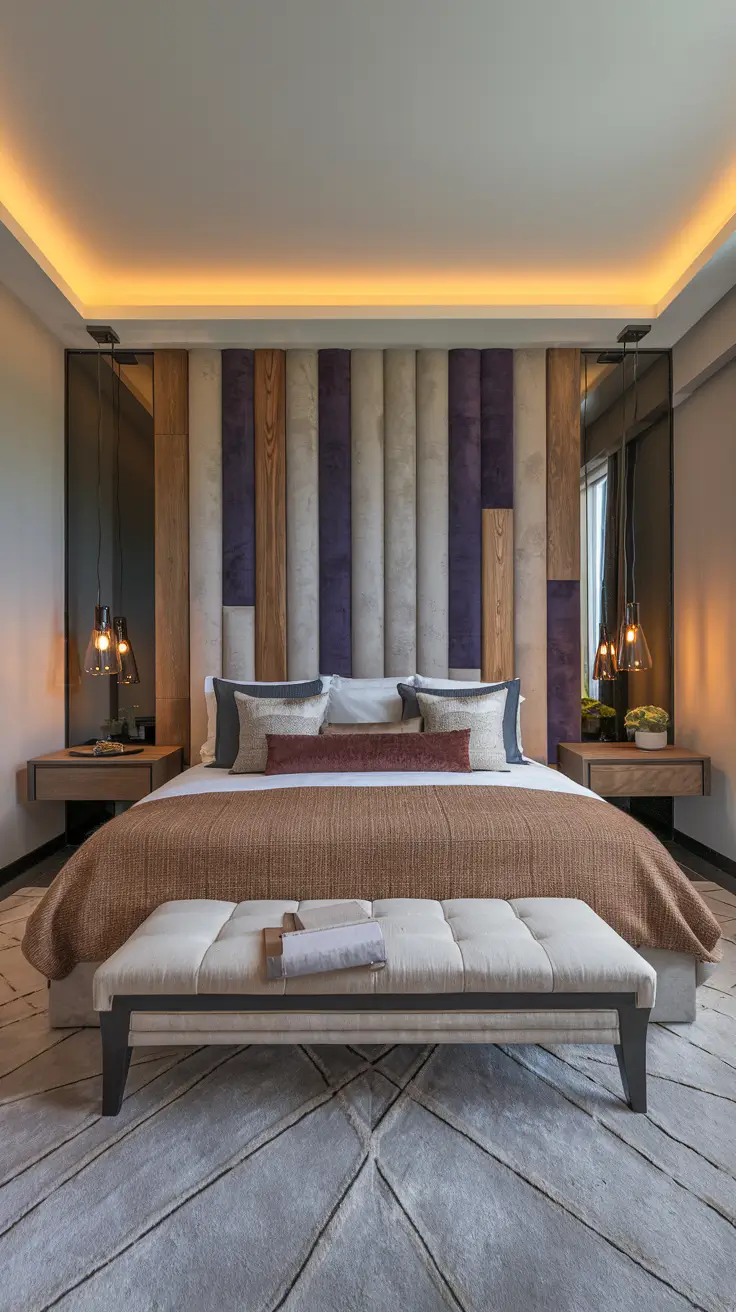
For these statement headboards, I may select oversized upholstered panels that extend beyond the width of the bed, wood headboard designs with sculptured vertical slats, or even mixed media pieces, combining wood, fabric, and integrated lighting. The headboard can be pulled into the niches that are designated to form side tables or wrap around the corners of the bed, creating a built in effect with the entire wall feeling customized. I follow this up with bedding which is coordinated, strong cover that matches or contrasts with the headboard tone, and well thought out wall color that complements the whole color.
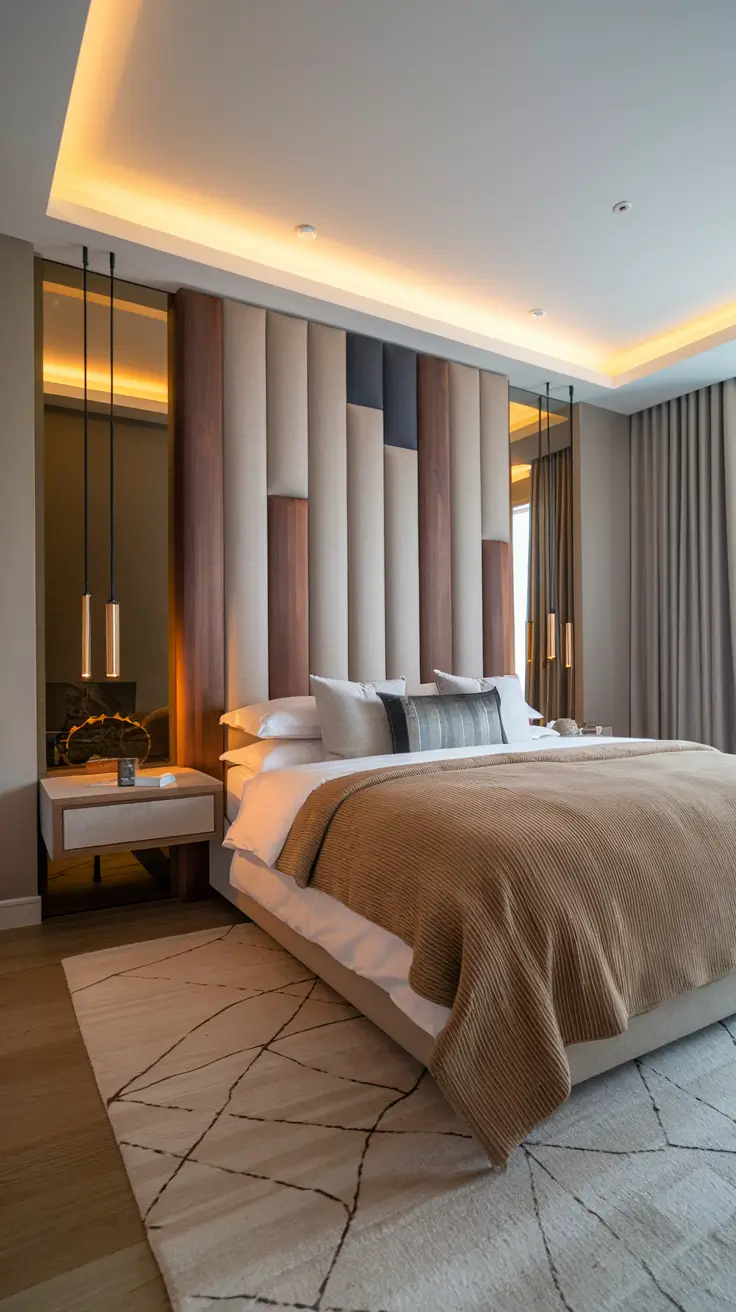
I like how master bedroom and couples master bedrooms interior designs can be changed without changing the whole furniture set just by using bold headboard choices which change the whole interior design. Even in a room with a simple bed frame, a headboard that is expressive can give it a luxurious atmosphere that clients will be used to from expensive hotels. I’m inspired by the fact that US design magazines usually feature hotels where the headboard is the most prominent piece of furniture, so I am borrowing that style in home use materials that are not only practical to use but also maintainable.
In this section, I would provide examples on how to adapt statement headboards to different budgets, from completely custom millwork to pre-made modular panels that can be installed behind an existing bed. I would also like to discuss how these headboard designs work with the wall decor such as art and lighting so that the wall is not overfilled when the headboard is already visually strong.
9. Master bedroom bed designs for a luxury retreat
When I design a master bedroom to be a true luxury retreat I begin by considering the bed as the center of tranquility for the whole master room. I like to consider proportion first: generous bed size, tall but soft headboard, have breathing space around it to make the room not feel so crowded. The walls often reflect current room colour trends inside, with softly pink hues such as warm greige, stone or muted blue so that the bed stands out but is not in harsh contrast. My goal is to design a bedroom that is like a suite room that you might find in a boutique hotel, but with a focus on everyday life rather than a once-in-a-lifetime vacation.
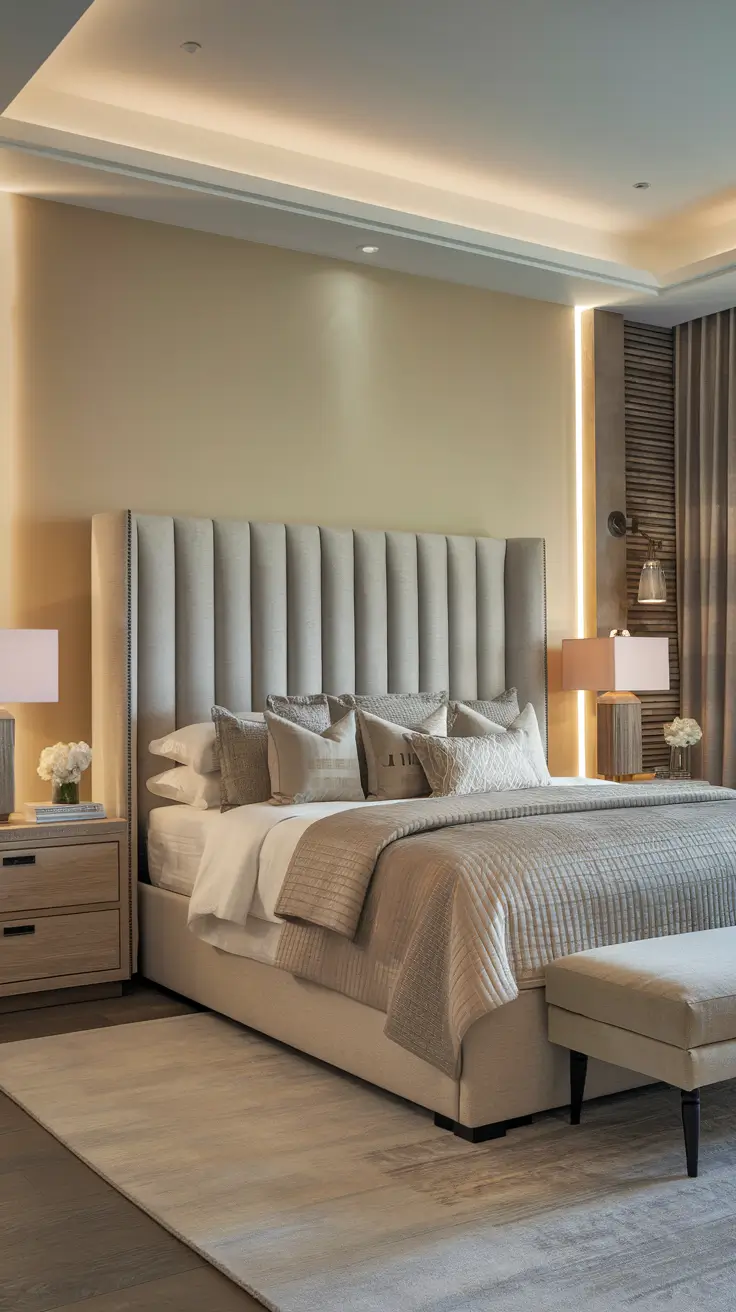
For the main furniture, I tend to go with having a substantial bed with an upholstered or wood headboard, which is flanked by large side table units with deep drawers for hidden storage. At the end of the bed I often add a skinny sofa or upholstered bench, which helps turn the space into a sleeping and lounging space. The bedding is layered with high quality bed sheets and a textured cover with a mix of pillows of different sizes to make the bed look inviting from all angles. Behind or beside the bed, I blend wall sconces or pendant lights in lieu of bulky lamps, which keeps surfaces clear and emphasizes vertical lines.
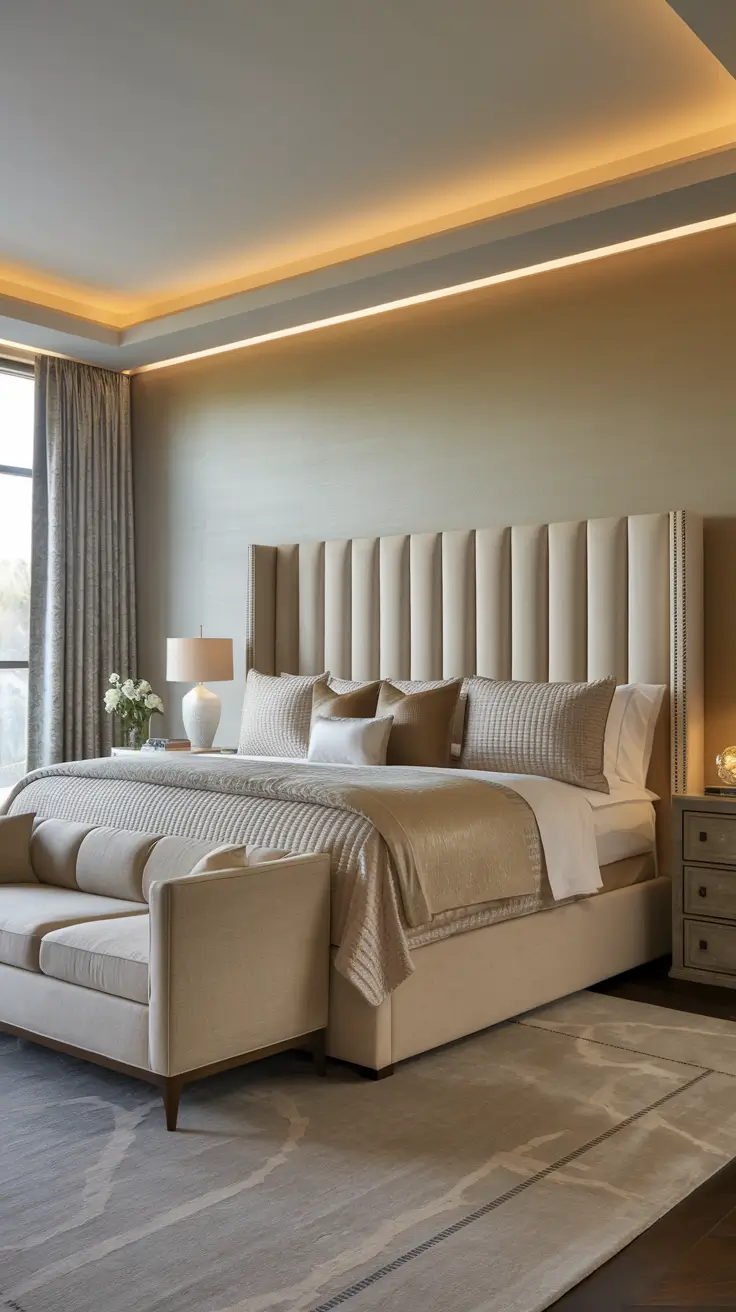
For me, the master bedroom should be the most finished room in the home, as well as the most thought out. Clients often tell me that once their master bed setup feels serene and complete, their whole body stress level drops because they know there is one space there that is designed just for rest. US based designers often remind home owners that it pays more to invest in the master bedroom than another decorative purchase in a hallway or guest room and this is what I see in practice as well. When the master bed is comfortable, practical and visually calming it helps to enable better sleep and a more grounded daily routine.
In this section, I would still like to add more specific examples of lighting combinations and storage solutions that work particularly well in master bedrooms including built-in reading lights or hidden charging niches in the headboard. I would also like to add more direction on balancing symmetry around the bed with a little asymmetry to make the space polished, but not overly formal.
10. Couples master bedrooms interior ideas with cozy bed designs
When I create couples master bedroom interior ideas, harmony and flexibility are always key considerations so that both sexes feel represented and comfortable. The bed becomes the literal and symbolic center of the room and, so, I think a lot about the size of the mattress, having access from both sides of the bed, and what the headboard design would be to make it inviting from all angles. I also pay attention to the control of sound and light, as we know couples often have different sleep schedules or habits which must coexist in one shared bedroom.
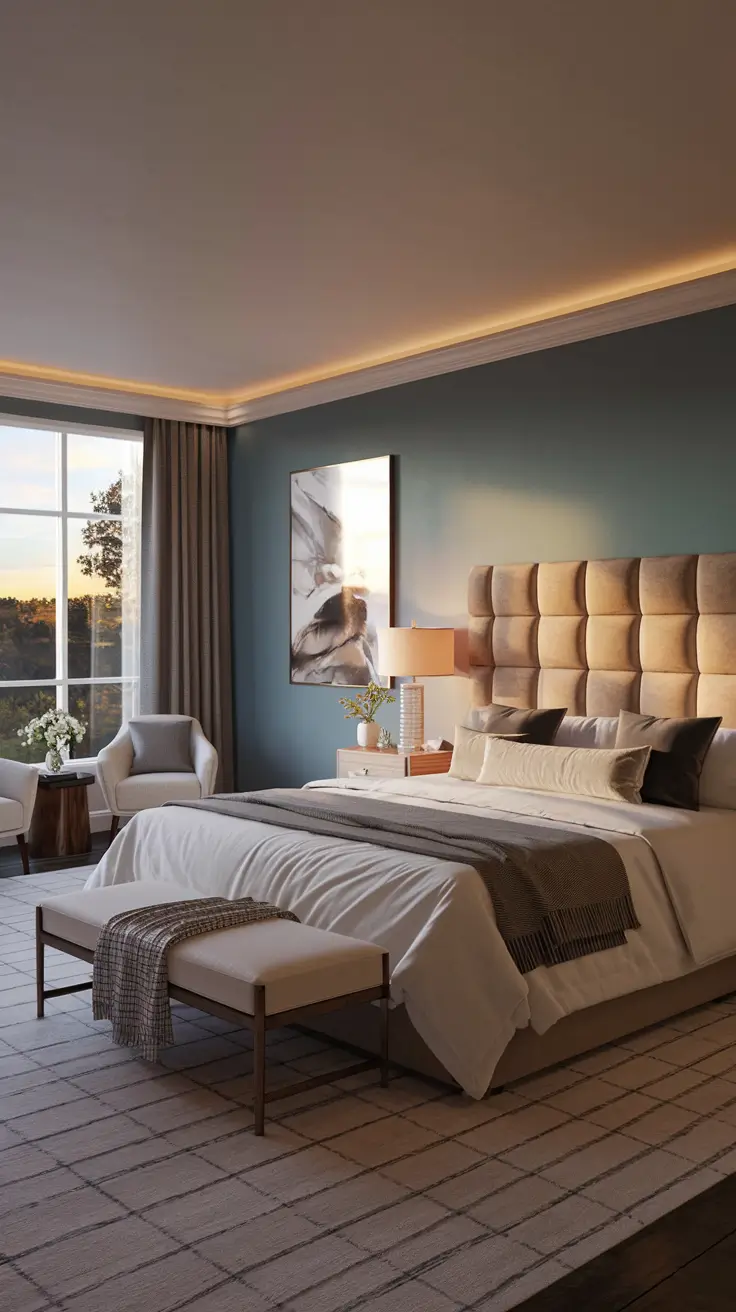
In terms of furniture and layout, I usually go with a large bed with a solid headboard and matching side table units with reasonable ratios but not necessarily identical. One side of the room may have a more substantial table for books and lamp, whereas the other is a slimmer one for a glass of water and phone storage. I like to add in a small sofa, a pair of accent chairs or a bench at the foot of the bed for a shared sitting area so that the couple can talk or read without always being under the covers. The bedding is selected with both individuals in mind, often in breathable materials and a versatile cover that can be used in all seasons with separate throws if one partner is hotter or colder.
From my experience, couples do well with bedrooms that express both of their tastes but do not feel overcrowded. I often use a base palette that is calm and shared across walls, major furniture and then layer in the accent colors and decor that subtly references each person. Many relationship and design experts in US media advise couples to create a shared sanctuary instead of a room filled with individual clutter and I follow that idea by guiding them toward thoughtful and edited choices.
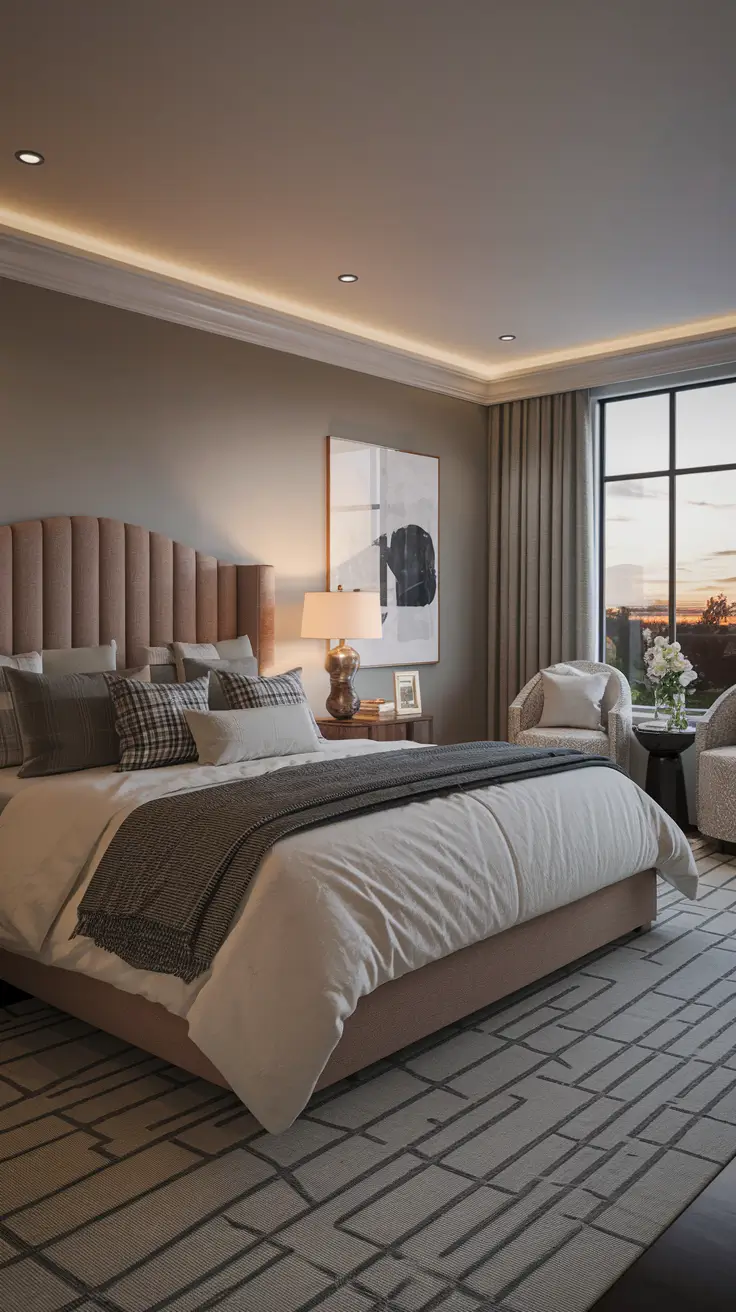
In this section, I would provide more details about such practical solutions as dual control lighting, separate reading lamps, and small storage trays on each side. I would also like to see how to negotiate on decor choices, such as combining softer textiles with a few more hard elements such as a bold artwork or patterned cushions so that the bed area is cozy and personal to both partners.
11. Modern wooden bed designs for warm and natural bedrooms
When I am looking for a bedroom to have a grounded, warm, and naturally calming vibe, I almost always look towards modern wooden bed designs. Wood has a way of visually softening a space, especially one where the walls and floors follow a modern palette, and to helping the bedroom feel connected to nature even in a high rise apartment. I try to stick to clean silhouettes with subtle details such as rounded corners, tapered legs, or judicious slats in the headboard to ensure that the look is contemporary as opposed to rustic.
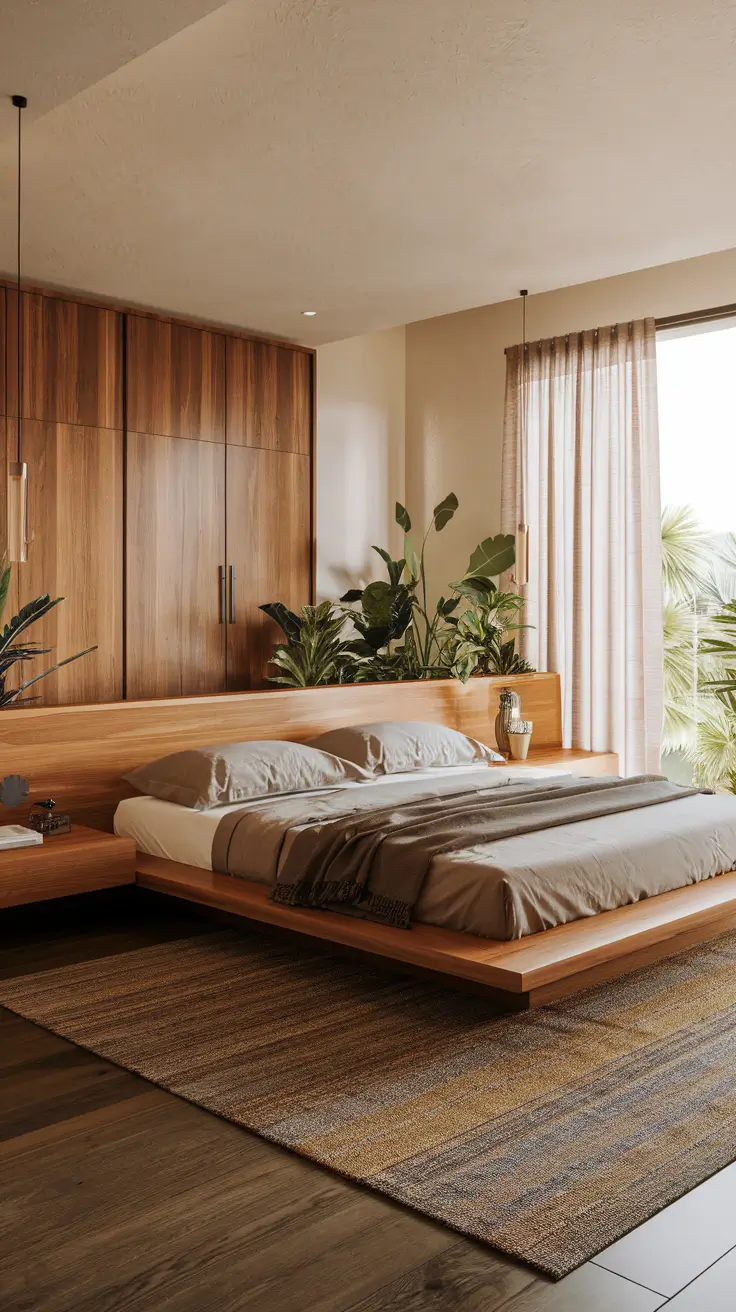
For these wooden beds, I frequently call out oak or ash or walnut depending upon the contrast that I desire with the wall and floor colors. A wood headboard may be flat and wide, continuing out beyond the width of the bed to include a table surfaces attached to it, or it may be vertical slats to allow the wall color to peek through. I set the bed in pieces of complementary wood for storage, as well as sometimes introducing a contrasting item such as a steel reading lamp or fabric upholstered bench to keep the composition from being too uniform. The bedding has a tendency to be made of natural materials such as cotton and linen in earthy neutrals, with maybe one or two accent tones, which reflect the grain of the wood.
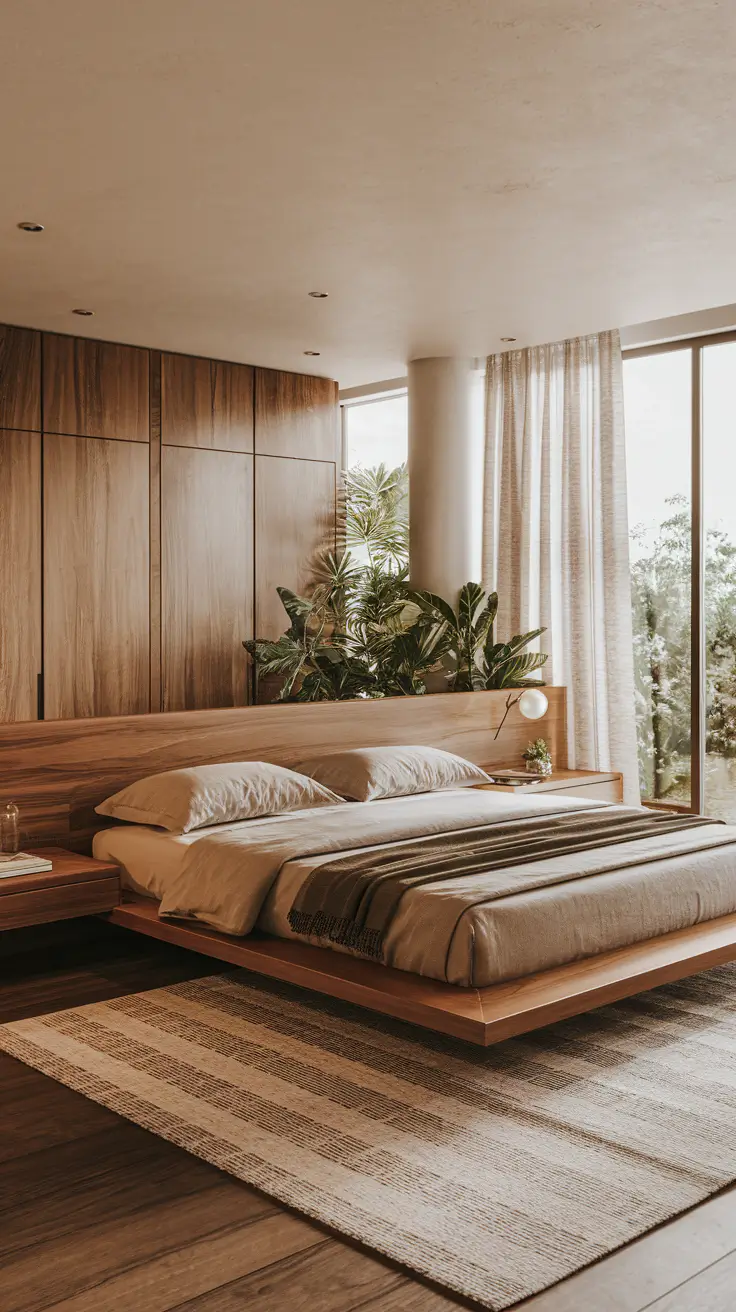
In my opinion, modern wooden beds are some of the most timeless options available since they look just as good in master bedrooms as they do in bedrooms meant for simple guests or teens. US interior design sources often emphasize wood as an essential material for the creation of biophilic interiors, which is a fancy way of saying that interiors feel better when they make visual references to nature. I see that effect clearly in the reactions from clients: wooden bed frames almost always receive the adjectives cozy, calm or inviting in reviews of design proposals.
In this section I would like to include some more specifics of finish choices such as matte vs. satin, which effect lighting in the room. I would also elaborate more on the concept of sustainable sourcing and certifications, as there is an increased interest from clients who are concerned with the environmental impact of their wooden furniture, while wanting to make informed decisions that align with their aesthetics, as well as their values.
12. Bedrooms simple bed ideas that still look premium
When I plan bedrooms simple in terms of furniture count and budget I still try to achieve a visual result which is premium and intentional looking. The trick is to focus on a few well chosen elements (especially the bed) and then coordinate colors and textures so that the room will look cohesive. I do not use lots of decoration and just use clean lines, good proportions and a palette throughout wall paint, bedding and smaller pieces.
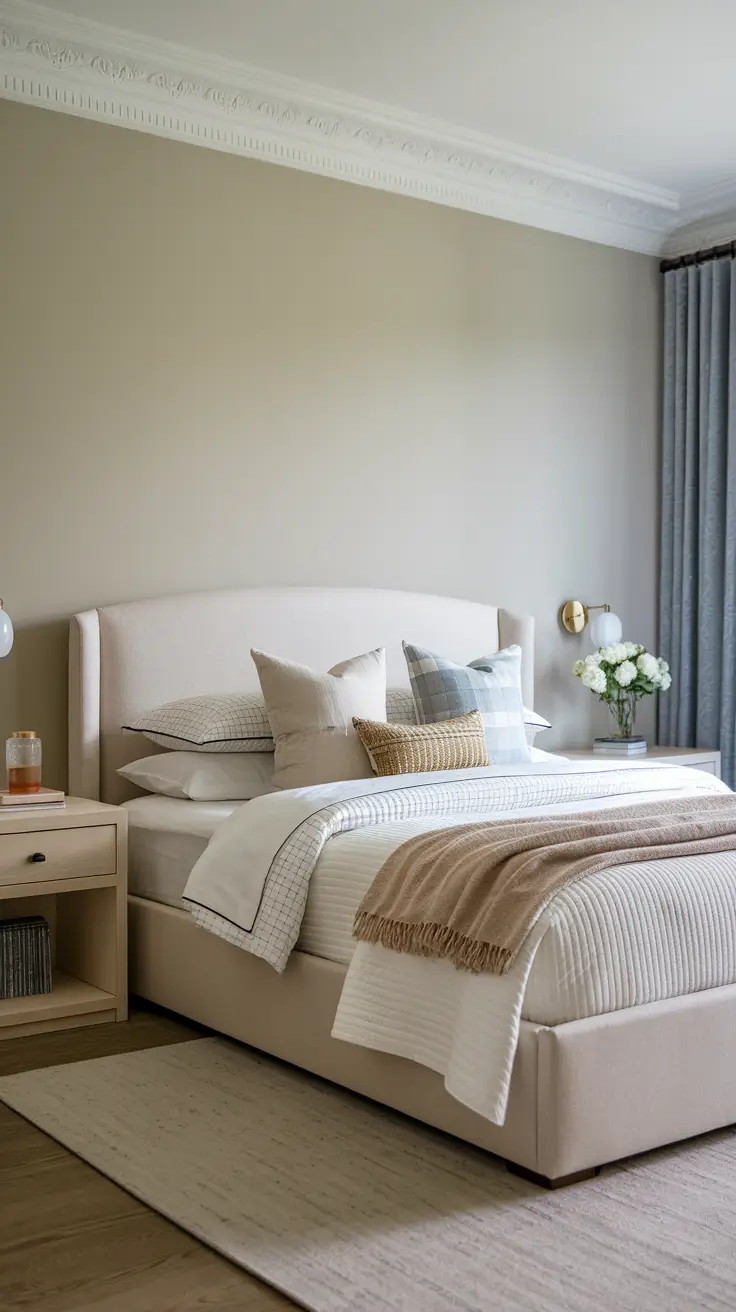
For these rather rudimentary, yet raised configurations, I might call for a simple bed frame in wood or a neutral fabric, a utilitarian headboard with a low enough height for comfortable reading, and two modest side table units. I often don’t really need any extra case goods so I just have to keep a small wardrobe or built in closet in mind, which keeps the floor open and the arrangement flexible. The bedding and cover do a lot of the visual work here: by selecting a textured duvet, two or three quality pillows and one patterned cushion, I can achieve a polished look without a heap of decorative accessories.
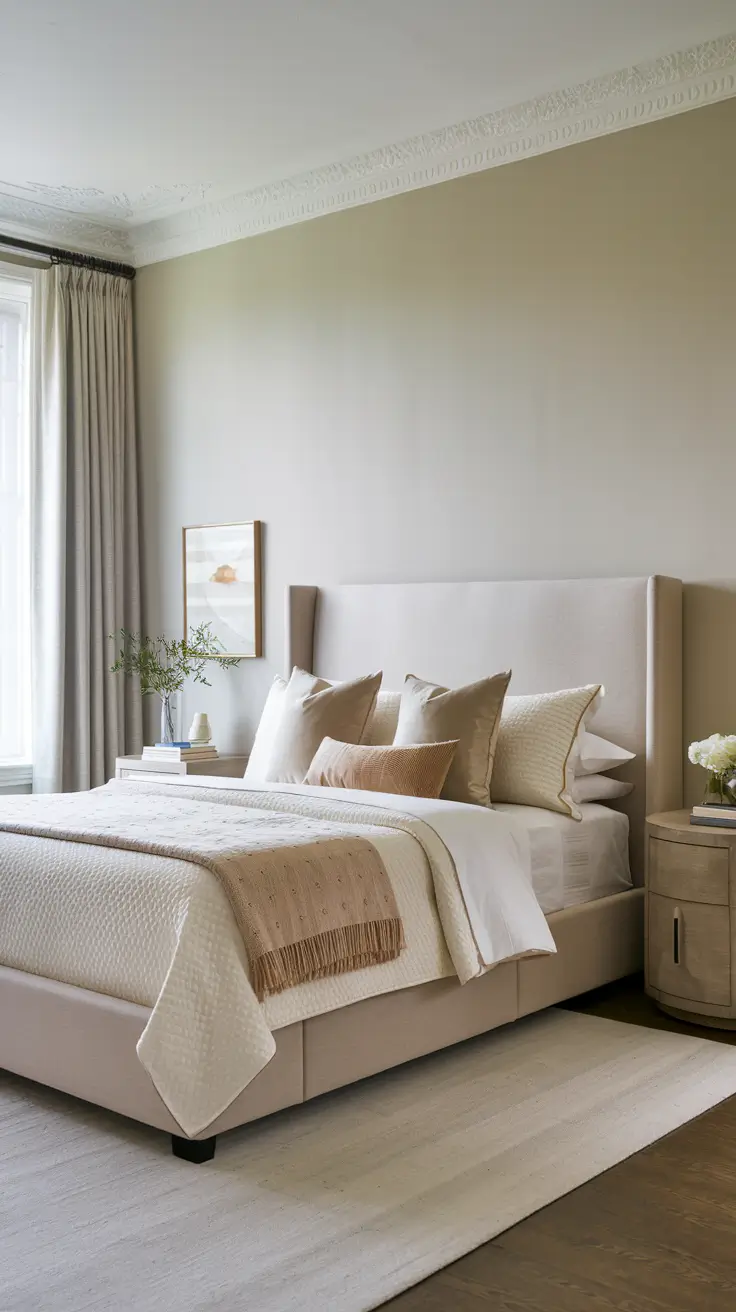
From my own practice, I find many people like simple designs of bedrooms when they realize how easy they are to live in. They spend less time cleaning around the furniture legs and more time actually resting in a calm space that is not competing for any attention. Design editors in the US media often remind their readers that a room need not be expensive to look expensive, just orderly and well balanced, and I agree with that. A neat, coordinated bedroom with one or two highlights often has a premium feel compared with an overstuffed one.
In this section, I would include additional examples of color combinations that make simple bedrooms feel richer, like pairing off white walls with a bedspread of soft clay or olive, or tone on tone neutrals with one slightly darker accent curtain. I would also like to mention some tips on layout of open surfaces and cable management, as visual clutter can quickly destroy the zen-like, premium feel of an otherwise straightforward layout.
13. Murphy bed innovations for compact homes in 2026
When I am working on compact homes in 2026, often Murphy bed innovations enable a space to work like two or 3 rooms in one. These updated systems go way beyond the old fold down frame bolted to a wall; they are now a combination of fully integrated storage, desks, and even small living rooms, with storage modules inside one continuous built in. I see the Murphy concept as a means of reclaiming the floor space of the day without giving up the comfort of a proper bed at night.
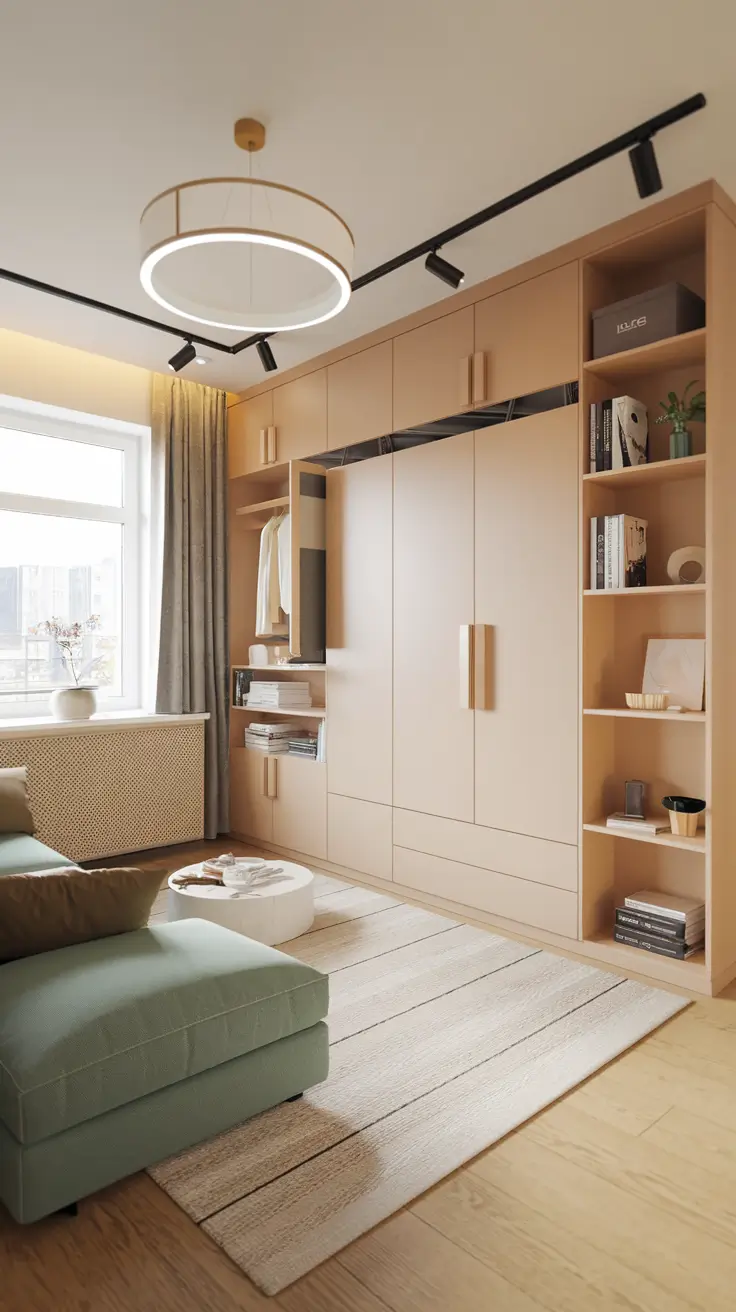
In many projects, I build a wall system where the Murphy bed folds down from behind some cabinet or shelving unit. The enclosing structure may conceal a wardrobe, shelving, and even a compact sofa which will remain in situ when the bed is open. Some versions include a fold away study table that folds up or down turning the same wall from office to bedroom in a few seconds. I make sure the headboard has padding or upholstering to make the bed feel like a real bedroom and specify quality bedding that can easily be folded up and protected by a bed cover when the bed is stored.
I have found that clients who are initially skeptical about the practicality of Murphy beds tend to change their minds when they see what a refined look the newest systems have face-to-face. With the right planning, a Murphy wall can be the most efficient spot in the home with the combined functionality of storage, seating, and sleeping in one sleek feature. US small space experts are repeatedly stressing multi functional furniture as one of the keys to livable compact homes, and this technological update to the Murphy tradition is a perfect fit.
In this section I would like to include some additional information regarding safety and installation specifics such as the need for anchors and the suggested clearances around the bed when it is in an open position. I would also add more to the mattress choices and how to pick one that balances ease of raising it and long term comfort because the success of a Murphy bed is based on how it feels in use and not just how cleverly it hides away.
14. Loft bed designs for vertical living in modern bedrooms
When I design for vertical living concepts of loft beds are an essential tool, especially in small room layouts, or high ceiling apartments. A well-planned loft bed raises the sleeping space from the floor, leaving room for additional purposes, such as a lounge space, study table or storage area, underneath. I pay special attention to ceiling height, safety, and the feeling of openness to make the elevated bed feel cozy, but not claustrophobic.
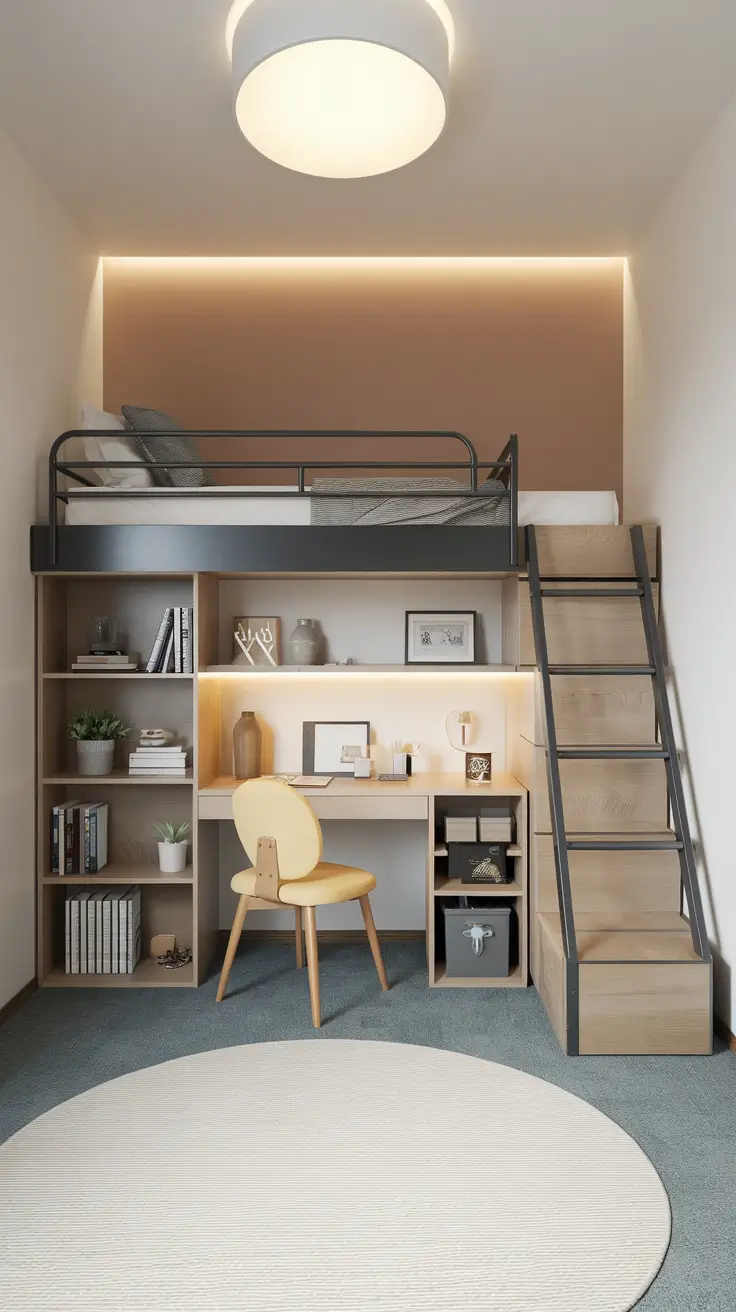
In practice though, I tend to design a loft structure which incorporates sleeping above and a working below, a built in desk or a small sofa or wardrobe, etc. The frame of the loft could be made of wood for warmth or steel for a crisper modern appearance with a secure ladder or small staircase with the storage built within each step. Under the loft, you can sometimes find a mini living room with a low sofa and side table or a focused workspace with shelves and closed cabinets. Thoughtful lighting is of the utmost importance: I’ll add wall lights near the bed, soft ambient lighting under the loft and perhaps LED strips along steps for safety and style.
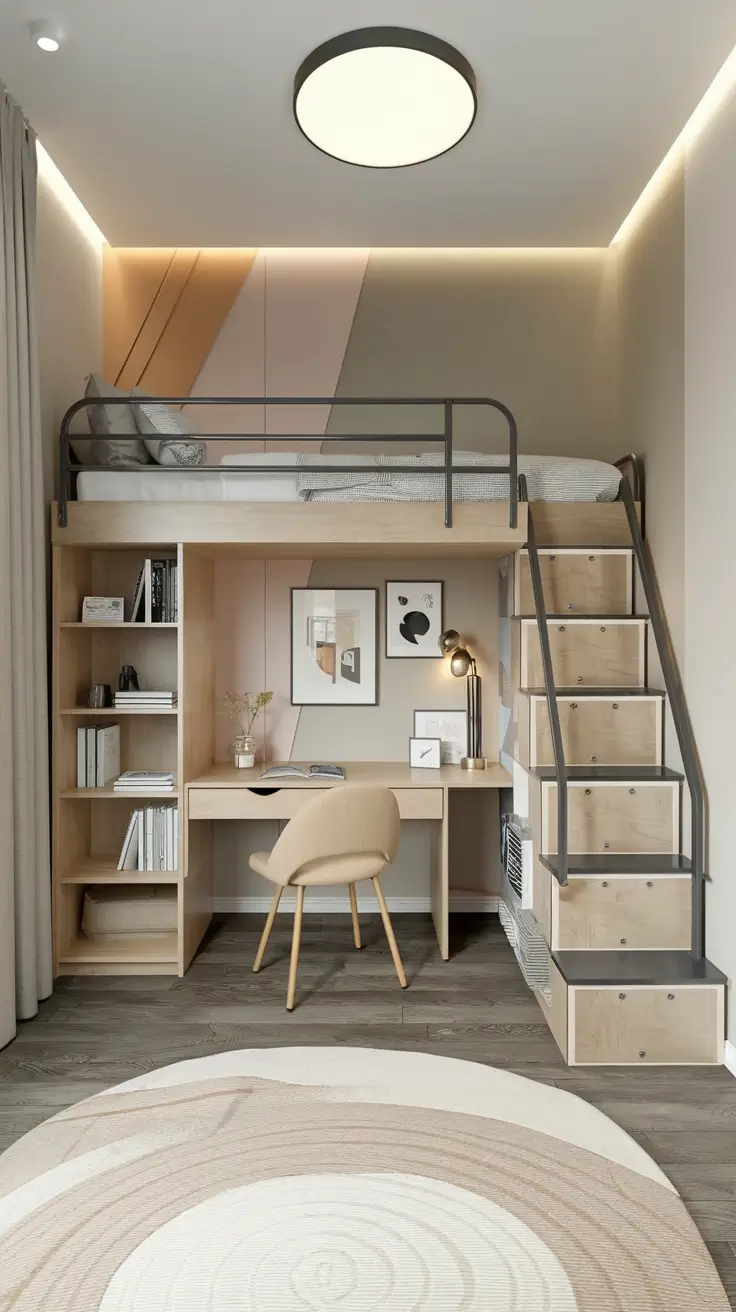
From my experience loft beds work not only for kids and teens but also for adults, as long as they are designed at the right height and with solid materials. Some clients have even requested themed loft spaces such as Minecraft inspired color palette or gaming space under the bed, but especially in youth bedrooms while maintaining a modern and clean overall design look. US design publications often focus on the lofts as one of the key solutions to micro apartments and studios where every cubic meter counts, and I totally agree.
In this part, I would include more about code considerations, what the weight limits are, and what the recommended clearances are between the mattress and ceiling for comfortable sitting up in bed. I would also like to include some ideas for sound and light control in loft areas, such as curtains, acoustic wall panels that are strategically placed near walls or rugs that are strategically placed to make the area beneath the loft feel inviting rather than dark and forlorn.
15. Master room suites with coordinated bed and furniture ideas
In a true master room suite, I always begin by thinking of the bed as the anchor of the layout (and allow all the other furniture choices to play off the bed). I see for 2026 master suites embracing clean modern lines, soft neutral walls and a few bold wood and steel accents to make the bedroom both calming and substantial. I prefer to place the bed on the bed wall facing the door with an upholstered or wood headboard to anchor the room and allow for generous side tables. When the bed, wardrobe, sofa or lounge chair and study table all speak the language of the same design, the couples master bedrooms interior starts to feel like a well thought out suite instead of a collection of unrelated pieces.
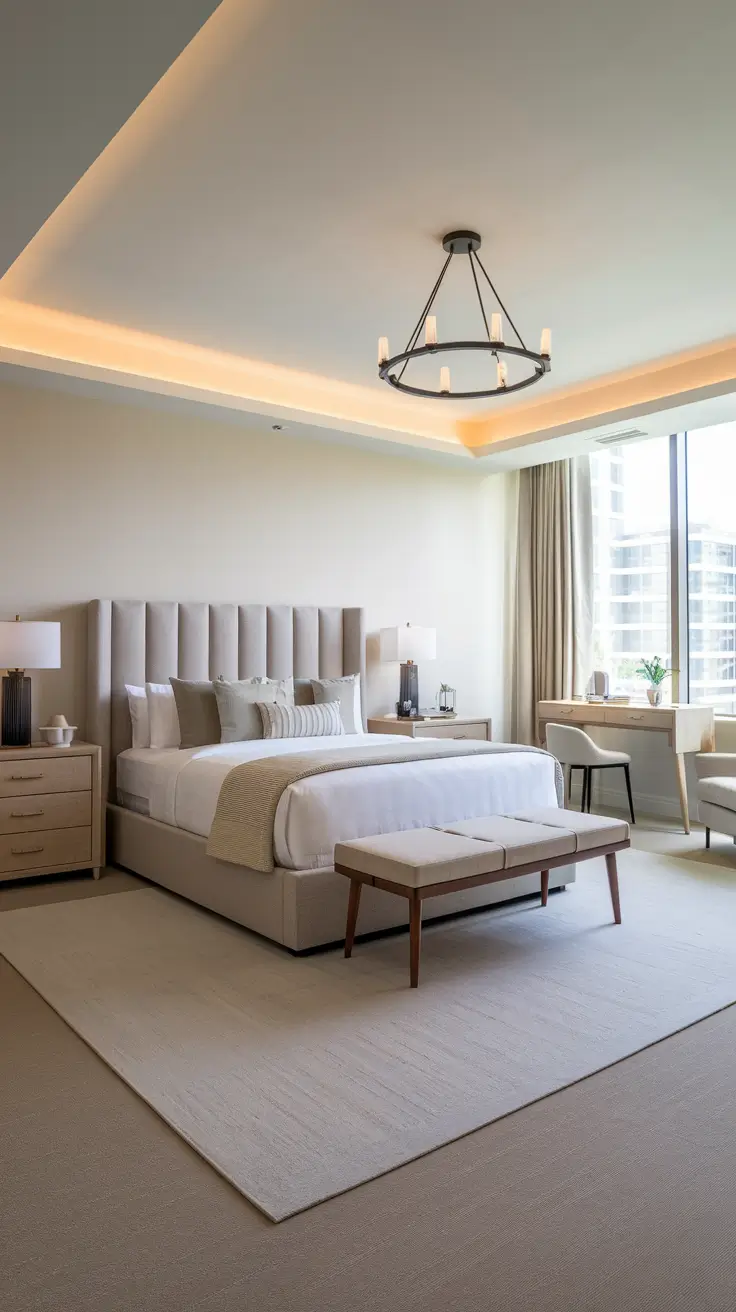
In my projects I typically go for a king-sized bed with a mid-height headboard flanked by matching wooden side tables that have storage drawers. Then I include a low wooden or steel framed bench at the foot of the bed for shoeing up or laying out clothes, which helps to keep bedding tidy during going about your everyday activities. A small sofa or chaise in an identical cloth, a table for research and a comfy chair make the master bedroom a multipurpose living space that does not clutter it. Wardrobes, dressers, even a wall-mounted TV set repeat the wood tone or lacquer color so that the entire suite seems to be one family of furniture.
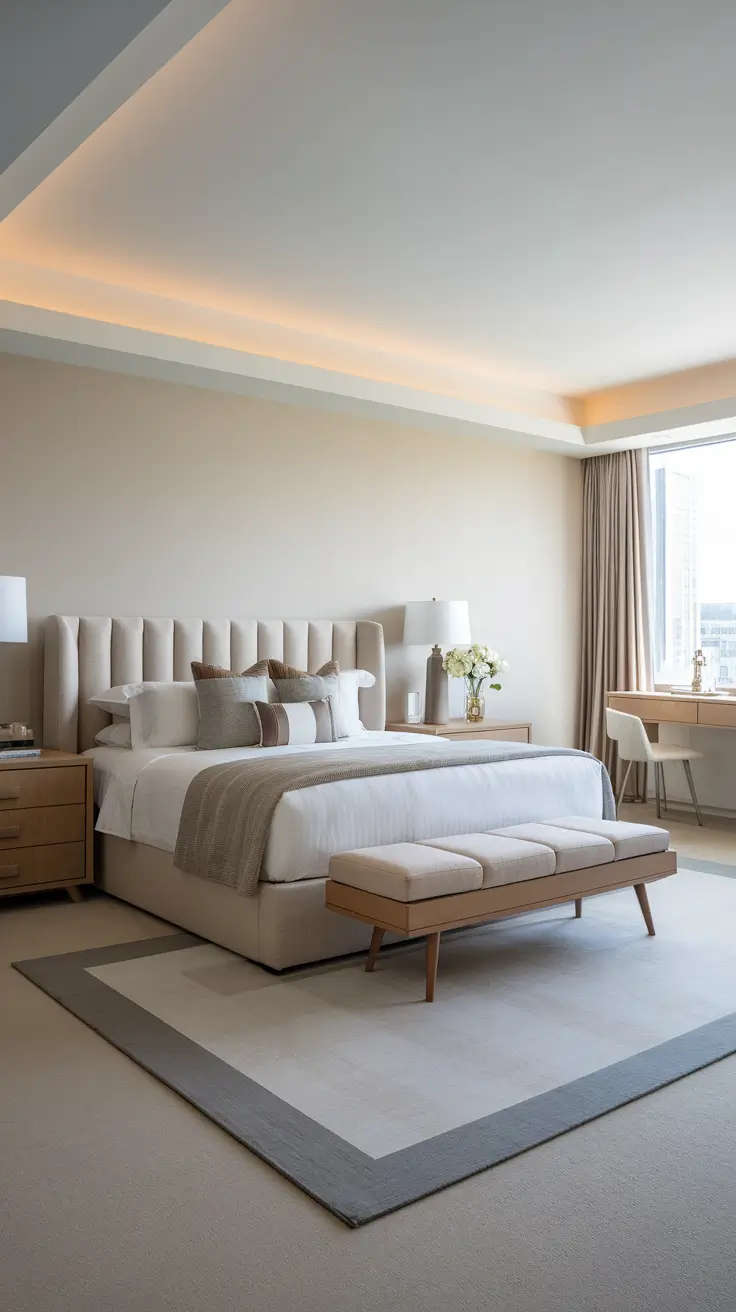
Overall, from my experience, coordinated master suites tend to be the most livable in the long run because they minimize visual noise and make house keeping and organization easier. I have seen in great American designers advice to buy fewer and better clothes which share a common line, rather than buying haphazardly what is on sale. When a master room is rather simple but the bed frame, side tables and storage units feel like they go together, then it’s suddenly more luxurious and considered.
In this section, I would still introduce more information about how to add hidden storage to the coordinated furniture set, such as under bed drawers, bed base lifting, headboard headboard with niches, etc. In addition to furniture style, circulation is also a key aspect of a functional master bedroom, so I would include how to create a well-defined path for walking around the bed so the suite is spacious and feels safe for late night moving.
16. Wood headboard designs that define 2026 bedroom style
So when I design bedrooms in 2026, I believe the wood headboard is one of the most important factors deciding the overall atmosphere of the whole room. In modern environments where a minimalist and cold home may be too clutter-free, a well-chosen wooden headboard immediately becomes the main focus and can add warmth to the home. I tend to make the headboard run the whole length of the wall either as a panelling or as a slab behind the bed, so that it surrounds the sleeping space and makes a small room look more spacious. This style works equally well in small apartments as in larger master’s suites.
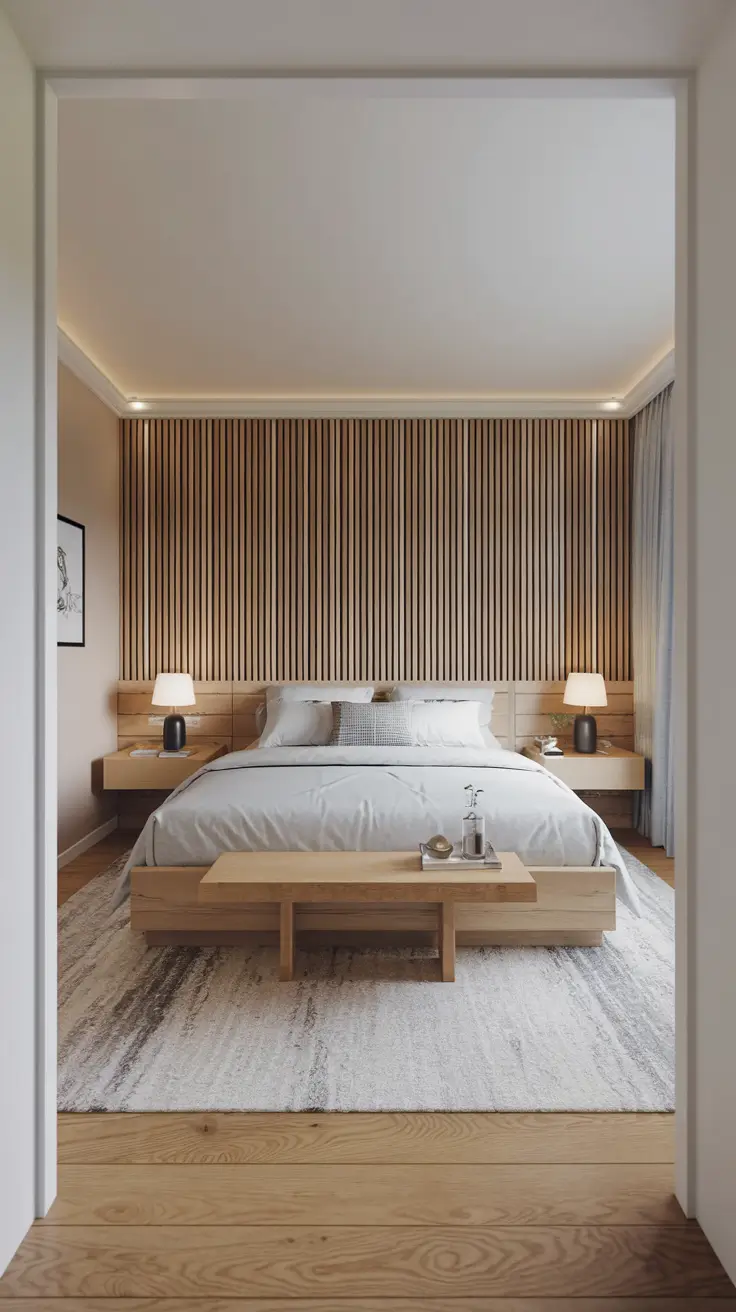
I enjoy incorporating wood tones and textures into headboard designs, from light oak slats to darker walnut panels, sometimes combined with narrow steel trims or built in wall lights. With vertical slats, wood headboards can make low ceilings look higher, and with horizontal planks, the wood headboards make the room look wider and more tranquil. For even more functionality, I tend to design headboard units that include built-in shelves, side tables, and USB outlets, transforming the headboard into a one-stop multi-purpose piece of furniture rather than the individual furniture elements. With an integrated headboard and side table solution, bedrooms are simple, easy to clean and more space efficient.
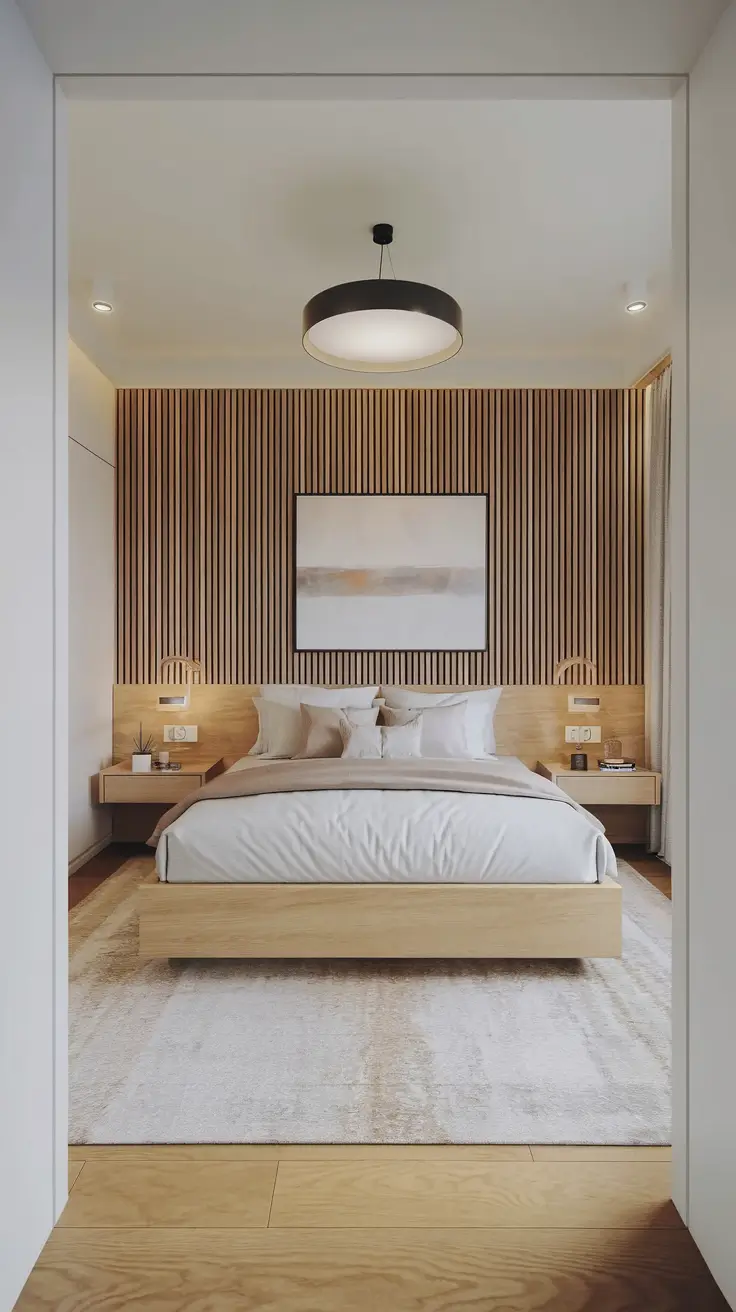
In my opinion, a contemporary wood headboard is one of the best investments in a bedroom, because it will outlast many changes of bedding trends. I typically recommend that you choose a wood color that will work with the color of the walls in the room to accommodate furniture changes, so you can repaint the walls later without changing the furnishings. Some prominent US designers also recommend combining natural wood with soft fabrics and minimalistic decor instead of filling the headboard space with art or clutter. This allows the craftsmanship and grain of the wood to shine as the star feature behind the bed.
If I were to elaborate this section more, I would introduce more detailed examples of sustainable wood selections and finishes which work well in busy houses, for example resilient matt lacquer or low sheen oils. I would also add tips in terms of matching wood headboard designs with flooring type, such as tiles or carpets, and in terms of how the headboard should match wardrobes and doors to ensure that the whole bedroom envelope is coherent.
17. Room color trends interior 2026 matched with bed designs
When decorating a bedroom that matches room color schemes, 2026 interior predictions always begin with how I want the bedroom to feel emotionally. Soft earthy neutrals, pastel greens and warm taupes are still strong because they give modern bedrooms a sense of restfulness and timelessness. I tend to use these wall colors with simple bed frames and wood headboards that keep the overall look calm and connected as opposed to busy. In smaller room schemes I tend to paint the wall behind the bed a little deeper, so that there is a sense of depth without the room feeling like a cave.
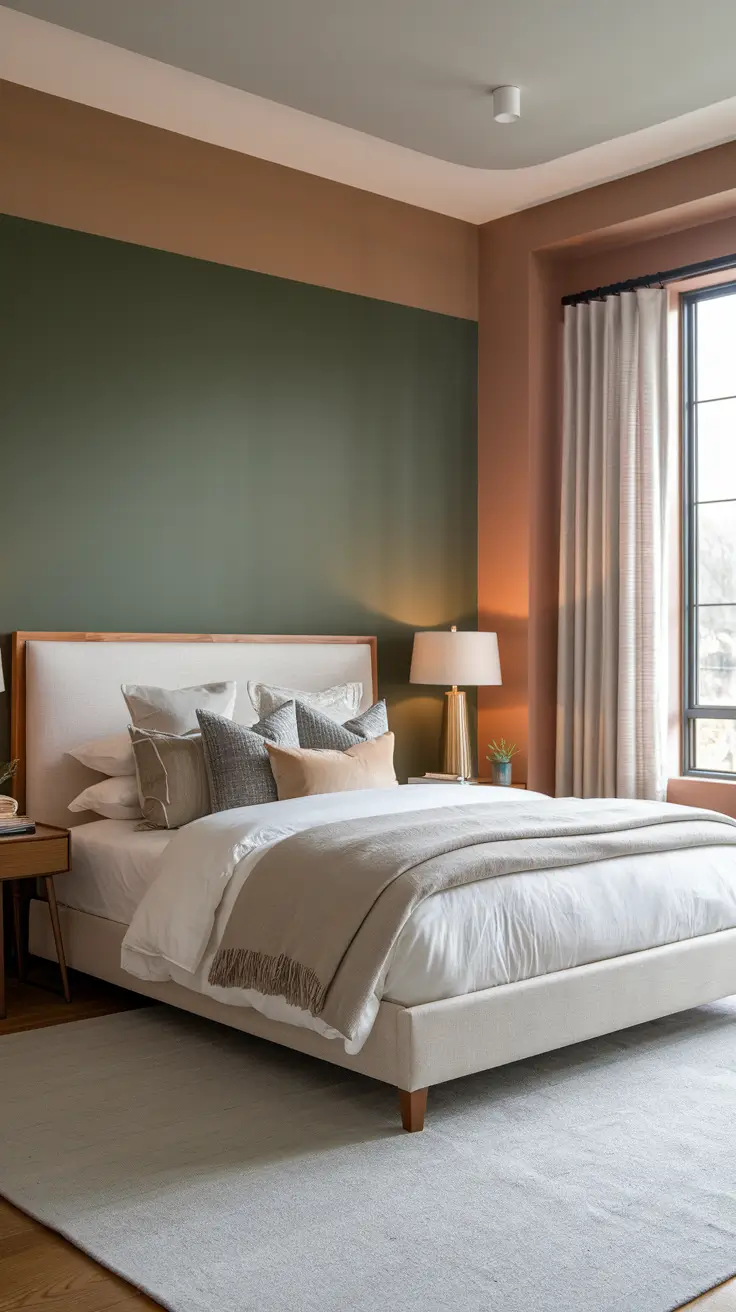
For the bed itself, I go for upholstered frames in an off white, stone or greige fabric to sit comfortably against these trendy wall colors. When the bedroom has steel or black metal accents, I am careful to avoid having the bedding and headboard compete with the wall colour, repeating one or two tones through pillows, throws and the duvet cover. Accent colours are used in cushions, a lamp on a side table or artwork, but the base is still silent and balanced. Even if a client is eager for a bold color like a deep blue or muted terracotta on the wall, I keep the design of the bed more understated so as not to overwhelm the room.
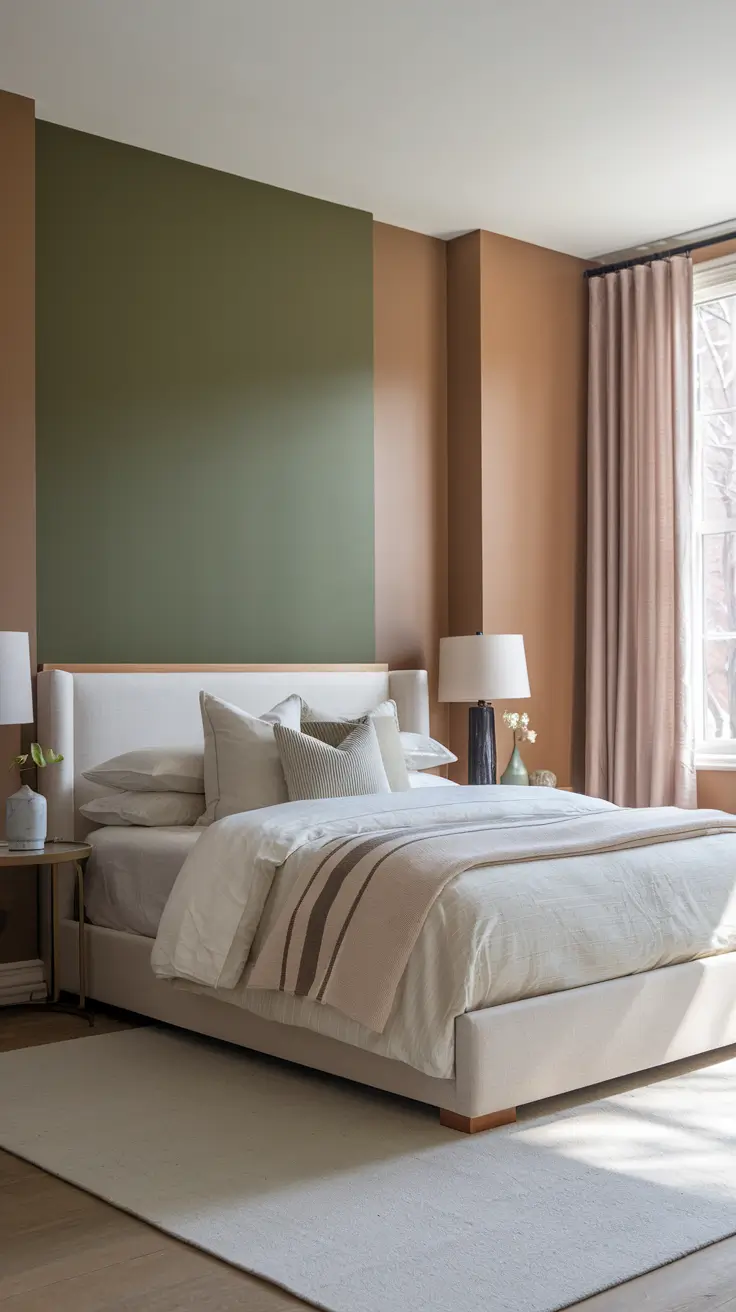
In my opinion, color trends can be followed as long as the color palette caters to the natural light and proportions of your space. I frequently repeat the wisdom of popular interior magazine editors who recommend sampling paint at the headboard and even on the bedding, rather than on a blank wall, before you decide to make a commitment. This will allow the undertone of the paint to go well with wood furniture, flooring, and textile. In darker rooms I prefer warmer neutrals, so in bright sun-filled bedrooms I am more comfortable using a slightly cooler or moodier color.
One suggestion I would incorporate into this section would be more specific paint and fabric pairing suggestions, such as the combination of cool gray walls and warm wooden furniture or the combination of layered neutral bedding and dark walls. I would also like to add ideas for renters, things like large fabric panels or removable wall treatments behind the bed when painting is not an option but you want to create a fresh color scheme.
18. Sofa beds for living rooms with smart storage solutions
Sofa beds are often recommended for clients that require a living room with storage space and periodic sleeping area but do not want a guest bedroom. In 2026, the top sofa beds should look and feel like regular sofas during the day and transform into beds at night without much hassle. I try to place them up against the primary wall for the living room or under a window so there’s enough space in the layout so the bed can be opened fully. When properly designed, the room flows seamlessly from social area to bed area without appearing haphazard.
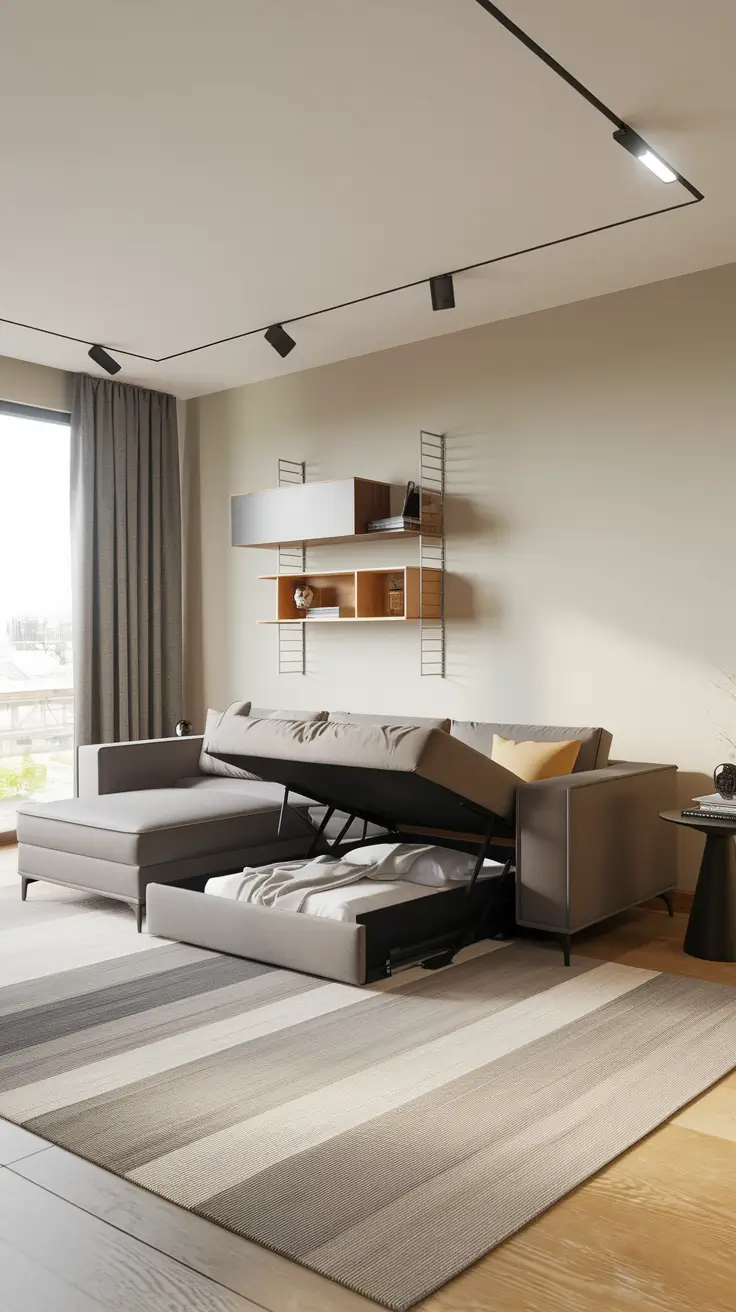
In my opinion, the best sofa beds have drawers underneath the seating area or chaise for bedding and other supplies like extra pillows, blankets, and a cover. My preferred designs are modern-looking models with simple silhouettes, metal or wooden legs and heavy-duty upholstery that can stand up to everyday wear and tear. I do add short side tables, wall shelves, and maybe a low media unit which does not get in the way of the sofa when it opens. This combination makes the living room a multi-purpose room that, at the same time, seems to be clean and spacious.
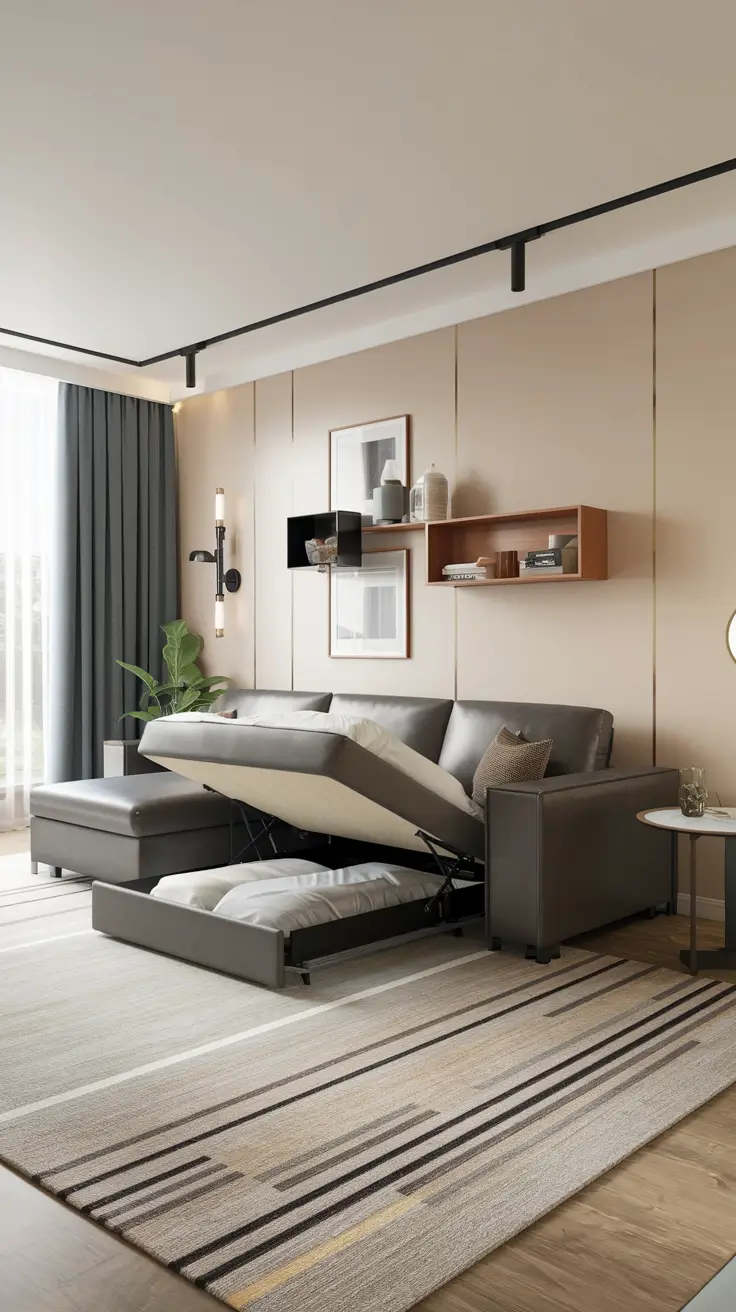
In my experience, the usage of a sofa bed is most appropriate in small apartments, loft style studios, or family rooms where guests are frequent. Often, I would tell clients, as many American design publications have, to test the mattress and mechanism before purchasing, because a sofa bed can only be successful if it is downright comfy for sleeping in. If the room is to be used regularly for a variety of purposes, I also prefer to keep the surrounding decor simple; using simple rugs and minimal accessories that look good both when the sofa is up and when the bed is out.
What I would still include in this area is further information about modular sofa bed systems that can be rearranged into alternative arrangements, such as corner configurations and individual loungers. I also would describe more specific storage solutions around the sofa bed, such as above storage cabinets, narrow consoles behind the back, or hidden storage Ottoman, so that, the reader can better visualize a clutter free living room and guest bedroom in one.
19. Modern side table ideas that complement new bed designs
I never consider the side table as a secondary part of new bed designs since this essential component greatly influences both the overall modern bedroom’s appearance and the daily comfort of most people. In 2026, we can expect a shift towards side tables that seamlessly blend clean lines with storage solutions and functional features, such as built-in charging capabilities and open shelves. There is a tendency in small room layouts to become cluttered from furniture pieces that are too chunky, so I like to pick tables that are visually lighter than the bed itself. Placing the matching tables on both sides of the bed in a master room, also gives a more balanced and hotel-like symmetry to the whole wall.
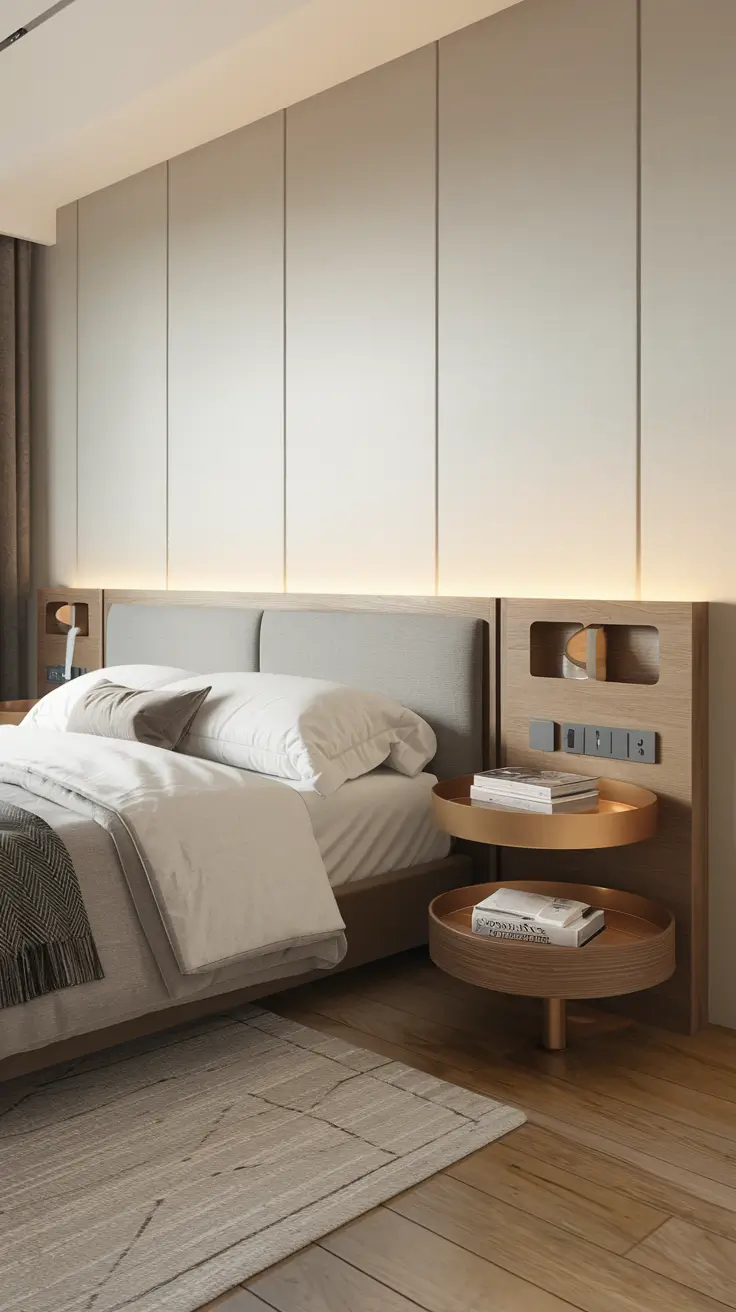
In many projects I use floating side tables that can attach to the wall or to an extended headboard panel, which will save floor space and make it easier to clean. They can be made from the same wood as the wood headboard or in contrasting finishes such as lacquer or thin steel frames and a wood top. So, I tend to make one drawer for personal stuff, an open niche for books, and a clean upper surface for a lamp, a glass of water, and a decorative item. In smaller rooms, a round or C shaped side table can be pulled in to the bed when necessary and pushed out of the way when not needed.
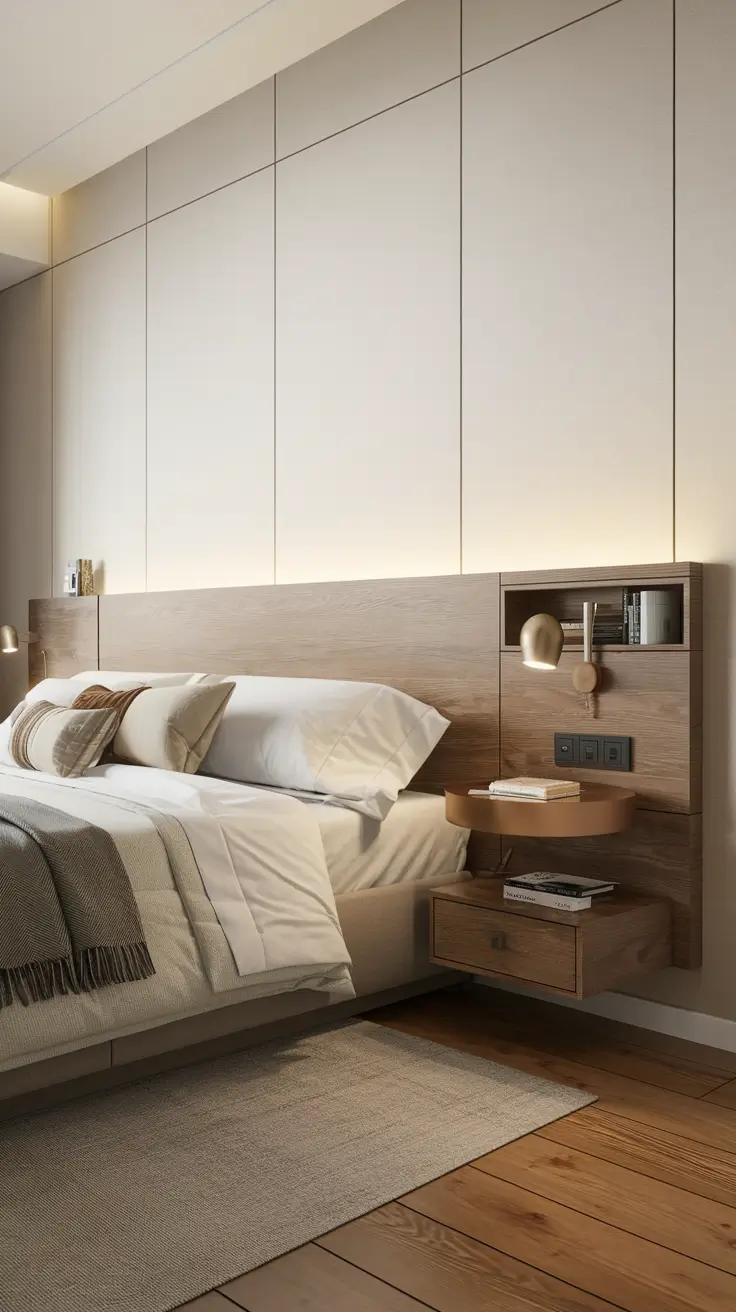
Personally, for me well designed side tables make it much easier to keep bedrooms simple and organized as everything important has a place. Many interior professional designers also note that side tables are a low risk addition to bring an accent color or unexpected texture to your room without dominating the space. I take that further sometimes; I use darker side tables on light walls and beds, or vice versa, which creates a subtle but stylish contrast that makes the entire bed wall shine.
As far as this section is concerned, I would suggest adding more ideas for side tables that also have inbuilt lighting or wireless charging; technology is becoming a given in the bedroom. I would also go further to explain how to select the correct height and depth of a side table for it to work well with different heights of mattresses and bed frames, which is a small but important detail that many people don’t think about.
20. Bedding trends 2026 for stylish and cozy bed makeovers
When I am redecorating a bedroom for the year 2026 without changing the bed frame, new bedding is usually the first thing I buy, as it is the quickest way for me to make a room look and feel different. My personal preference is natural fabrics such as cotton, linen and bamboo blends in soft breathable weaves which cross boundaries in seasons. Layering is important so I use a duvet cover and a light quilt or blanket plus several pillows of different sizes. This gives even an ordinary bed base an extra touch of luxury and welcome, particularly in a master bedroom.
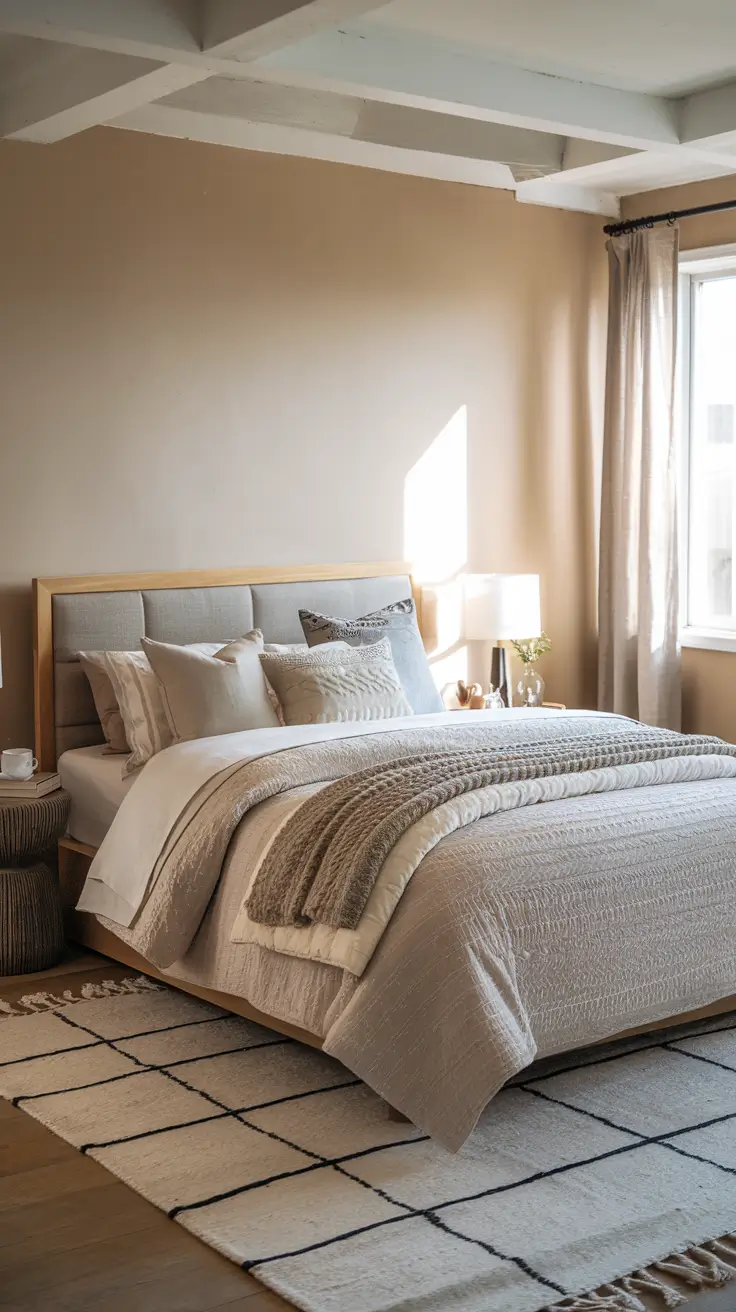
Color and pattern-wise, I typically keep the main bedding elements, the wall and headboard in solid or nuanced textured neutrals that work well with each other. Then I make it interesting with some accent cushions, a throw under the foot of the bed or contrast pillowcases. In the kids’ rooms or guest rooms, I sometimes introduce more light-hearted patterns which still relate to the general colour scheme for the rest of the room. Whether your bedroom has a bold wood headboard, an upholstered frame, or a more minimal steel and fabric bed, the bedding should be able to work with the design instead of battling against it.
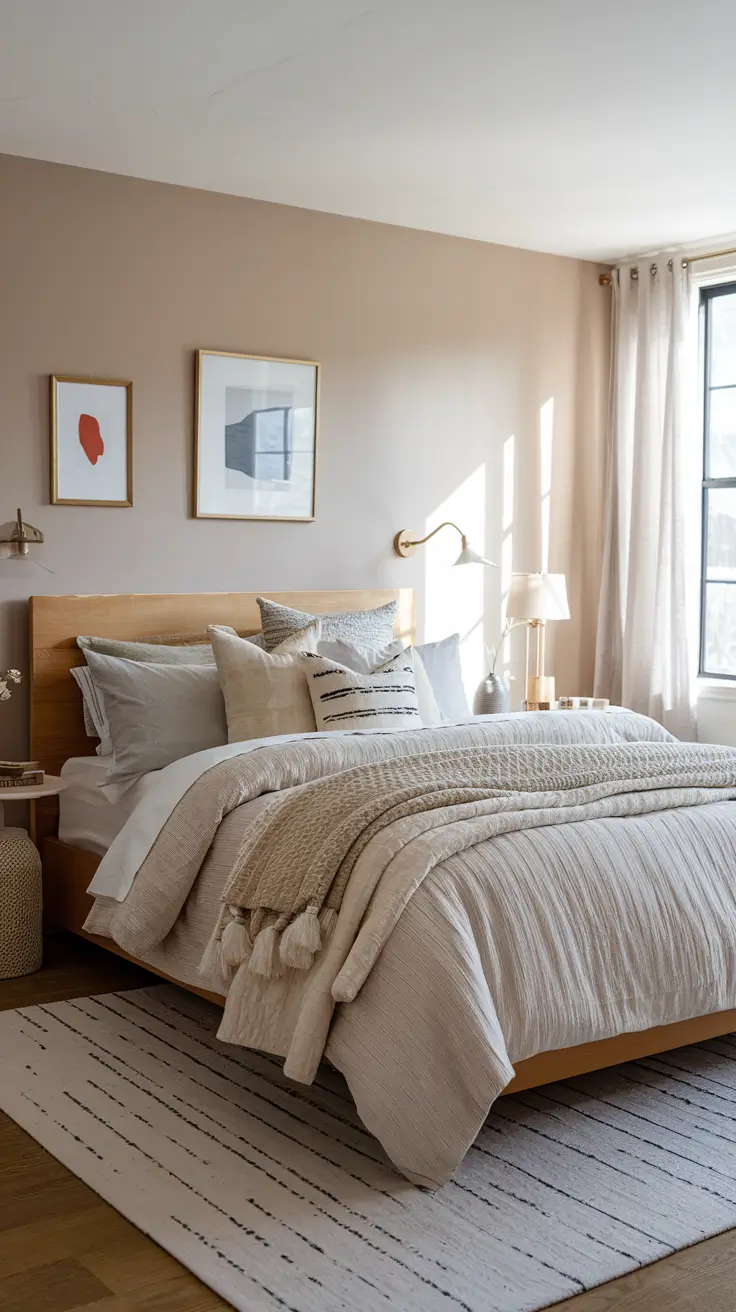
In my opinion, investing in quality bedding is not just about appearance; it has a direct impact on sleep quality and your overall experience in the room daily. Breathable, washable, and long lasting fabrics is a big emphasis for many sleep and design experts in the US and I couldn’t agree more wholeheartedly. I often recommend that clients approach bedding as a form of clothing for the room, frequent changes of season and layering of textures to keep things comfortable but also visually interesting.
With this section, I would like to include more style specific detail combinations, like bedding ideas for a coastal inspired bedroom, a dark moody loft, or a bright minimal city inspired space. I would also add that sparing bedding can be stacked in under bed drawers or storage benches so additional linens are always available, but never in view, and maintain a cleaner and calmer bedroom environment.
21. Minecraft inspired bed designs for creative kids bedrooms
When designing kids bedrooms for families that love to game, Minecraft inspired bed designs can be a playful and surprisingly functional theme. My first step is to transform the pixel-yet-puzzling appearance of the game into something simple and secure that can be kept in the real life and be easily maintained. The bed takes center-stage as the primary architectural feature in the room, and a headboard or side panels that look like stacked cubes or simplified Minecraft landscape blocks. By keeping the walls relatively quiet and keeping the use of the game references around the bed area, the bedroom is used flexibly as the child gets older.
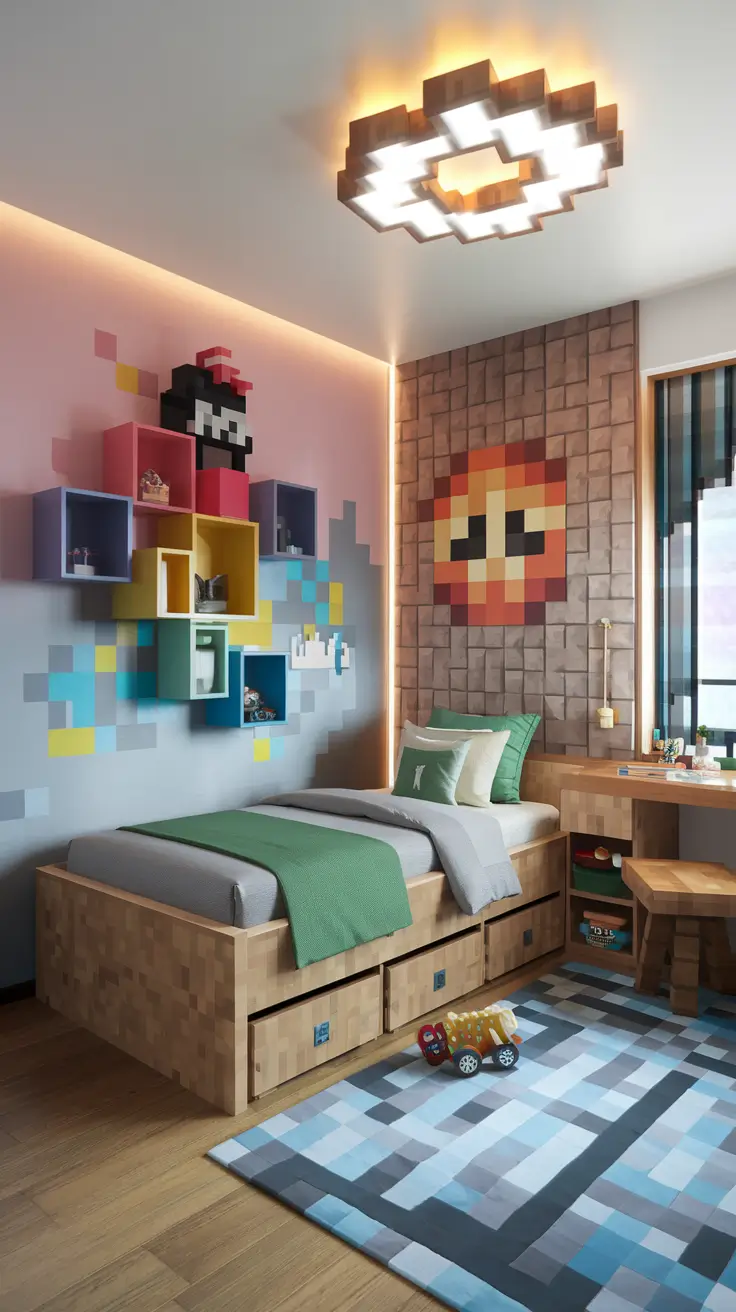
I typically settle on a solid wood or steel frame for the bed, and at times with storage drawers underneath or a loft bed design with the sleeping platform elevated above a play or study area. Colors are inspired from the Minecraft world, like grass greens, stone grays, and warm wood browns but they are used sparingly across the bedding, cushions, and a few wall decals instead of painting every inch of the room. Shelving units, side tables and toy storage boxes can also mimic the square modular nature of the game, making for a unified Minecraft theme without seeming to be a mess of toy trains and trains of them.
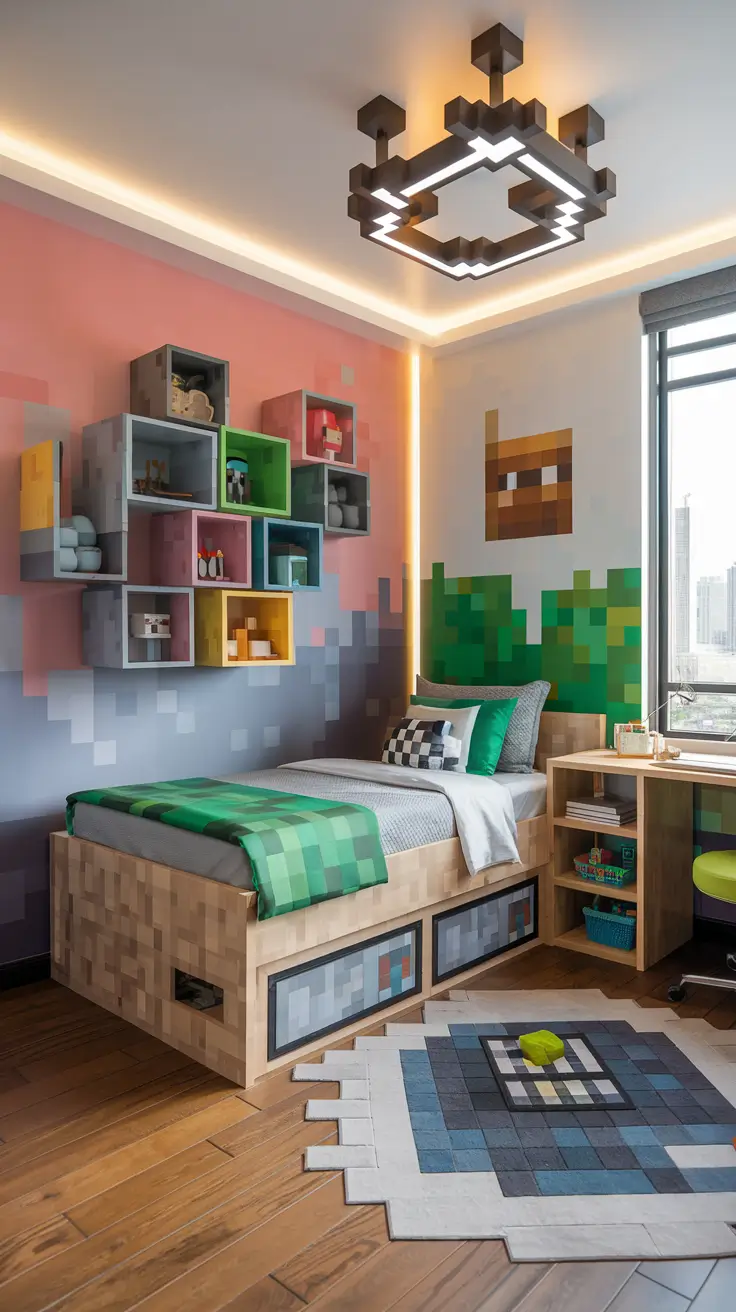
As a designer, I believe that game inspired bedrooms are most successful when they strike a balance between fun and functionality. Other designers for children stress that sufficient areas for free play be left open and allow the room to grow with the child. I then move on to key furniture items, such as the bed, in materials and shapes that make sense when the child is older while using easily changeable items such as bedding, wall art, and accessories for the most Minecraft references.
For the remainder of this section, I would include further advice on safety aspects for loft or bunk arrangements, guarding height, design of ladders and clearance from the ceiling. I also would also add some ideas about incorporating soft lighting such as block shaped bed lamps or LED strips to make the room feel more intimate and supportive of good rest and not only a gaming room.
22. Backyard bed layout ideas with landscaping and flowers
When I discuss bed designs, I also look at how the outside space can incorporate daybeds or lounge beds, particularly into backyards with landscaping and flowers that are well planned. In 2026, I envision elevated garden platforms and seating models combining to create areas for relaxation, reading or even taking a nap outdoors. I love to place an outdoor daybed or lounge structure in a pleasant location with a nice view of the garden, perhaps framed by a background of the beauty of backyard landscaping flower borders and small trees. This makes an ordinary outdoor furniture set a destination in the garden.
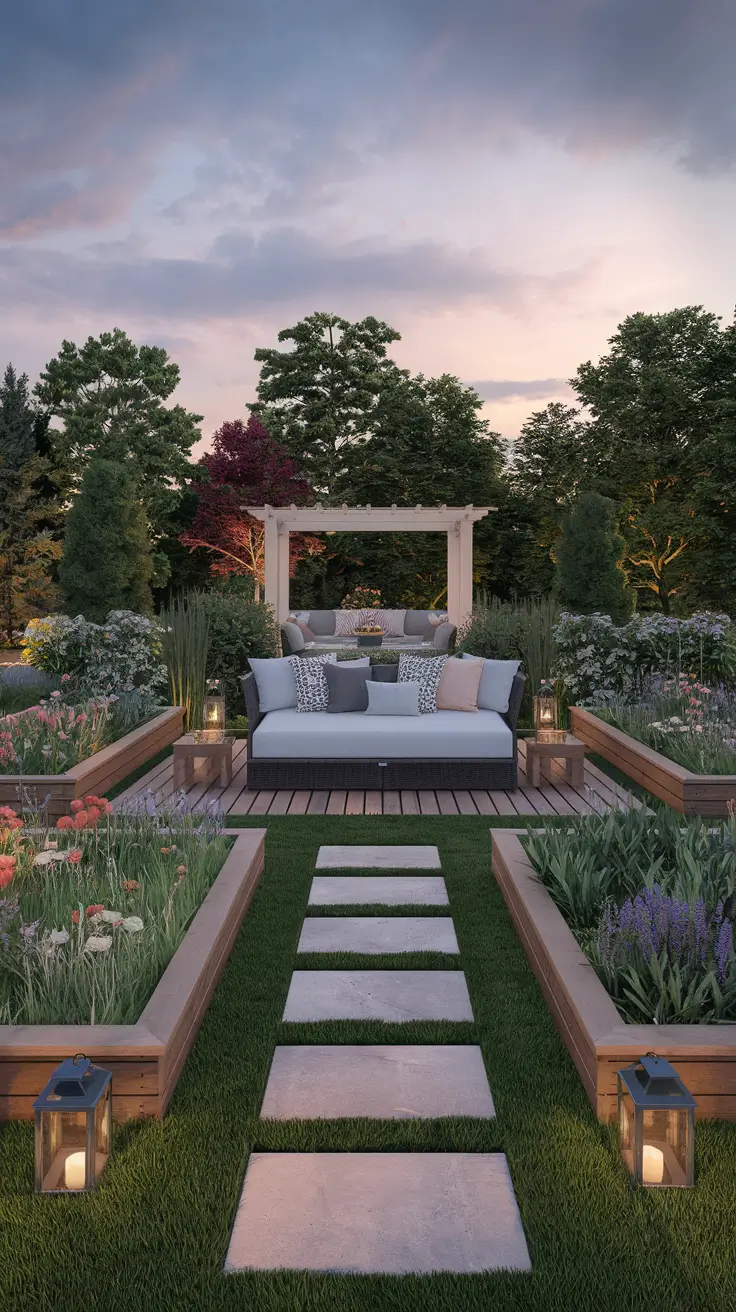
For materials, I usually opt for weather-resistant wooden or metal frames often with powder coated steel with thick cushions in durable outdoor cloth. The outdoor bed may be on a deck, a stone patio, or even a platform built into an elevated garden structure that is surrounded by planters of varying heights. Side tables, lanterns, and outdoor storage benches provide easy access to essentials without cluttering the space. By repeating colors from the plants and flowers in the cushions and accessories, the overall area is cohesive and well-intentioned.
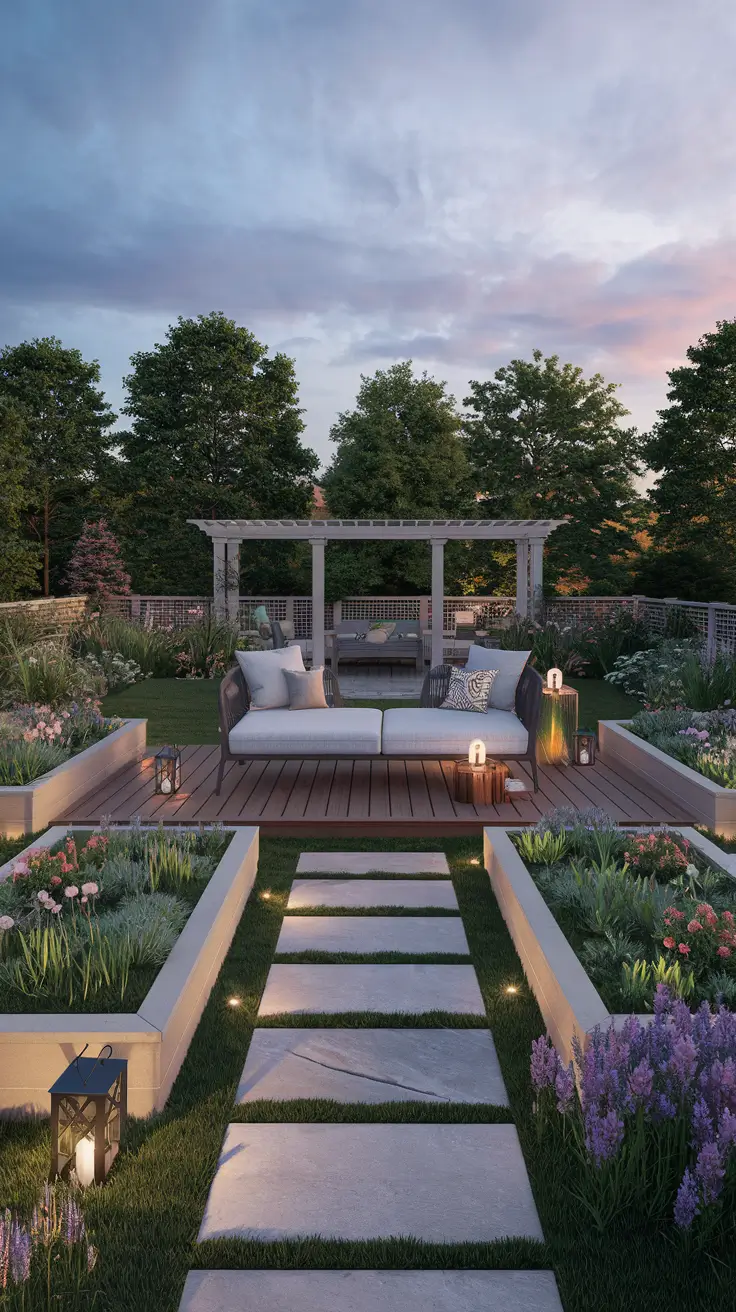
In my opinion, outdoor beds work best when they are simple to maintain and are truly comfortable when used throughout the seasons. Landscape designers always point out to homeowners to take shade, privacy and views into consideration when they site outdoor seating, and I use the same guidelines when designing seatings for backyards. I may include a pergola, shade sail, or planting high to control the sun, and other features such as gentle lighting for a good time in the evening too.
In order to complete this section, I would need to add more ideas about how to incorporate hidden storage for outdoor pillows and linens that might be designed in built in benches or weatherproof boxes. I would also go deeper into how to create pathways and circulation so that the movement between the house, the backyard bed, and other garden elements makes sense, and is comfortable, even at night or in the rain.
23. Living rooms with storage featuring multifunctional bed solutions
When I am planning living rooms with a storage component that must also function as guest spaces, I try to think of the bed solution as part of the architecture rather than an additional piece of furniture that has been randomly placed. In 2026 multifunctional beds in the living areas often appear as sleek wall systems, daybeds or loft style platforms that conceal the dual nature of their design behind modern lines. I like to place these elements along a main wall where a normal media unit or bookcase could go, to try and keep the room as a proper ‘living room’ throughout the day. Thoughtful lighting and neutral finishes ensure the space isn’t screaming “spare bedroom” but is instead quietly transforming when you need it.
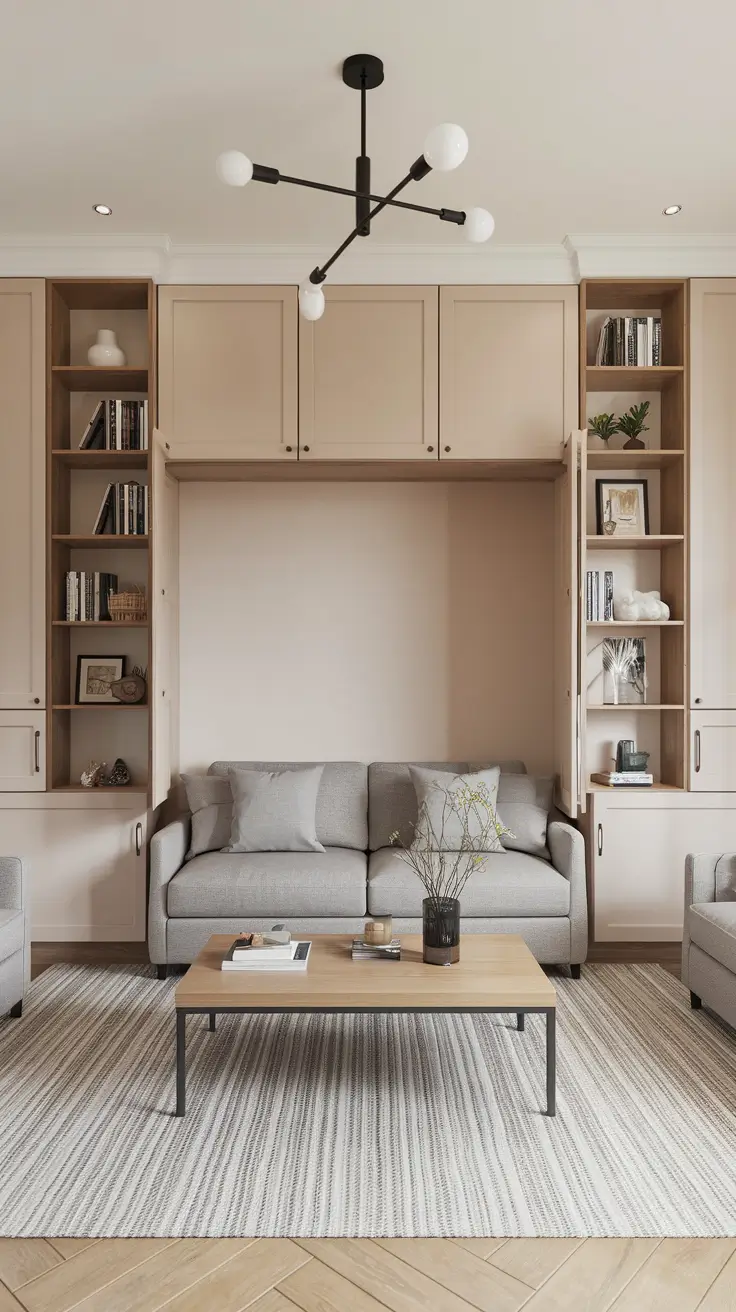
In my designs I often have a murphy bed built into a full height storage wall with closed cabinets above and open shelving at the sides for books and decor. When the bed folds up it indicates a sofa or a low storage unit or even a small study table in front and you have a complete living zone. Under window areas I might make a raised platform with some drawers out of sight that serves as both a lounging daybed and deep storage for bedding or seasonal items. By combining wooden cabinetry, narrow steel handles and soft upholstered details, the room is balanced, modern and a very functional space.
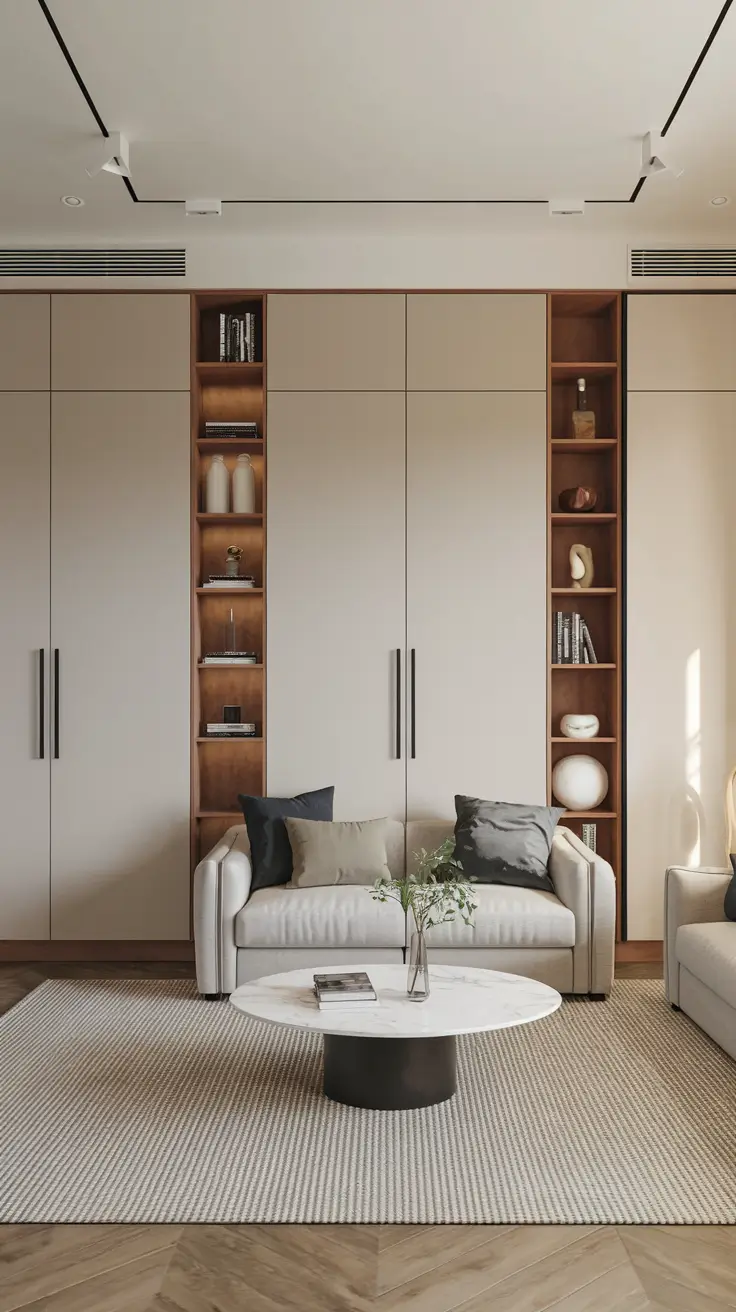
From my perspective, multifunctional bed solutions are ideal for any compact home, open plan loft spaces, and family rooms, where every square foot is essential. Many US based small space experts point out that wall beds and convertible platforms can increase the usable area significantly without needing to increase the size of the home and I see this in real projects all the time. When the storage is well planned, even bedrooms or simple or shared living and sleeping spaces can be calm and organized, rather than cluttered with excess furniture.
To complete this section, I would further emphasize on planning clear paths of circulation and making sure that furniture such as side tables, coffee tables, and sofas can easily shift when opening the bed. I would also include more examples of clever storage add ins, such as built in niches at headboard level, discreet outlets for charging, labeled drawers for bedding, so that the conversion of the living room into a bedroom is a quick, intuitive routine, not one of which people feel like a chore.
24. Headboard and cover combinations that transform any bedroom
When I am looking to transform a tired bedroom without replacing major furniture, the headboard and the bed cover are my main tools for style. A new headboard either as a full wall panel or a simply upholstered piece instantly alters how the room can feel when you walk in. Paring that headboard with the correct cover on the duvet or quilt provides a very visual link that can set the tone for the whole interior space. Even a small master room or guest bedroom, the union of headboard and bedding may make the room feel more planned and intentional.
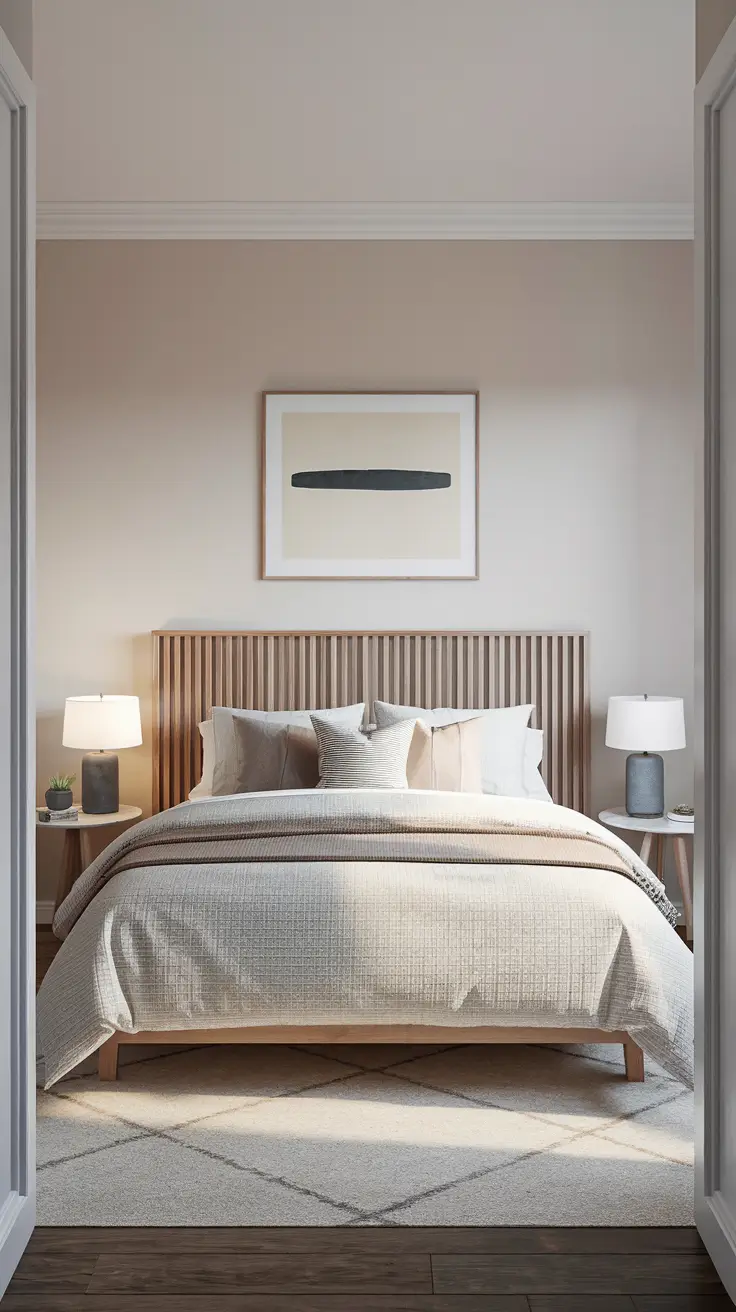
I frequently dictate wood headboard designs that are in simple and modern lines and then coordinate the cover in a complementary tone or slight pattern. For example, a warm wooden headboard with vertical slats looks great with a textured, solid colored duvet in a soft neutral with a few accent cushions. In more contemporary spaces I might opt for a padded headboard with geometric stitching and pair this with a slightly contrasting cover that picks up an accent color from the wall or side table lamp. Headboards headboards that incorporate small shelves or reading lights will also alter the way the cover is arranged as pillows and throws can be layered to display these details.
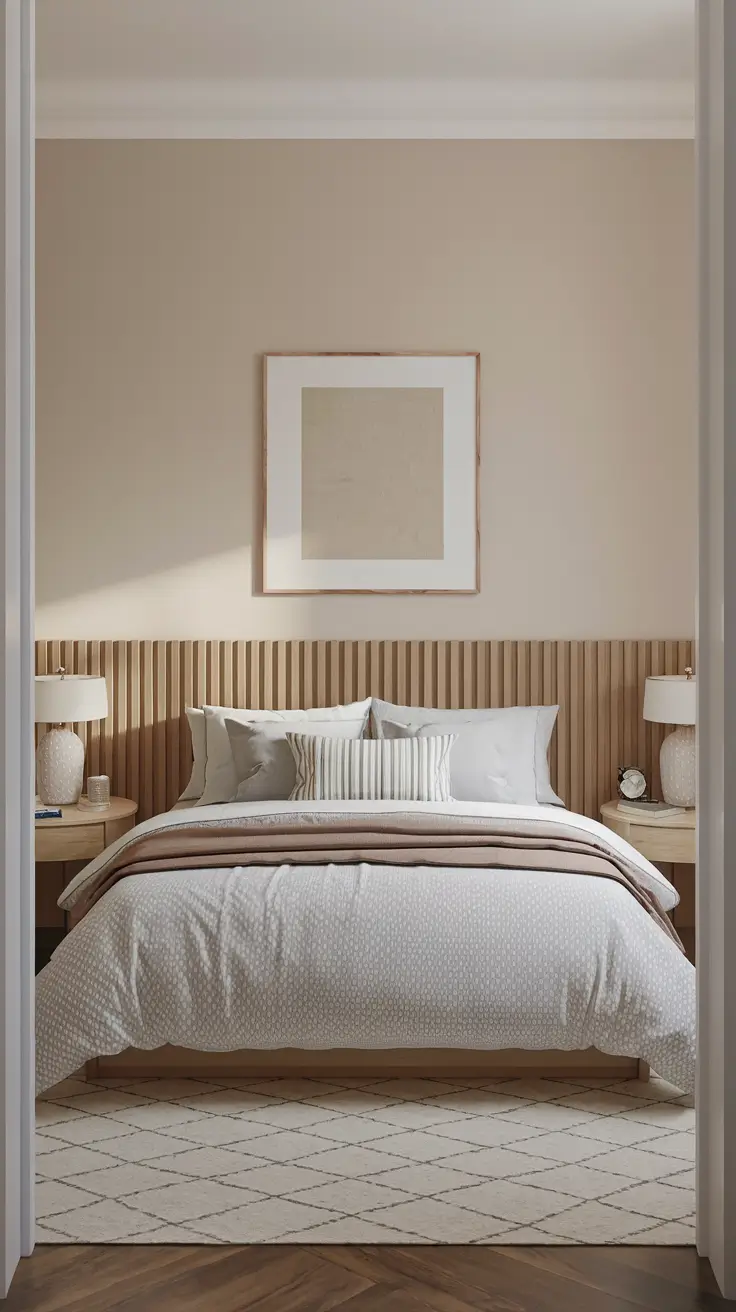
In my experience this carries especially well for couples master bedrooms interior spaces because it gives each person a sense of luxury without a whole renovation. Many interior stylists in major US media also focus on the power of “bed styling” as a quick way to change the color trends in a room interior stories seasonally. I adhere to said advice by having different covers throughout the year, keeping the same headboard while alternating them from lighter, breathable bedding in warmer months and cozier textures in cooler seasons, whilst keeping a similar colour palette.
In order to further develop this section, I would include additional advice on combining materials – how to match a wooden, or steel, framed headboard with linen, cotton or velvet covers for various moods, for example. I would also include specific tips for smaller room layouts, such as selecting low profile headboards and slim covers to avoid visually overpowering the space and also advice on matching headboard finishes with wardrobe, doors and side tables for a fully unified look.
25. How to choose the best new bed design idea for your home in 2026
When I use the process of helping the client pick the best new bed design idea for their home in 2026, I always begin with some questions regarding lifestyle rather than style pictures. I ask how they sleep, how much storage they really need and if the bedroom needs to double as a work area, a play space or a quiet retreat. For a busy master bedroom, the priority may be comfort/durability, whereas a guest room may emphasize flexibility, while a kids room may revolve around creativity/themes such as Minecraft. Once you have these needs sorted it is then much easier to choose between such things as a standard bed, a storage bed, a Murphy system, a loft bed or a sofa bed.
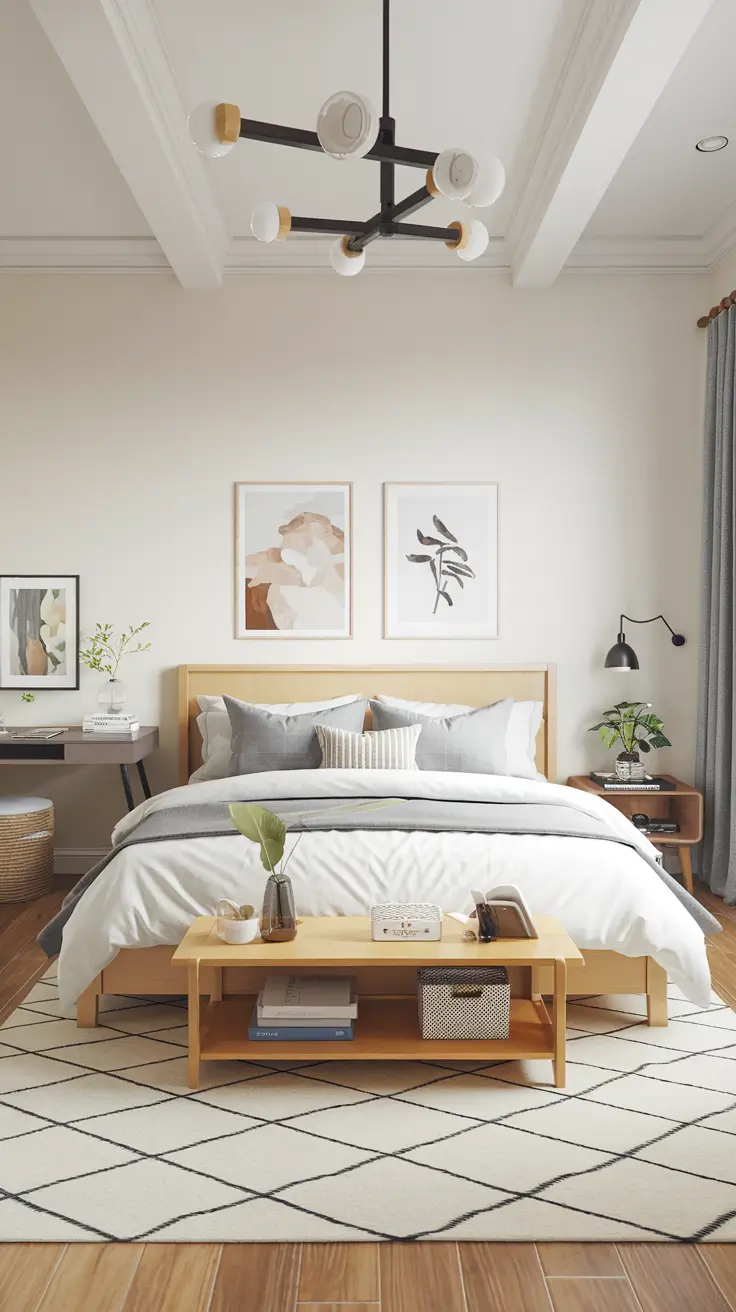
From there, I consider the size and proportions of the room, including the placement of windows, doors and lengths of walls. In a narrow space, a simple bed with a thin wood headboard and with built in drawers may work better than a bulky frame. In a large master room, a bigger bed with an imposing headboard, good-sized side tables and a small sofa or bench at the foot, can anchor a beautiful layout. I also consider material selections, such as wooden frames versus fabric or steel, and how they work with existing furniture, flooring and wall colour. The idea is to make a bedroom that looks good, and is not merely aesthetically pleasing.
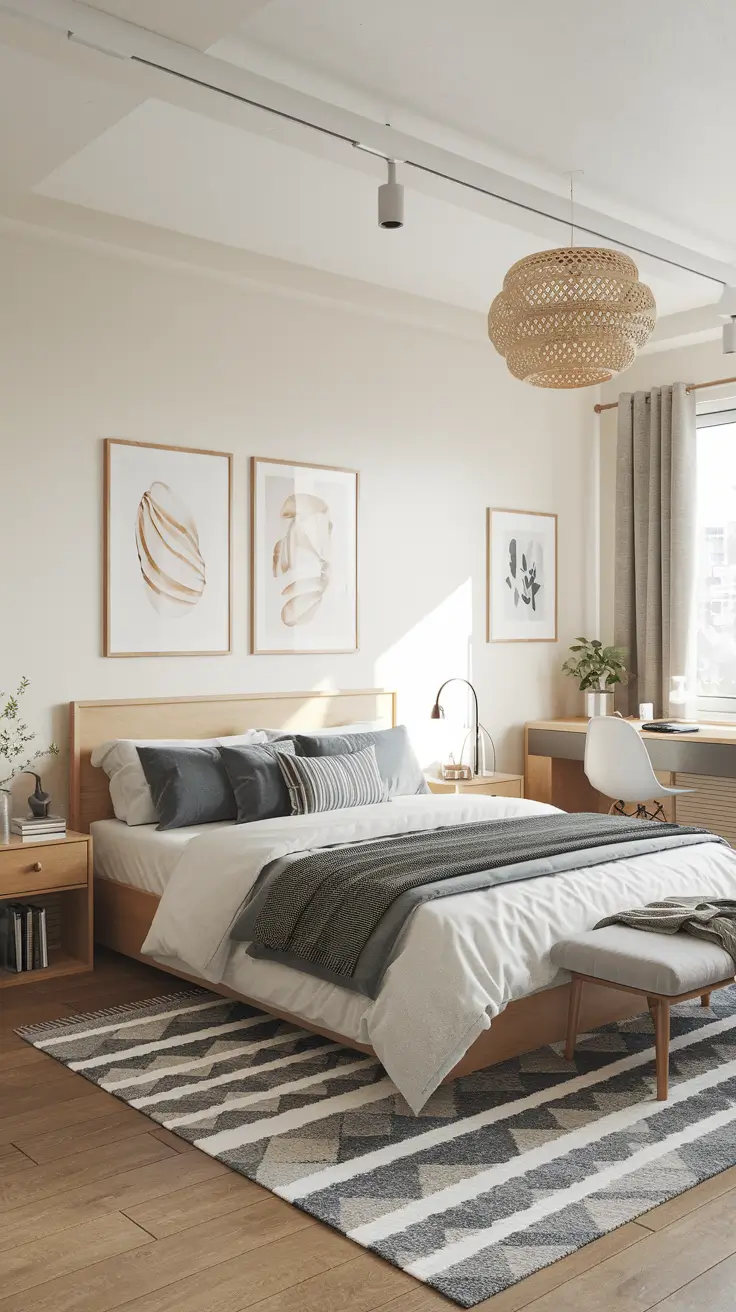
In my opinion, the most successful bed designs are those that are as quiet as possible in order to support daily routines, but also reflect the personality of the people who are using the room. Many well-respected voices in the design world in the US suggest homeowners spend their money on a good mattress and a timeless bed frame first and then add in the trends with bedding, covers and decor. I agree, and I am often suggesting spending more on important and functional things such as integrated storage, sturdy hardware, and other supportive headboards; while allowing for decorative aspects flexible and easy to update.
To make this section fully comprehensive, I suppose I should add a little checklist that the readers can use before buying the bed: measure the room, map the paths of walking, take into consideration the ceiling height for loft or murphy solutions, think of storage needs, and how the bed will look from the doorway. I would also add in reminders to test mechanisms in person for convertible beds, and to check that the set up of side tables, lamps and study tables are comfortable with the chosen bed height and proportions.
To wrap up, selecting new bed designs in 2026 is actually all about matching comfort, storage and design with how you truly live, not simply taking a picture and replicating it. I invite you to share in the comments which bedroom challenges you face most often – in need of storage, small room layouts, shared master spaces, or kids rooms that need to grow with them – and I will be glad to help you think through specific ideas for your own home.