Tiny bedroom designs are evolving fast, and tiny bedroom design ideas small spaces are now smarter, more aesthetic, and more human-focused than ever. In this article, I explore how tiny bedroom design 2026 responds to space saving needs, cozy living, minimalist apartment lifestyles, and real everyday use. Can a 3×3 bedroom feel very comfortable, stylish, and functional for couples, children, or men living alone. I answer these questions through practical design experience and modern interior logic.
1. Tiny Bedroom Design 2026 Overview for Modern Small Living
I see tiny bedroom design 2026 as a response to how people actually live in cities today. The focus is on compact layouts that support rest, work, and storage without visual overload. Aesthetic balance is achieved through clean lines, soft color palettes like green and pink accents, and carefully planned circulation so the entire room feels open even when it includes a double bed or desk.
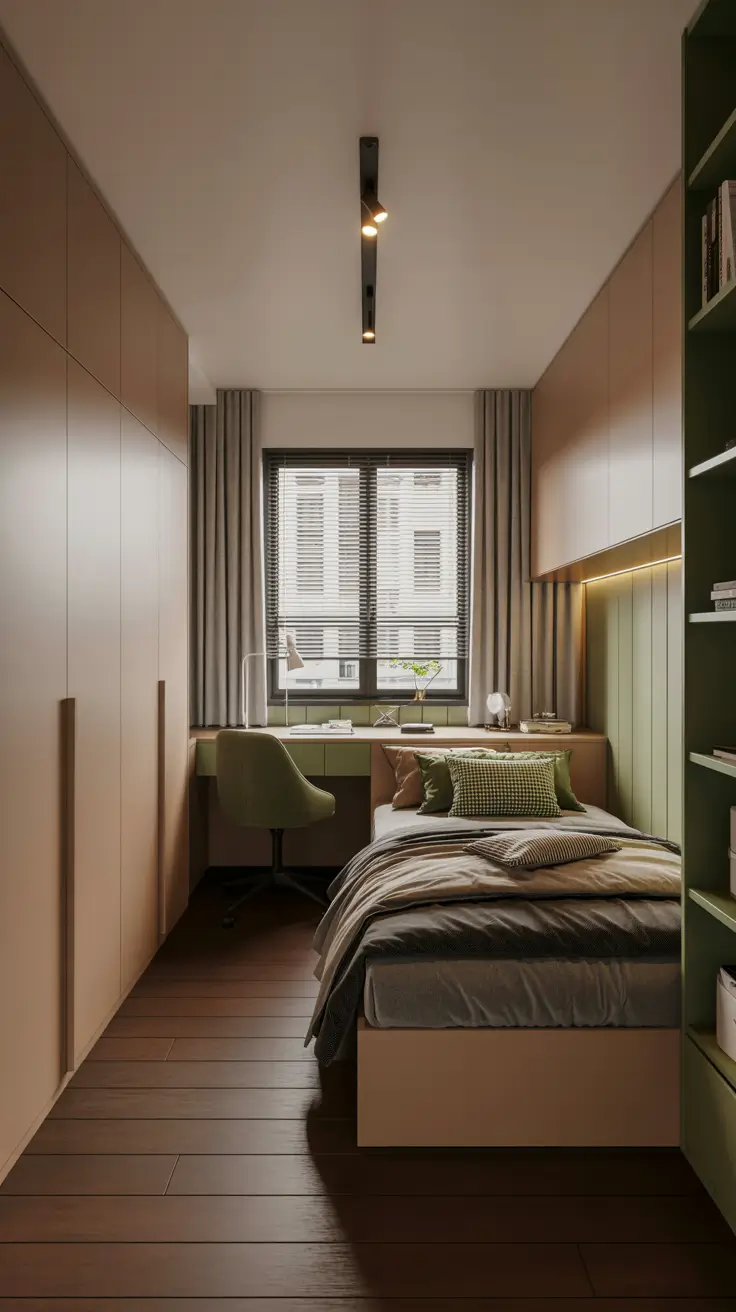
From a furniture perspective, I prioritize low profile beds, often a single bed or double bed with hidden drawers, wall mounted nightstands, and integrated lighting. In many projects, I include a small desk near the window to support hybrid work without compromising comfort. Wardrobe placement is intentional, usually full height but visually light, to keep storage efficient.
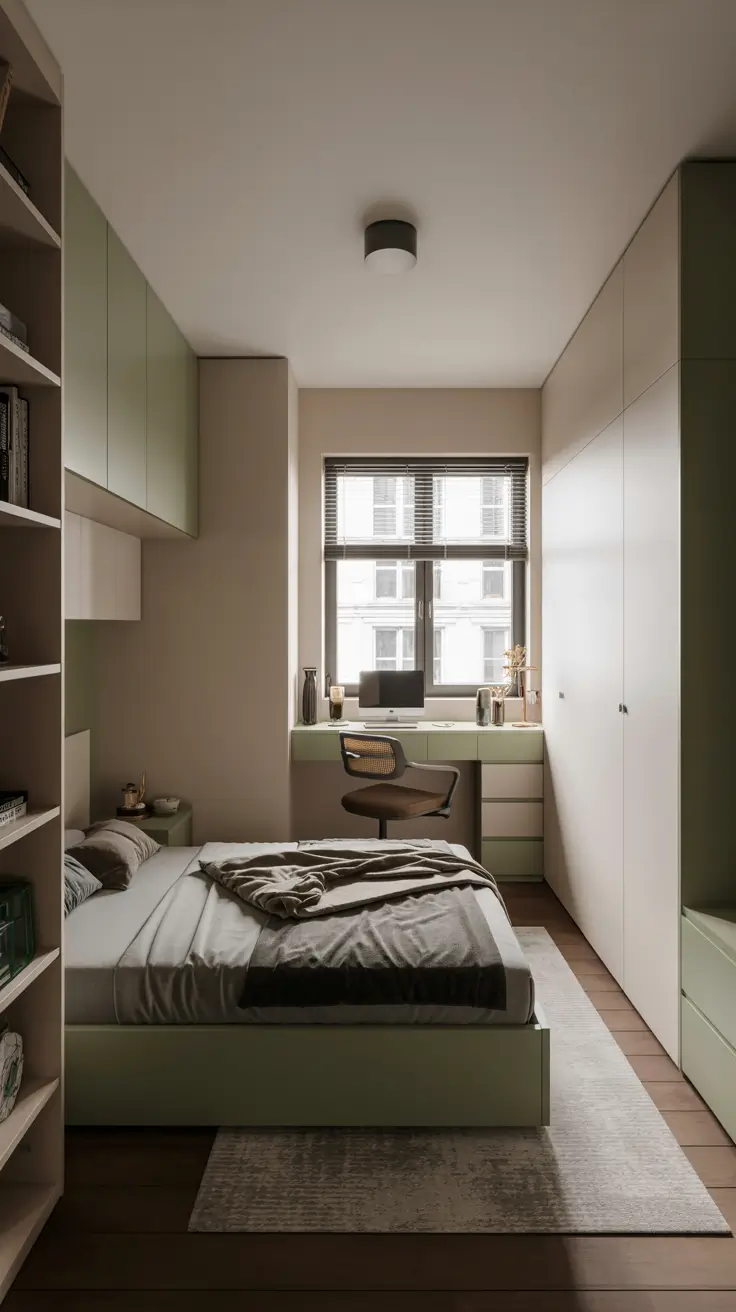
In my experience, designers in the US frequently emphasize that bedrooms should support mental recovery. Media discussions from interior design magazines highlight the importance of uncluttered visual zones. I apply this by limiting materials and repeating textures so the space feels calm and very livable.
What I would add more often to this type of bedroom is adaptive lighting. A layered system with ceiling light, bedside lamps, and soft ambient strips is still missing in many tiny bedroom designs and should become standard in 2026.
2. Tiny Bedroom Designs Trends Defining 2026 Interiors
Tiny bedroom designs trends for 2026 focus on flexibility and emotional comfort. I design rooms that shift easily between day and night functions, especially in minimalist apartment settings. Space saving is no longer just about fitting furniture but about creating flow and reducing friction in daily routines.
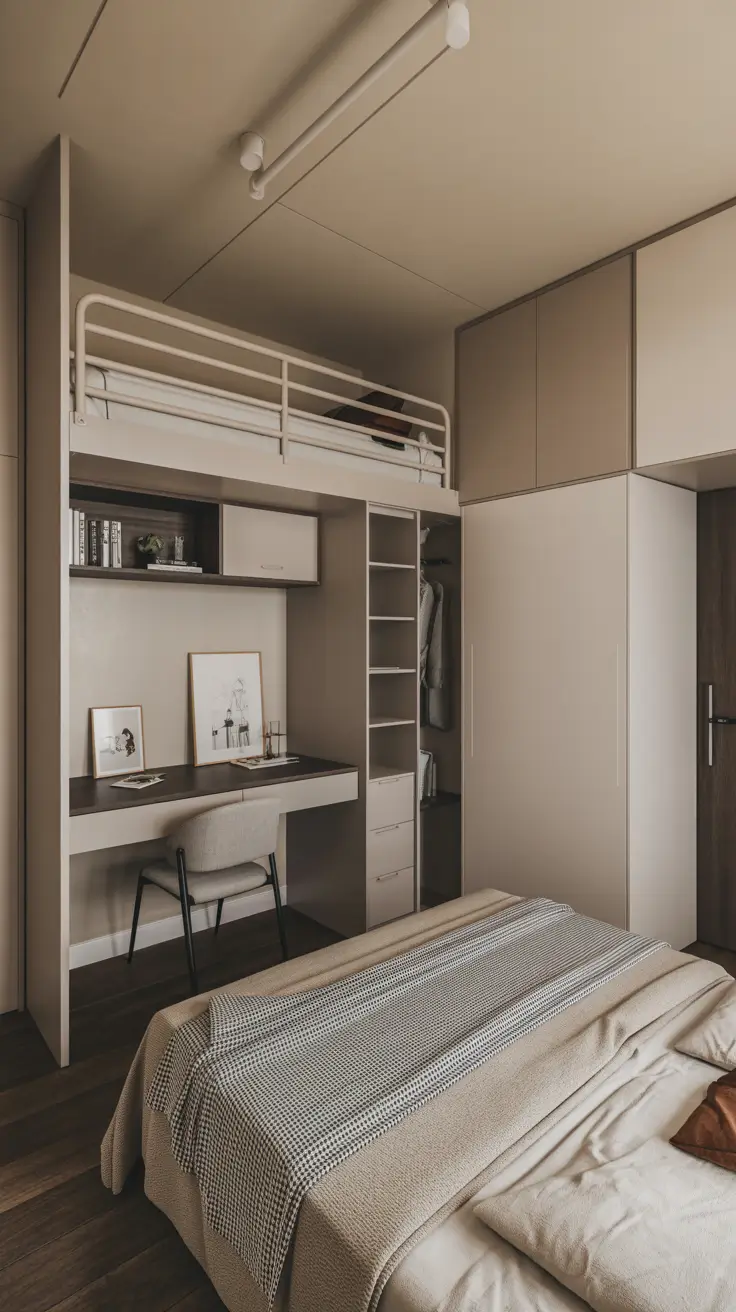
Furniture trends include modular beds, foldable desks, and wardrobes with sliding doors. I often select neutral bases and add personality through textiles, art, or plants. Bunk bed solutions are becoming more refined for children and boys, offering privacy and safety without bulk.
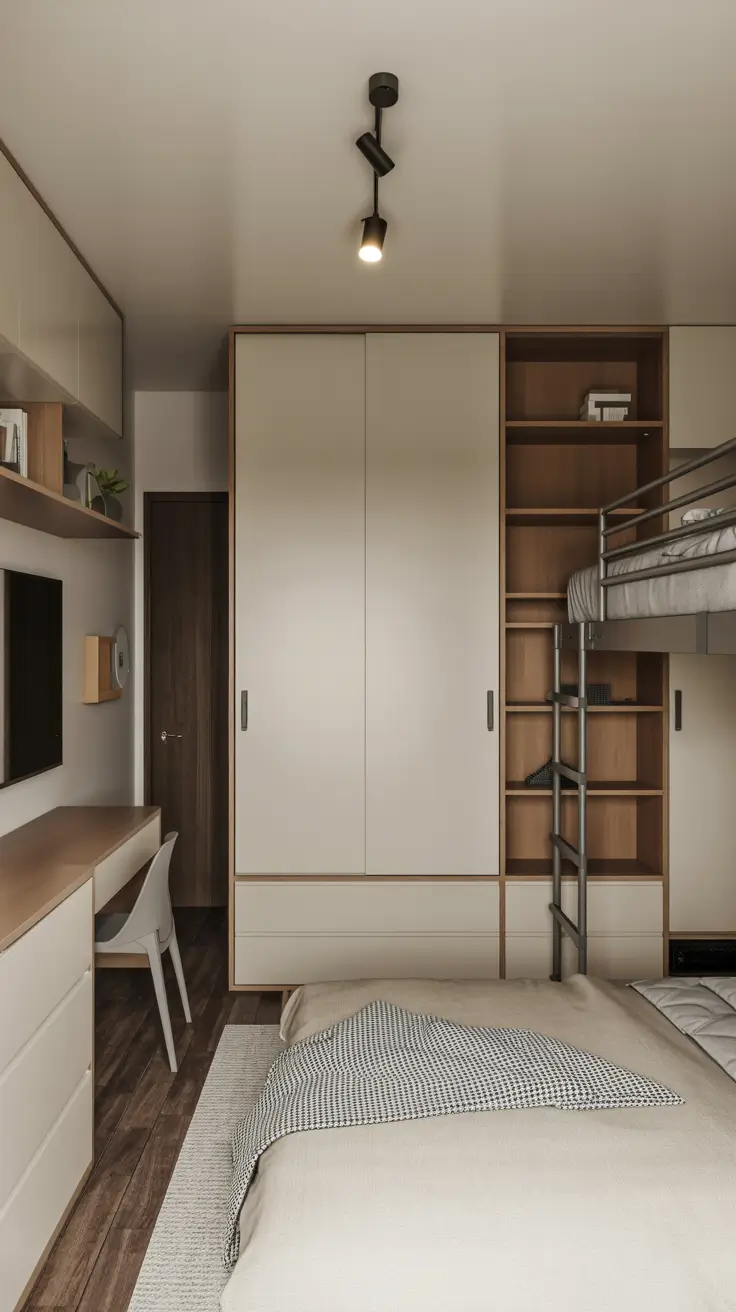
From my professional viewpoint, many designers now recommend designing for behavior, not just dimensions. US based interior professionals often stress that small rooms should feel intentional, not compromised. I fully agree and apply this mindset to every tiny bedroom design space saving project.
To improve this trend further, I would integrate more acoustic solutions. Soft wall panels or upholstered headboards can significantly enhance comfort in small bedrooms, especially in apartments with thin walls.
3. Tiny Bedroom Design Ideas for Small Spaces
When working on tiny bedroom design ideas small spaces, I start with zoning. Even in a 3×3 room, clear separation between sleep, storage, and work zones improves usability. Cozy layouts rely on symmetry and visual anchors like a centered bed or framed window view.
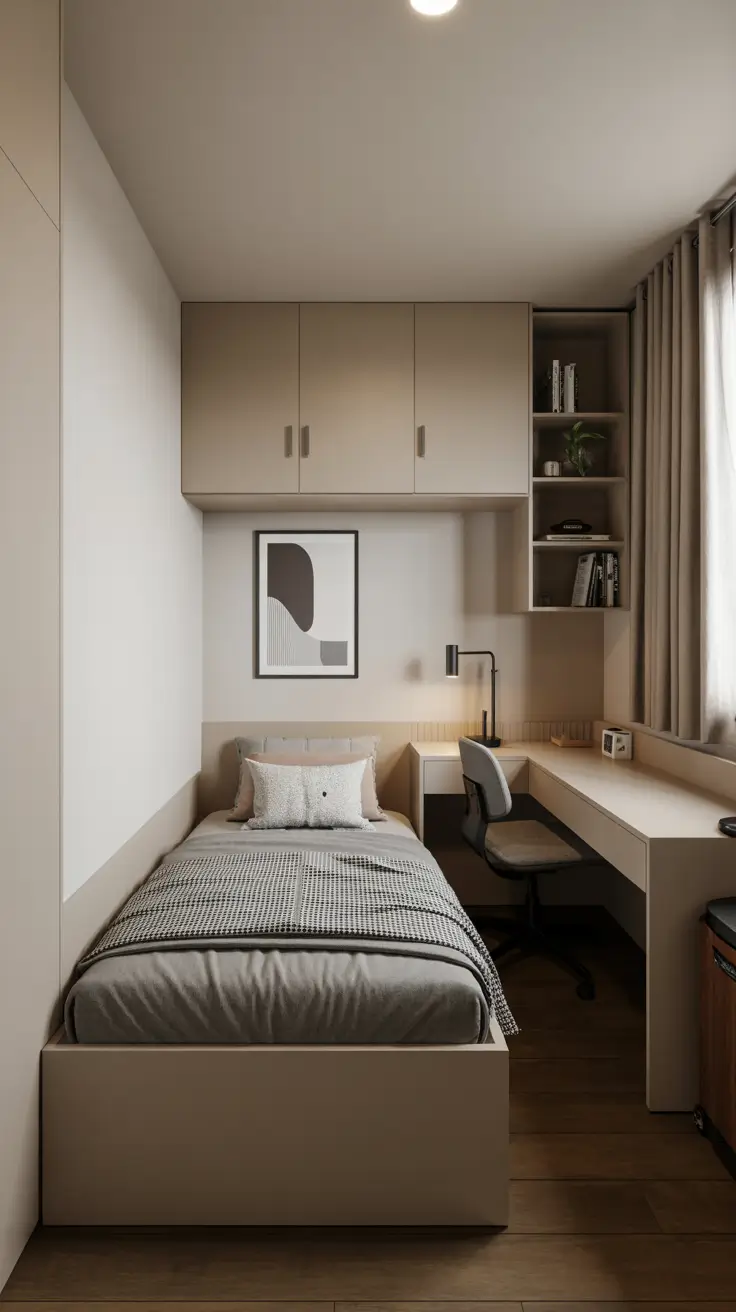
I usually recommend a single bed for narrow rooms or a compact double bed for couples. Storage benches, floating shelves, and under bed drawers help maintain order. A wardrobe should be slim but tall, maximizing vertical space without overwhelming the room.
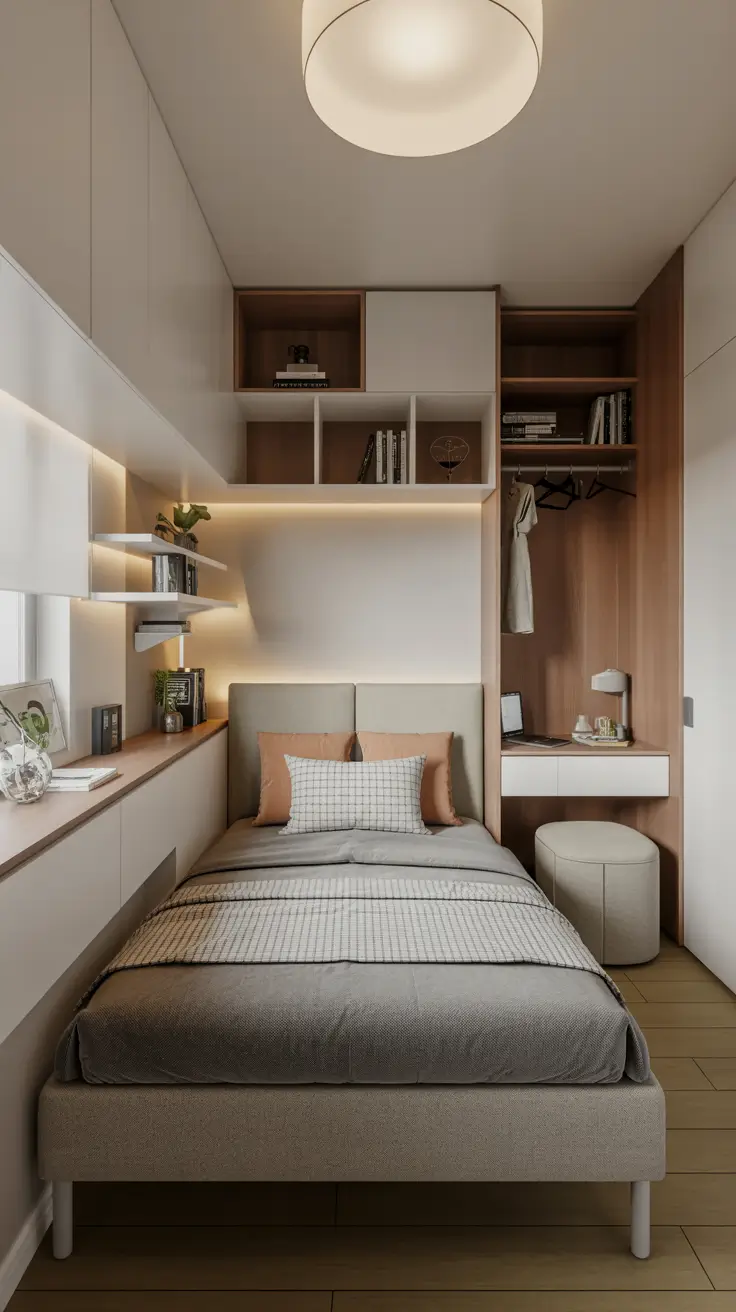
Personally, I find that small bedrooms succeed when nothing feels accidental. Well known design advice often suggests editing rather than adding. I regularly remove unnecessary items to let the room breathe and feel intentional.
What is often missing here is proper circulation planning. I would always ensure at least one clear movement path around the bed to avoid a cramped feeling.
4. Tiny Bedroom Design Ideas for Compact Apartments
In compact apartments, tiny bedroom design must work as part of a larger system. I design bedrooms that visually connect to adjacent spaces using consistent materials and colors. This makes the room feel larger and more integrated into the home.
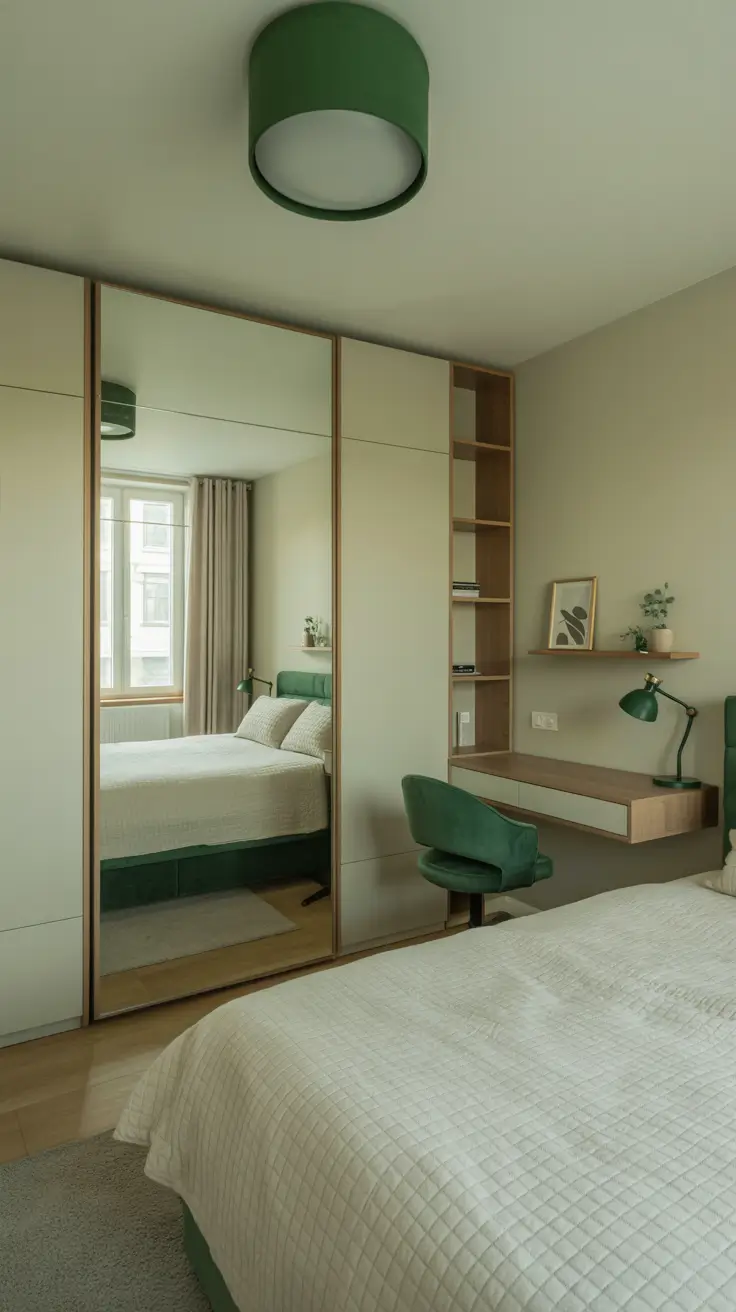
Furniture choices include wardrobes with mirrored doors, wall mounted desks, and beds with built in storage. I often choose soft green or neutral tones to support relaxation while keeping the aesthetic modern.
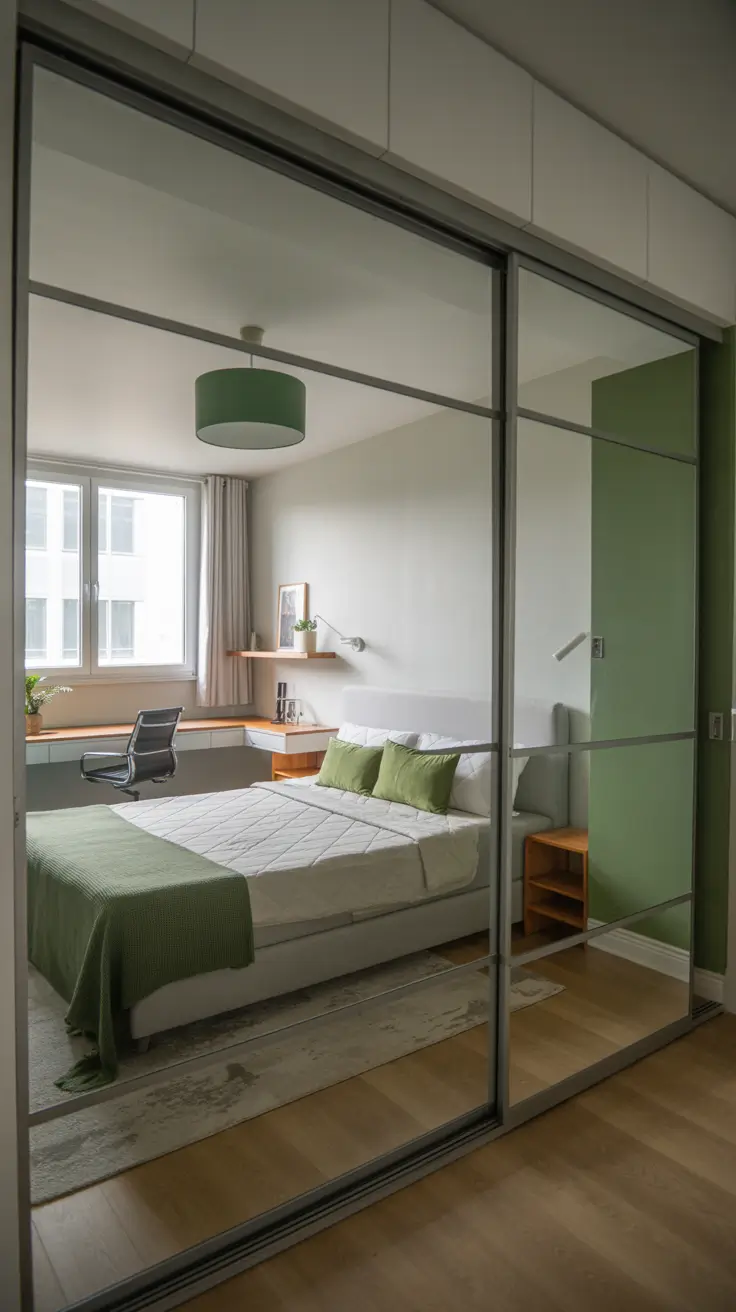
From experience, designers frequently advise that apartment bedrooms should avoid heavy visual dividers. I follow this by using light curtains or open shelving instead of solid partitions whenever possible.
To enhance these spaces further, I would add concealed charging stations and smart controls, which are still overlooked but essential for modern living.
5. Tiny Bedroom Design Space Saving Concepts for 2026
Tiny bedroom design space saving concepts in 2026 revolve around transformation. Rooms adapt through sliding panels, fold down beds, and multifunctional furniture. I design layouts where every piece has at least two functions.
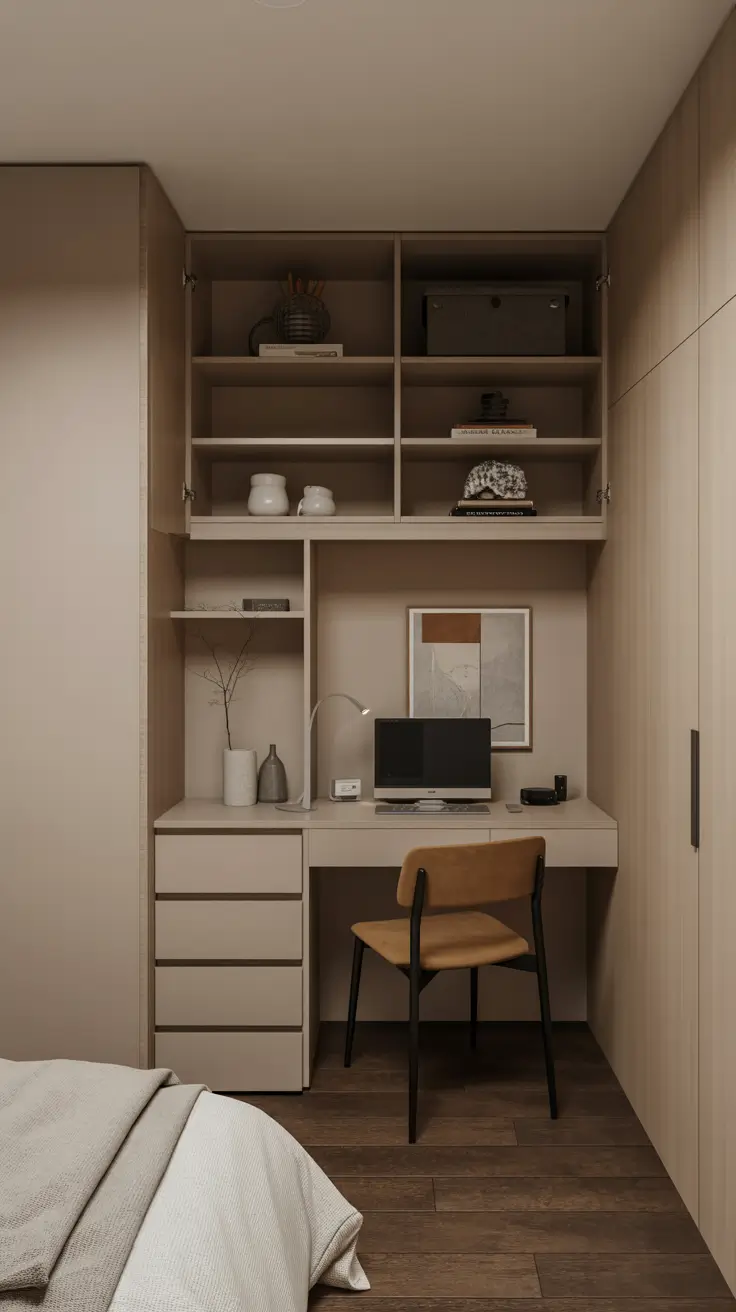
Typical elements include a bed with integrated wardrobe, a desk that folds into the wall, and storage stairs or platforms. These solutions are ideal for men, couples, or two people sharing a small apartment.
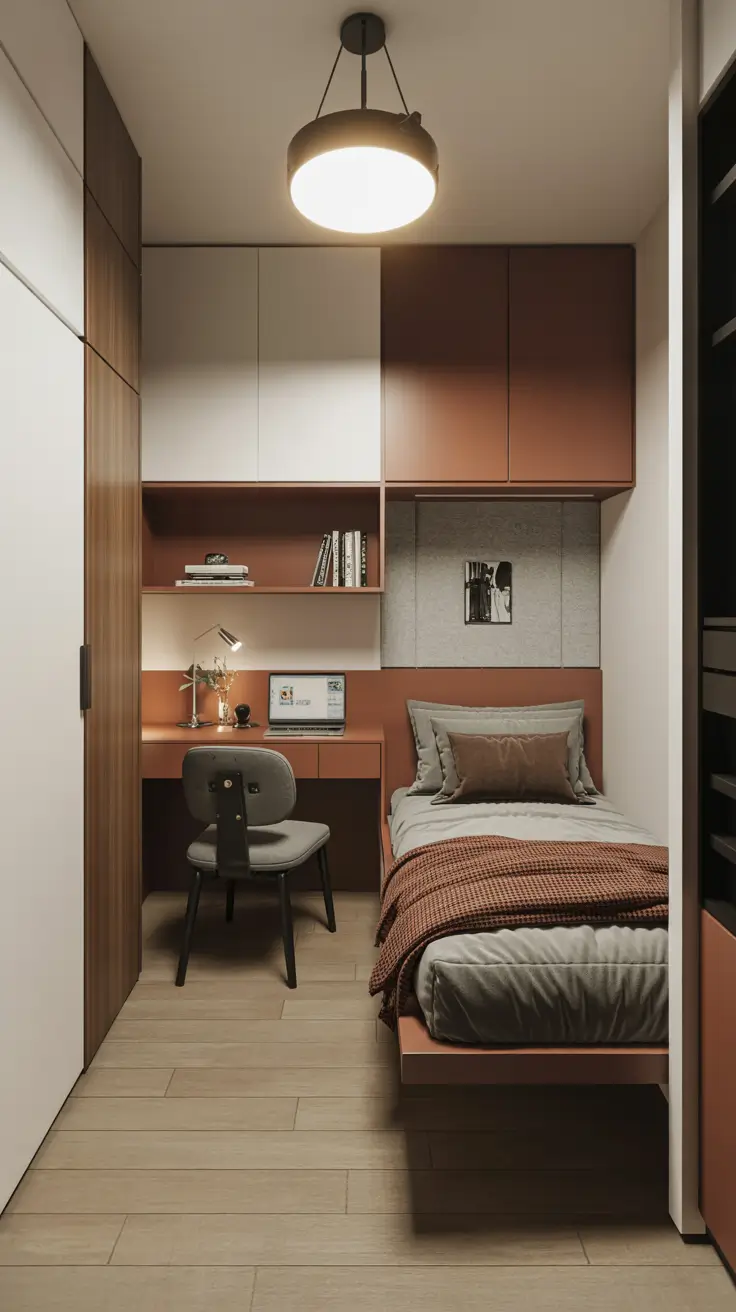
I personally appreciate how these designs reduce stress. Interior experts often state that clutter increases fatigue, and space saving design directly supports mental clarity. I see this consistently in client feedback.
What I would add is more user education. Many space saving systems are underused because people do not understand their full functionality.
6. Tiny Bedroom Design Cozy Solutions for Everyday Comfort
Cozy tiny bedroom design focuses on texture, lighting, and proportion. I design these rooms to feel soft and welcoming despite limited size. Warm materials, layered bedding, and gentle color contrasts create comfort.
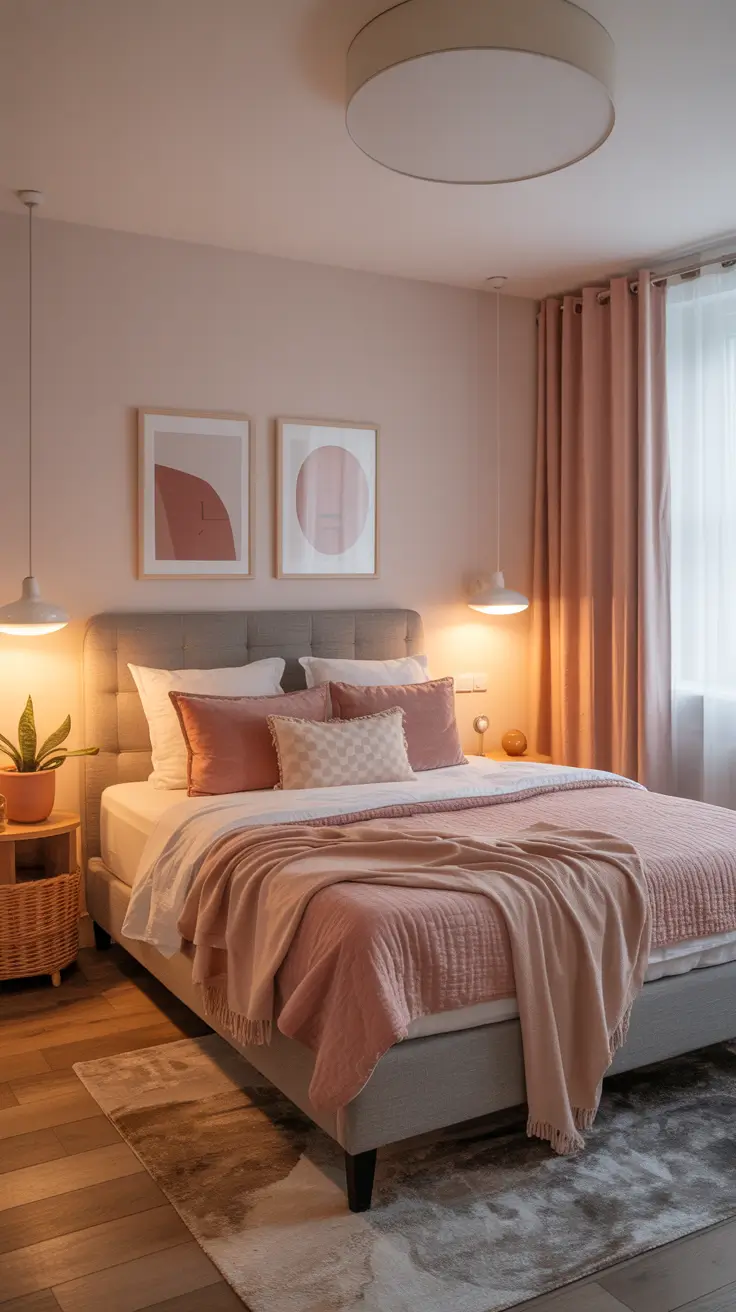
Furniture includes upholstered beds, soft rugs, and compact seating if space allows. I always include bedside lighting with warm tones and avoid harsh overhead light in cozy designs.
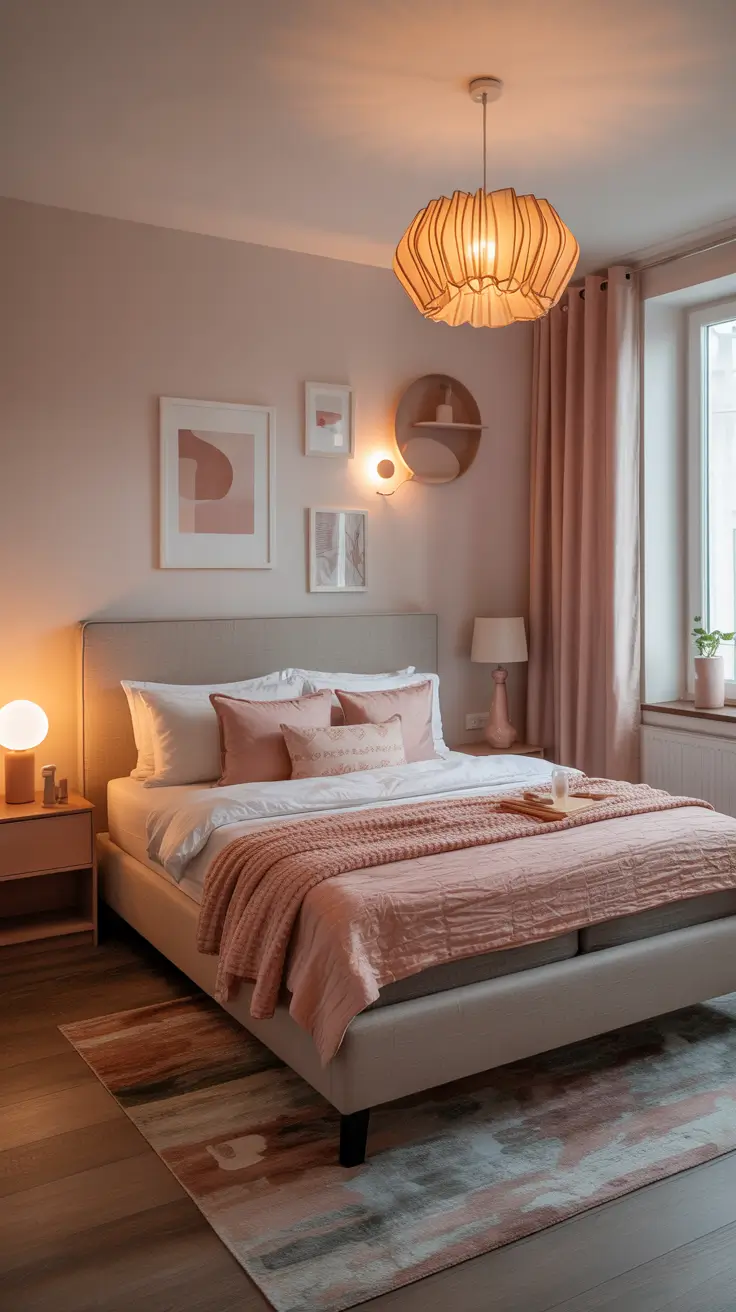
In my experience, well known designers emphasize that coziness is emotional, not spatial. I agree and often see small rooms outperform larger ones in comfort when designed thoughtfully.
What is often missing is scent and sound control. I would recommend adding subtle fragrance solutions and sound absorbing materials for full sensory comfort.
7. Tiny Bedroom Design Minimalist Apartment Style
Tiny bedroom design minimalist apartment style is about clarity and restraint. I design these spaces with limited colors, usually white, beige, or muted green, and very intentional furniture placement.
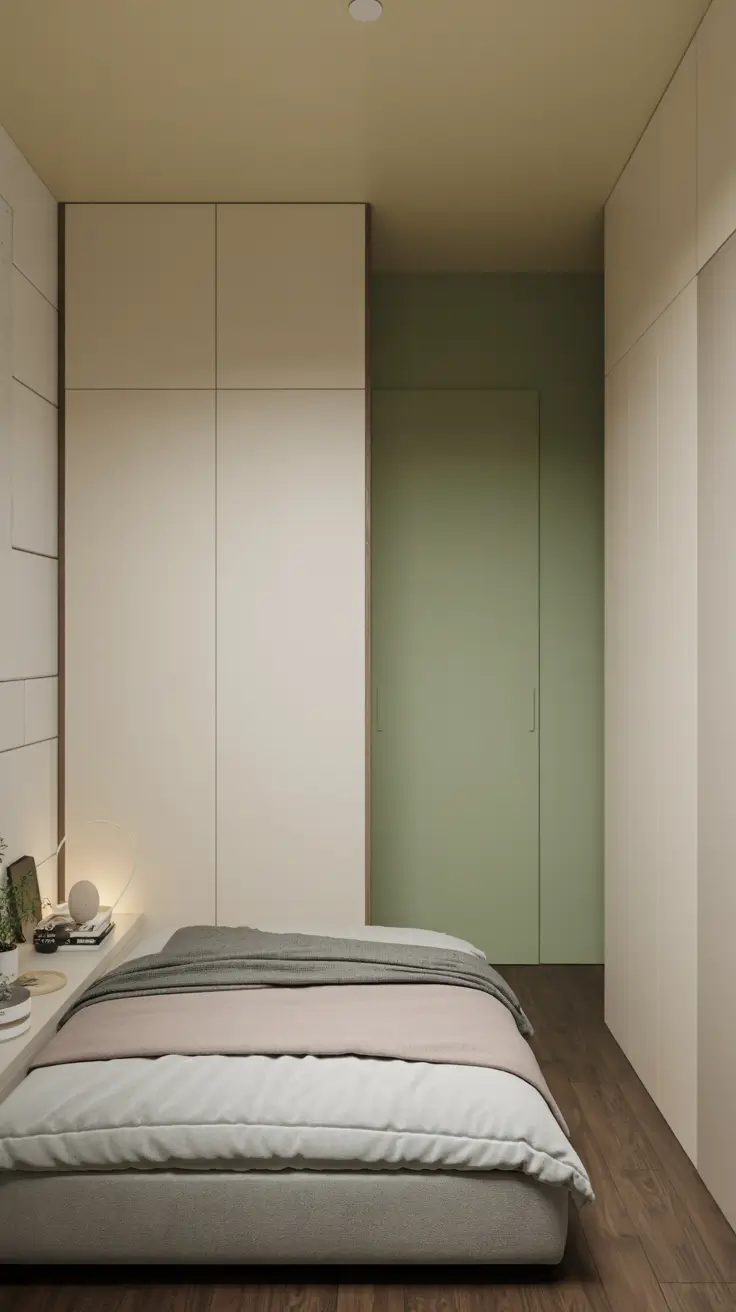
The furniture list is short: a low profile bed, a streamlined wardrobe, and a simple desk. Every item earns its place. Storage is hidden, and surfaces remain clean.
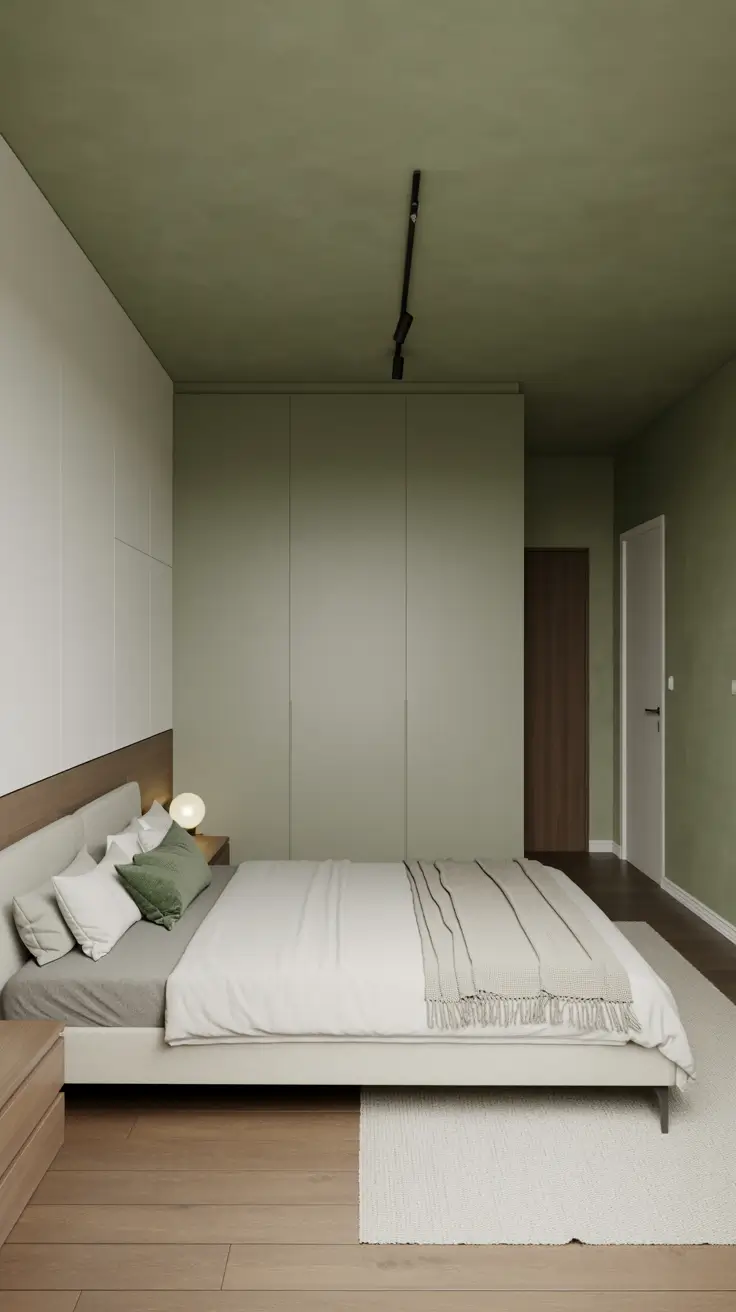
From personal practice, minimalist interiors work best when paired with quality materials. Design publications often highlight that minimalism fails when it feels cheap. I invest in fewer but better elements.
What I would add to these bedrooms is subtle personalization. Minimalist does not mean impersonal, and small art or textiles can add warmth without clutter.
8. Tiny Bedroom Design for Couples in Small Rooms
When I design a tiny bedroom design for couples, I focus on balance and shared comfort. The layout must support two people without feeling crowded, even in very limited square footage. I typically center a double bed to maintain symmetry and ensure equal access, which is essential for everyday usability in small rooms.
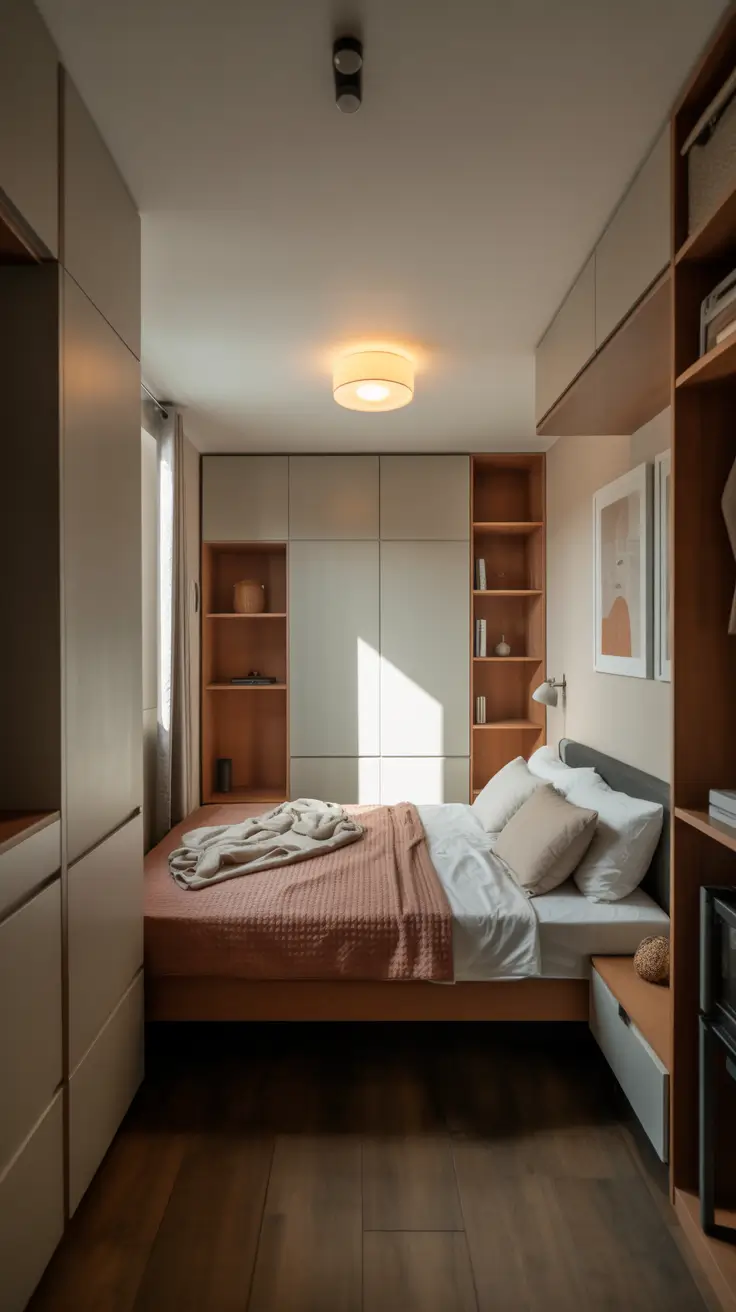
Furniture selection is deliberate. I include a compact double bed with built in storage, two slim bedside shelves instead of bulky tables, and a wardrobe placed along one wall to keep circulation clear. Lighting is layered so both partners can control their side of the room independently, which improves comfort and functionality.
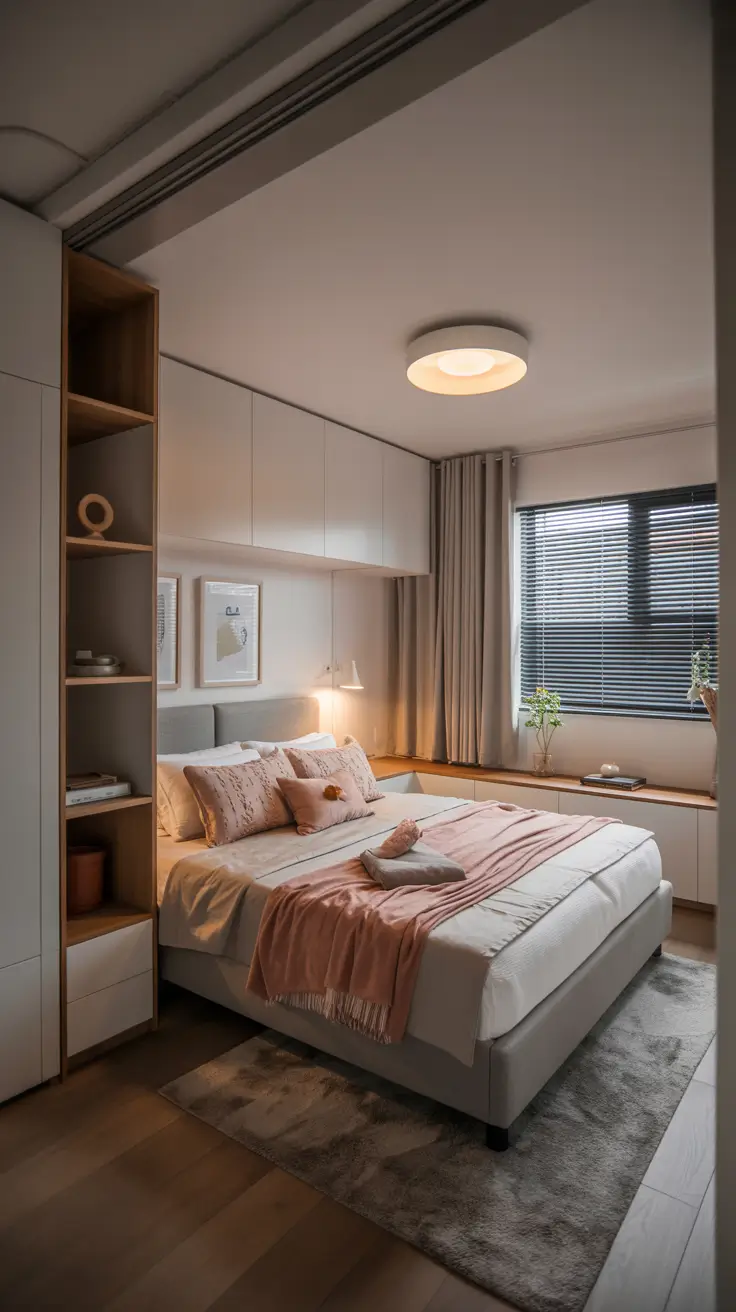
From my professional experience, many US interior designers emphasize that couples need personal zones even in shared spaces. I agree and often apply this by using separate lighting, subtle color zoning, or individual storage sections within the same wardrobe.
What I often see missing is flexible seating. I would add a small bench or foldable chair to give the room more versatility without compromising space saving goals.
9. Tiny Bedroom Design for Two People with Smart Layouts
Tiny bedroom design for two people requires smart planning and precise measurements. I approach these layouts by prioritizing movement paths and visual openness, especially in narrow rooms. Even a small bedroom can feel organized and calm when furniture aligns with natural walking flow.
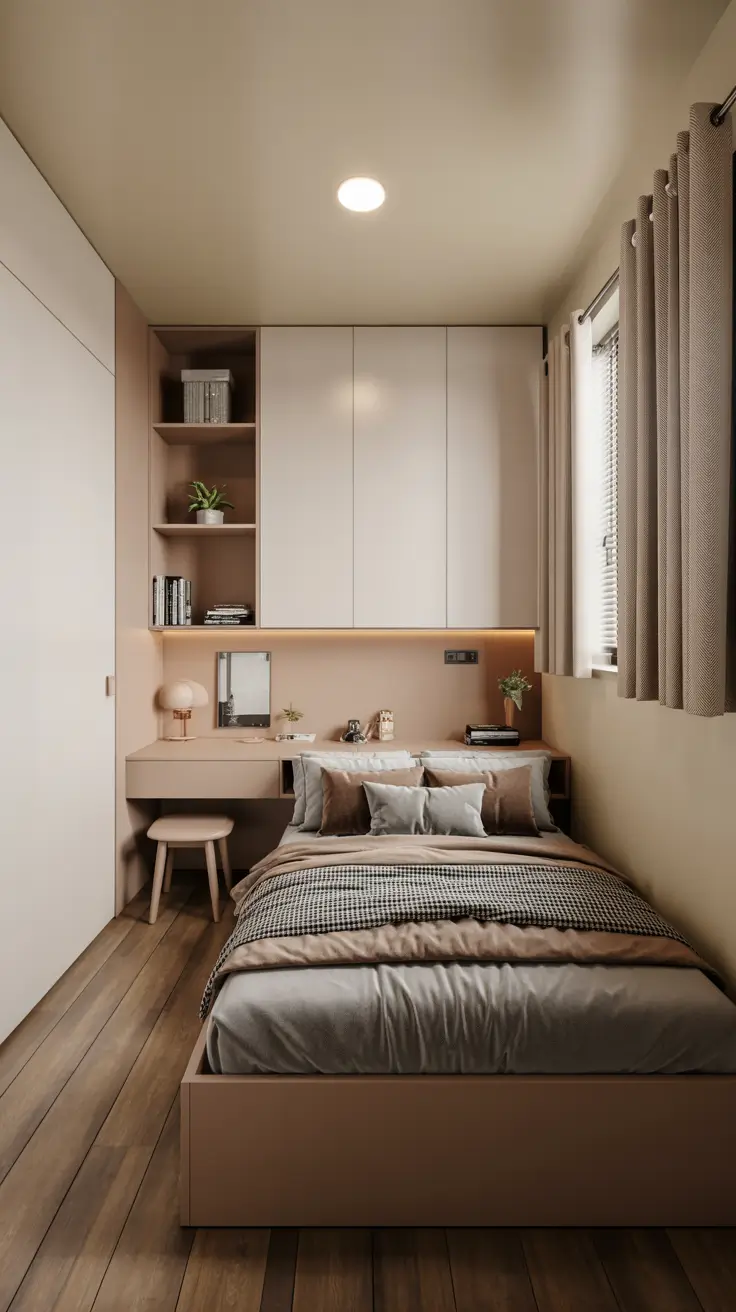
I usually recommend multifunctional furniture such as beds with drawers, wall mounted desks, and wardrobes with internal organizers. These elements allow two people to store belongings efficiently without overcrowding the room. Neutral tones help maintain a minimalist apartment feel.
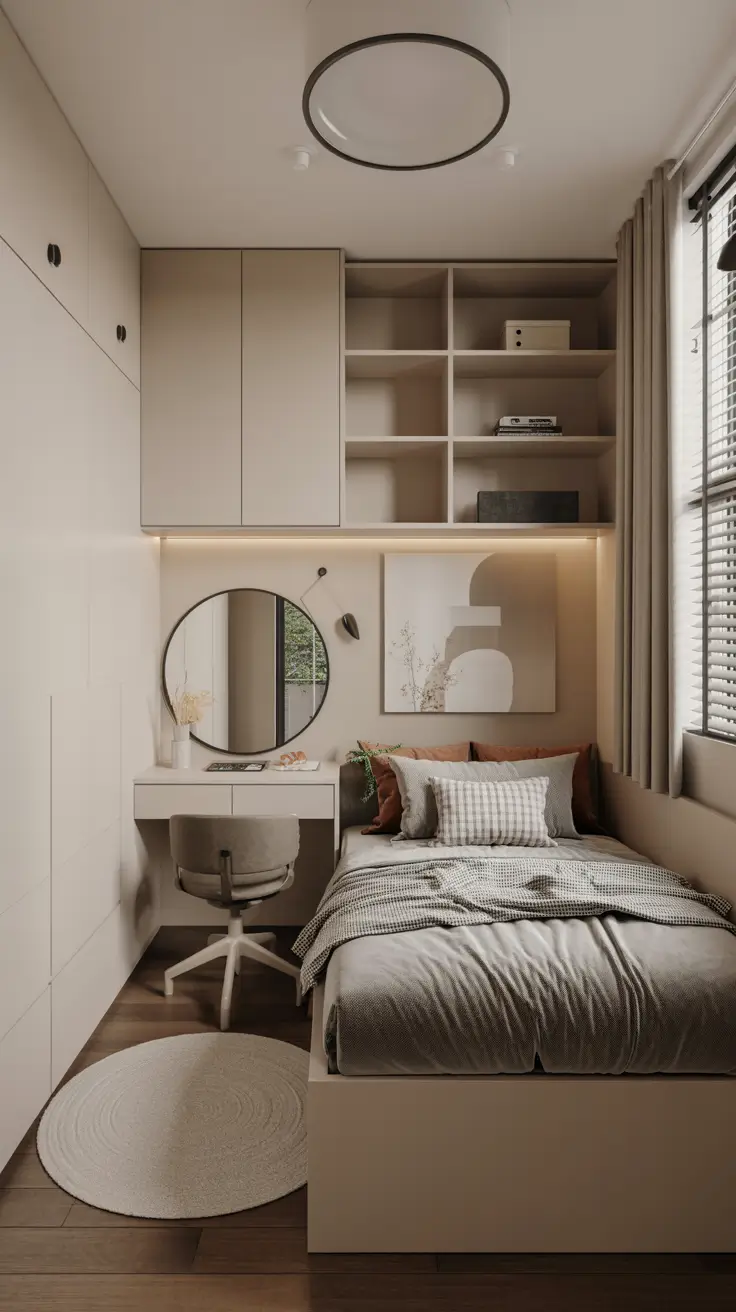
In my opinion, smart layouts outperform decorative tricks. Design professionals often stress that layout quality matters more than decoration in small interiors, and I see this proven repeatedly in real projects.
To improve these designs further, I would integrate adjustable furniture systems that can adapt as the needs of two people change over time.
10. Tiny Bedroom Design with Wardrobe Integration
Tiny bedroom design with wardrobe integration is one of the most effective space saving strategies. I design wardrobes as architectural elements rather than add ons, often surrounding the bed or extending to the ceiling to maximize storage.
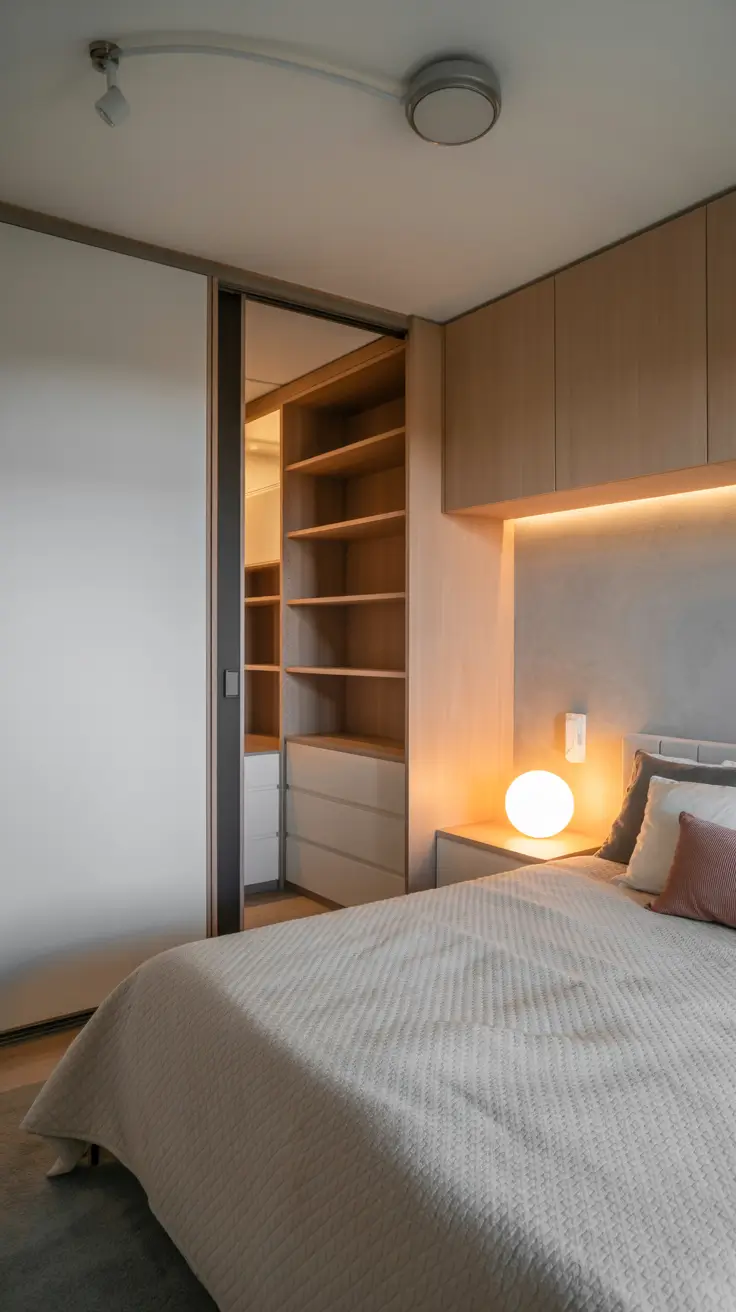
The wardrobe usually includes sliding doors, internal lighting, and mixed storage zones. I combine hanging space, drawers, and open shelves so everything has a defined place. This approach keeps the bedroom visually clean and highly functional.
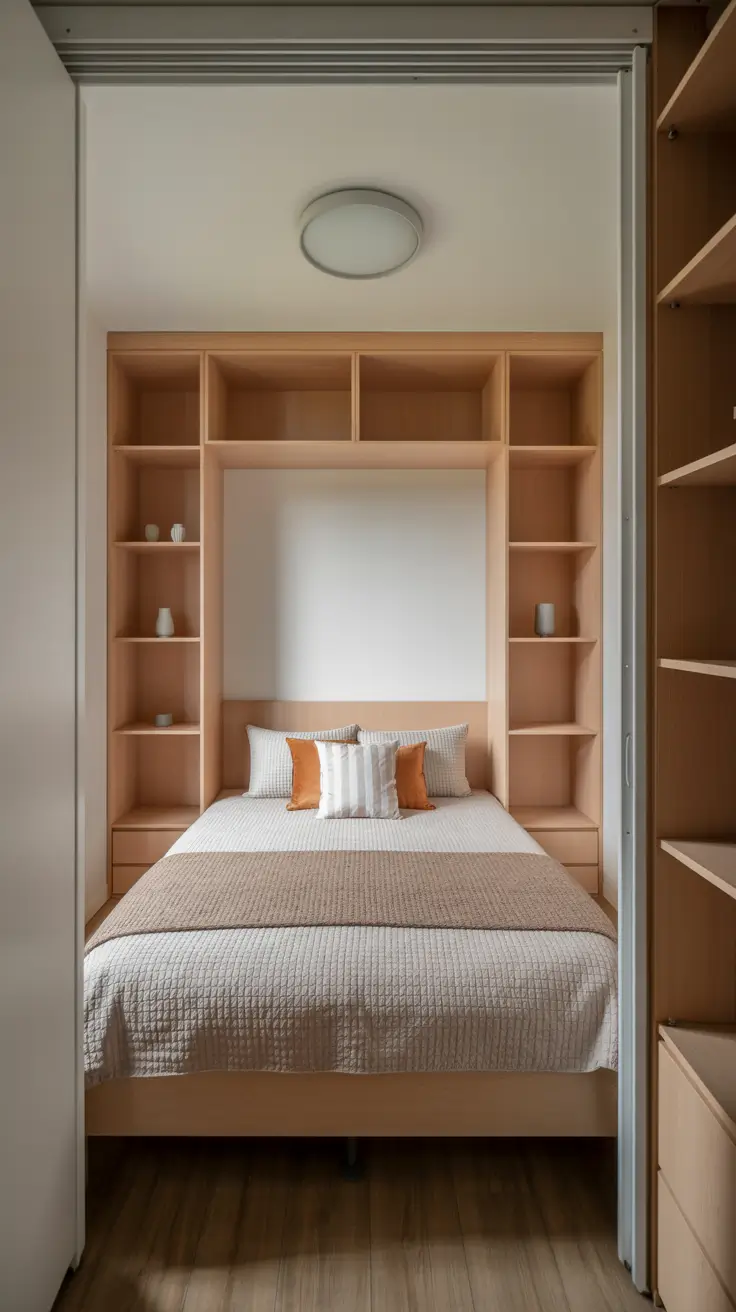
From experience, well known interior design sources often recommend built in storage for small bedrooms. I follow this advice because integrated wardrobes reduce clutter and improve daily routines.
What is often missing is ventilation inside wardrobes. I would always add airflow solutions to maintain clothing quality in compact spaces.
11. Ideas for Small Spaces That Maximize Functionality
Ideas small spaces work best when function drives design. In tiny bedrooms, I focus on how the room is used throughout the day and night. This mindset helps transform limited square footage into a highly efficient personal retreat.
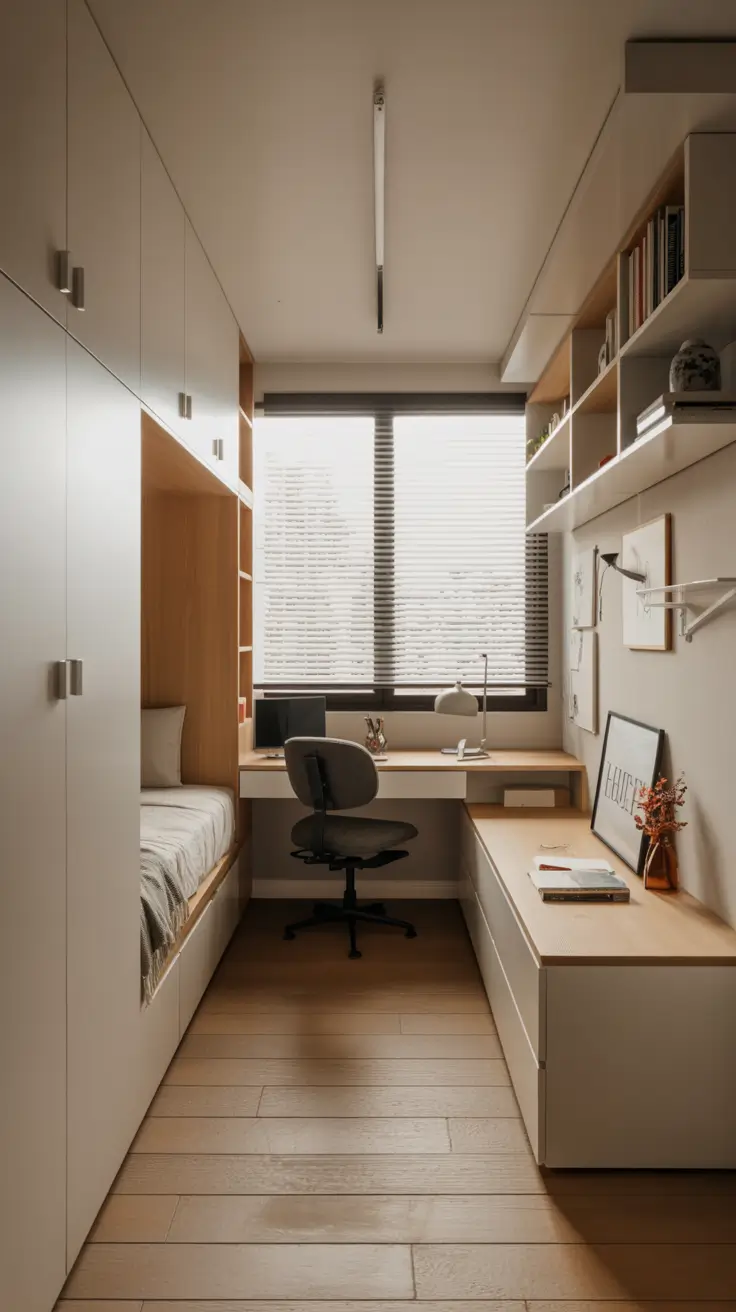
Furniture choices include wall mounted nightstands, compact desks, and storage beds. I often add shelves above the headboard to utilize vertical space without crowding the floor. These ideas small spaces apartments solutions support modern lifestyles.
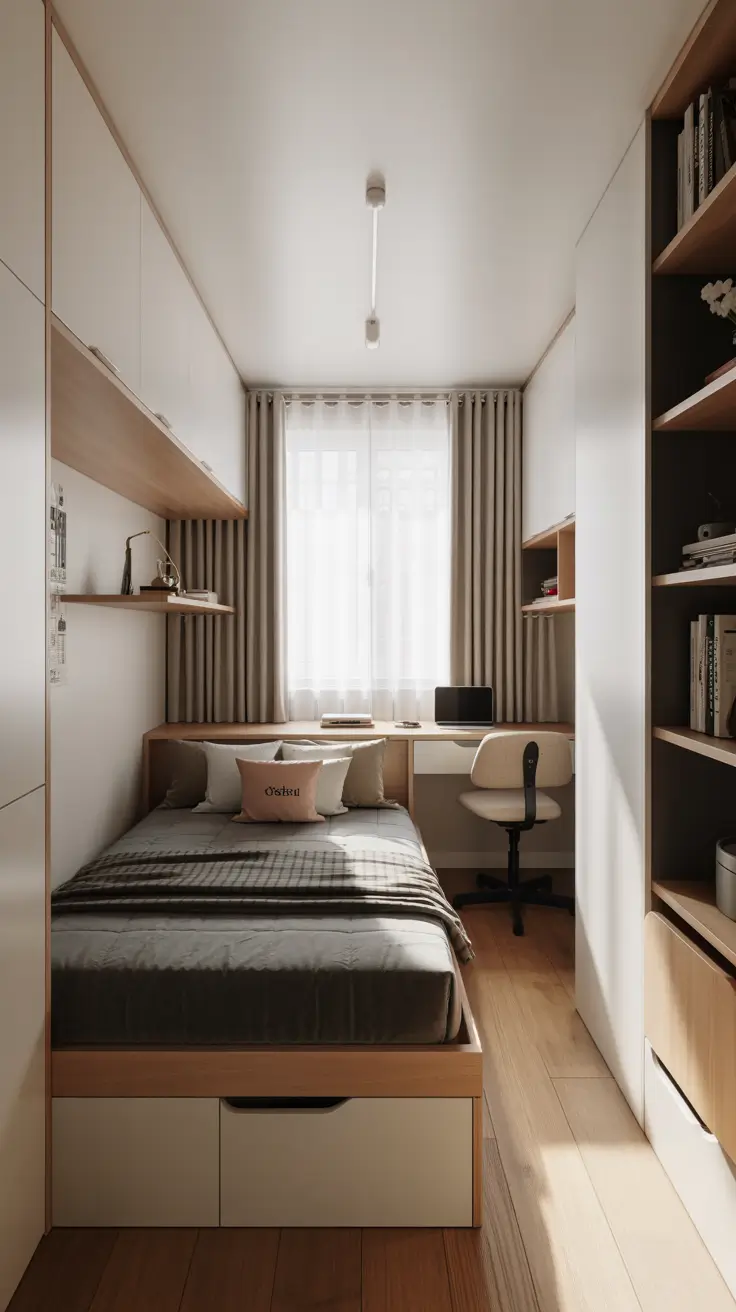
Personally, I believe functionality creates comfort. Many interior experts highlight that well functioning spaces feel larger, and I consistently see positive feedback from clients when function is prioritized.
To enhance these ideas, I would include more modular accessories that can be repositioned as needs change.
12. Space Saving Tiny Bedroom Design with Multifunctional Furniture
Space saving tiny bedroom design relies heavily on multifunctional furniture. I design rooms where one piece replaces two or three traditional items, reducing visual and physical clutter.
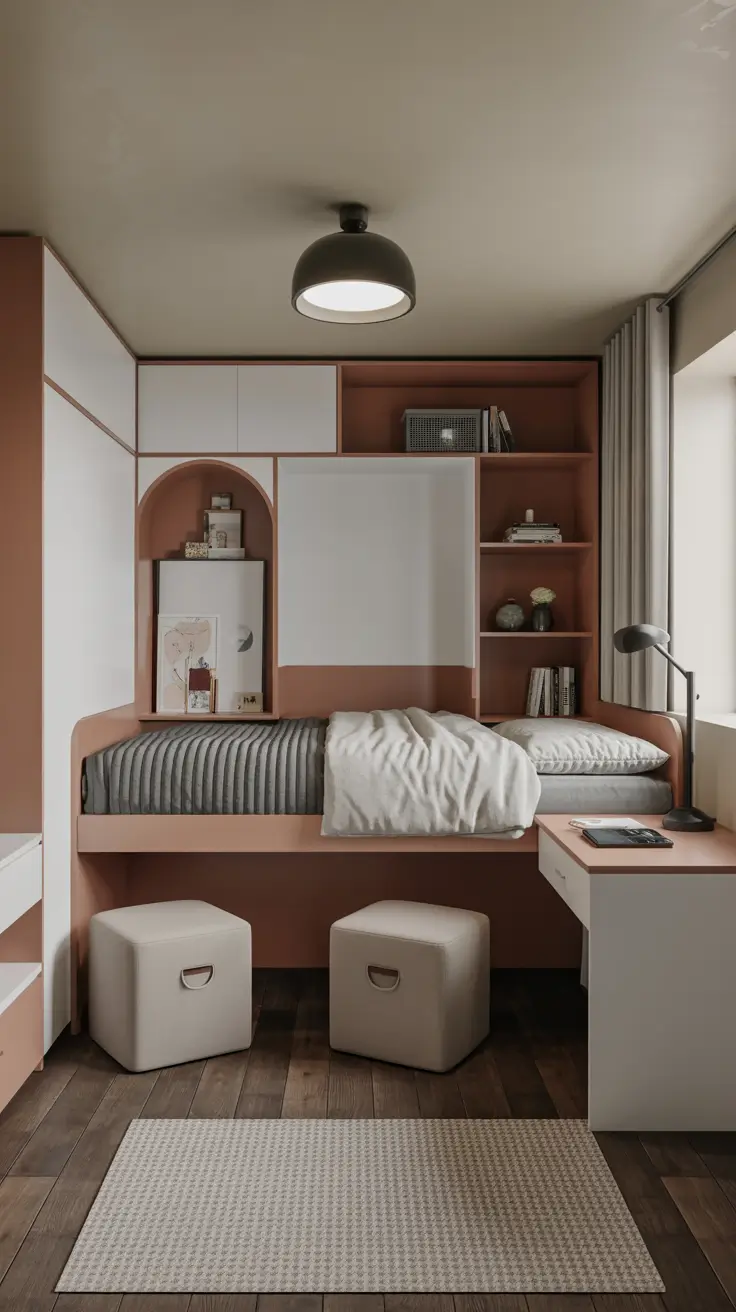
Typical elements include a bed with integrated desk, storage ottomans, and wardrobes combined with shelving. These solutions are ideal for minimalist apartment living and help maintain a clean aesthetic even in very small rooms.
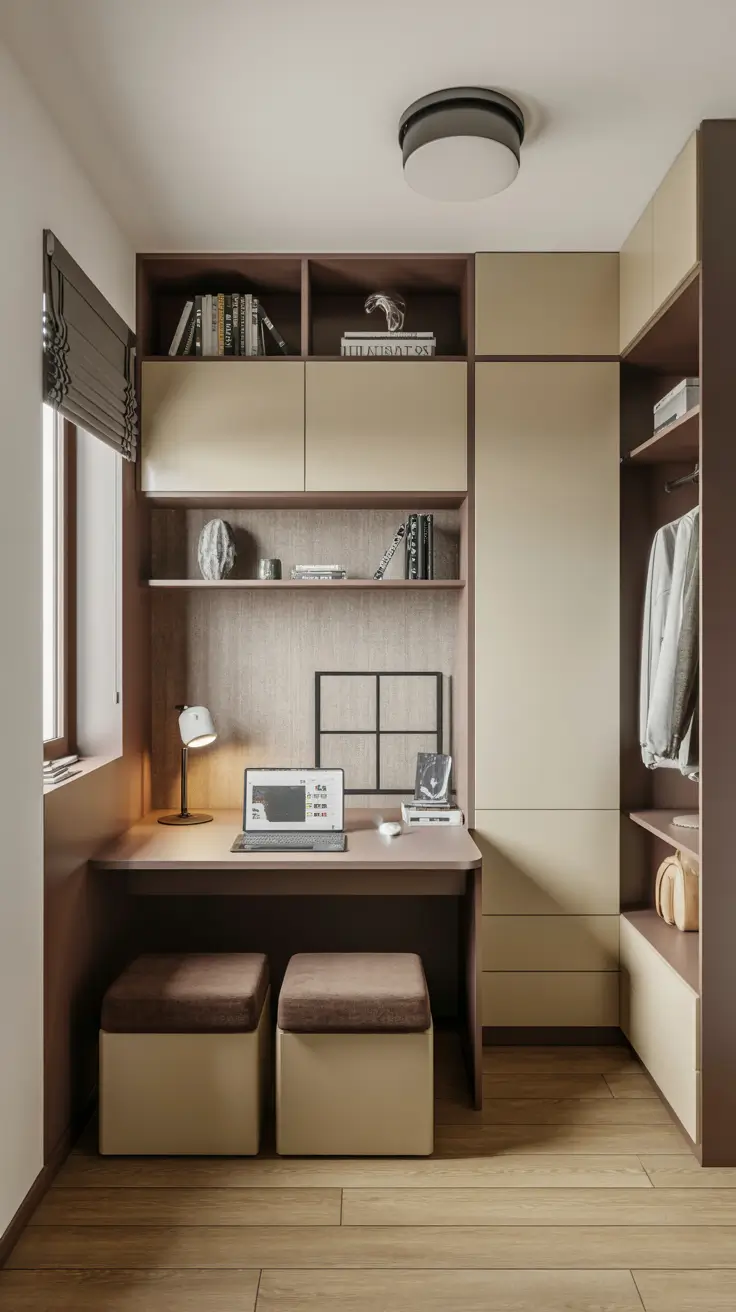
From my professional view, designers frequently recommend investing in fewer but smarter furniture pieces. I follow this approach because multifunctional furniture improves daily efficiency.
What I would add more often is user friendly mechanisms. Furniture should transform easily, without requiring effort or technical skill.
13. Ideas Small Spaces Minimalist Bedroom Aesthetics
Ideas small spaces minimalist design focus on simplicity and calm. I design these bedrooms with limited color palettes and strong visual order. Every item has a purpose and a defined place.
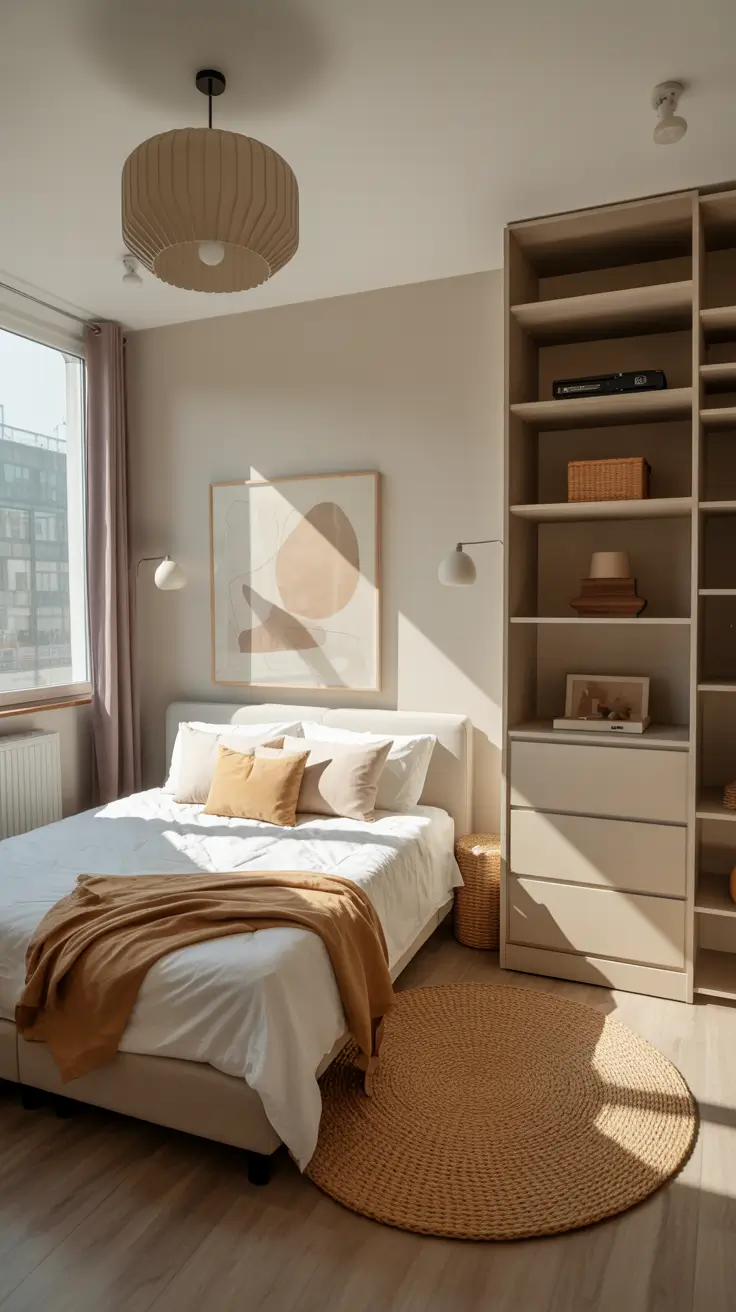
Furniture is minimal: a simple bed, a compact wardrobe, and a small desk if needed. I avoid excess decor and rely on texture and light to create interest. This approach supports a very clean and aesthetic look.
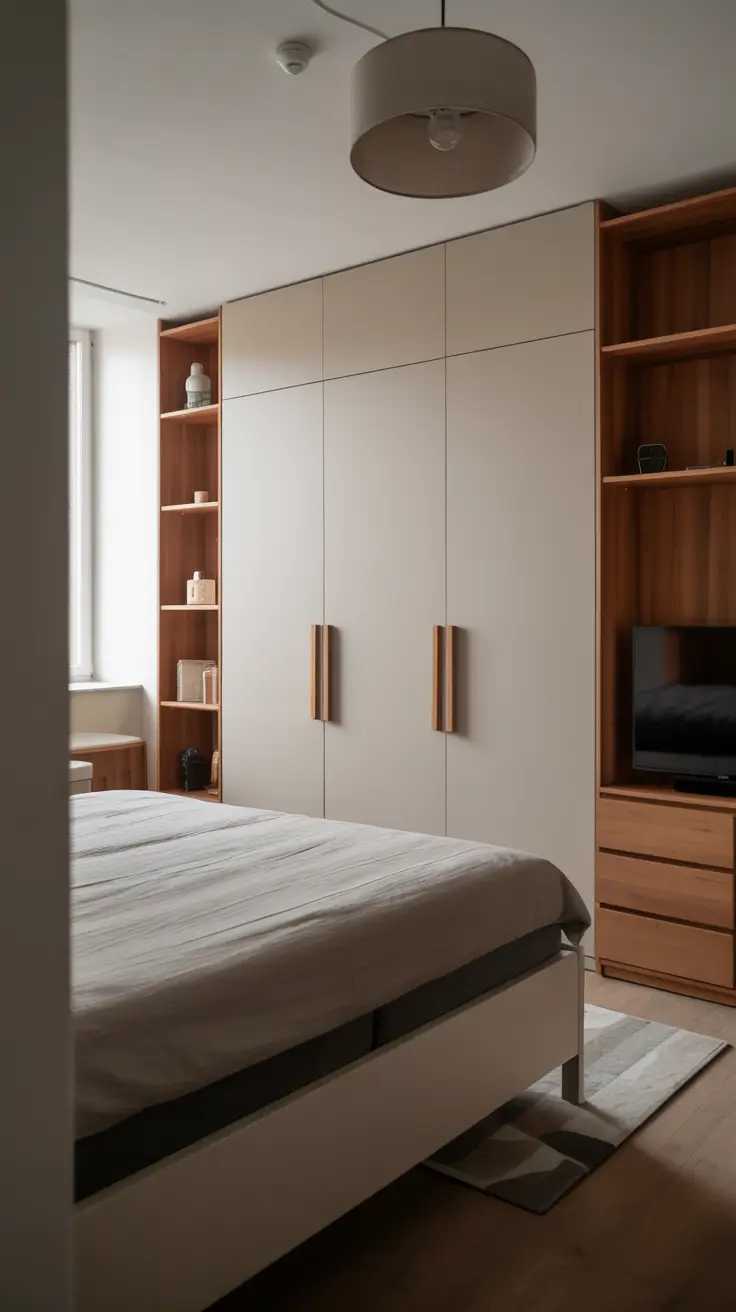
In my experience, minimalist bedrooms work best when combined with natural materials. Many design professionals recommend this to avoid cold or sterile results, and I fully agree.
What is often missing is softness. I would add textiles like curtains or bedding layers to balance the minimalist structure.
14. Cozy Tiny Bedroom Design Ideas for Relaxing Atmospheres
Cozy tiny bedroom design ideas focus on emotional comfort. I design these rooms to feel safe and relaxing, even in small dimensions. Warm colors, soft lighting, and gentle contrasts create a welcoming environment.
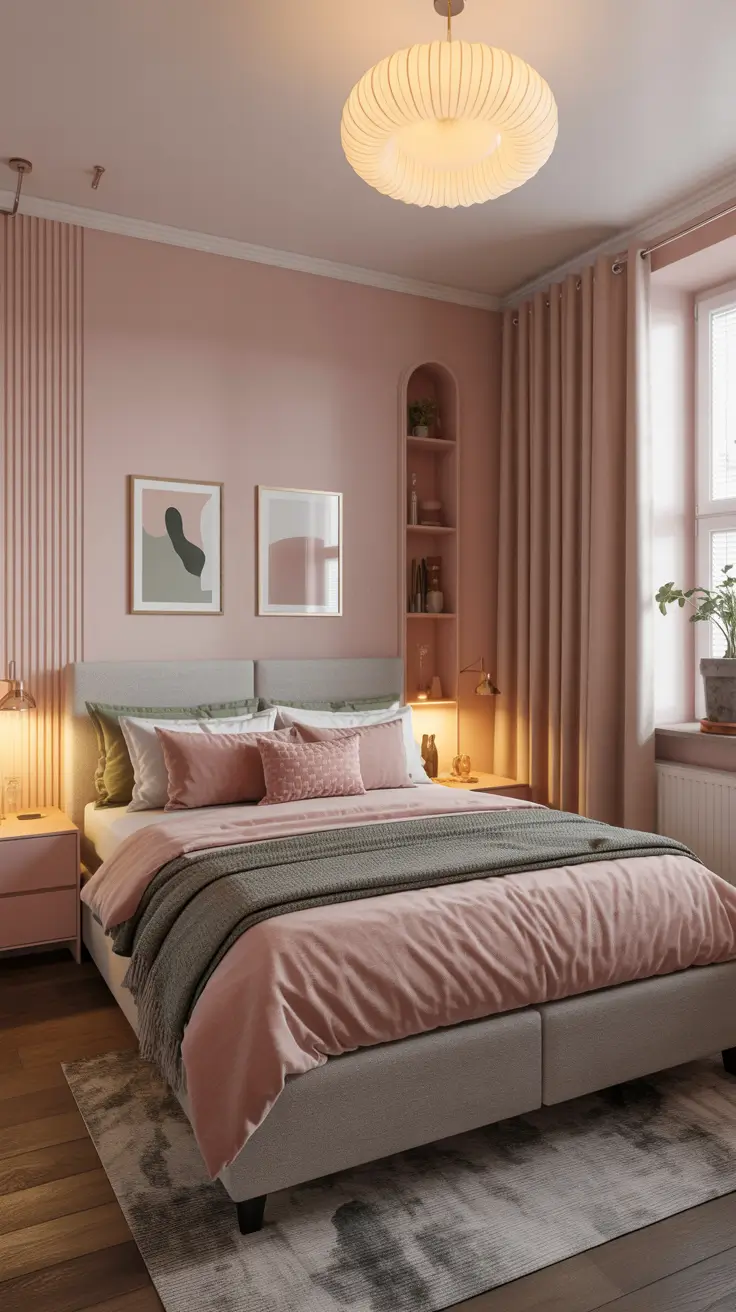
Furniture includes an upholstered bed, layered bedding, and soft rugs. I often add pink or green accents to enhance warmth and personality. Lighting is warm and indirect to support rest.
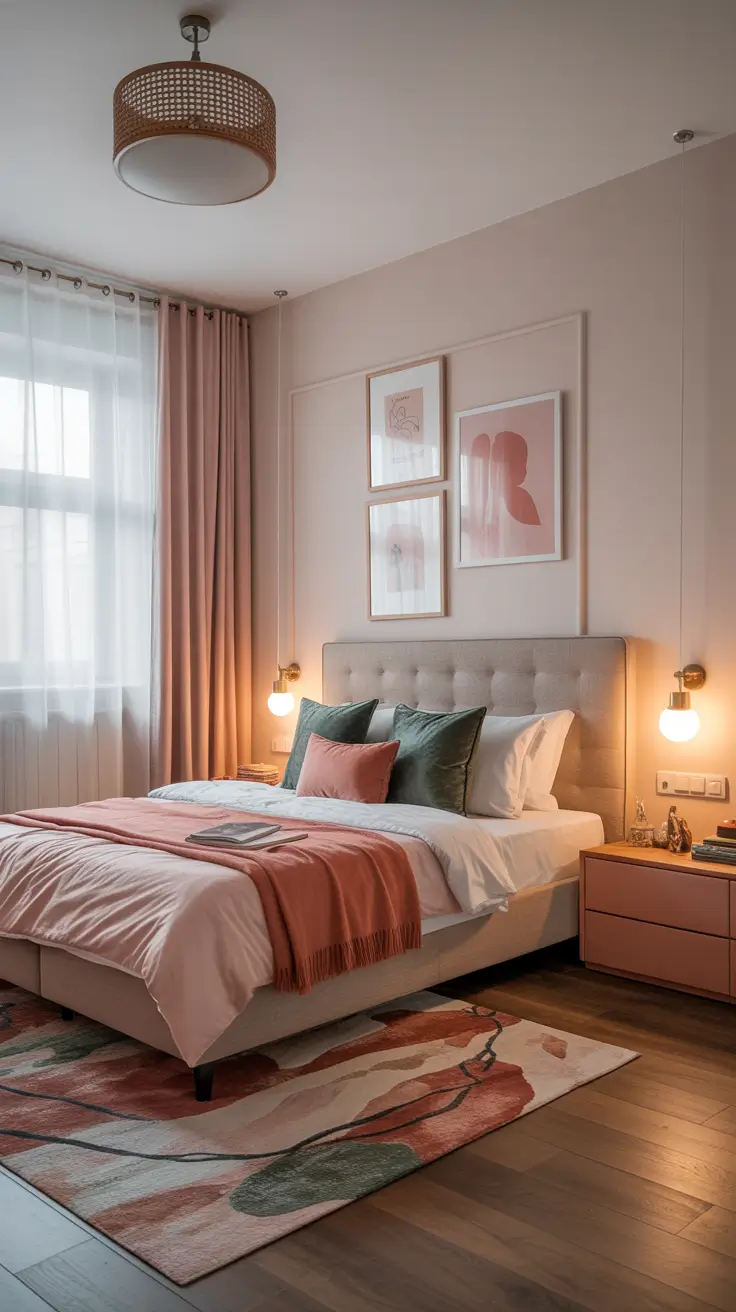
From personal practice, I find that cozy bedrooms outperform larger spaces in relaxation when designed correctly. Interior media frequently highlight that comfort comes from sensory balance, not size.
What I would add more intentionally is personal storytelling through decor. Small framed photos or meaningful objects can enhance coziness without clutter.
15. Ideas Small Spaces Apartments with Modern Style
I approach ideas small spaces apartments with a strong focus on clean layouts, light flow, and multifunctional zones. In tiny bedroom designs for apartments, modern style in 2026 emphasizes clarity and balance, making even very small rooms feel open. I often rely on neutral palettes, subtle green accents, and well-planned lighting to visually expand the room while maintaining a cozy atmosphere.
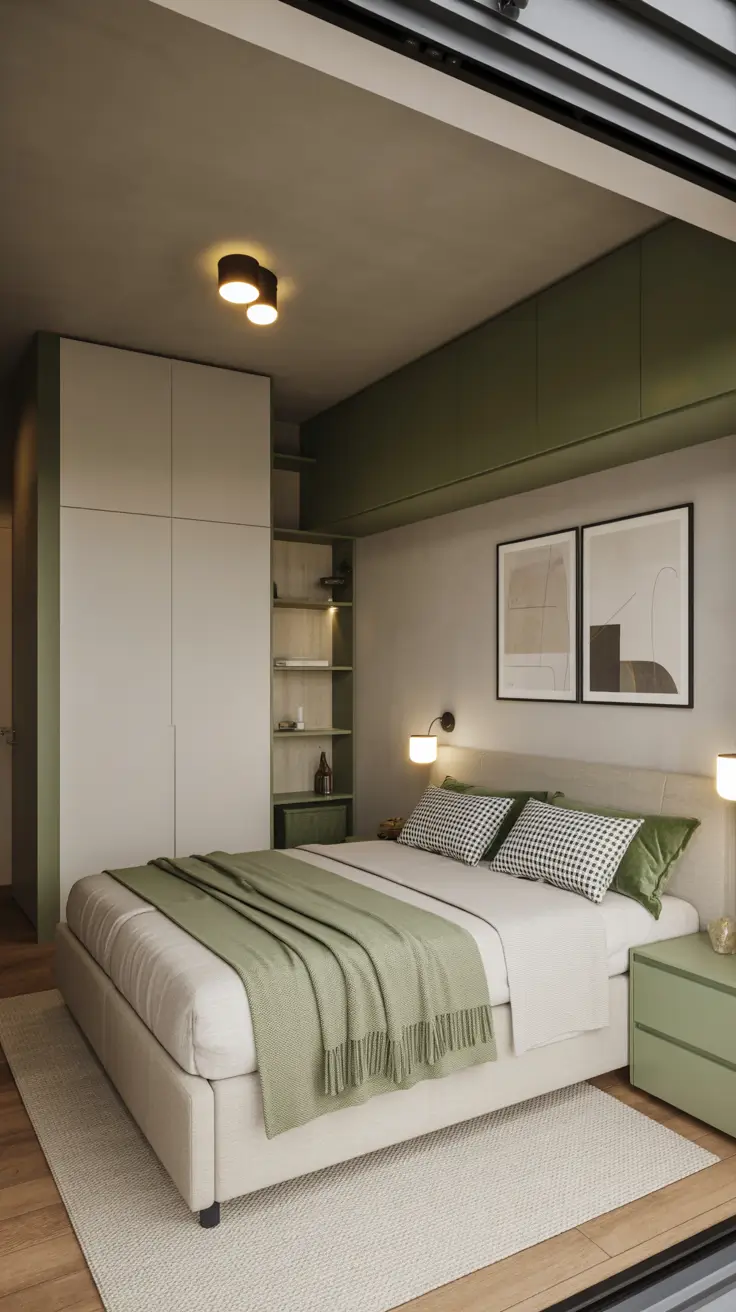
In this type of tiny bedroom design minimalist apartment, I include a low-profile double bed or single bed, built-in storage, and wall-mounted lighting. A compact wardrobe integrated into the wall keeps the space saving concept intact. Minimalist furniture with slim legs allows visual continuity across the floor, which is essential for ideas small spaces minimalist interiors.
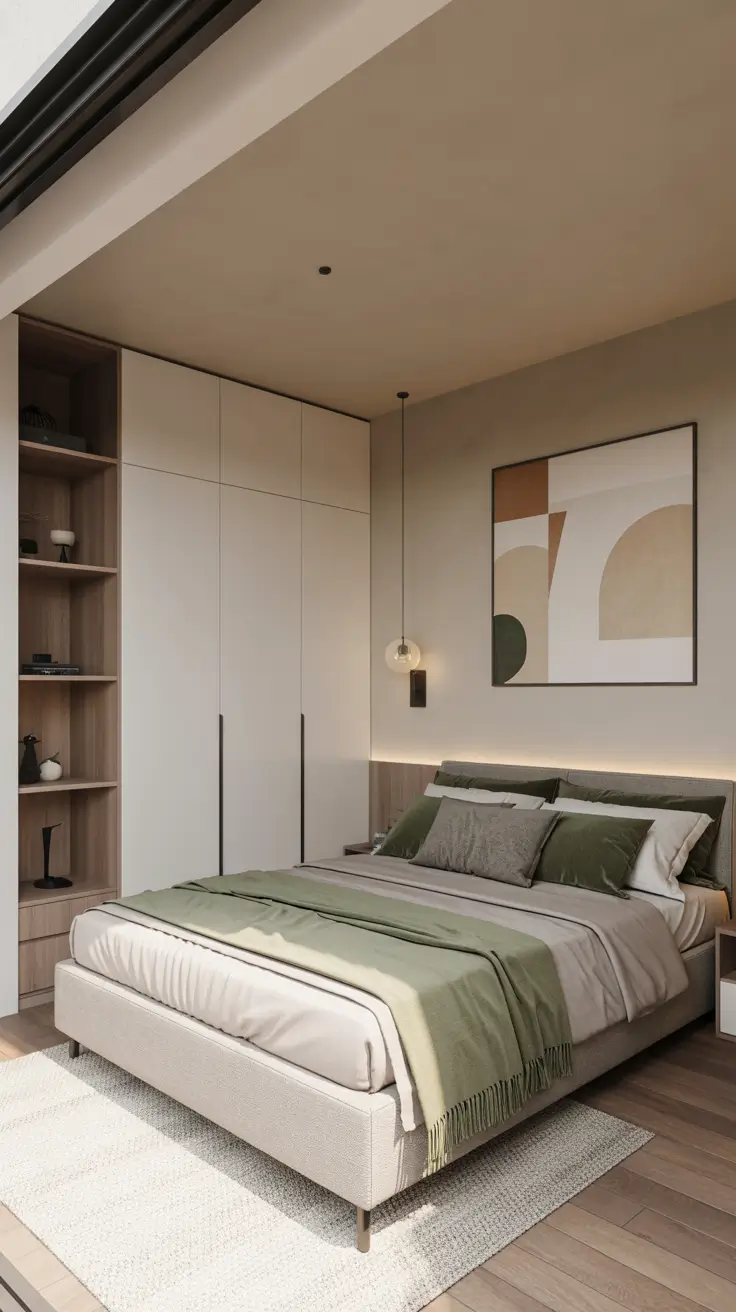
From my experience, modern apartment bedrooms succeed when every item has a clear purpose. Designers frequently note that simplicity improves daily comfort, and I agree. When I design these spaces, I prioritize calm over decoration, which results in a tiny bedroom design cozy enough for rest but structured enough for urban living.
What is often missing here is layered lighting. I always recommend adding indirect LED lighting behind the headboard or ceiling edge to enhance depth without crowding the room.
16. Tiny Bedroom Design with Double Bed in Limited Space
Designing a tiny bedroom design for 2 people with a double bed requires careful spatial planning. I focus on symmetry and circulation so that both people can move comfortably around the bed. In 2026, tiny bedroom design space saving solutions make it possible to place a double bed even in narrow layouts without sacrificing comfort.
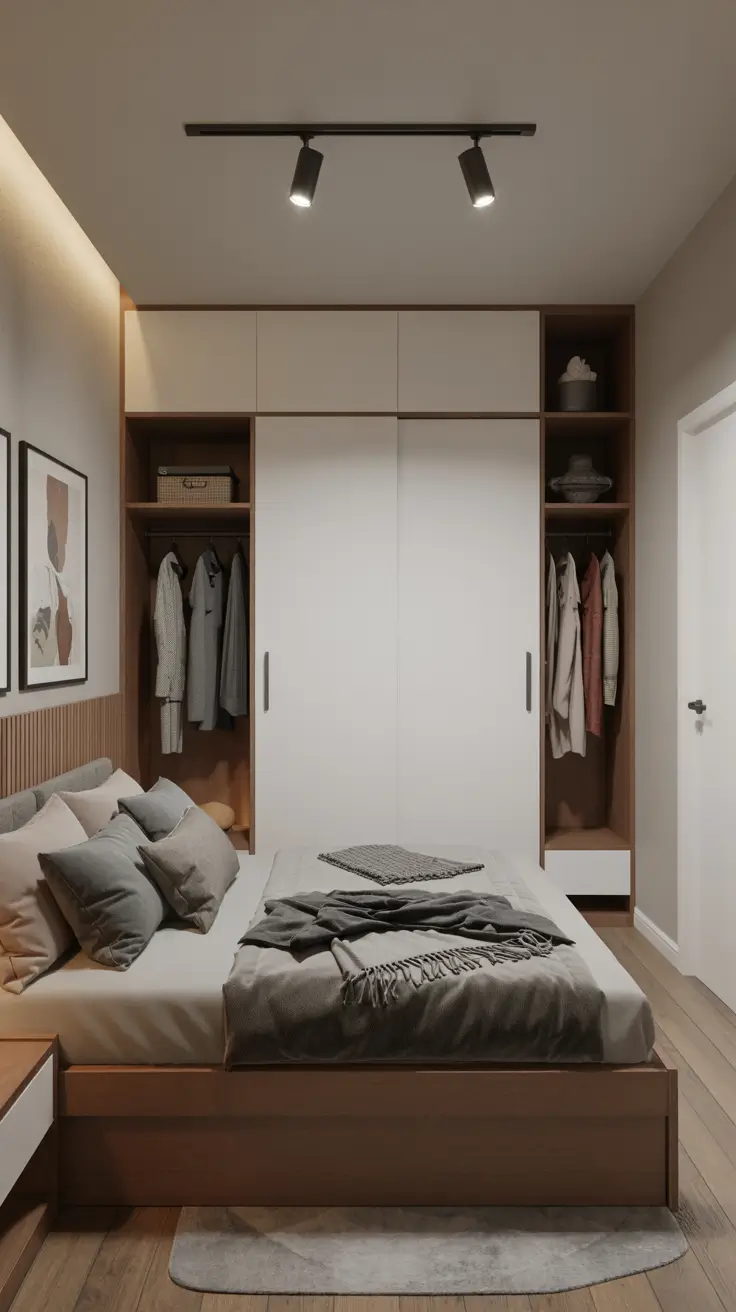
I typically select a double bed with built-in drawers or a lift-up base. A compact wardrobe with sliding doors fits better than hinged options. Wall-mounted nightstands replace bulky tables, and soft neutral colors keep the room from feeling crowded. This approach works well for couples sharing a small room.
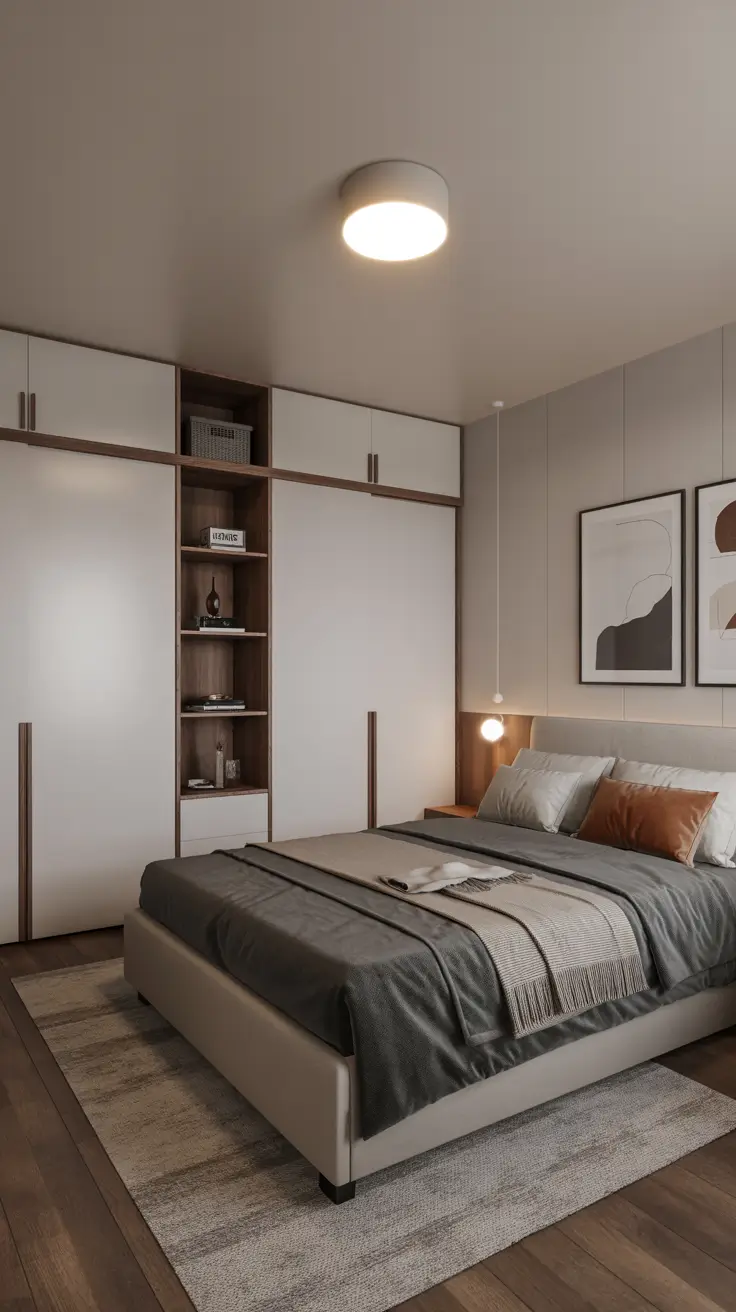
In my practice, couples appreciate when the room feels equal and balanced. Many professionals emphasize that shared bedrooms benefit from symmetry, and I have seen how this reduces visual stress. A well-designed tiny bedroom for couples can feel intimate rather than restrictive.
To improve this layout, I would add sound-absorbing textiles like padded headboards or curtains, which enhance comfort for two people in close quarters.
17. Ideas Small Spaces Cozy Bedrooms with Warm Details
When I design ideas small spaces cozy bedrooms, warmth becomes the primary goal. Tiny bedroom design cozy interiors in 2026 use texture, soft lighting, and natural tones to create emotional comfort. Even a very small room can feel inviting when the design supports relaxation.
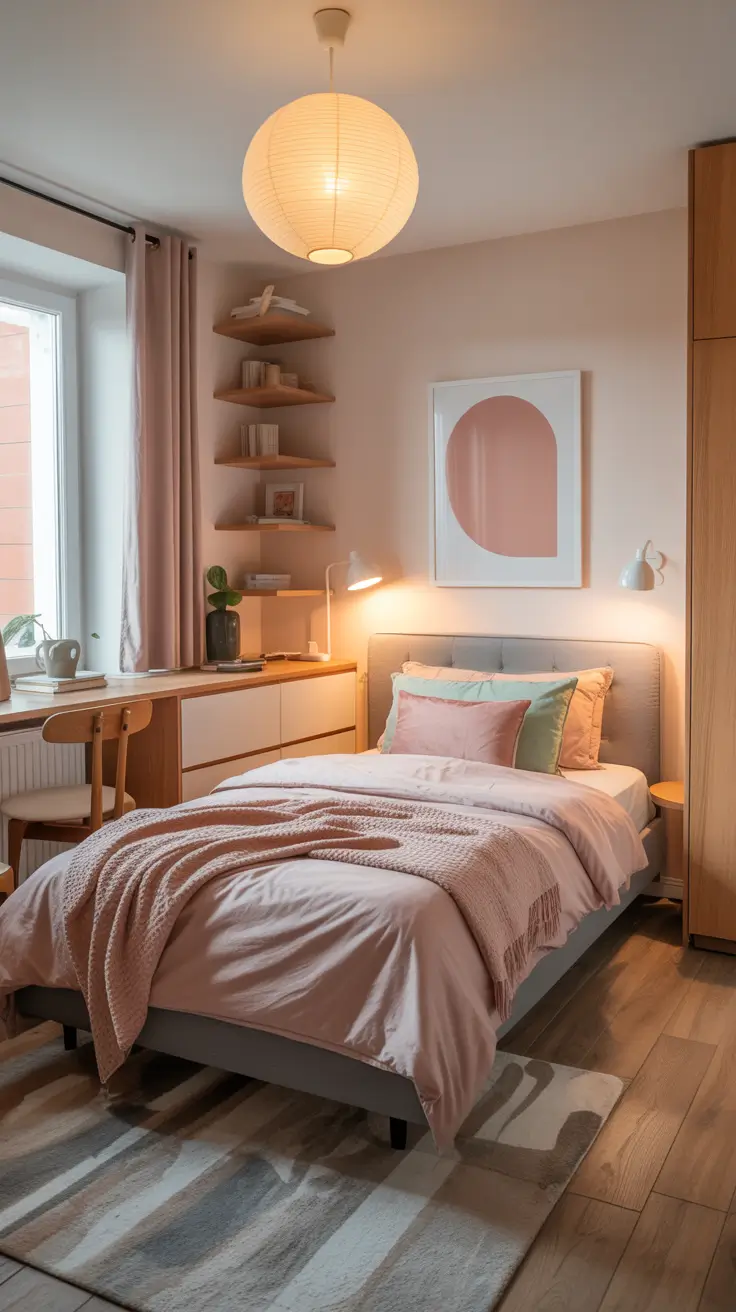
I usually include layered bedding, warm wood finishes, and soft rugs. A single bed or compact double bed works well, paired with ambient lighting instead of harsh ceiling lights. Pink or green accents add personality without overwhelming the space, especially in small apartments.
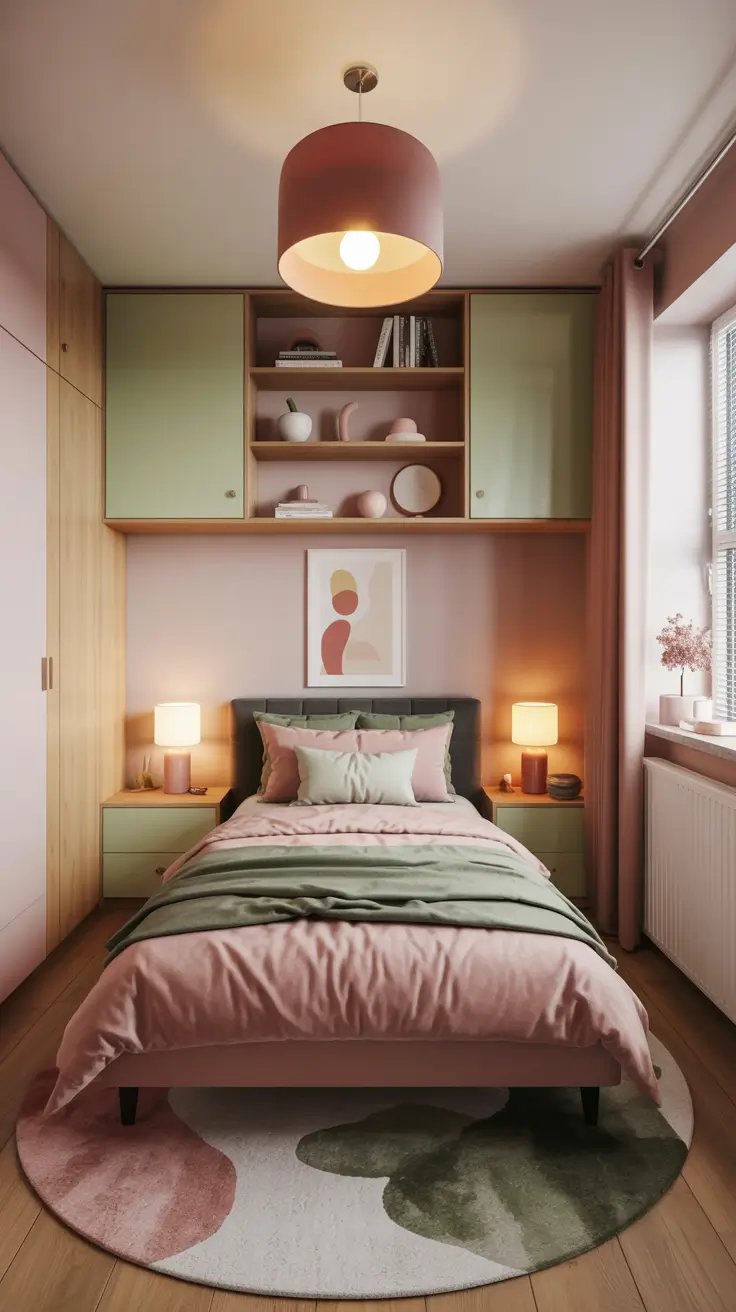
Personally, I believe cozy design is about how the room feels at night. Designers often say that lighting temperature affects sleep quality, and I always apply this principle. Warm light transforms tiny bedrooms into personal retreats.
What I would add here is scent and sound control. Small bedrooms benefit greatly from subtle scent diffusers and soft acoustic materials.
18. Tiny Bedroom Design with Desk for Work and Sleep Balance
Tiny bedroom design with desk layouts are increasingly important as work from home remains common in 2026. I design these rooms to clearly separate rest and work zones, even within a small footprint. This balance is crucial in ideas small spaces apartments.
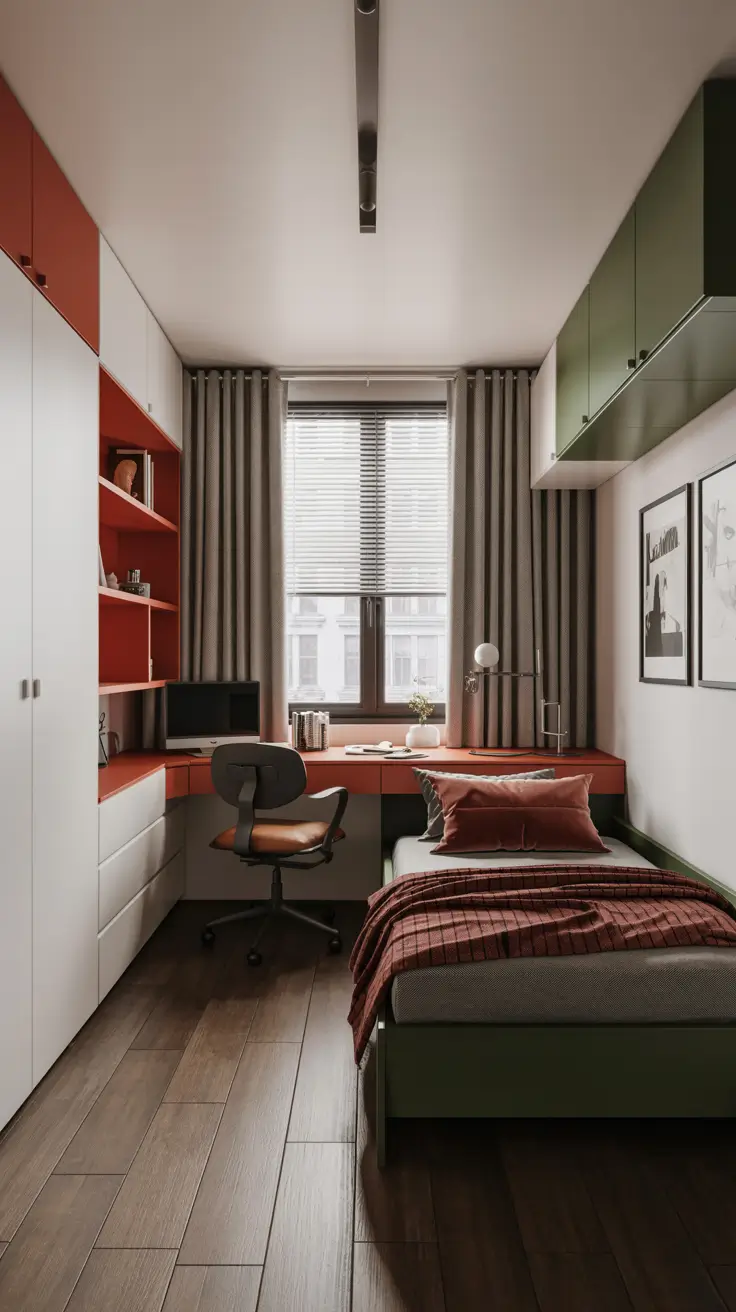
I place a compact desk near a window when possible, paired with wall shelving instead of floor cabinets. A single bed or slim double bed keeps the room flexible. Storage above the desk maintains space saving efficiency, while a neutral palette supports focus.
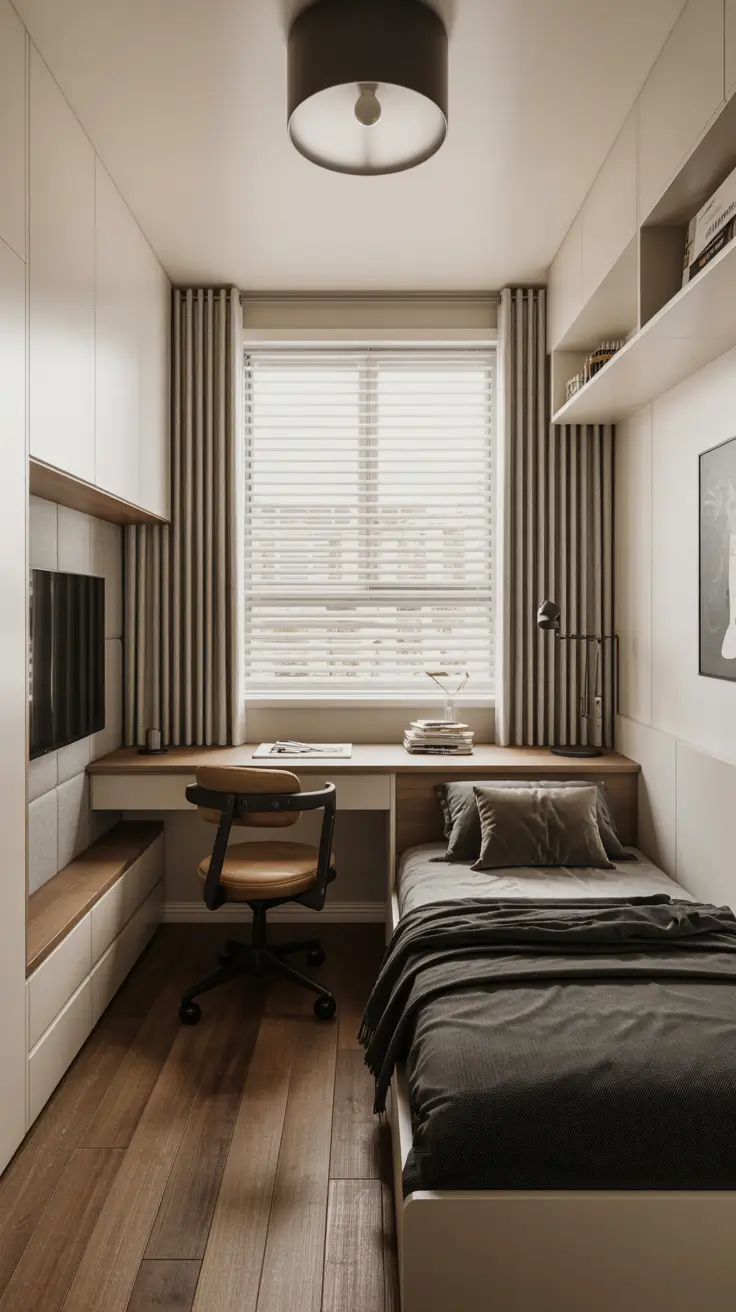
From my experience, clients perform better when the desk does not visually dominate the bedroom. Interior experts often recommend visual separation, and I agree. A simple rug or change in wall color helps define zones without walls.
To strengthen this design, I suggest adding adjustable task lighting and cable management solutions to keep the room calm and organized.
19. Tiny Bedroom Design Master Bedroom in a Small Room
A tiny bedroom design master bedroom concept focuses on comfort and elegance despite limited size. I design these rooms to feel intentional rather than compromised. In 2026, master bedrooms in small layouts emphasize quality over quantity.
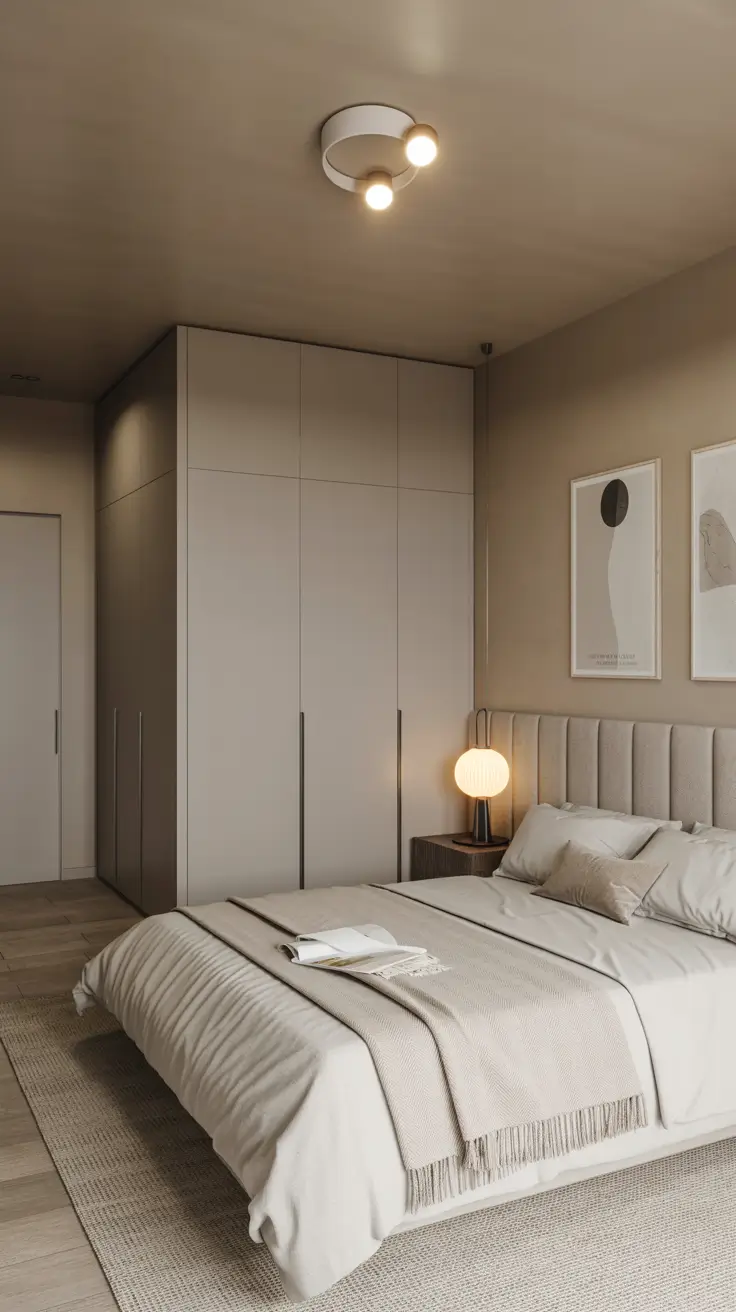
I include a comfortable double bed, a streamlined wardrobe, and minimal bedside storage. Soft fabrics, neutral tones, and subtle aesthetic details elevate the space. Even without excess furniture, the room feels complete and restful.
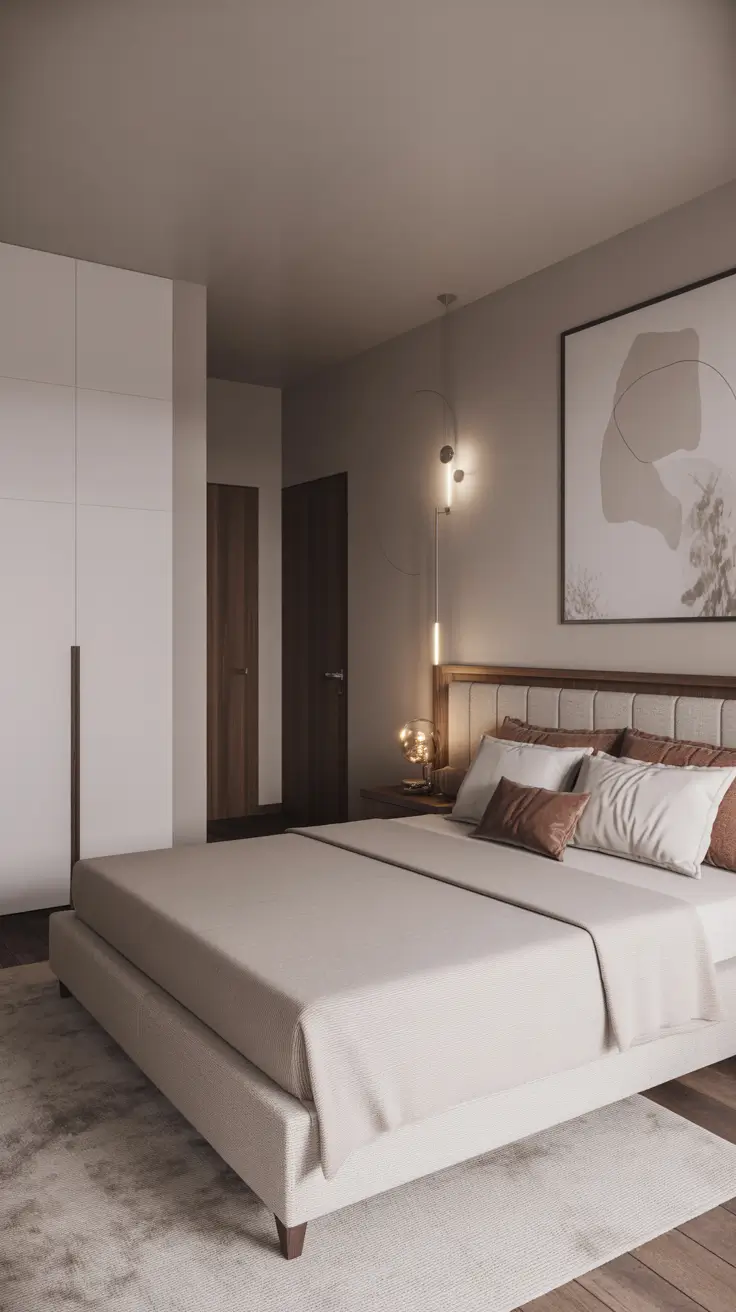
In my opinion, a master bedroom should support mental rest. Many designers agree that clutter disrupts sleep, and I have seen how simplified layouts improve daily well-being. A small master bedroom can still feel luxurious.
What could be added is a compact seating element, such as a small bench at the foot of the bed, if circulation allows.
20. Tiny Bedroom Design for Children in Compact Spaces
Tiny bedroom design for children requires adaptability and safety. I focus on layouts that grow with the child while maintaining space saving efficiency. In compact rooms, every decision must support play, rest, and storage.
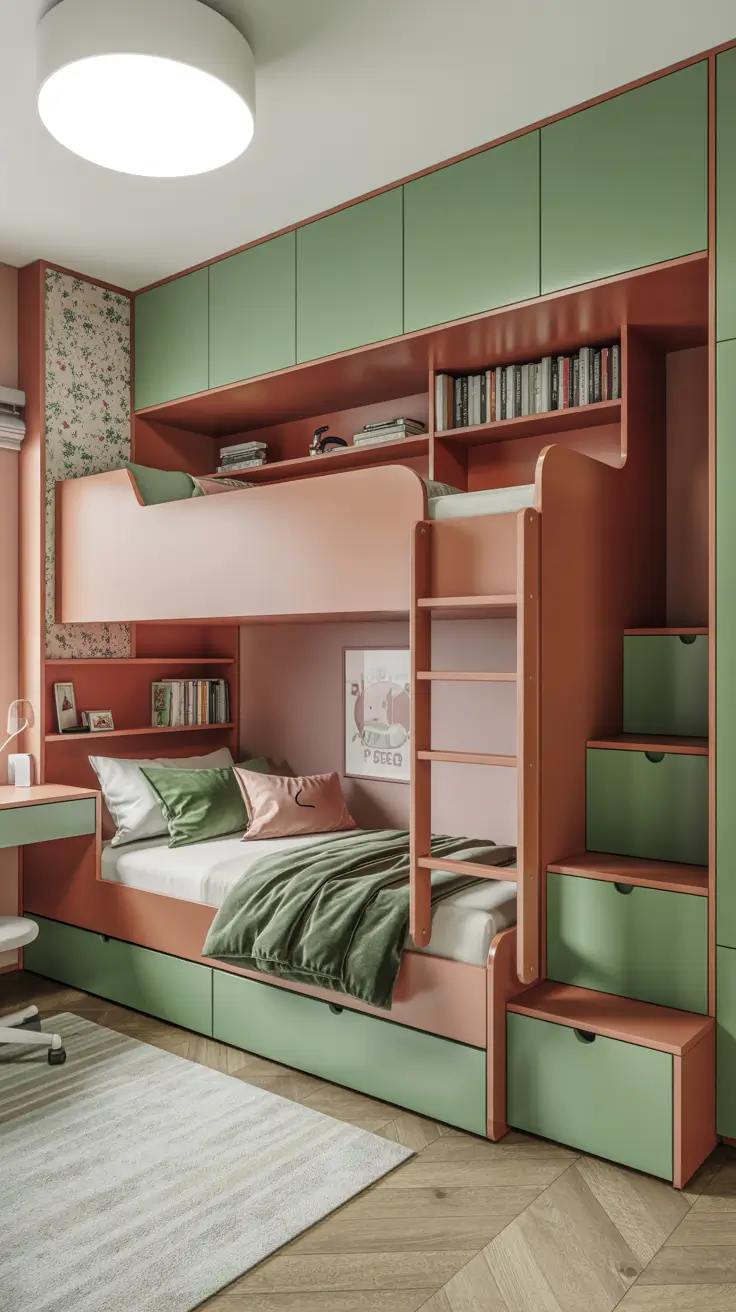
I often use bunk bed or loft bed solutions, especially when designing tiny bedroom design for boys or shared rooms. Built-in desks, storage stairs, and soft color palettes like green or pink make the room functional and cheerful. Safety rails and rounded edges are essential.
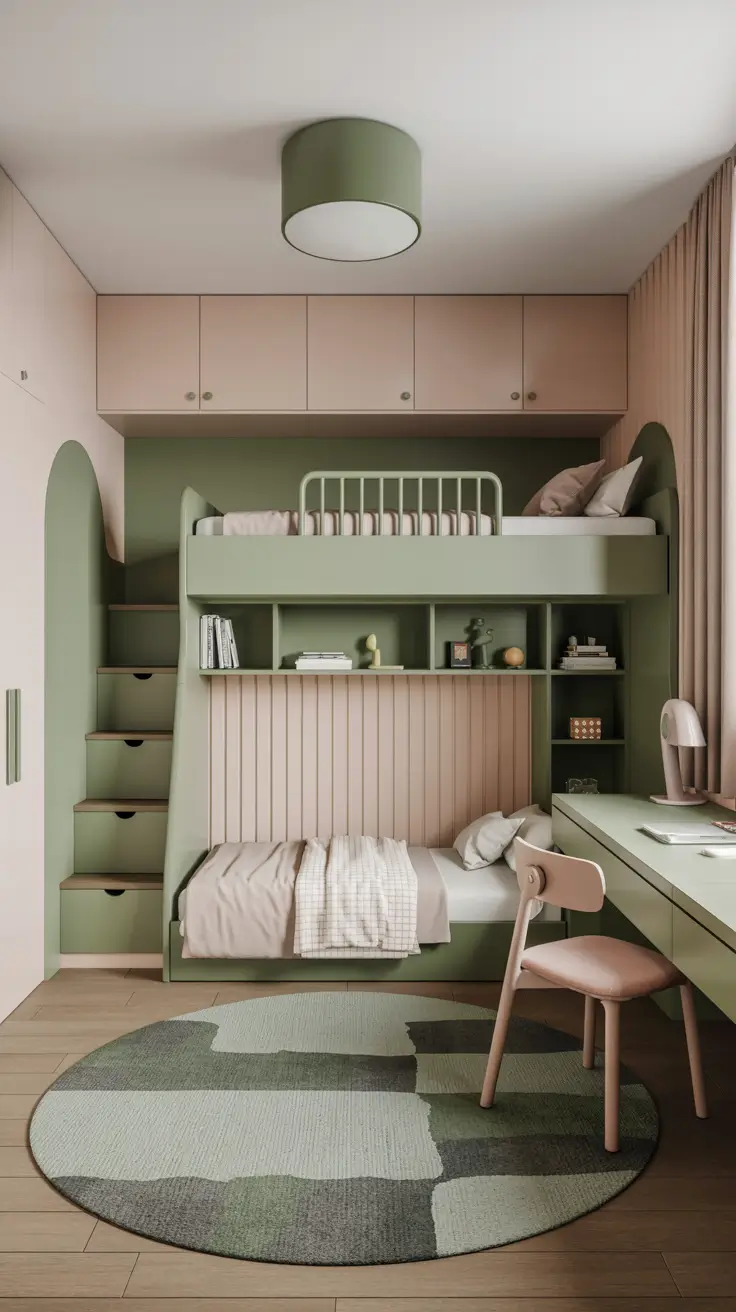
From my experience, children respond well to rooms that feel personal. Designers often highlight the importance of child involvement, and I agree. Allowing small choices increases comfort and responsibility.
To improve this section, I would add modular furniture that can be reconfigured as the child grows.
21. Tiny Bedroom Design with Bathroom in Small Layouts
Tiny bedroom design with bathroom layouts are increasingly popular in studio apartments and compact homes. I design these spaces to maintain privacy while preserving openness. In 2026, smart zoning makes this possible even in very small footprints.
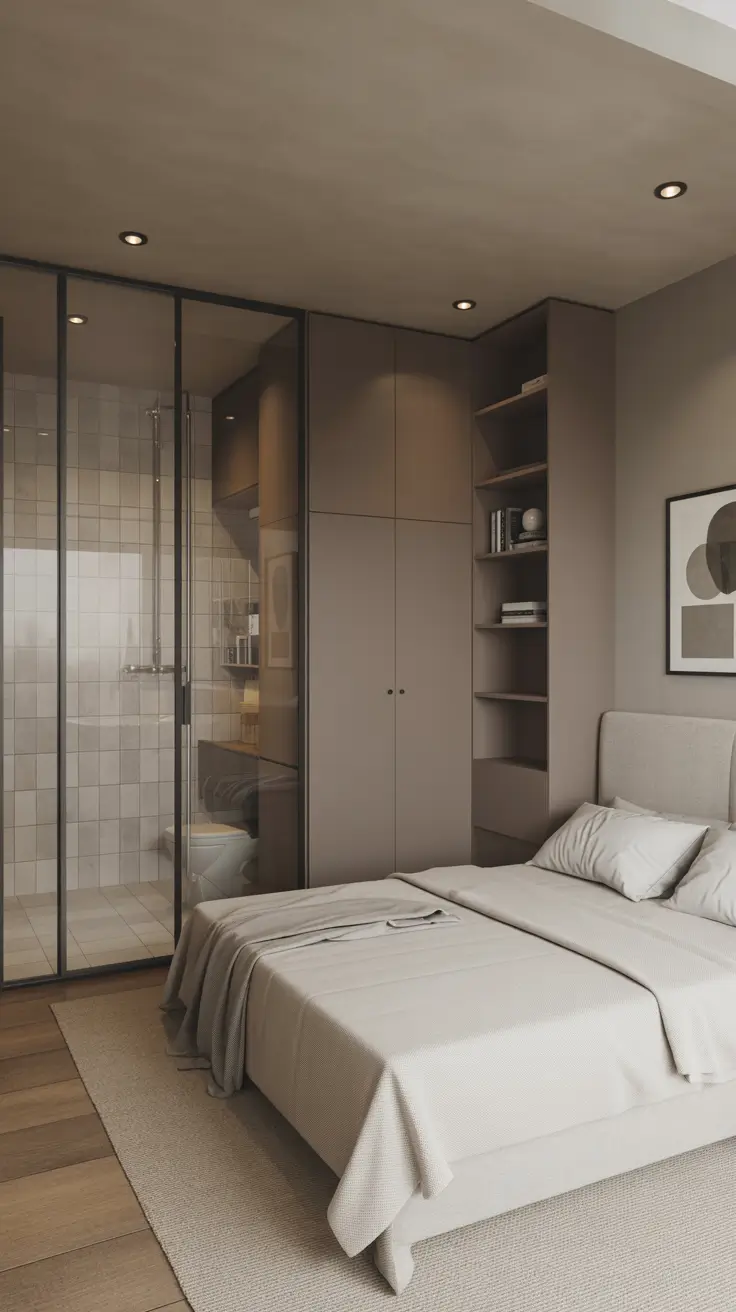
I usually separate the bathroom with glass partitions or sliding panels. The bedroom includes a single bed or double bed, compact wardrobe, and minimal decor. Moisture-resistant materials and proper ventilation are essential in these layouts.
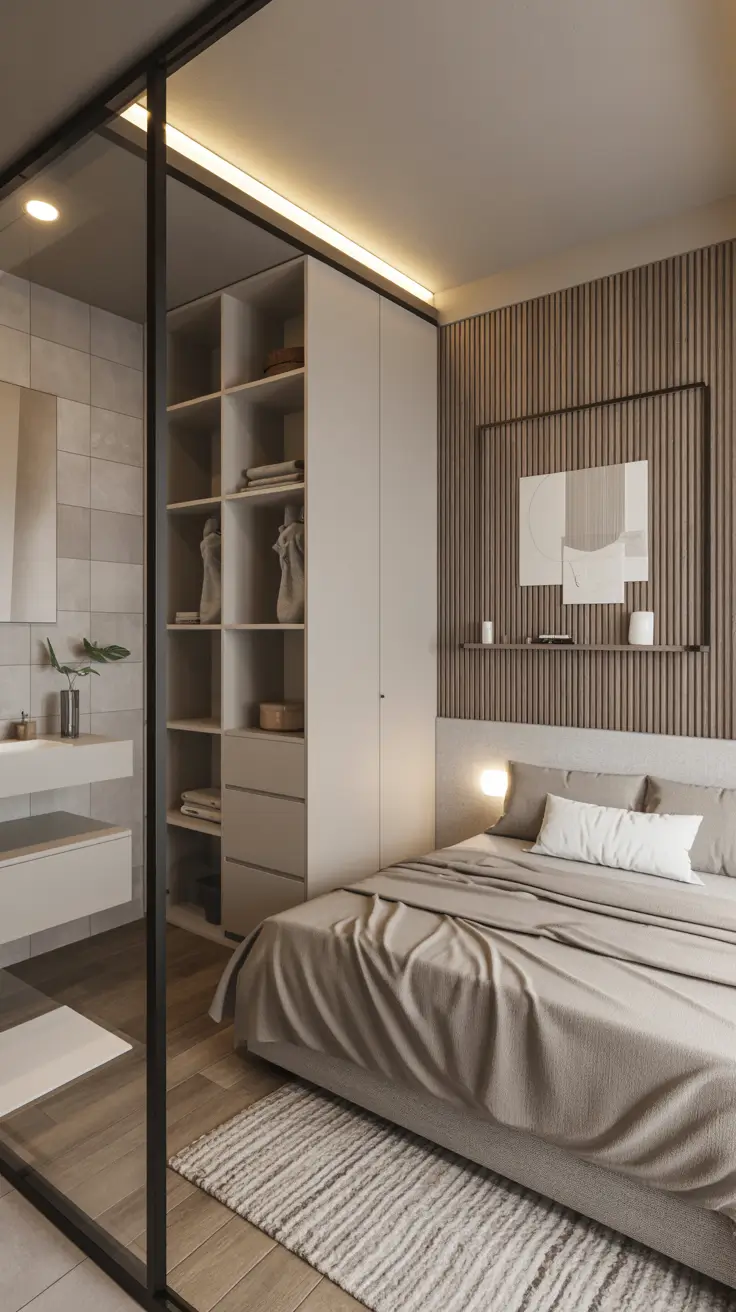
In my practice, these designs work best when the visual style is consistent across zones. Interior professionals often stress continuity, and I apply this to maintain harmony between bedroom and bathroom.
What is often missing is sufficient storage for bathroom items. I recommend adding recessed shelves or mirrored cabinets to solve this issue.
22. Tiny Bedroom Design 3×3 Room Planning Ideas
When I work with a 3×3 bedroom, precision becomes the foundation of the design. Tiny bedroom designs in this size require strict zoning to ensure movement, storage, and rest all coexist without friction. In 2026, I rely heavily on vertical solutions and visual simplicity to make a 3×3 room feel livable and not cramped.
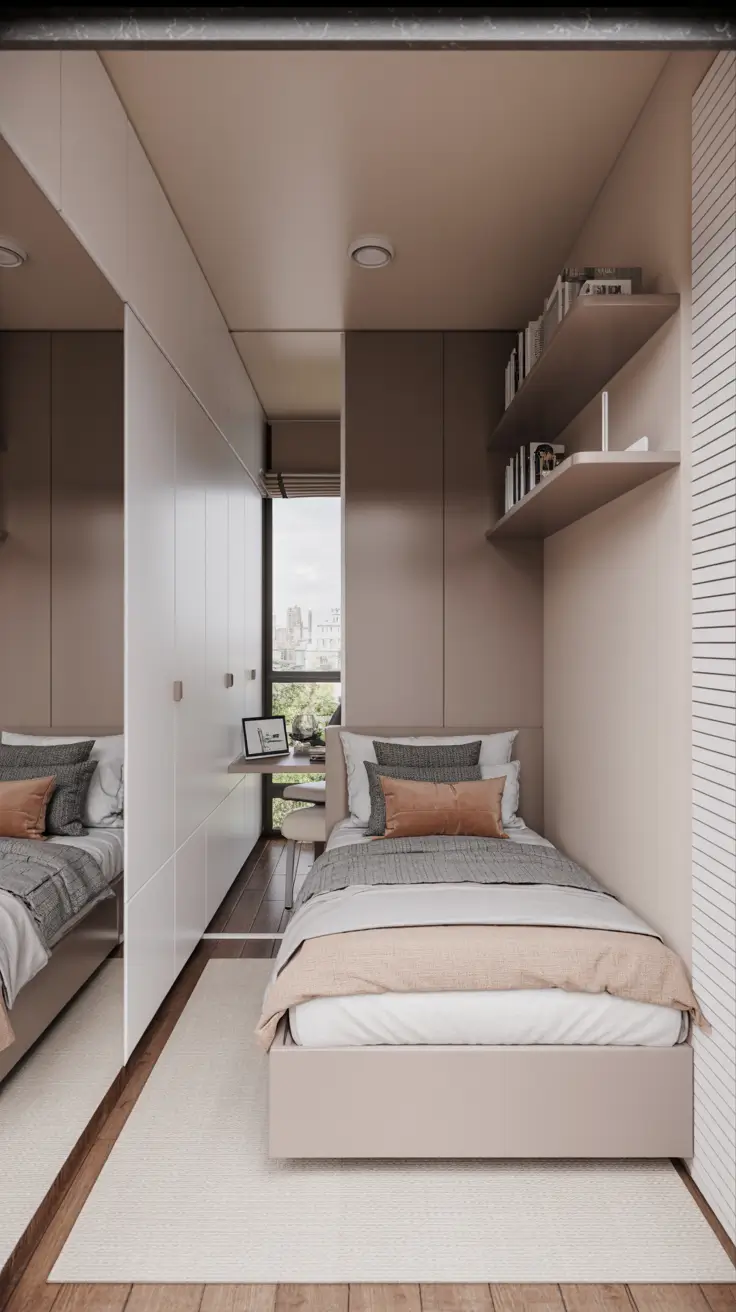
I usually select a single bed or compact double bed placed against one wall, paired with a built-in wardrobe that reaches the ceiling. Wall-mounted shelves replace nightstands, and sliding doors help maintain circulation. Light wall colors and reflective surfaces amplify brightness and depth.
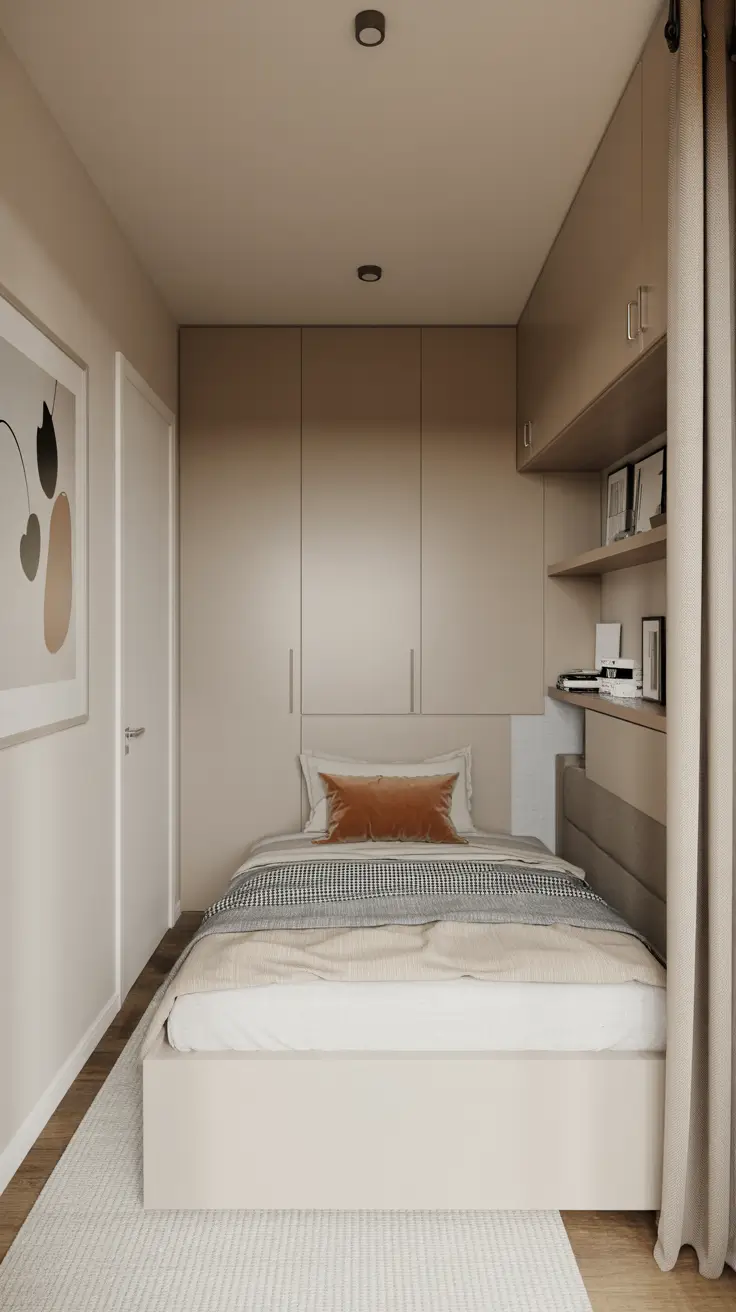
From my experience, 3×3 bedrooms succeed when designers avoid oversized furniture. Many interior professionals emphasize scale awareness, and I fully agree. Proper proportions make the difference between a functional room and a stressful one.
What I would add here is floor continuity. Using the same flooring as the adjacent space visually extends the room and reduces the boxed-in feeling.
23. Aesthetic Tiny Bedroom Design Trends for 2026
Aesthetic tiny bedroom design trends in 2026 prioritize calm visuals, soft geometry, and subtle personality. I design these rooms to feel curated but not staged, combining comfort with visual clarity. Tiny bedroom design minimalist principles play a key role in achieving this balance.
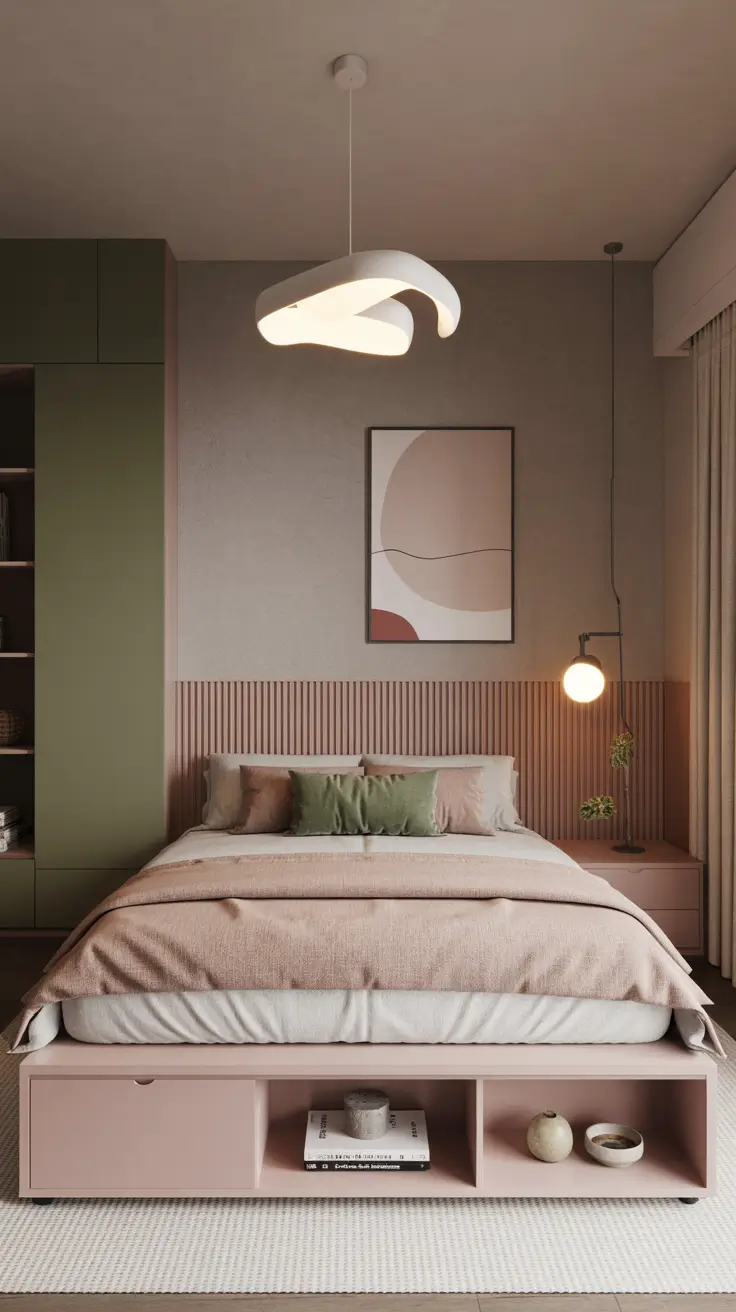
I include low beds, hidden storage, soft fabrics, and warm neutral palettes with hints of green or pink. Decorative elements are limited but intentional, such as sculptural lamps or textured wall panels. Everything serves both visual and practical purposes.
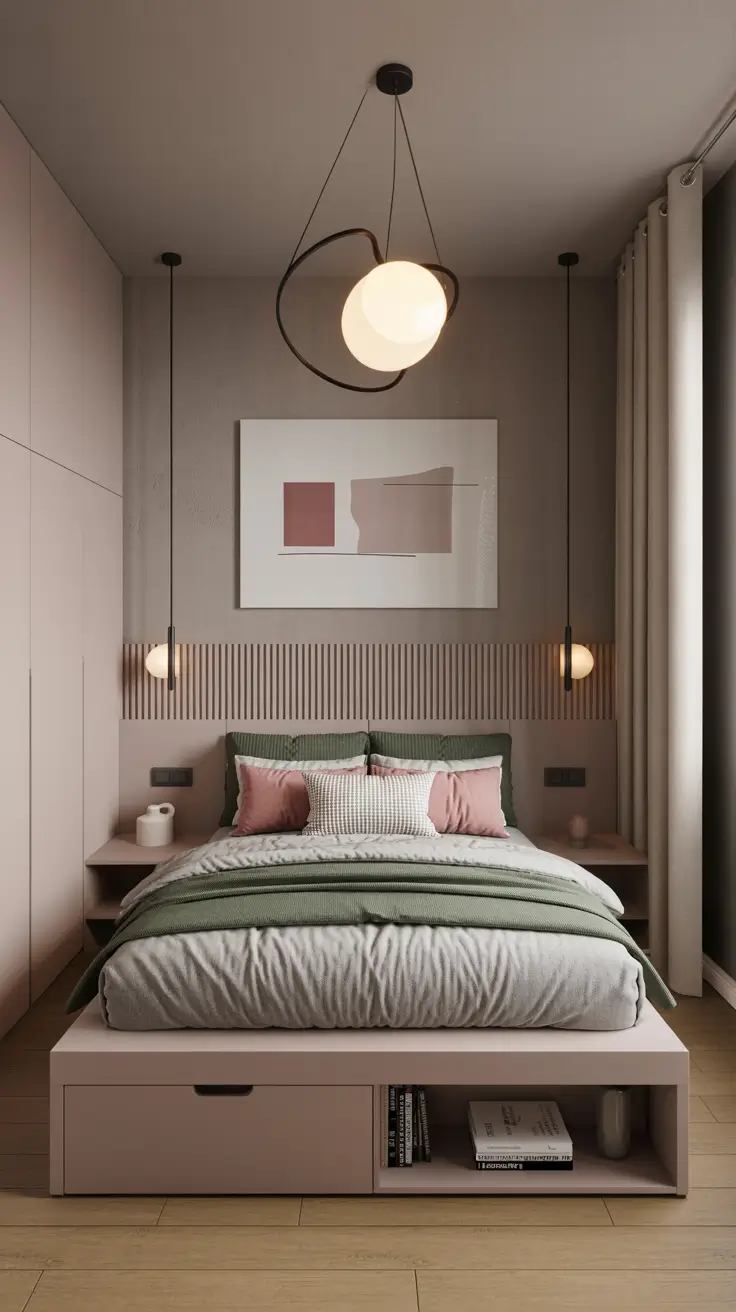
In my view, aesthetic design should never overpower function. Designers in leading US interiors publications often stress restraint, and I apply this by editing decor carefully. A tiny bedroom should feel expressive yet restful.
To enhance this section, I would recommend incorporating tactile materials like linen or boucle to add depth without clutter.
24. Tiny Bedroom Design with Bunk Bed for Space Efficiency
Tiny bedroom design with bunk bed layouts are among the most effective space saving solutions I use. These designs are ideal for children or shared rooms, where floor space must remain flexible. In 2026, bunk beds evolve into integrated systems rather than standalone furniture.
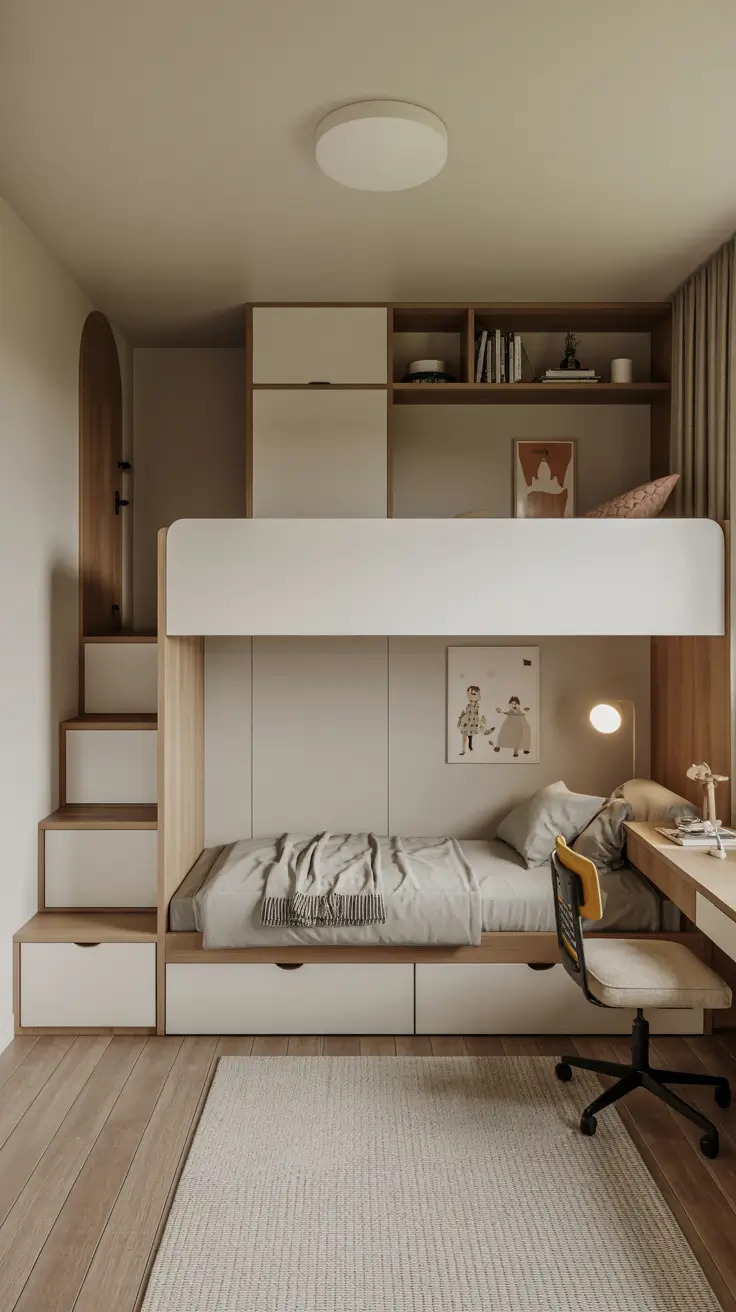
I often specify bunk beds with built-in storage, desks, or wardrobes. This approach eliminates the need for extra furniture and keeps the room organized. Safety features, lighting, and neutral colors ensure the room feels modern rather than juvenile.
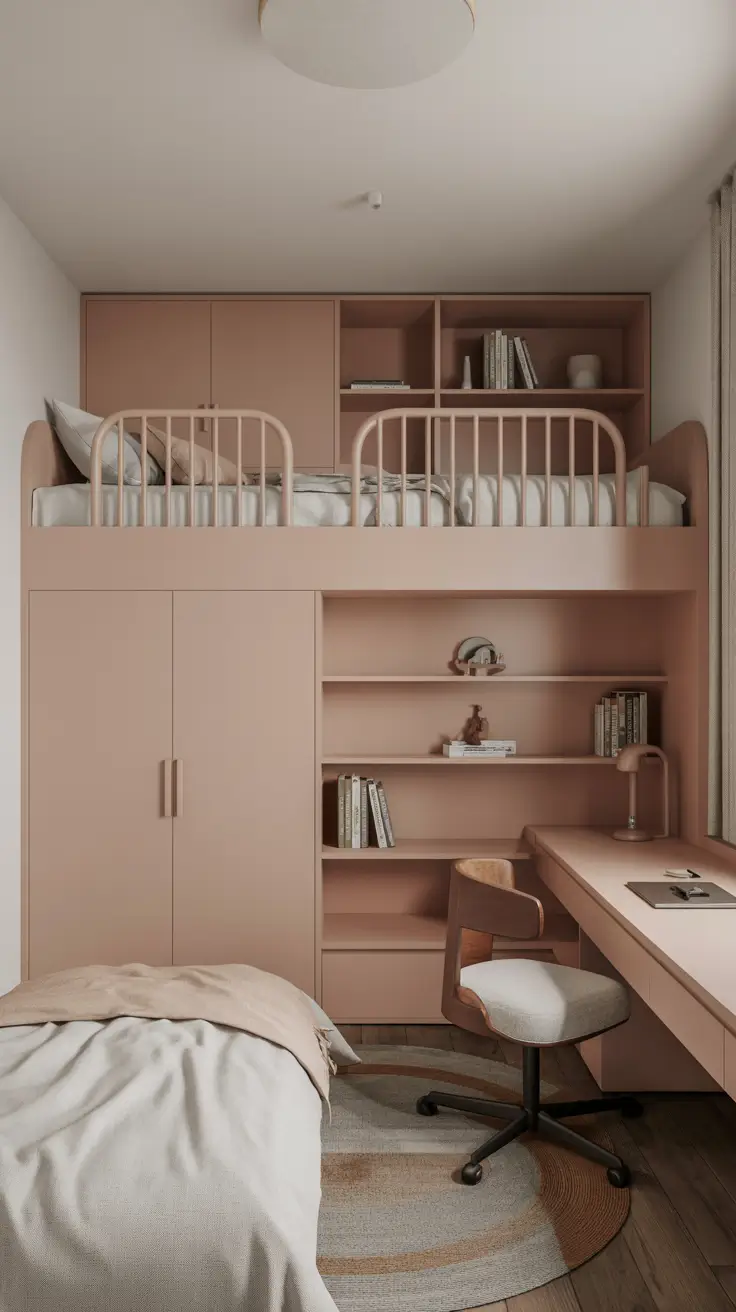
From my professional experience, bunk bed designs work best when customized. Designers consistently note that built-ins outperform modular pieces in tiny rooms, and I have seen this proven repeatedly.
What is often missing is proper lighting for each level. I always advise adding individual reading lights to improve comfort and usability.
25. Tiny Bedroom Design for Two People Sharing One Room
Designing a tiny bedroom design for two people requires empathy and balance. Whether for couples or siblings, the room must respect personal space while remaining cohesive. In 2026, shared tiny bedrooms focus on symmetry and clear storage allocation.
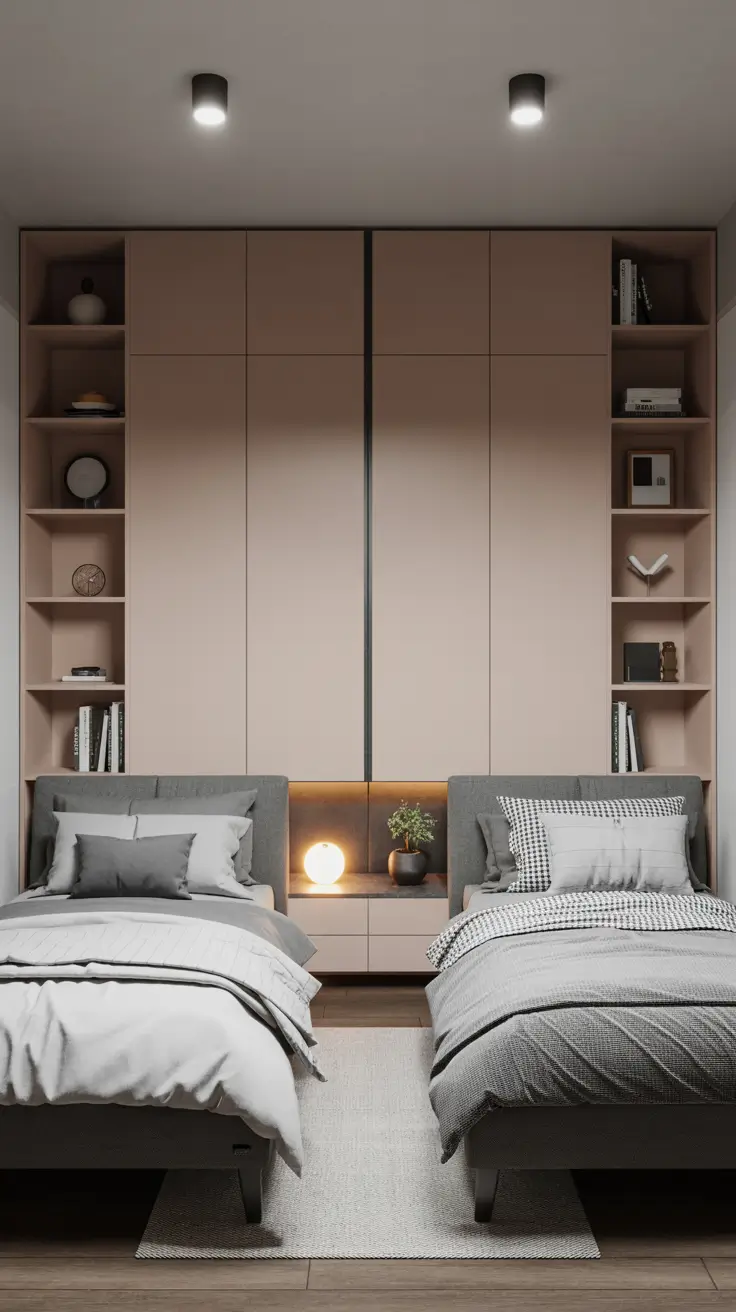
I typically use a double bed for couples or two single beds placed strategically for children. Divided wardrobes, shared desks, and neutral palettes support harmony. Space saving furniture ensures that movement remains comfortable.
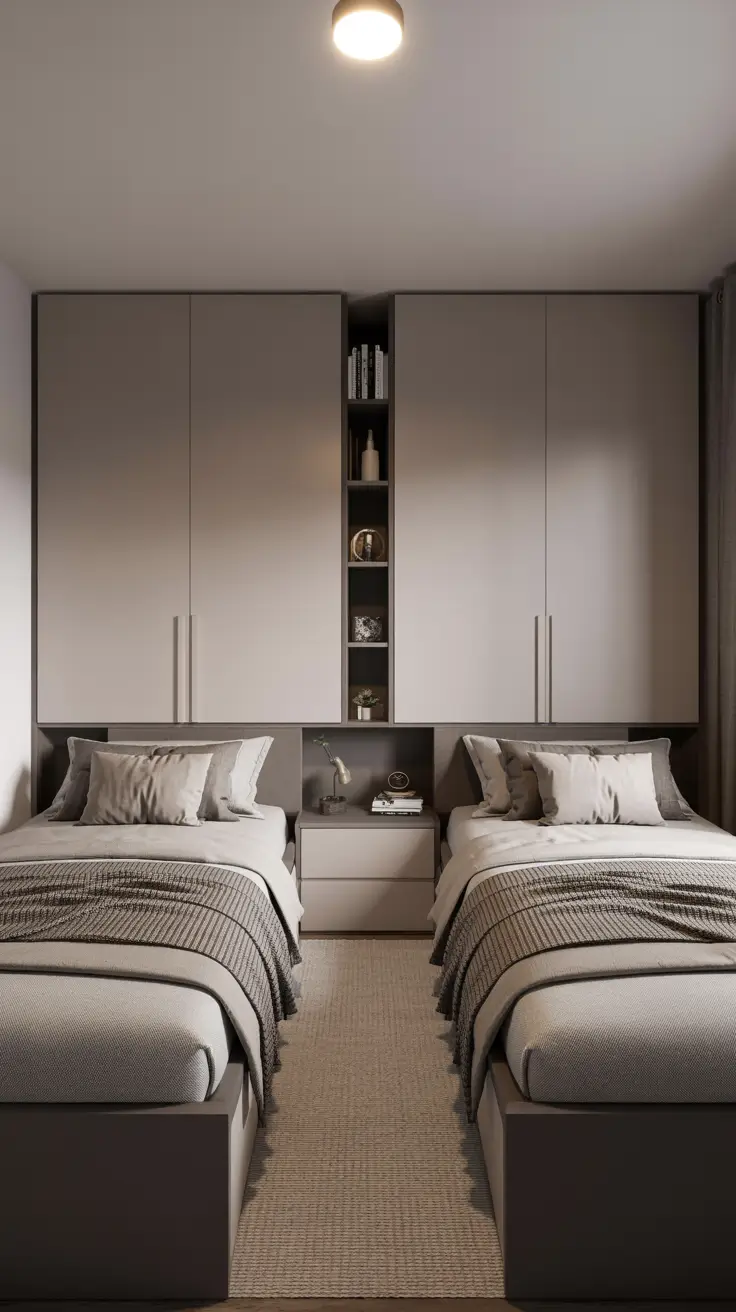
In my opinion, communication matters as much as layout. Many professionals emphasize user habits during planning, and I agree. A well-designed shared bedroom reflects how two people actually live.
To improve this layout, I would add flexible elements like curtains or screens to allow temporary separation when needed.
26. Tiny Bedroom Design with Single Bed for Minimal Living
Tiny bedroom design with single bed layouts are perfect for minimalist living. I approach these rooms with a focus on freedom of movement and mental clarity. In 2026, minimal living spaces emphasize calm over decoration.
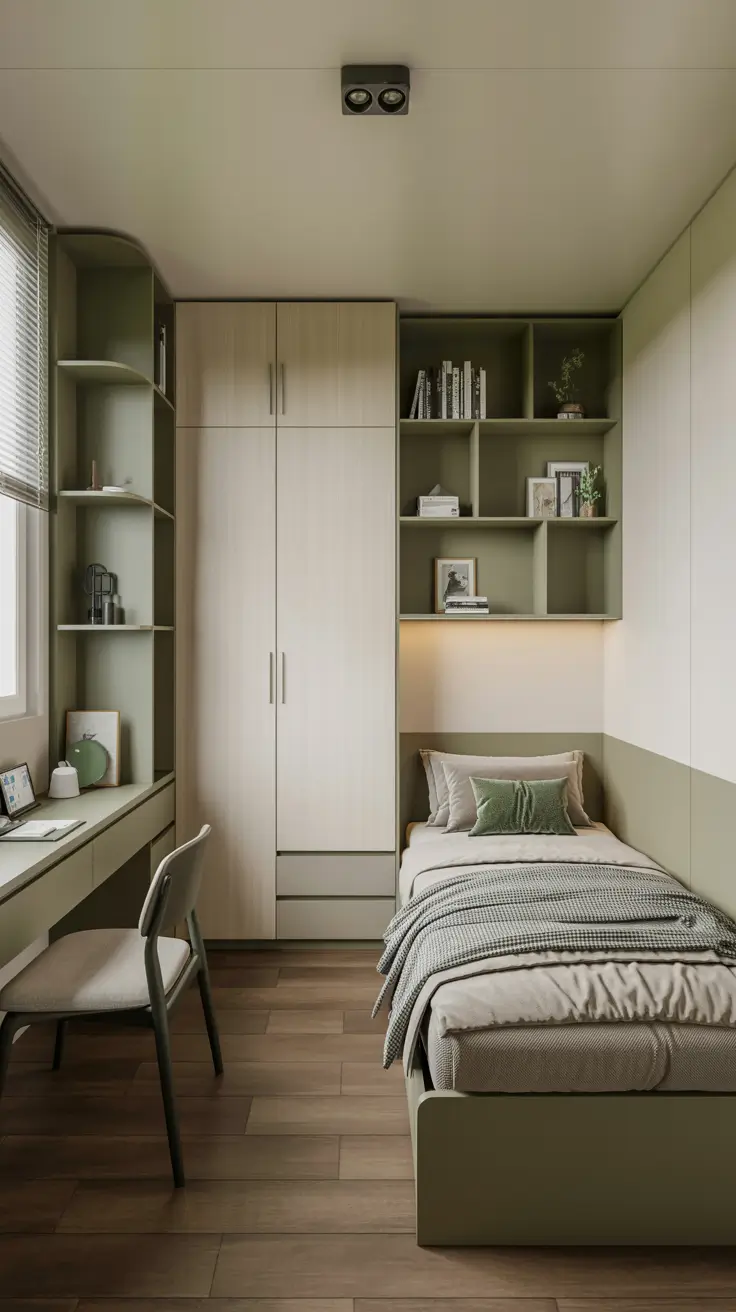
I include a slim single bed, compact wardrobe, and often a small desk. Storage is vertical, and decor is restrained. Neutral tones dominate, with occasional green accents to maintain freshness.
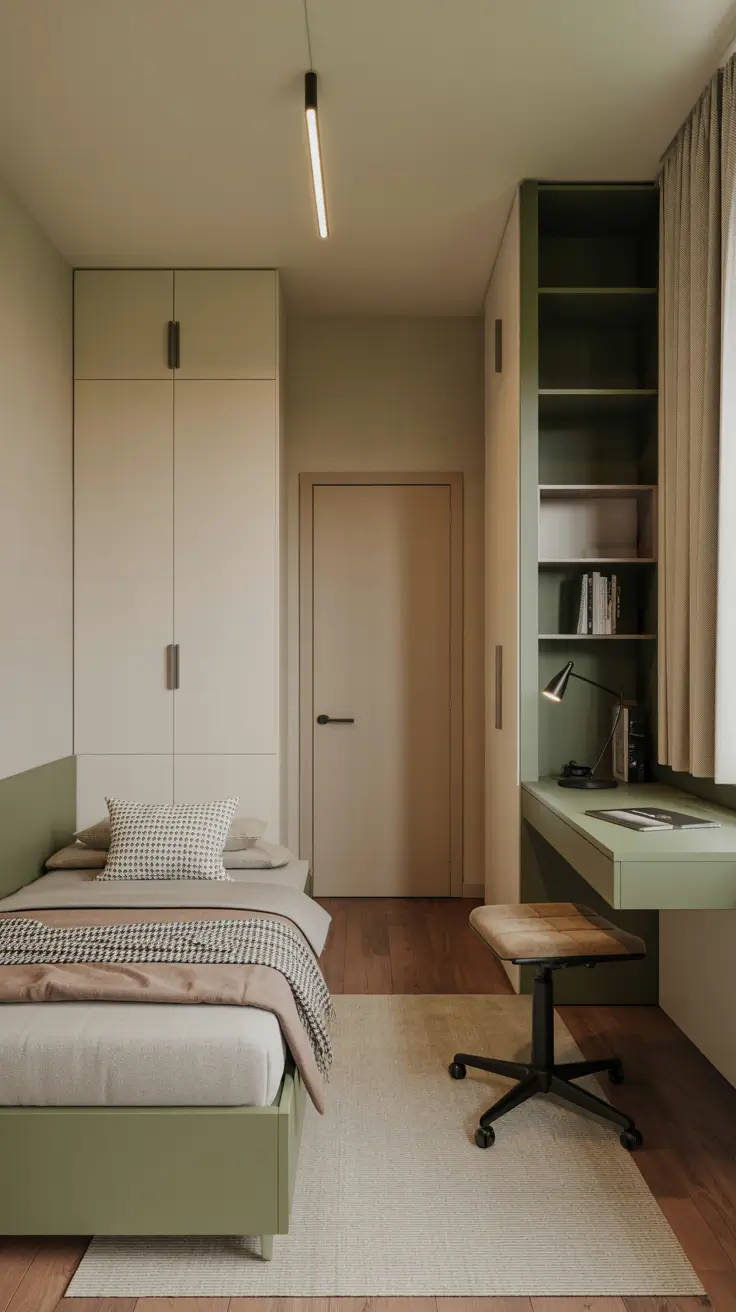
Personally, I find these rooms incredibly efficient. Designers often associate minimal bedrooms with better sleep quality, and I have seen positive feedback from clients living in such spaces.
What could be added is a multifunctional seating element, such as a storage bench, to enhance flexibility.
27. Tiny Bedroom Design Pink Color Ideas for Small Rooms
Tiny bedroom design pink color ideas in 2026 move beyond traditional stereotypes. I use pink as a soft, sophisticated accent that enhances warmth and personality in small rooms. When applied carefully, pink supports a cozy and aesthetic environment.
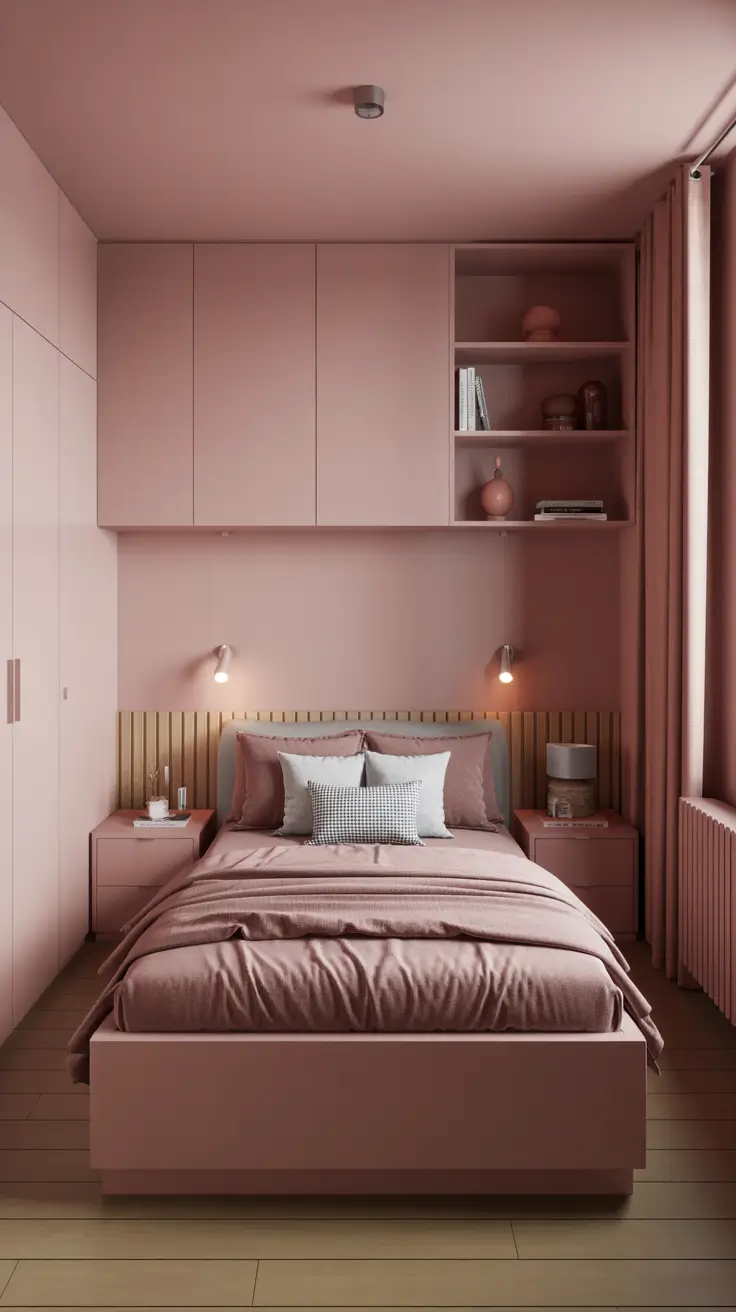
I pair pink walls or textiles with neutral furniture, light wood, and subtle metallic accents. A single bed or compact double bed works well, supported by minimalist storage. The result feels modern and balanced.
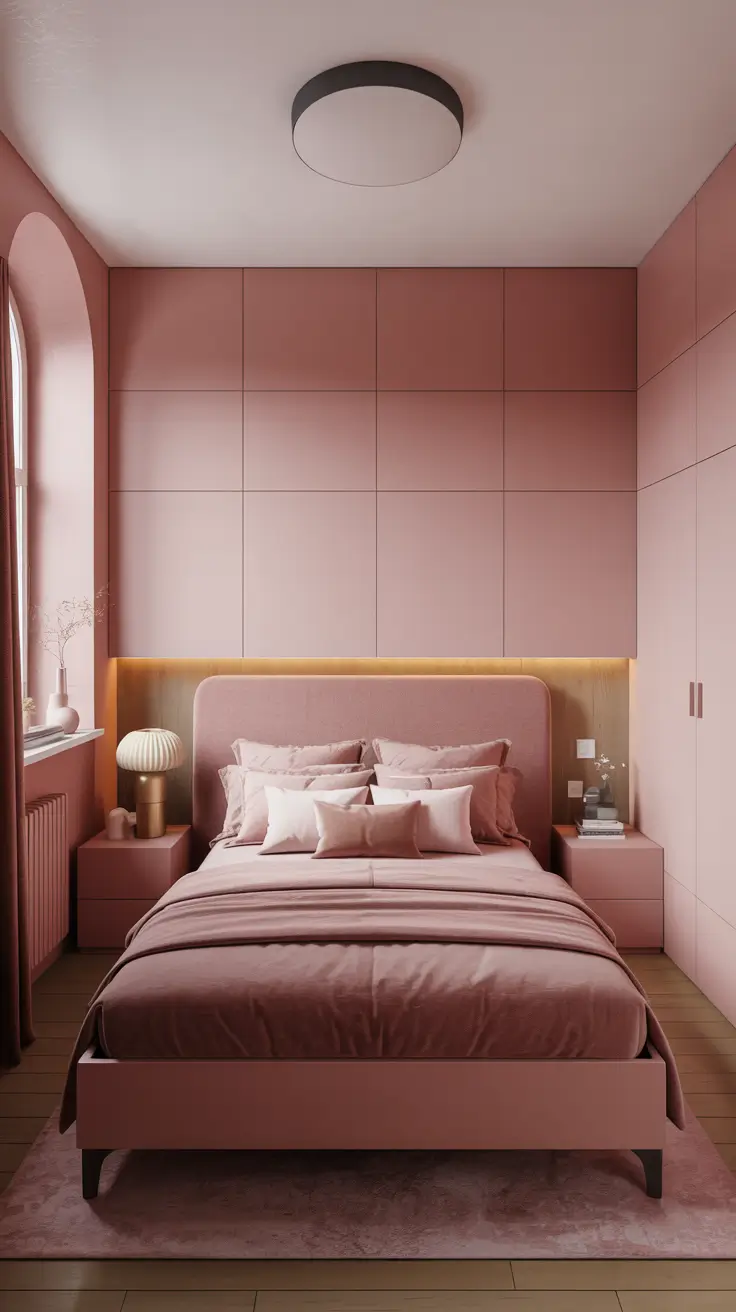
From my experience, pink performs best when muted. Interior experts often recommend dusty or blush tones, and I consistently apply this guidance for small spaces.
To strengthen this design, I would add layered textures to prevent the color from feeling flat.
28. Tiny Bedroom Design for Men with Modern Style
Tiny bedroom design for men in 2026 emphasizes clarity, function, and understated style. I design these rooms with strong lines, neutral colors, and minimal decoration to support daily routines.
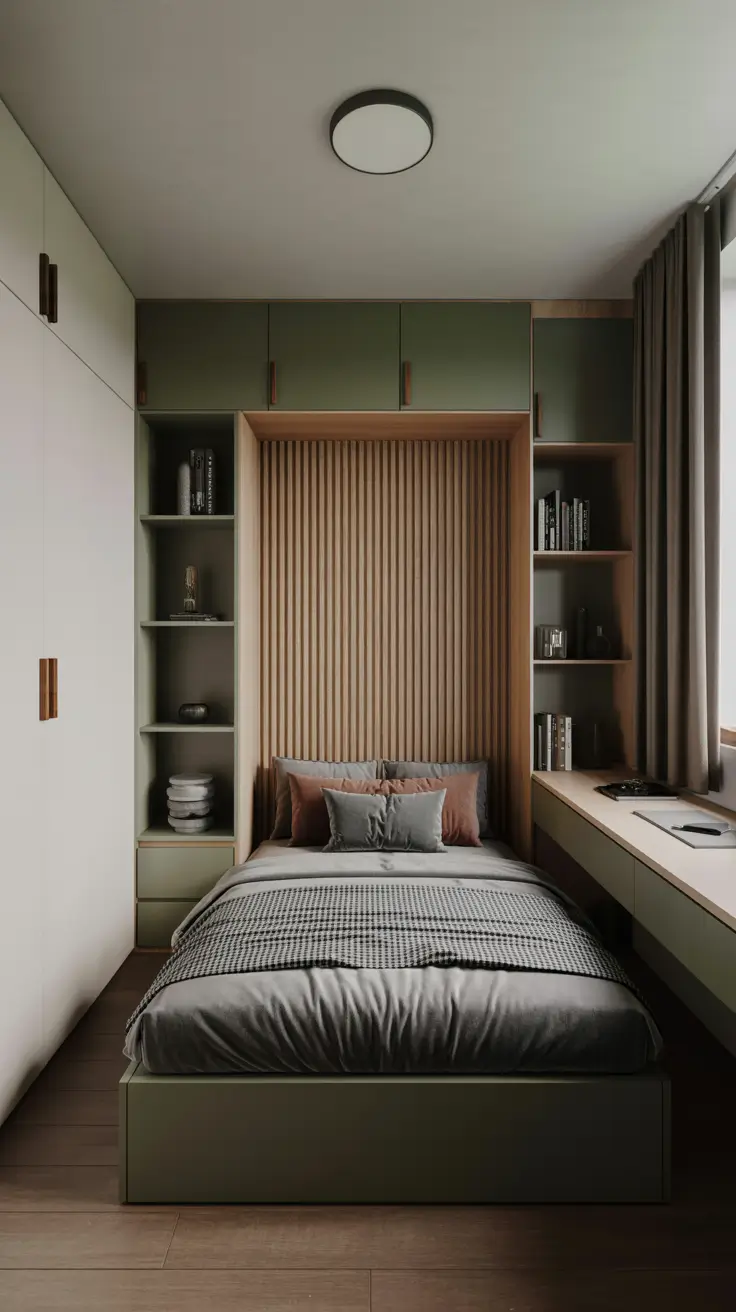
I usually select a single bed or double bed, compact wardrobe, and a small desk. Darker tones mixed with green accents create depth without overwhelming the room. Space saving solutions keep the layout efficient.
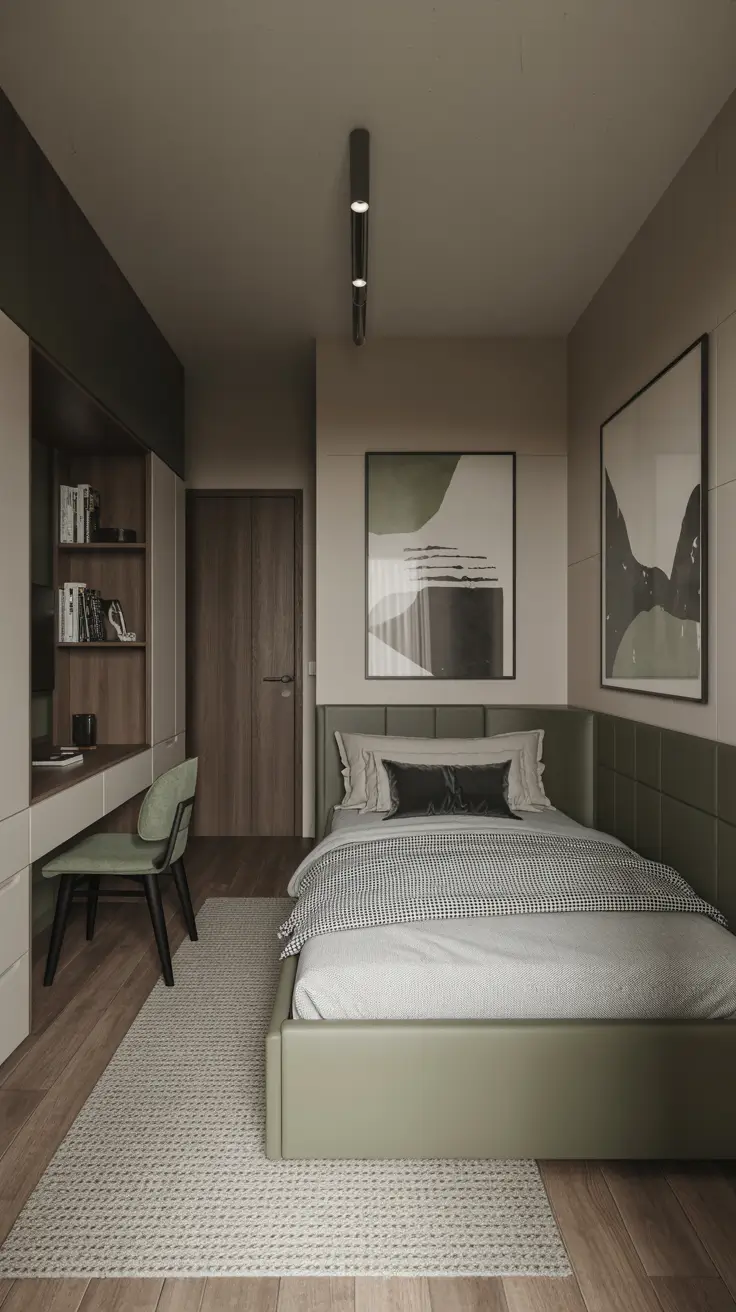
In my professional view, masculine design benefits from restraint. Many designers highlight the value of simplicity, and I agree. A clean, organized room supports focus and rest.
What I would add here is personalized storage for hobbies or work tools, integrated discreetly into the design.
29. Tiny Bedroom Design Green Color Schemes for Fresh Interiors
I approach green color schemes as one of the most effective tiny bedroom designs for 2026 because they visually expand small rooms while keeping them calm and cozy. In tiny bedroom design cozy concepts, green works especially well in ideas small spaces apartments where natural light is limited. I often use this approach in 3×3 bedrooms where every visual trick matters.
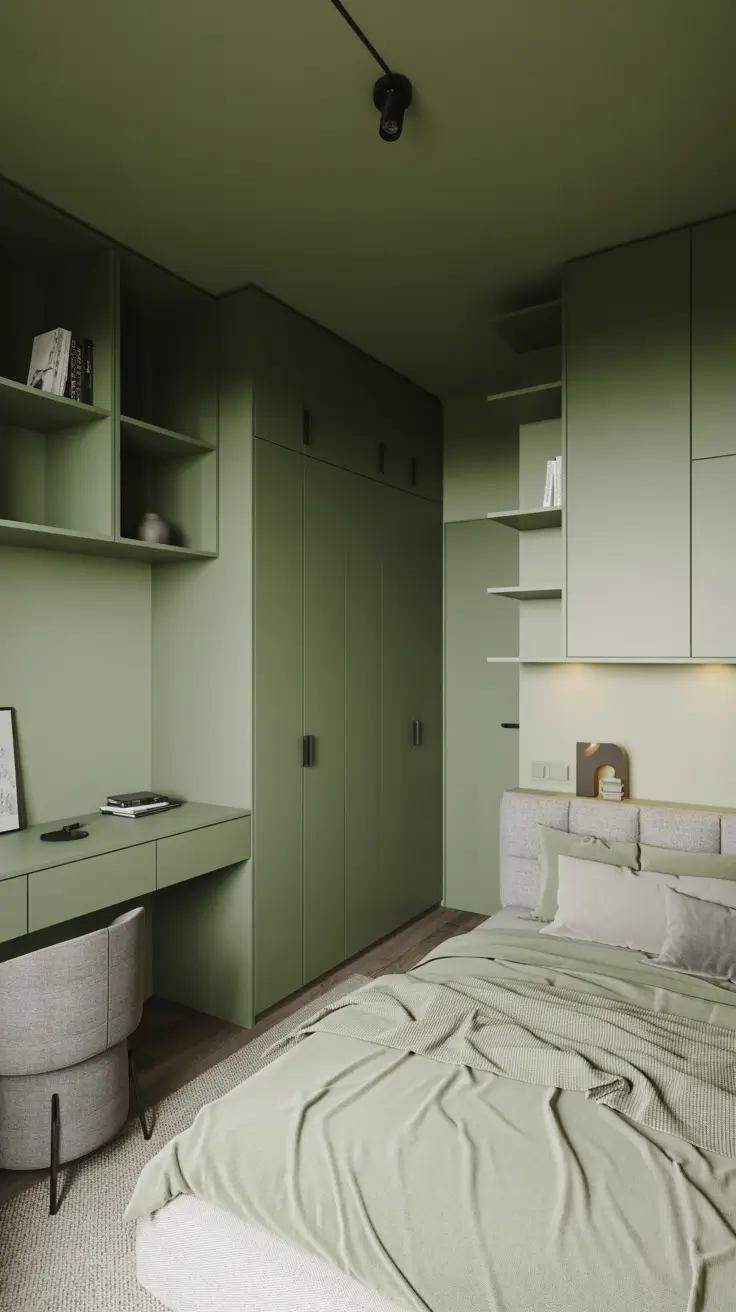
When I design with green, I combine soft green walls with a neutral double bed or single bed, depending on whether the room is for couples or one person. I usually add a slim wardrobe with matte finishes, a compact desk near the window, and space saving wall shelves. These elements support tiny bedroom design space saving goals without clutter.
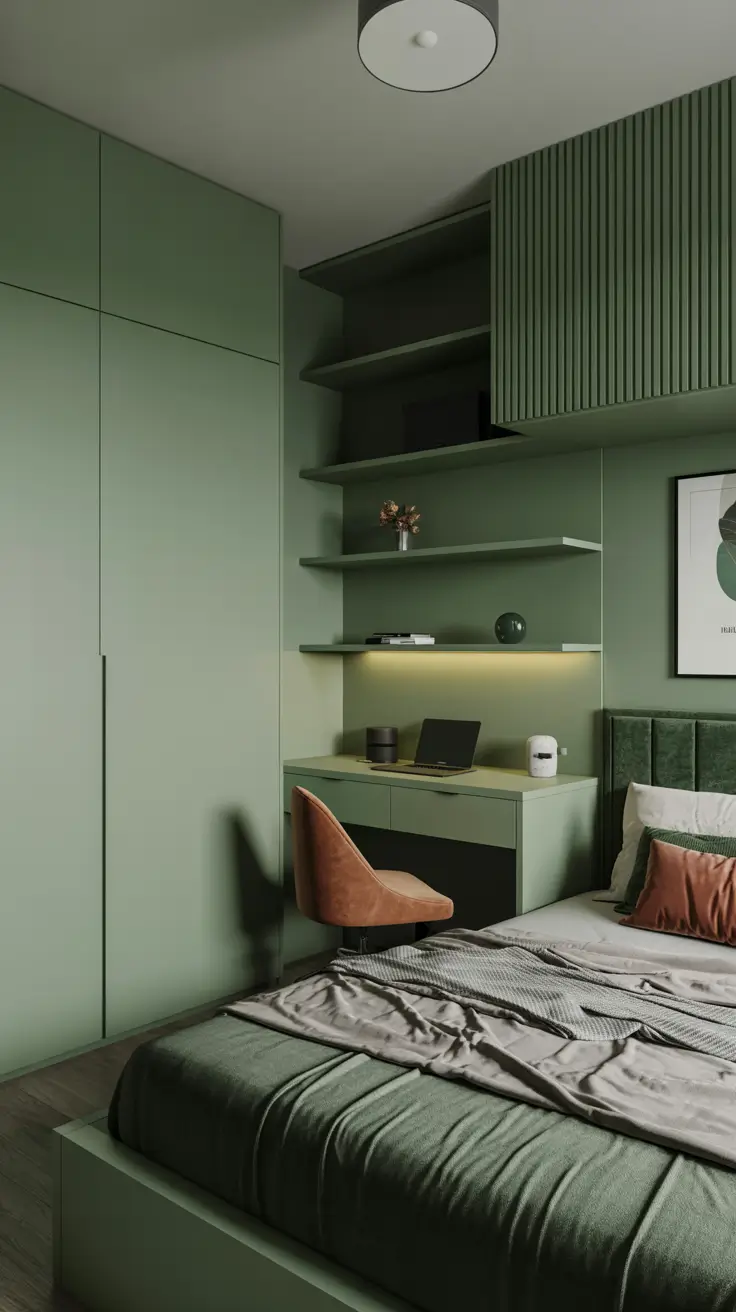
From my experience, green is one of the easiest colors to live with long term. Many US interior designers recommend nature inspired tones for mental balance, and I have seen this advice work well in both master and children bedrooms. Green fits men, women, and even pink accent lovers when balanced correctly.
What is often missing in green tiny bedroom design ideas is layered lighting. I recommend adding warm LED strips behind the headboard and inside the wardrobe to enhance depth and improve night time comfort.
30. Tiny Bedroom Design Minimalist Principles for Small Homes
Tiny bedroom design minimalist apartment concepts are at the core of modern ideas small spaces minimalist in 2026. I focus on clean lines, limited materials, and visual order to make very small bedrooms feel intentional instead of cramped. This approach works especially well in apartments with attached bathroom layouts.
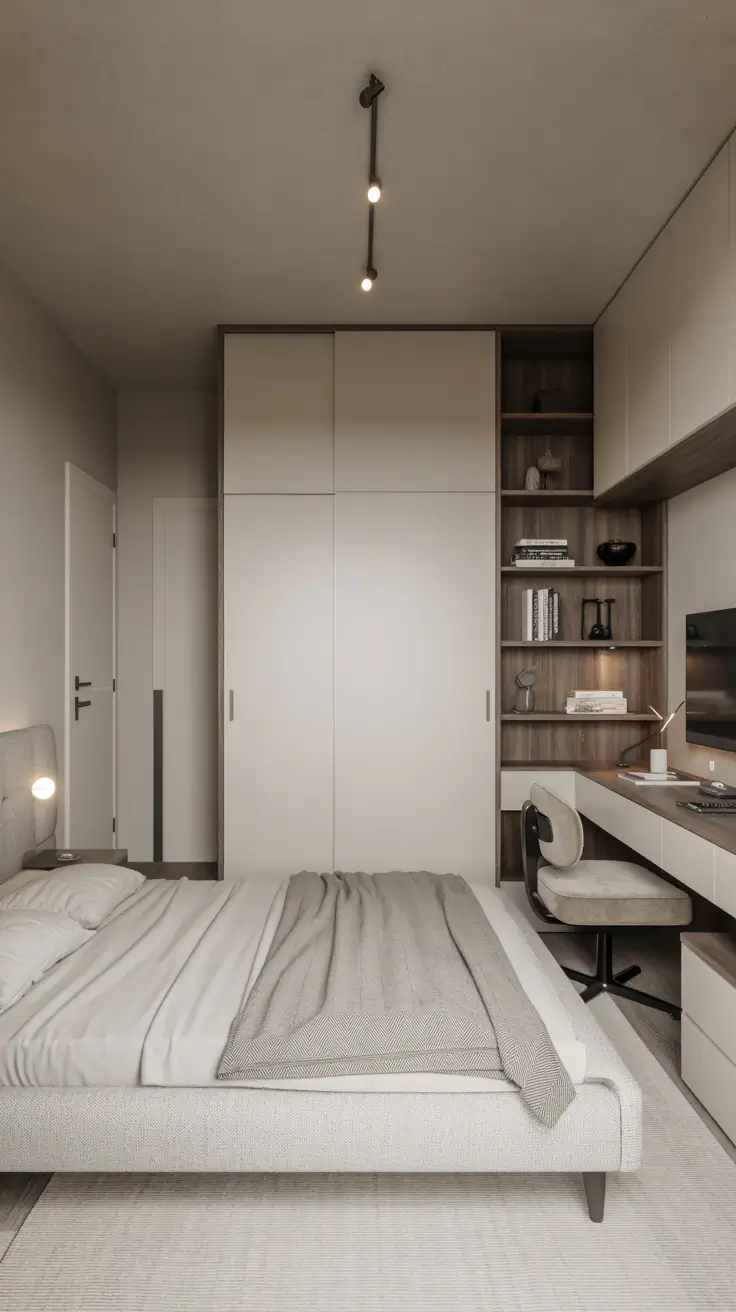
In practice, I select a low profile double bed or single bed, built in wardrobe storage, and one floating desk. Space saving furniture with hidden drawers is essential. I avoid unnecessary decor and instead rely on texture, such as wood panels or fabric headboards, to add warmth.
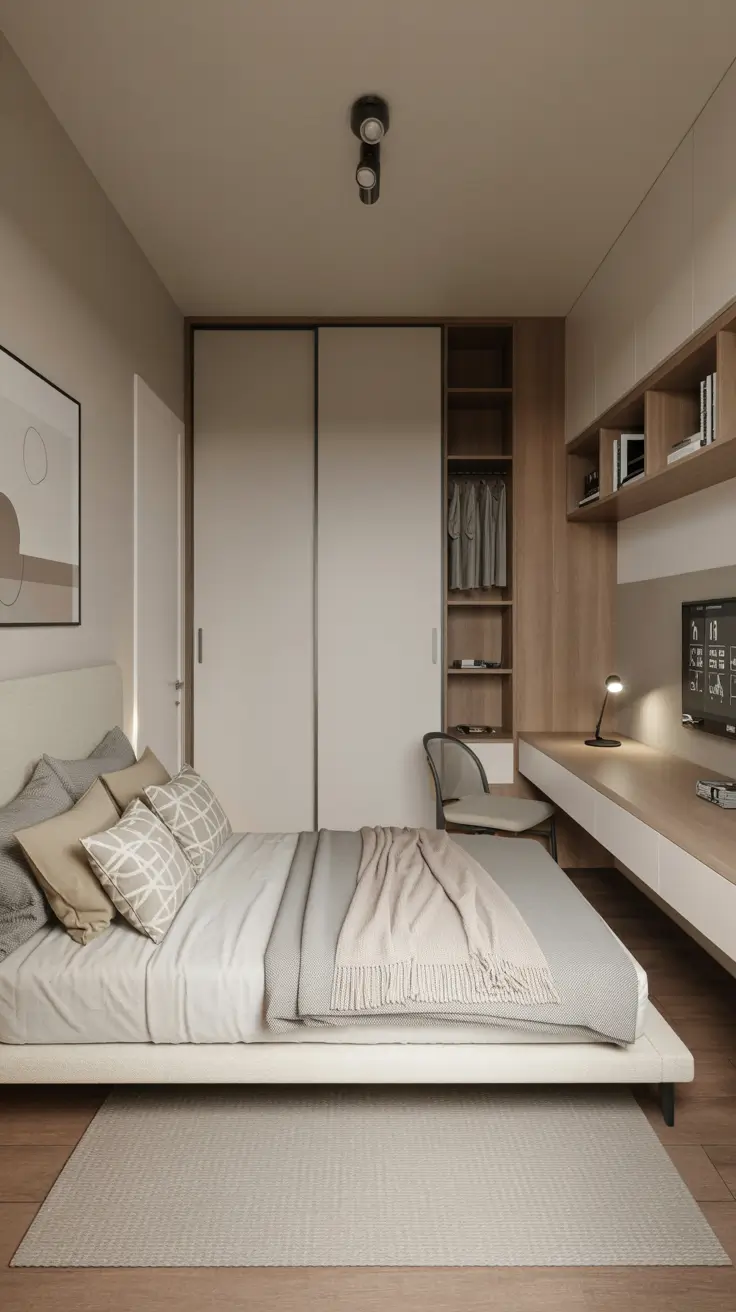
I personally favor minimalist bedrooms because they are easy to maintain and adapt over time. Publications like Architectural Digest often highlight how minimalist spaces reduce stress, and I agree based on my own projects in tiny bedroom design for 2 people.
Many minimalist bedrooms lack personality. I recommend adding one aesthetic element such as green plants or subtle artwork to prevent the room from feeling too sterile.
31. Tiny Bedroom Design Ideas for Boys Small Rooms
Tiny bedroom design for boys requires balancing function, durability, and style. In 2026, I see more parents requesting tiny bedroom design ideas small spaces that support study, rest, and storage in one compact layout. This is especially important in children rooms with limited square meters.
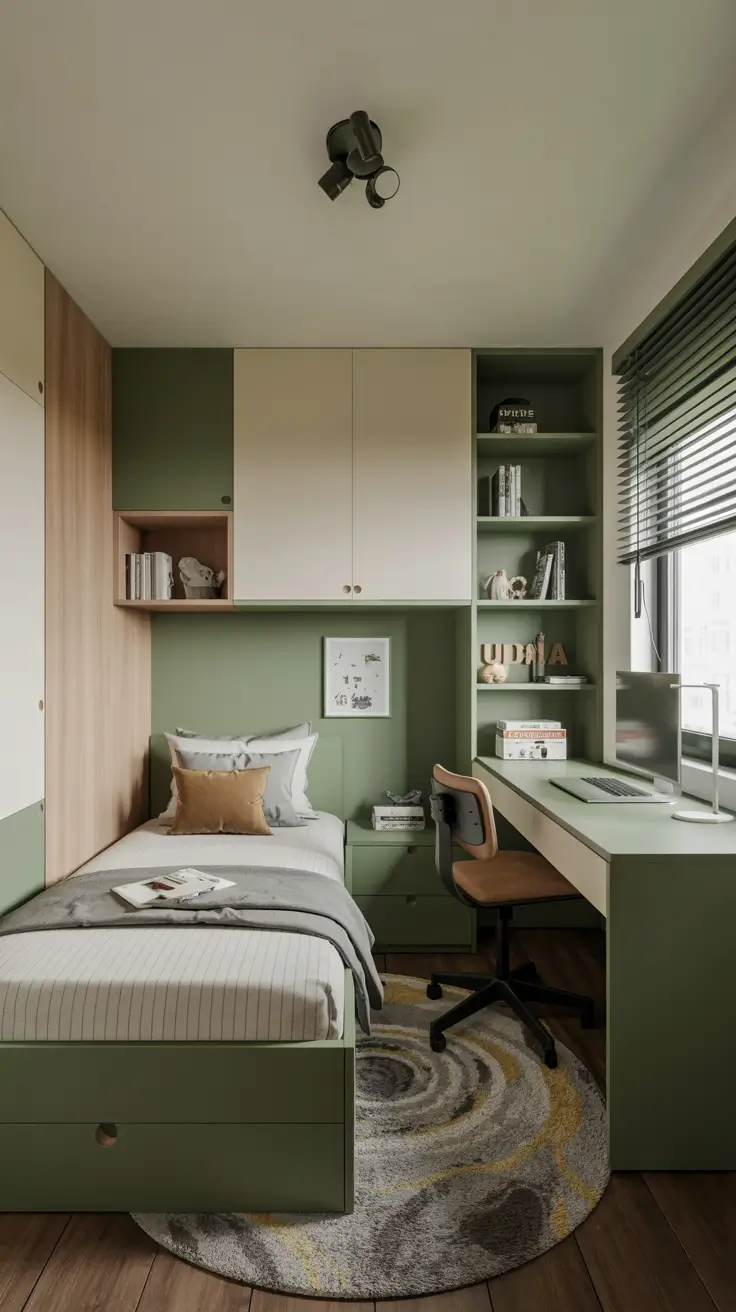
I usually include a single bed or bunk bed, a sturdy desk, and vertical wardrobe storage. Space saving wall shelves are critical for books and toys. Green or neutral colors work well, with optional pink or blue accents depending on preference.
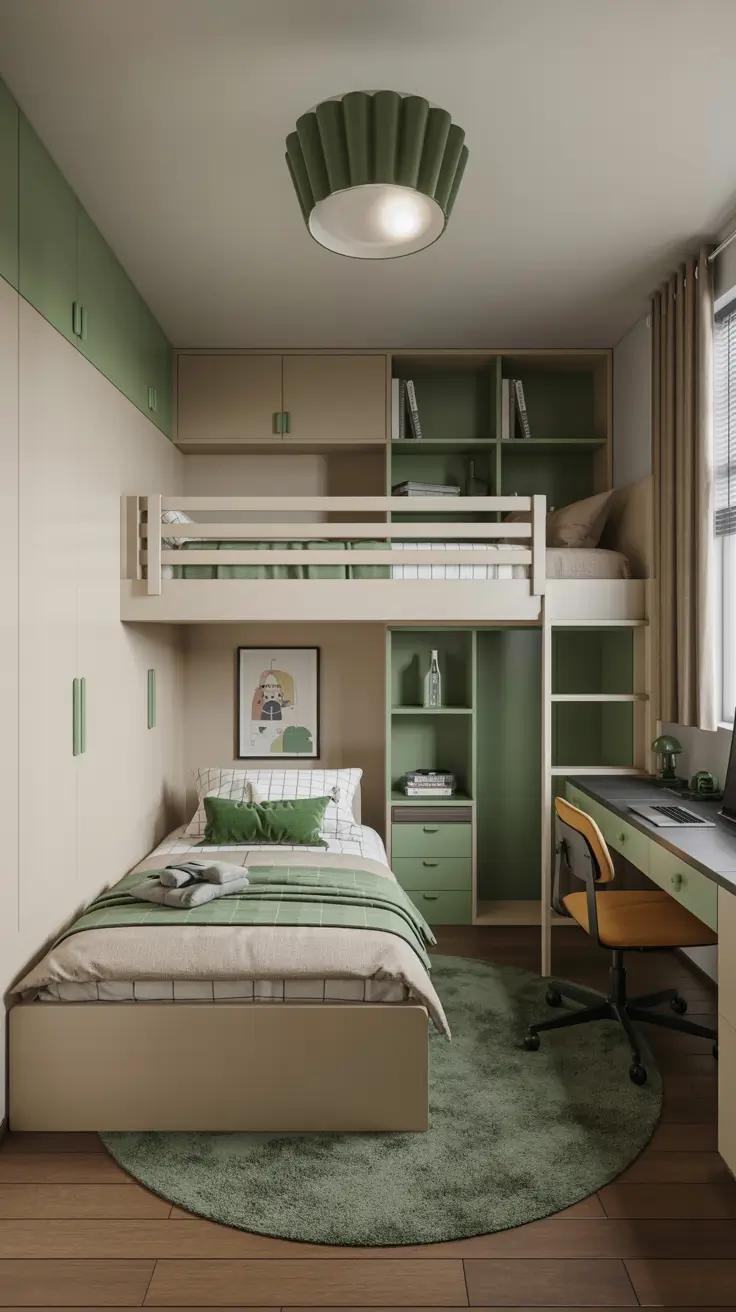
In my experience, boys benefit from clearly defined zones. Designers in the US often recommend separating sleep and study areas visually, even in small rooms, and I apply this principle consistently with rugs and lighting.
What is often missing in boys tiny bedrooms is flexibility. I recommend modular furniture that can adapt as the child grows, especially in ideas small spaces cozy layouts.
32. Tiny Bedroom Design for Very Small Bedrooms
Very small bedrooms demand the most strategic planning. I focus on tiny bedroom design space saving solutions that maximize every wall and corner, especially in 3×3 layouts. These designs are common in urban apartments and minimalist apartment renovations.
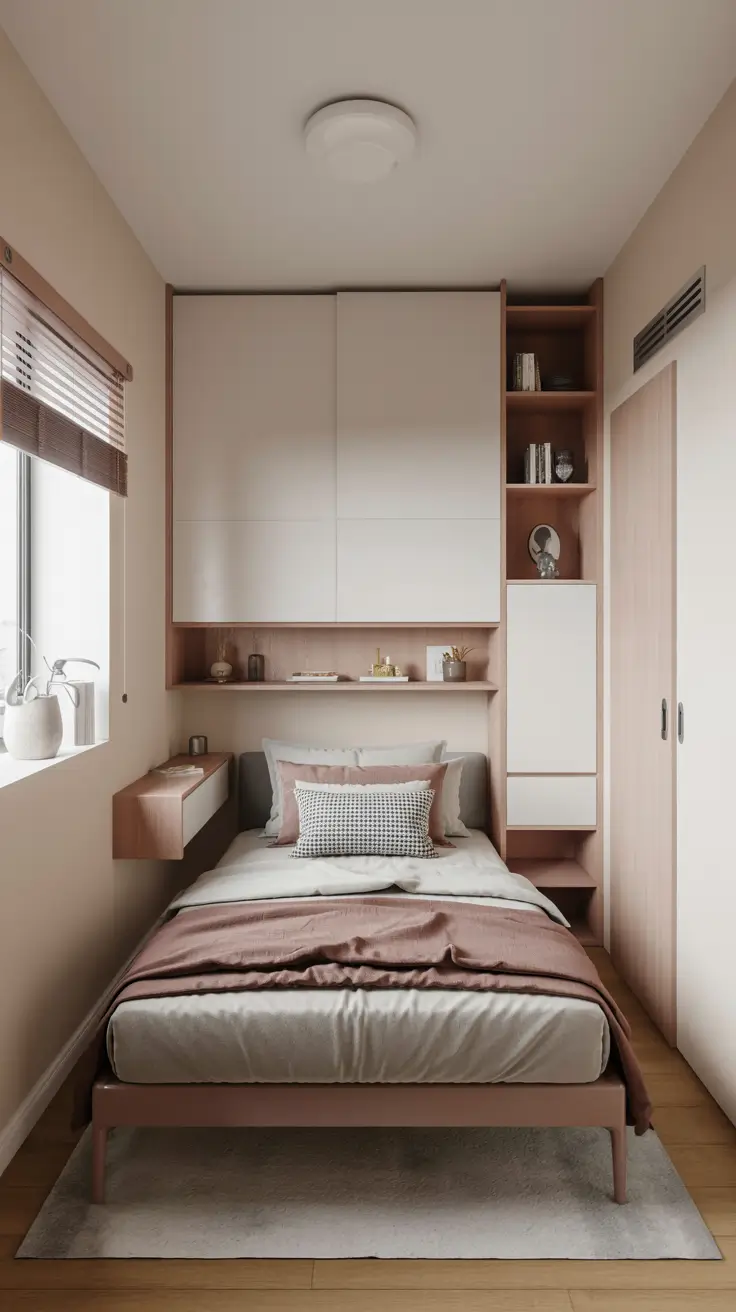
I typically use a compact double bed or single bed with built in drawers, wall mounted bedside tables, and a sliding wardrobe. Mirrors and light colors help visually enlarge the room, while maintaining a cozy atmosphere.
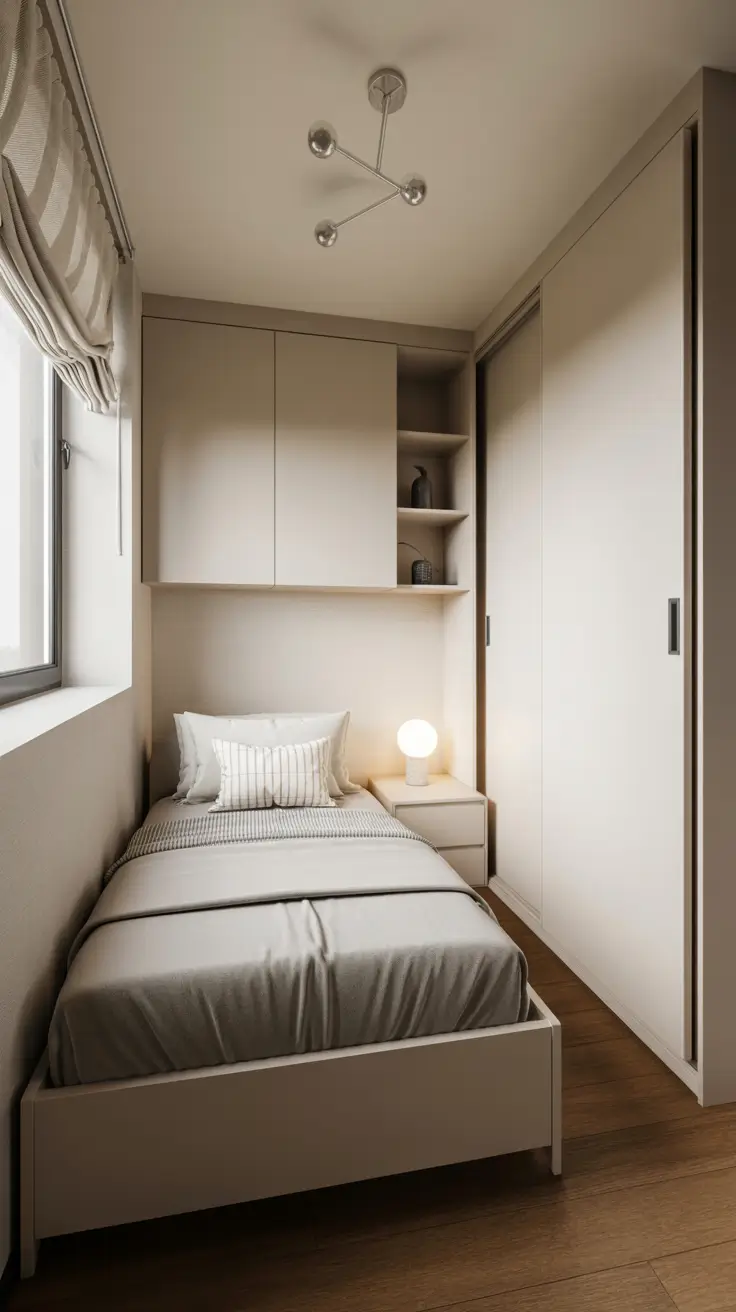
Personally, I believe very small bedrooms work best when simplicity is respected. Well known interior stylists often stress that restraint is key in small spaces, and I have seen overcrowded rooms fail both visually and practically.
Many very small bedrooms lack proper ventilation and lighting. I recommend prioritizing window treatments that allow daylight while maintaining privacy.
33. Tiny Bedroom Design Wardrobe Storage Solutions
Wardrobe planning is central to tiny bedroom design with wardrobe concepts in 2026. I design wardrobes that blend into the room, making tiny bedroom design minimalist feel seamless and organized. This approach suits couples and single users alike.
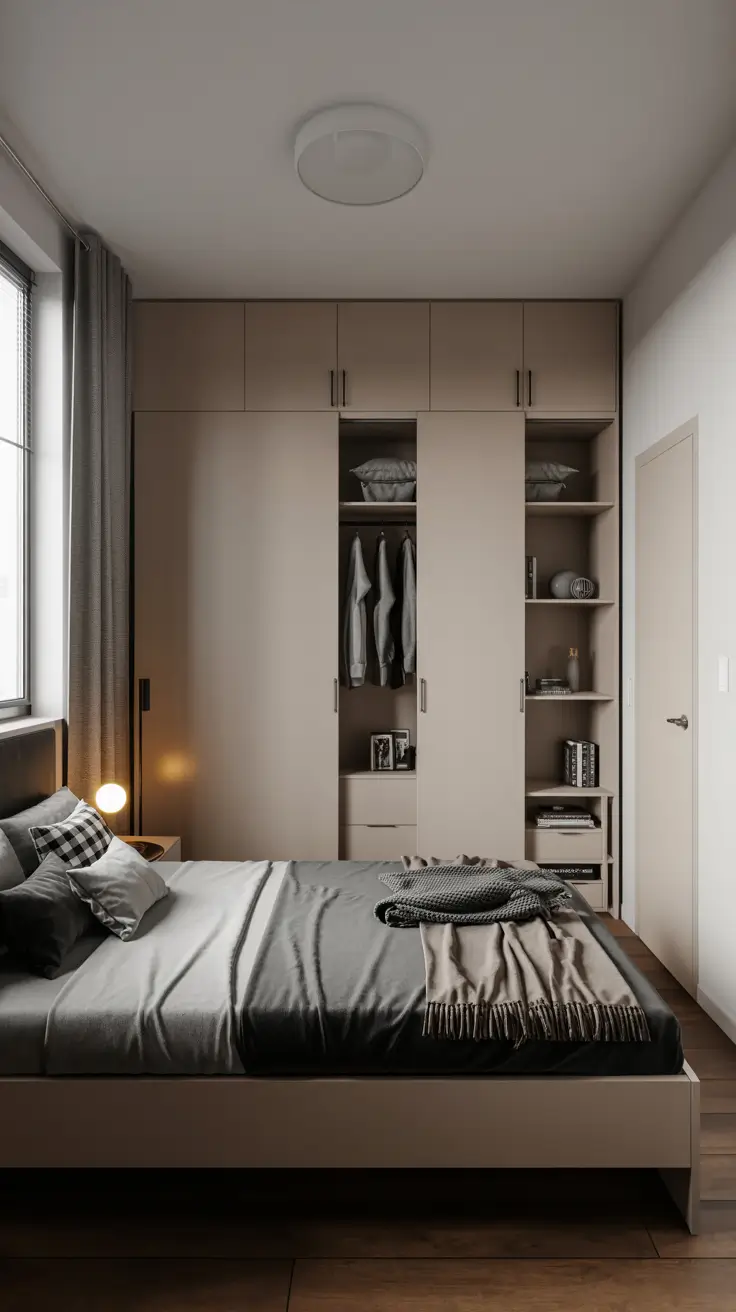
I often use floor to ceiling wardrobes with sliding doors, internal organizers, and integrated lighting. These space saving solutions reduce the need for extra furniture and support ideas small spaces apartments.
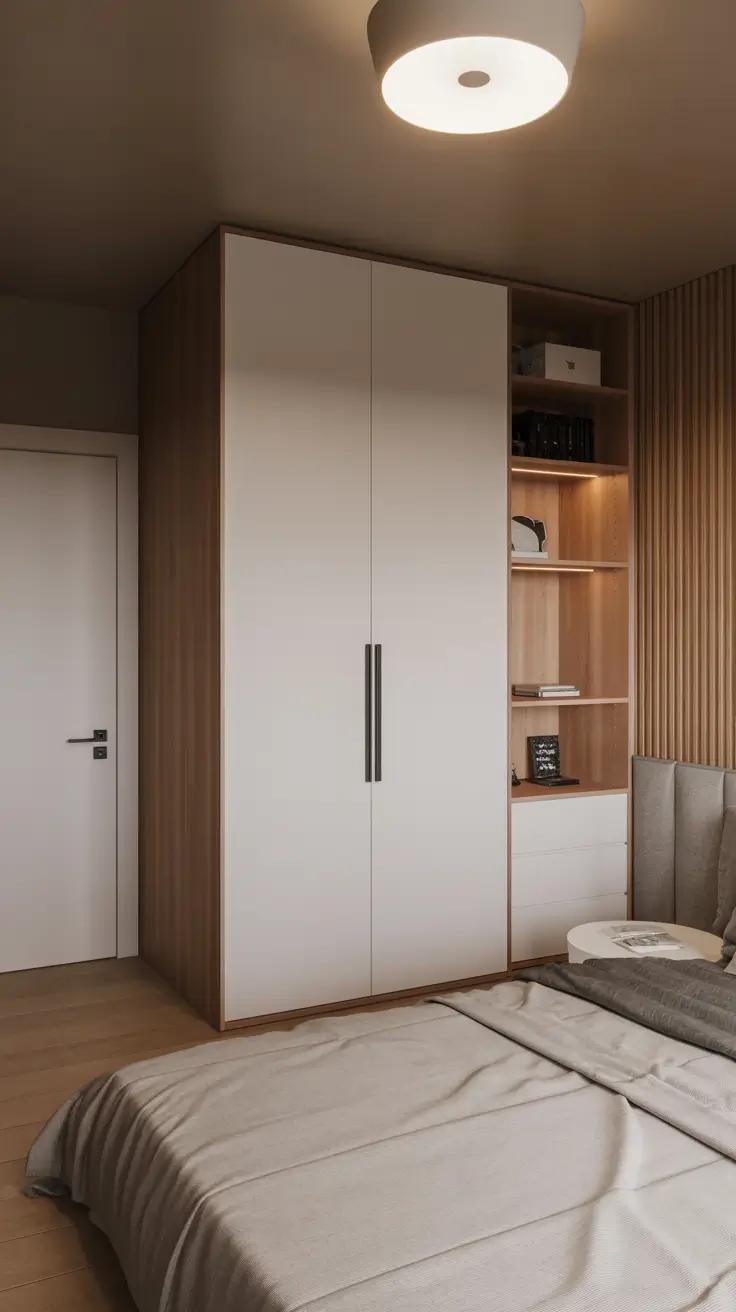
From my professional experience, a well designed wardrobe can transform a tiny bedroom. Many US designers emphasize storage efficiency over size, and I fully agree after working on multiple tiny bedroom design for couples projects.
What is often missing is customization. I recommend tailoring wardrobe interiors based on daily habits, especially for two people sharing one space.
34. Tiny Bedroom Design Space Saving Bed Ideas
Space saving bed solutions define modern tiny bedroom design space saving strategies. In 2026, I see growing interest in multifunctional beds that support storage, seating, or work needs in one footprint.
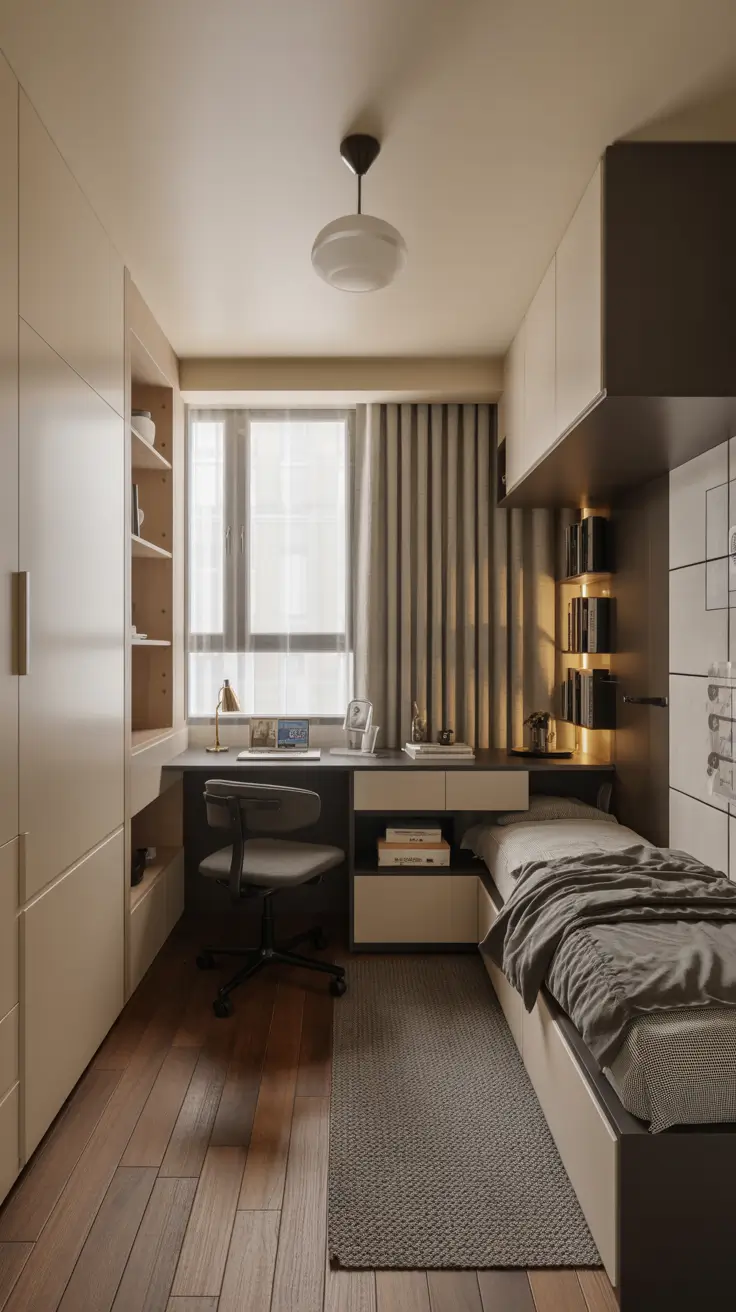
I regularly use beds with drawers, lift up storage, or integrated desks. Bunk bed options are ideal for children or two people in very small rooms. These solutions free up space for movement and additional storage.
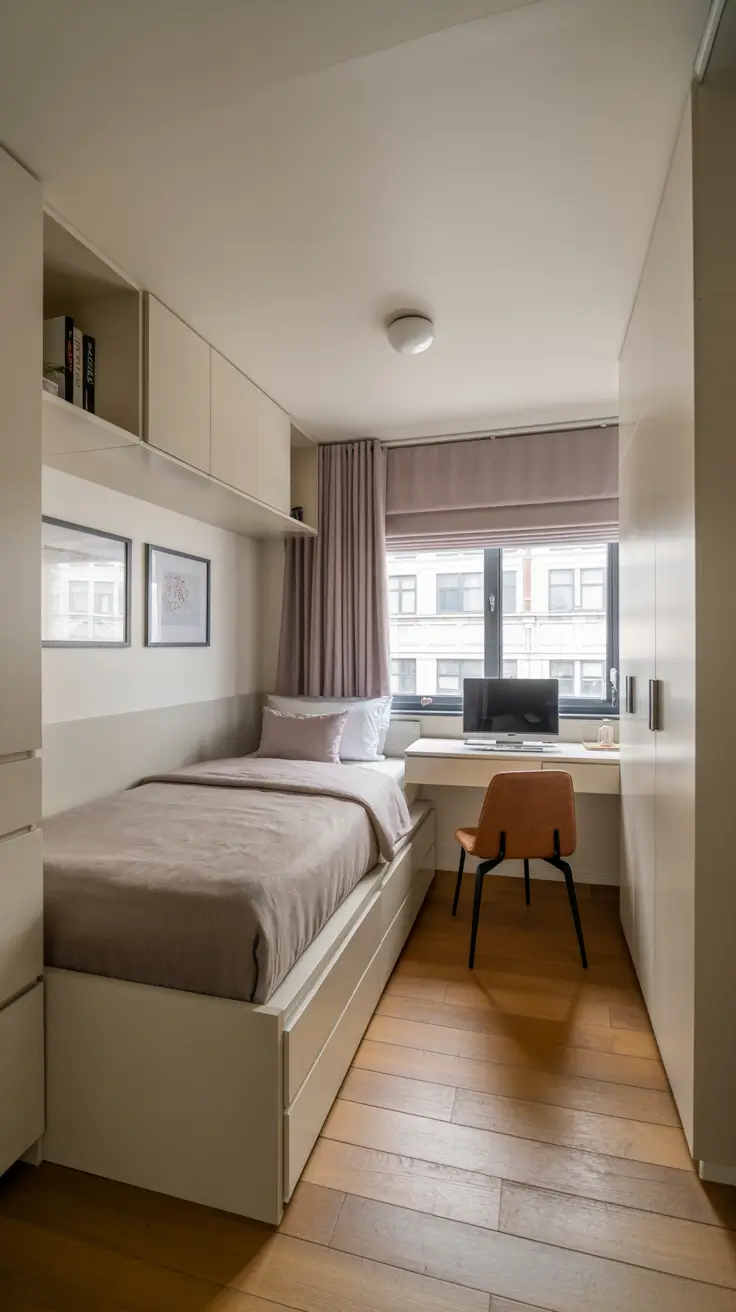
I personally favor beds that disappear visually, such as low frames or wall integrated designs. Interior experts often highlight how visual lightness improves small rooms, and I have applied this advice successfully in many projects.
Many space saving bed designs overlook comfort. I recommend investing in a high quality mattress to ensure long term usability.
35. Tiny Bedroom Design 2026 Final Inspiration and Ideas
Tiny bedroom designs in 2026 are about balance between function, comfort, and aesthetic clarity. I combine tiny bedroom design ideas with space saving principles to create rooms that feel intentional and livable for men, couples, and children.
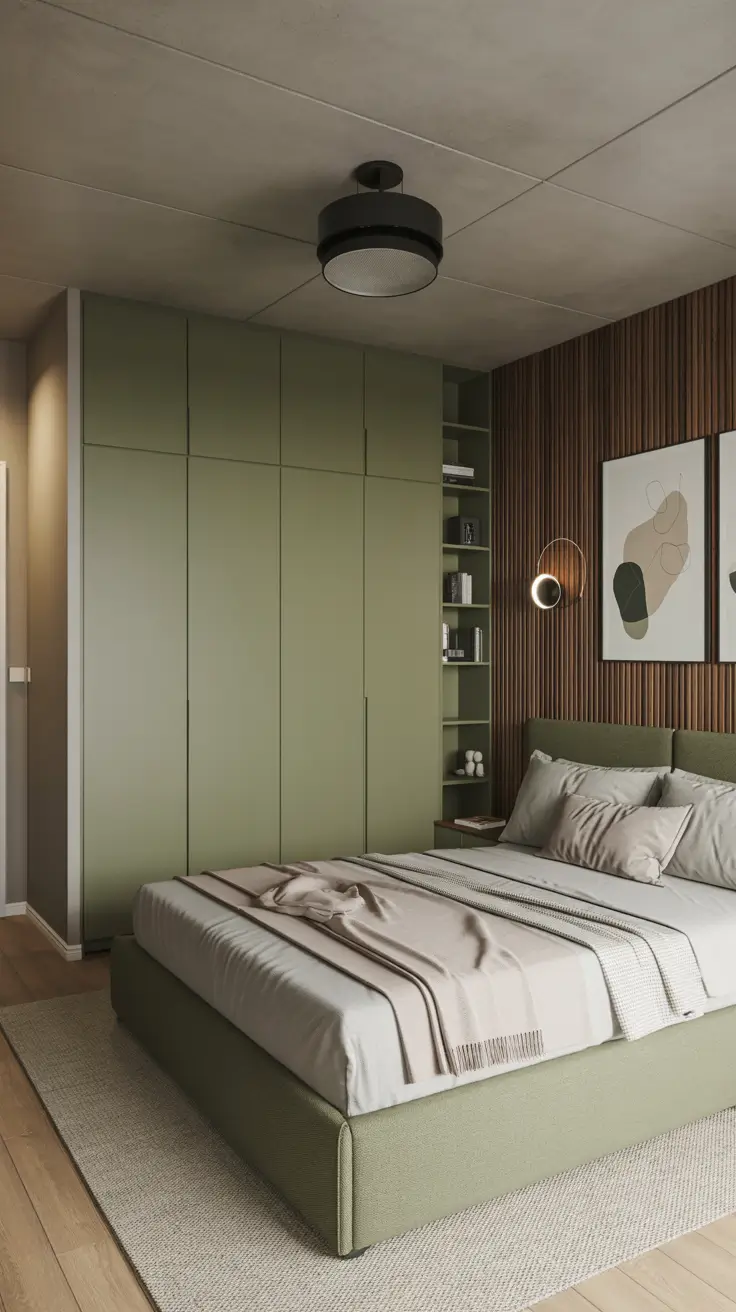
I bring together elements like green accents, minimalist furniture, smart wardrobes, and flexible beds. Whether designing a master bedroom or a small apartment room with bathroom access, cohesion is key.
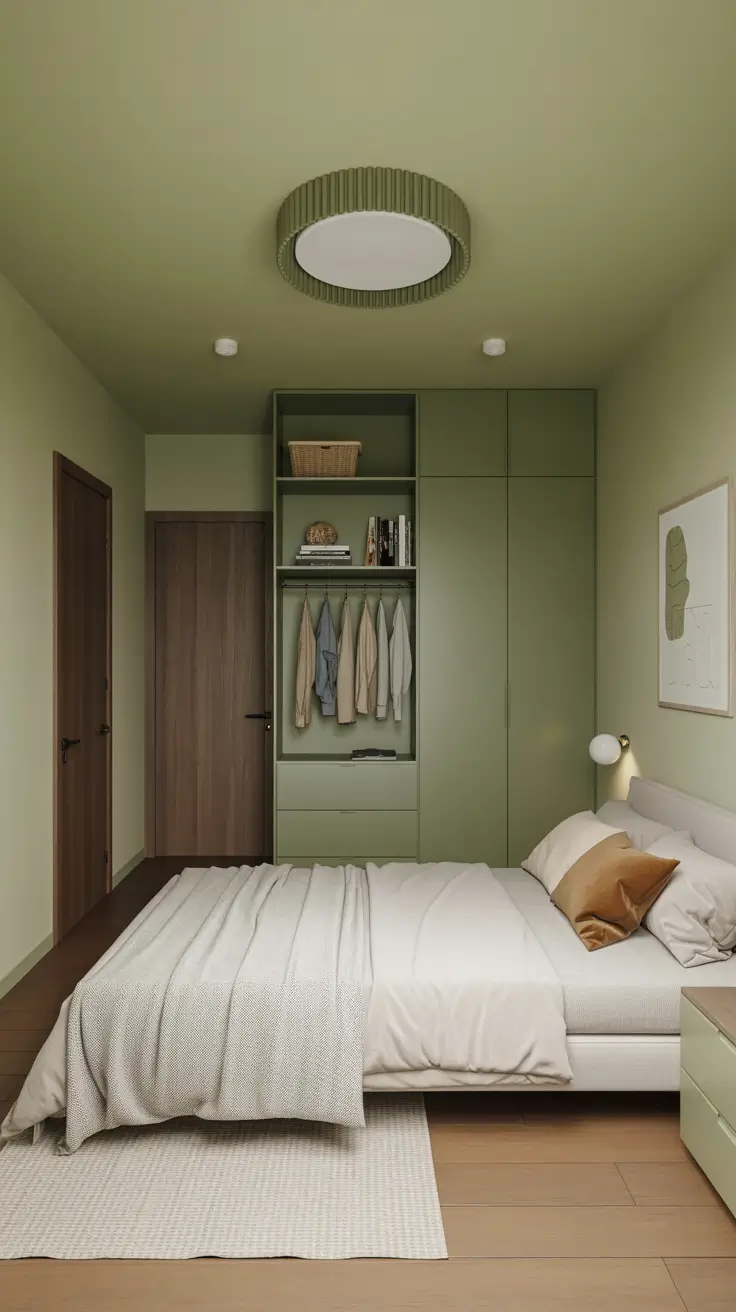
From my perspective, the best tiny bedrooms reflect the lifestyle of the user. Many respected design media emphasize personalization over trends, and I apply this by adapting layouts to real daily routines.
What is often missing in final designs is future planning. I recommend leaving room for change, especially in apartments where needs evolve over time.