Tiny pantry design ideas are no longer about compromise. Tiny pantry designs in 2026 focus on smart layouts, modern materials, and organization ideas that transform even the smallest room into a functional storage space. How can a tiny kitchen design with pantry feel spacious, organized, and stylish at the same time. In this article, I explain how pantry design tiny solutions evolve in 2026 and how to apply them in kitchens, closets, offices, and walk in layouts.
1. Tiny Pantry Design 2026 Overview and Vision
I see tiny pantry design in 2026 as a balance between visual calm and maximum efficiency. The focus is on clean lines, light colors, and layouts that allow the entire room to feel intentional rather than improvised. Even a narrow pantry room or corner space can look architectural when shelving, doors, and lighting are planned as a single system.
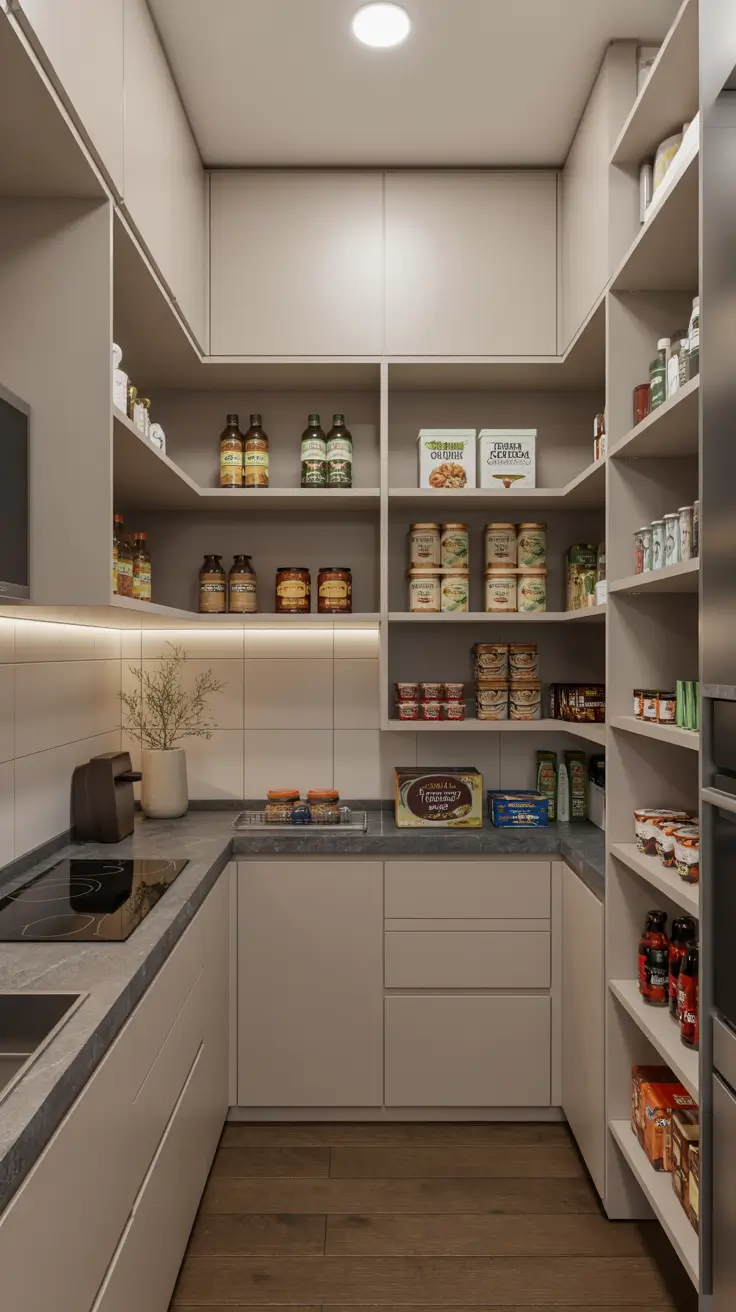
In my work, I prioritize built in shelves, floor to ceiling storage, and shallow depth cabinets that prevent wasted space. Glass doors, soft matte finishes, and integrated LED lighting help define the pantry as part of the home rather than a hidden utility area. These elements support organization ideas shelves without overwhelming the room.
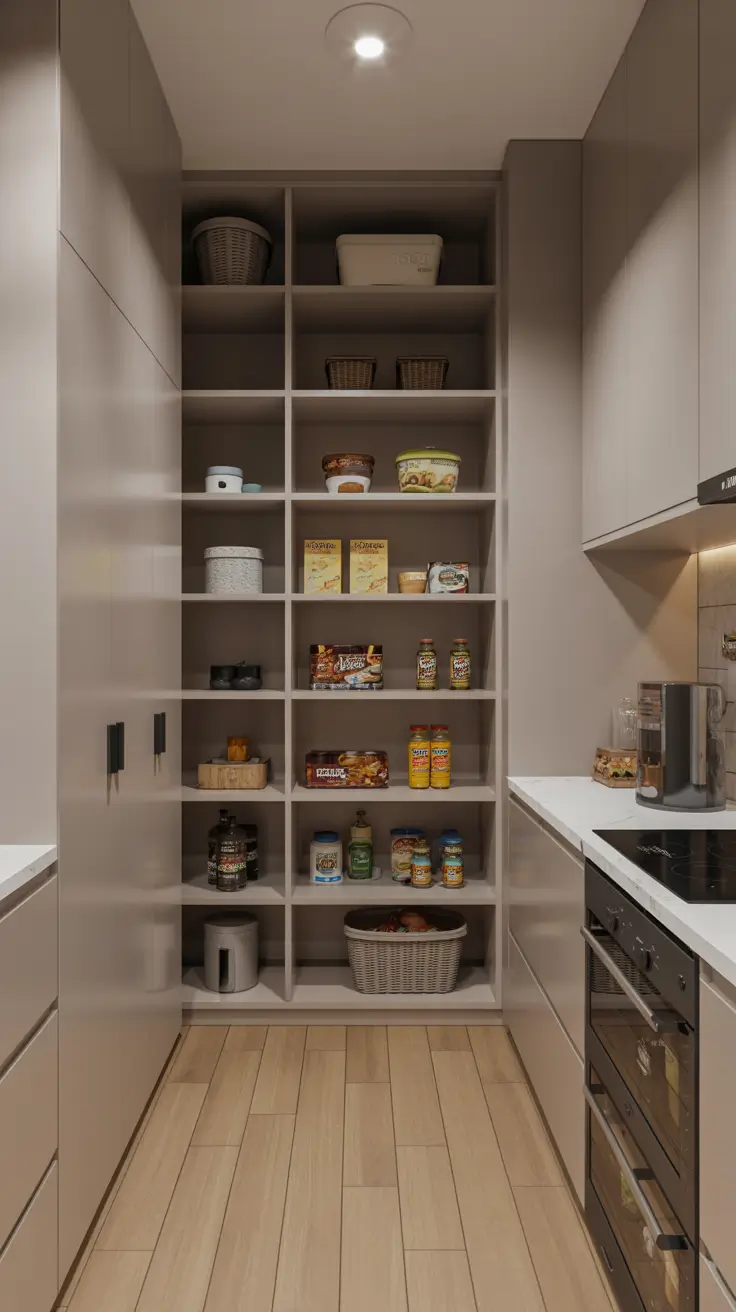
From my experience, designers across the US emphasize reducing visual clutter. Publications like Architectural Digest often highlight that small spaces benefit from consistency in materials and color. I agree with this approach because it allows tiny pantry designs to feel calm and practical at the same time.
What I would add to this section is a stronger focus on sustainability, including recycled materials and modular systems that can adapt as storage needs change.
2. Tiny Pantry Design Ideas for Modern Small Spaces
When I design modern small spaces, I focus on ideas layout that support daily routines. Tiny pantry design ideas in 2026 rely on vertical storage, slim shelving, and clear zoning for food storage. This approach works especially well in apartments where every wall matters.
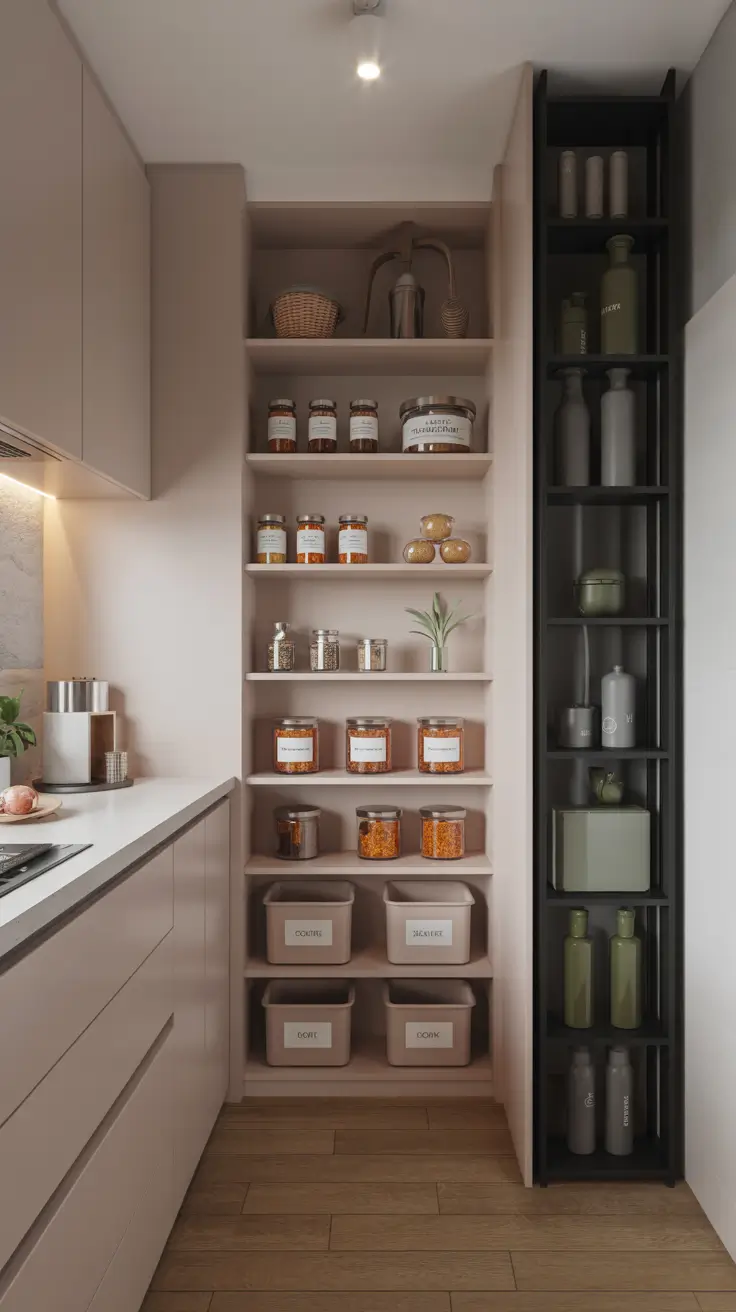
I include adjustable shelves, pull out baskets, and labeled containers because they simplify organization ideas storage. Each element has a purpose, from narrow spice racks to overhead shelves for bulk items. Doors with integrated racks add another layer of functionality without expanding the footprint.
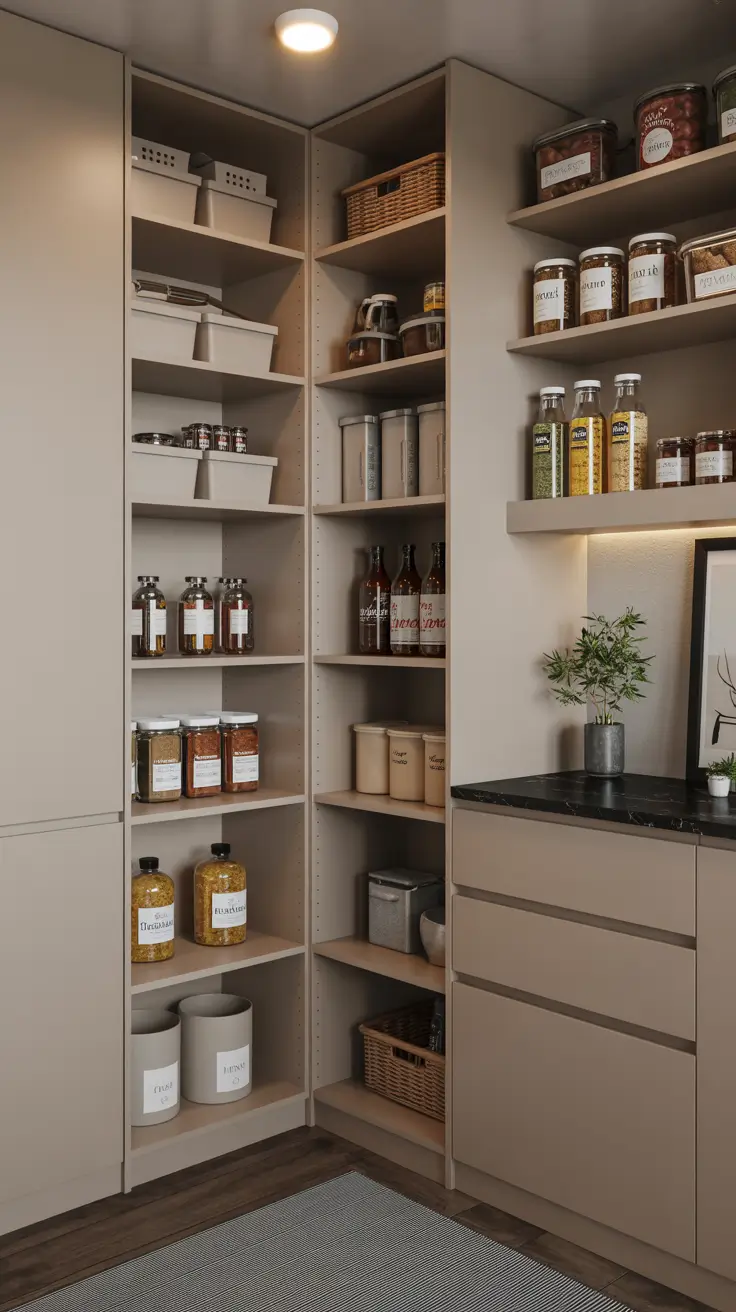
Personally, I have seen that homeowners feel more confident using their pantry when everything is visible at a glance. Experts from Better Homes and Gardens often stress that visibility improves organization, and I find this to be accurate in practice.
If anything is missing here, it is a discussion about modular systems that allow shelves to be reconfigured as needs evolve over time.
3. Tiny Pantry Designs That Maximize Storage
Tiny pantry designs that maximize storage are built around efficiency rather than size. I focus on using every inch, including corners, door backs, and high shelves. Ideas corner solutions such as rotating shelves make awkward spaces usable.
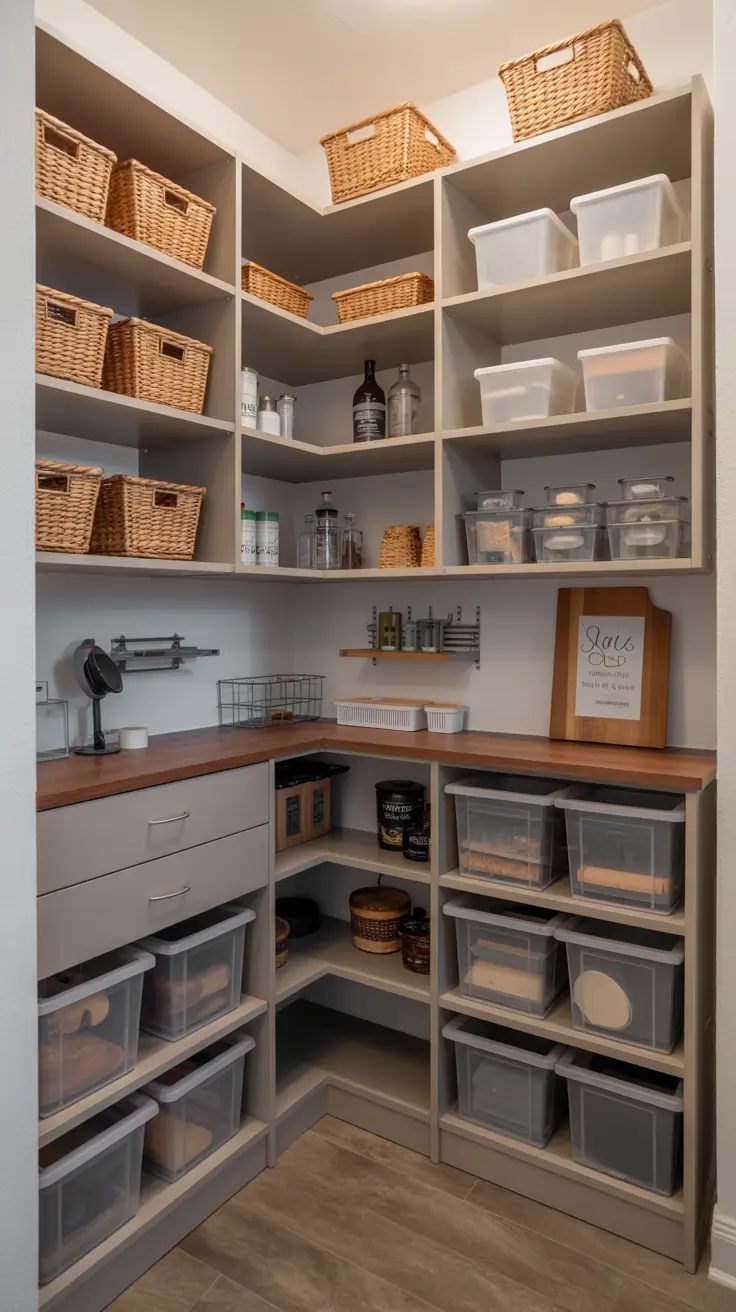
I typically specify deep lower drawers for heavy items and shallow upper shelves for daily essentials. Clear bins, stackable containers, and labeled jars support closet organization ideas while keeping the room visually tidy.
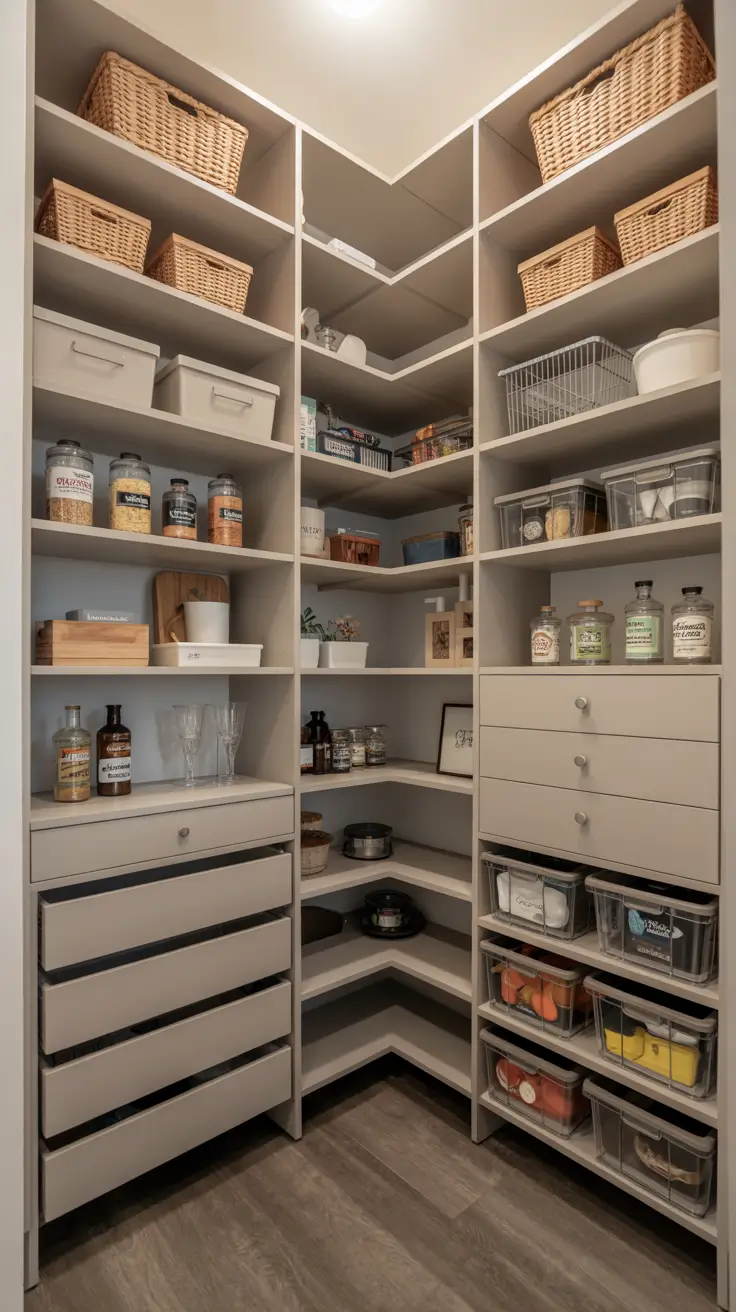
In my opinion, maximizing storage is not about adding more shelves but about choosing the right ones. Many US based organizers recommend fewer, better planned storage zones, and I follow this advice to avoid overcrowding.
What I would add here is a short checklist for assessing storage needs before starting a pantry makeover, which helps avoid overbuilding.
4. Tiny Kitchen Design With Pantry for Compact Homes
A tiny kitchen design with pantry must feel seamless. I integrate the pantry into the kitchen layout so it reads as part of the cabinetry rather than a separate room. This approach works well in compact homes where flow matters.
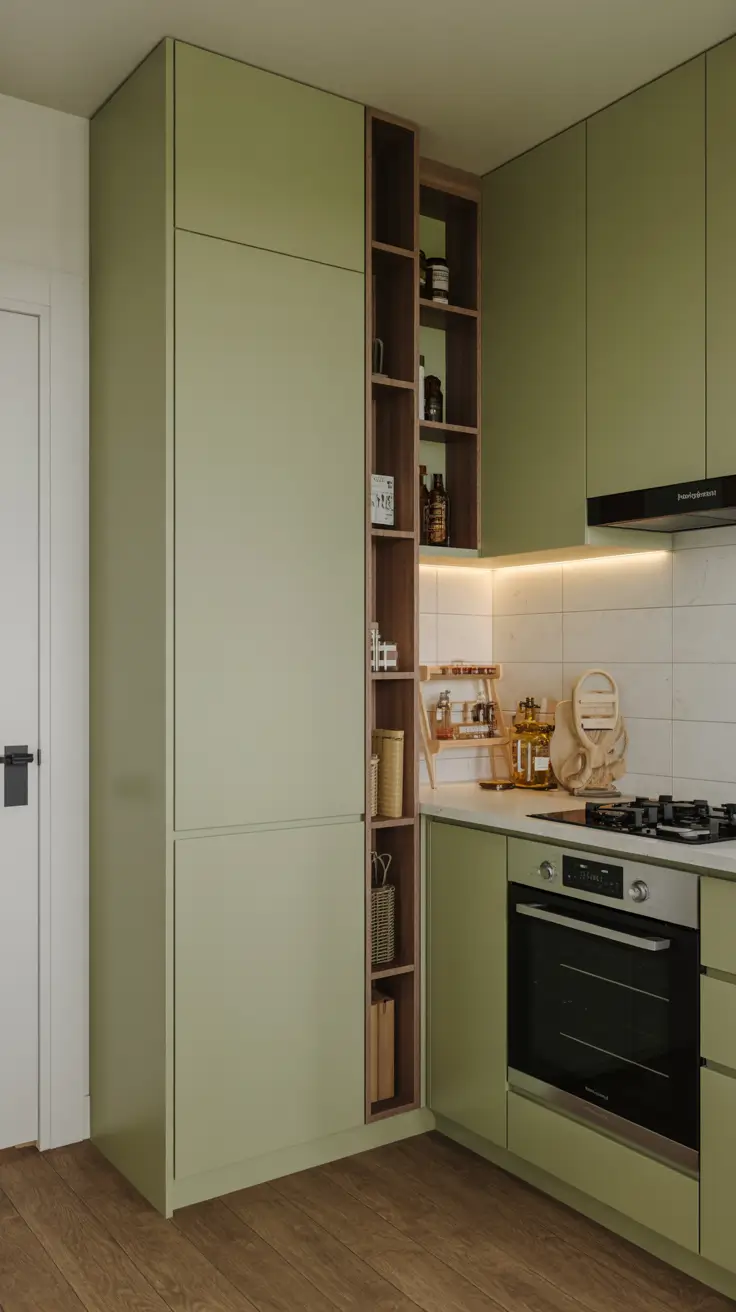
I often use tall cabinets with internal pull out shelves, hidden behind matching doors. This keeps the kitchen visually clean while providing full height food storage. Lighting inside the pantry cabinet ensures functionality without visual noise.
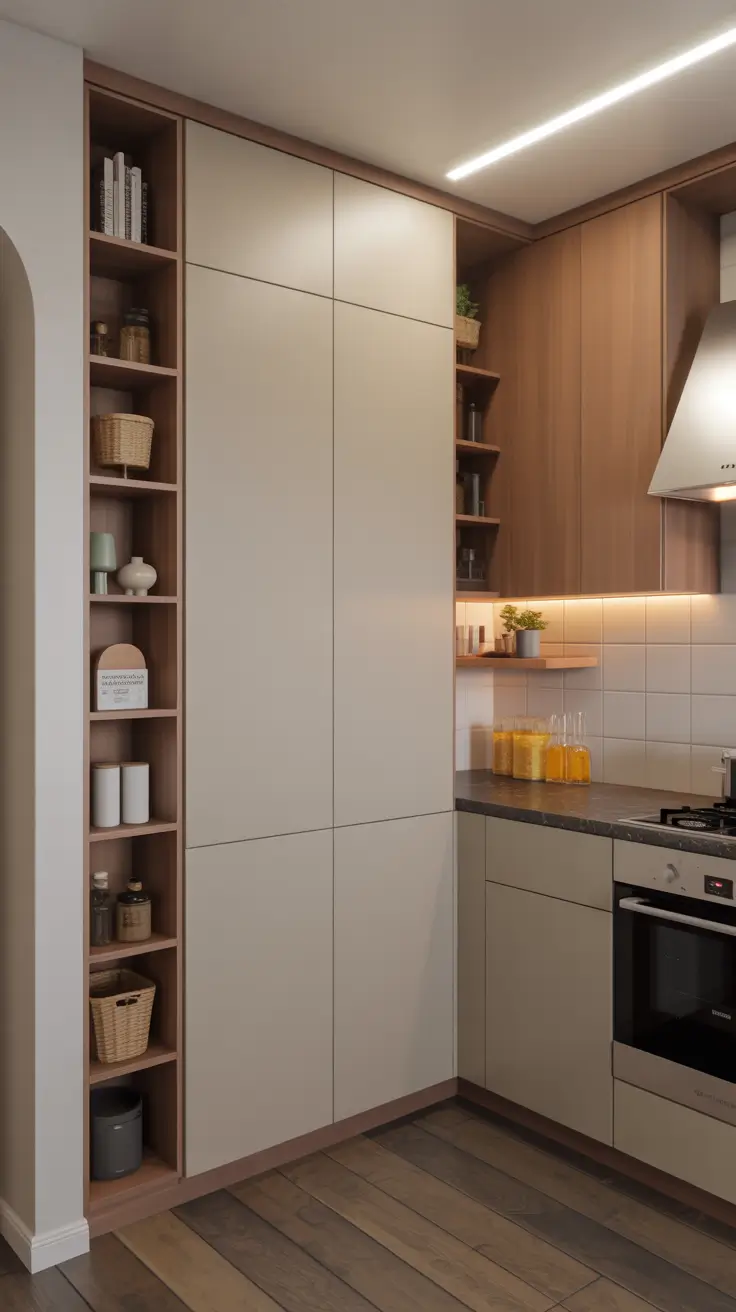
From my experience, designers featured in Dwell often recommend treating storage as furniture. I agree because when pantry elements match kitchen finishes, the entire space feels larger and more cohesive.
If I were to expand this section, I would include guidance on pantry placement near prep zones to improve workflow.
5. Tiny Kitchen Pantry Design Integrated Into Layouts
Tiny kitchen pantry design in 2026 is about integration rather than separation. I plan pantry zones alongside refrigerators, ovens, or stair adjacent walls to maximize efficiency. Stairs often provide overlooked vertical space that can support pantry shelves.
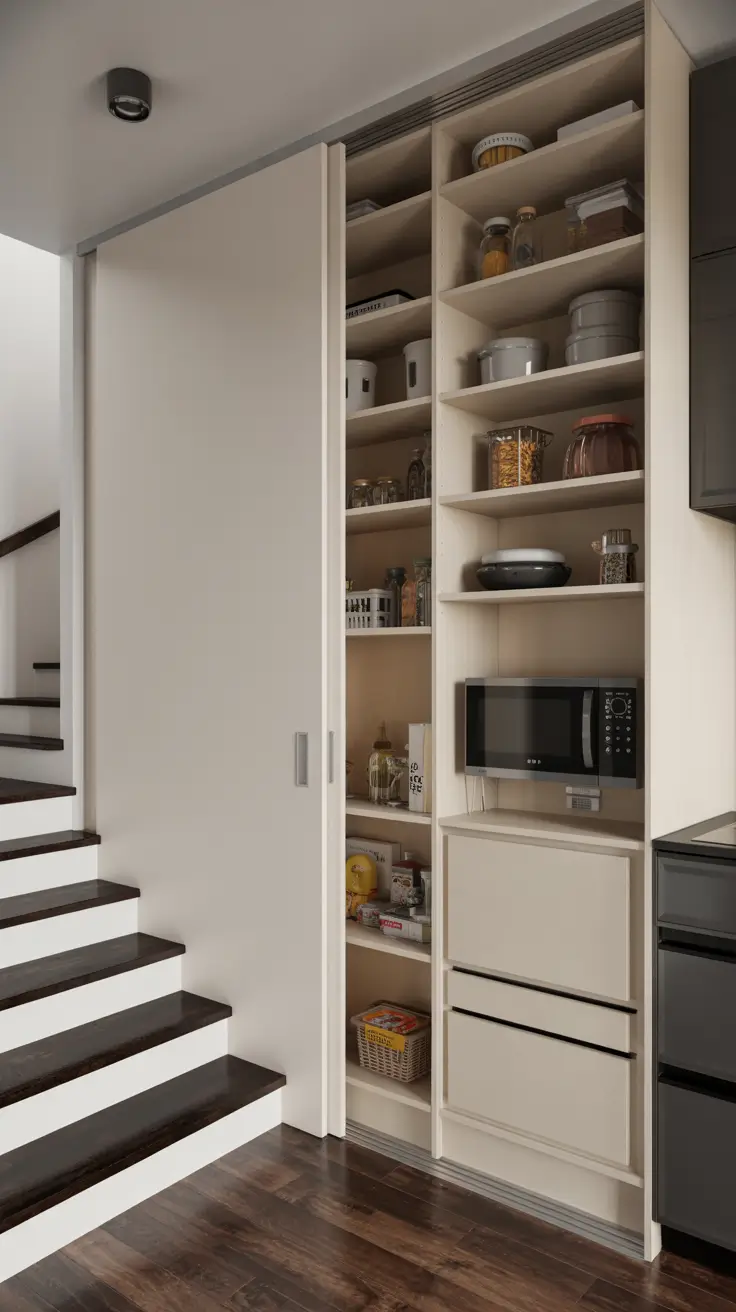
I include sliding doors, pocket doors, or open shelving depending on how frequently the pantry is used. Each choice affects how the room feels and how easily items are accessed during cooking.
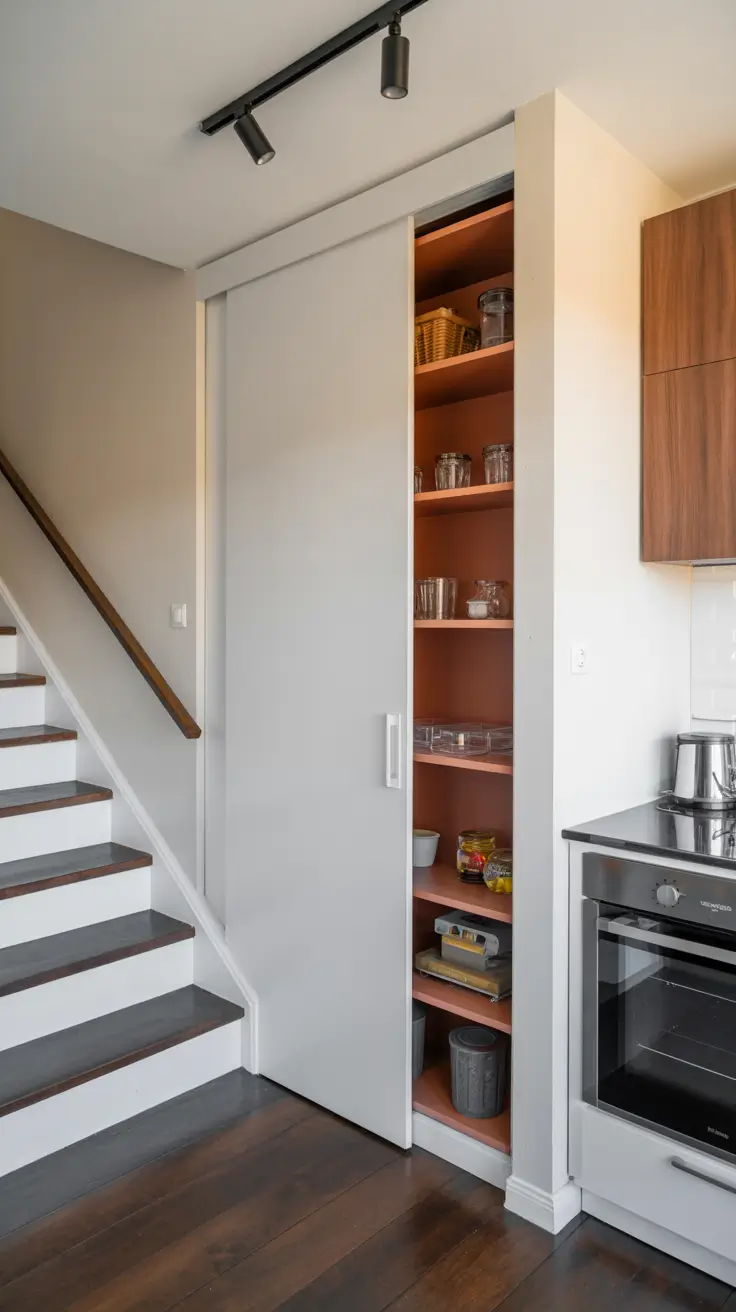
Personally, I prefer integrated designs because they reduce visual breaks. Many interior designers recommend minimizing transitions in small rooms, and I find this advice particularly relevant here.
What is missing in this section is a deeper look at sound and ventilation, which can matter when pantries are placed near appliances.
6. Pantry Design Tiny Solutions for Urban Living
Pantry design tiny concepts for urban living respond to limited square footage and fast paced routines. I often work with narrow rooms or repurposed closets where every shelf must earn its place.
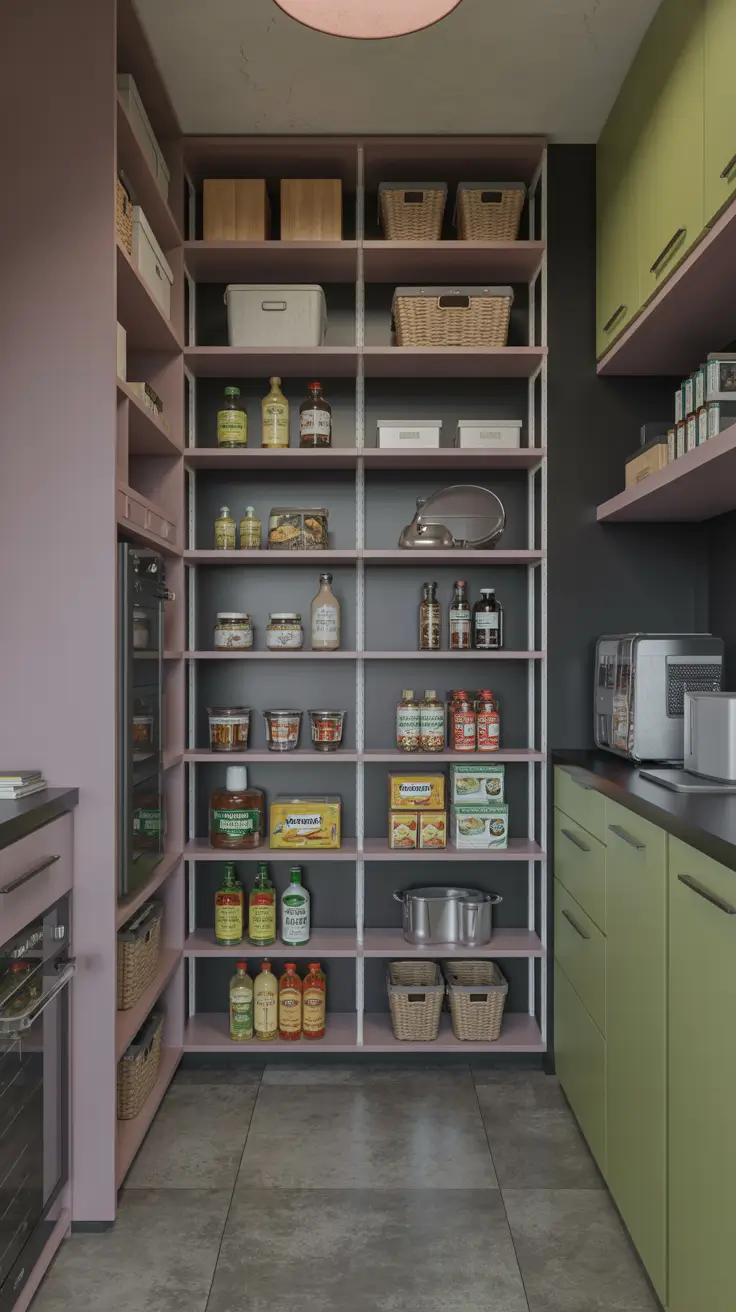
I rely on slim metal shelving, wall mounted systems, and multifunctional furniture that combines storage with display. These solutions suit city apartments where flexibility is essential.
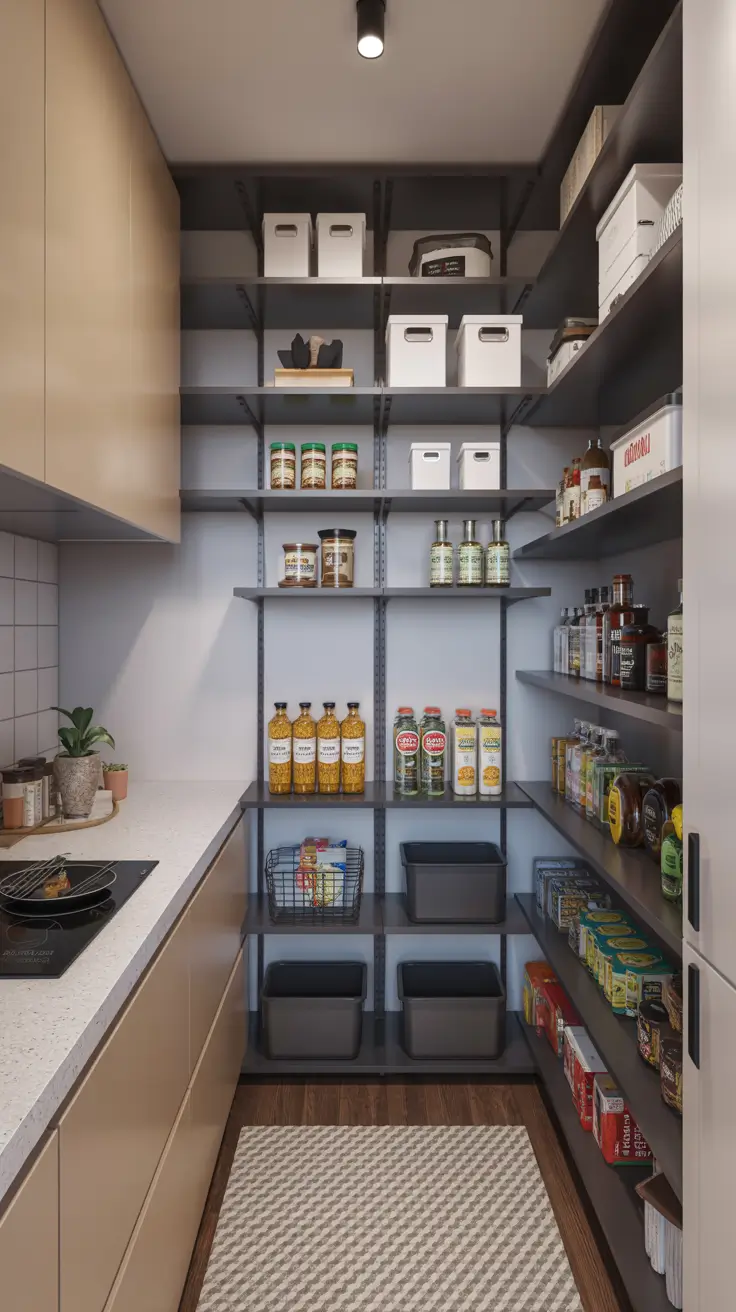
In my experience, urban clients appreciate designs that are easy to maintain. Media outlets like Apartment Therapy often highlight simplicity and accessibility, which aligns with my approach.
I would add more emphasis on shared spaces, such as combining pantry and utility storage in one organized room.
7. Tiny Pantry Closet Design for Hidden Storage
Tiny pantry closet design allows storage to disappear when not in use. I design these spaces to blend into hallways or kitchens, using flush doors and neutral finishes.
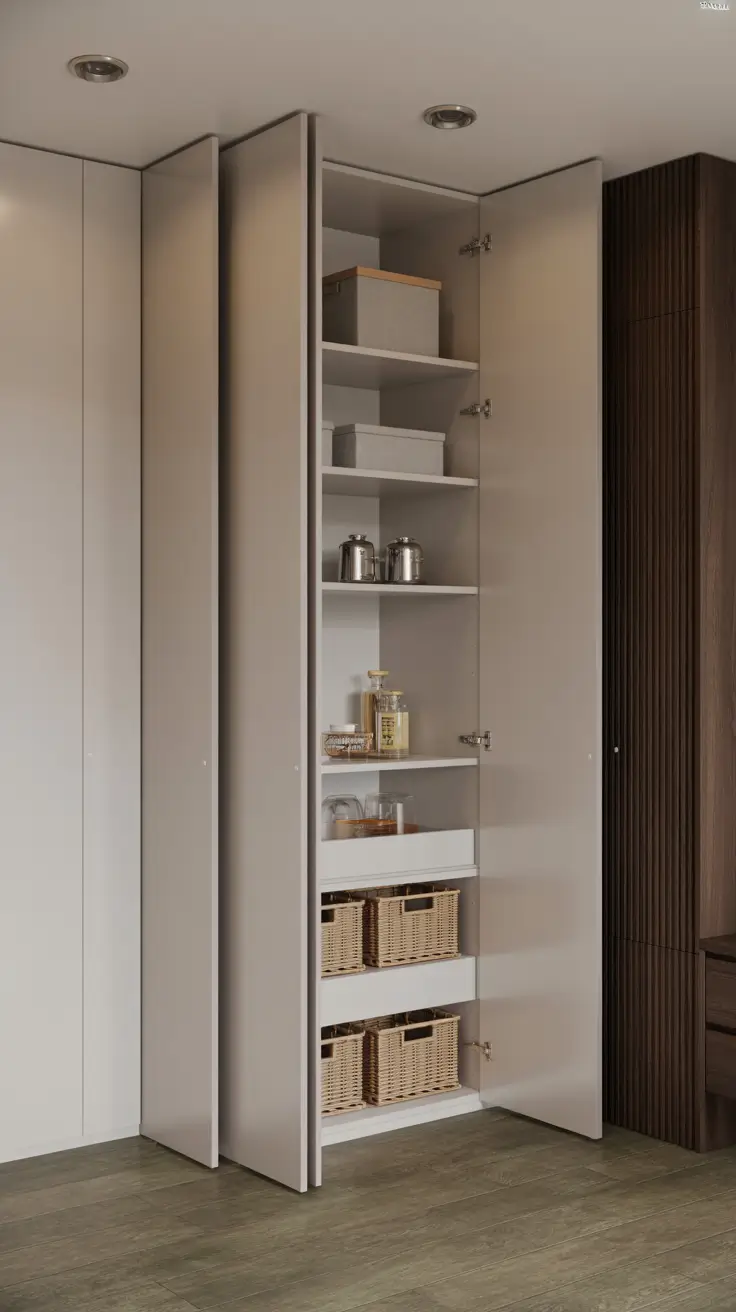
Inside the closet, I include adjustable shelves, pull out drawers, and door mounted racks. These features support closet makeover goals while keeping food storage organized and accessible.
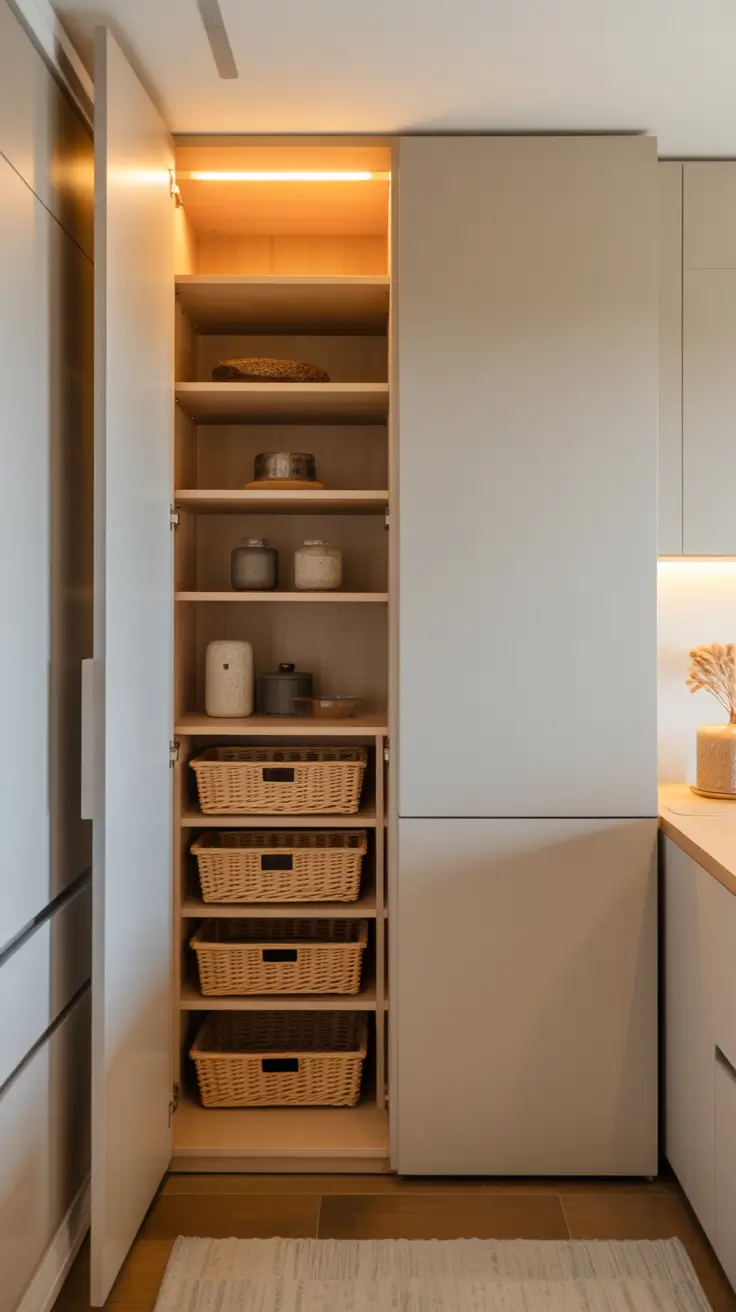
From my perspective, hidden storage reduces stress in small homes. Designers often note that visual calm improves daily comfort, and I see this reflected in client feedback.
What could enhance this section is advice on door hardware and handles that improve usability without drawing attention.
8. Tiny Pantry Closet Organization Ideas
I approach tiny pantry closet organization ideas with a focus on clarity and routine. In 2026, the goal is to make even the smallest closet feel like a well planned room rather than a backup storage zone. Clear zones for food storage, snacks, and cooking supplies help the pantry function smoothly every day.
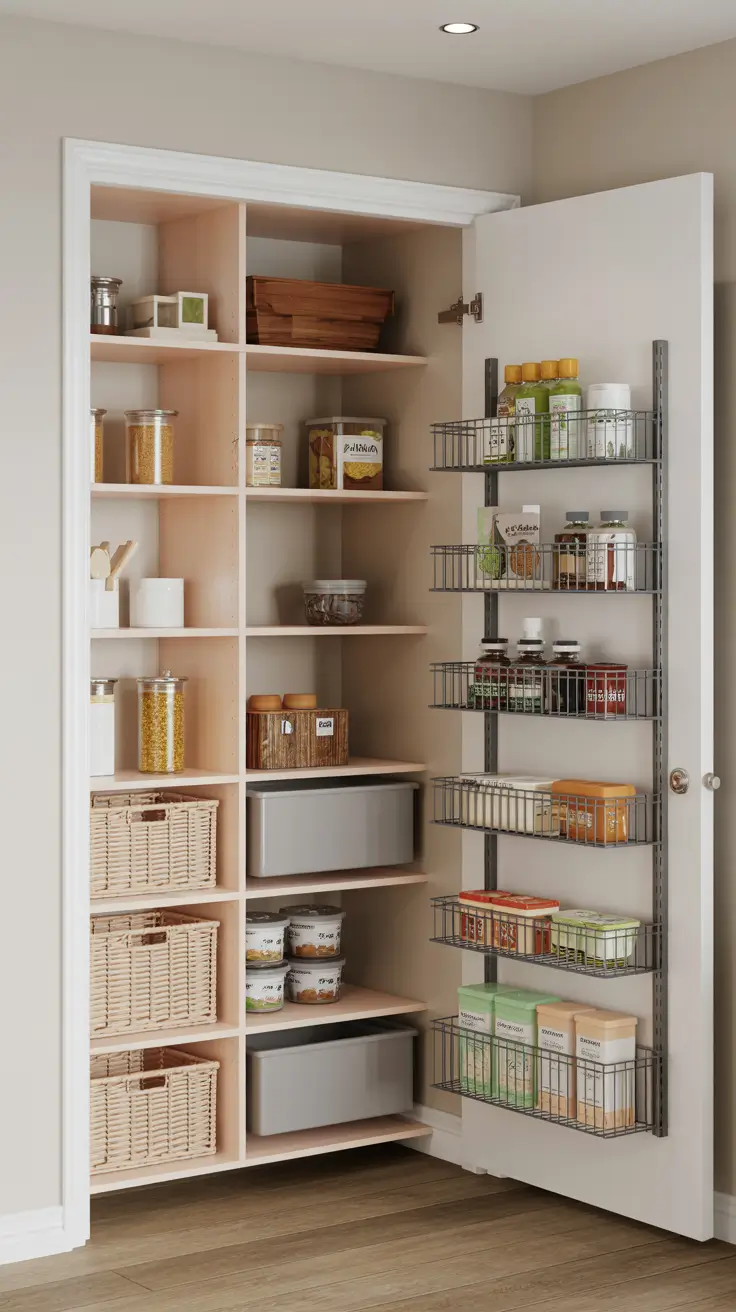
I rely on adjustable shelves, stackable containers, and door mounted racks to maximize vertical space. Transparent bins allow quick identification of items, while uniform containers create visual order. These organization ideas shelves reduce wasted space and make restocking simple.
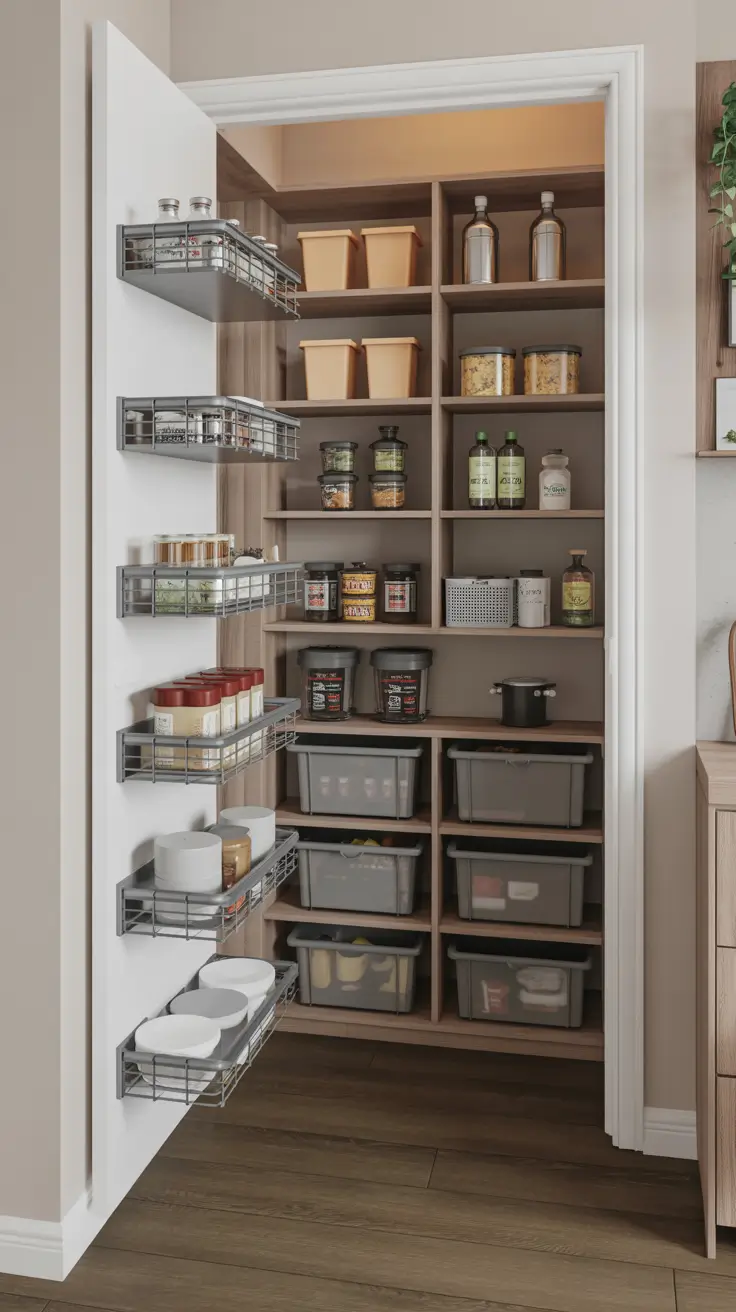
From my experience, professional organizers in the US often emphasize grouping items by use rather than category. I apply this method because it aligns storage with daily habits and improves long term organization.
What I would add here is a simple labeling system that evolves over time, allowing the closet organization ideas to remain flexible as needs change.
9. Tiny Pantry Closet Makeover Trends
A tiny pantry closet makeover in 2026 is about refinement rather than expansion. I focus on improving lighting, finishes, and layout to transform the space without structural changes. Even a basic closet can feel intentional with the right design updates.
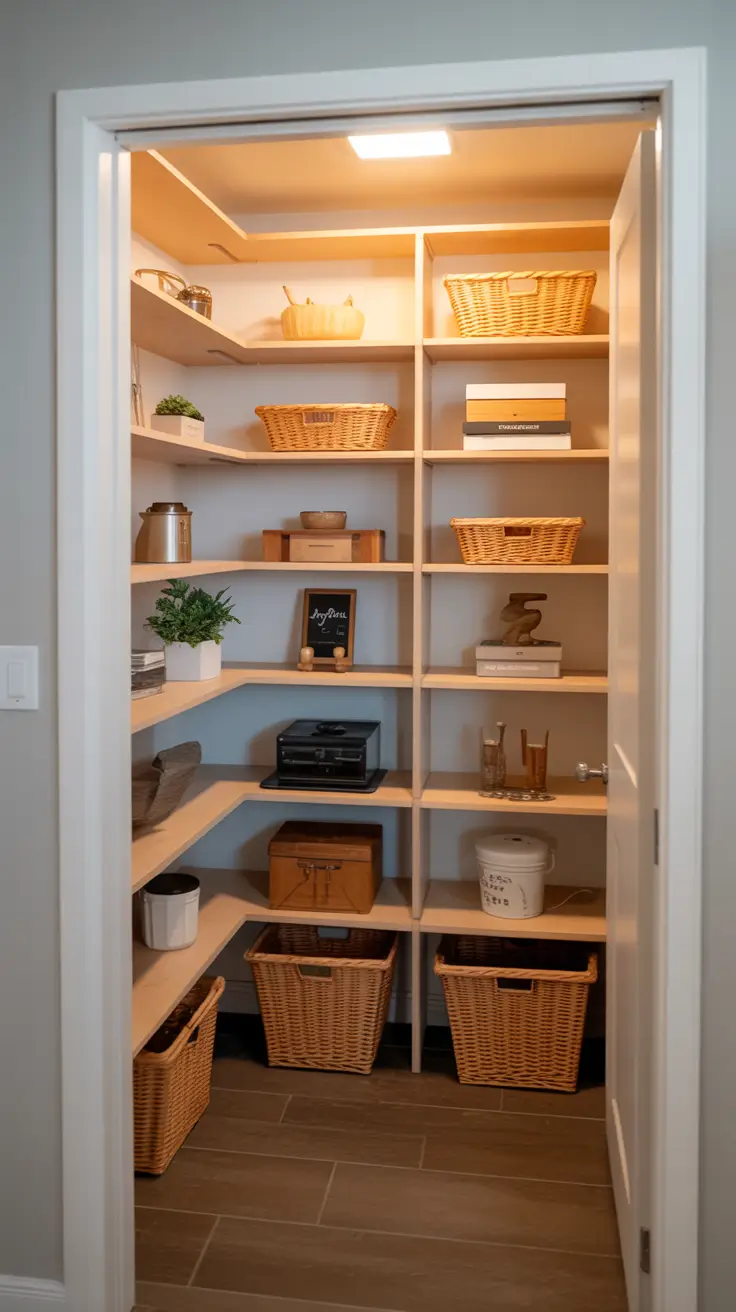
I typically introduce warm LED lighting, lighter shelf materials, and cohesive color palettes. Replacing wire shelving with solid shelves improves durability and aesthetics. Small details like handles and shelf edging elevate the overall design.
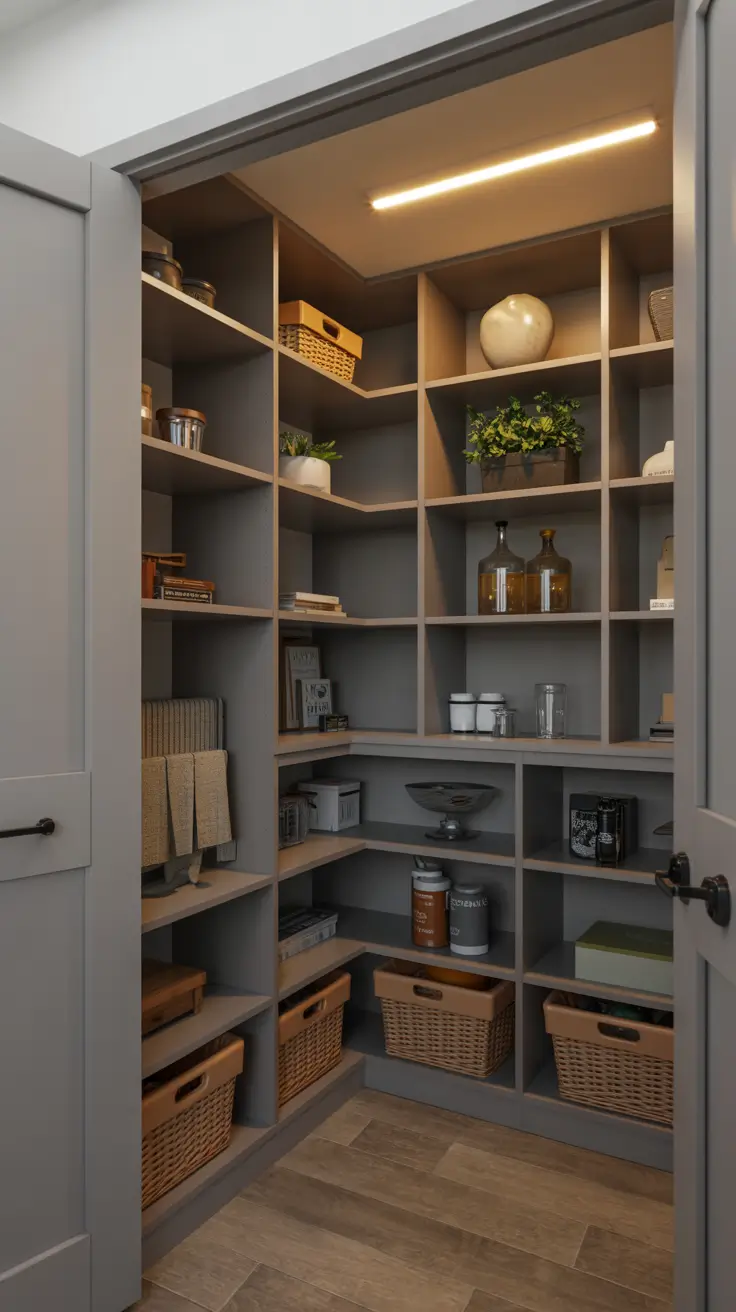
In my opinion, many designers featured in US home improvement media recommend investing in finishes first. I agree because visual upgrades often have the biggest impact in a pantry makeover.
What could enhance this section is guidance on budgeting, helping readers prioritize upgrades that deliver the most value.
10. Tiny Walk In Pantry Design for Small Floor Plans
Tiny walk in pantry design for small floor plans focuses on efficient circulation. I plan layouts that allow a person to turn comfortably while keeping shelves within easy reach. The room should feel narrow but not restrictive.
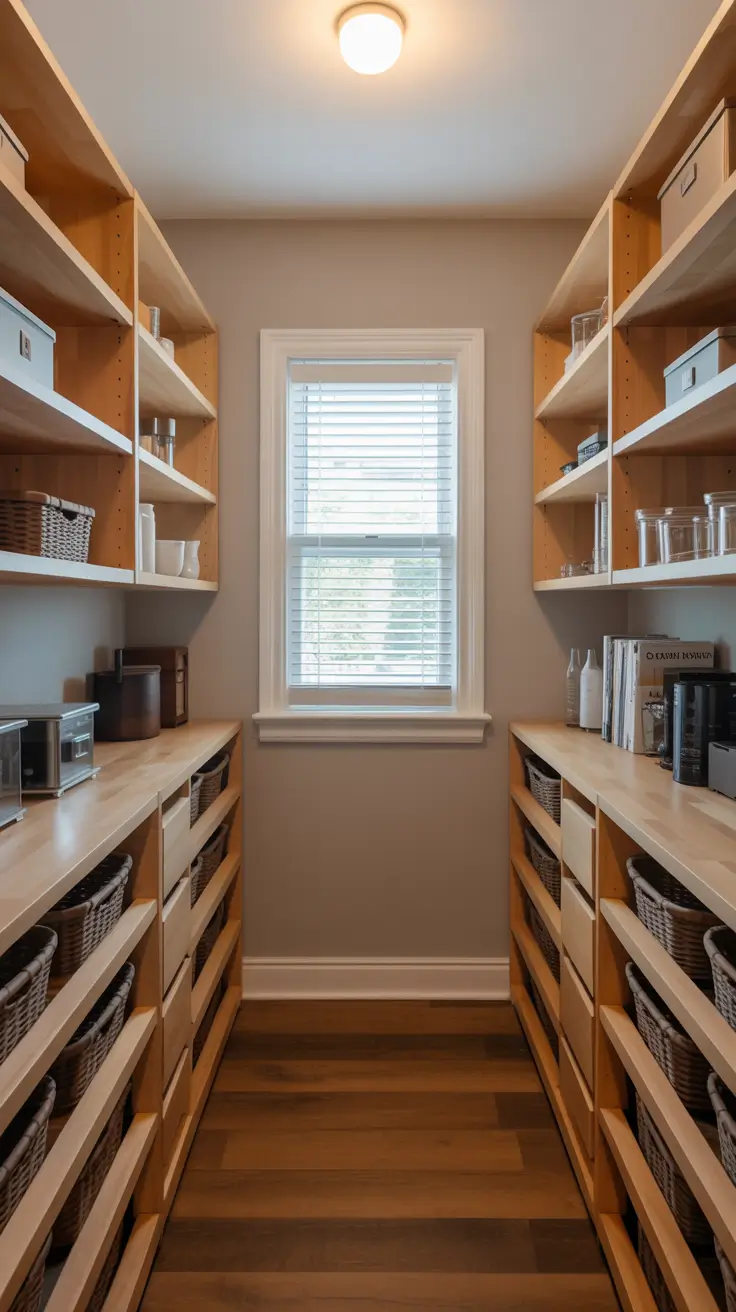
I include shallow shelves on both sides, with deeper storage at the end wall. Consistent shelf spacing and vertical alignment help maintain balance. Lighting placed along the ceiling or shelf edges ensures the entire room feels open.
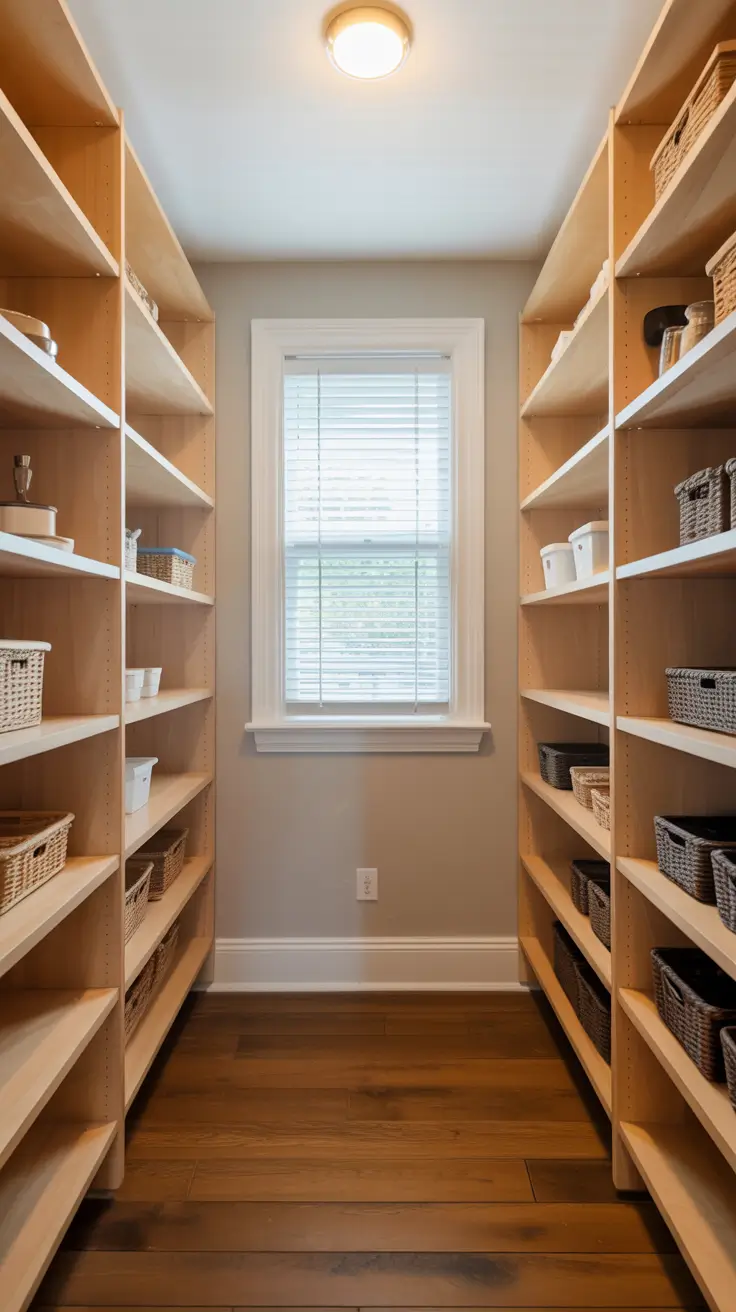
From my experience, many architects suggest limiting shelf depth in walk in pantries. I follow this advice because it prevents items from getting lost and supports better organization.
If anything is missing here, it is advice on ventilation to maintain food freshness in compact walk in spaces.
11. Tiny Walk In Pantry Design Ideas With Smart Use of Space
Smart use of space defines tiny walk in pantry design ideas in 2026. I focus on multifunctional elements such as fold down surfaces or integrated ladders for higher shelves. These solutions increase usability without expanding the room.
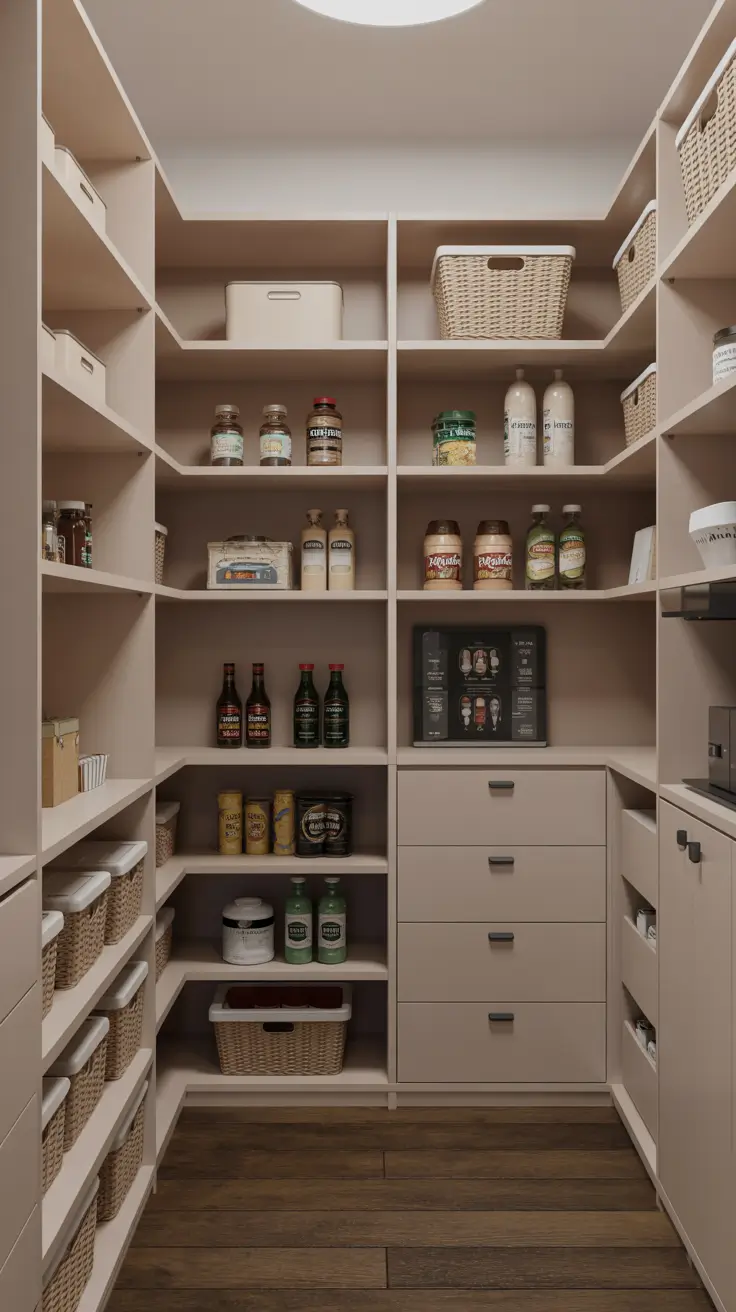
I often add narrow drawers for spices, vertical dividers for trays, and hooks for reusable bags. Each feature supports organization ideas storage while keeping the room adaptable.
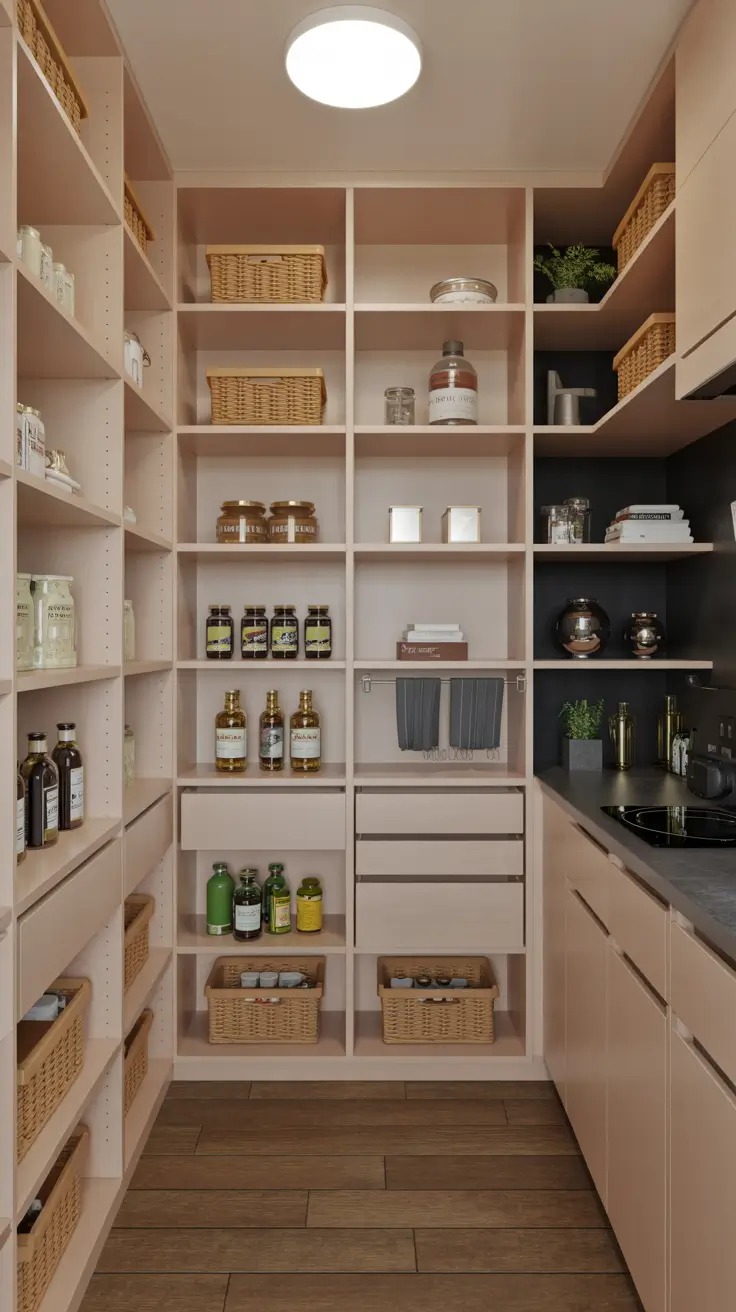
Personally, I find that clients appreciate walk in pantries that feel flexible. Design experts often highlight adaptability as a key trend, and I see its value in long term use.
What I would add is a discussion on modular shelving systems that can be reconfigured as storage needs evolve.
12. Tiny Office Pantry Design for Work Environments
Tiny office pantry design in 2026 supports efficiency and cleanliness. I treat the pantry as a functional room that encourages breaks without creating clutter. Compact layouts work best in shared office environments.
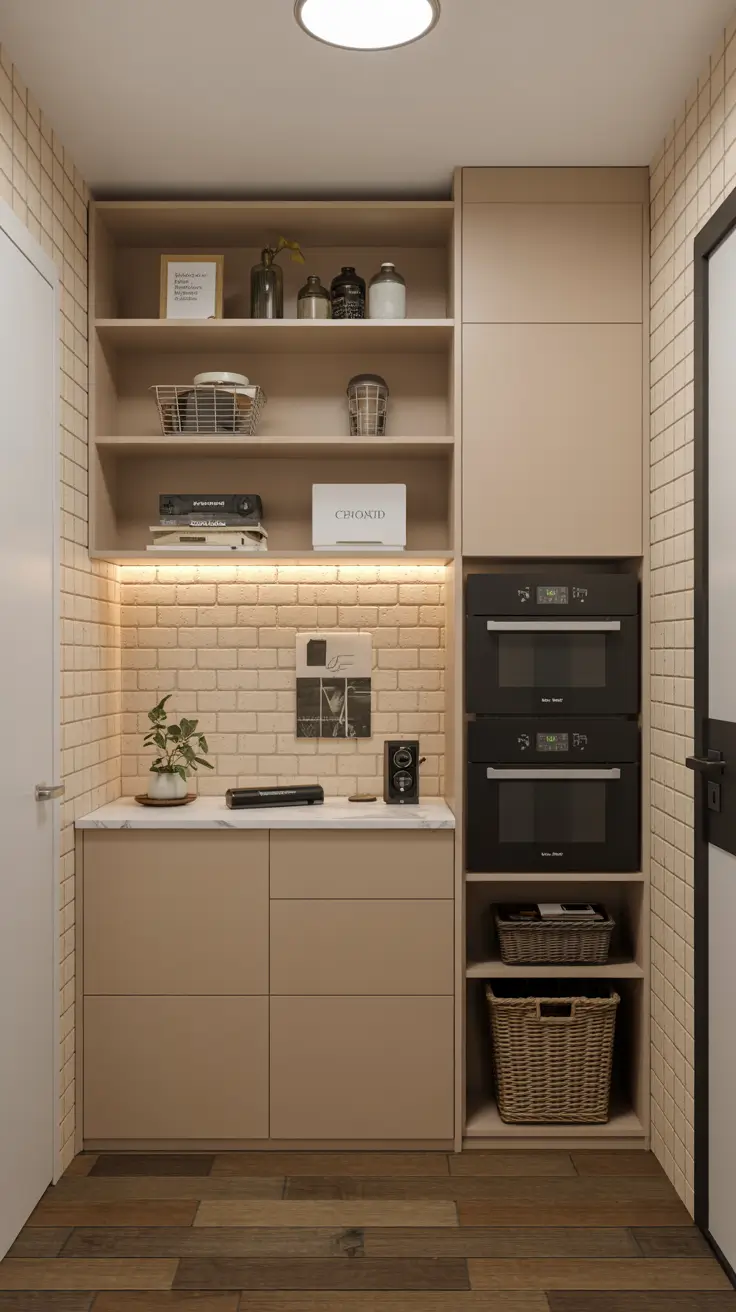
I include closed cabinets for supplies, open shelves for daily items, and integrated appliances like compact refrigerators. Durable materials and easy to clean surfaces are essential in office settings.
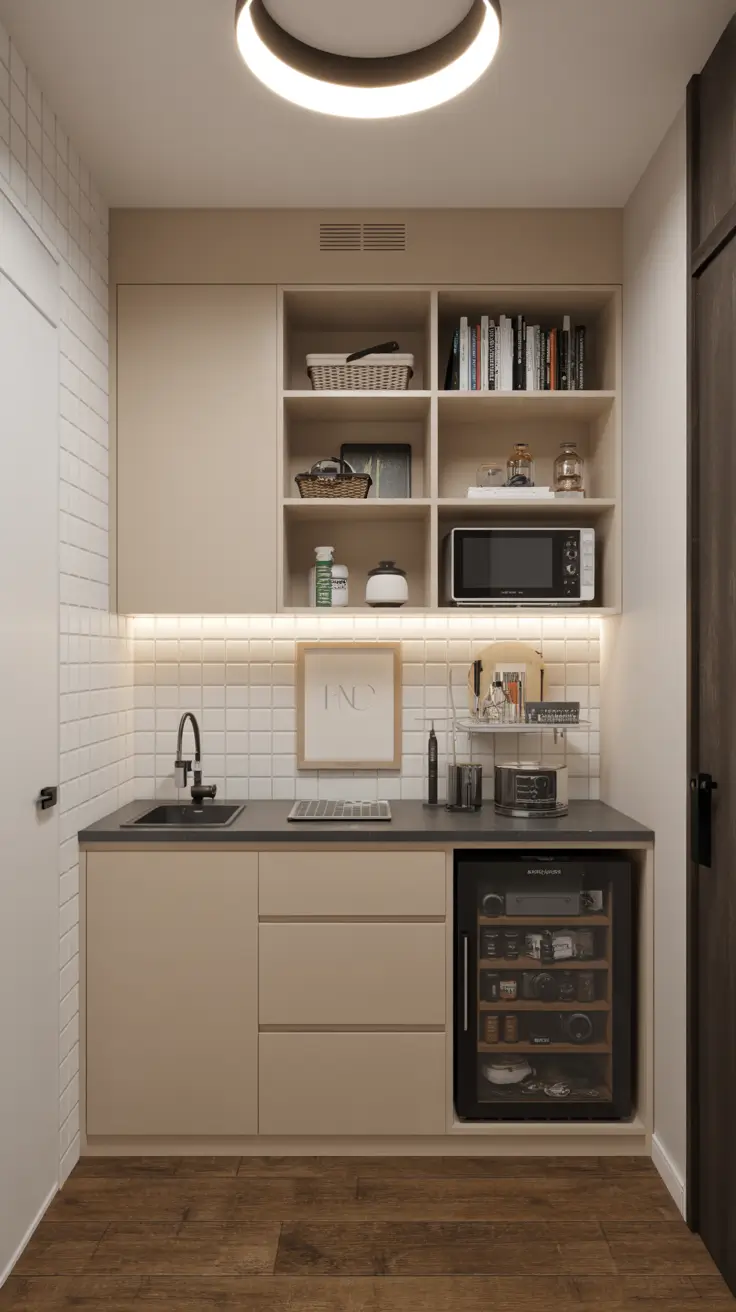
From my experience, workplace designers often stress that small pantries should feel welcoming but controlled. I agree because a balanced design supports productivity and organization.
What could be added here is guidance on acoustic considerations to reduce noise in open office layouts.
13. Tiny Pantry Room Design for Multifunctional Areas
A tiny pantry room design often serves more than one purpose. I plan these spaces to support food storage while accommodating cleaning supplies or small appliances. Clear zoning is critical in multifunctional rooms.
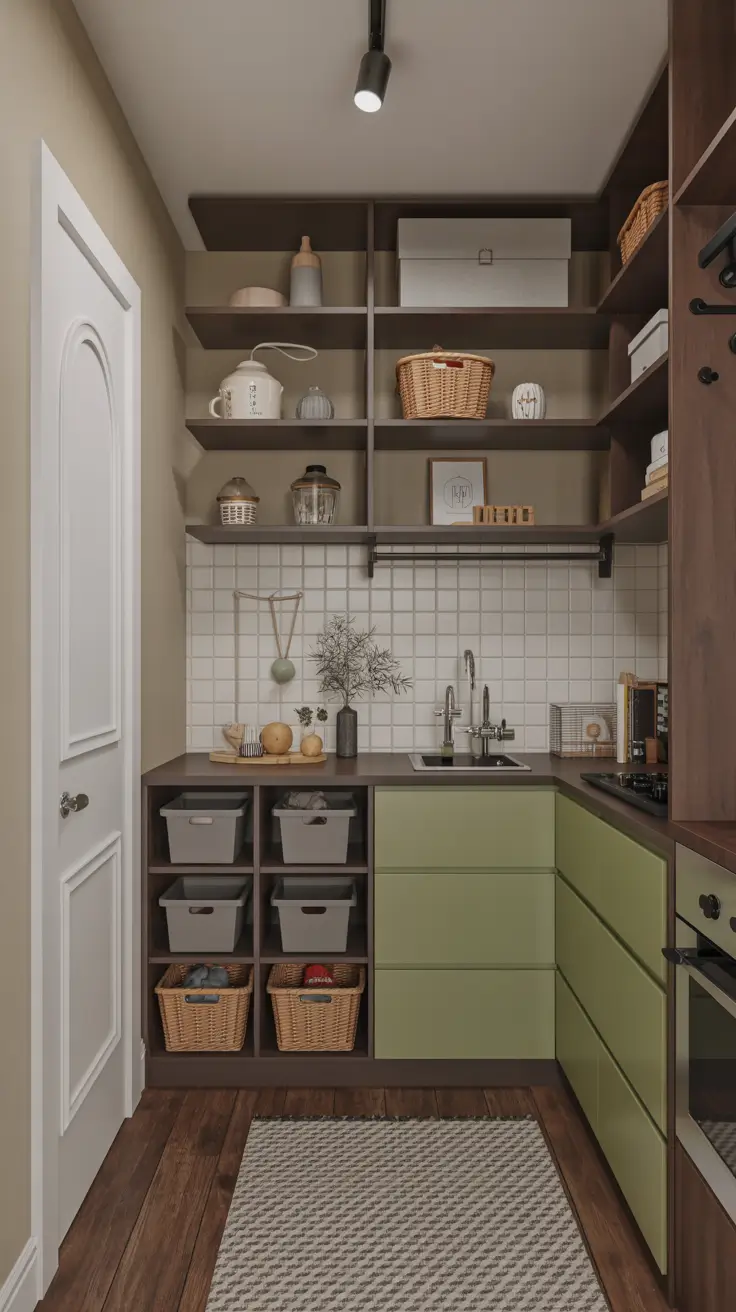
I use shelving systems with varied depths and closed storage for non food items. This separation keeps the pantry organized and prevents visual clutter. Consistent materials unify the space despite multiple functions.
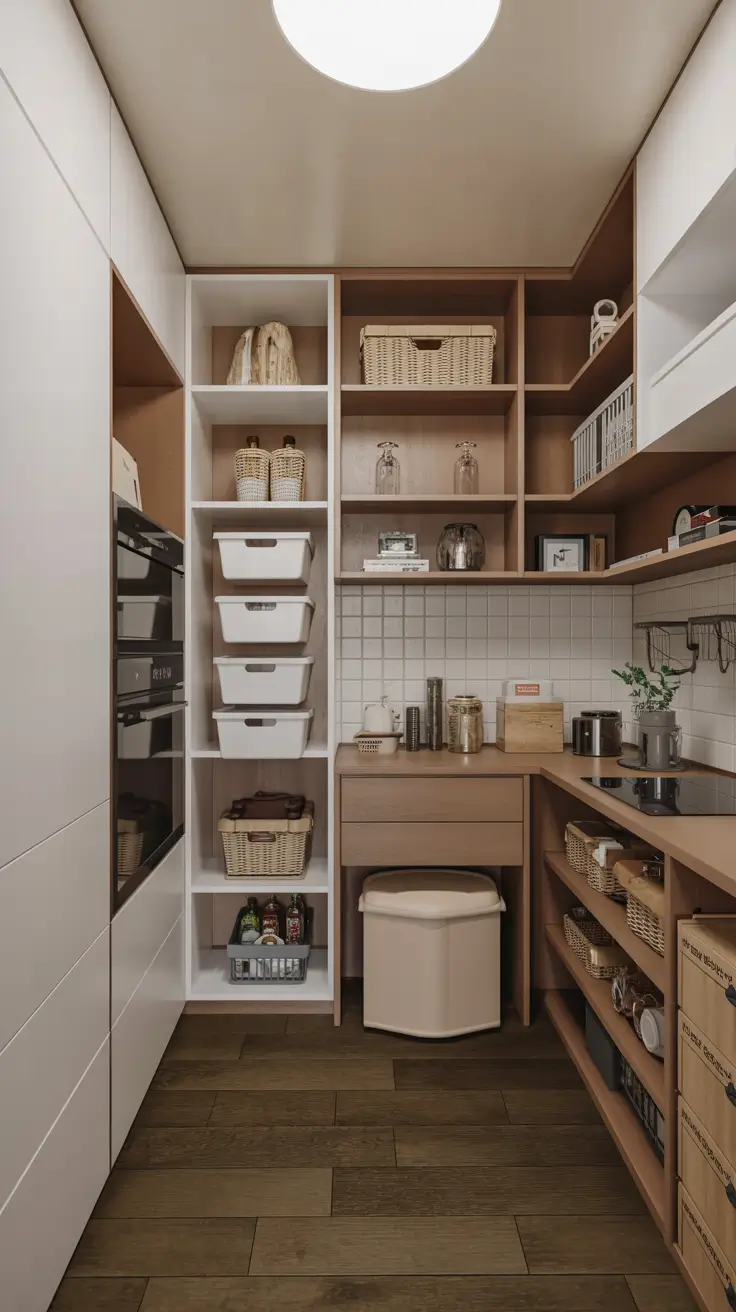
In my opinion, many interior designers recommend multifunctional rooms in small homes. I support this approach because it maximizes utility without sacrificing order.
What is missing here is advice on signage or subtle visual cues that help users maintain organization over time.
14. Tiny Pantry Organization Ideas for Everyday Use
Tiny pantry organization ideas for everyday use focus on simplicity. I design layouts that support quick access and easy maintenance. The pantry should work effortlessly as part of daily routines.
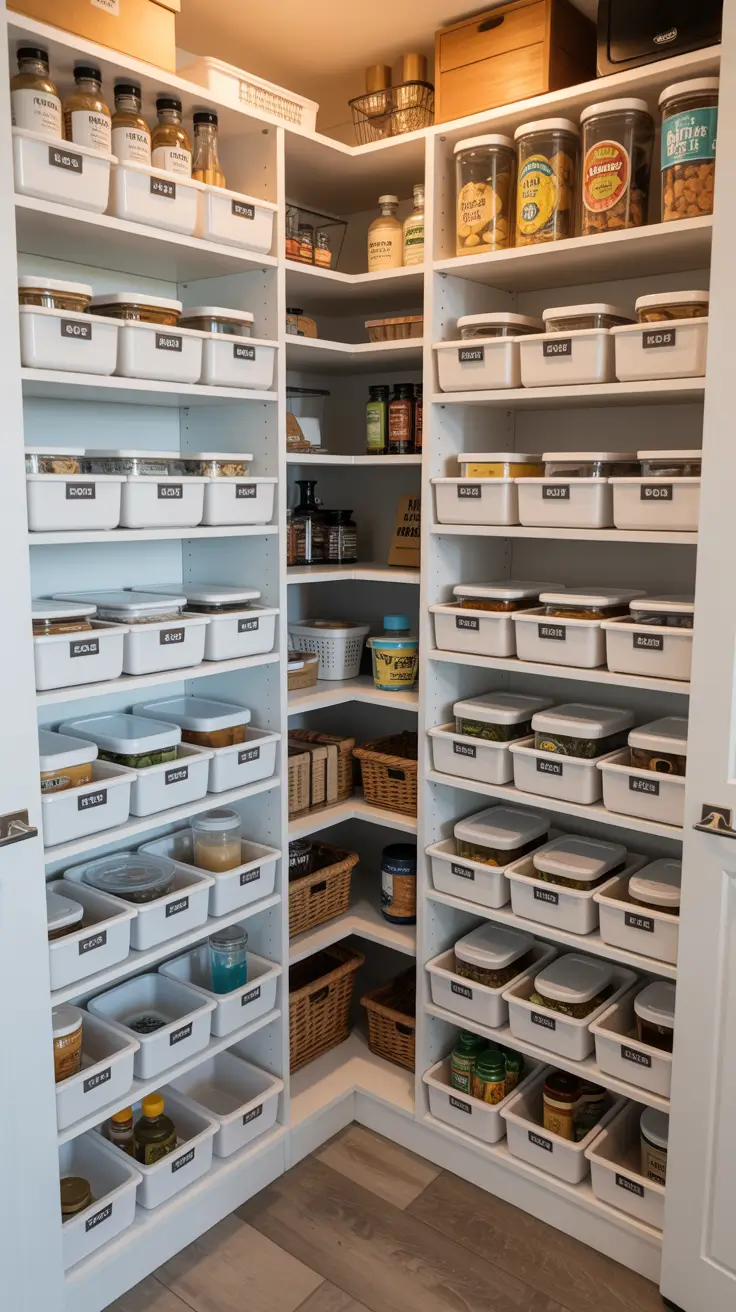
I rely on uniform containers, pull out shelves, and clear labeling to maintain order. These organization ideas shelves help prevent overbuying and reduce waste.
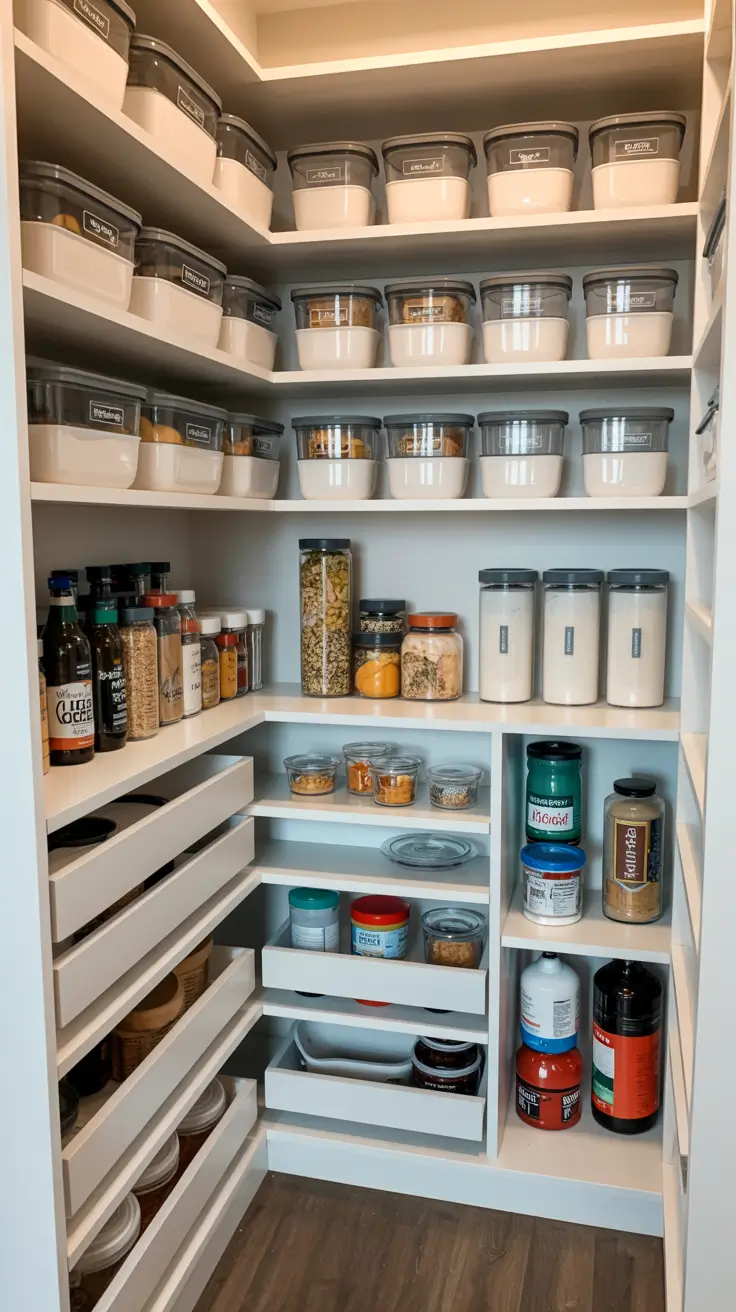
From my experience, professionals often recommend reviewing pantry contents regularly. I follow this advice because it keeps the system relevant and functional.
What I would add is a seasonal reset strategy that helps users refresh organization without a full makeover.
15. Tiny Pantry Organization Ideas Shelves and Vertical Storage
I design vertical storage as the backbone of pantry design tiny spaces because height is the most underused asset in small interiors. In 2026, tiny pantry organization ideas shelves focus on full wall systems that visually expand the room while keeping everything accessible. I plan the entire pantry room around vertical flow, using light finishes and balanced spacing so the pantry feels open, not crowded.
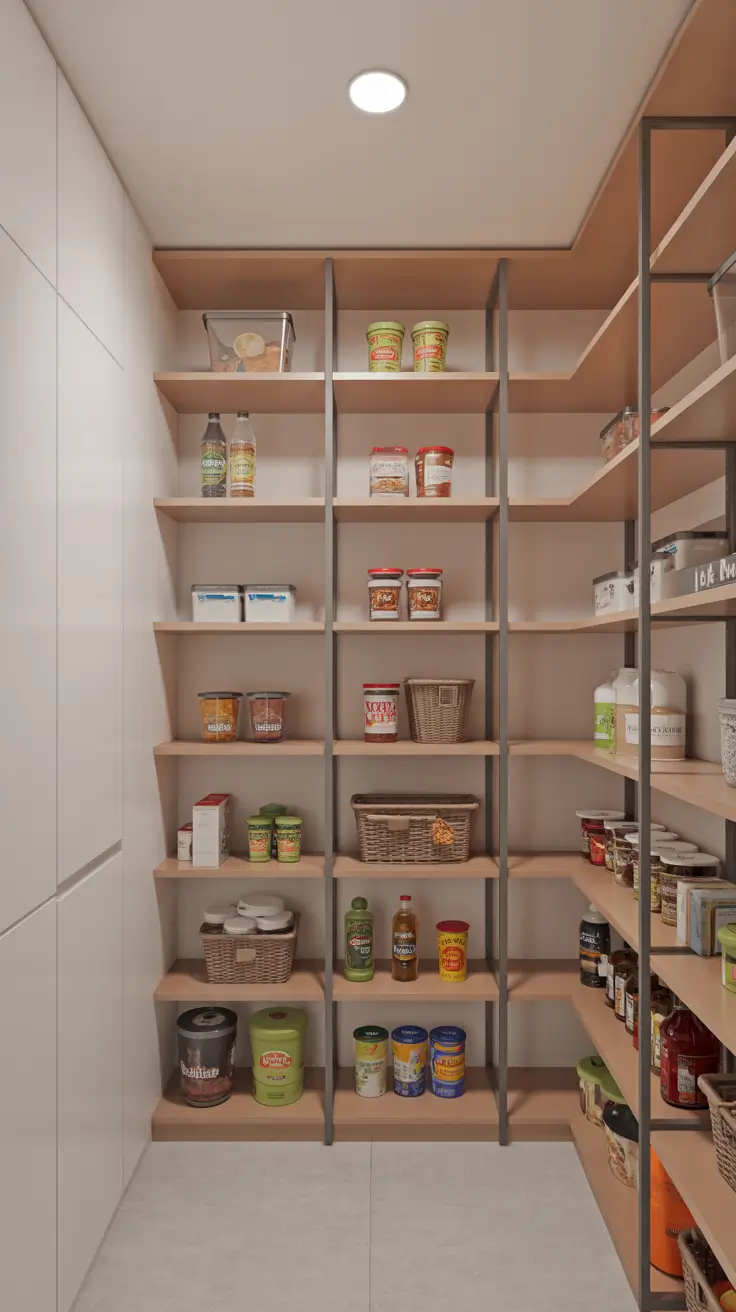
I always include adjustable shelving units, slim metal supports, and integrated wood shelves that reach the ceiling. These ideas shelves allow me to adapt the pantry over time, whether it is a tiny pantry closet design or a tiny kitchen pantry design. Pull down shelves, ladder rails, and shallow upper shelves help store rarely used items without blocking movement.
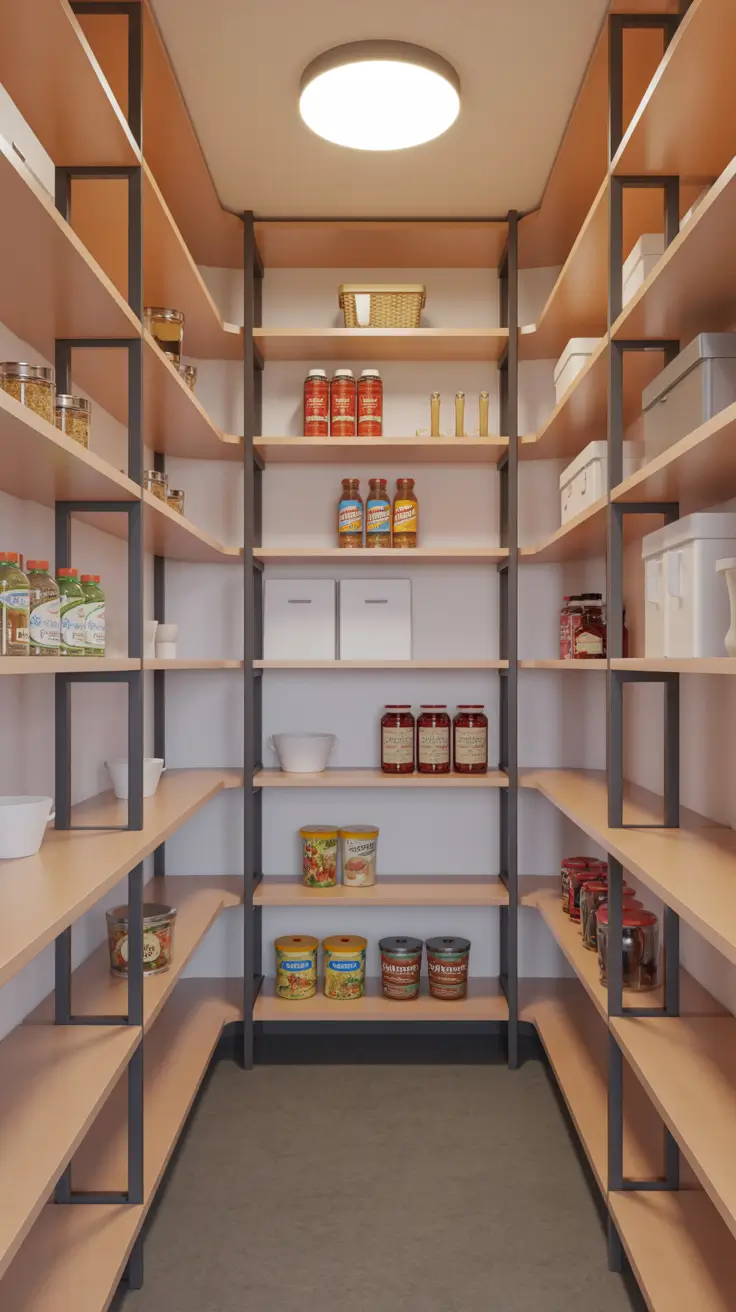
From my experience, designers like Nate Berkus often emphasize vertical balance and negative space, and I fully agree. When shelves are thoughtfully spaced, organization feels intuitive instead of forced. This approach supports both closet organization ideas and long term pantry organization without visual stress.
What I would still add here is integrated lighting between shelf levels. Soft LED strips under each shelf improve visibility and elevate the pantry from storage to a designed interior room.
16. Tiny Pantry Organization Ideas Storage Solutions
Storage solutions in tiny pantry designs must solve real daily problems, not just look good. I focus on modular storage systems that can be rearranged as needs change, especially in tiny kitchen design with pantry layouts. The goal is to make organization ideas storage feel effortless and logical.
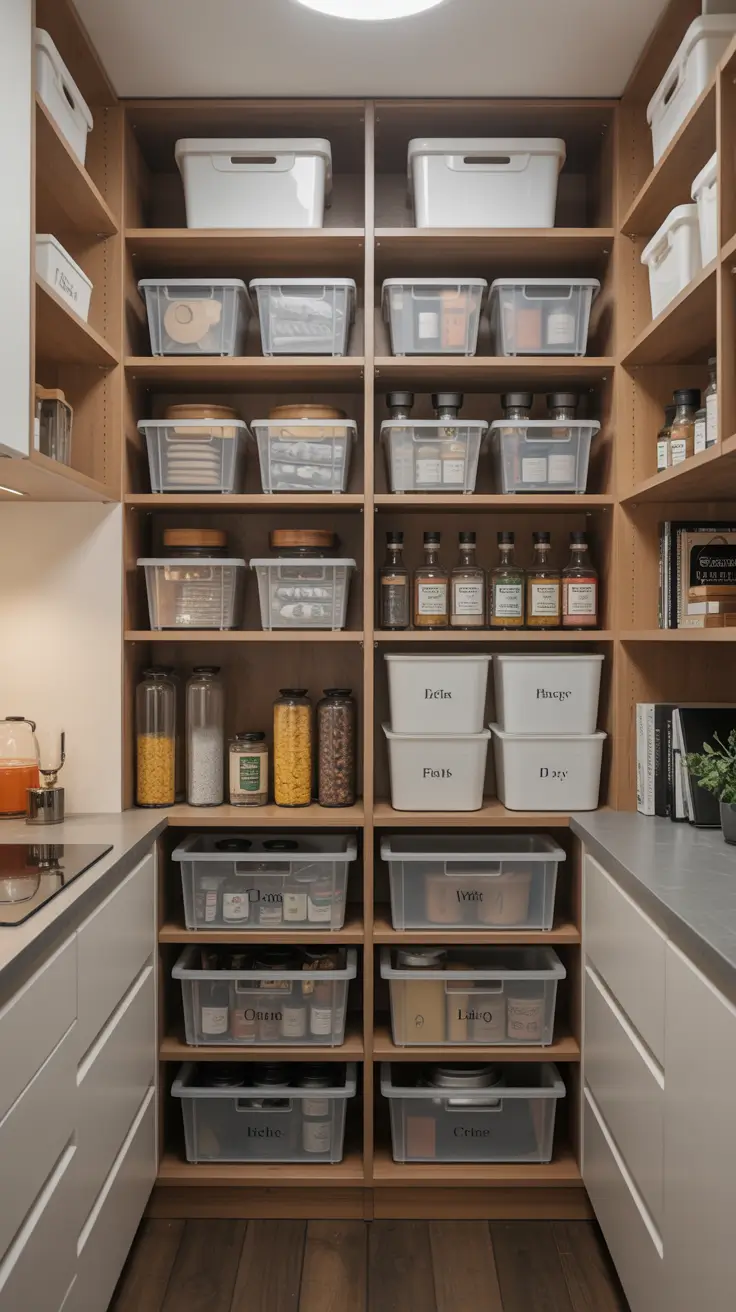
I rely on clear containers, stackable bins, pull out drawers, and labeled compartments for food storage. These organization ideas food storage solutions reduce visual clutter and help maintain order in small pantry rooms. Vertical drawers and narrow pull outs work particularly well in tiny pantry closet design scenarios.
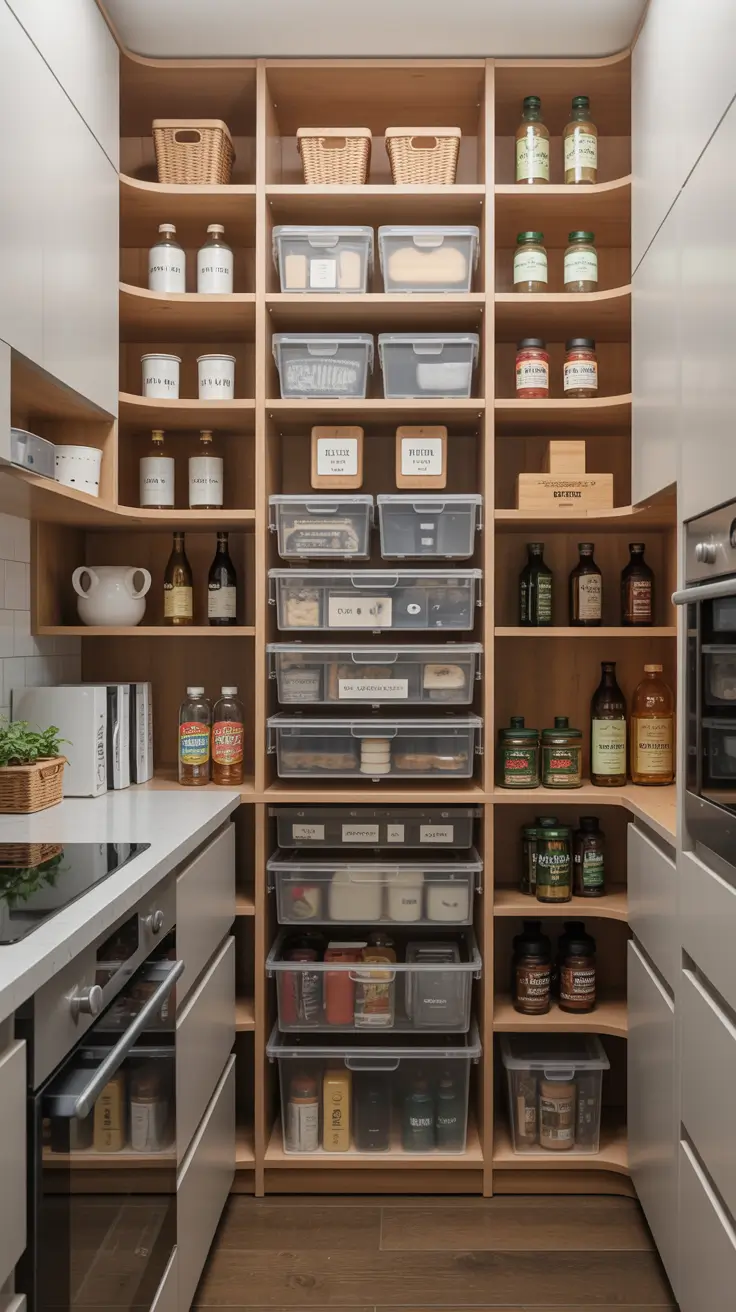
In my own projects, I follow guidance similar to what is often shared in Architectural Digest, where visibility equals usability. When everything has a clear place, the pantry supports healthier habits and faster cooking routines. I have seen clients maintain organization longer when storage systems are simple and consistent.
What is missing here is a waste management zone. I would add a compact recycling and compost drawer to complete the storage strategy in a modern tiny pantry design.
17. Tiny Pantry Ideas Shelves for Minimal Interiors
Minimal interiors continue to dominate tiny pantry design 2026 trends. I approach tiny pantry ideas shelves with restraint, focusing on clean lines, neutral tones, and open spacing. This makes even a tiny walk in pantry design feel calm and intentional.
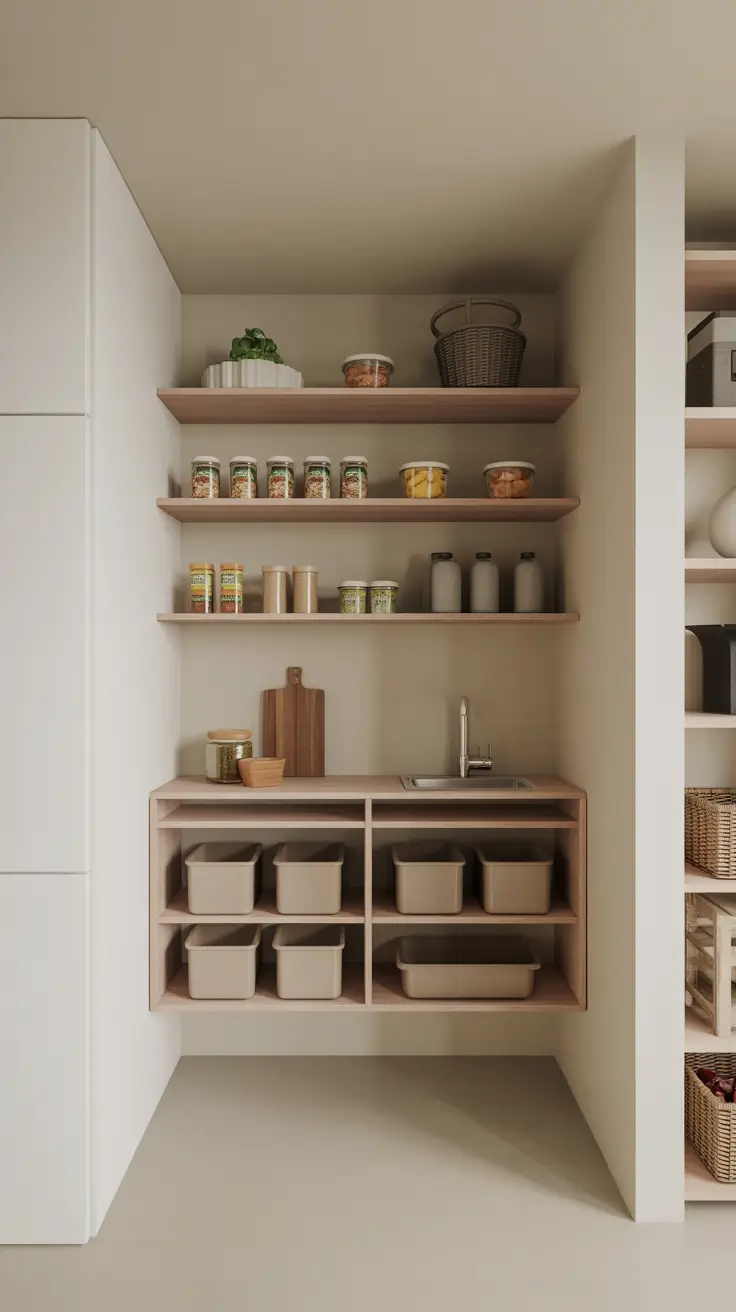
I choose slim floating shelves, matte finishes, and concealed brackets to reduce visual noise. Wood shelves paired with soft white walls work beautifully in both kitchen and closet pantry layouts. These shelves ideas layout designs keep essentials visible without overwhelming the room.
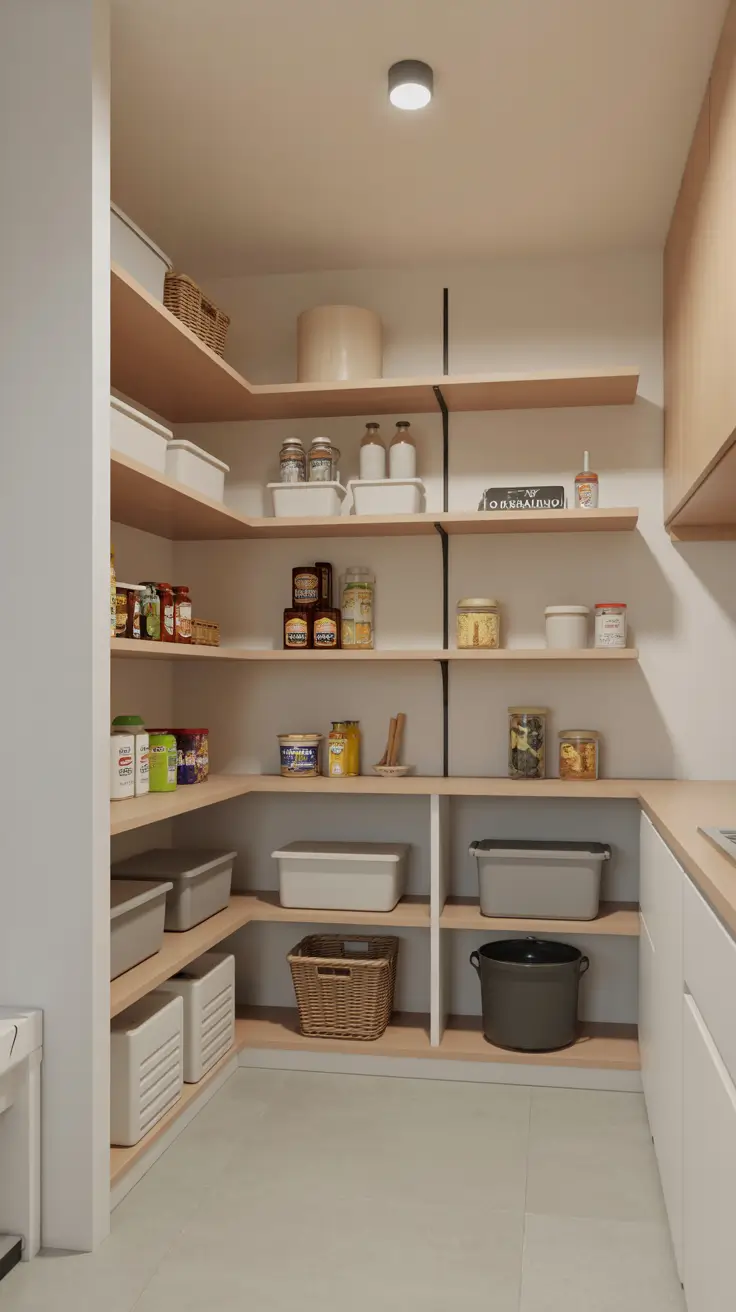
Personally, I find minimal pantry spaces easier to maintain. Designers like Kelly Wearstler often speak about simplicity creating longevity, and that principle applies perfectly here. A minimal pantry adapts better to lifestyle changes over time.
To enhance this section, I would add texture through subtle materials like fluted glass containers or natural wood grain to prevent the space from feeling too sterile.
18. Tiny Pantry Ideas Layouts for Better Flow
Layout is critical in pantry design tiny spaces. I plan layouts that prioritize movement, door clearance, and easy access, especially in tiny kitchen pantry design projects. In 2026, smart layouts focus on flow rather than capacity alone.
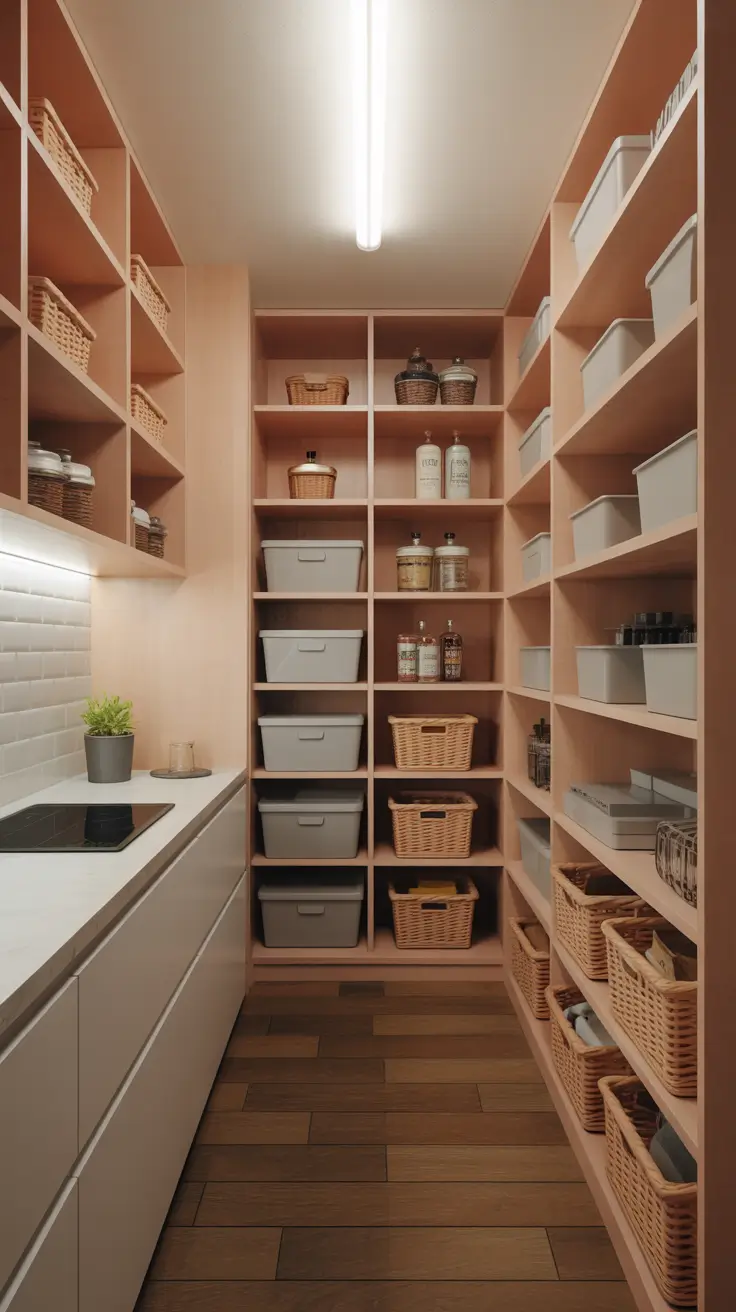
I often design single wall layouts, galley style pantry rooms, or compact walk in configurations. Pull out shelves, corner turn systems, and staggered storage zones help avoid congestion. These ideas layout strategies ensure that every inch supports daily use.
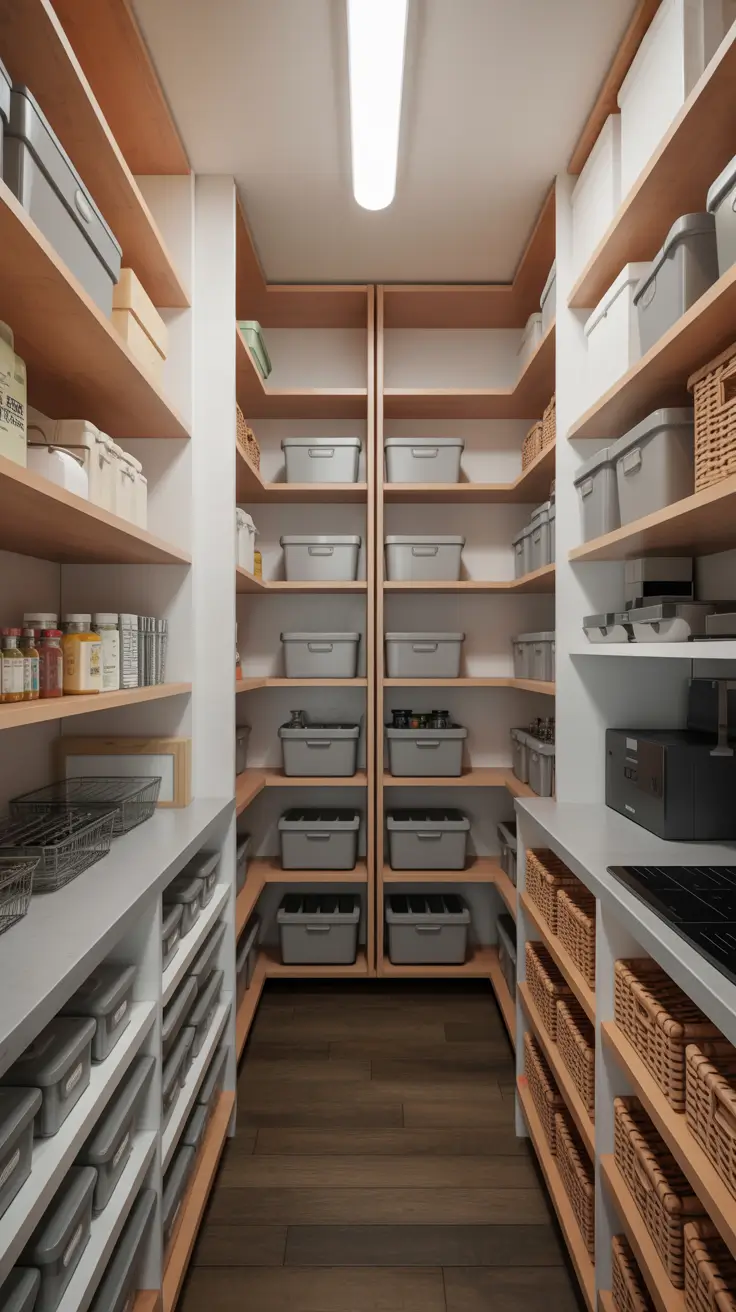
From my experience, better flow directly improves organization habits. Many US based designers stress that a functional layout matters more than storage volume, and I have seen this proven in real homes repeatedly.
What I would add here is a clear zoning diagram during planning. Visualizing zones for dry goods, appliances, and bulk storage improves layout efficiency before construction begins.
19. Tiny Pantry Ideas Corner Designs
Corners are often wasted in tiny pantry designs, but I treat them as hidden opportunities. Tiny pantry ideas corner designs in 2026 use smart geometry to unlock storage without cluttering the room.
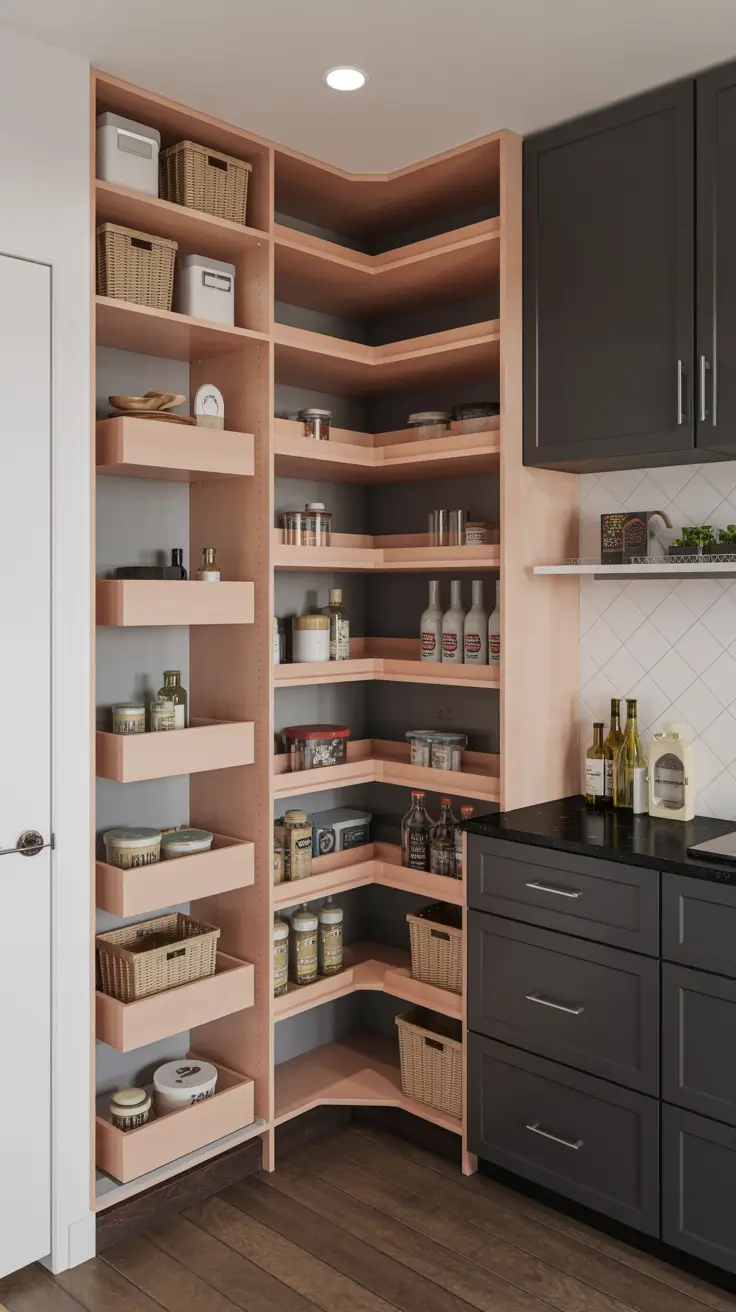
I integrate rotating shelves, diagonal cabinetry, or open corner shelving to maximize access. These designs work well in tiny pantry closet design and kitchen pantry rooms where space is limited. Corner shelves also support creative organization ideas shelves layouts.
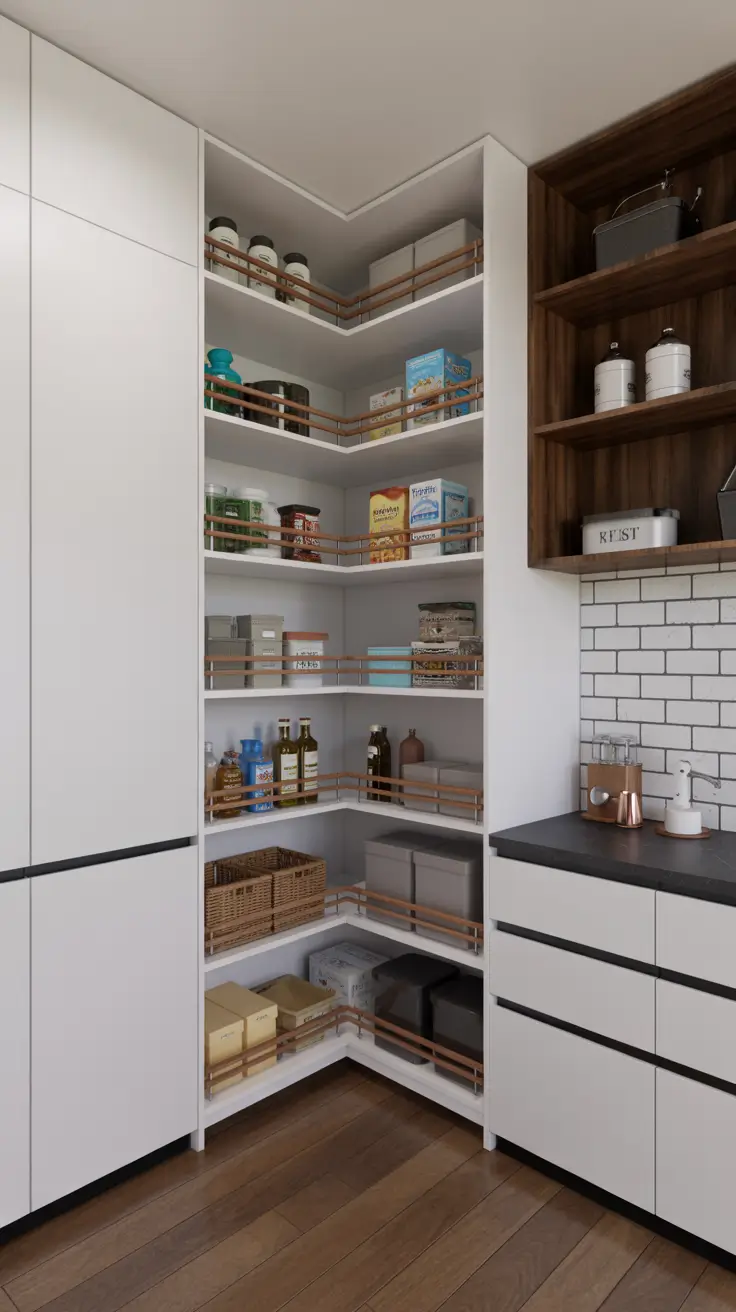
In my practice, I have noticed that corner solutions reduce frustration and improve overall pantry organization. Designers frequently recommend lazy Susan systems for a reason, and I consistently see their value in small pantry rooms.
To complete this section, I would include corner specific lighting to eliminate shadows and improve visibility in deep storage zones.
20. Tiny Pantry Ideas Under Stairs Storage
Under stairs storage has become one of my favorite tiny pantry design ideas for 2026. This approach transforms an overlooked area into a fully functional pantry room without expanding the footprint of the home.
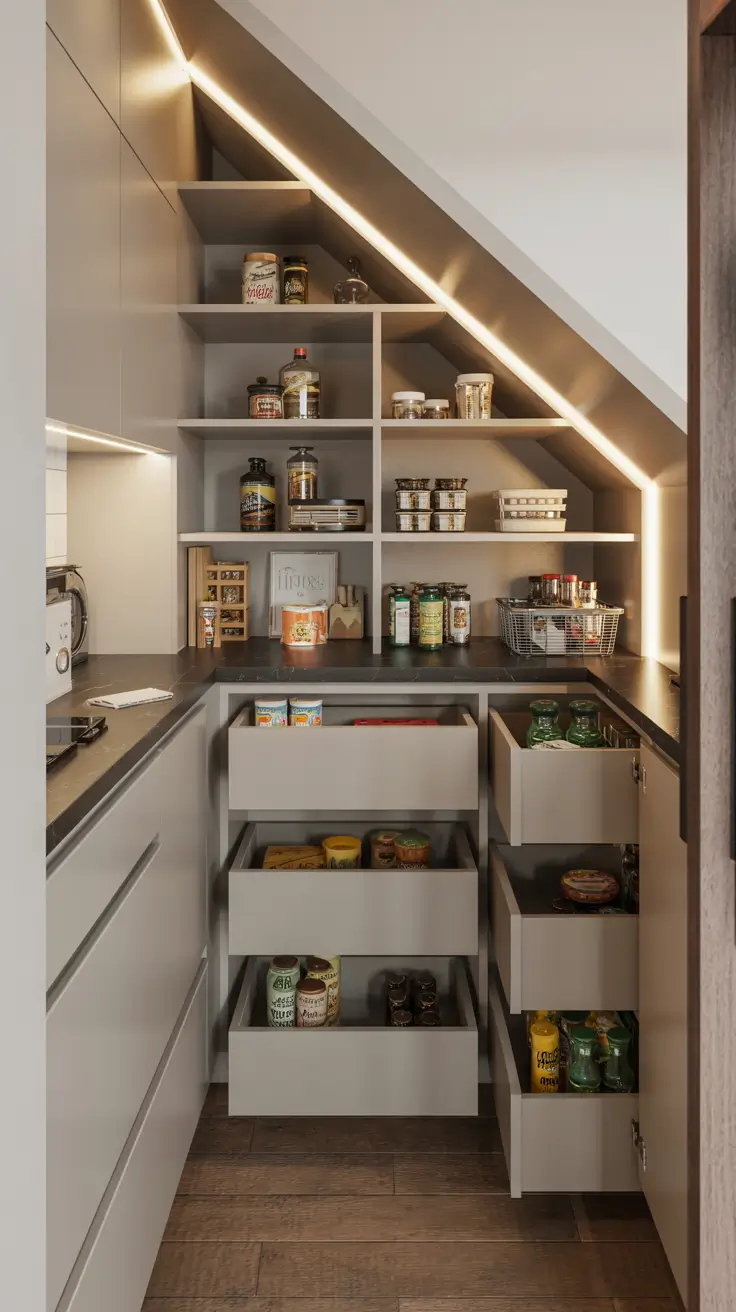
I design custom cabinetry that follows the slope of the stairs, using pull out drawers and stepped shelving. These ideas shelves layouts are ideal for food storage and bulk items. Under stairs pantries work especially well in compact homes and small kitchens.
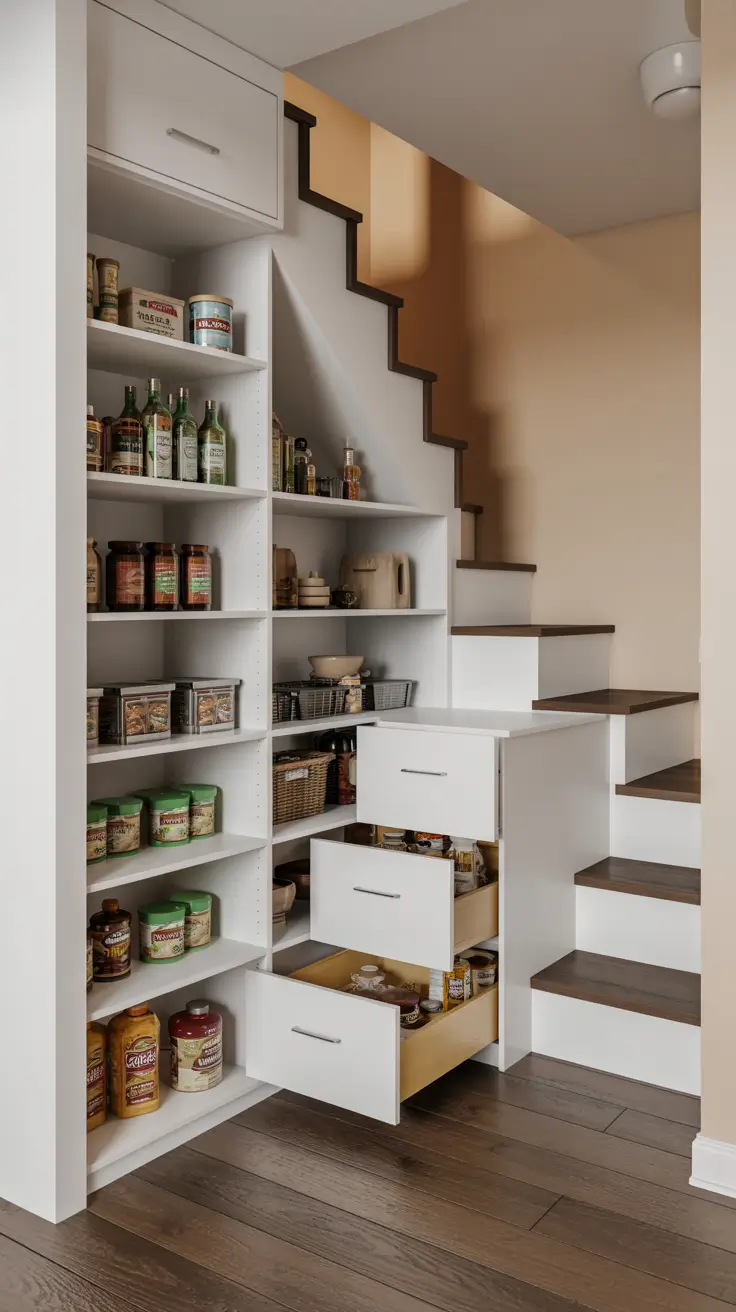
From my experience, under stairs pantries feel surprisingly spacious when designed correctly. Many interior experts highlight the importance of using transitional spaces, and this concept delivers both efficiency and visual interest.
What I would add is ventilation planning. Proper airflow is essential to maintain food quality in enclosed under stairs pantry designs.
21. Tiny Pantry Door Ideas for Small Spaces
Door design plays a major role in tiny pantry design functionality. In 2026, tiny pantry door ideas focus on saving space while enhancing the overall interior aesthetic.
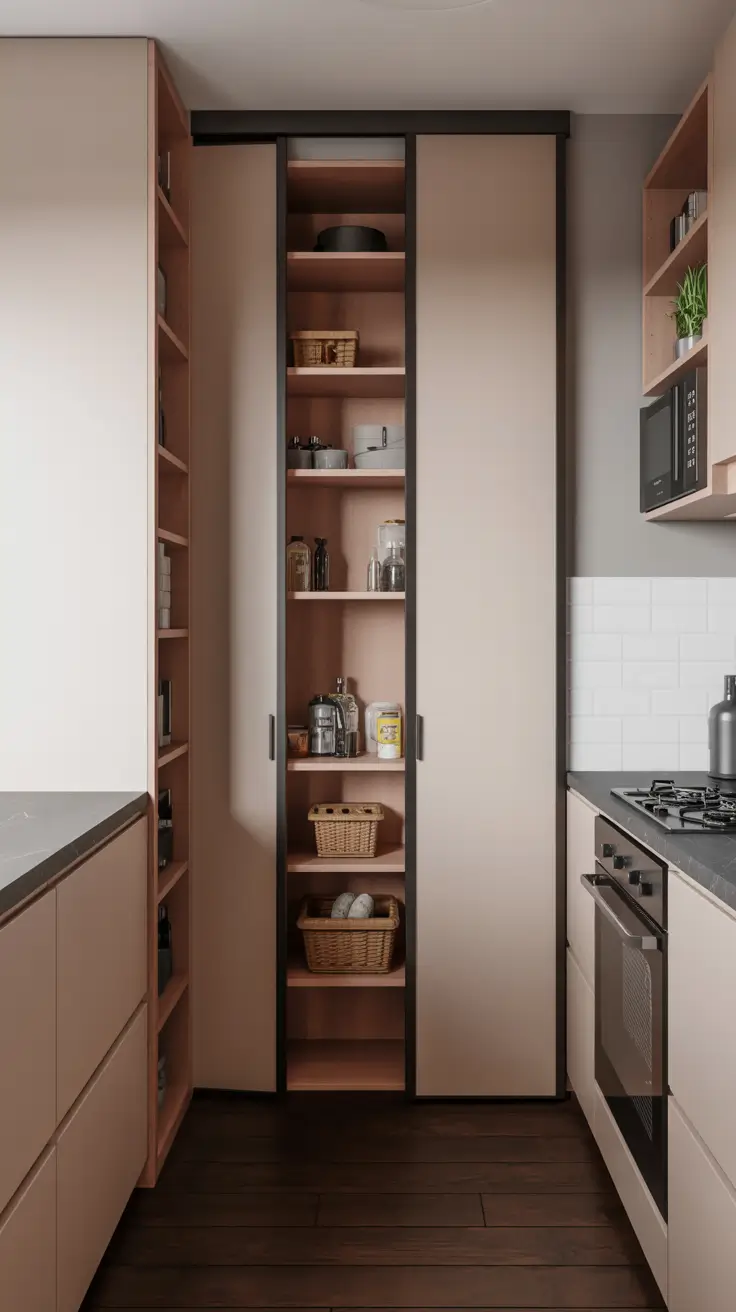
I often use sliding doors, pocket doors, or glass paneled doors to open up the pantry room visually. Interior mounted door racks add extra storage without affecting flow. These ideas food storage solutions make the door an active part of pantry organization.
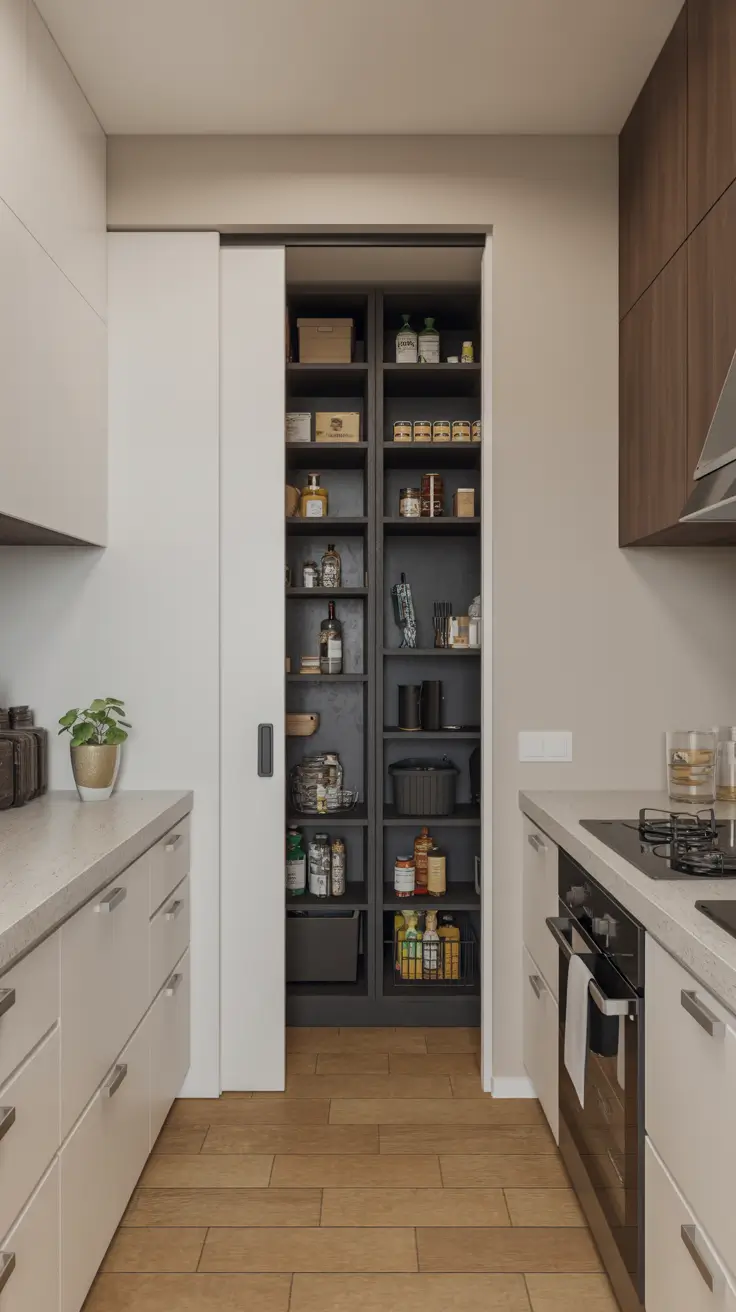
Personally, I prefer doors that blend seamlessly with the kitchen or closet design. Designers frequently recommend visual continuity, and I see better results when the pantry door feels integrated rather than separate.
To strengthen this section, I would add soft close hardware and sound dampening features to improve the daily user experience.
22. Tiny Pantry Ideas Food Storage Solutions
When I work on tiny pantry ideas food storage solutions, I focus on preserving food quality while keeping the pantry visually calm. In 2026, tiny pantry designs prioritize smart zoning and breathable storage so dry goods, canned food, and fresh produce can coexist in a small pantry room without clutter.
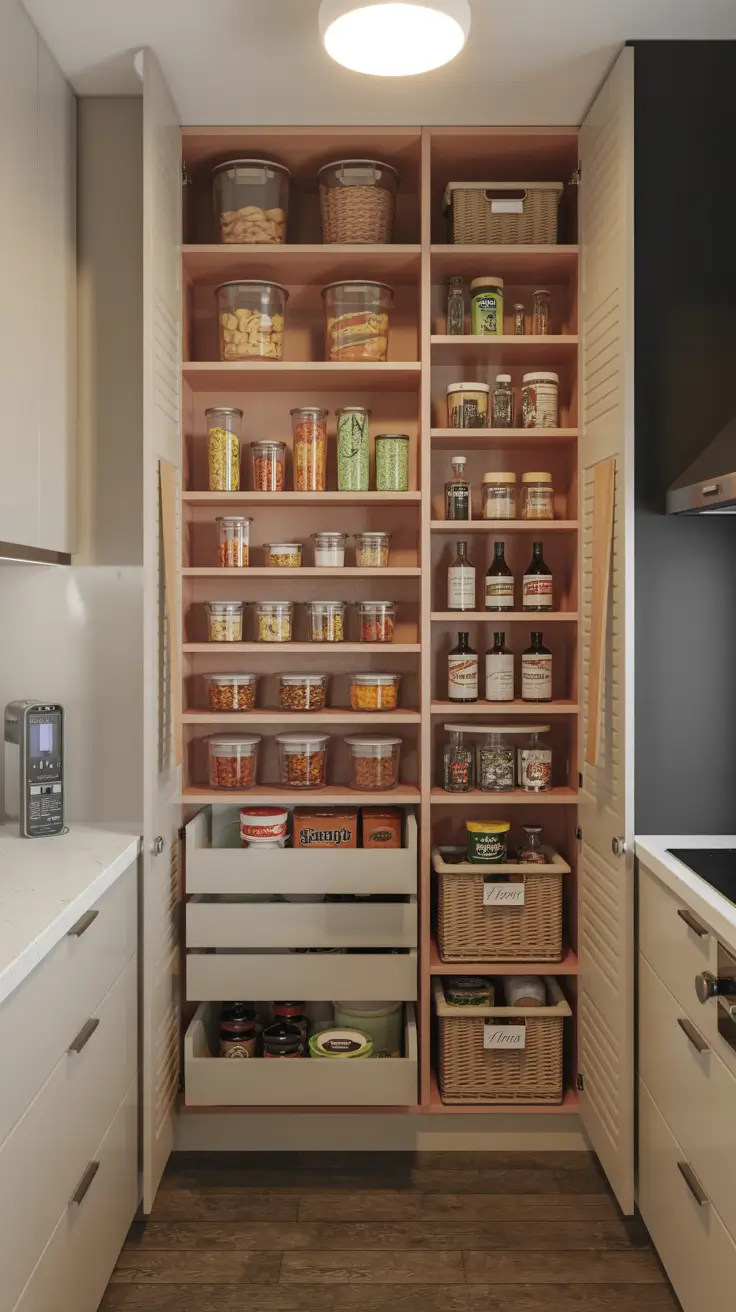
I usually include airtight containers, stackable glass jars, shallow drawers for packets, and pull out baskets for vegetables. These elements work equally well in a tiny kitchen pantry design or a tiny pantry closet design. Clear containers support organization ideas storage because they reduce overbuying and help maintain order.
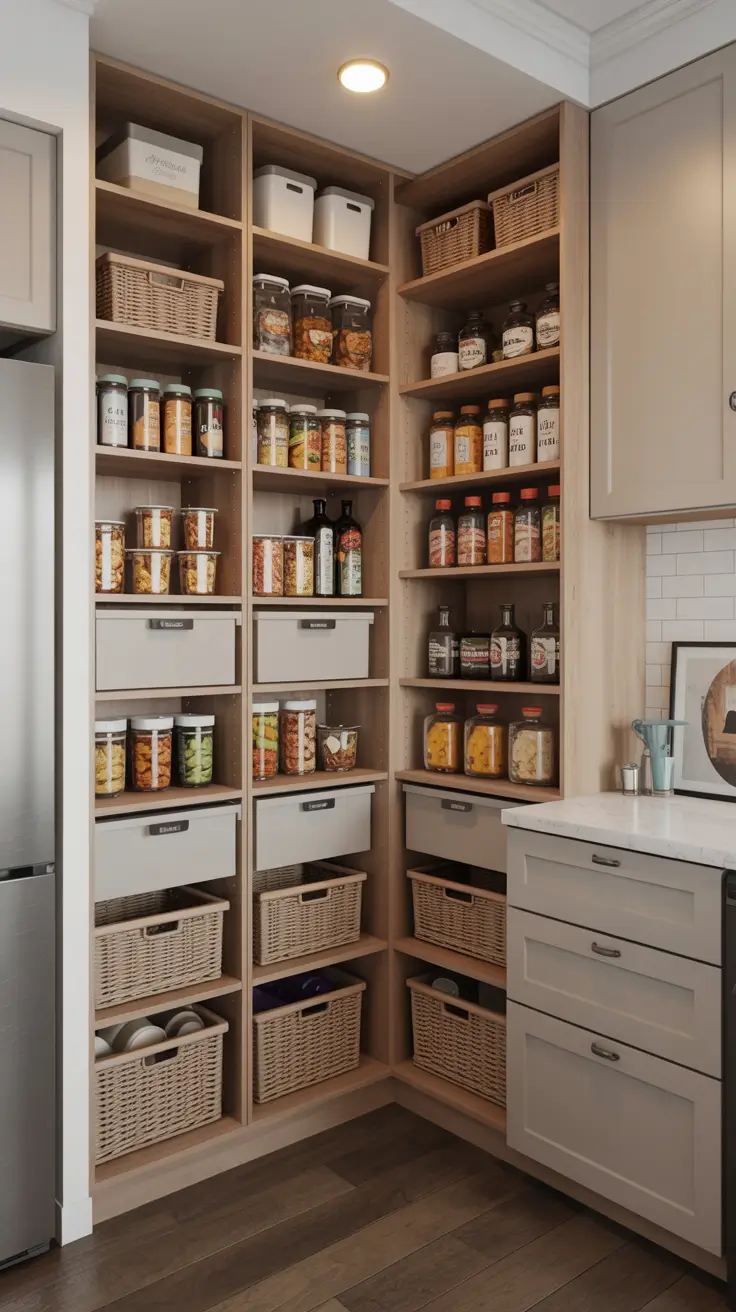
From my professional experience, many US interior designers emphasize visibility and airflow in pantry spaces, especially for food storage. I have seen better long term organization when food categories are clearly separated and easy to access, which aligns with best practices shared in interior design media.
What I would add here is temperature zoning. Even in a tiny pantry, separating heat sensitive items from appliances or warm walls improves food longevity and overall pantry performance.
23. Tiny Pantry Organization Systems for Small Homes
Organization systems are the foundation of successful tiny pantry design in small homes. I approach this by creating repeatable systems that work whether the pantry is part of a kitchen, closet, or even a tiny office pantry design. The goal is consistency and ease of use.
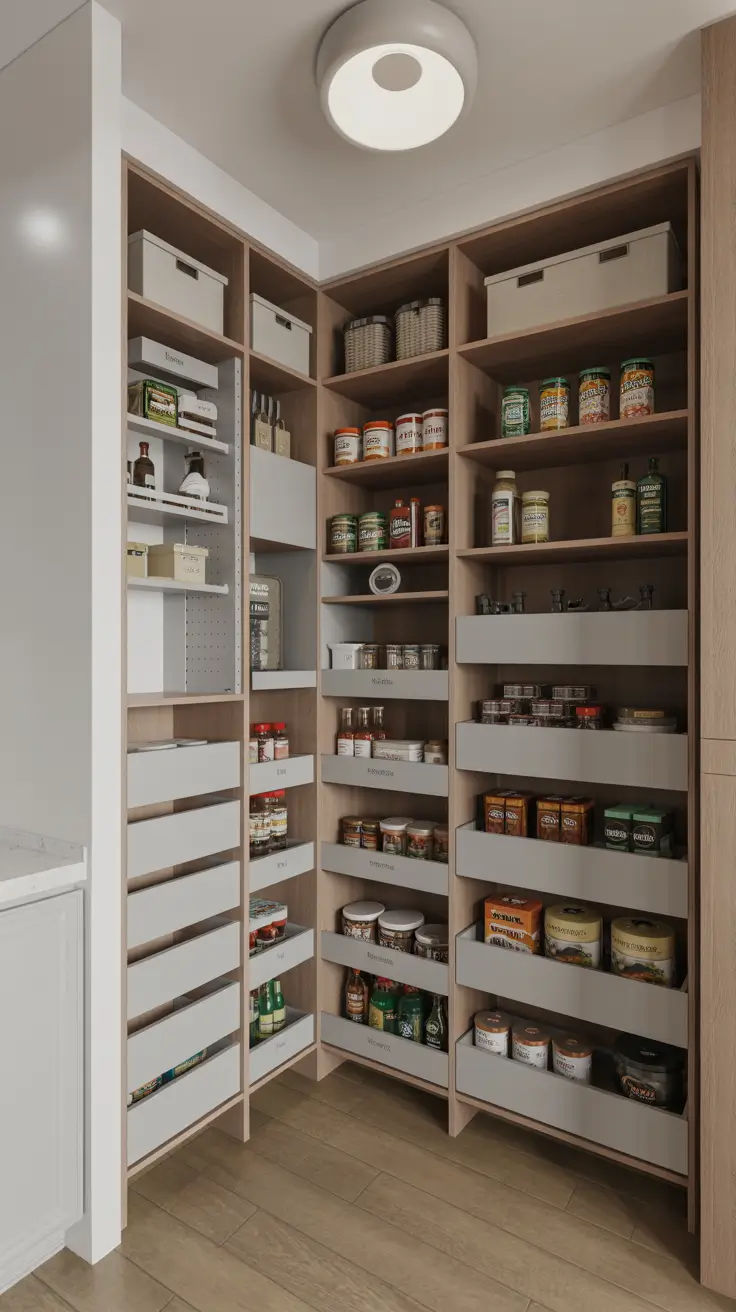
I integrate labeled zones, adjustable shelves, pull out racks, and drawer dividers. These closet organization ideas adapt well to different layouts and support long term organization ideas shelves strategies. Systems should feel intuitive so every household member can maintain order without effort.
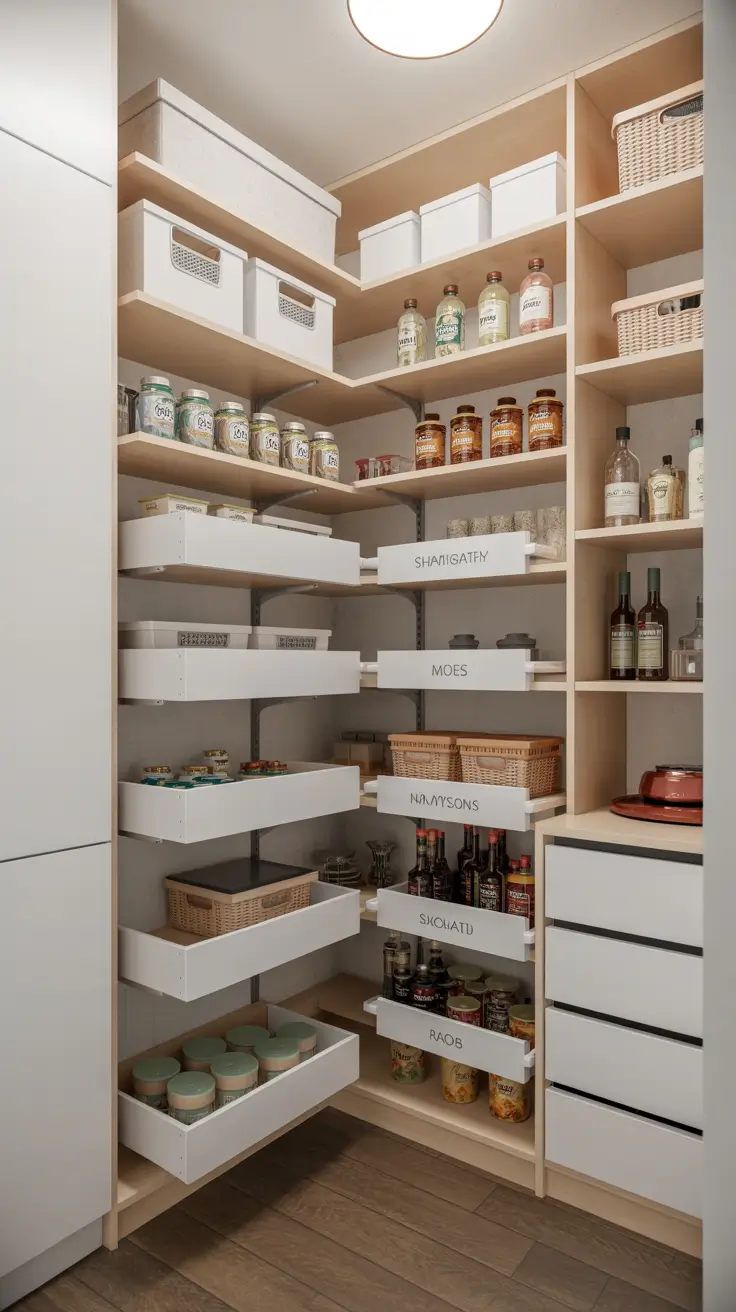
In my experience, designers often note that systems fail when they are too complex. I agree and always recommend simple rules, such as one category per shelf or one container type per zone. This approach aligns with widely accepted organization principles used by professional organizers in the US.
To complete this section, I would add a maintenance plan. A simple monthly reset routine helps keep the organization system functional and prevents gradual clutter buildup.
24. Tiny Pantry Design 2026 Inspiration and Final Concepts
Tiny pantry design 2026 is about blending inspiration with realism. I see a clear shift toward pantry rooms that feel like intentional interiors rather than hidden storage. This applies to tiny walk in pantry design, under stairs solutions, and compact kitchen pantry rooms.
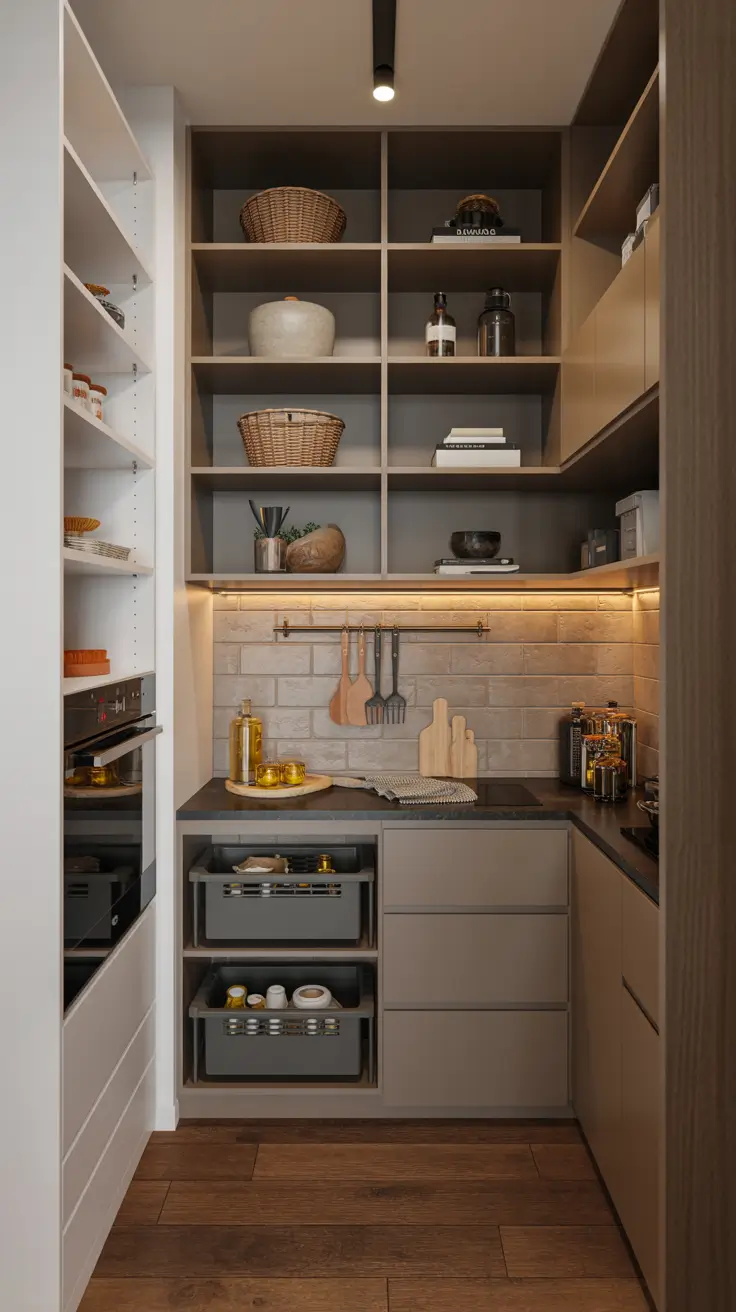
I combine warm materials, smart lighting, flexible shelving, and thoughtful layouts to create pantries that feel welcoming. Whether it is a closet makeover or a new kitchen pantry design, every element should serve both function and aesthetics. These final concepts bring together ideas layout, organization, and modern design trends.
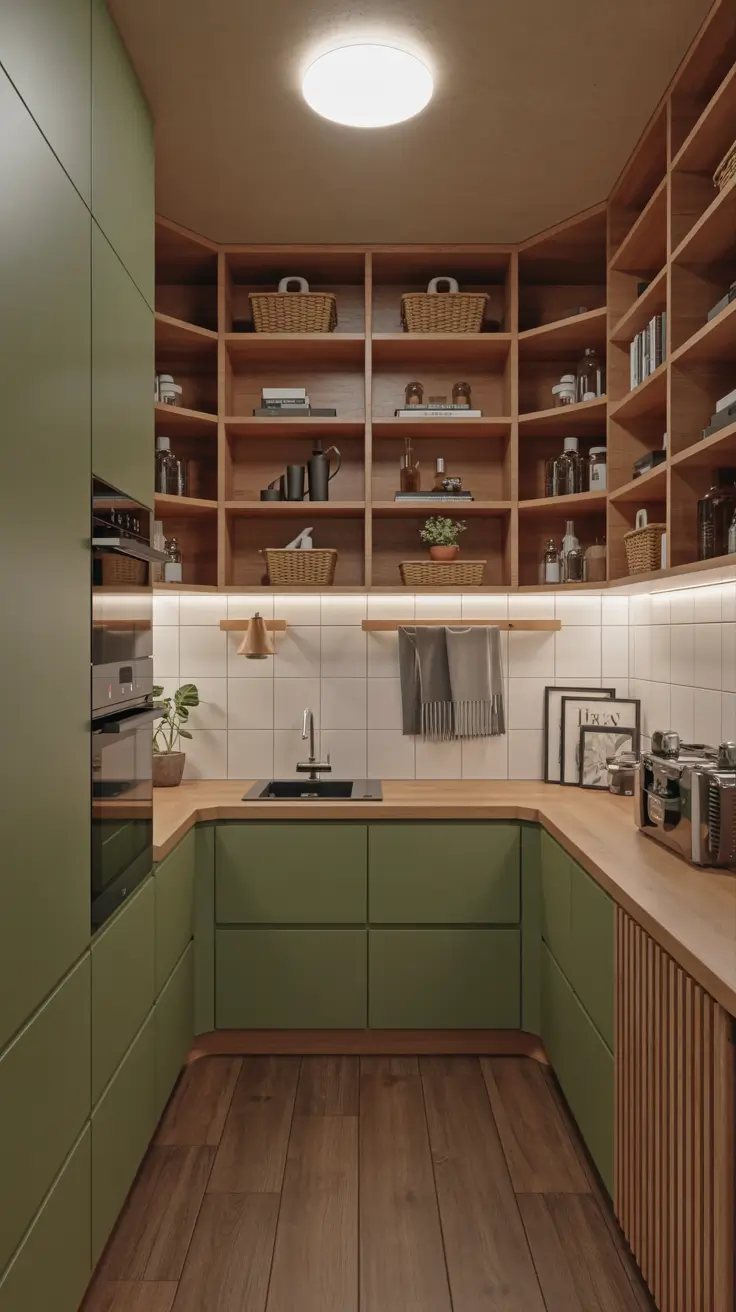
Personally, I believe the best inspiration comes from real life use. Many respected designers encourage designing for daily habits rather than perfection, and I have found this advice extremely valuable. A pantry that supports real routines will always outperform one designed only for visuals.
What I would add here is personalization. Including space for favorite ingredients, small decor accents, or family specific needs makes a tiny pantry feel complete and truly functional.