A beautiful outdoor space does not have to demand constant work. Many homeowners today are searching for low maintenance garden ideas that combine smart design, resilient plants, and simple layouts that stay attractive throughout the year. In 2026, the focus on low maintenance garden design is stronger than ever, especially in Australia and the UK where homeowners want stylish landscapes without endless gardening tasks.
But what actually makes low maintenance gardens work? Is it the choice of plants, the design layout, or the materials used for paths and borders? In this article I explore practical low maintenance gardening strategies, modern design ideas, and proven approaches such as Australian front yard landscape planning, easy garden beds, and budget friendly layouts that still look premium.
1. Low Maintenance Garden 2026 – Smart Ideas for a Beautiful and Effortless Outdoor Space
When I design a low maintenance garden in 2026, I focus first on structure and long term practicality. A garden should look intentional and organized even when plants are not in peak bloom. I often begin with a clean design layout that includes gravel areas, structured garden beds, and simple pathways. This approach works especially well for modern homes because it creates a balanced outdoor space that feels calm and visually tidy without requiring constant trimming or planting.
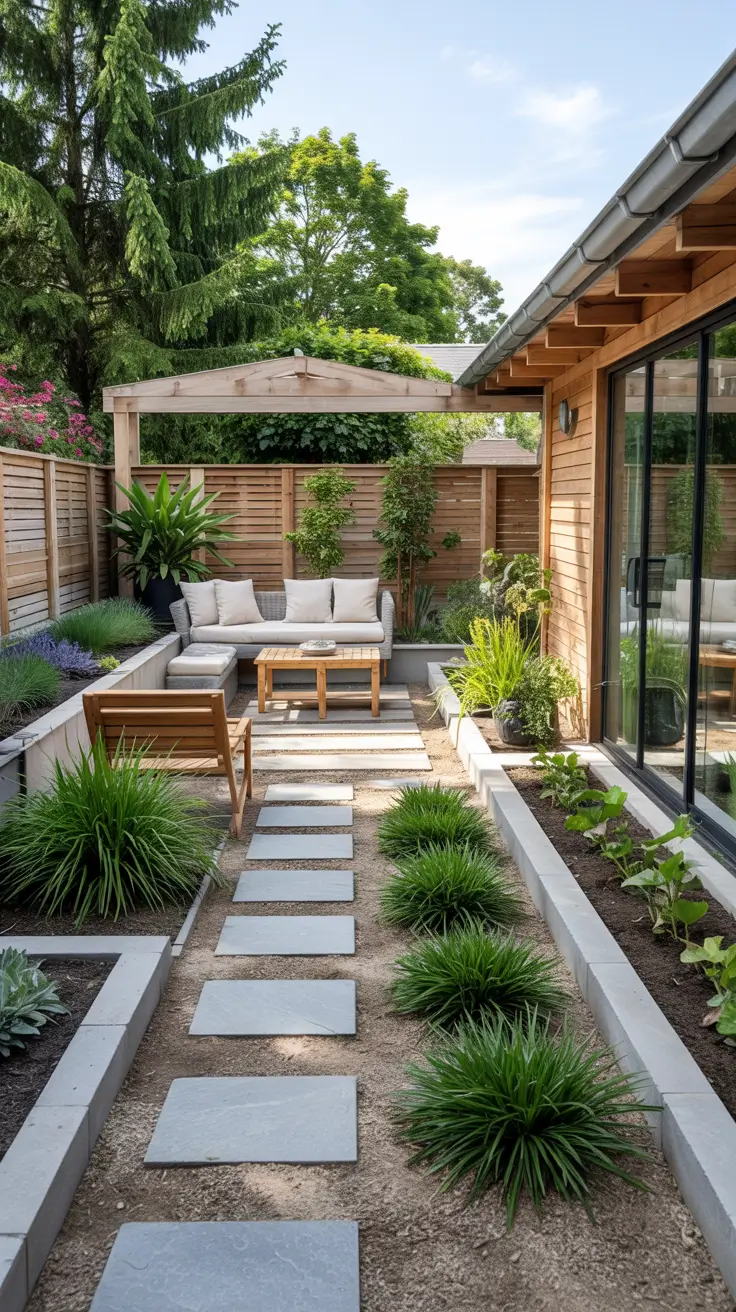
In my experience, every element should serve a purpose. Raised low maintenance garden beds allow plants flower beds to stay organized while preventing weeds from spreading. A stone or decomposed granite path helps control foot traffic and protects soil structure. I also include hardy low maintenance garden plants that tolerate different weather conditions. Decorative gravel, minimalist edging, and modern outdoor seating help the space feel designed rather than accidental.
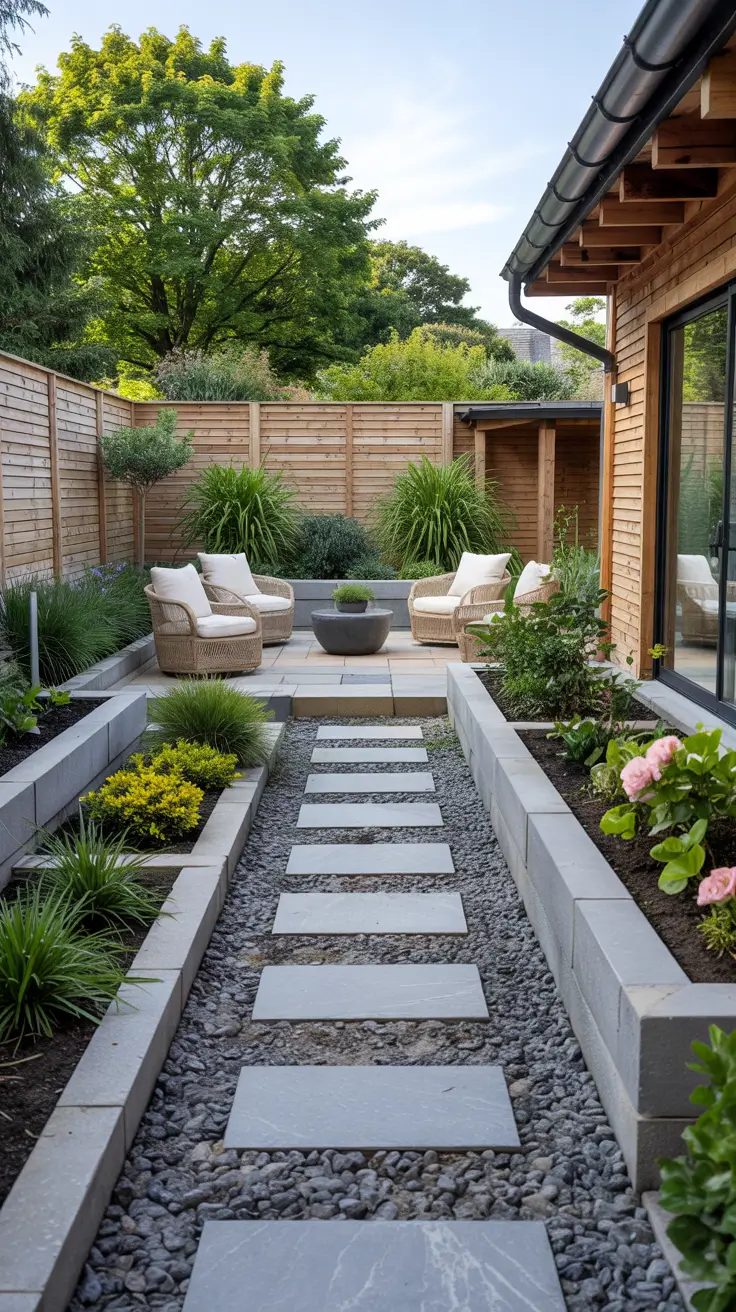
Personally, I find that the best low maintenance gardens rely on fewer but better elements. Landscape designer Piet Oudolf often emphasizes strong structure and perennial plant combinations that maintain interest year round. I follow a similar philosophy by choosing plants that offer texture, foliage contrast, and seasonal variation rather than relying only on flowers.
What I would add to this concept is smart irrigation and soil preparation. A drip irrigation system and quality soil mix dramatically reduce maintenance while helping plants establish strong roots. These invisible elements are often overlooked but they make the entire garden easier to maintain over time.
2. Australian Low Maintenance Garden Ideas for a Stylish Front Yard Landscape
Australian front yard landscape design is a perfect example of how climate conscious gardening can reduce maintenance. When I work with Australian style gardens, I prioritize drought tolerant plants, open gravel spaces, and layered plant beds. These gardens often look modern and architectural while remaining extremely practical for warm climates.
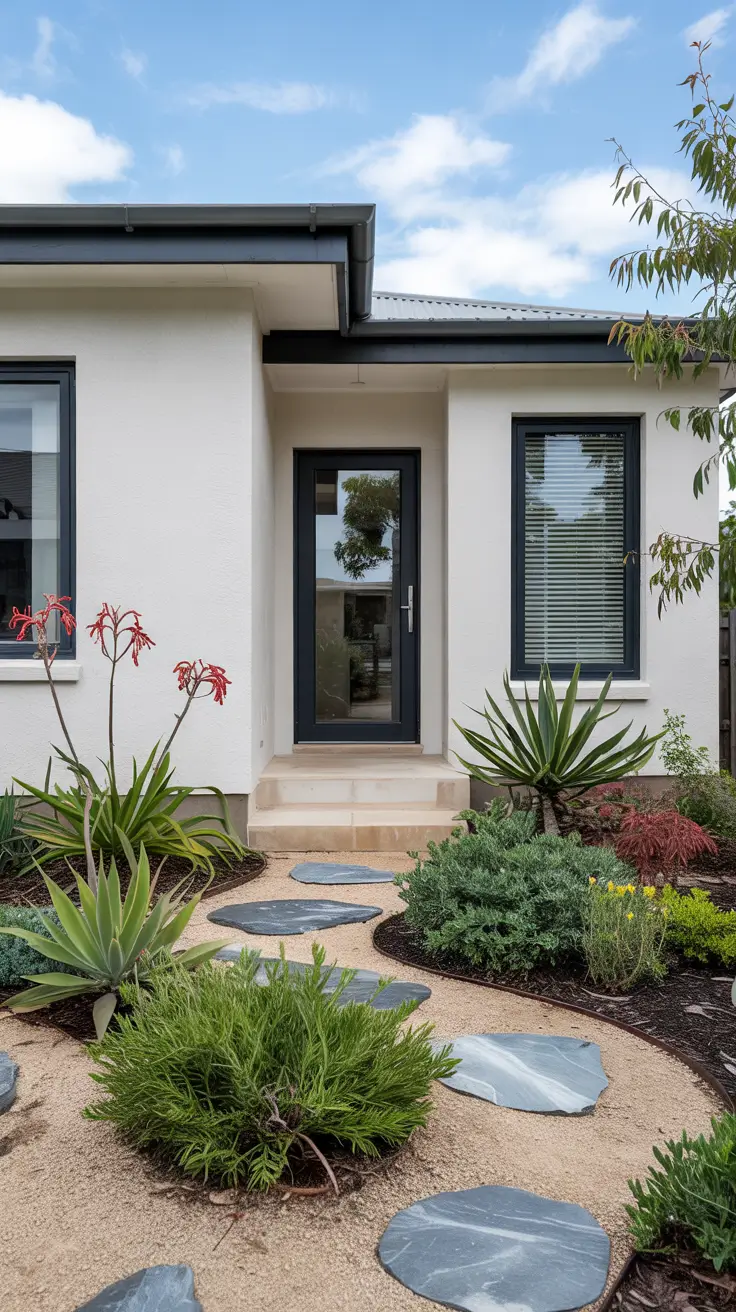
I usually organize an Australian front yard with defined planting zones. A central path leads to the entrance, while garden borders use hardy Australian native plants such as grevillea, kangaroo paw, or lomandra. Decorative stones, minimalist edging, and sculptural plants create a visually striking landscape that does not require constant watering or pruning.
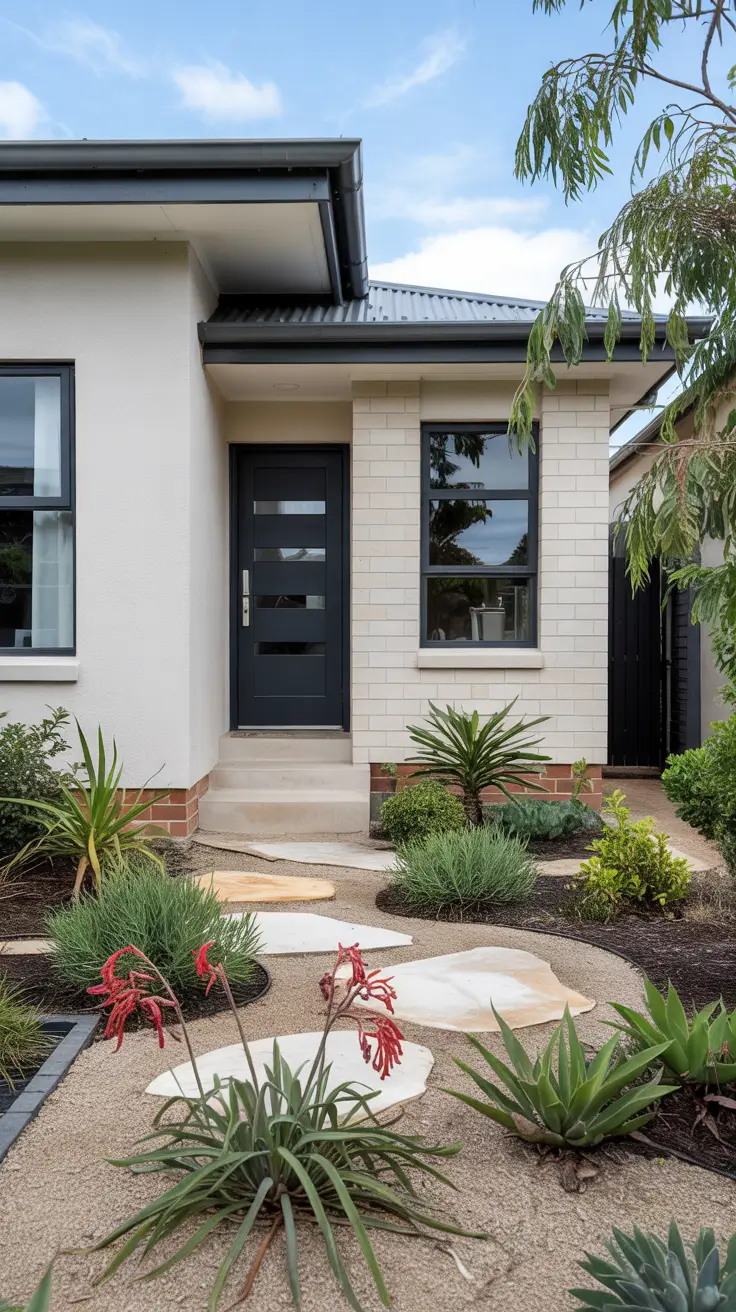
From my perspective, Australian low maintenance garden design works because it embraces the natural environment rather than fighting it. Landscape architects from organizations like Royal Horticultural Society frequently emphasize choosing plants suited to the local climate, and Australian native species are ideal examples of that principle.
To improve this concept even further, I would add layered lighting and subtle garden sculpture. These elements allow the garden to remain visually interesting even when plants are not flowering, which is important for front yard design.
3. Modern Low Maintenance Garden Design Trends for 2026
Modern low maintenance garden design in 2026 is strongly influenced by architecture. I often see outdoor spaces treated almost like extensions of the home, using clean lines, neutral materials, and structured planting. Instead of traditional lawns, designers are using gravel courtyards, minimalist plant beds, and modern outdoor furniture to create a polished landscape.
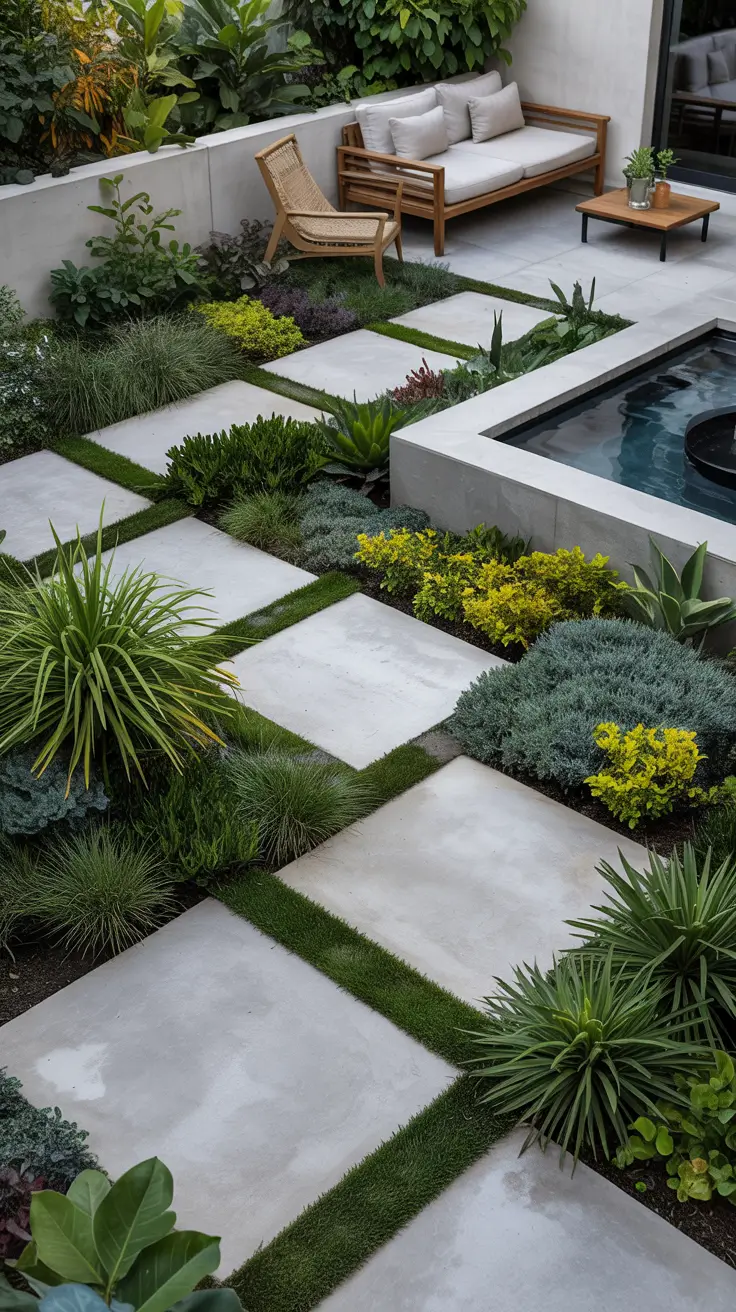
One of my favorite elements is the use of geometric layouts. Rectangular garden beds, concrete stepping stones, and linear pathways help create a sense of order. I typically combine these structural elements with ornamental grasses, evergreen shrubs, and sculptural plants that require minimal pruning.
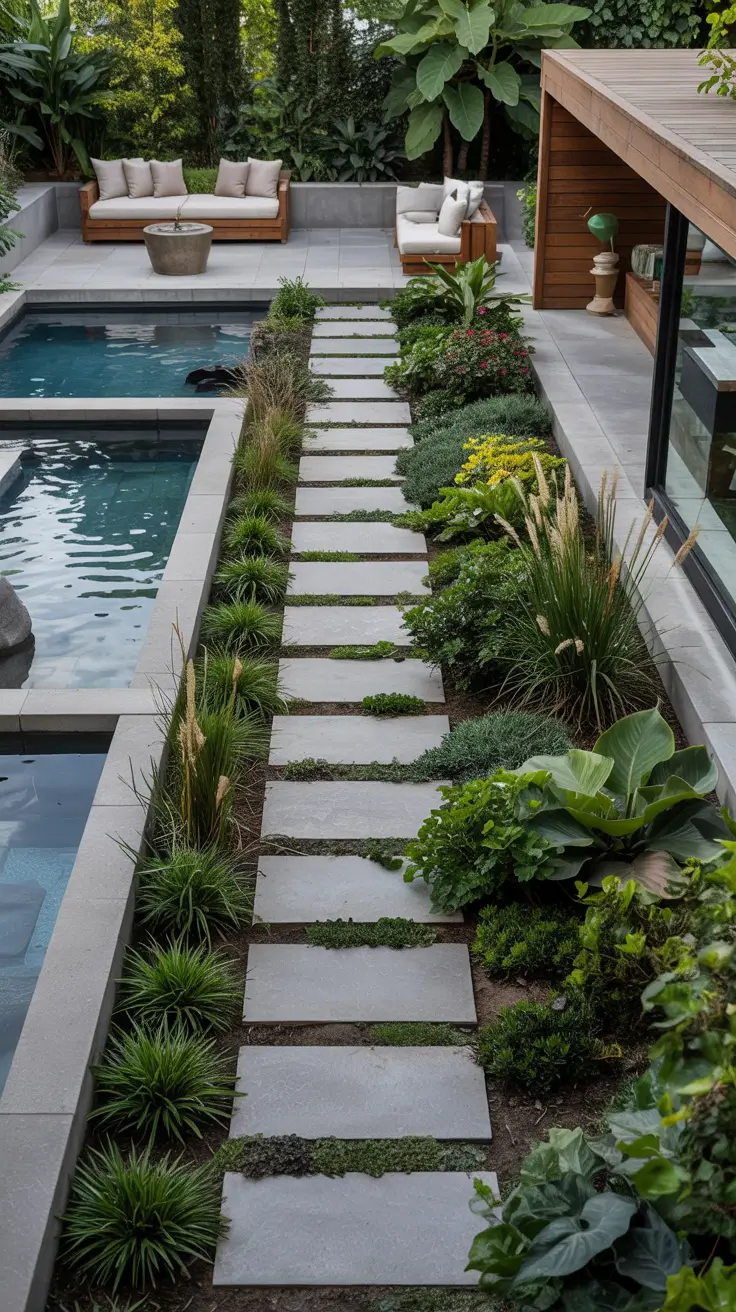
In my own projects I often reference ideas from designers featured in publications such as Architectural Digest, where outdoor living spaces are treated with the same attention as interior design. A simple pergola, built in bench, or minimalist water feature can elevate a garden while keeping maintenance low.
What I would add here is thoughtful storage and utility areas. Hidden tool storage, integrated planters, and compact compost systems can make the garden more functional without disrupting the clean design aesthetic.
4. Simple Low Maintenance Garden Layout Ideas That Always Look Clean
A simple garden layout is often the secret behind a truly low maintenance landscape. When I start planning a garden, I divide the space into clear zones. Typically this includes a pathway, a main planting bed, and a focal area such as a seating space or decorative feature. This structure keeps the garden visually organized and prevents plants from becoming overwhelming.
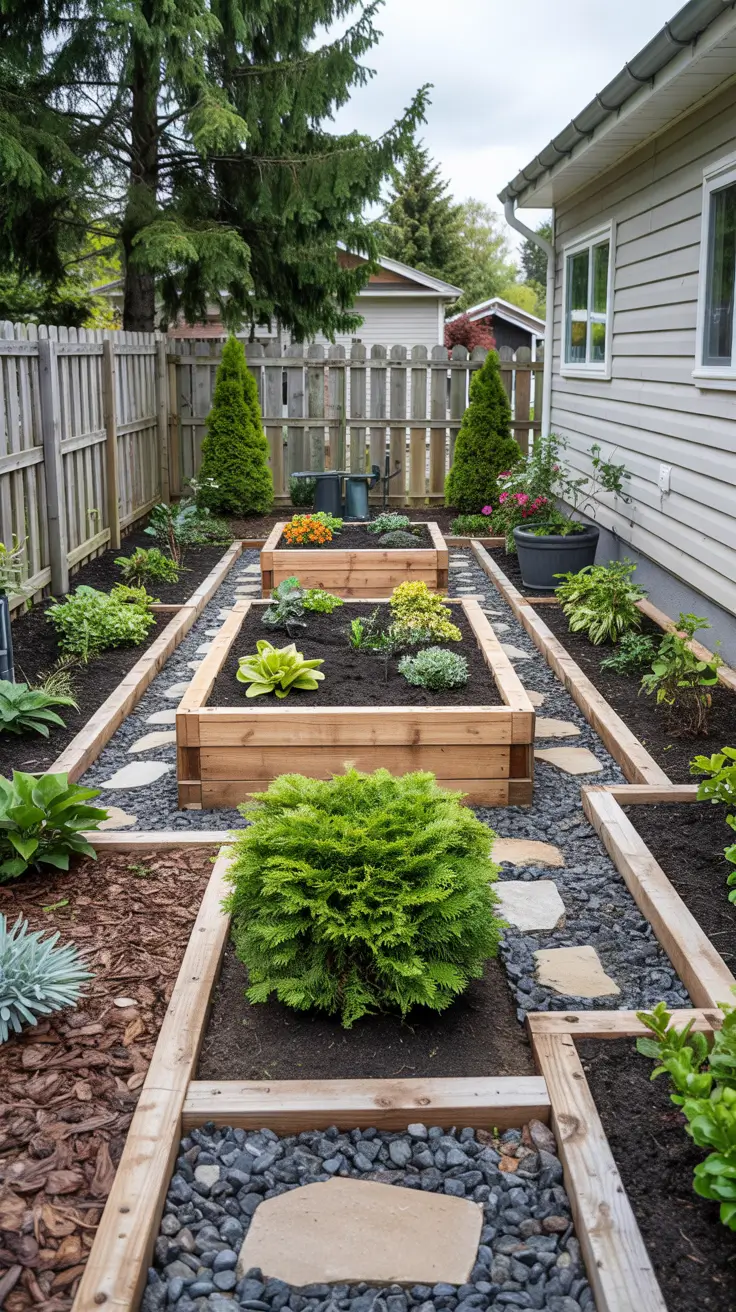
I usually rely on a combination of gravel paths, raised beds, and defined borders. Raised beds make planting easier and reduce soil compaction, while borders help keep grass and weeds from spreading into planting areas. Choosing evergreen shrubs or hardy perennials ensures that the garden maintains structure even during colder seasons.
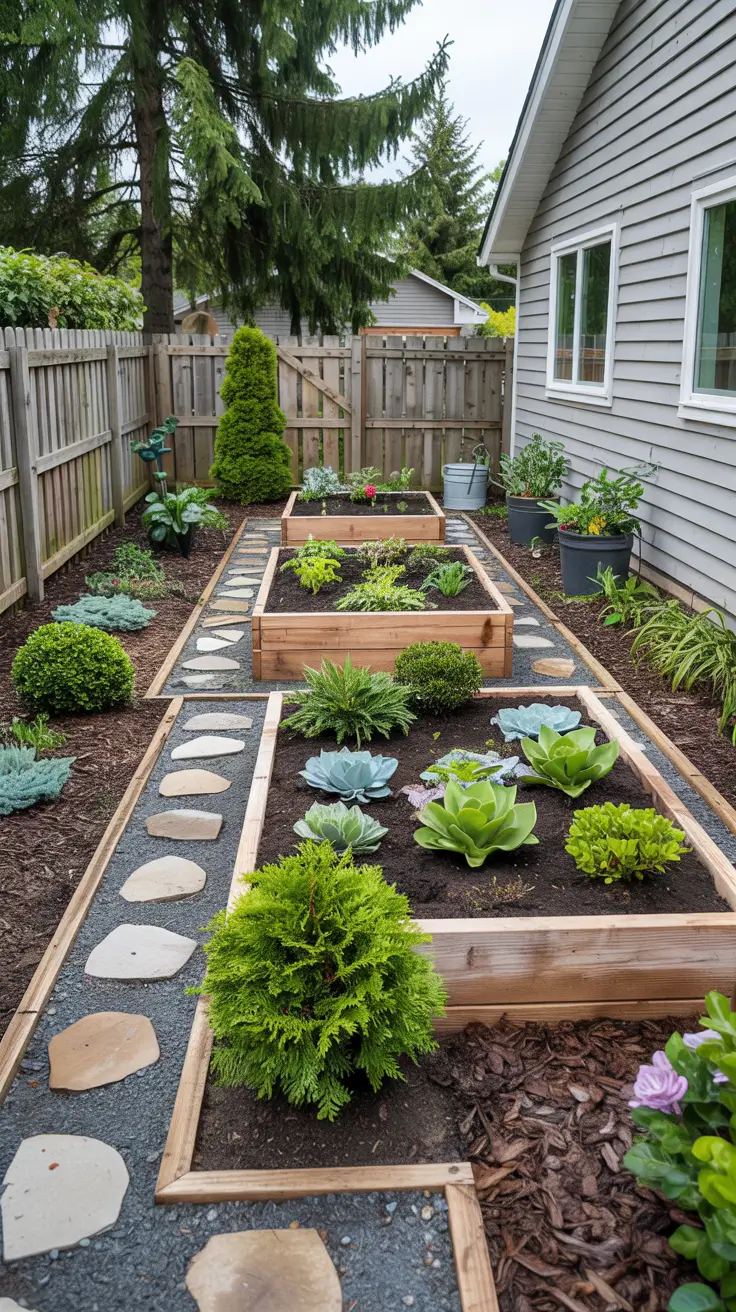
From my experience, homeowners often underestimate how much maintenance a complicated layout can create. Garden designers featured by Garden Design Magazine often recommend simplifying layouts to reduce long term work. Fewer plant varieties and clearer structure mean fewer problems later.
One improvement I often suggest is adding mulch or decorative bark around plants. This simple addition retains moisture, reduces weeds, and helps the garden maintain a neat appearance throughout the year.
5. Low Maintenance Garden Ideas on a Budget That Still Look Premium
Creating a stylish garden does not require an unlimited budget. Many of my favorite low maintenance garden ideas on a budget rely on smart material choices and creative layouts rather than expensive features. Gravel paths, recycled stone, and simple timber edging can produce a modern landscape that looks far more expensive than it actually is.
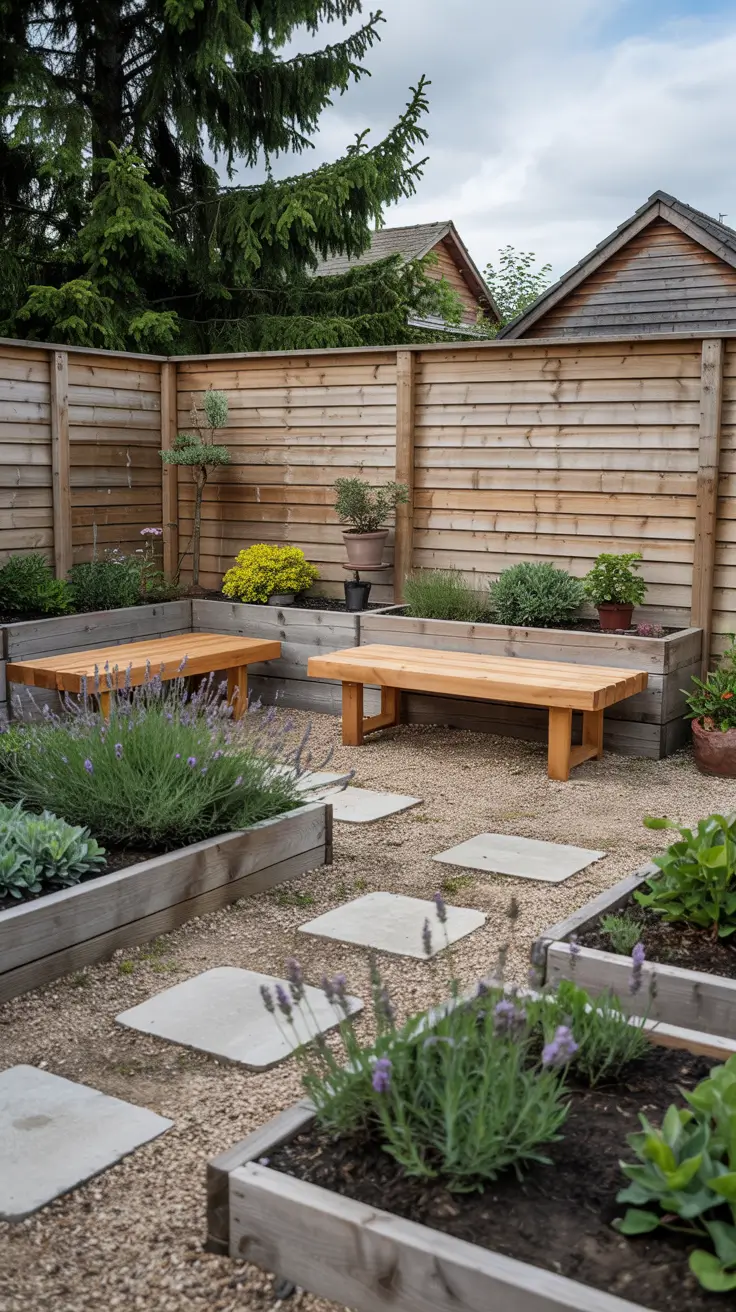
When I design a budget friendly garden, I focus on a few strong visual elements. A single raised garden bed, a minimalist bench, and a clean pathway can create a cohesive design. Hardy plants such as lavender, ornamental grasses, and drought tolerant shrubs offer long lasting beauty without requiring frequent replacement.
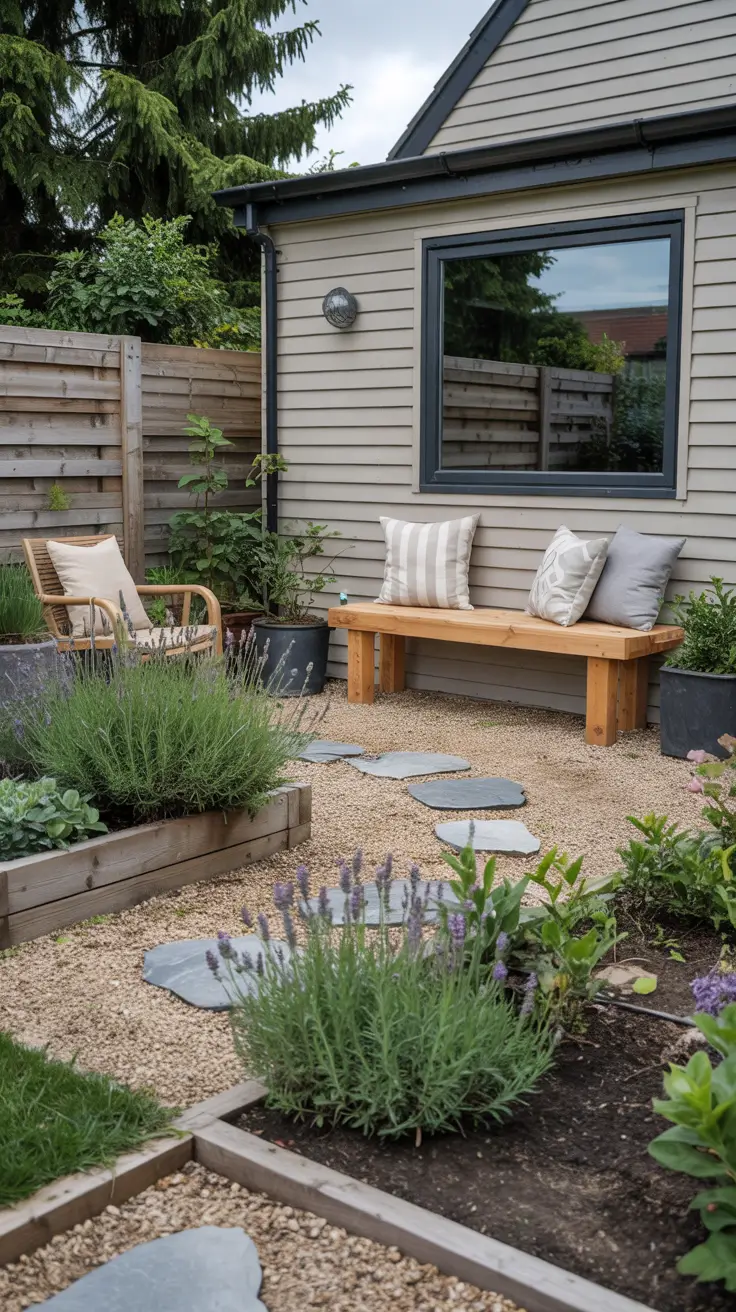
Personally, I often recommend investing in a few high quality focal plants rather than filling the garden with many small ones. According to guidance frequently shared by Better Homes & Gardens, a limited plant palette creates stronger visual impact and reduces maintenance costs.
To strengthen this concept further, I would suggest adding simple outdoor lighting. Solar lights along a path or border dramatically improve evening atmosphere without increasing energy costs or installation complexity.
6. Low Maintenance Garden Ideas UK Homeowners Love in 2026
In the UK climate, low maintenance gardens often focus on year round greenery and weather resistant materials. I typically design these gardens with structured borders, evergreen shrubs, and durable stone paths that can handle frequent rain and seasonal temperature changes.
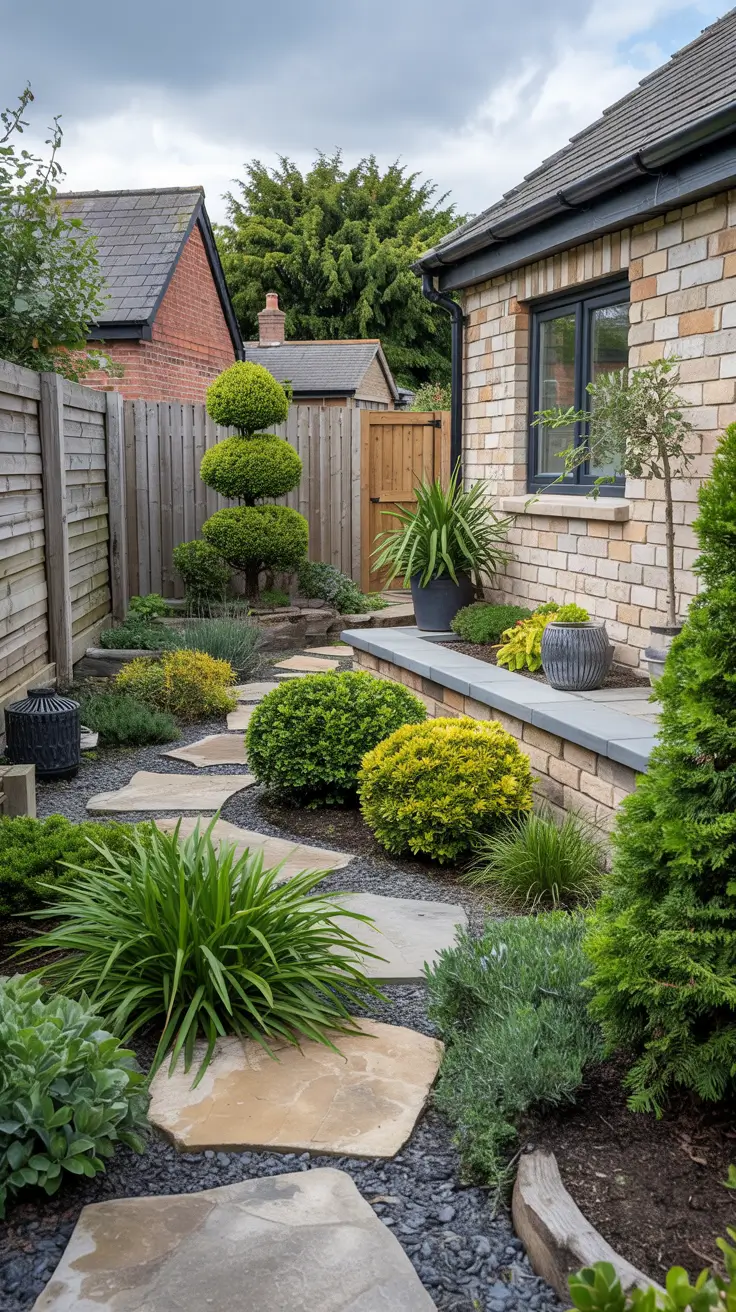
A popular approach I use is combining compact shrubs with ornamental grasses and perennial plants. This creates layered texture without demanding constant pruning. Gravel patios and stone stepping paths also help reduce muddy areas while keeping the layout visually appealing.
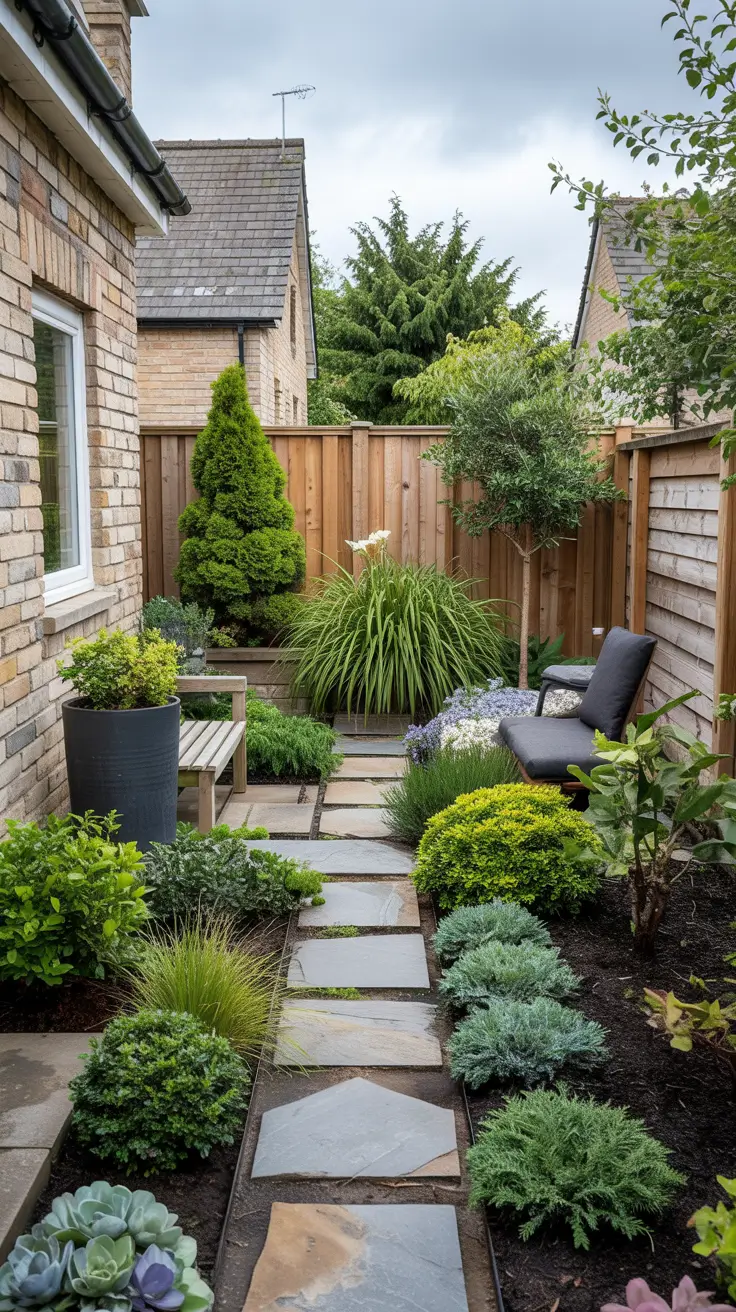
From my perspective, UK gardeners benefit greatly from choosing reliable plants suited to local conditions. Advice from institutions such as the Royal Horticultural Society frequently emphasizes hardy varieties that perform well in cooler climates, which aligns perfectly with low maintenance gardening.
One improvement I would suggest for UK gardens is the addition of rain friendly drainage solutions. Permeable gravel paths and raised planting beds help manage excess moisture and protect plant roots.
7. Australian Front Yard Low Maintenance Garden Design Inspiration
The Australian backyard and front yard landscape style continues to influence global garden design because of its practicality. When I create an Australian inspired front yard, I focus on open space, bold textures, and drought tolerant plants arranged in structured beds.
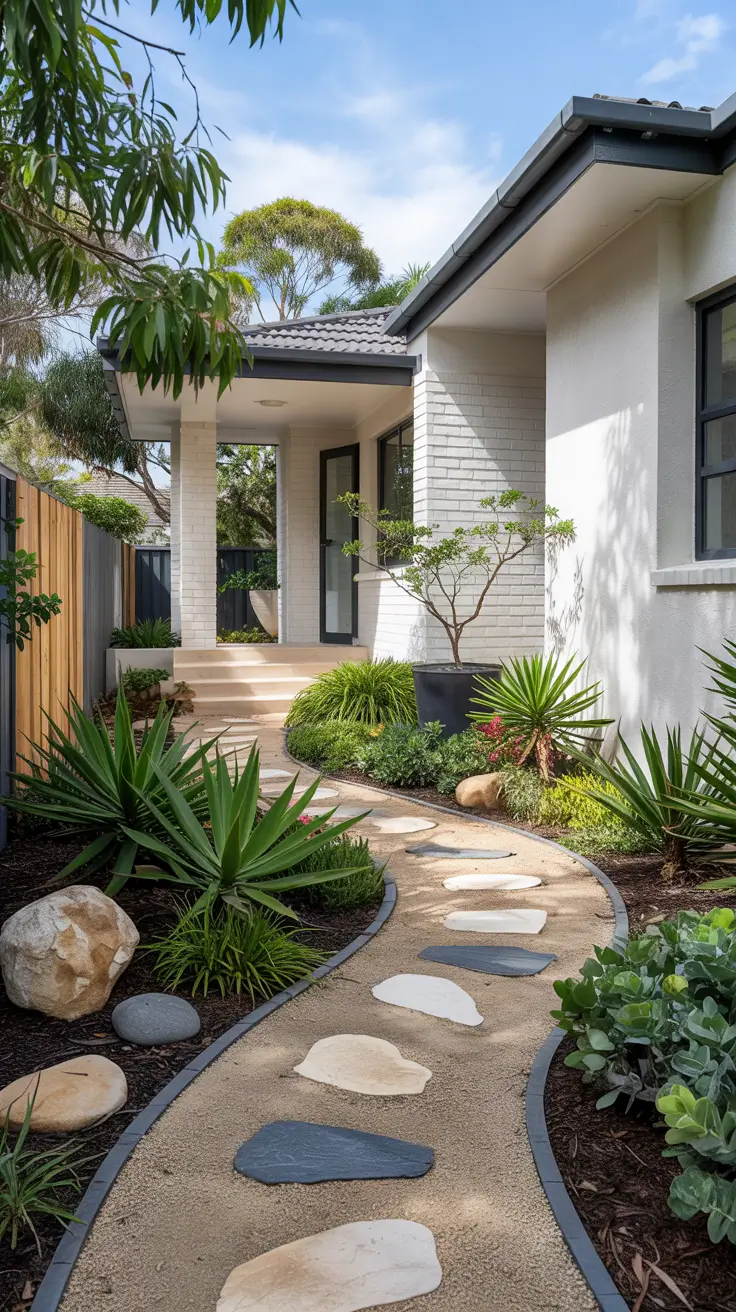
A typical design might include a curved gravel path leading through native planting areas. Kangaroo paw, banksia, and low growing eucalyptus varieties provide color and structure while requiring very little water. Large decorative stones and natural mulch help unify the entire landscape.
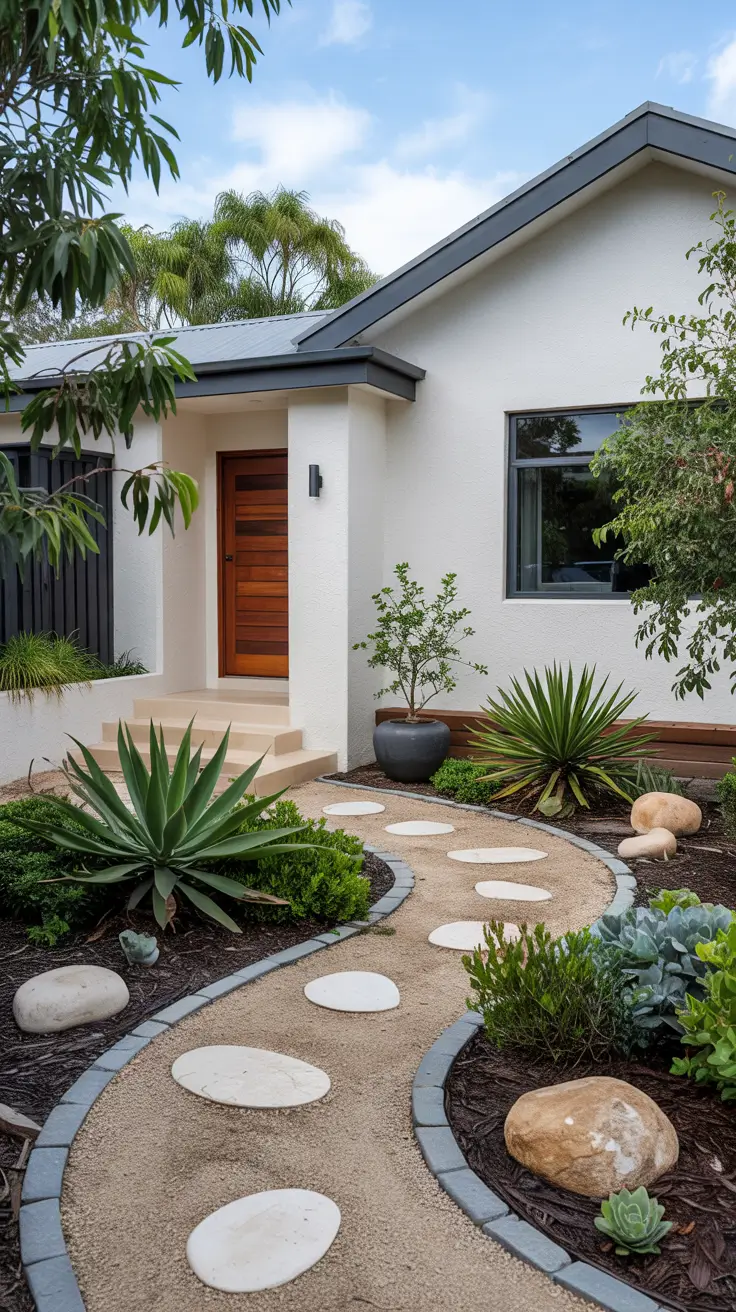
I personally appreciate how Australian garden design celebrates the surrounding environment. Many professional landscape designers working across Australia emphasize naturalistic layouts that mimic the local ecosystem, which reduces maintenance and supports biodiversity.
To enhance this concept further, I would integrate a shaded seating area or small pergola. This transforms the front yard from a purely decorative space into a functional outdoor living area.
8. Low Maintenance Garden Bed Ideas for Easy Care Flower Beds
When I design a low maintenance garden bed, my first goal is to create a structure that naturally controls weeds and keeps plants organized. I usually prefer slightly raised beds with clean edging because they immediately give the garden a neat appearance. In many modern gardens, especially in Australia and the UK, simple rectangular beds filled with gravel mulch or bark mulch work extremely well. They allow plants flower beds to stay visually tidy while also improving drainage and reducing the need for constant care.
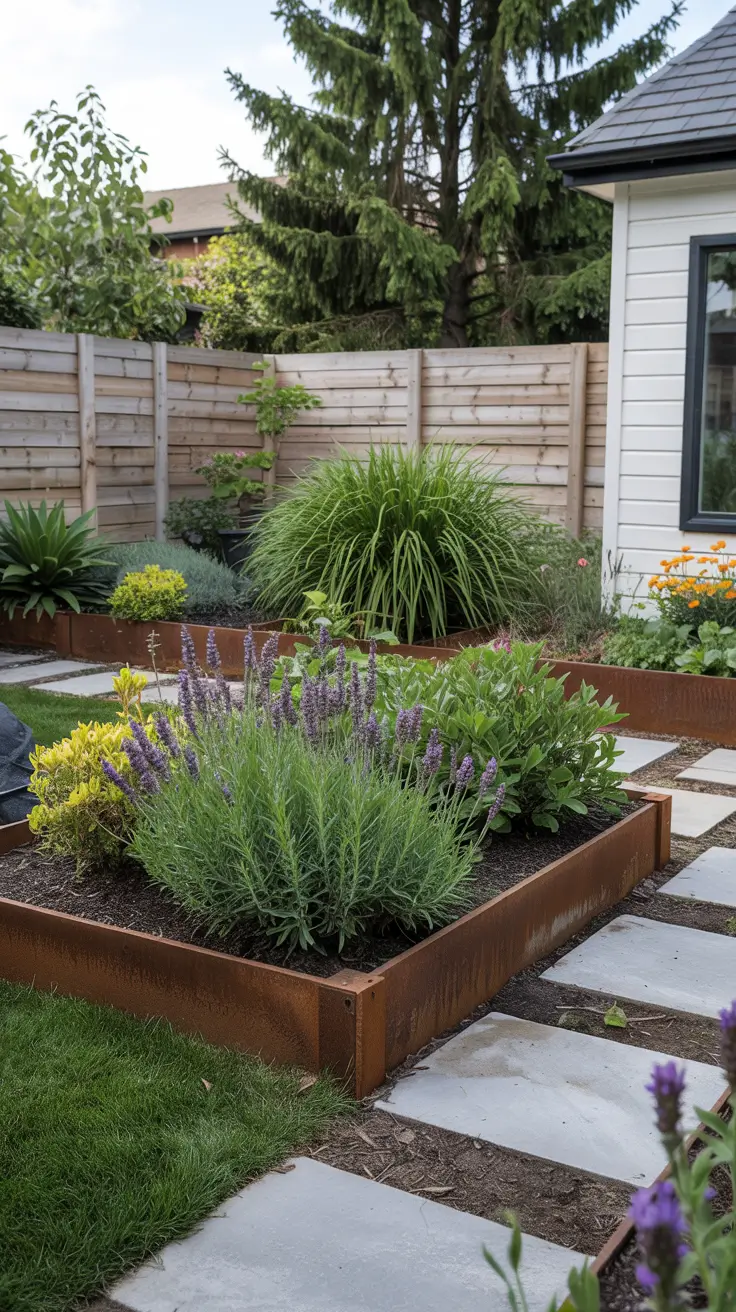
In my projects, I often combine a few carefully selected low maintenance garden plants rather than overcrowding the bed. Ornamental grasses, lavender, hardy perennials, and evergreen shrubs are reliable options. I like to place taller plants at the back of the bed and lower plants toward the border so the design layout always looks balanced. Adding decorative stone edging or metal borders helps keep soil in place and prevents grass from invading the planting area.
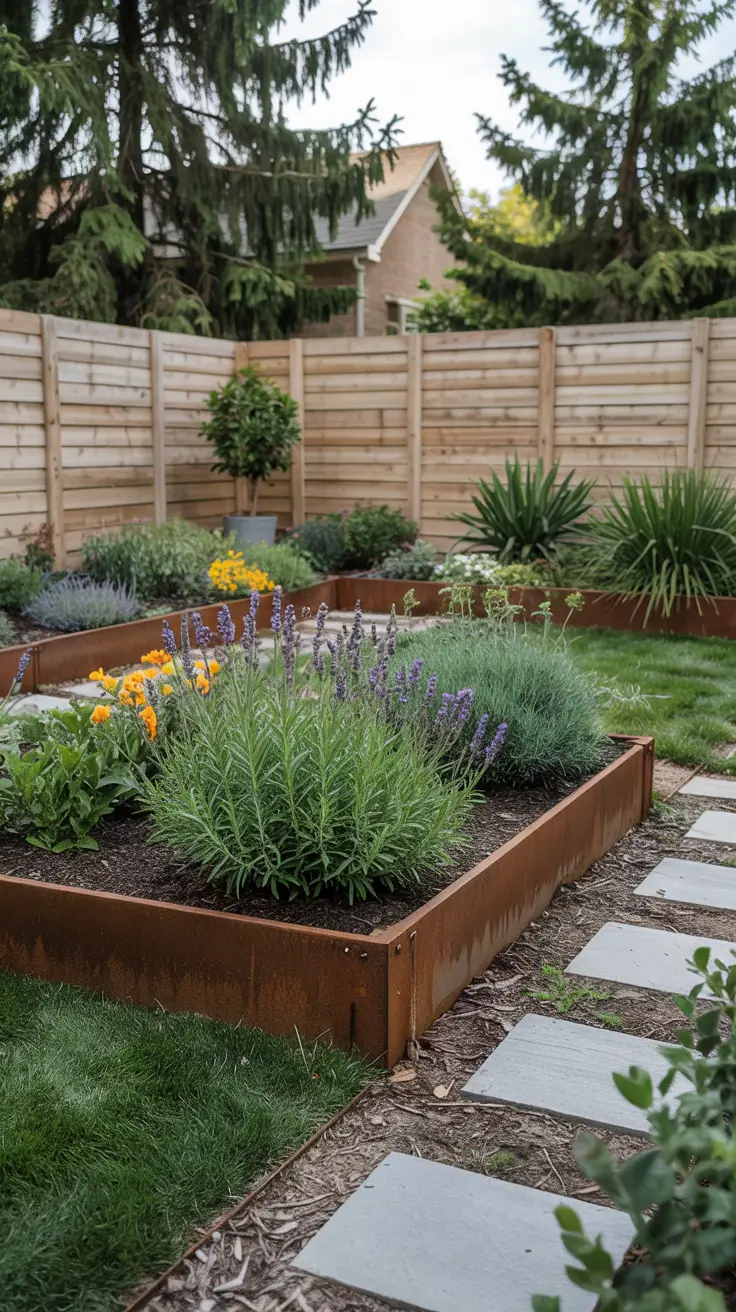
From my experience, one of the biggest mistakes people make is planting too many varieties in one bed. Professional gardeners and editors from Better Homes & Gardens often recommend limiting plant palettes to create stronger visual impact and reduce maintenance. I follow this approach because fewer plant varieties make seasonal care far easier.
What I would also add to these beds is an automatic drip irrigation line hidden beneath the mulch. This small addition dramatically reduces watering work and ensures that plants receive consistent moisture even during hot periods.
9. Best Low Maintenance Garden Plants for Year Round Beauty
Choosing the right plants is one of the most important decisions when creating low maintenance gardens. When I select plants for a long lasting landscape, I focus on species that look attractive throughout the year rather than only during flowering season. Evergreen shrubs, ornamental grasses, and hardy perennials are some of the most reliable options for both modern and traditional garden design.
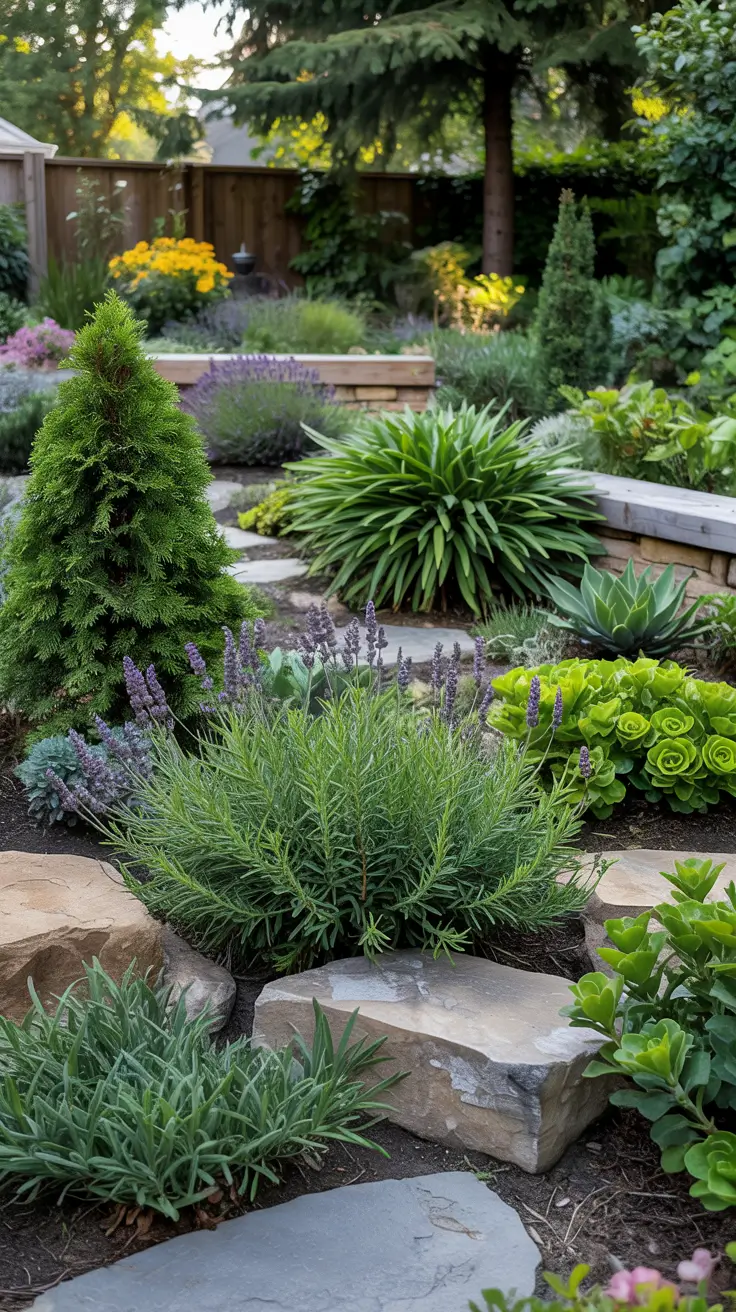
I typically combine plants with different textures and heights to create visual interest. For example, lavender, salvia, and hardy sedum provide seasonal color while evergreen shrubs give the garden structure. Ornamental grasses add movement and softness to garden borders. These plants require very little pruning and can thrive with minimal watering once established.
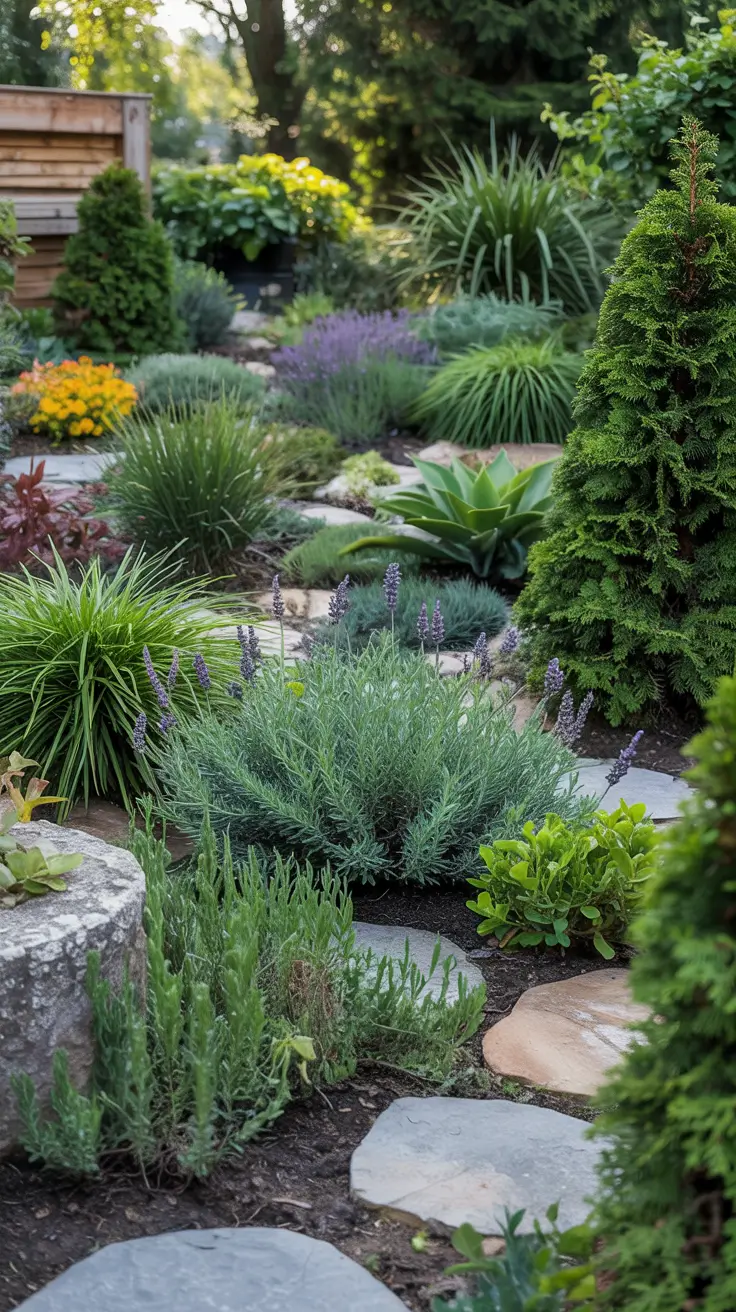
Personally, I always recommend researching plants that match the local climate. Organizations such as the Royal Horticultural Society regularly emphasize that climate appropriate plants dramatically reduce maintenance. When plants naturally suit the environment, they grow stronger and require fewer interventions from the gardener.
If I wanted to improve this planting strategy further, I would incorporate more foliage focused plants such as heuchera or evergreen groundcovers. These species maintain color and texture even outside the flowering season, ensuring the garden remains attractive all year.
10. Australian Native Plants for a Low Maintenance Garden
Australian native plants are some of the best choices for creating a resilient low maintenance garden. When I design gardens inspired by Australian landscapes, I focus on plants that naturally tolerate drought, poor soil, and strong sunlight. This makes them ideal for homeowners who want a beautiful garden without constant watering or fertilizing.
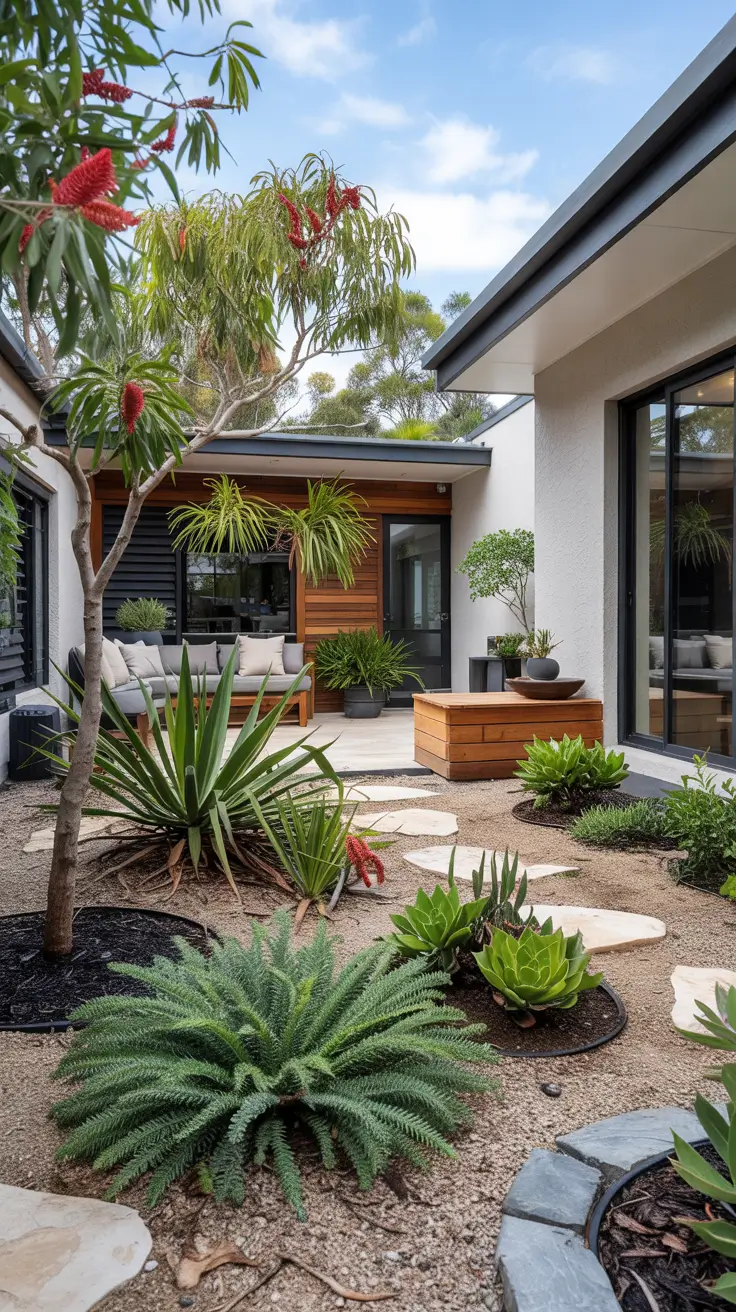
Some of the most effective Australian native plants include grevillea, banksia, kangaroo paw, and lomandra grasses. I usually arrange these plants in layered groups to create a naturalistic appearance. Gravel mulch and decorative stones help reinforce the Australian front yard landscape style while also preventing weed growth.
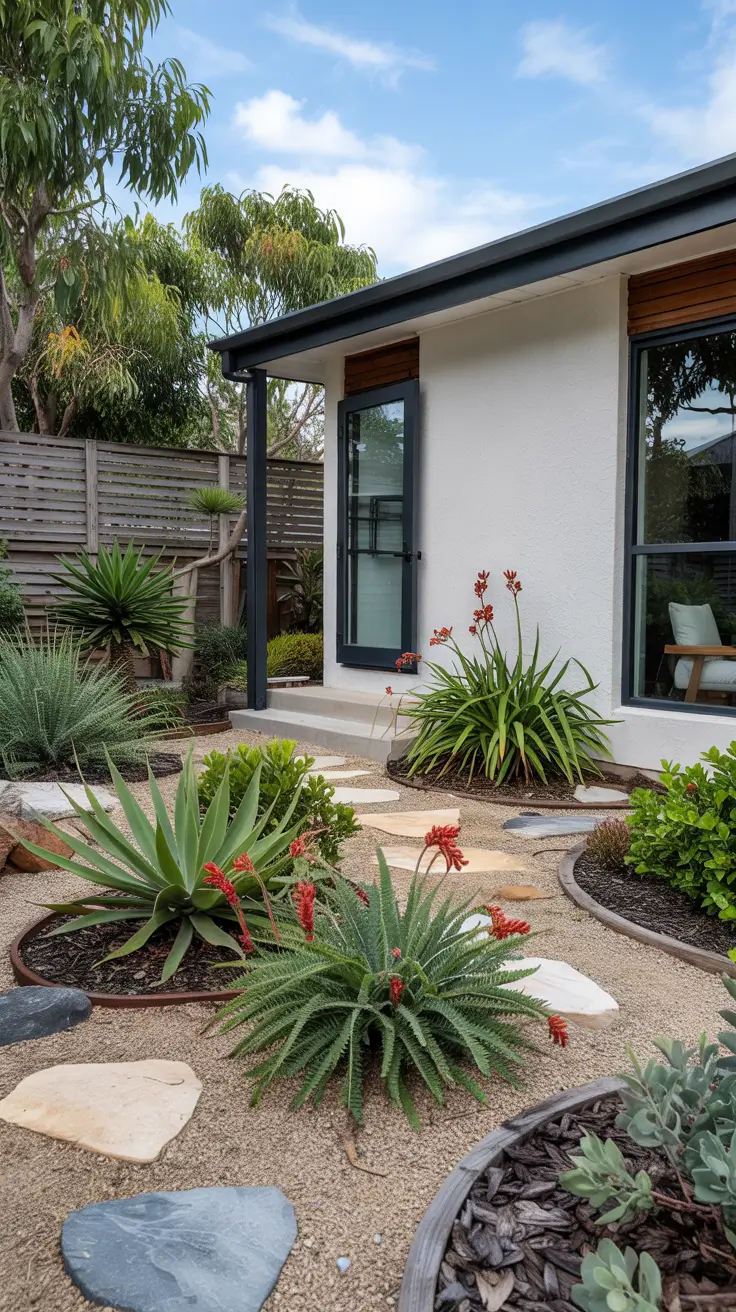
From my experience, these plants work exceptionally well because they evolved in challenging conditions. Garden designers often highlight Australian native species as perfect examples of sustainable landscaping. Publications such as Architectural Digest have also featured modern gardens that use native plants as architectural elements within minimalist landscapes.
To make this design even more practical, I would add drought tolerant groundcovers between larger plants. These ground layers reduce exposed soil and create a more complete landscape while minimizing maintenance.
11. Easy Low Maintenance Gardening Tips for Busy Homeowners
Many homeowners love the idea of a garden but simply do not have time for constant maintenance. When I design gardens for busy clients, I focus on strategies that reduce repetitive work. This usually includes installing irrigation systems, choosing resilient plants, and creating clear planting zones that are easy to manage.
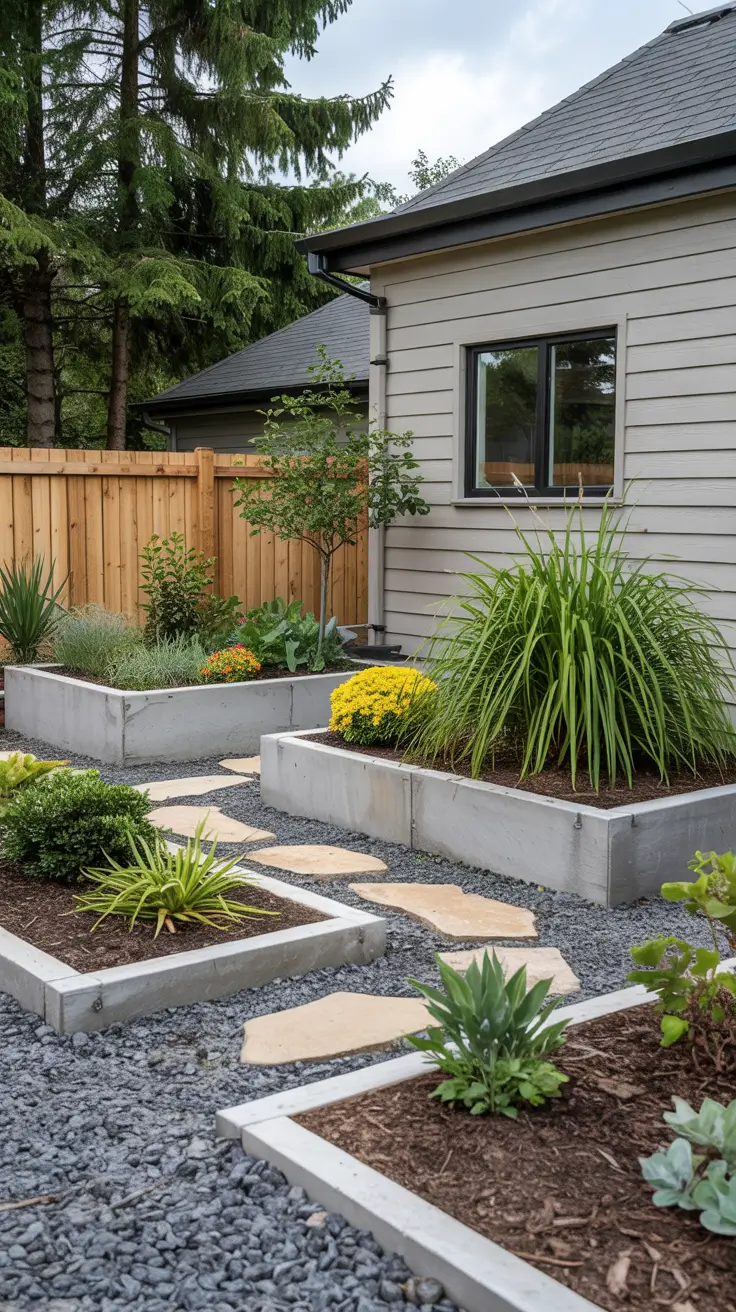
One technique I frequently use is grouping plants with similar watering needs. This makes irrigation far more efficient and prevents overwatering or underwatering. I also rely on thick mulch layers in garden beds because mulch helps retain moisture, suppress weeds, and stabilize soil temperature.
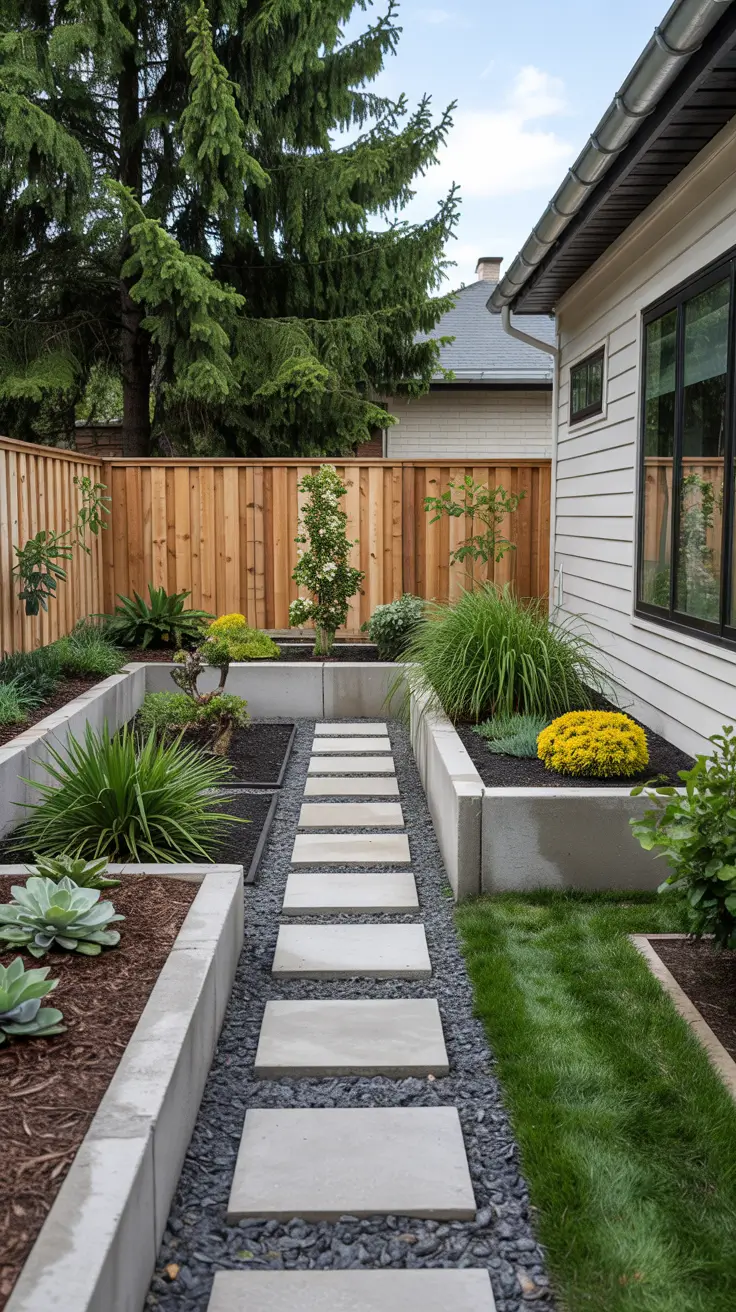
In my opinion, the most effective low maintenance gardening strategy is planning ahead. Landscape experts often explain that a well designed garden requires far less effort over time. I strongly agree with this approach because investing time in planning always saves hours of maintenance later.
Another improvement I recommend is incorporating hardscape areas such as gravel patios or stone paths. These features reduce the total planting area and create practical outdoor spaces while maintaining a stylish landscape.
12. Low Maintenance Garden Border Ideas for a Tidy Landscape
Garden borders play an important role in maintaining a clean and organized outdoor space. When I design low maintenance garden borders, I aim to create clear boundaries between lawns, pathways, and planting beds. This prevents plants from spreading uncontrollably and helps the entire garden appear more structured.
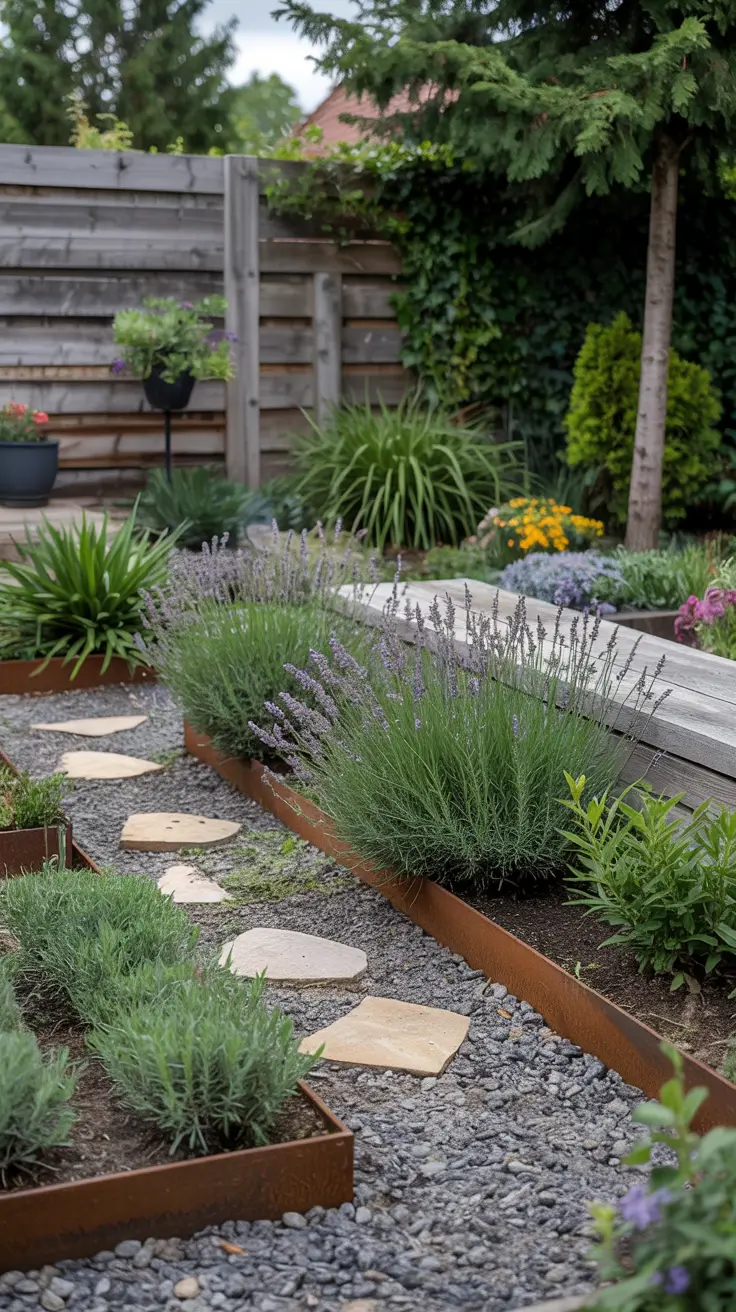
One of my favorite border solutions is metal edging combined with gravel or mulch. Metal edging creates a crisp line that stays stable for years with minimal adjustment. I also like to plant hardy shrubs, lavender, or ornamental grasses along borders because they maintain their shape and require little pruning.
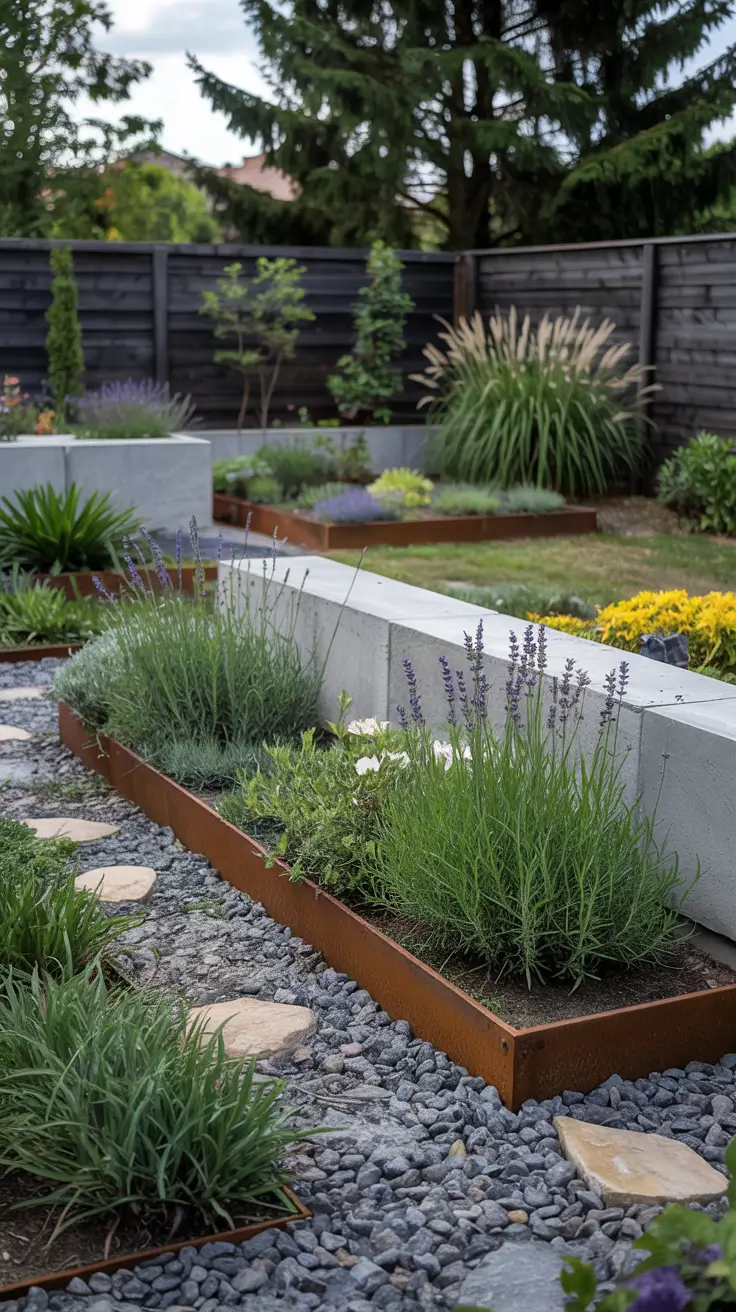
From my experience, borders are one of the easiest ways to elevate a simple garden design. Landscape professionals frequently recommend defined edges because they make gardens look intentional and professionally designed. Publications like Garden Design Magazine often highlight the importance of clean borders in modern landscaping.
If I were expanding this concept further, I would add subtle lighting along the borders. Low garden lights emphasize pathways and plant beds at night, making the landscape feel elegant while improving safety.
13. Low Maintenance Garden Path Ideas That Improve Your Layout
Garden paths are not only practical but also essential for organizing the entire design layout of a garden. When I plan low maintenance gardens, I usually begin by designing the path system first. Paths guide movement through the space and prevent soil from becoming compacted or muddy.
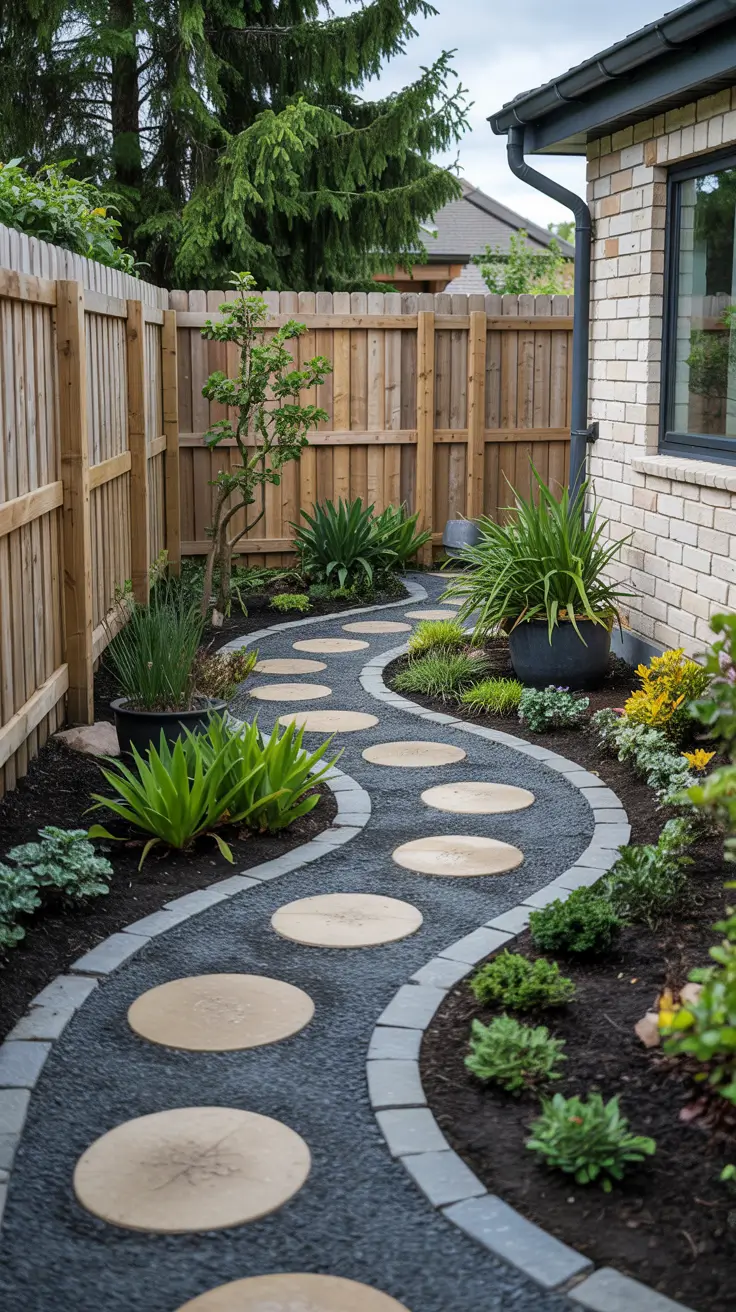
Gravel paths, stepping stones, and natural stone walkways are some of the most effective low maintenance options. Gravel paths are particularly popular because they allow water to drain easily while creating a relaxed modern appearance. Stepping stones placed within gravel or groundcover plants can also create an attractive and functional walkway.
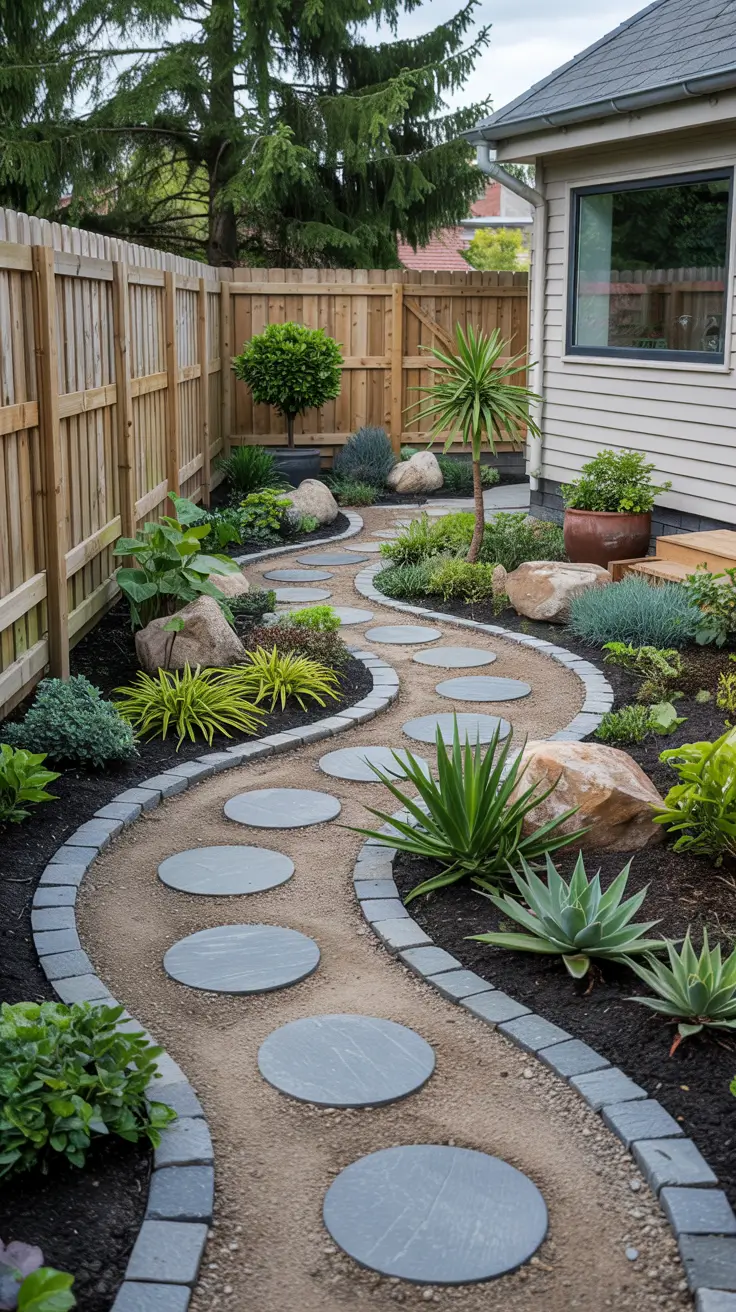
Personally, I like to use slightly curved paths rather than straight ones. Curved paths feel more natural and encourage people to explore the garden slowly. Many landscape designers recommend this technique because it adds visual depth even to small gardens.
One element I often add is subtle border planting along the path. Low growing plants such as thyme or dwarf grasses soften the edges and integrate the path into the overall landscape design.
14. Modern Low Maintenance Garden Landscaping Ideas for Small Spaces
Designing a small garden can actually make low maintenance landscaping easier. When space is limited, I focus on creating a few strong visual features rather than filling the area with many different elements. A simple seating area, structured plant bed, and gravel pathway can transform a compact backyard into a stylish outdoor retreat.
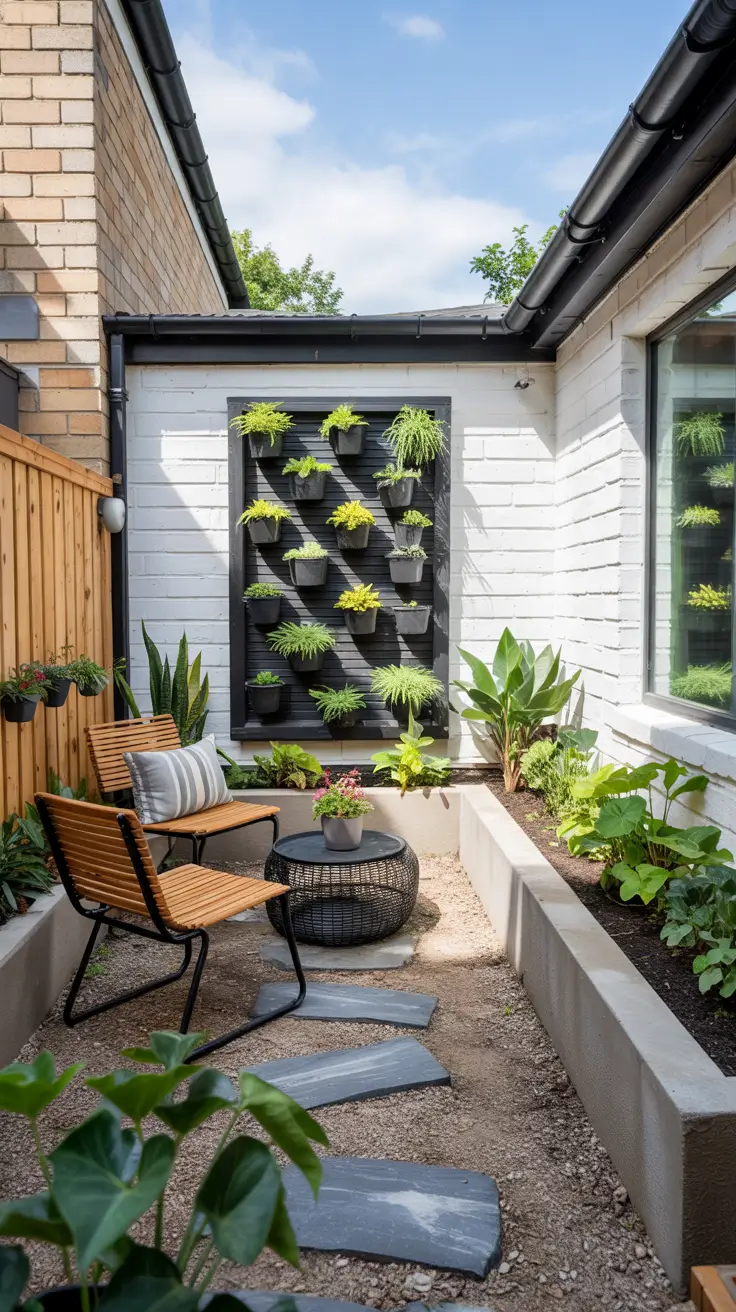
Vertical planting is one of my favorite strategies for small spaces. Wall planters, climbing plants, and narrow raised beds allow homeowners to include greenery without overcrowding the ground level. This approach works particularly well in modern urban gardens where space is limited.
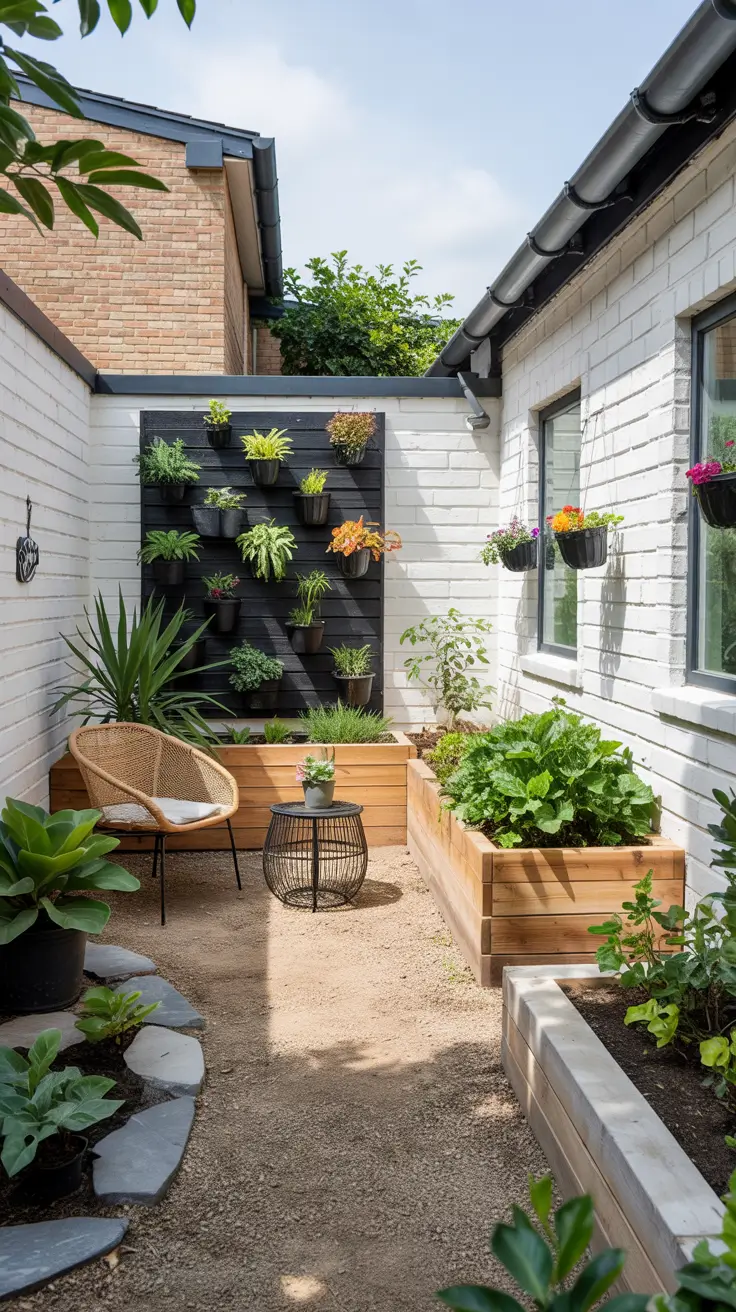
In my experience, minimalist design works best in smaller gardens. Many designers featured in Architectural Digest highlight the effectiveness of simple layouts with a limited plant palette. This keeps the garden visually calm and reduces maintenance work.
To enhance small garden landscapes even more, I would recommend adding a focal point such as a compact water feature, sculptural plant, or modern outdoor chair. A single strong focal element often makes a small garden feel more complete and intentionally designed.
15. Low Maintenance Garden Ideas on a Budget UK Gardeners Can Try
When I design low maintenance gardens on a budget in the UK, I always start with simplicity. Many UK homeowners assume a garden requires constant planting and trimming, but a thoughtful layout with durable materials can reduce upkeep dramatically. Gravel paths, structured borders, and evergreen plants create a modern outdoor space that stays attractive year round with minimal work.
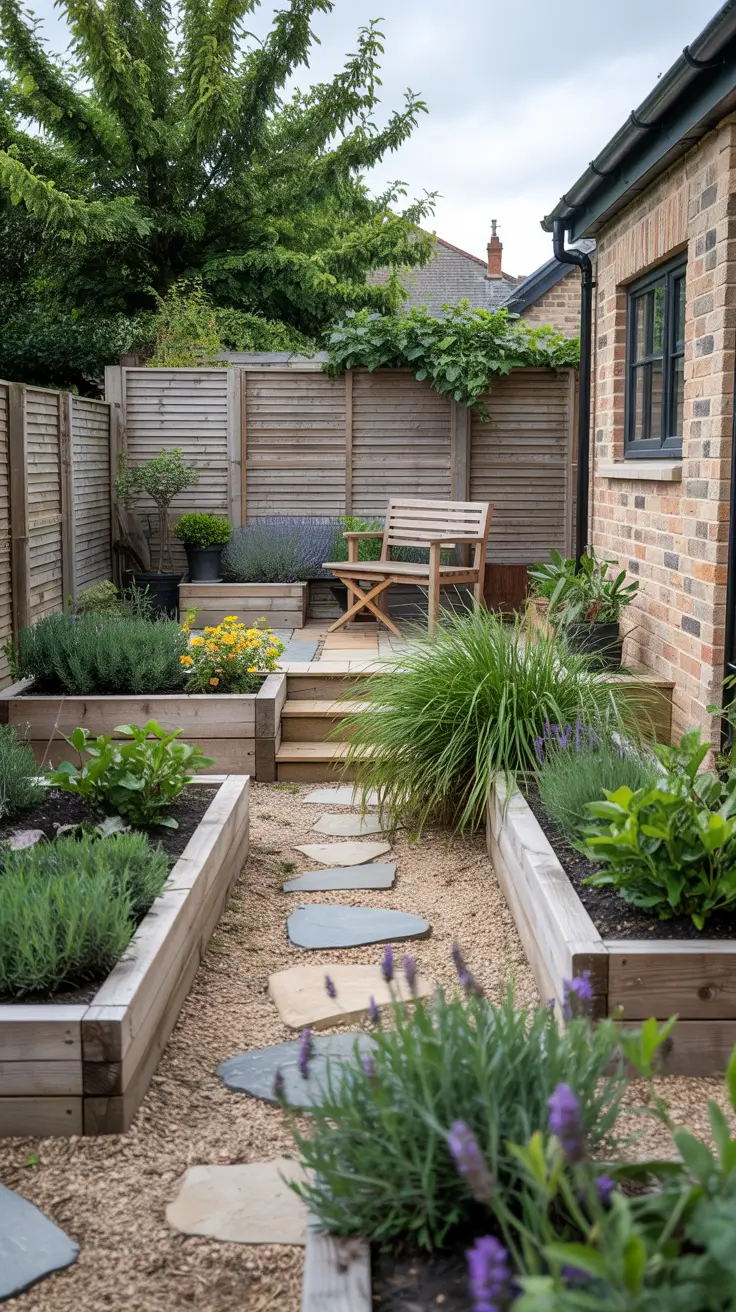
I often recommend combining raised beds, compact shrubs, and low maintenance garden plants like lavender, ornamental grasses, and hardy perennials. These plants thrive in the UK climate and require little watering or pruning. A simple path made of stone or gravel also improves the garden design layout while reducing muddy areas and lawn maintenance.
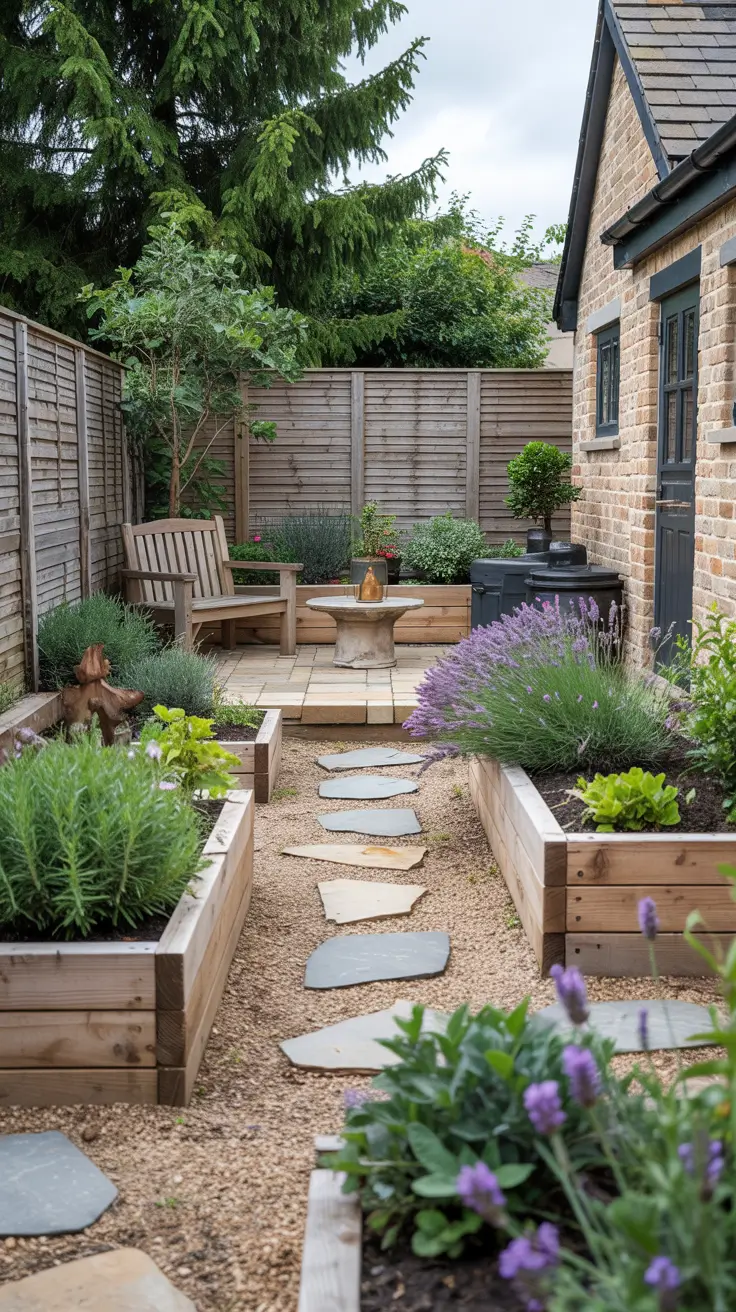
Personally, I find that the best ideas on a budget UK gardeners can try involve reducing lawn size. Replacing large lawn sections with gravel beds, decorative borders, and native plants creates a cleaner and easier space. According to many landscaping experts featured in Gardeners World, structural planting and layered borders are key elements of sustainable low maintenance gardening.
In this section, I would also add a small seating area such as a wooden bench or compact patio space. Even a modest seating corner makes the garden feel intentional and usable, while still fitting within a low maintenance garden design strategy.
16. Low Maintenance Garden Design Layout for a Clean Structured Yard
A well planned design layout is the foundation of every successful low maintenance garden. When I work on a modern garden project, I focus on clear structure first. Straight paths, geometric planting beds, and simple borders create a visually calm space that is easy to maintain and easy to navigate.
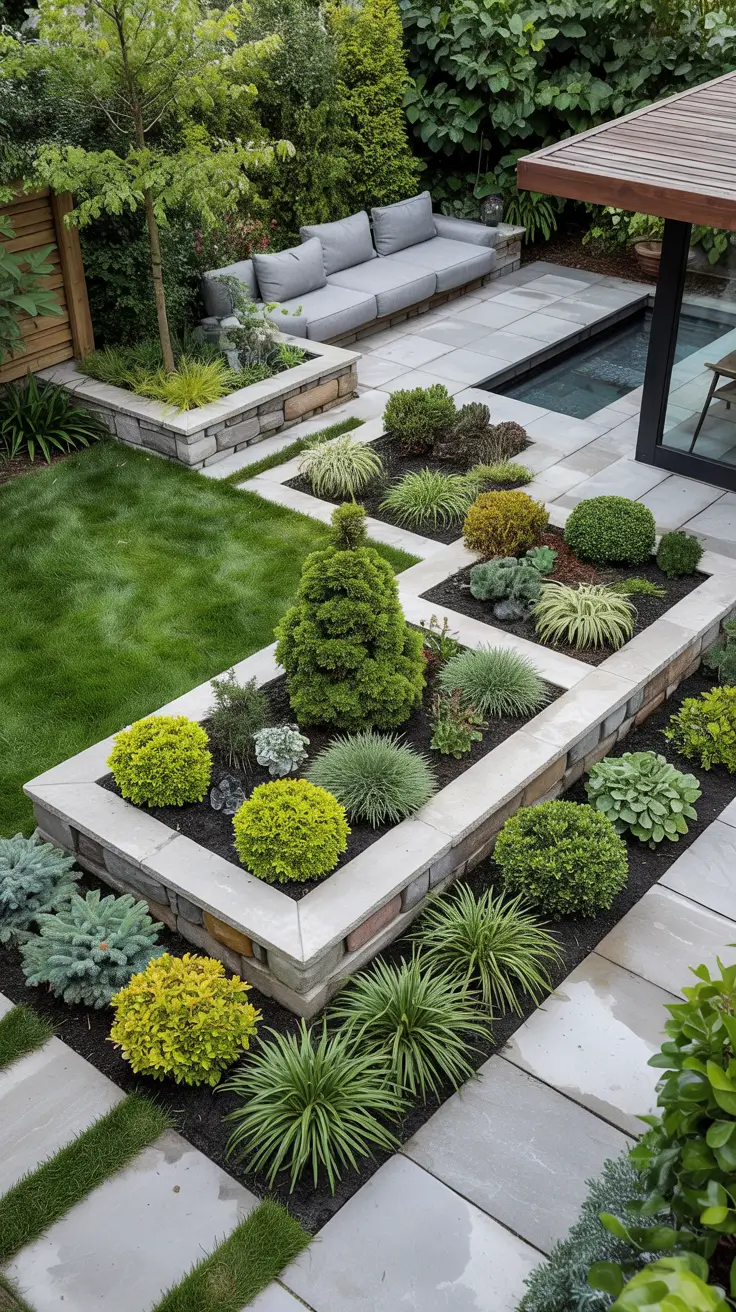
The most effective layouts often include defined zones. For example, a stone path leading through the garden, a central planting bed with low maintenance plants, and a compact seating area surrounded by ornamental grasses. These elements provide balance while preventing the garden from feeling cluttered or chaotic.
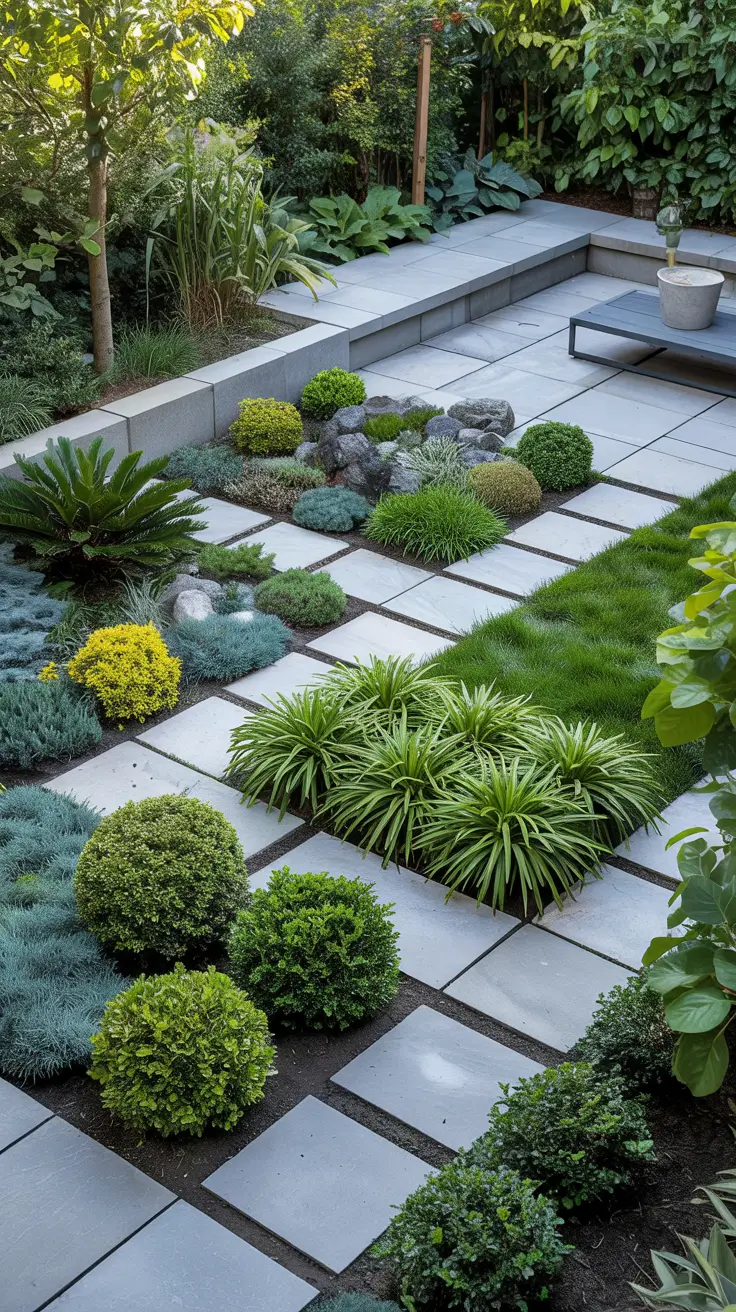
From my experience, modern garden design benefits from limiting the number of plant varieties. Using repeating plants flower beds throughout the garden creates harmony while simplifying maintenance routines. Repetition is a technique many professional landscape designers use because it creates rhythm while reducing the need for constant plant replacement.
What I would add here is a clear irrigation strategy. Even in a low maintenance garden, a drip irrigation system or timed watering setup can significantly reduce ongoing effort while keeping plants healthy.
17. Australian Backyard Low Maintenance Garden Ideas That Work in Hot Climates
Designing a low maintenance garden Australian backyard requires understanding the climate first. In Australia, hot summers and dry conditions mean that plants must be resilient. I always recommend focusing on Australian native plants because they are adapted to local weather and require far less water and care.
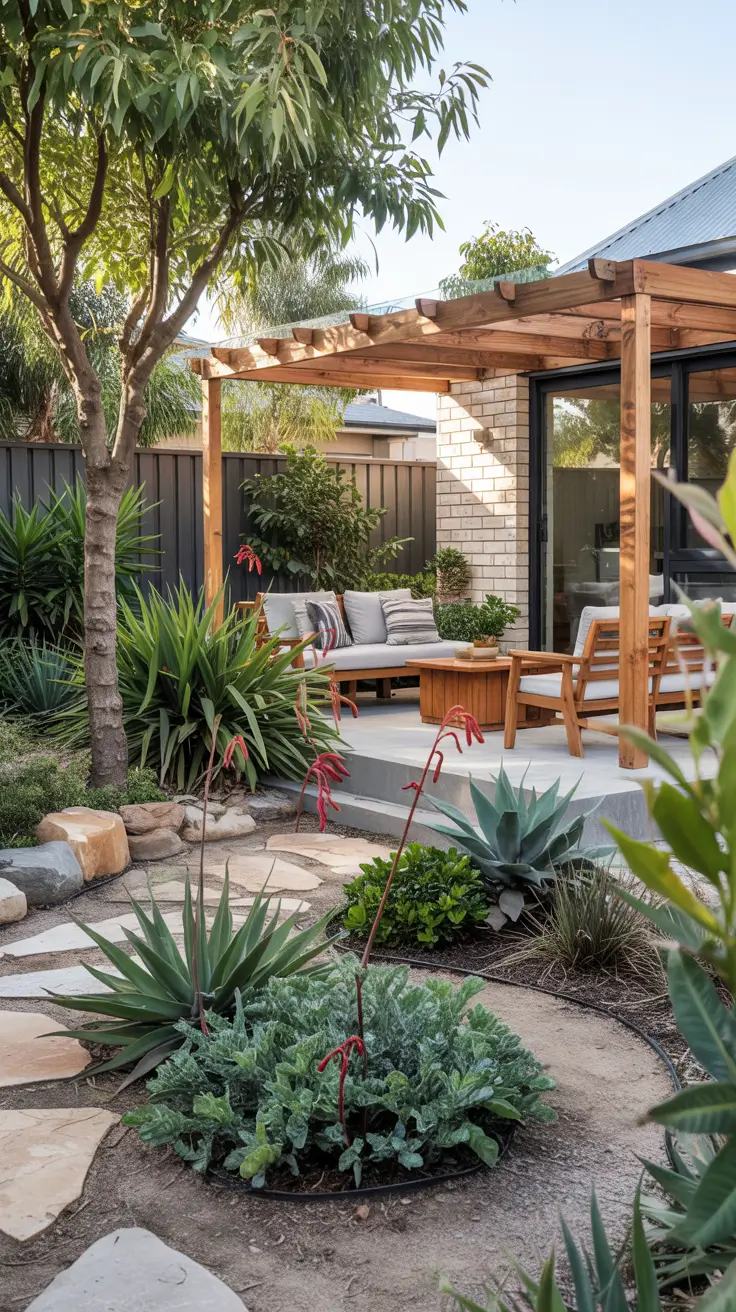
Many successful Australian backyard landscapes combine gravel areas, natural stone paths, and drought tolerant plants such as kangaroo paw, grevillea, and native grasses. These plants not only survive heat but also bring color and texture to the garden without constant watering.
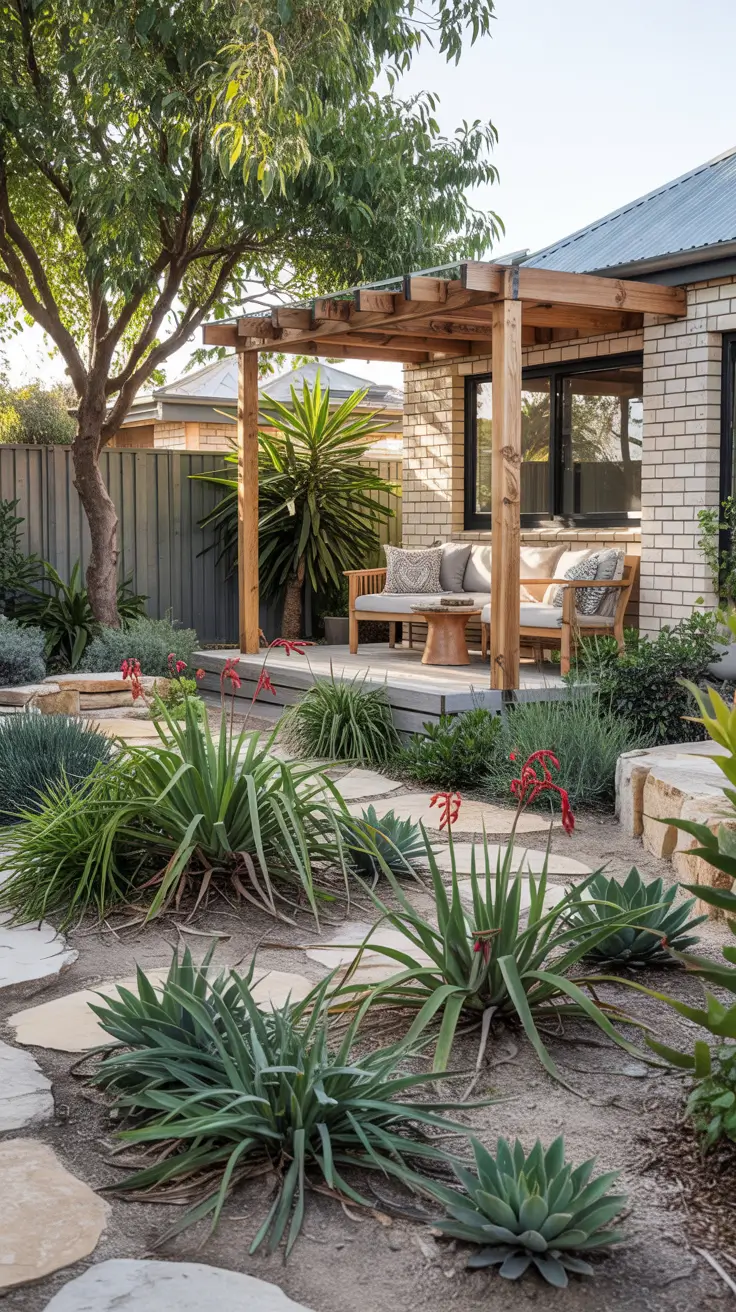
From a design perspective, I also like adding shaded outdoor areas. Pergolas, wooden decking, and natural stone seating spaces help create comfortable outdoor zones even during hot weather. These features also reduce exposed soil areas, which lowers maintenance.
What is sometimes missing in Australian front yard landscape projects is layered planting. Adding groundcovers beneath taller plants helps protect soil from extreme heat while reducing weeds and watering needs.
18. Low Maintenance Flower Bed Plants That Thrive With Minimal Care
A well planned flower bed can be surprisingly low maintenance when the right plants are chosen. When I create plants flower beds for clients who want easy gardening, I focus on hardy perennials and drought tolerant varieties that can thrive with minimal intervention.
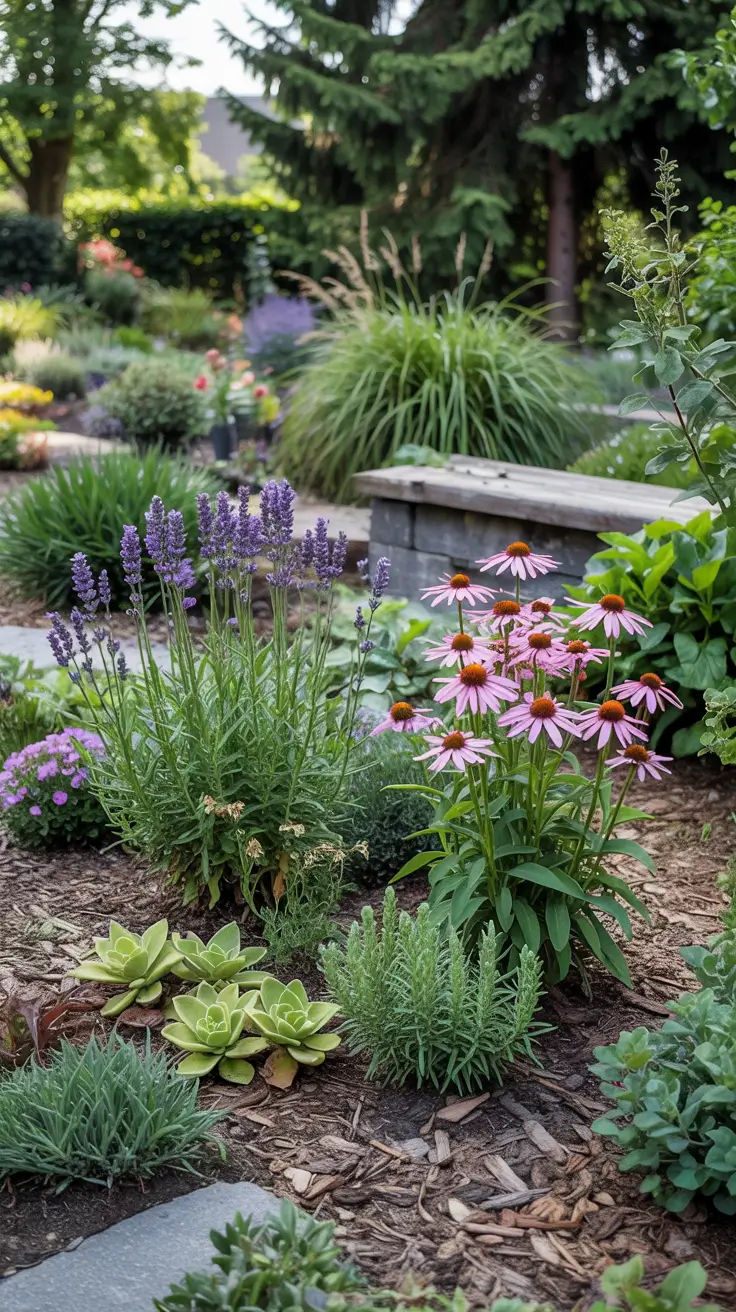
Plants such as sedum, lavender, echinacea, and ornamental grasses are excellent low maintenance garden plants. They provide long lasting color, attract pollinators, and require very little trimming. I also prefer planting in clusters rather than single plants, because grouped plants create a fuller look while suppressing weeds naturally.
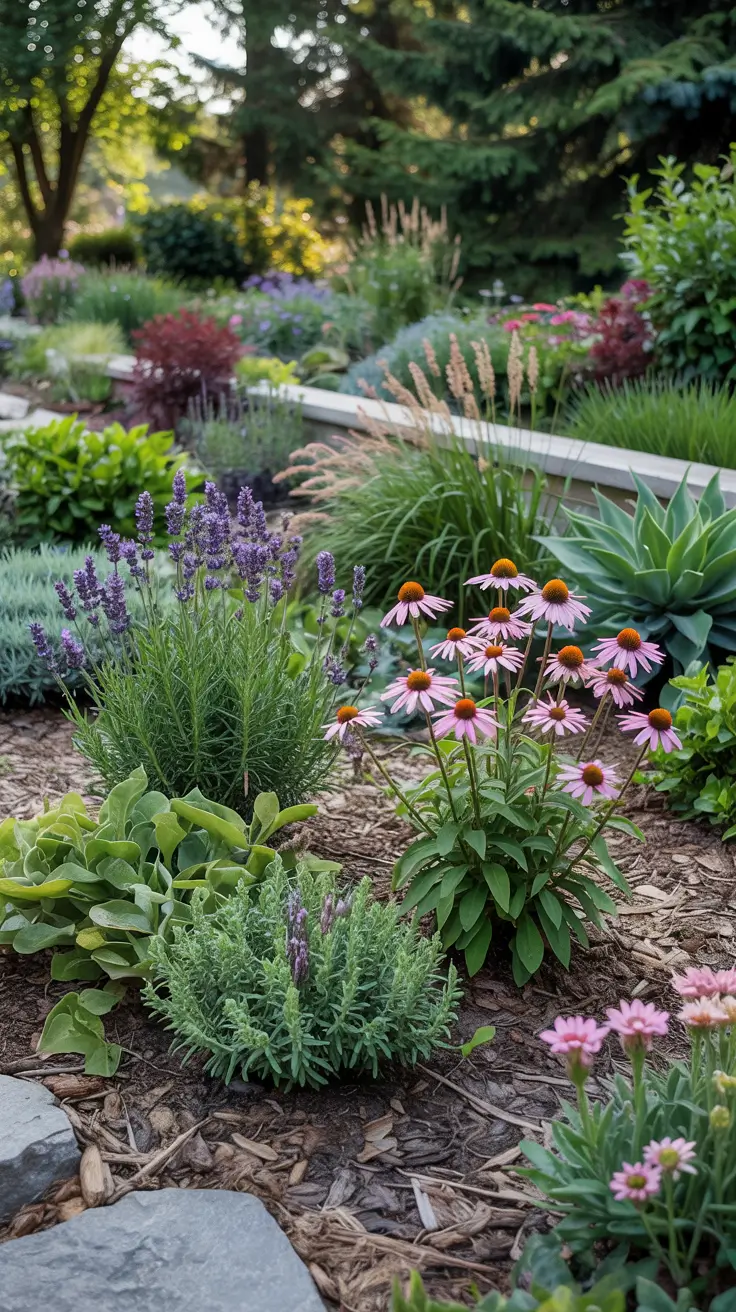
In my experience, mulching is one of the most underrated elements of low maintenance gardening. A thick layer of organic mulch helps retain moisture, improve soil health, and prevent weeds from growing between plants.
For this section, I would add a discussion about seasonal color planning. Choosing plants that bloom at different times ensures the flower bed stays visually interesting throughout the year without requiring frequent replanting.
19. Simple Low Maintenance Garden Design for Beginners
For beginners, the best approach to garden design simple concepts is to focus on clarity and manageable elements. A beginner friendly garden should not contain too many plant varieties or complicated features. Instead, a few reliable plants and clean design lines can create a beautiful outdoor space.
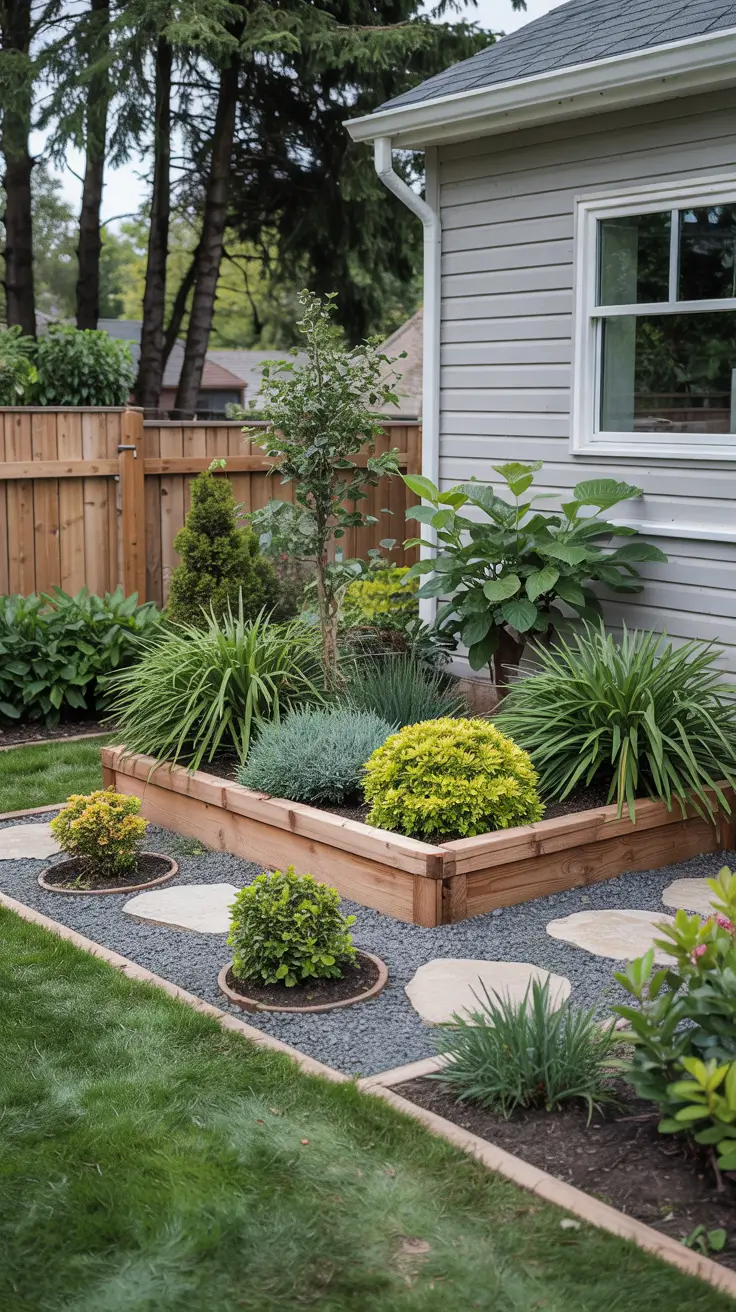
I usually suggest starting with a small garden bed, a simple path, and two or three types of low maintenance plants. This creates a structured base that can be expanded later. Hardy shrubs, ornamental grasses, and evergreen plants work especially well for beginners because they require minimal attention.
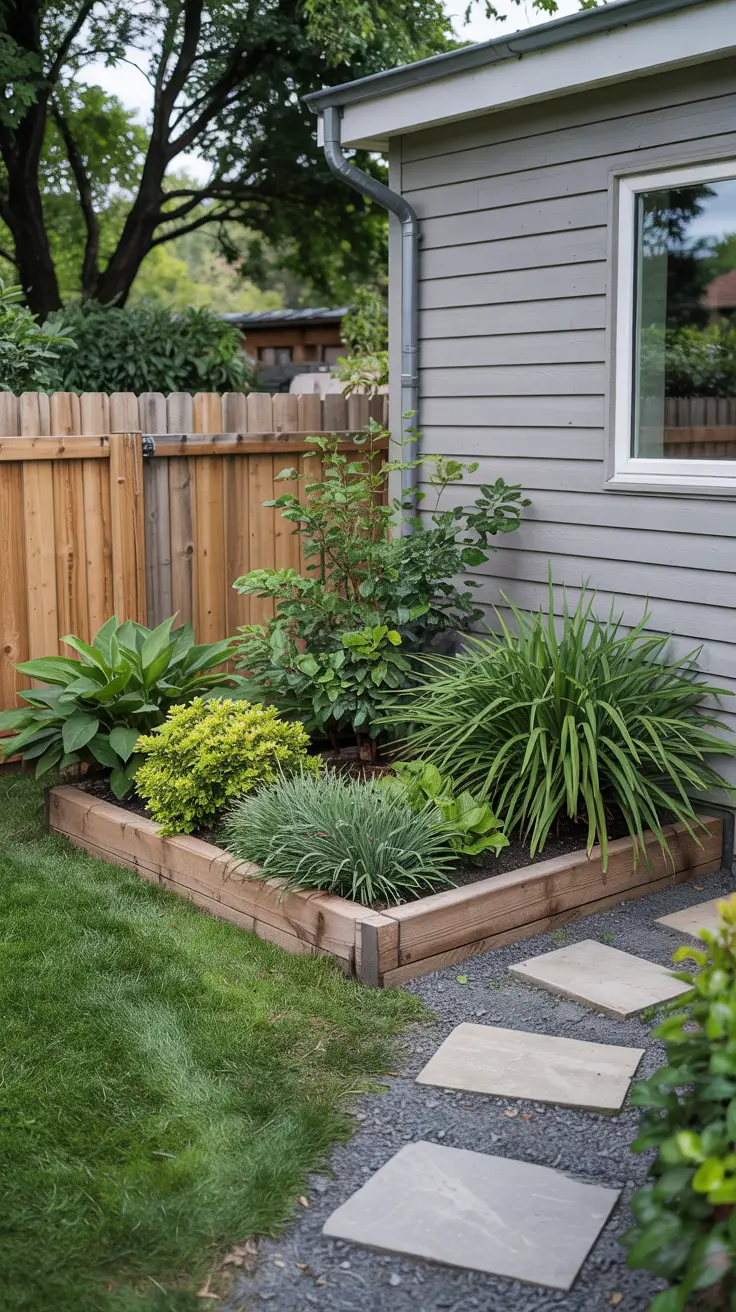
From personal experience, beginners often underestimate the power of hardscaping. Adding gravel areas, stepping stones, or decorative edging instantly improves the garden design while reducing the need for lawn care.
To strengthen this section, I would include advice on soil preparation and plant spacing. These two factors dramatically influence how easy the garden will be to maintain in the long term.
20. Creative Low Maintenance Garden Bed Designs for Modern Landscapes
Modern landscapes often rely on creative garden bed ideas that combine plants with architectural shapes. I like designing beds that use curved lines, raised structures, and layered planting to create depth without increasing maintenance.
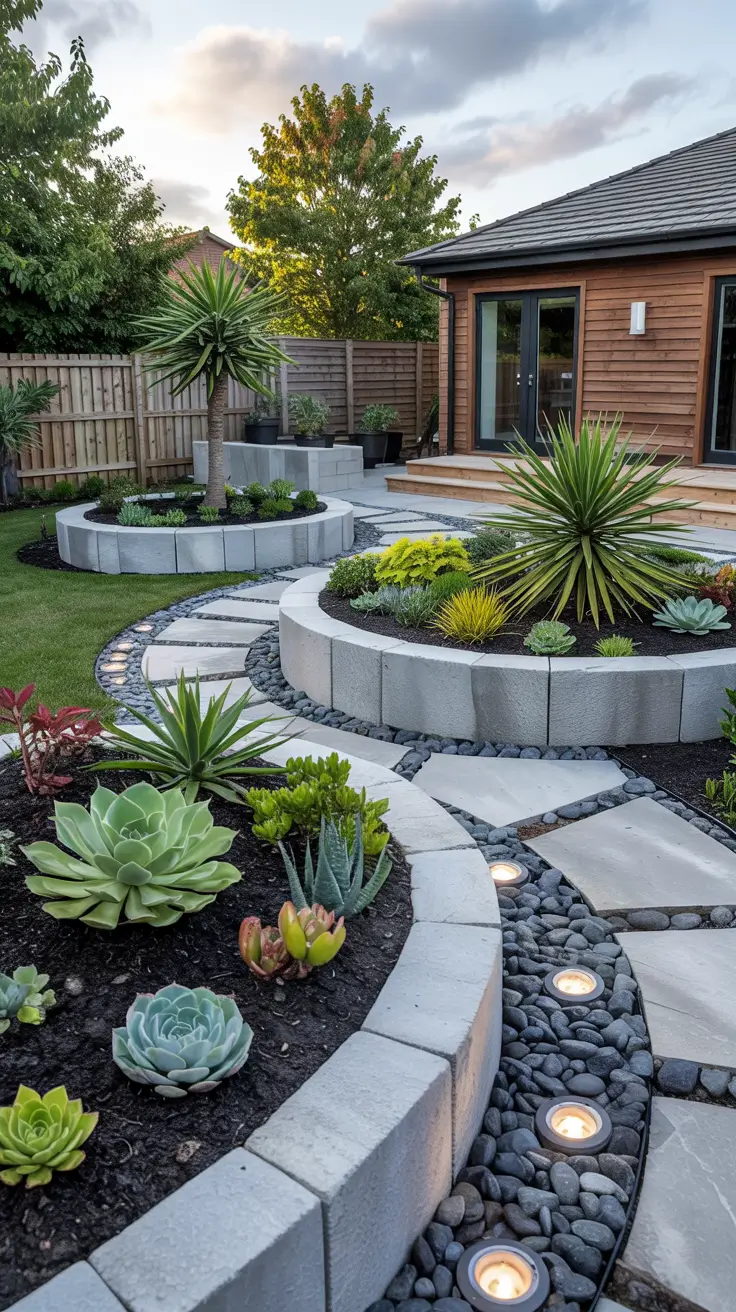
Raised beds are especially effective in modern garden design. They improve soil drainage, define planting zones, and make gardening easier physically. Filling them with hardy plants and decorative gravel borders can create a striking yet practical garden feature.
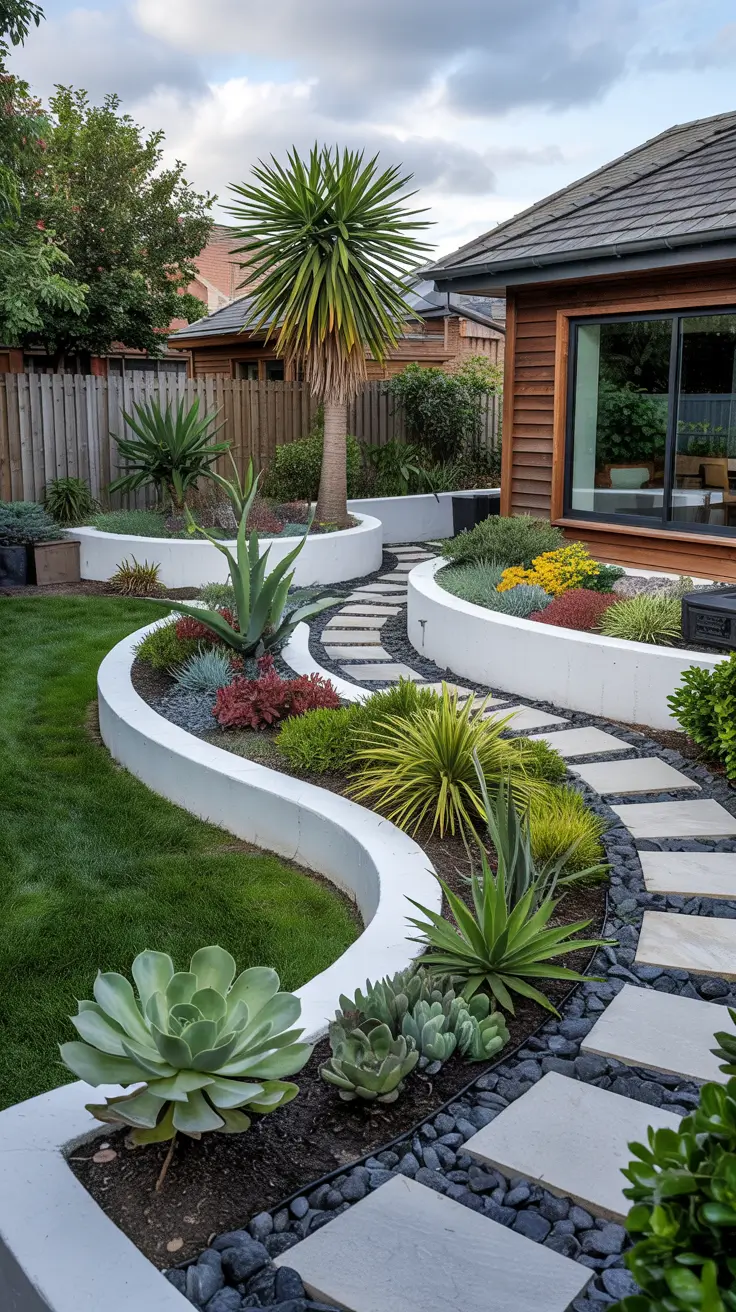
Another design strategy I often use is mixing textures instead of colors. Combining ornamental grasses, succulents, and structural plants creates visual interest even when flowers are not blooming.
What I would add here is integrated lighting. Subtle garden lighting along the edges of raised beds enhances the design at night and makes the outdoor space more functional.
21. Low Maintenance Garden Borders UK Style for Elegant Edges
Garden borders play a major role in shaping the overall appearance of a landscape. In the UK, traditional border designs often combine layered planting with structured edges that frame paths and lawns beautifully.
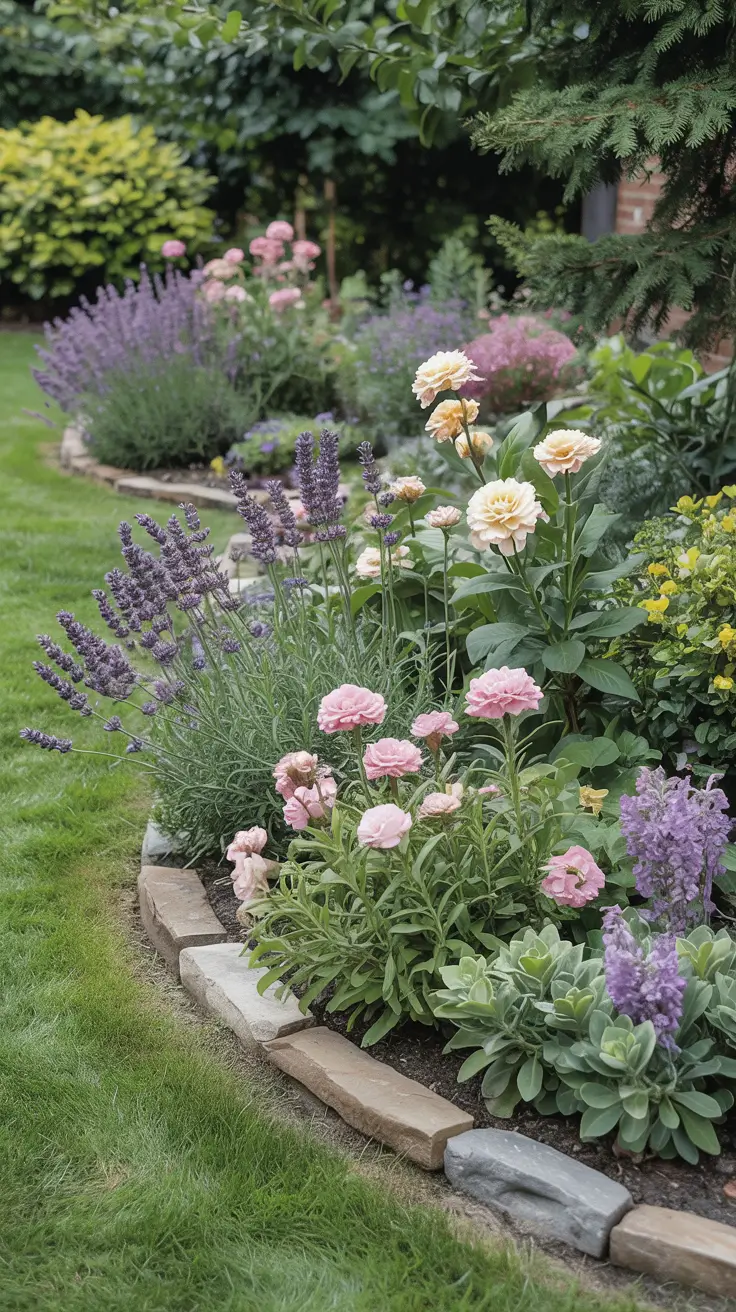
When designing borders UK gardens often rely on classic combinations such as lavender, boxwood, and perennial flowers. These plants provide texture and structure while remaining relatively easy to care for. A well designed border also helps guide movement through the garden and define different zones.
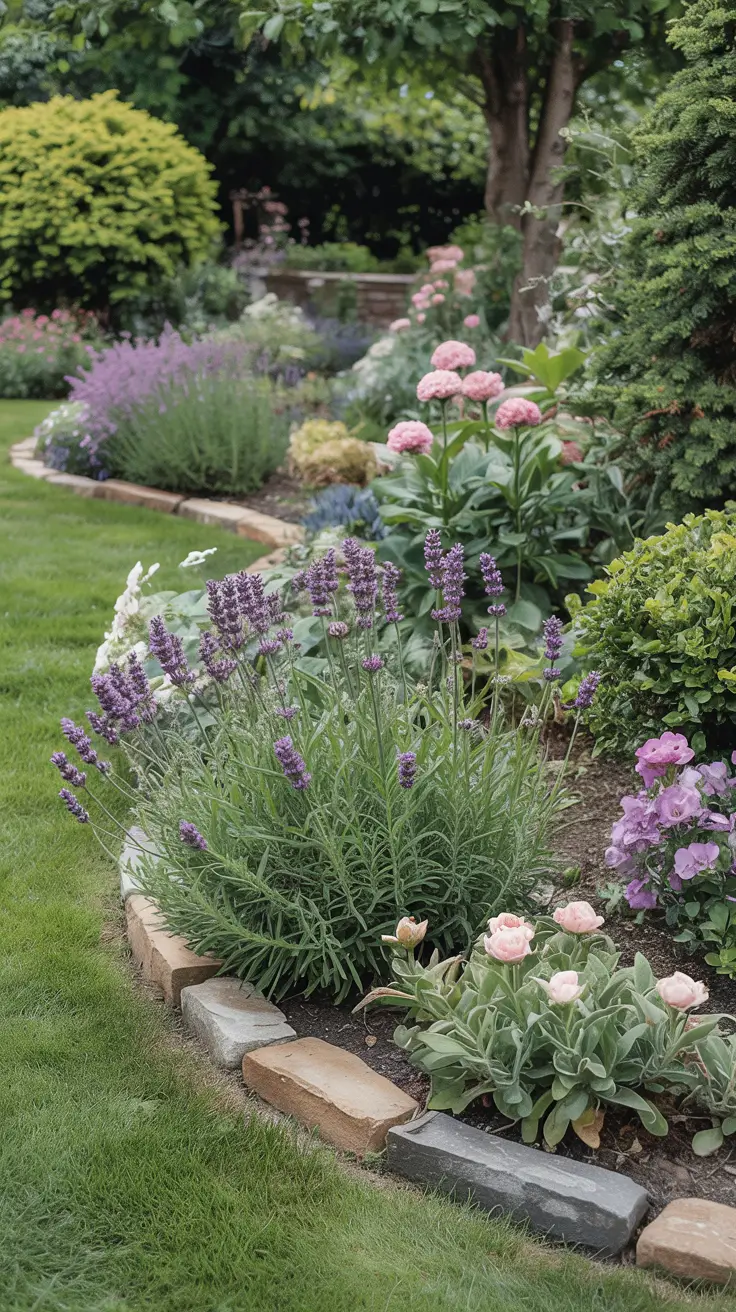
From my perspective, the most elegant borders balance height variation. Taller plants at the back, medium shrubs in the middle, and groundcovers along the edge create a layered effect that looks full and natural.
What many gardens lack is strong edging materials. Adding stone, brick, or metal edging keeps borders neat while preventing grass from spreading into planting areas.
22. Easy Low Maintenance Garden Landscaping Ideas for Any Yard
When I plan easy landscaping ideas for a low maintenance garden, I focus on reducing work while maintaining visual structure. The most practical solution for almost any yard is to simplify the number of elements in the landscape. Instead of many small planting areas, I prefer creating larger, clearly defined garden beds separated by gravel paths or stone borders. This approach immediately makes the space look more organized while reducing maintenance.
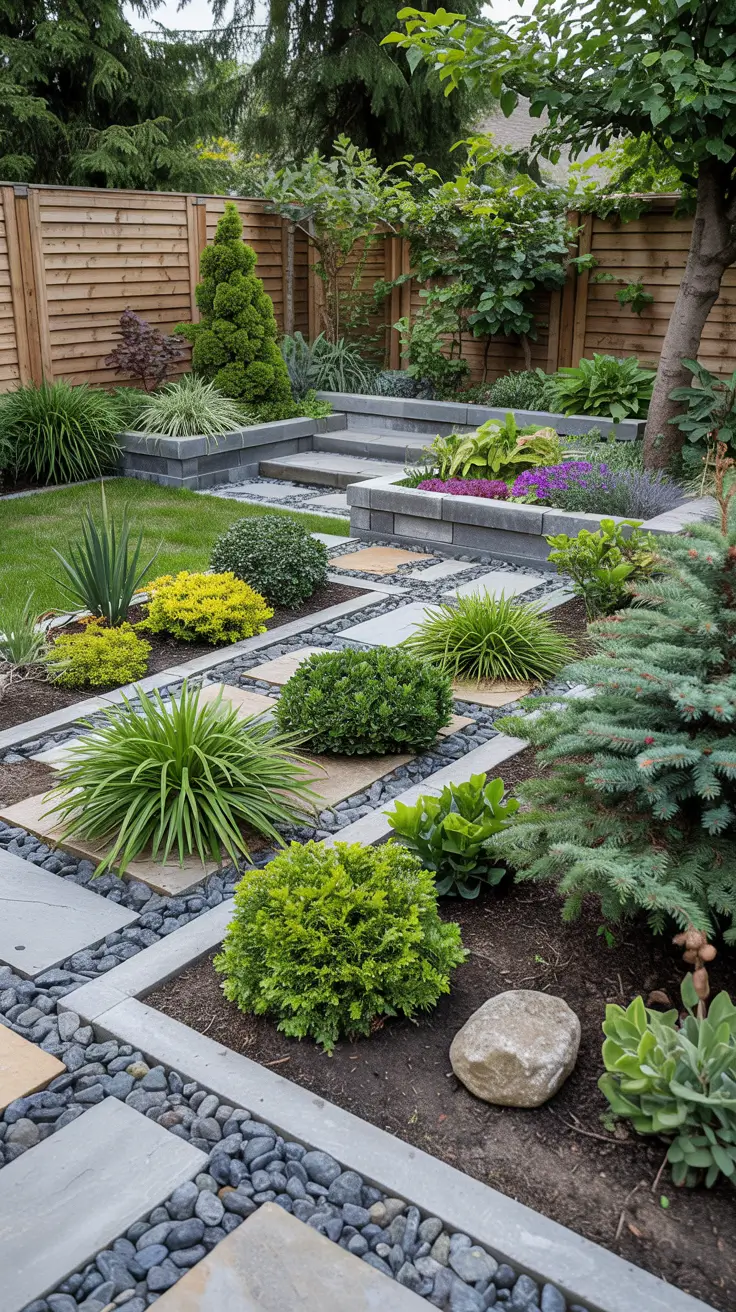
In my designs, I often combine decorative gravel areas, simple stone paths, and clusters of low maintenance garden plants. Ornamental grasses, evergreen shrubs, and hardy perennials work particularly well because they require minimal pruning. A carefully placed path also becomes an important design feature. It improves movement through the garden while preventing soil compaction and muddy areas.
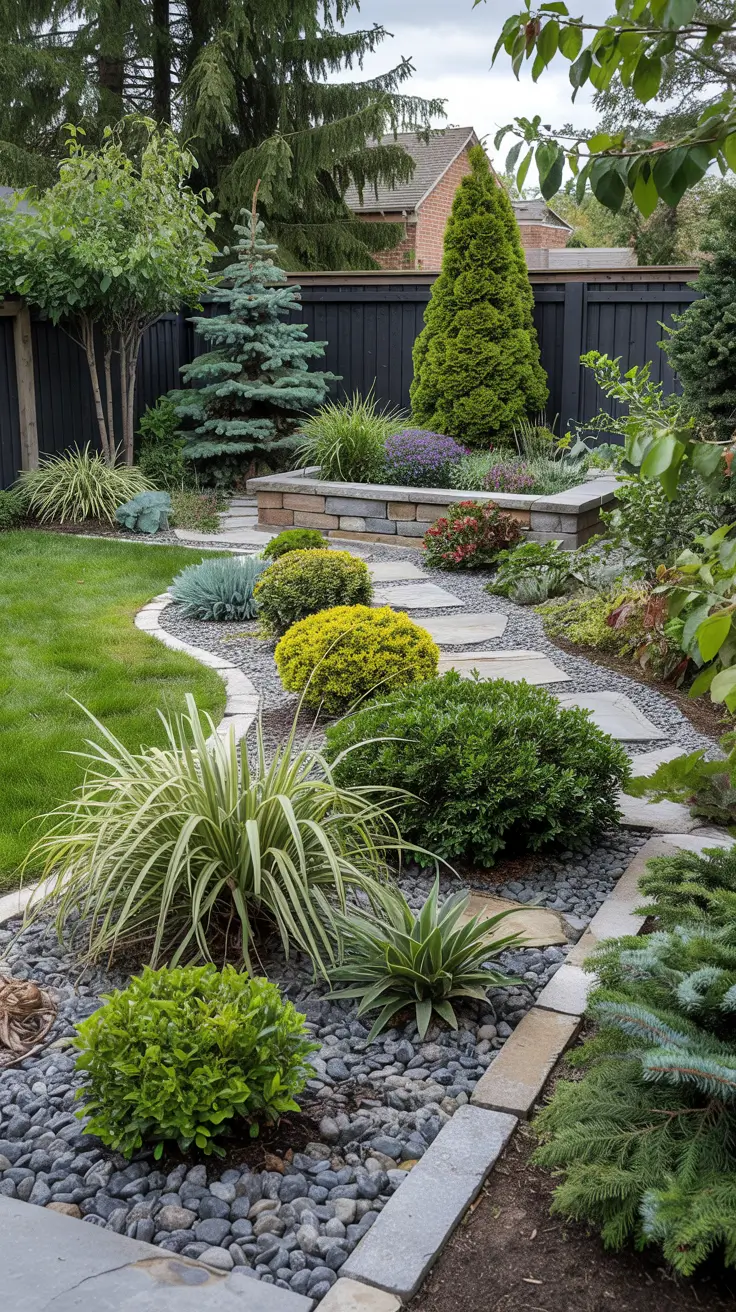
From my experience, the most successful low maintenance gardens rely on repetition. Using the same plant varieties throughout the landscape creates harmony and keeps the design modern. Many professional landscape designers featured in publications like Better Homes and Gardens recommend repeating plant groupings because it creates visual balance and simplifies long term garden care.
What I would add to this section is the use of ground cover plants between larger plant groupings. Ground covers help suppress weeds and reduce empty soil areas, which significantly decreases maintenance needs over time.
23. Low Maintenance Garden Path Ideas That Add Structure
A garden path may seem like a small detail, but in my experience it is one of the most important parts of a low maintenance garden design. A well planned path adds structure, guides movement, and protects the rest of the landscape from unnecessary wear. When the path design is simple and durable, it becomes a long lasting feature that requires almost no upkeep.
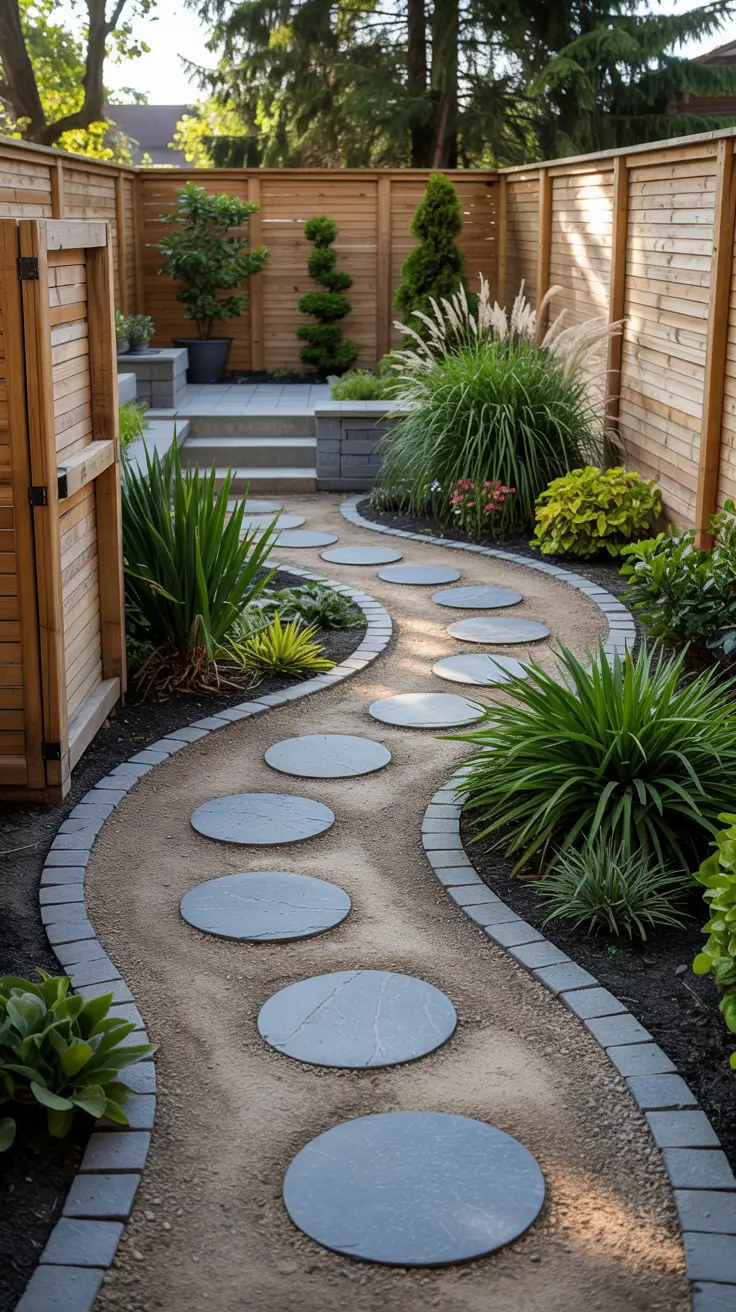
I usually recommend materials such as gravel, natural stone, or concrete stepping stones. Gravel paths are especially popular in modern low maintenance gardens because they are affordable and easy to install. Stepping stone paths surrounded by small decorative stones also create a natural yet structured appearance that works well in both Australian backyard landscapes and UK garden layouts.
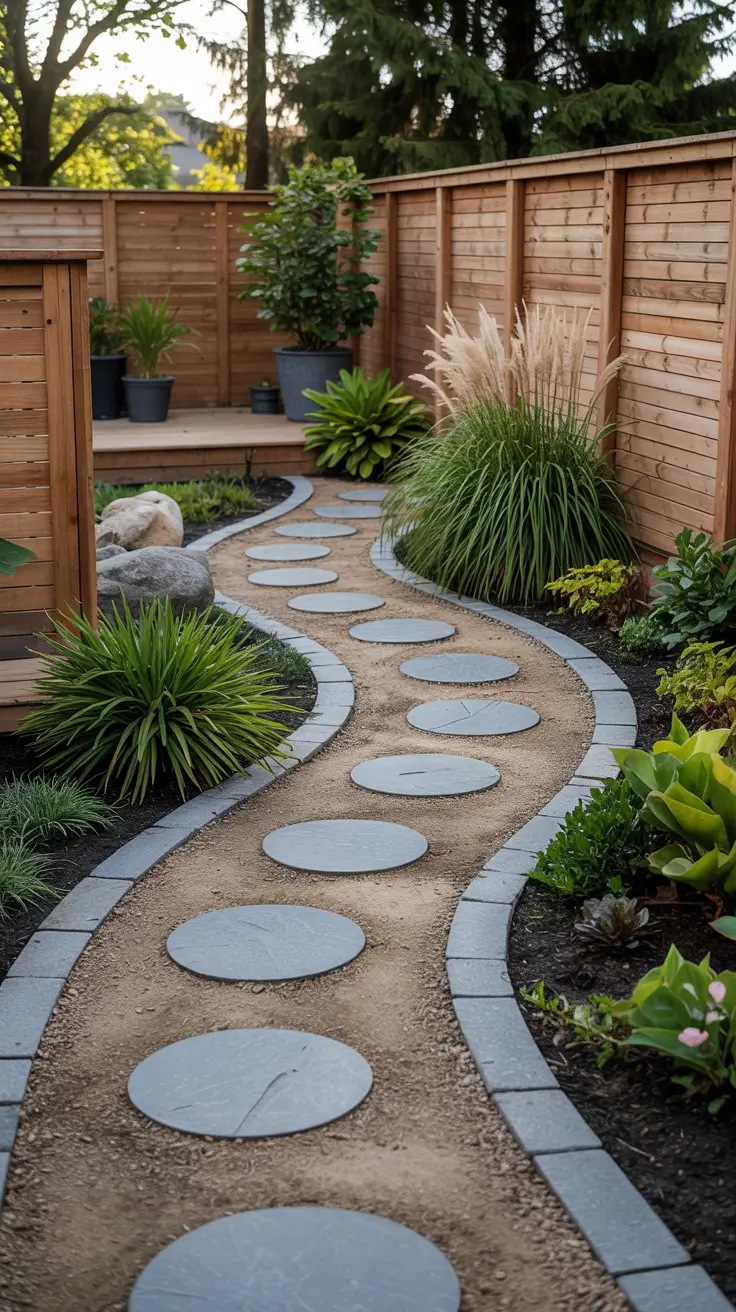
Personally, I find that curved paths create a more relaxed and natural feeling in the garden. Instead of leading directly from one point to another, a gently curved path encourages movement through the space and reveals different areas of the landscape gradually.
To improve this section, I would also include subtle lighting along the garden path. Low landscape lights increase safety at night while highlighting the structure of the garden design.