Creating outdoor area ideas for kids 2026 is about combining Play, creativity, and smart design even in a Small space or Backyard. How can you build a Playground that is safe, inspiring, and affordable? What simple and Cheap diy solutions actually work for real families? In this guide, I will walk through practical ideas that blend fun, learning, and modern Playground design plan principles while staying realistic for everyday use.
1. Outdoor Area Ideas for Kids 2026: Creative Play Spaces That Inspire Fun and Learning
I approach outdoor design for children as a balance between imagination and structure. In 2026, the trend is toward nature-inspired Play zones that combine learning with movement. I focus on creating layered spaces where kids can switch between active play, quiet exploration, and social interaction without leaving the area.
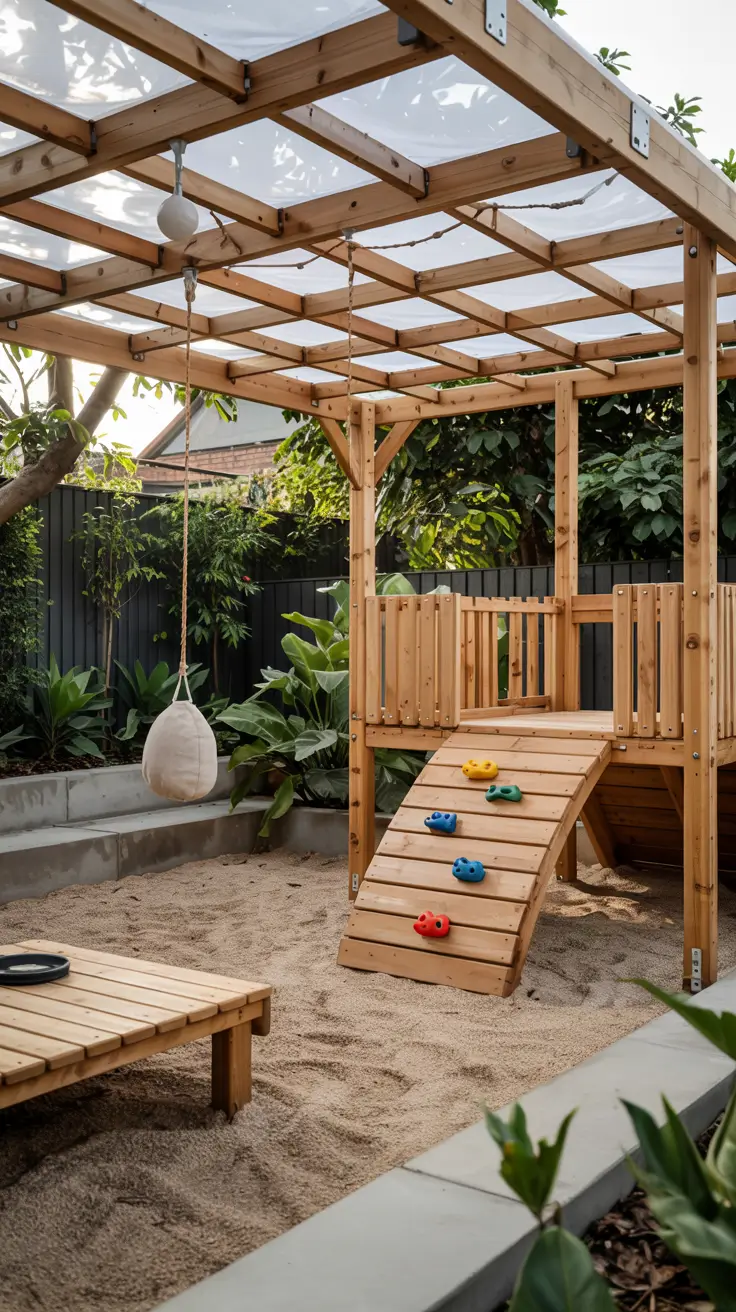
I include elements like modular climbing frames, soft seating zones, and shaded Garden corners. Natural materials such as Playground design natural wood are essential because they feel warm and blend into the environment. I also prioritize open layouts that allow flexibility for different activities like Party setups or solo play.
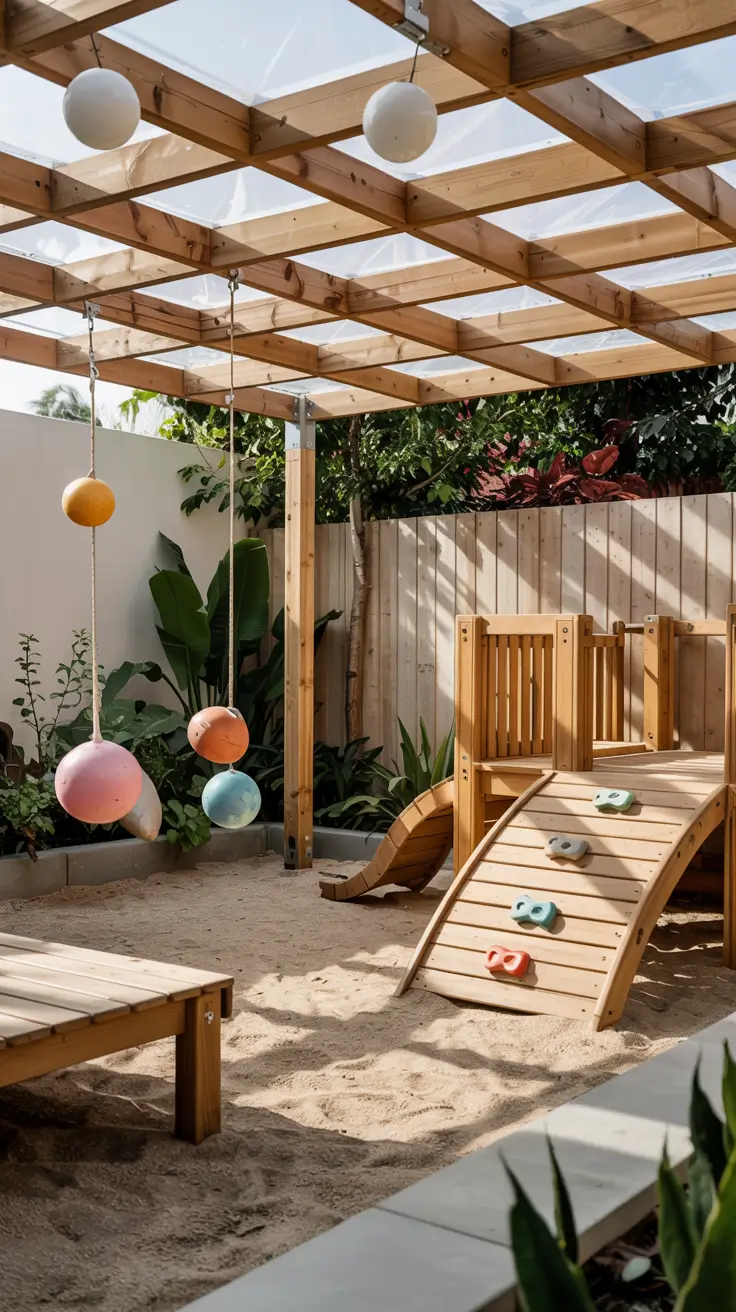
From my experience, children engage longer when spaces are not overly defined. Designers like those featured in Architectural Digest often emphasize adaptability, and I follow that approach by keeping zones fluid rather than rigid.
I would add more interactive features like a small Water play element or a Playground design music wall to enhance engagement and sensory variety.
2. Small Space Outdoor Play Areas for Kids That Maximize Every Inch
Designing for a Small space requires precision. I always start by analyzing vertical opportunities and multifunctional zones. Even a compact Backyard can become a Play hub when every inch is planned with intention.
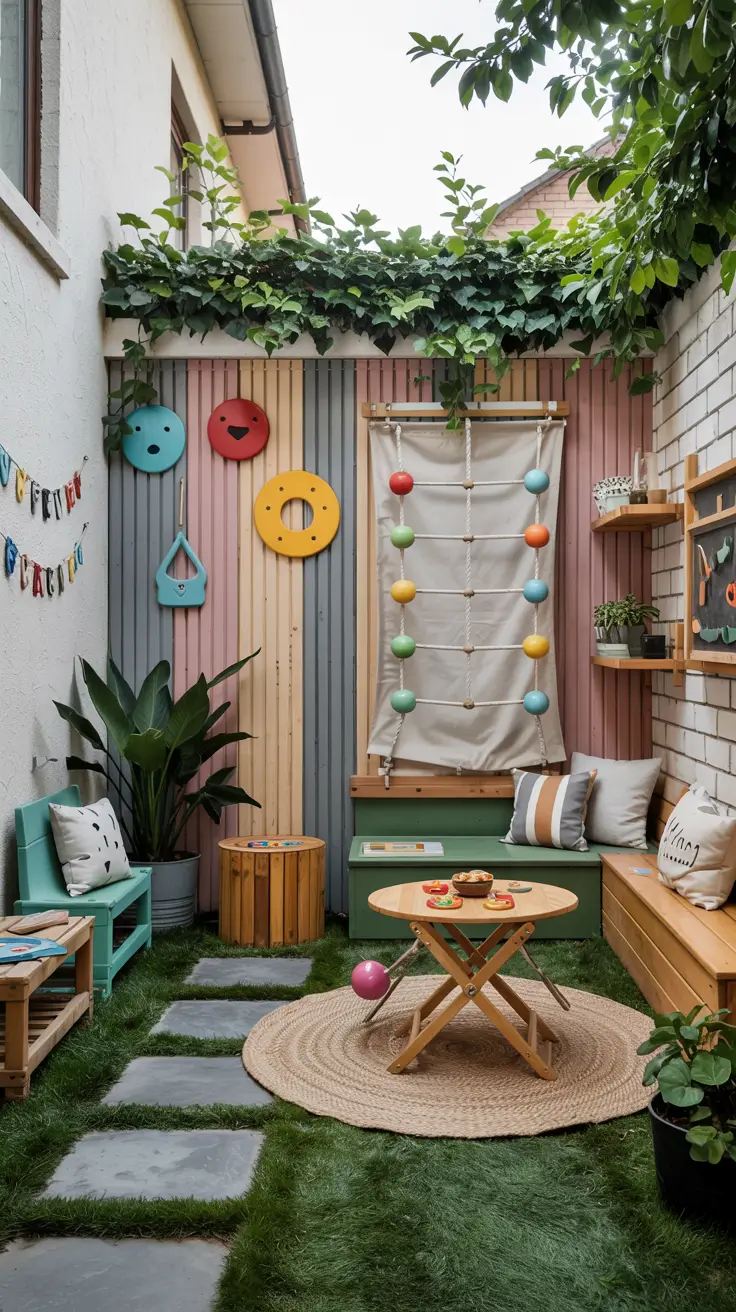
I use foldable benches, wall-mounted activities, and compact climbing structures. A vertical Playground design music wall or chalkboard wall is especially effective. Storage is integrated into seating to keep the space Simple and uncluttered.
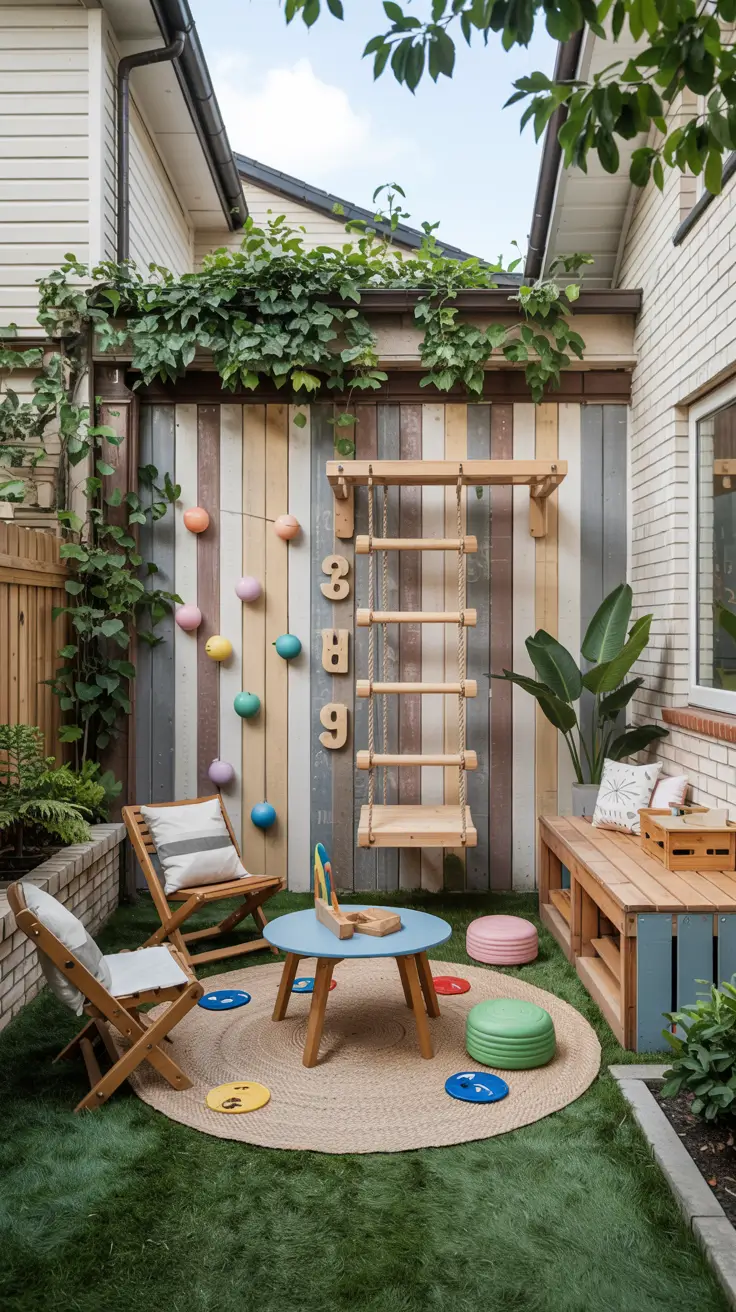
In my opinion, the biggest mistake is overcrowding. I keep pathways clear and allow breathing room. Many modern designers recommend minimalism in small outdoor layouts, and I fully agree with that approach.
I would include more lighting solutions such as solar string lights to extend usability into the evening while maintaining safety.
3. Cheap DIY Outdoor Kids Area Ideas on a Budget
Creating a fun space on A budget is absolutely achievable with the right mindset. I focus on Cheap diy solutions that are both durable and creative. The key is using accessible materials and simple construction techniques.
I often use Pallets to build seating, mini stages, or climbing platforms. Sand boxes made from reclaimed wood and painted tires for obstacle courses are both cost-effective and visually appealing. These elements bring personality while keeping costs low.
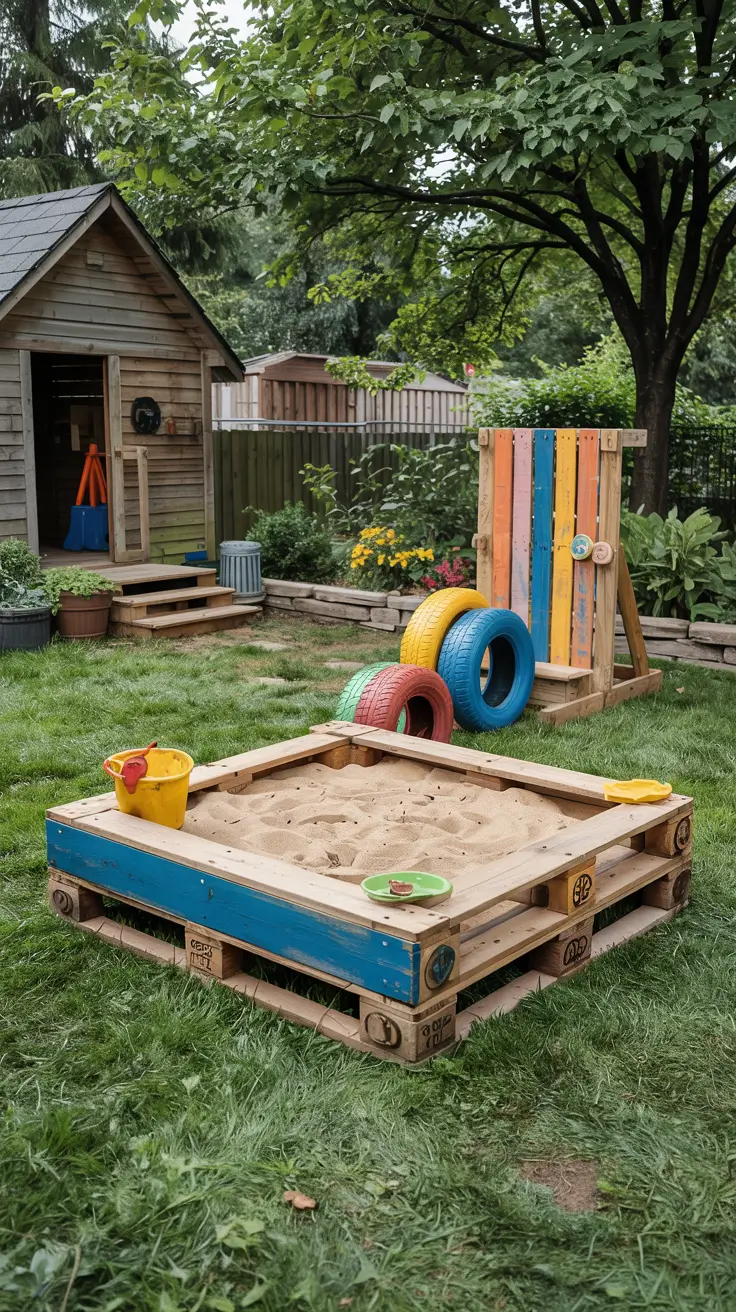
Personally, I find DIY spaces feel more meaningful because they reflect the family’s creativity. Many parenting blogs and DIY communities highlight that children value participation over perfection, which aligns with my experience.
I would enhance this setup with weather-resistant finishes to ensure longevity and reduce maintenance over time.
4. Backyard Garden Play Zones Kids Will Love in 2026
A Garden can easily transform into a Play garden that encourages exploration. I design these zones to feel immersive, almost like a small ecosystem where kids interact with nature.
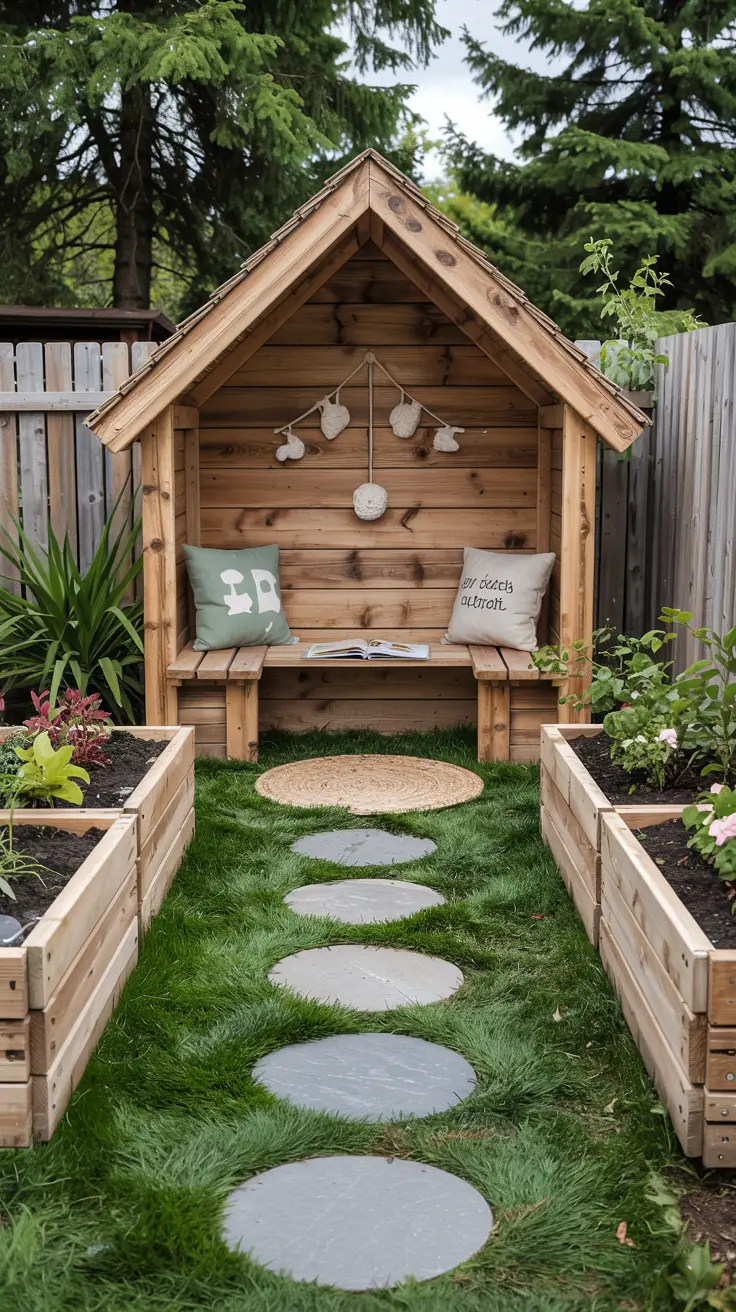
I include raised planting beds, stepping stones, and shaded reading nooks. A Sensory garden with herbs, textured plants, and natural paths adds depth and educational value. Soft grass or rubber tiles ensure safety while maintaining a natural look.
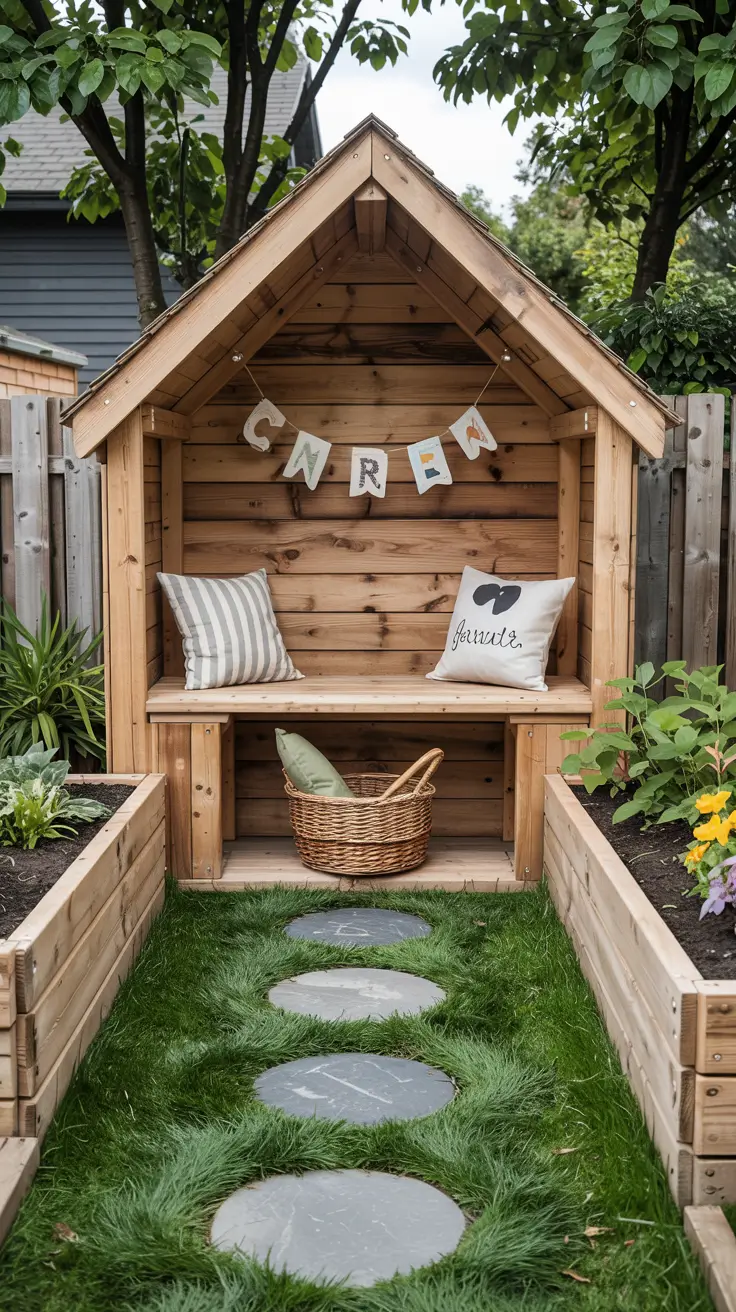
From my perspective, these spaces help children develop curiosity and calmness. Experts often emphasize outdoor learning, and I see clear benefits in combining play with nature exposure.
I would add more seasonal elements like rotating plants or interactive watering systems to keep the space dynamic throughout the year.
5. Playground Design Plans for Modern Family Backyards
When I create a Playground design plan, I think in zones: active, creative, and rest areas. A well-structured plan ensures that the space grows with the child and adapts over time.
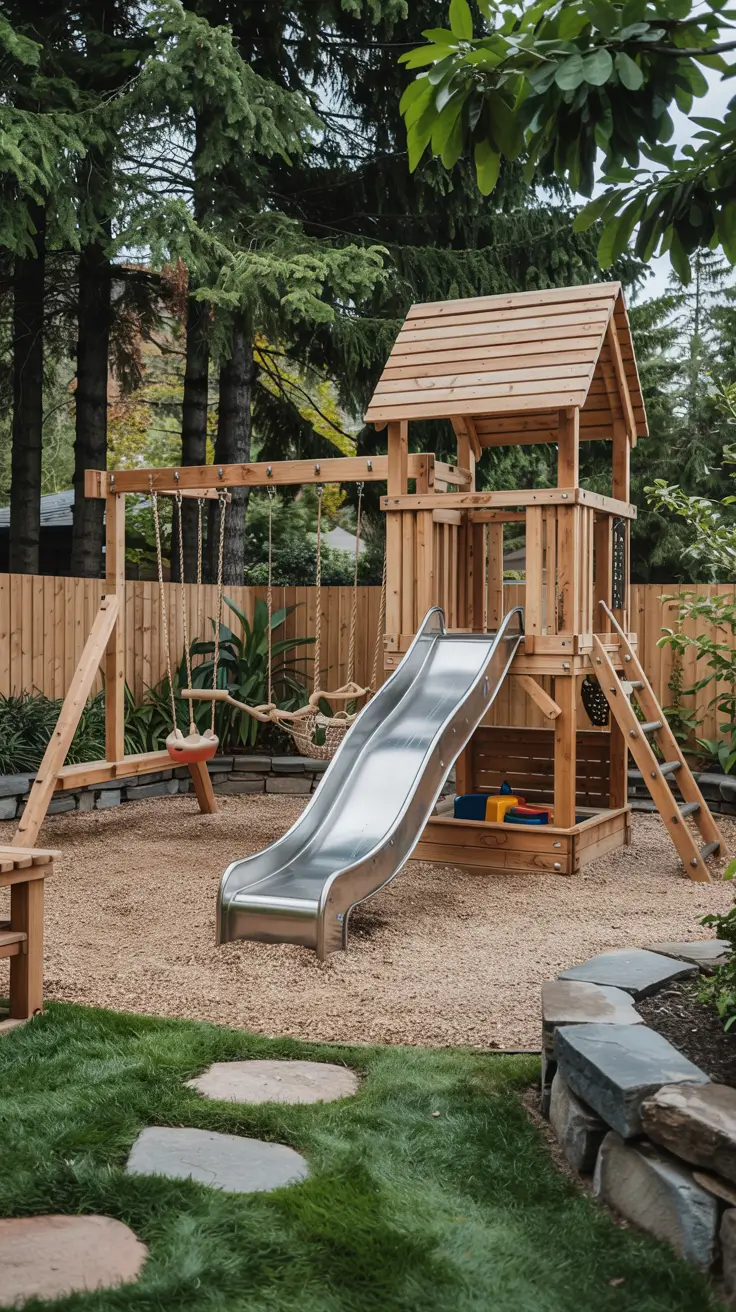
I integrate slides, swings, and climbing features alongside quieter zones like reading corners or art stations. Playground design rubber tiles are essential for safety, especially under high-impact areas. Clear zoning helps prevent chaos and improves usability.
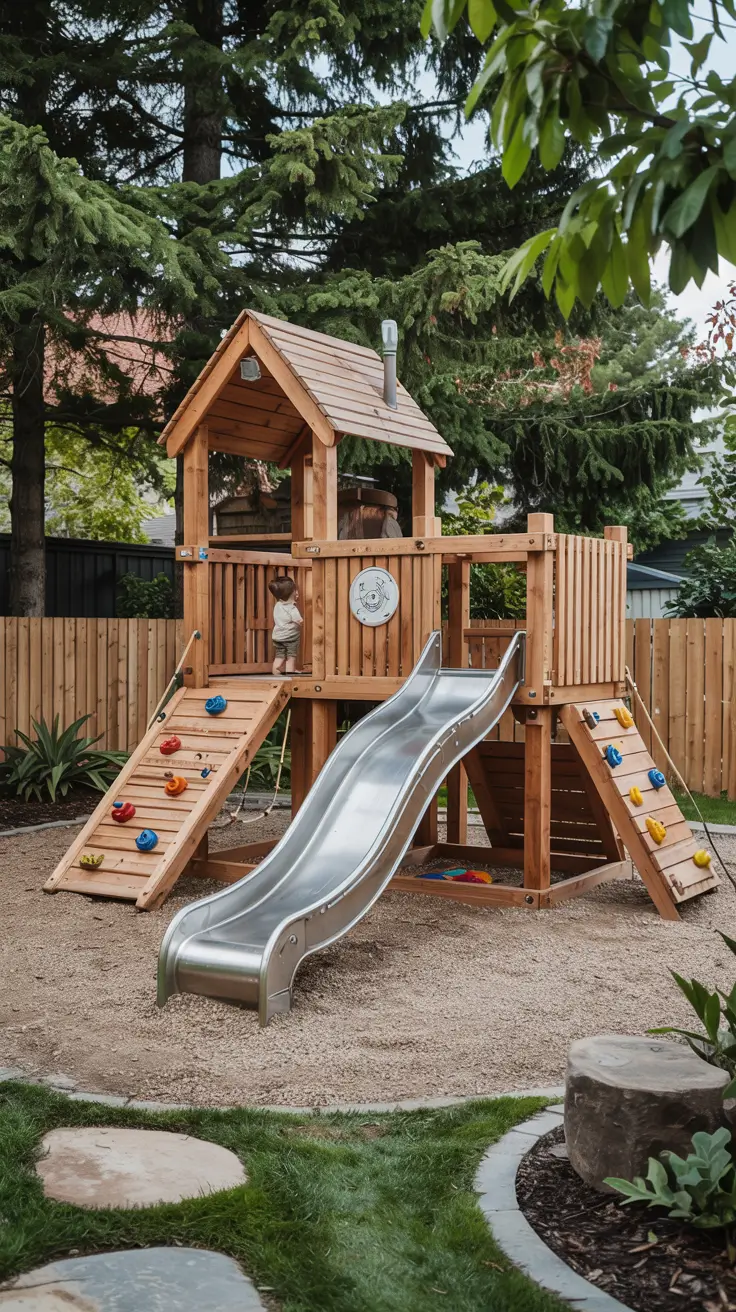
In my experience, planning ahead saves both time and money. Many professional designers recommend scalable layouts, and I always ensure that new features can be added without redesigning the entire space.
I would refine the plan by including a shaded seating area for parents to improve supervision and comfort.
6. Backyard Playground Design Ideas for Safe and Stylish Play
Safety and style should always go hand in hand. I design Backyard playgrounds that look modern while meeting practical safety standards. Clean lines and cohesive materials make a big difference visually.
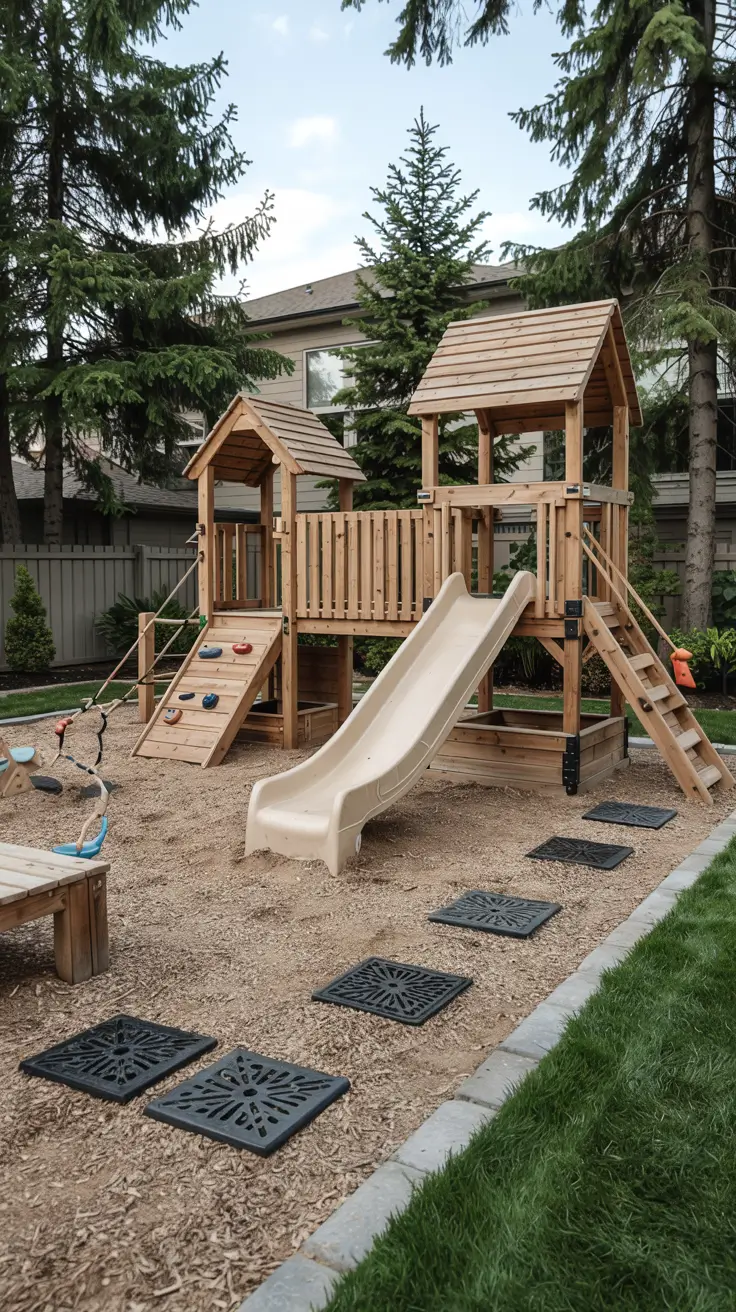
I choose rounded edges, non-slip surfaces, and durable finishes. Neutral tones combined with natural textures create a sophisticated look. I also incorporate fencing or natural barriers to define the Playground area clearly.
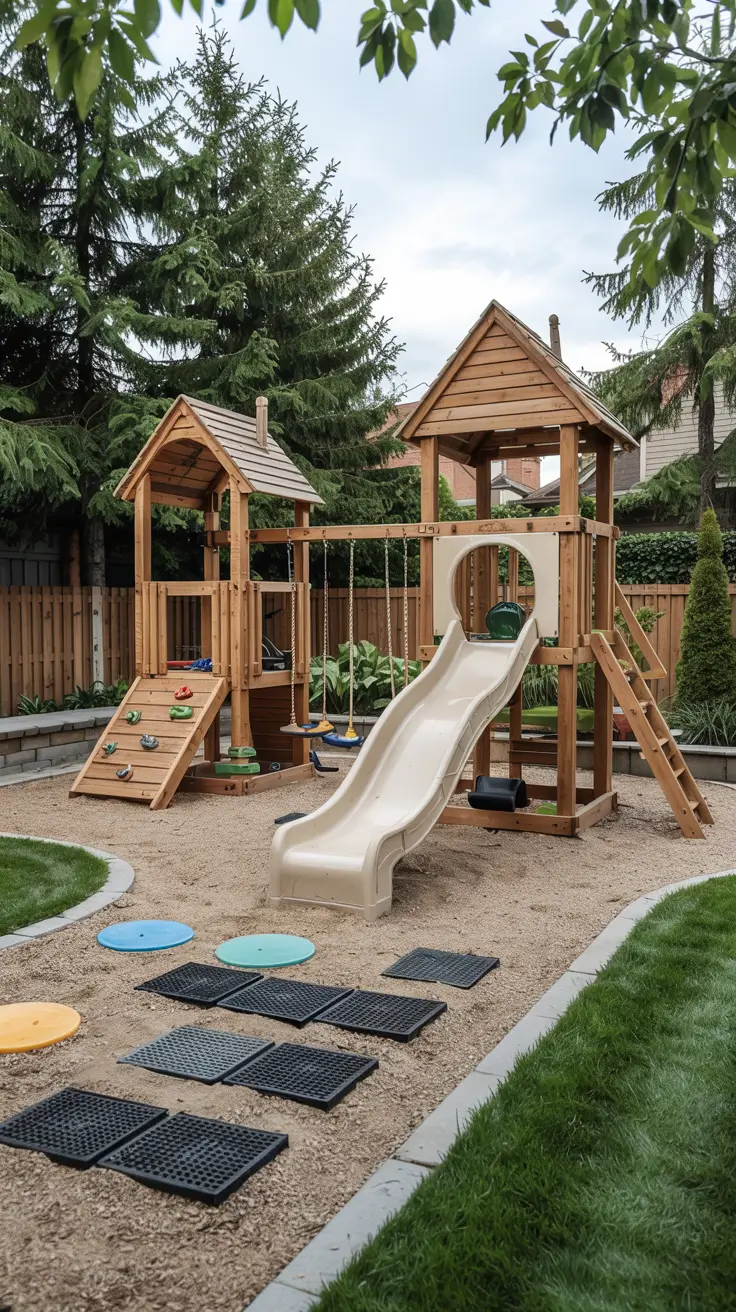
Personally, I believe that a well-designed playground should complement the home rather than feel separate. Many contemporary outdoor designers emphasize cohesion, and I always follow that principle.
I would add smart features like motion-sensor lighting to enhance safety during evening use.
7. Simple Outdoor Playground Setups for Everyday Fun
Sometimes the best solutions are Simple easy setups that require minimal effort but deliver maximum enjoyment. I focus on creating flexible spaces that can be used daily without constant rearrangement.
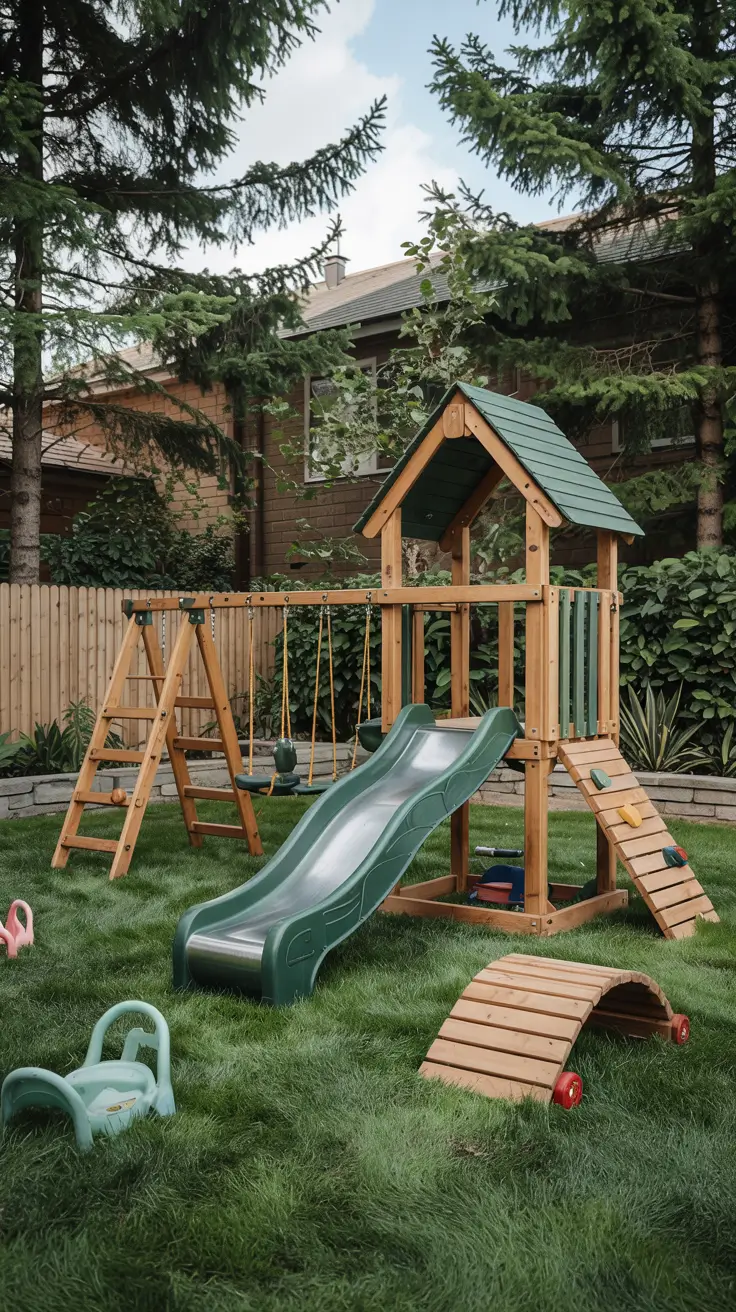
I include portable items like balance beams, small slides, and lightweight seating. Open space is just as important as equipment, allowing kids to invent their own games. A Simple layout also makes cleaning and maintenance much easier.
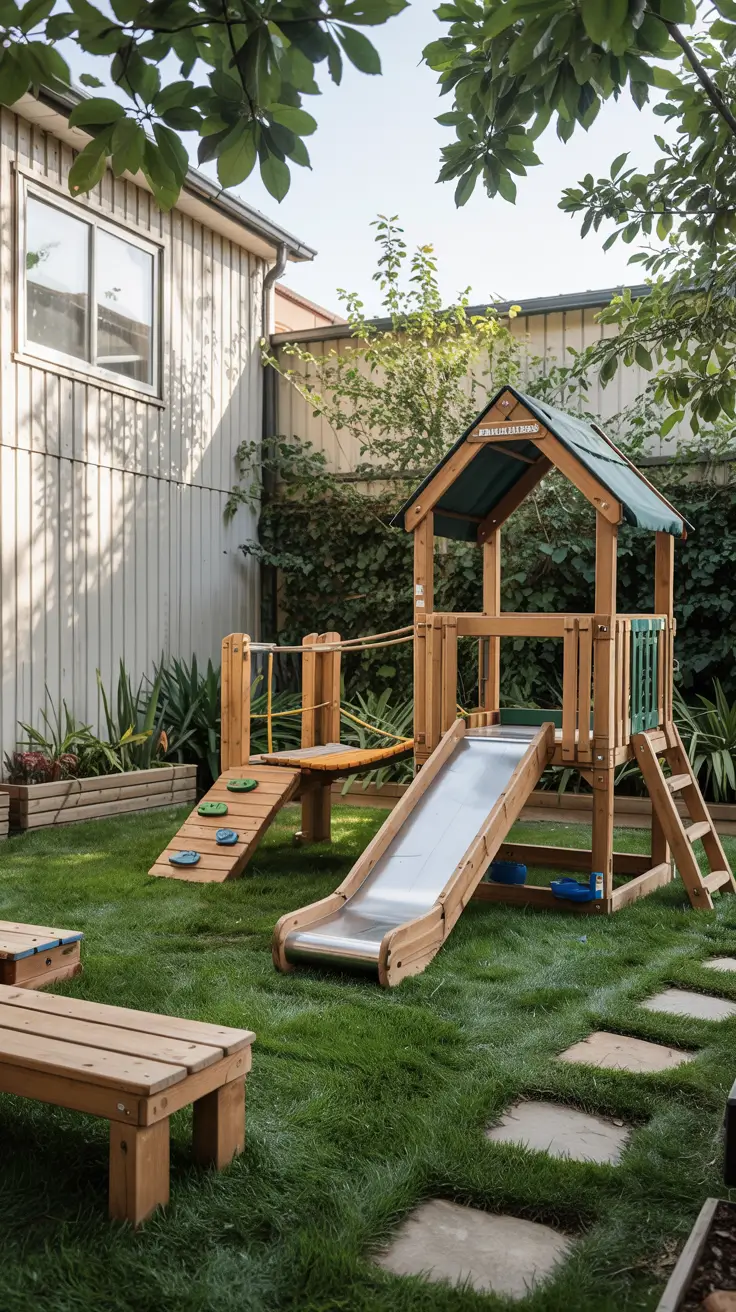
From my experience, children often prefer uncomplicated environments where they can be creative. Overdesigning can limit imagination, so I intentionally keep things straightforward.
I would improve this setup by adding a small shaded canopy to make the area usable in different weather conditions.
8. Mud Kitchen Playground Design Ideas for Messy Creative Play
I design a Playground design mud kitchen as a creative zone where children can explore textures, water, and imagination without restrictions. This type of Play area works especially well in a Backyard because it embraces mess as part of the learning process. I always position it near a water source and natural elements to make the experience feel authentic and engaging.
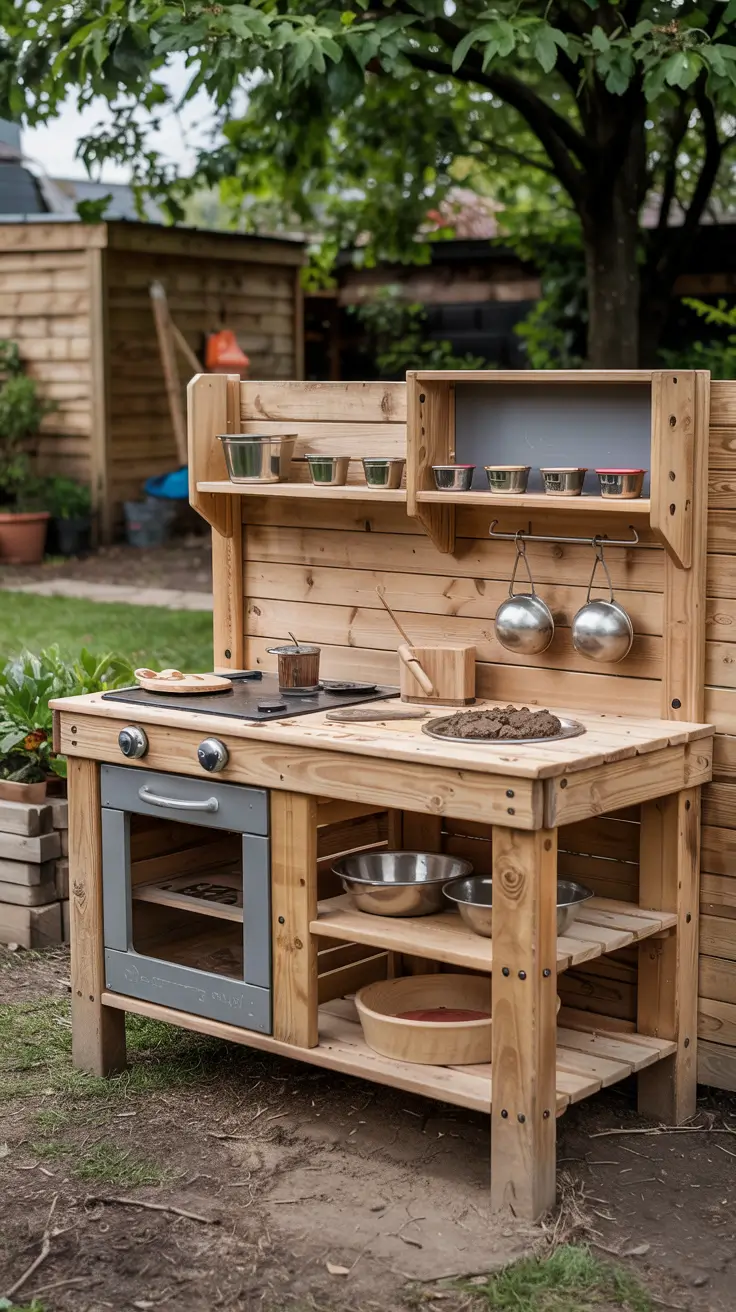
I include wooden counters, open shelving, metal bowls, and hooks for utensils. Using Playground design natural wood helps the structure blend into the Garden while remaining durable. I also add storage crates for sand, soil, and tools, ensuring everything stays organized yet accessible for kids.
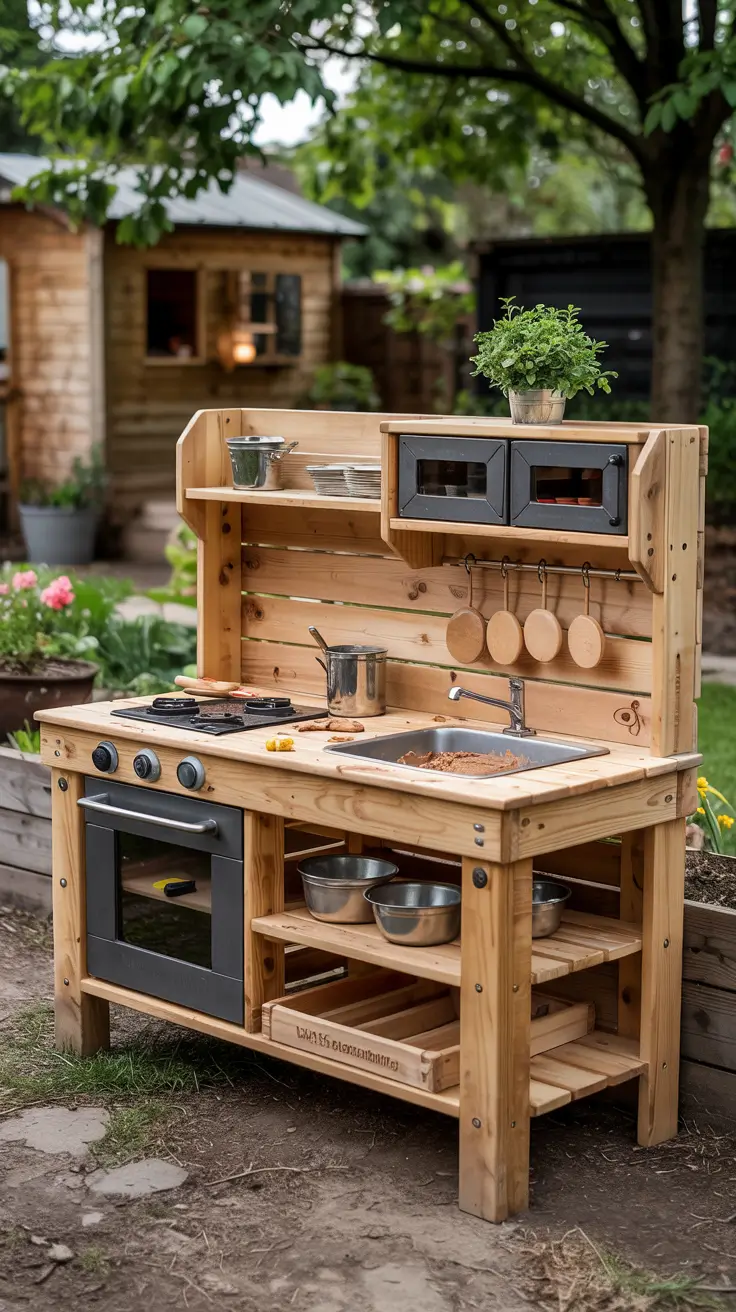
From my experience, mud kitchens encourage role-playing and independent thinking. Many educators inspired by Montessori principles highlight the importance of tactile learning, and I see how children naturally engage longer in these environments.
I would add a shaded canopy or pergola to protect the area from excessive sun and rain, improving comfort and usability throughout the seasons.
9. Water Play Outdoor Ideas to Keep Kids Cool and Active
Water play is one of the most effective ways to keep children active, especially during warm months. I design these areas to be safe, interactive, and easy to maintain. Even a Small space can support a dynamic water feature when planned correctly.
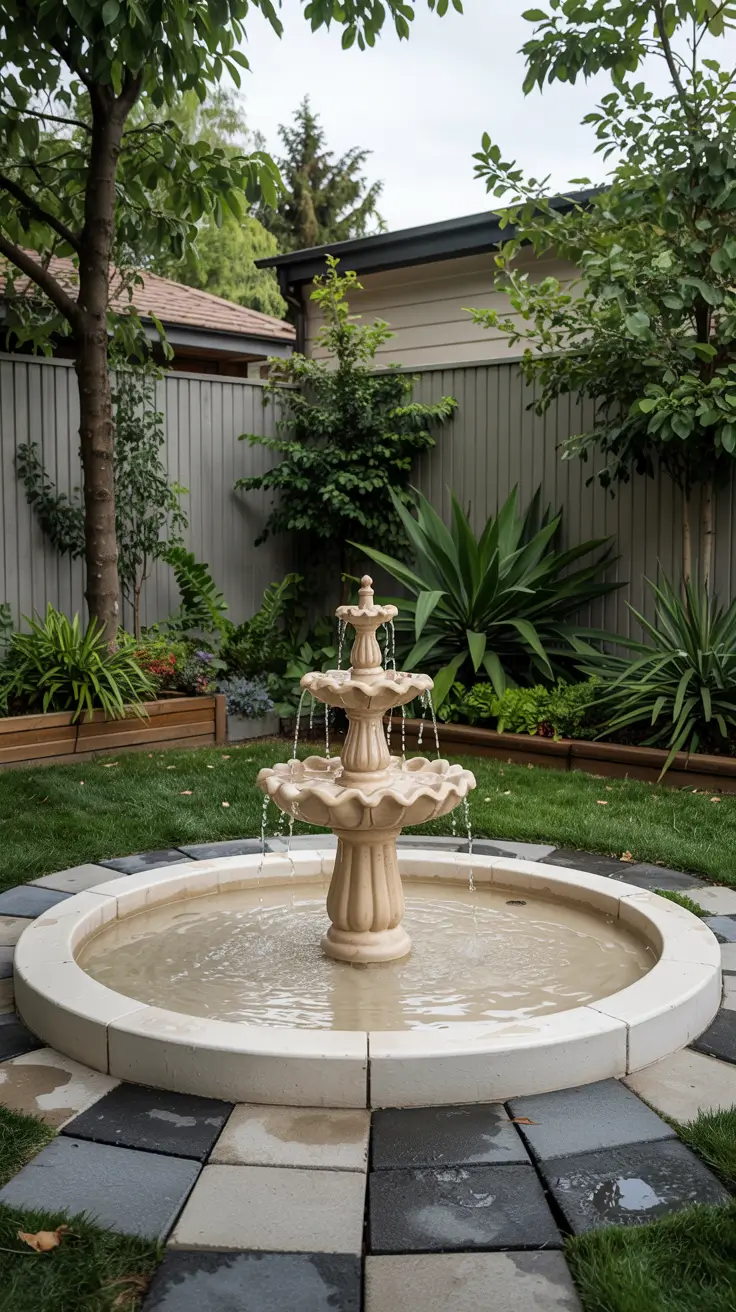
I use splash pads, shallow basins, and simple hose attachments. Non-slip surfaces like Playground design rubber tiles are essential for safety. I also incorporate drainage solutions to prevent standing water and maintain hygiene.
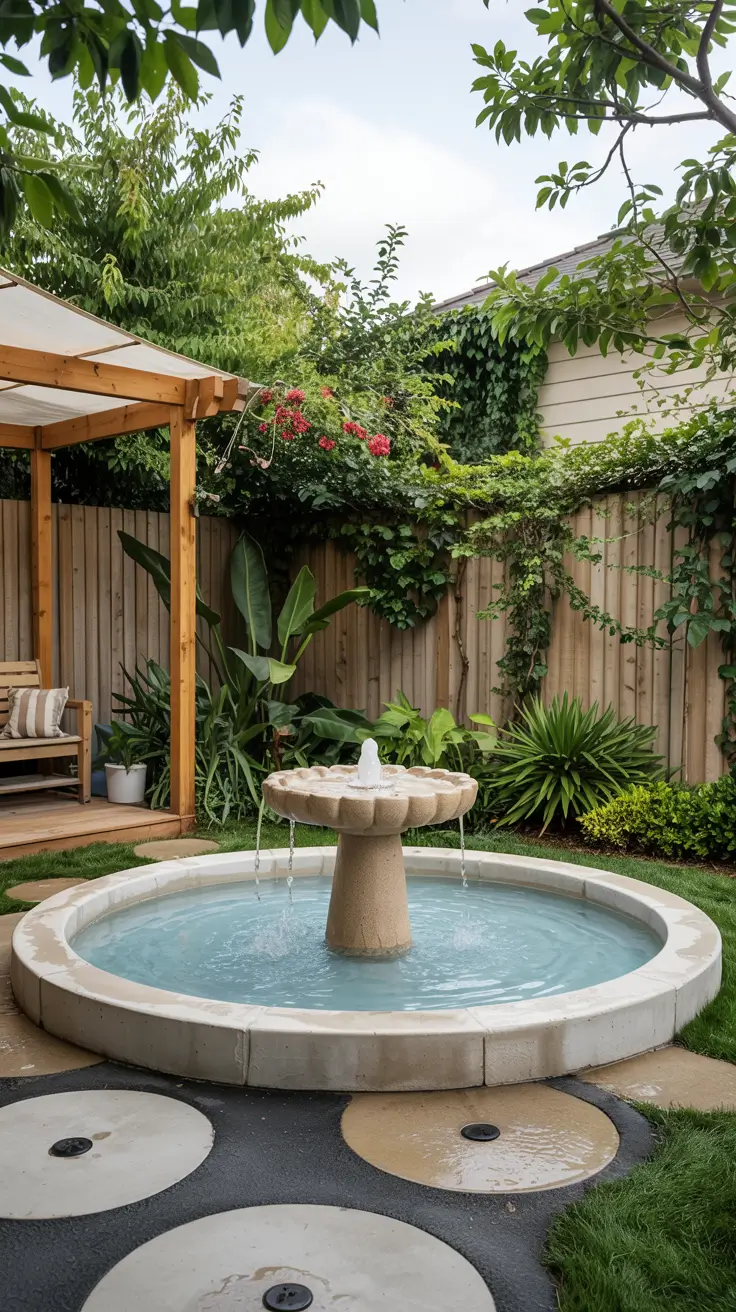
In my opinion, water elements instantly increase the attractiveness of any Playground. Experts often recommend adding sensory-rich features, and water naturally supports that by engaging multiple senses at once.
I would enhance this setup with adjustable water flow systems to control usage and reduce waste, making it more sustainable.
10. Music Wall Playground Designs That Spark Creativity
A Playground design music wall transforms a regular outdoor area into a creative hub. I design these walls to be interactive and visually appealing, encouraging kids to experiment with sound and rhythm. They work especially well along fences or unused vertical surfaces.
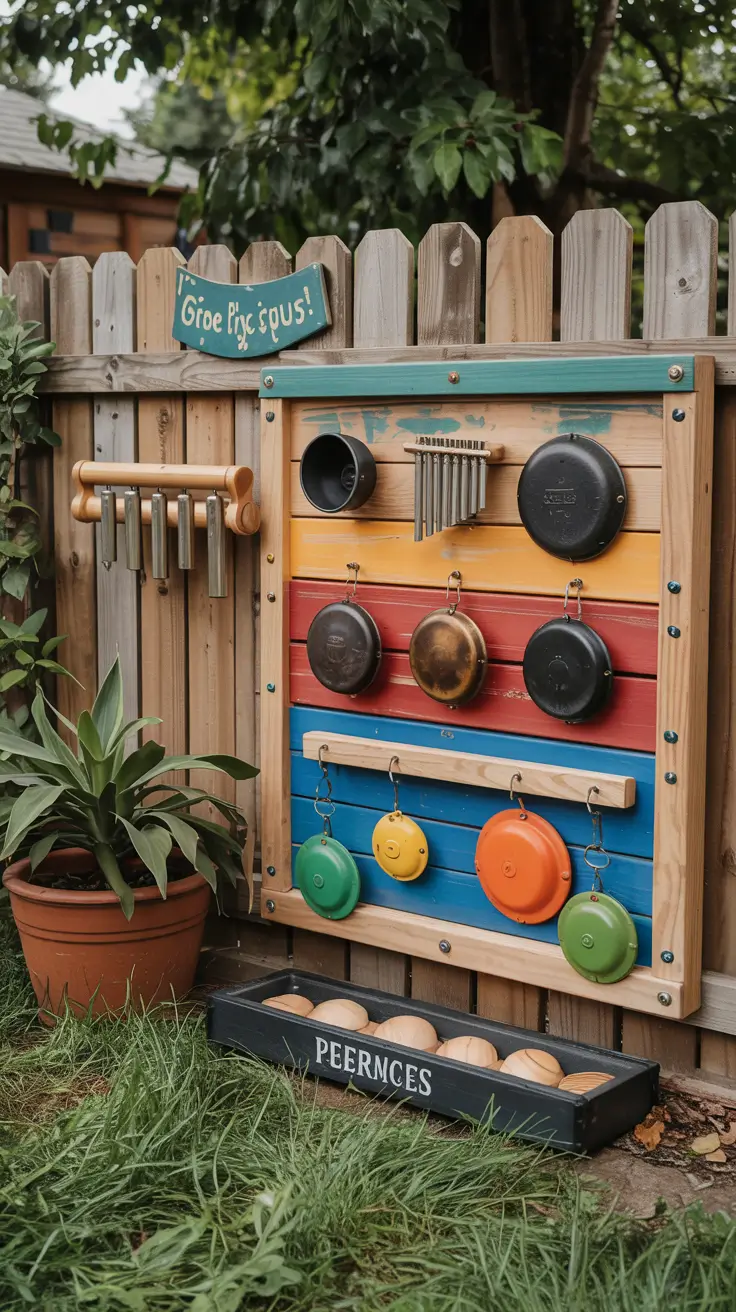
I include items like metal pans, wooden chimes, pipes, and recycled materials that produce different sounds. Mounting them securely at varying heights ensures accessibility for different ages. The design remains Simple while offering endless creative possibilities.
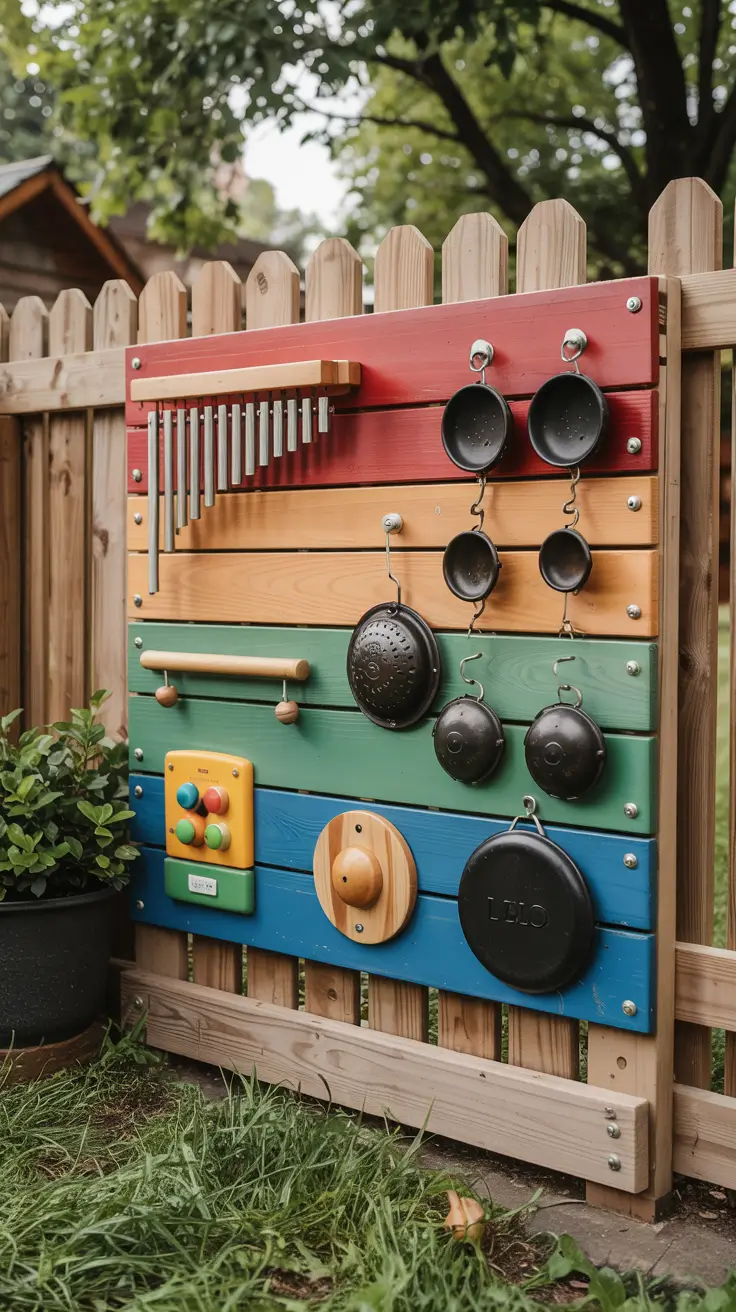
Personally, I find that music walls promote collaboration and social play. Children naturally gather and create together, which strengthens communication skills. Many educational platforms emphasize creative expression, and this setup supports that goal.
I would add weather-resistant coatings to all elements to maintain sound quality and durability over time.
11. Sensory Garden Outdoor Ideas for Kids Exploration
A Sensory garden is designed to stimulate touch, smell, sight, and even taste. I approach this as a calm yet engaging environment where children can explore nature at their own pace. It complements more active Playground zones perfectly.
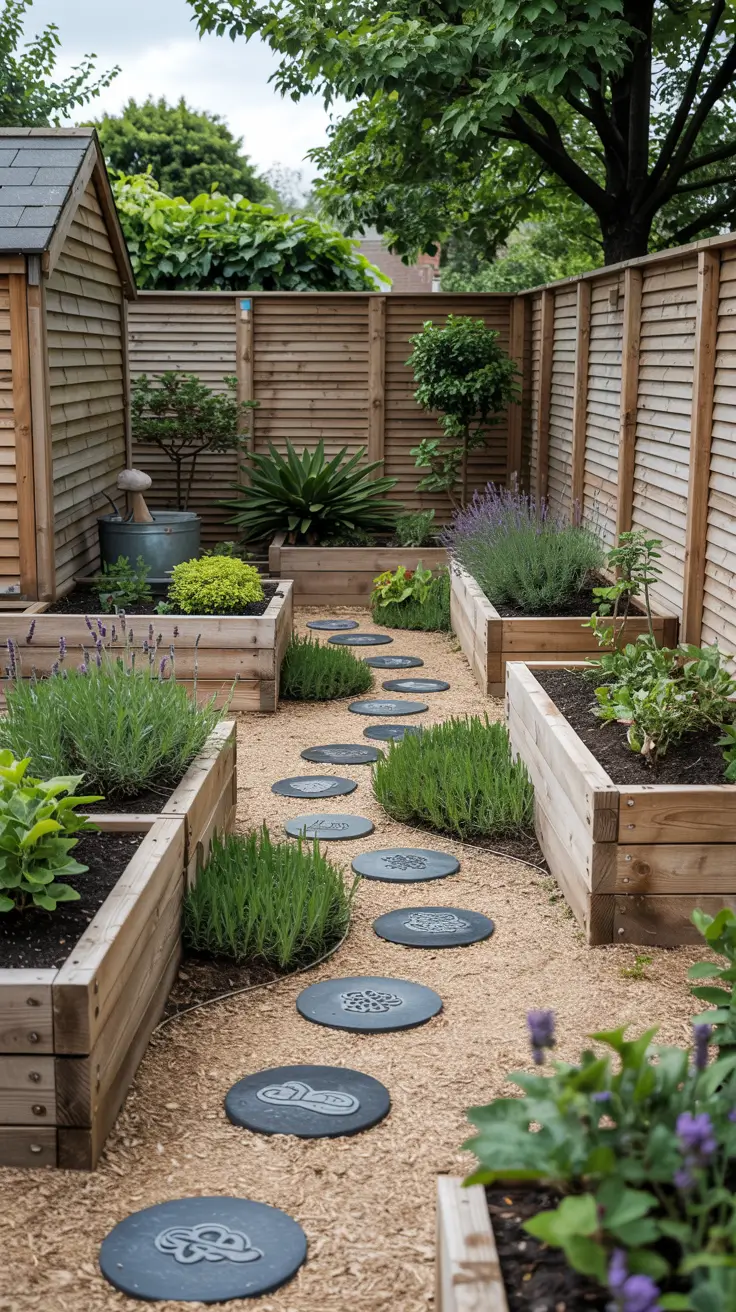
I include textured paths, aromatic plants like lavender and mint, and soft grasses. Raised beds allow children to interact safely with plants. Natural materials and a Nature-inspired layout make the space feel immersive and educational.
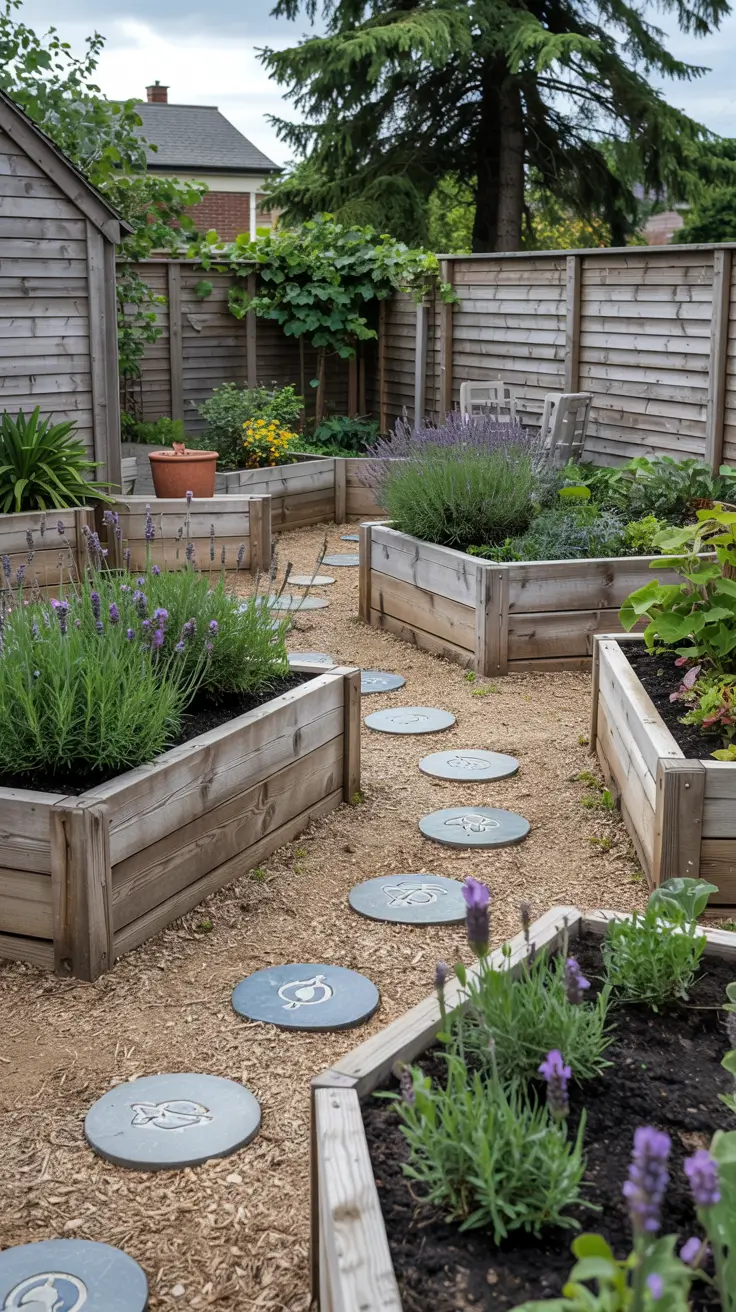
From my experience, sensory gardens help children relax and focus. Many landscape designers recommend incorporating multi-sensory elements, and I’ve seen how this improves both play and learning outcomes.
I would expand the concept by adding interactive labels or simple educational signs to enhance learning opportunities.
12. Backyard Play Area Ideas That Grow With Your Child
I always design a Backyard Play area with long-term usability in mind. Children grow quickly, so the space should evolve without requiring a complete redesign. Flexibility is key to maintaining value and functionality.
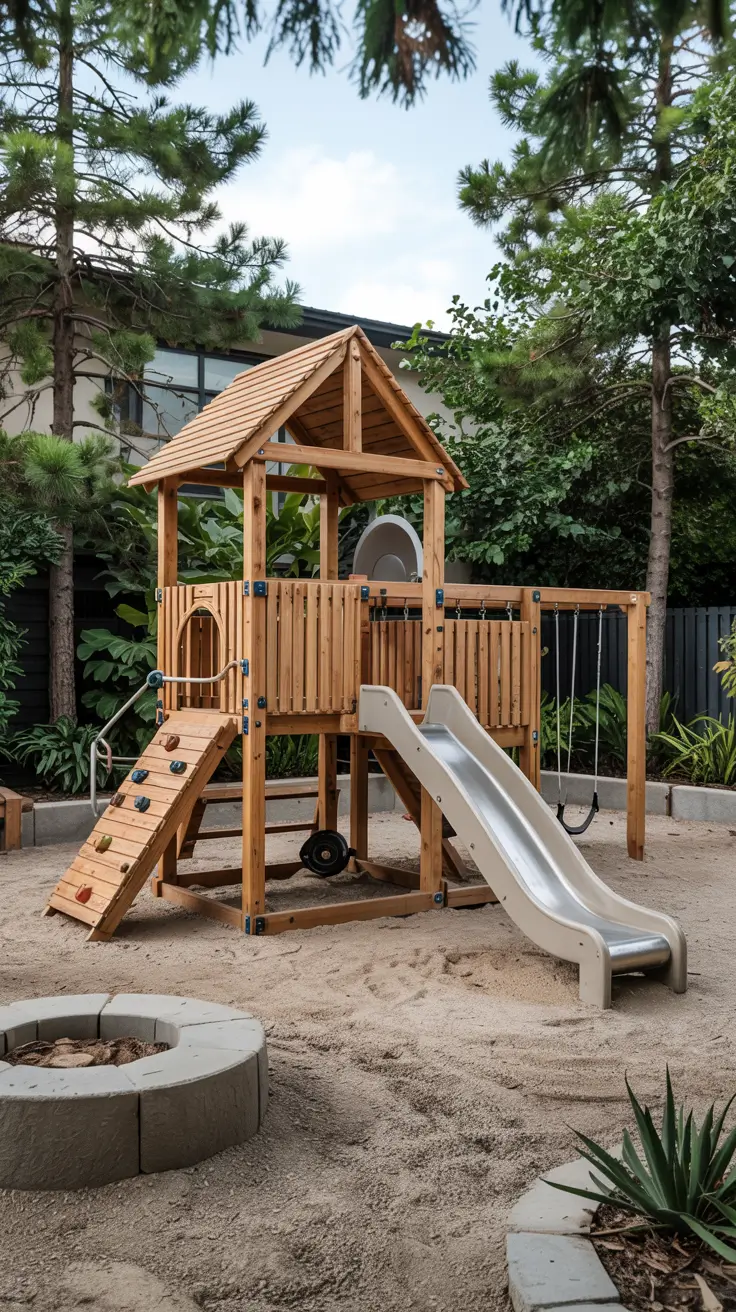
I use adjustable equipment, modular furniture, and open zones that can transition from toddler Play to more complex activities. Neutral materials and scalable structures make updates easier over time.
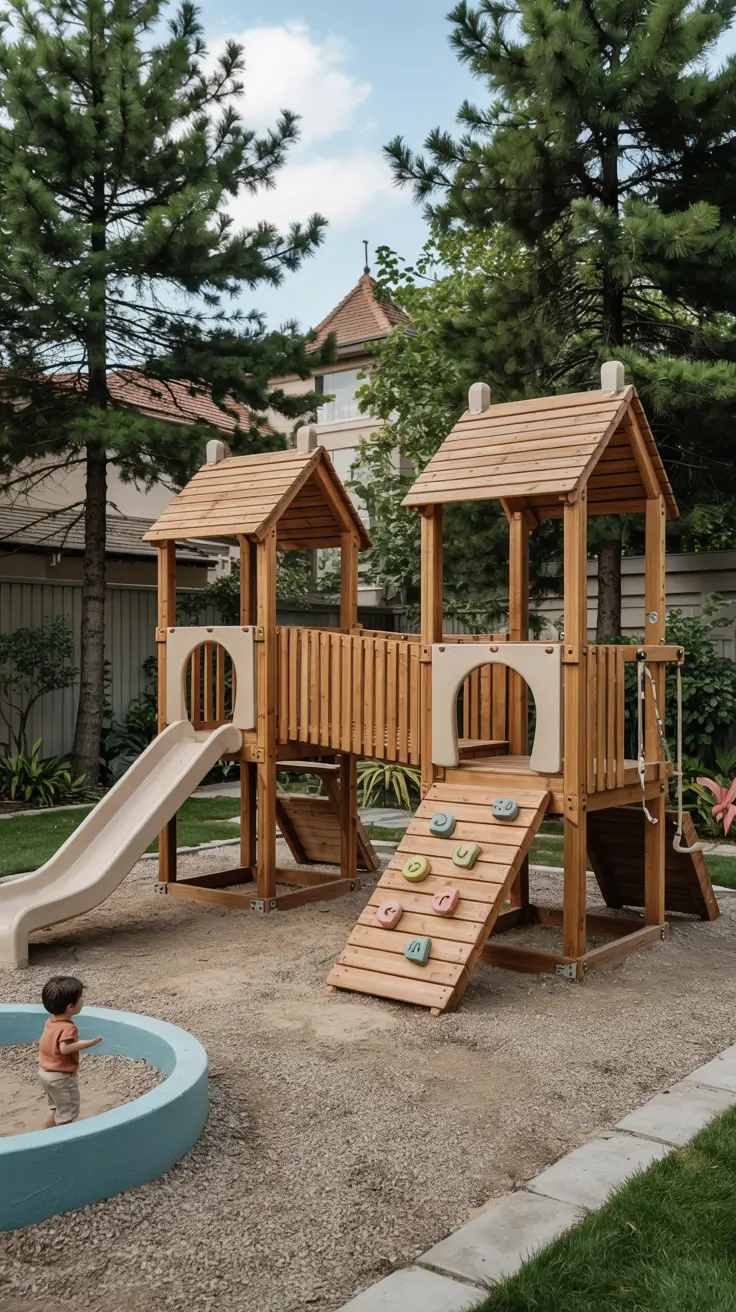
In my opinion, investing in adaptable design saves effort in the future. Many professionals highlight the importance of future-proofing outdoor spaces, and I consistently apply that principle in my work.
I would include more multipurpose elements like convertible seating or expandable climbing structures to increase adaptability.
13. Simple Outdoor Play Ideas for Stress-Free Family Spaces
Creating Simple outdoor Play spaces helps reduce maintenance and stress for families. I focus on layouts that are easy to manage while still being engaging for children. The goal is to support daily use without constant adjustments.
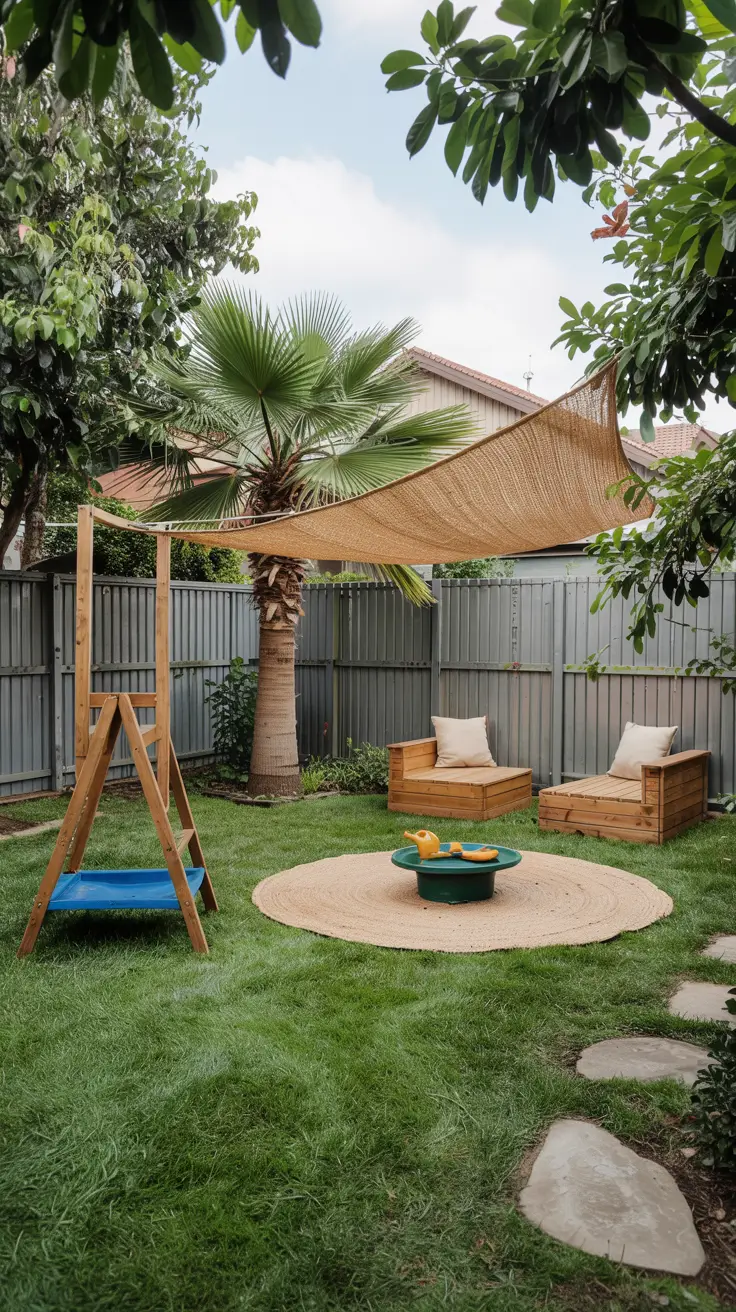
I include open lawns, a few versatile play items, and shaded seating. A Simple easy setup allows children to move freely and encourages spontaneous play. Storage solutions keep everything organized and accessible.
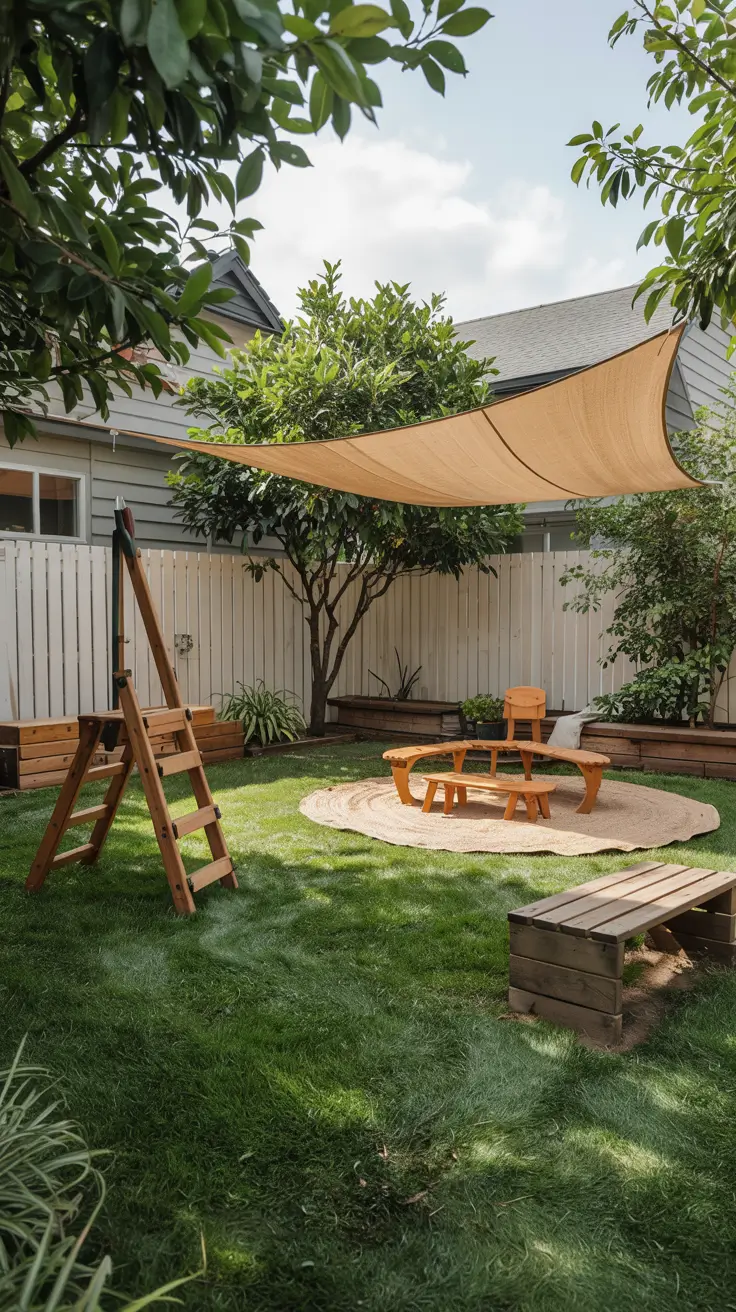
From my experience, parents appreciate spaces that don’t require constant supervision or cleanup. Simplicity often leads to more consistent use and enjoyment.
I would improve this concept by adding subtle zoning markers like ground textures or low borders to define areas without cluttering the space.
14. Pallet Outdoor Play Structures for Budget-Friendly Fun
Using Pallets is one of the most practical ways to create a Cheap diy Playground. I design these structures to be safe, creative, and adaptable for different Backyard layouts. They are especially useful when working with A budget.
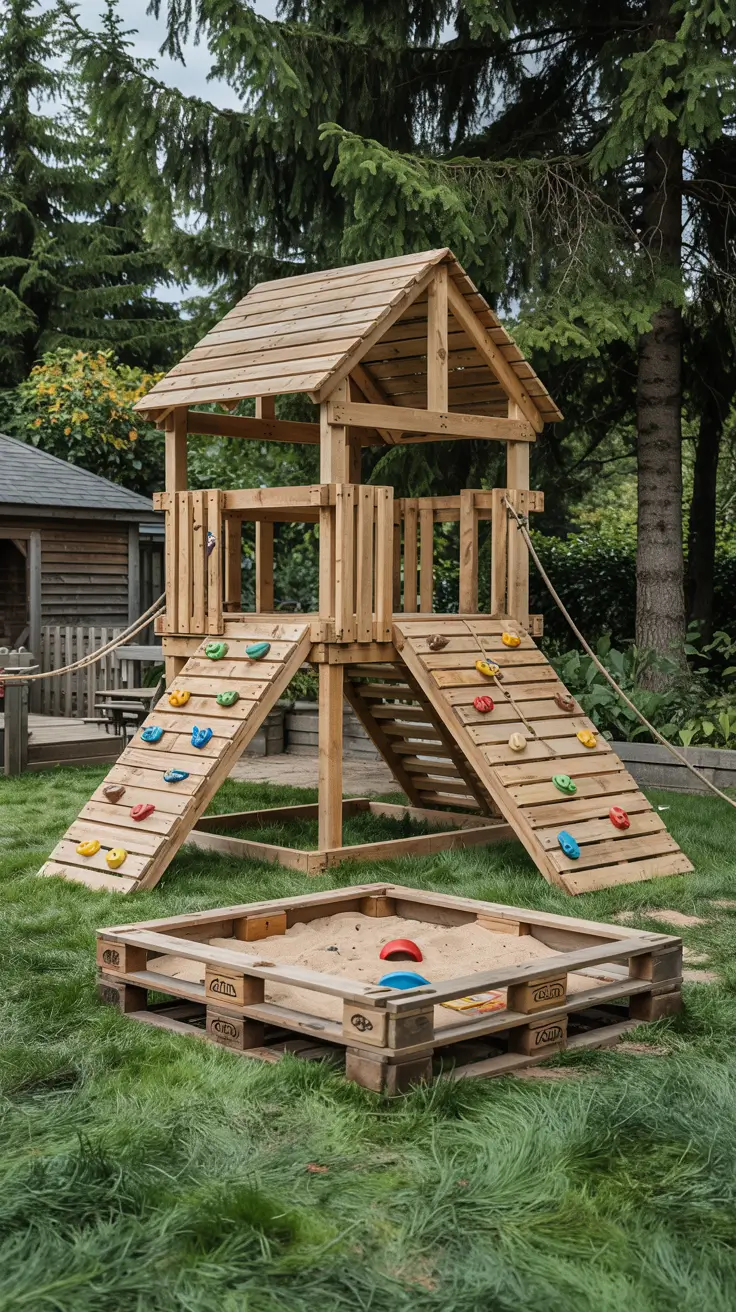
I build climbing frames, seating, and small platforms using treated pallets. Sanding and sealing the wood is essential for safety. These structures can also be painted or customized to match the overall design.
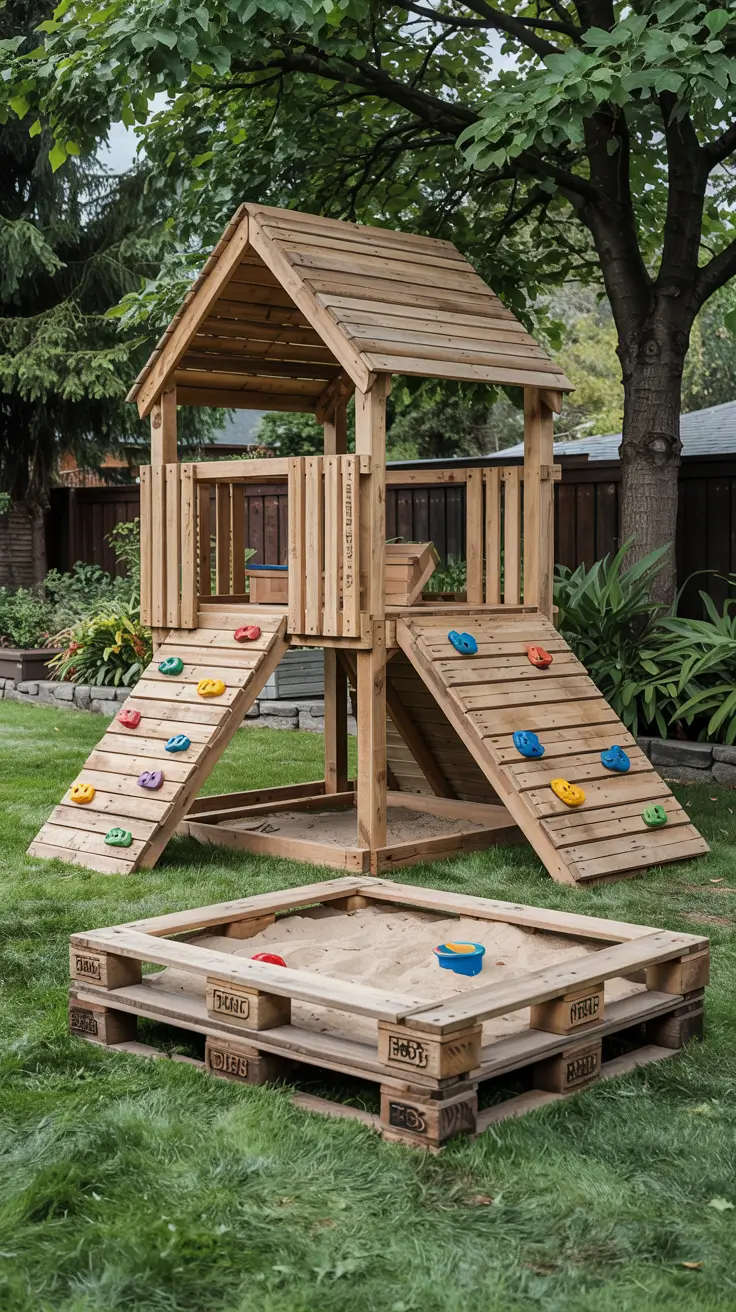
Personally, I find pallet projects highly rewarding because they combine affordability with creativity. Many DIY communities support this approach, and I’ve seen how effective it is in real spaces.
I would add protective coatings and secure anchoring systems to improve durability and ensure long-term safety.
15. Budget Outdoor Area Ideas for Kids Without Sacrificing Style
I always start budget-friendly designs by focusing on zoning the Backyard efficiently. Even in a Small space, I create defined Play zones using simple materials like gravel paths, grass patches, and wooden borders. A well-thought Playground design plan allows me to maximize usability without overspending while keeping the space visually cohesive.
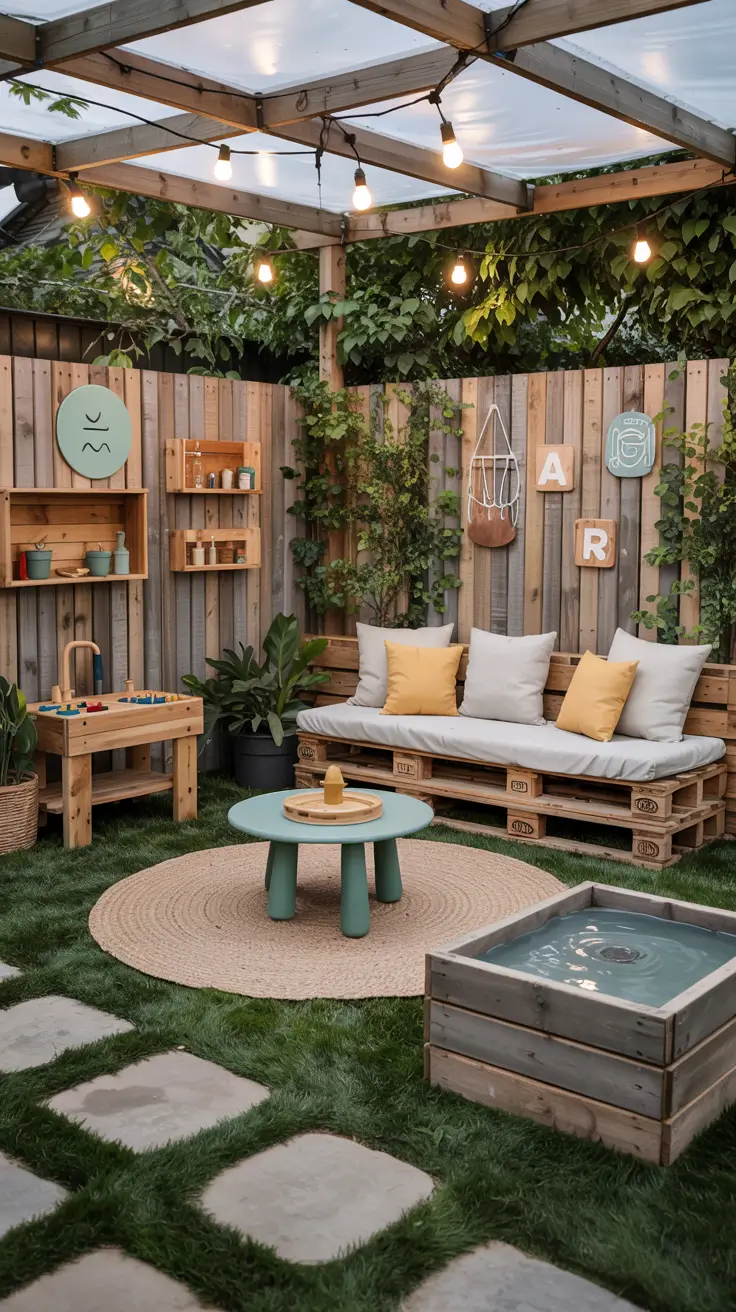
For furniture and features, I rely on Pallets for seating, storage benches, and even mini climbing structures. I also incorporate a Playground design mud kitchen made from reclaimed wood, which adds both function and charm. Affordable additions like a small Water play station using containers and a shaded corner with fabric canopies help create variety without increasing costs.
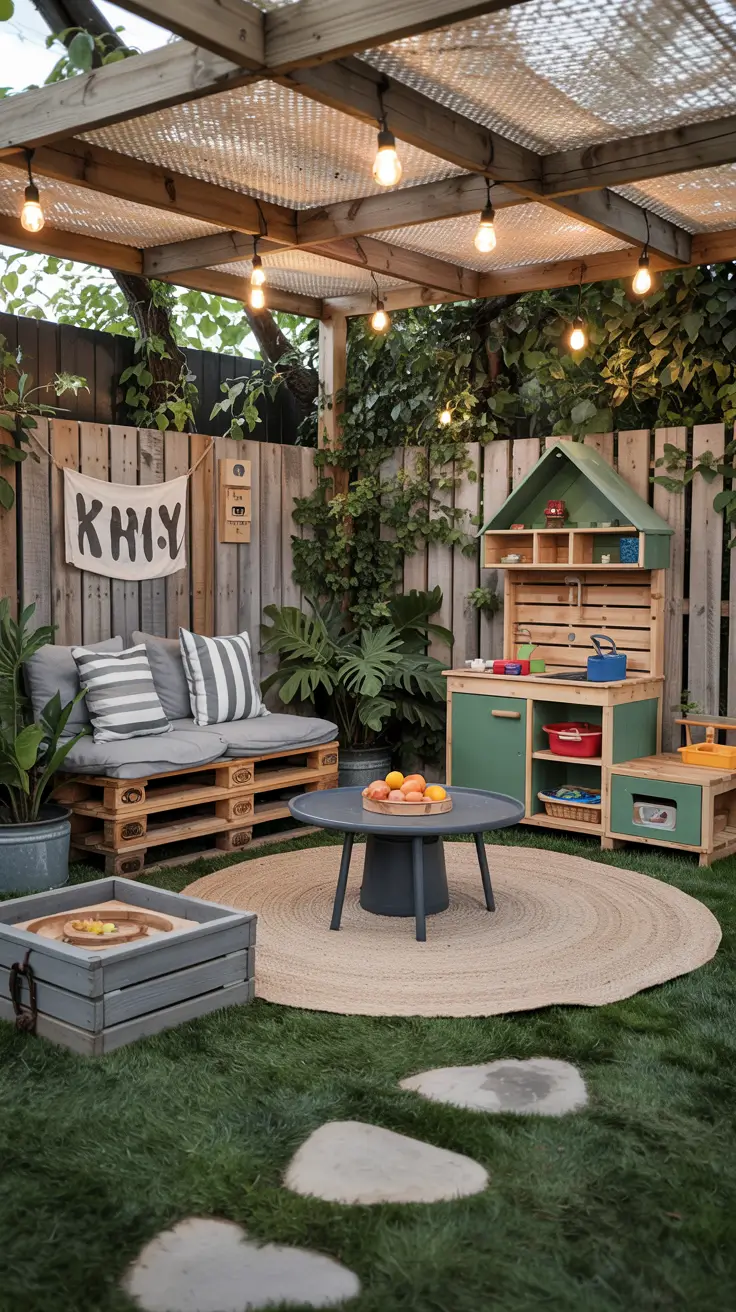
From my experience, style comes from consistency rather than expense. I follow advice often highlighted by Better Homes and Gardens, which emphasizes layering textures and natural tones. I find that sticking to a Nature-inspired palette makes even Cheap diy elements feel intentional and modern.
What I would add here is better lighting planning. Solar lights or string lighting can elevate the entire space in the evening while remaining budget-friendly and safe for kids.
16. Nature-Inspired Outdoor Play Spaces for Kids in 2026
When I design Nature-inspired outdoor spaces, I focus on blending the Playground seamlessly with the Garden. I use organic layouts instead of rigid lines, allowing kids to move freely between Play zones. This approach supports creativity and makes the area feel calm and immersive.
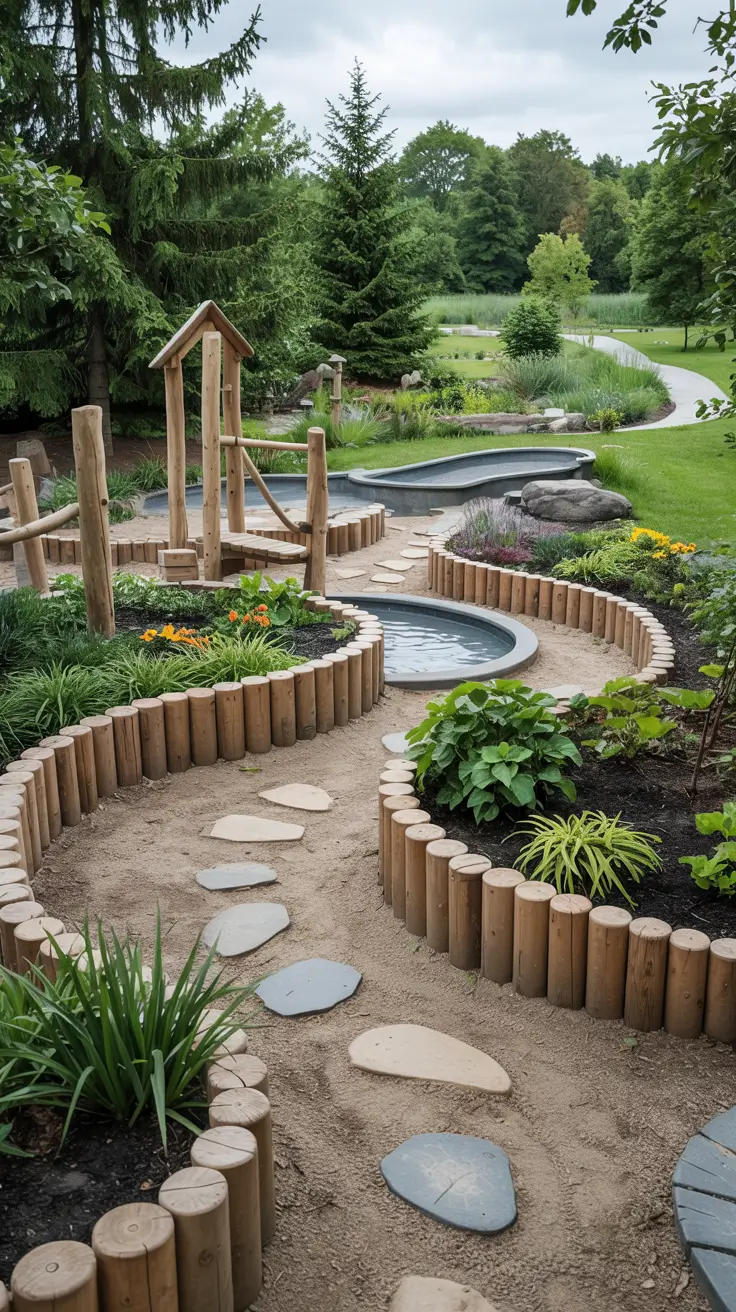
I include natural materials such as logs, stones, and untreated wood to build structures. A Sensory garden with herbs, textured plants, and soft grass enhances the experience. I also integrate simple water features for Water play, which adds a dynamic and soothing element to the environment.
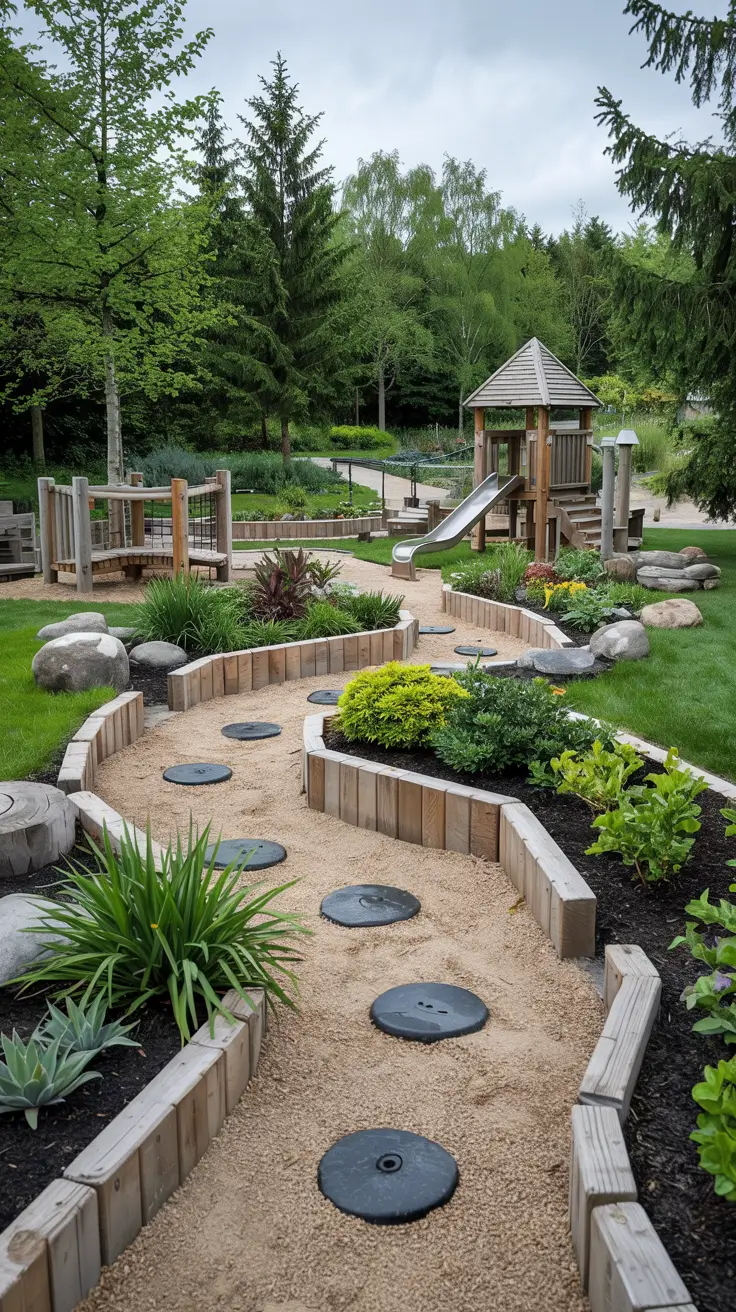
Personally, I have seen children engage longer in spaces that mimic nature rather than traditional plastic setups. Designers featured in Architectural Digest often highlight the importance of biophilic design, and I fully agree with that approach for kids’ areas.
What I would improve in this section is adding weather protection elements like pergolas or shade sails to ensure usability in different seasons.
17. Natural Wood Playground Designs for Eco-Friendly Backyards
I prioritize sustainability when working with natural wood Playground design natural wood concepts. Using untreated or responsibly sourced wood helps create an eco-friendly Backyard while maintaining durability. The overall layout feels warm and blends naturally with outdoor surroundings.
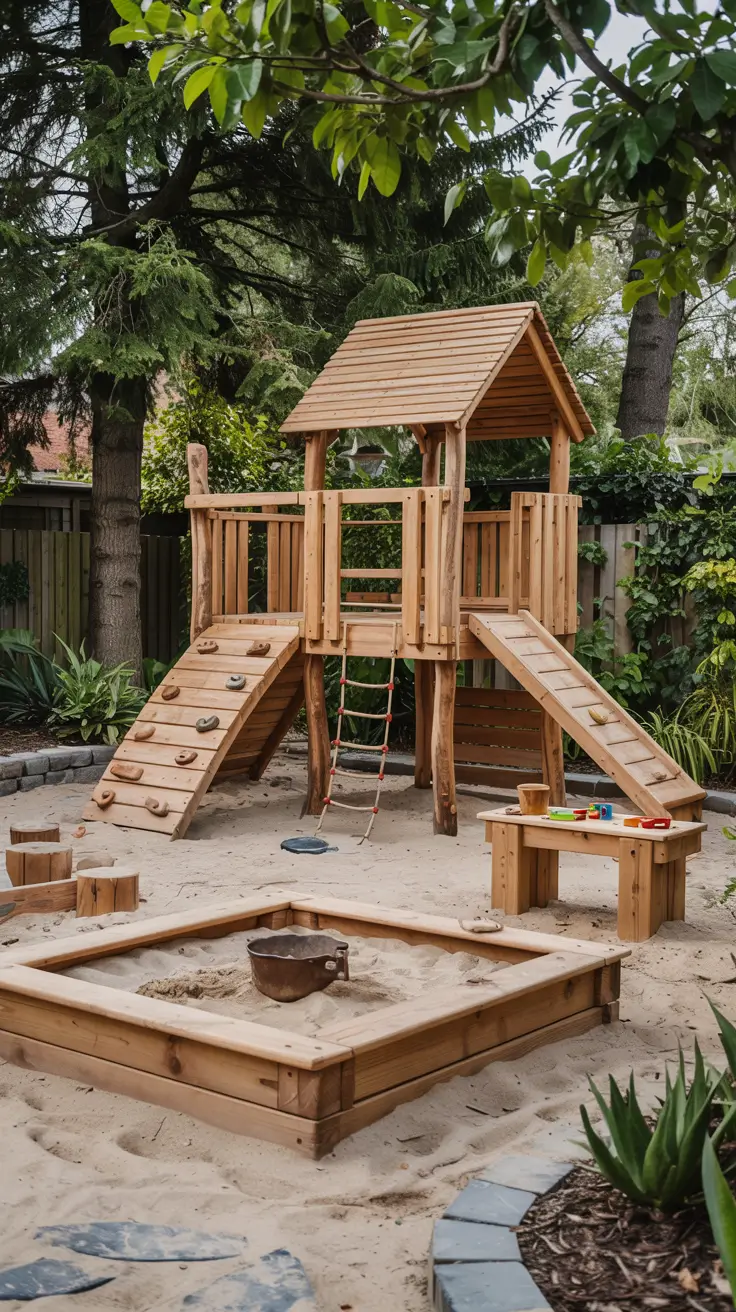
I typically include wooden climbing frames, balance beams, and a Playground design sand boxes area bordered with timber. A Playground design mud kitchen fits perfectly into this concept, especially when paired with wooden shelves and hooks for tools. These elements are both functional and aesthetically pleasing.
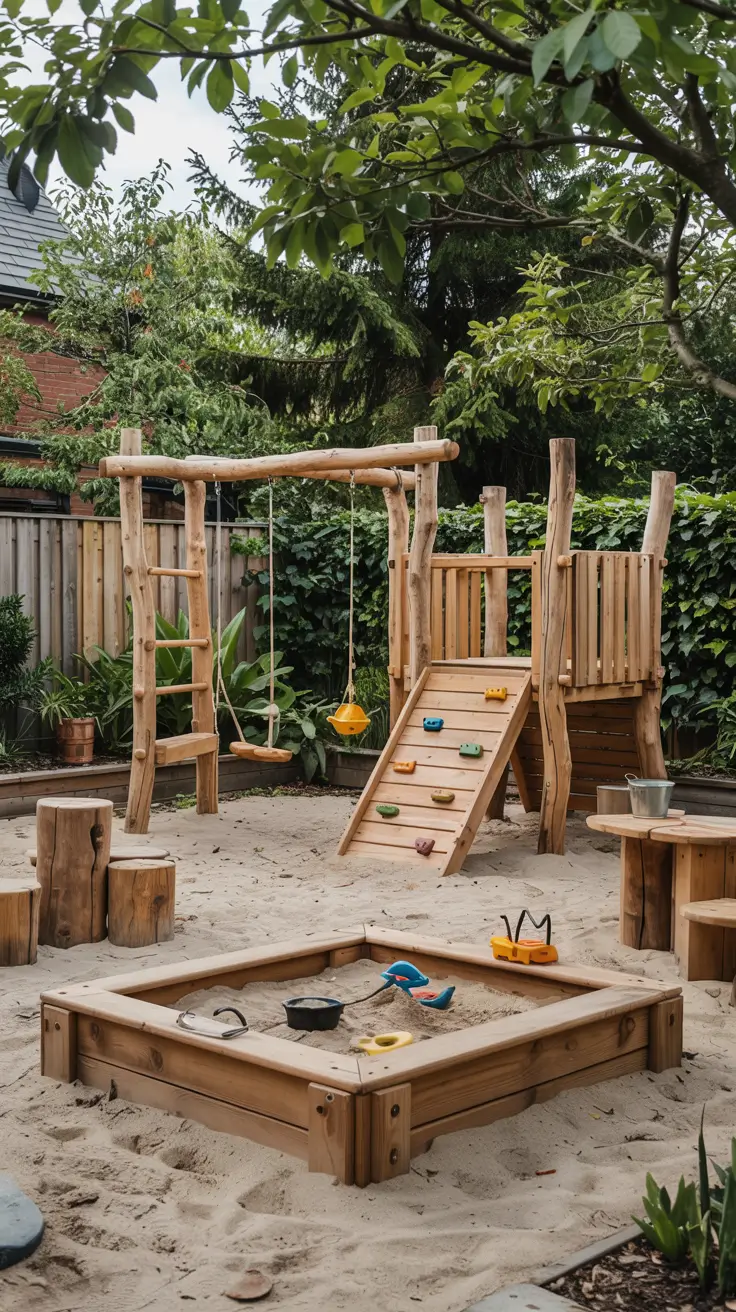
From my perspective, natural wood structures age beautifully and require less visual maintenance compared to plastic alternatives. Experts from HGTV often emphasize timeless materials, and I have found that wood consistently delivers long-term value.
What is missing here is guidance on wood treatment and maintenance. I would recommend adding natural oils or eco-friendly sealants to extend the lifespan of the structures.
18. Play Garden Ideas That Combine Learning and Fun
I design Play garden spaces with a strong focus on combining education and entertainment. A well-structured Garden can become a place where kids learn through interaction while enjoying free Play. I divide the space into zones that support creativity, exploration, and relaxation.
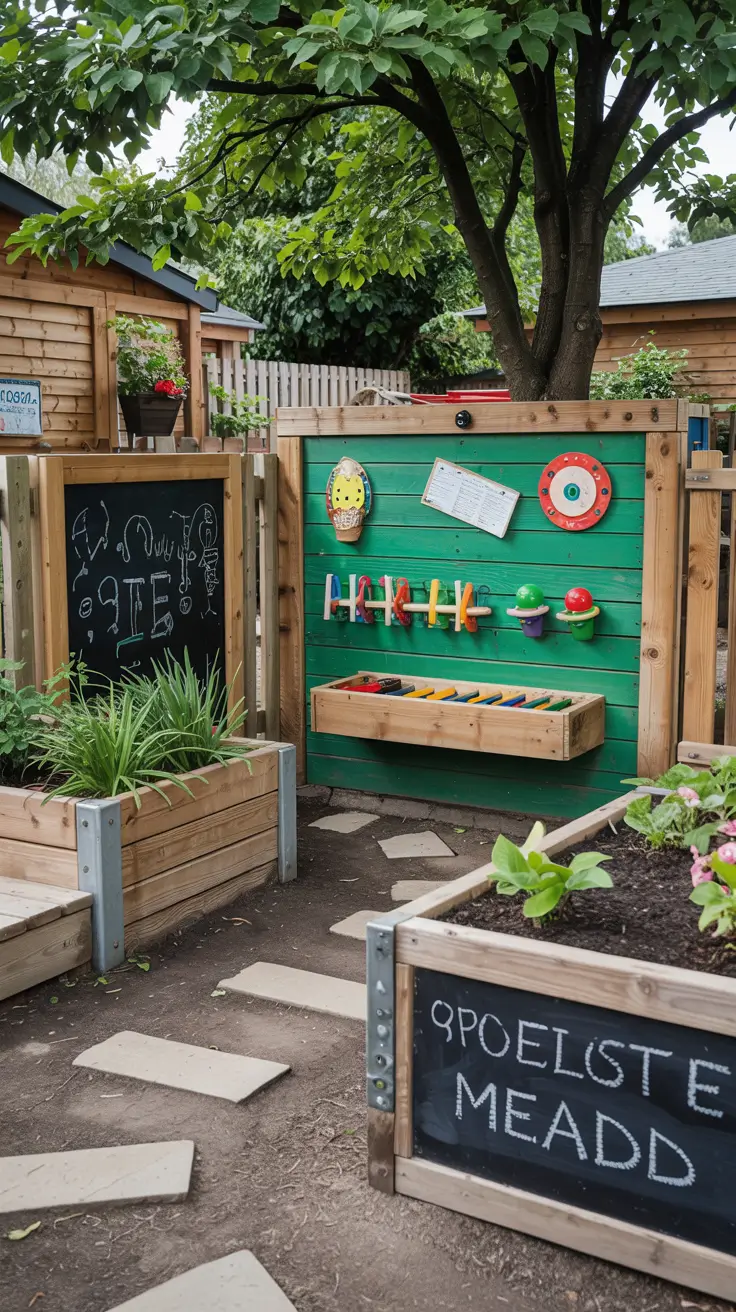
Key elements I include are planting beds for kids, a Playground design music wall made from recycled items, and a small chalkboard area. These features encourage sensory development and creativity. Adding labeled plants and interactive elements transforms the space into a learning environment.
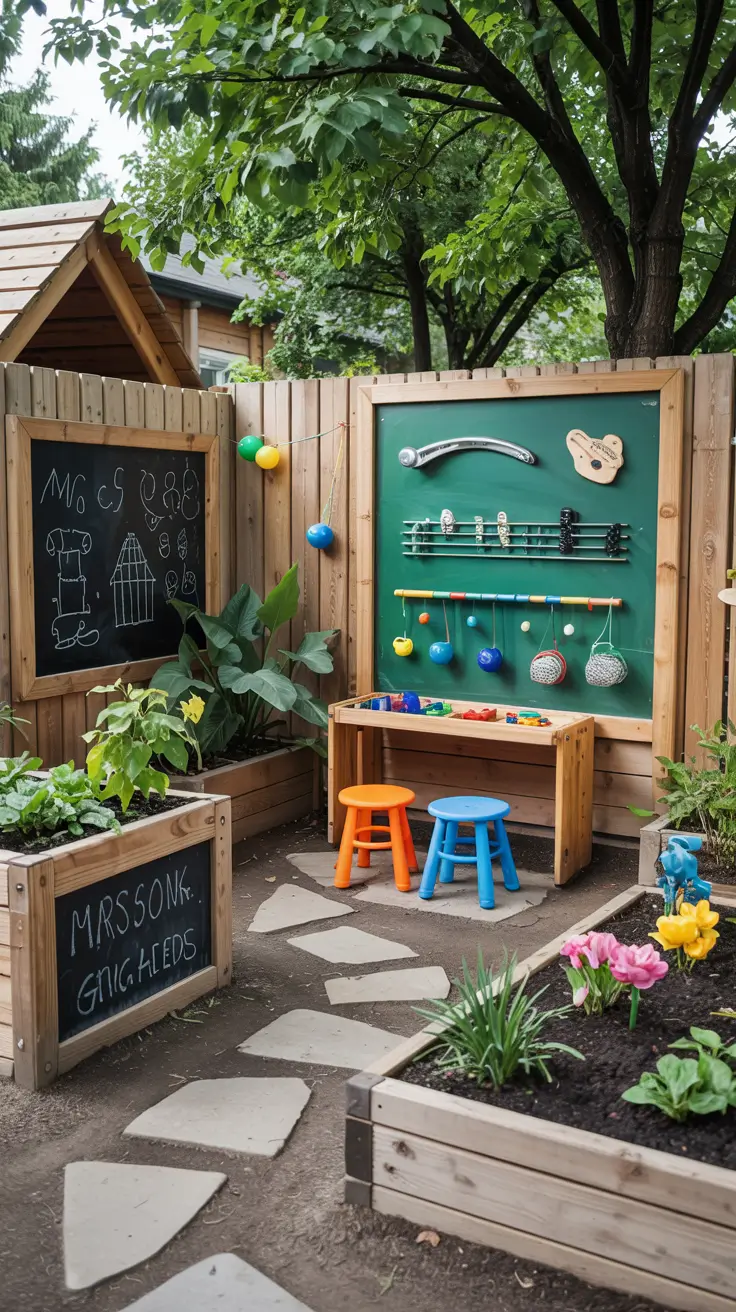
In my experience, children naturally gravitate toward spaces where they can experiment. Educational design approaches often promoted by Montessori principles reinforce this idea, and I consistently see positive results when applying them outdoors.
What I would add is a seasonal rotation plan. Changing plants or activities throughout the year keeps the Play garden engaging and prevents boredom.
19. Simple and Easy Outdoor Play Areas You Can Build Fast
When time is limited, I focus on Simple easy Playground solutions that can be built quickly without compromising quality. I simplify the Playground design plan by reducing complexity and using modular elements that can be assembled in a day or two.
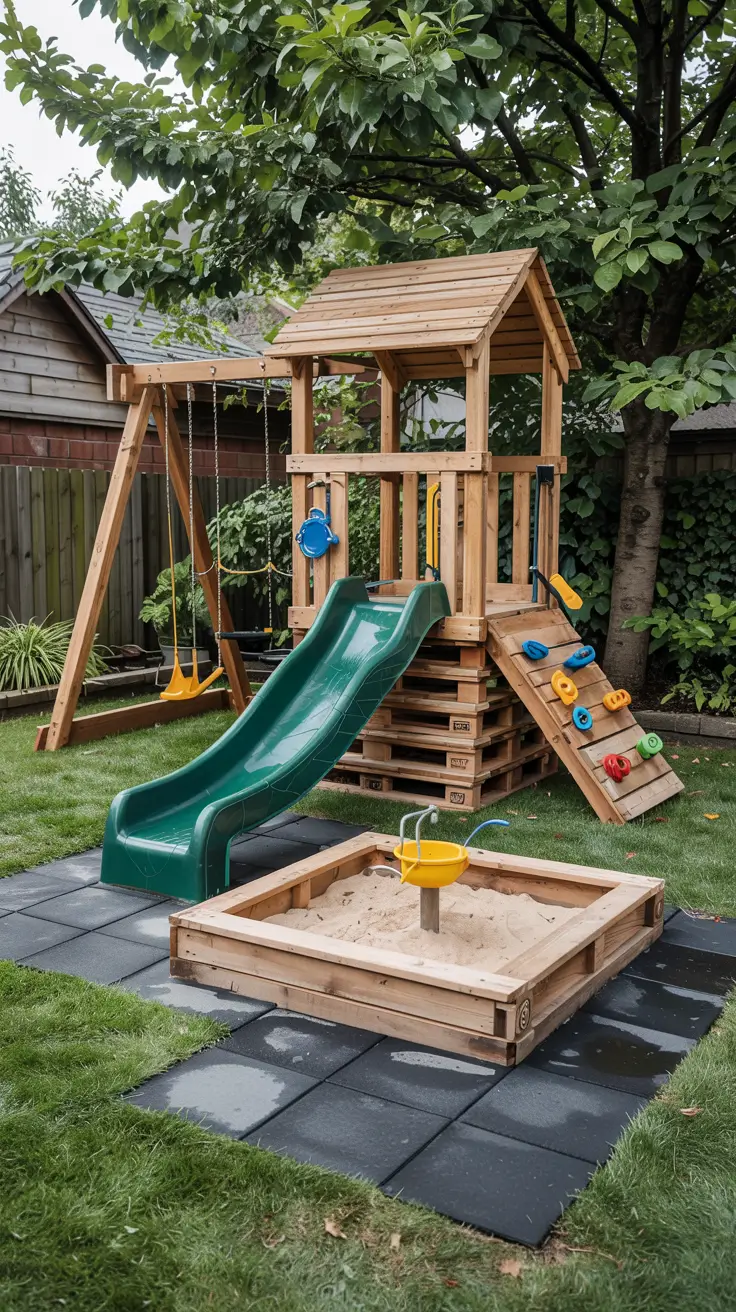
I usually include a small slide, a sandbox, and a seating area made from Pallets. A compact Water play station and a soft ground surface like Playground design rubber tiles ensure both fun and safety. These elements require minimal tools and are easy to install.
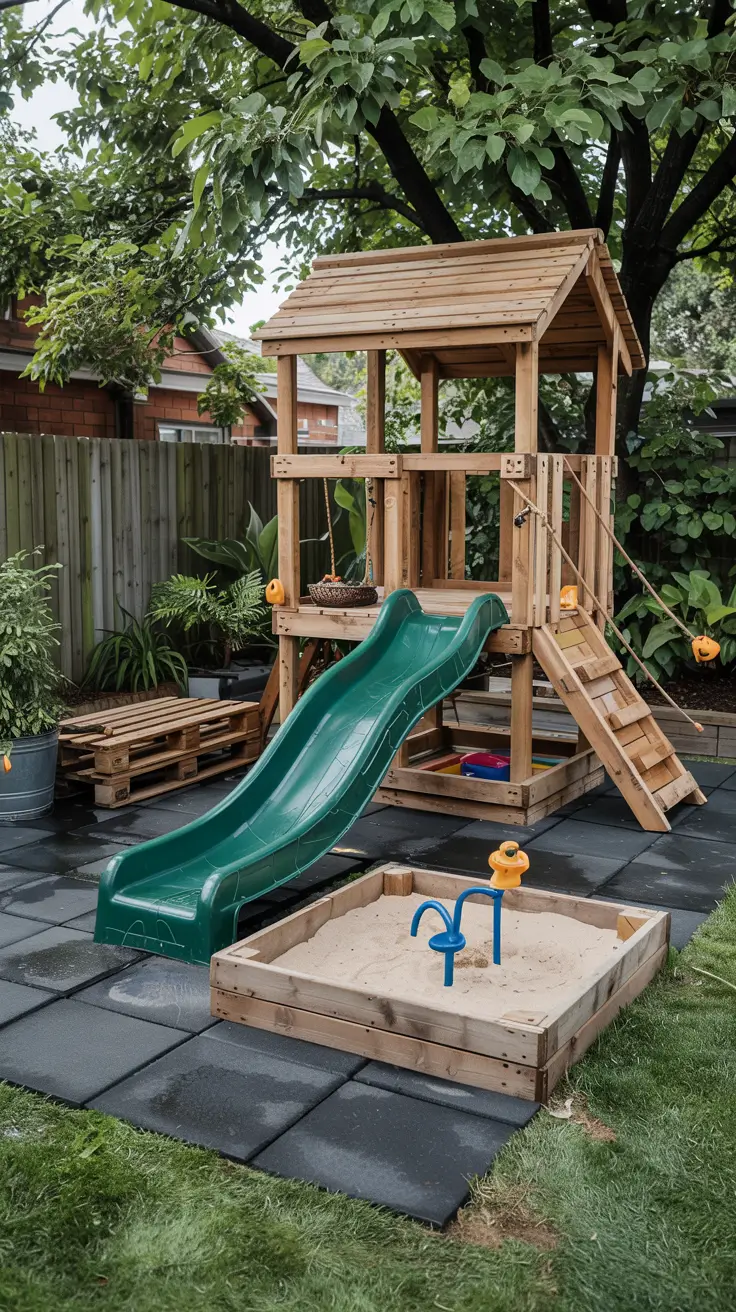
From my experience, simplicity often leads to better usability. Many parents overcomplicate designs, but straightforward layouts are easier to maintain and adapt over time.
What I would enhance here is storage. Adding integrated storage for toys and tools would make the space more practical for everyday use.
20. Montessori Outdoor Spaces That Encourage Independence
I approach Montessori outdoor design by focusing on independence and accessibility. Every element in the Playground is placed at a child-friendly height and designed to encourage self-directed Play. The layout remains open and uncluttered to promote movement and exploration.
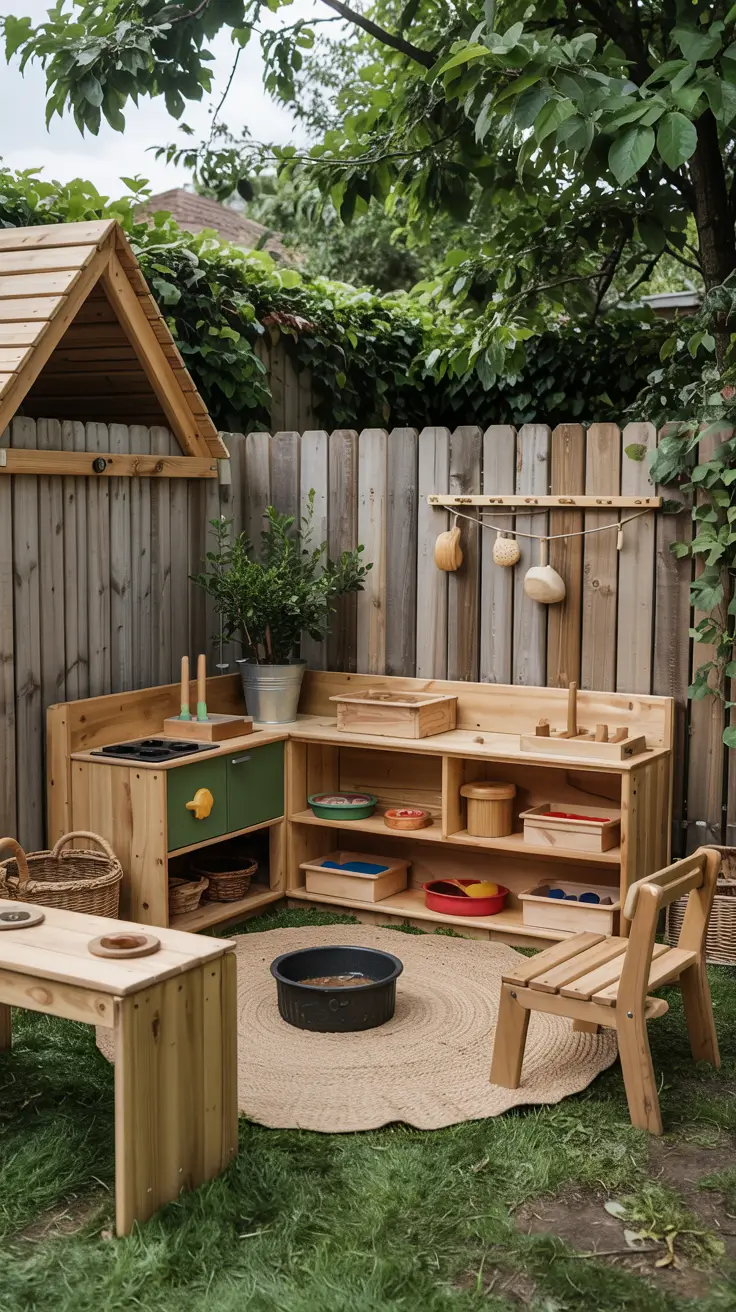
I include low shelves, simple climbing structures, and interactive stations such as a Playground design mud kitchen and sensory bins. Natural materials and neutral tones support a calm environment, while a Sensory garden enhances engagement.
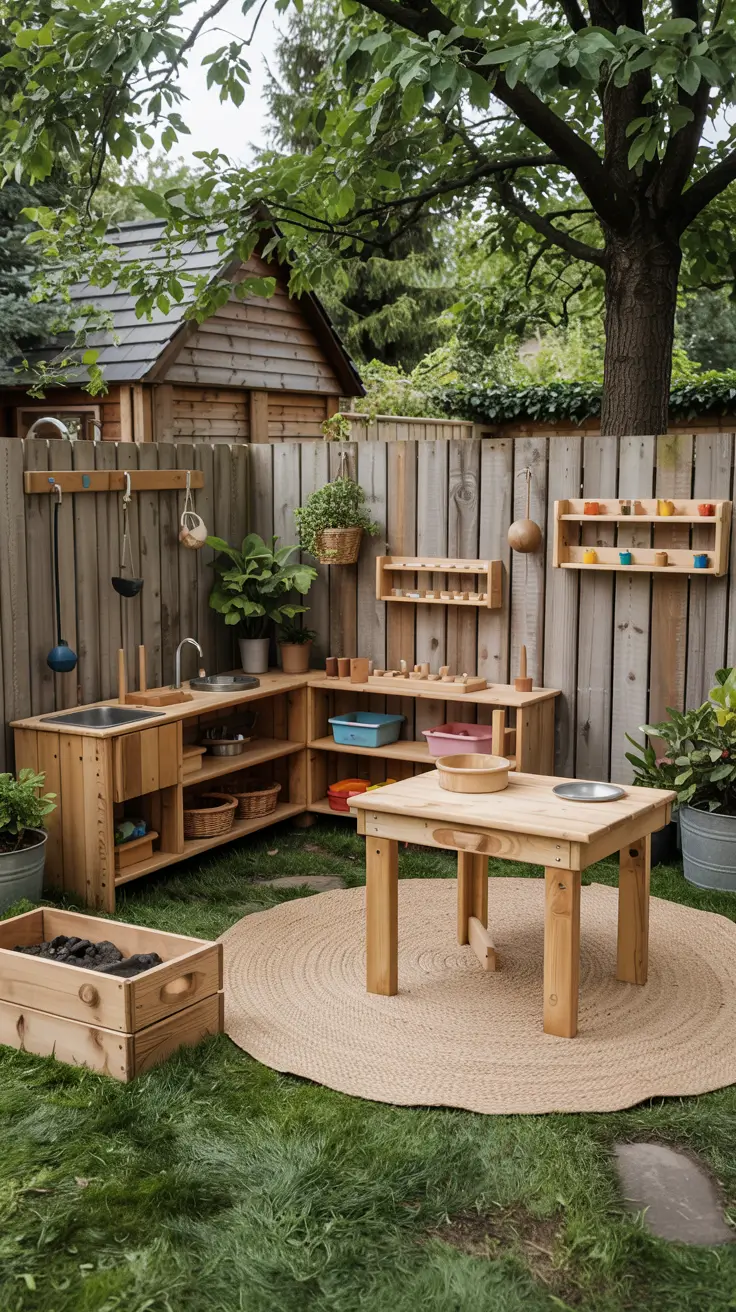
In my experience, children thrive in spaces where they feel in control. Montessori-inspired outdoor areas align with educational philosophies widely discussed in modern design publications, and I find them highly effective.
What I would add is more guidance for parents on rotating activities to maintain engagement without overwhelming the space.
21. Rubber Tile Playground Designs for Safety and Comfort
Safety is always my top priority, and Playground design rubber tiles provide an excellent foundation for any Playground. These surfaces reduce injury risk while maintaining a clean and modern look suitable for contemporary Backyards.
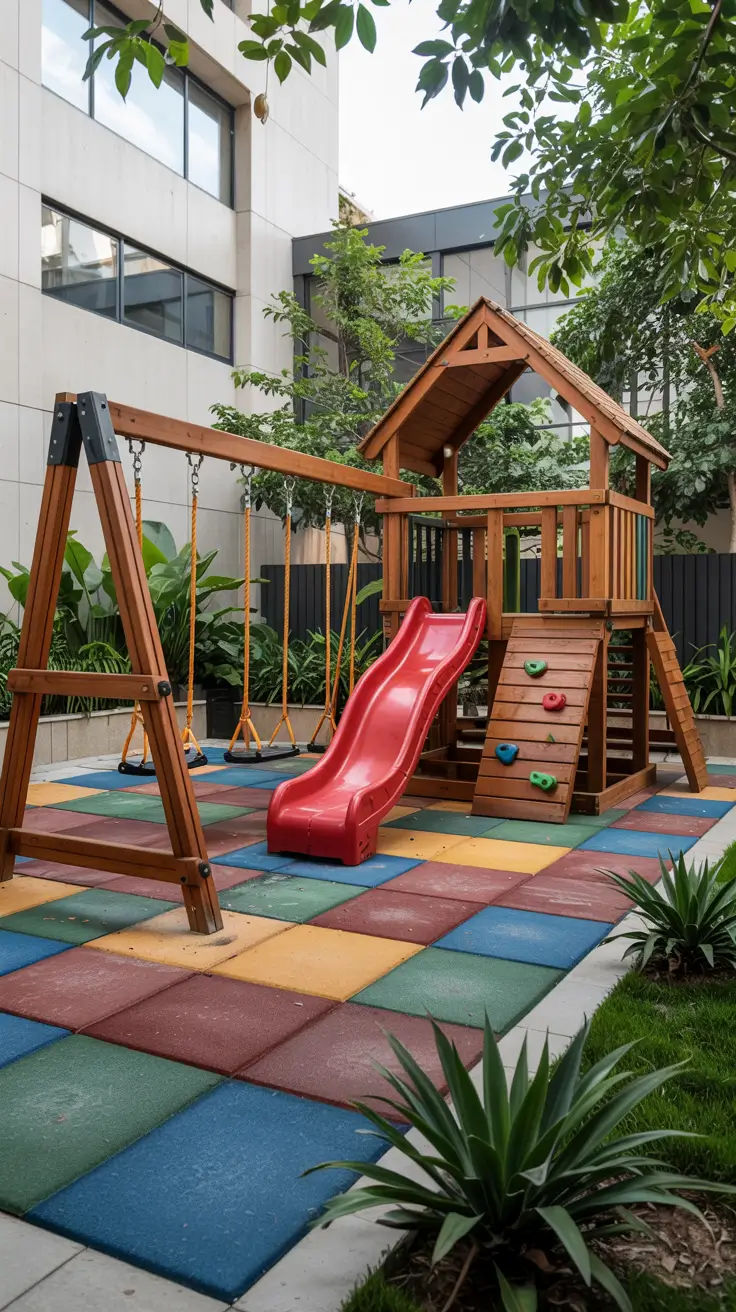
I combine rubber tiles with climbing frames, swings, and open Play zones. The tiles are available in different colors, allowing me to create subtle patterns that enhance visual appeal without overstimulation. They also work well with Water play areas due to their slip-resistant properties.
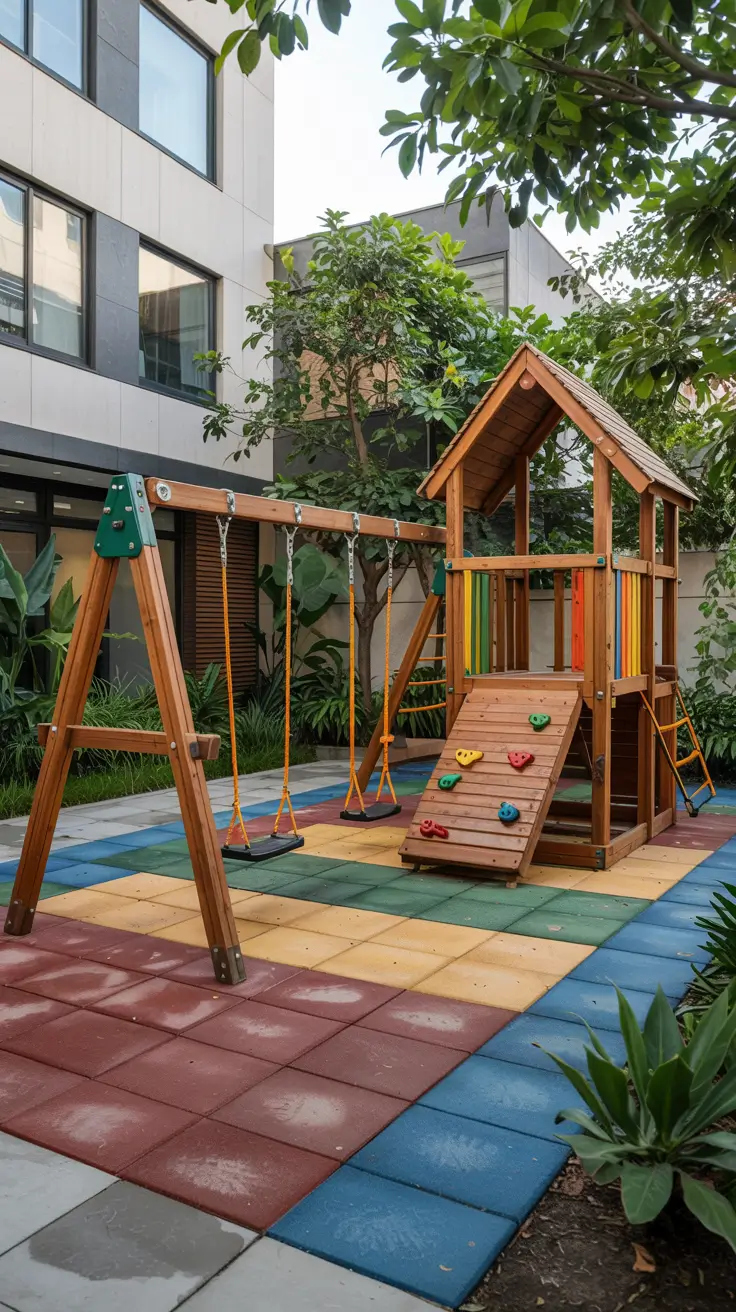
From my experience, investing in safe flooring significantly improves the usability of the space. Many experts in outdoor design stress the importance of proper surfacing, and I fully agree with this approach.
What I would improve here is drainage planning. Ensuring proper water flow prevents long-term maintenance issues and keeps the area safe.
22. Outdoor Kids Party Area Ideas for Memorable Celebrations
I design outdoor Party areas by focusing on flexibility and atmosphere. A well-planned Backyard can easily transform into a festive Playground that supports both structured activities and free Play. I usually divide the space into zones for games, food, and relaxation to keep everything organized.
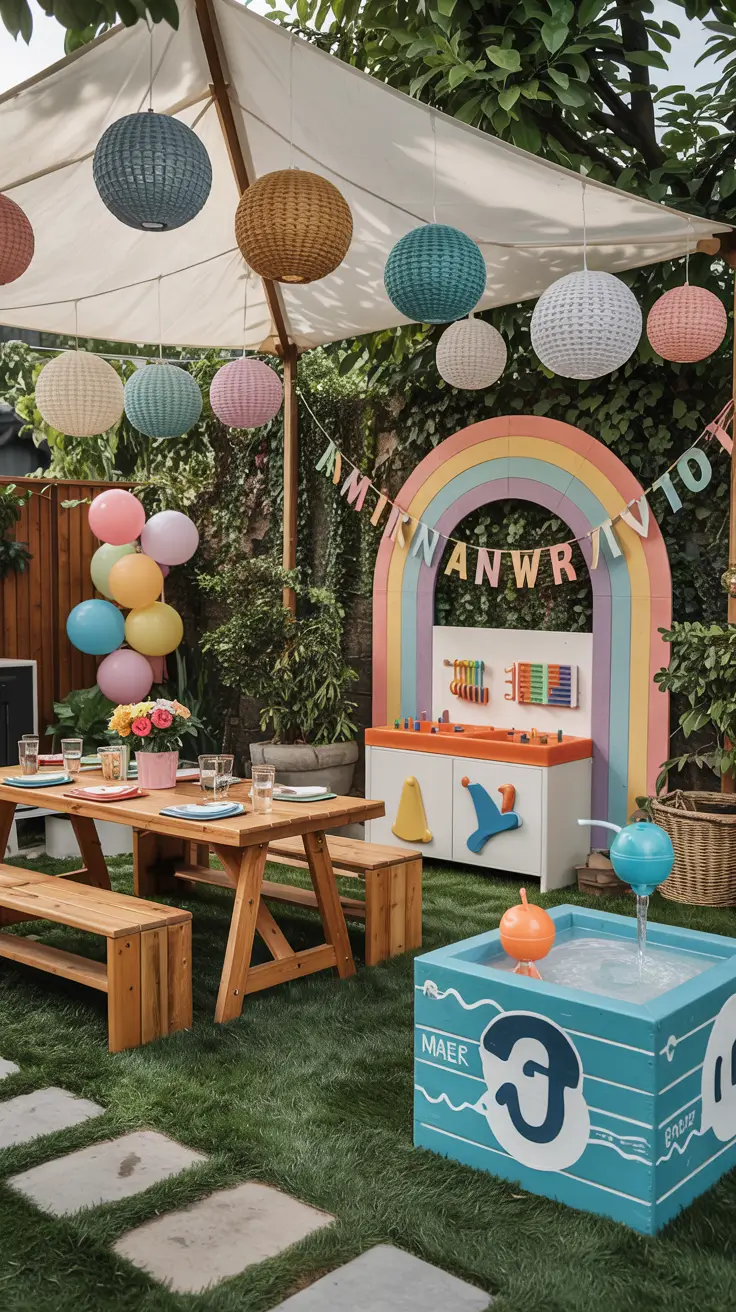
For furniture and decor, I include lightweight tables, colorful seating, and a shaded canopy area. A small stage or open space works well for performances or games, while a Playground design music wall adds an interactive element. I also integrate simple Water play features to keep kids entertained during warm weather.
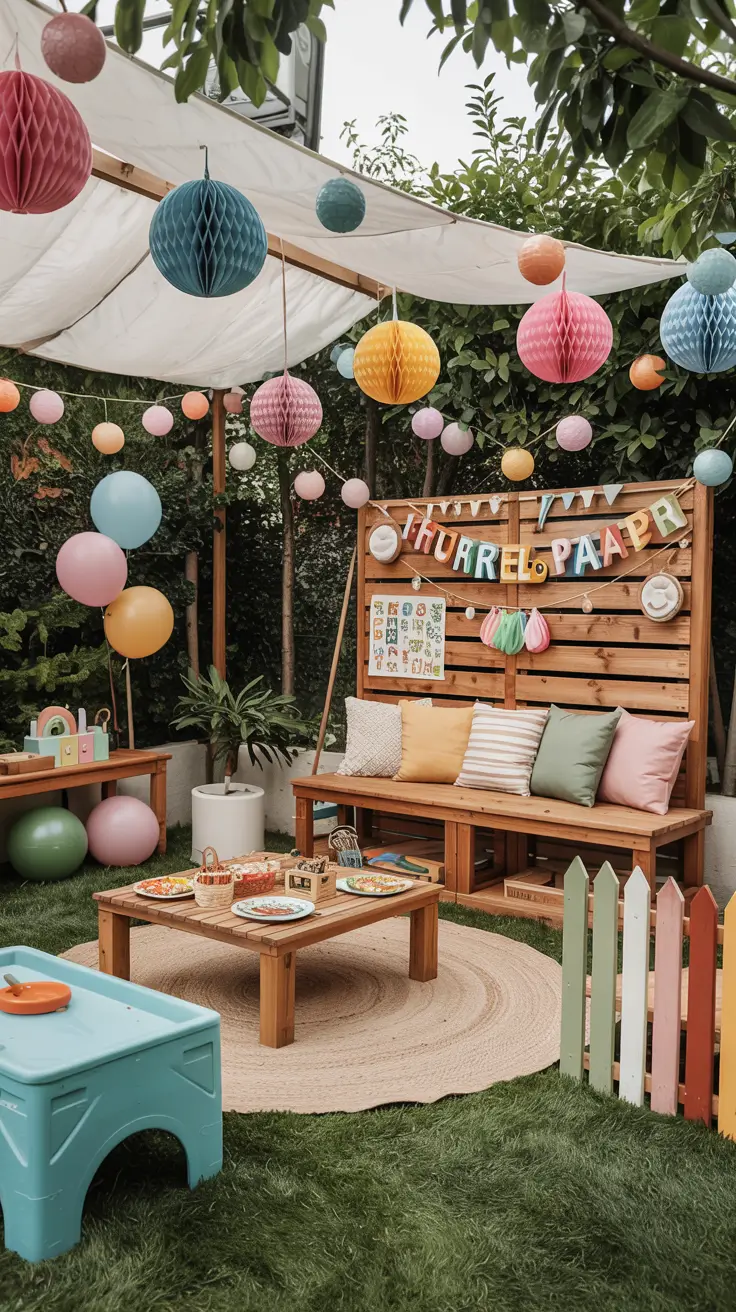
From my experience, the key to a successful outdoor party space is adaptability. Experts from Martha Stewart Living often highlight the importance of multi-use setups, and I find that modular furniture works best for this purpose.
What I would add here is a weather backup plan. Portable tents or foldable covers ensure the party can continue regardless of unexpected conditions.
23. Sandbox Playground Designs for Classic Outdoor Fun
I consider sandbox areas a timeless part of any Playground design backyard. Even in a Small space, a well-designed Playground design sand boxes area can provide endless creative Play opportunities. I usually position the sandbox in a shaded corner to maintain comfort and usability.
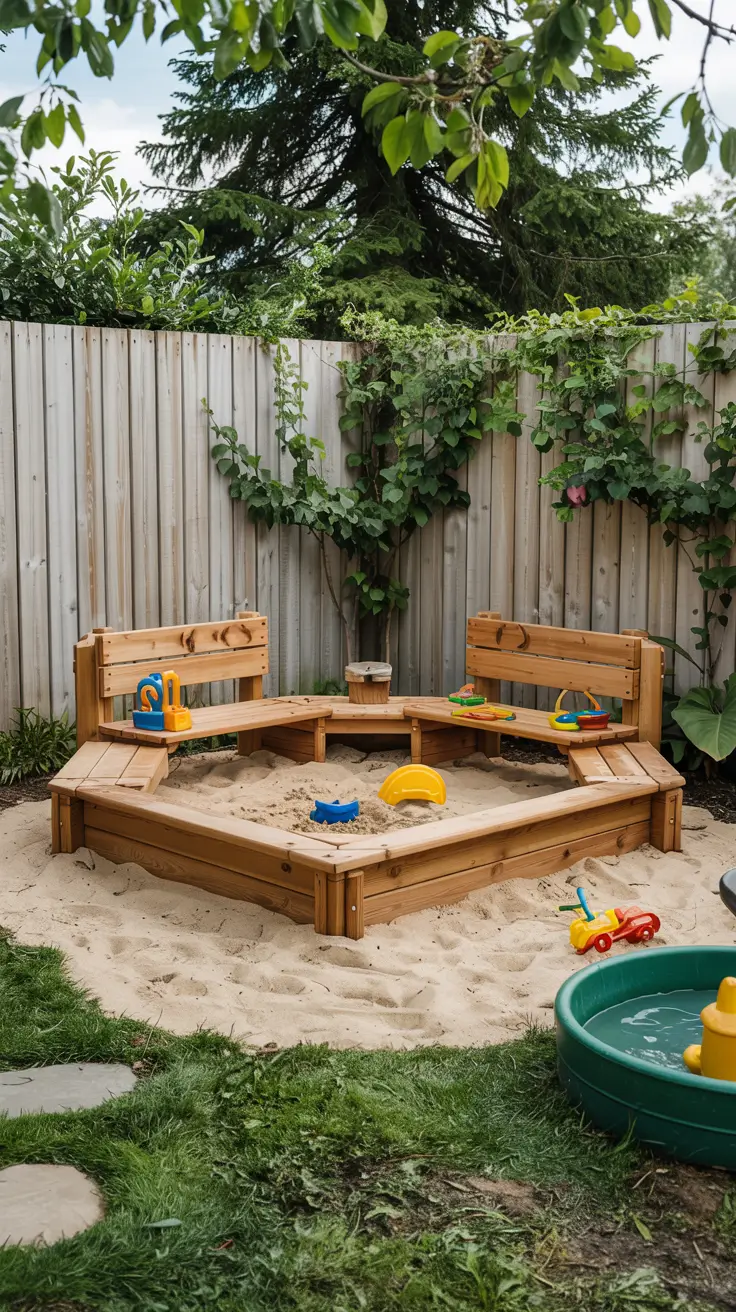
I build sandboxes using wood frames, often integrating seating edges for added functionality. Nearby, I include storage for toys and tools, as well as a small Water play station to enhance sensory experiences. Combining sand and water encourages creativity and extended engagement.
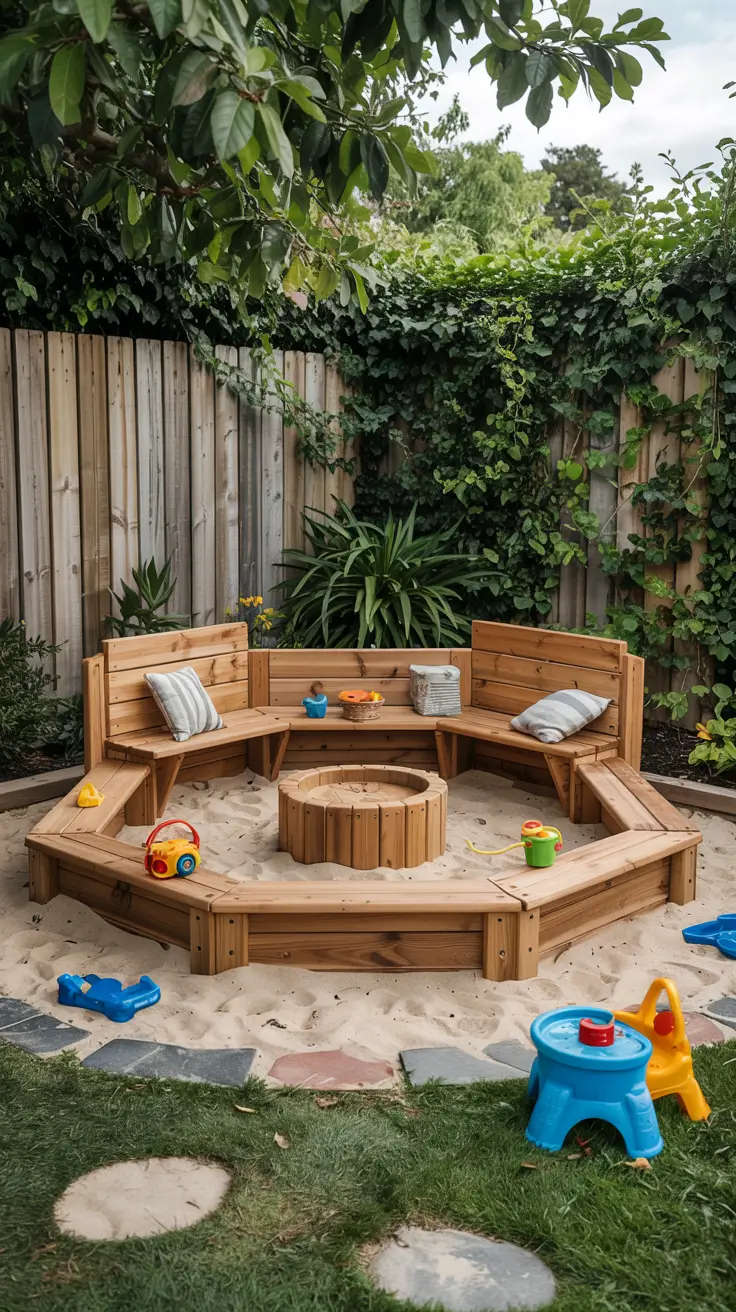
In my experience, simple features often have the greatest impact. Many child development specialists emphasize sensory play, and sandbox designs consistently support this effectively.
What I would improve here is adding a cover system. A removable or hinged cover keeps the sandbox clean and safe when not in use.
24. Creative Backyard Playgrounds That Blend Fun and Design
When designing creative Playground spaces, I focus on combining aesthetics with functionality. A modern Backyard can support both Play and visual appeal when the Playground design plan is thoughtfully executed.
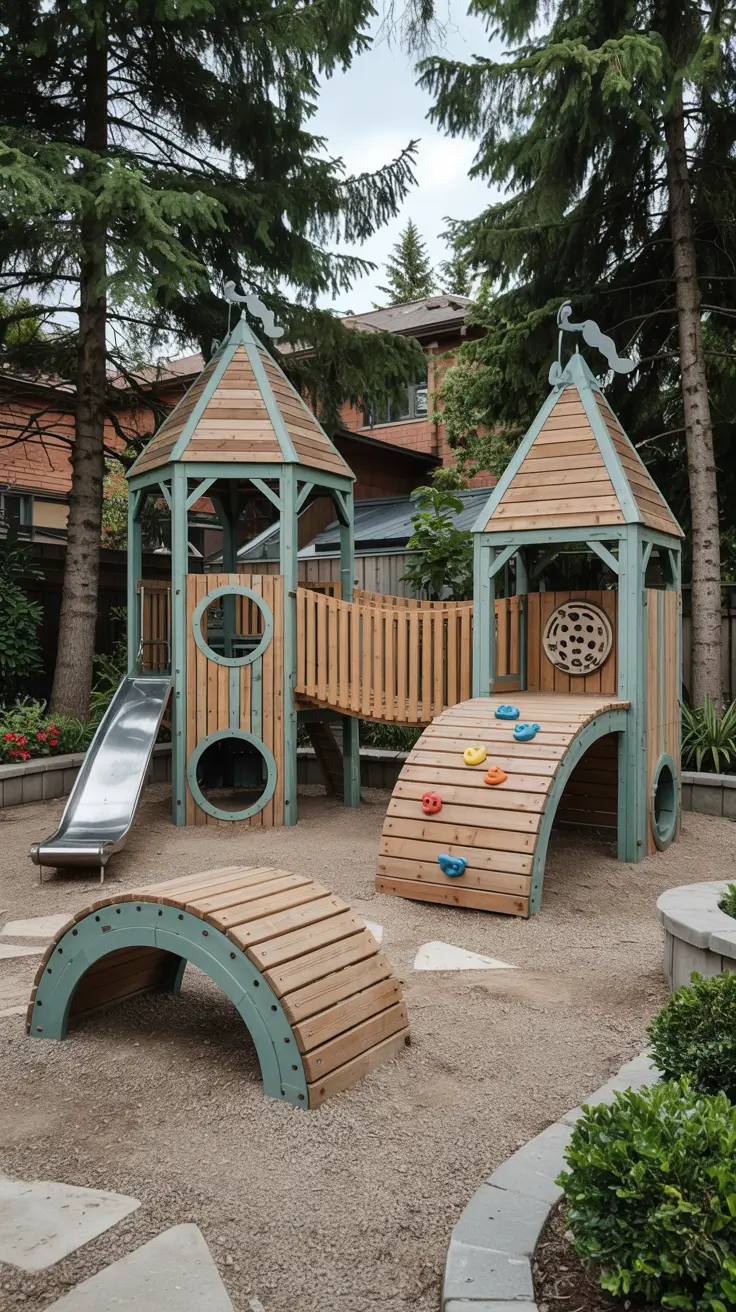
I incorporate unique elements such as geometric climbing structures, integrated seating, and artistic features like a Playground design music wall. Using a mix of materials such as wood, metal, and soft surfaces helps create visual contrast while maintaining safety.
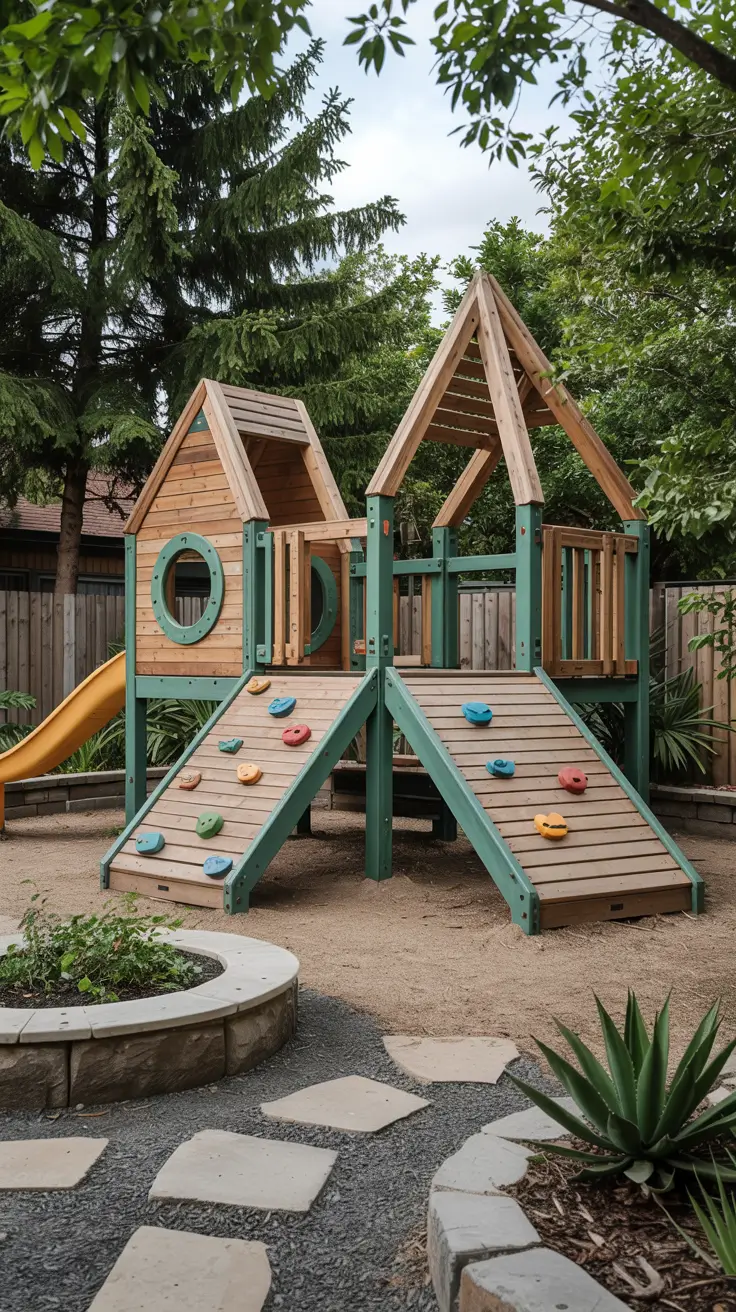
Personally, I believe that design should inspire imagination. Publications like Dwell often showcase creative outdoor spaces that balance form and function, and I apply similar principles when designing for kids.
What I would add is more personalization. Including elements tailored to a child’s interests can make the Playground more engaging and meaningful.
25. Minimalist Outdoor Play Areas for Modern Homes
I approach minimalist Playground design by focusing on simplicity and clean lines. In a Small space, reducing visual clutter helps create a calm and functional environment that still supports active Play.
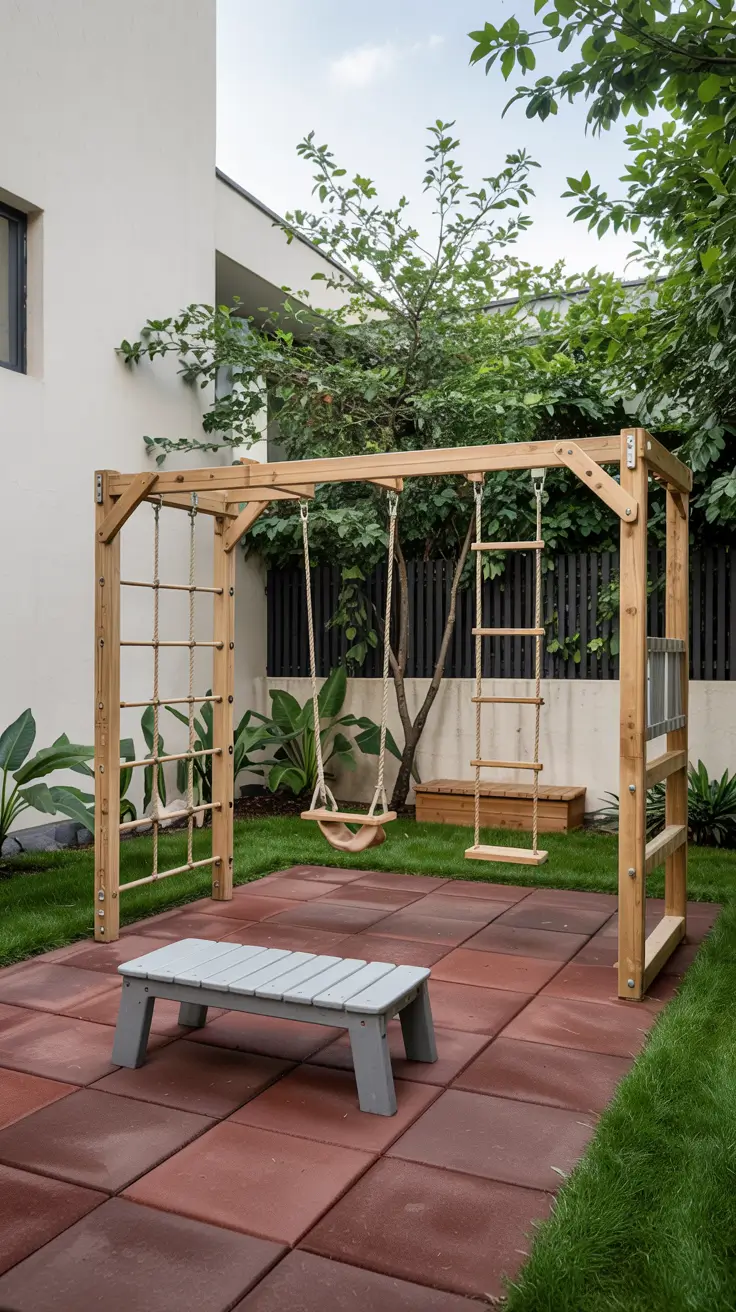
I typically include a limited number of high-quality elements such as a climbing frame, a swing, and a seating area. Neutral colors, natural materials, and hidden storage keep the space organized. Playground design rubber tiles provide a clean and safe base that aligns with modern aesthetics.
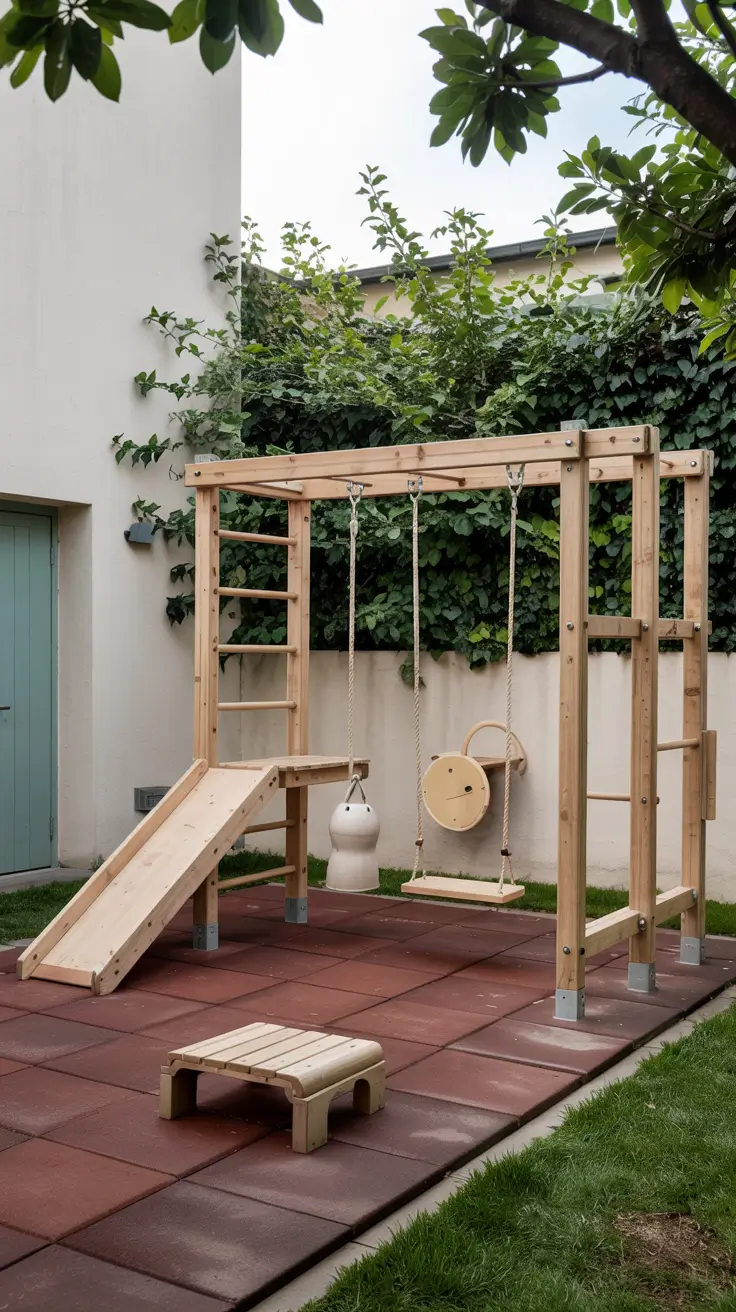
From my experience, minimalist spaces are easier to maintain and adapt over time. Many modern design experts emphasize intentional design, and I find this approach highly effective for outdoor kids areas.
What I would enhance is adding subtle interactive features. Even minimalist spaces benefit from small elements like movable parts or sensory textures.
26. Adventure-Themed Outdoor Spaces for Active Kids
I design adventure-themed Playground areas to encourage movement and exploration. These spaces are ideal for active kids who enjoy climbing, jumping, and imaginative Play. I usually structure the layout as a sequence of challenges or zones.
Key features include climbing walls, rope courses, balance beams, and tunnels. I often use Playground design natural wood for a cohesive and durable look. Soft landing areas and shaded rest zones ensure safety and comfort.
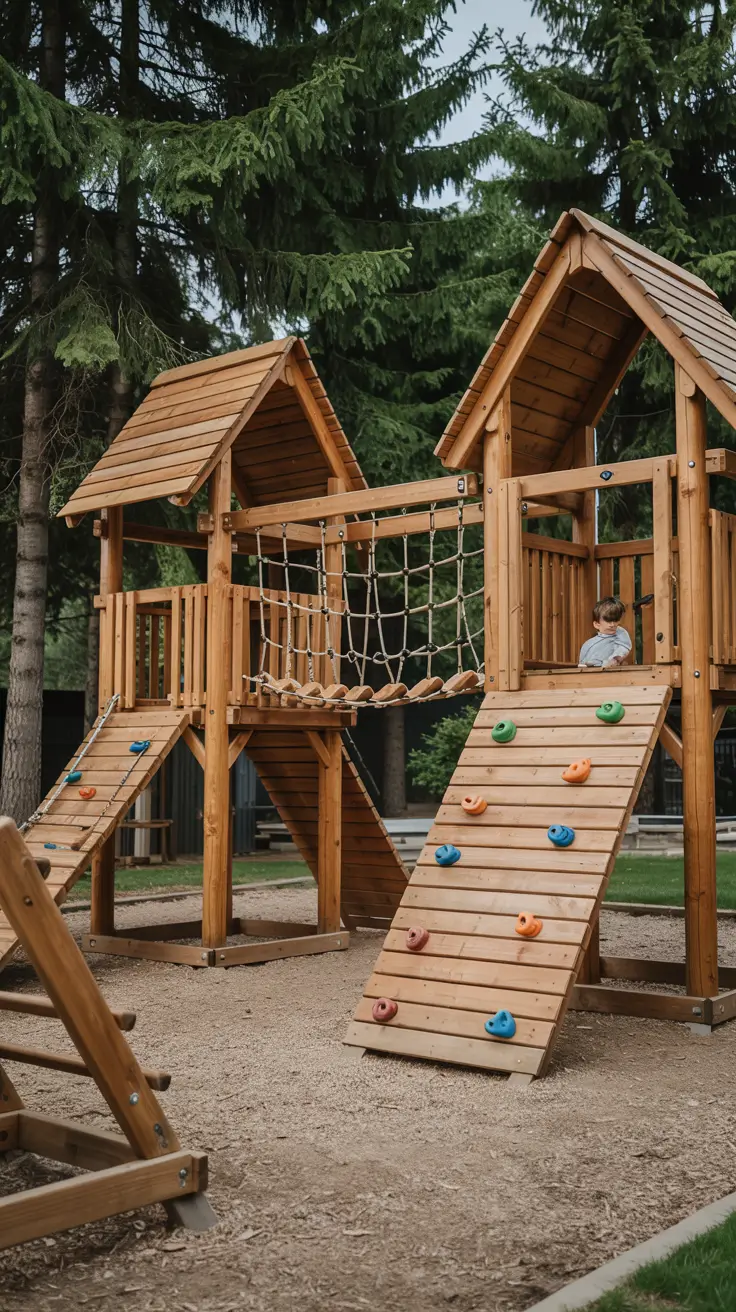
In my experience, adventure-based designs keep children engaged for longer periods. Many outdoor education programs emphasize physical challenges, and I see similar benefits in residential designs.
What I would add here is clearer supervision points. Designing sightlines for parents improves safety without limiting independence.
27. Outdoor Reading Nooks for Quiet Playtime
I always include quiet zones in Playground design backyard projects to balance active Play with relaxation. A reading nook provides a calm retreat where children can unwind and focus.
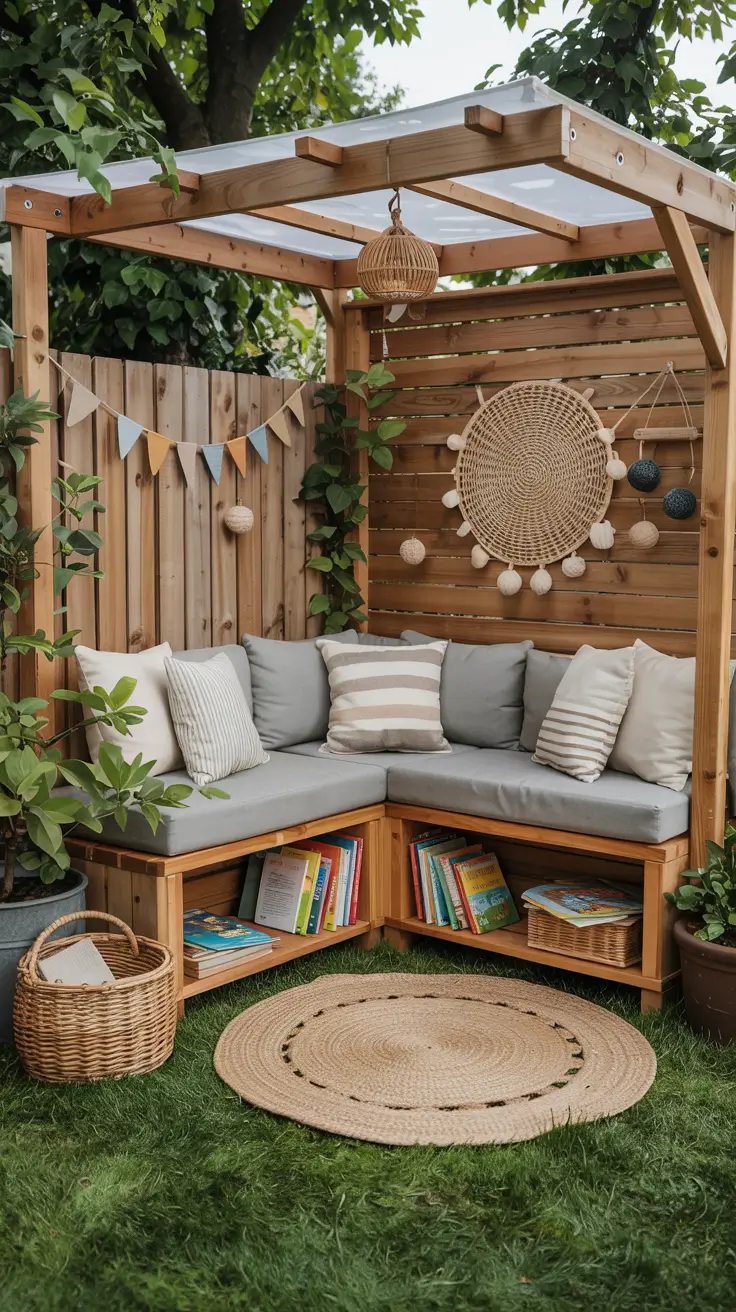
I design these areas with comfortable seating, soft cushions, and partial shade using pergolas or fabric covers. Surrounding the nook with a Sensory garden enhances the atmosphere, while shelves or storage boxes keep books organized and accessible.
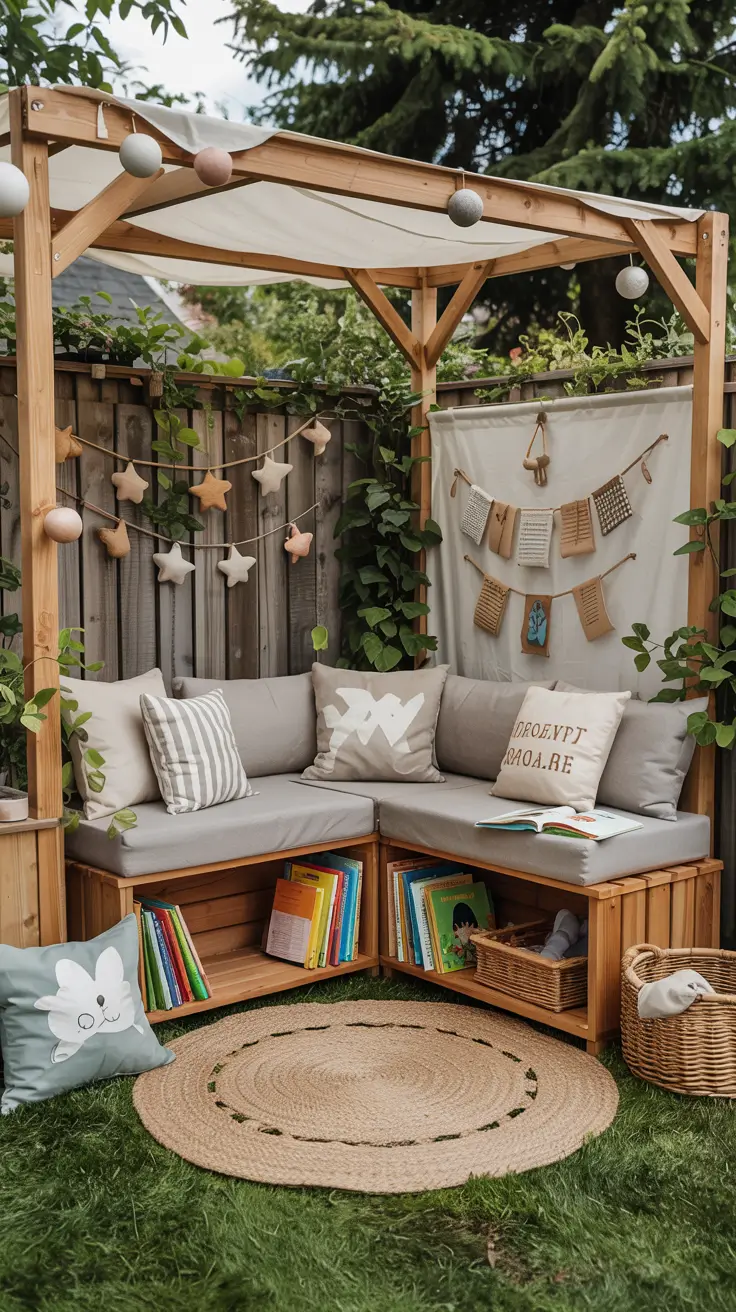
From my experience, quiet spaces are essential for well-rounded outdoor environments. Experts in child development often highlight the importance of downtime, and I consistently see how beneficial these areas are.
What I would improve is adding weather-resistant materials for books and furniture to ensure durability in outdoor conditions.
28. Climbing and Activity Zones for Energetic Kids
I design climbing and activity zones as central features of a Playground. These areas support physical development and provide a structured way for kids to engage in active Play.
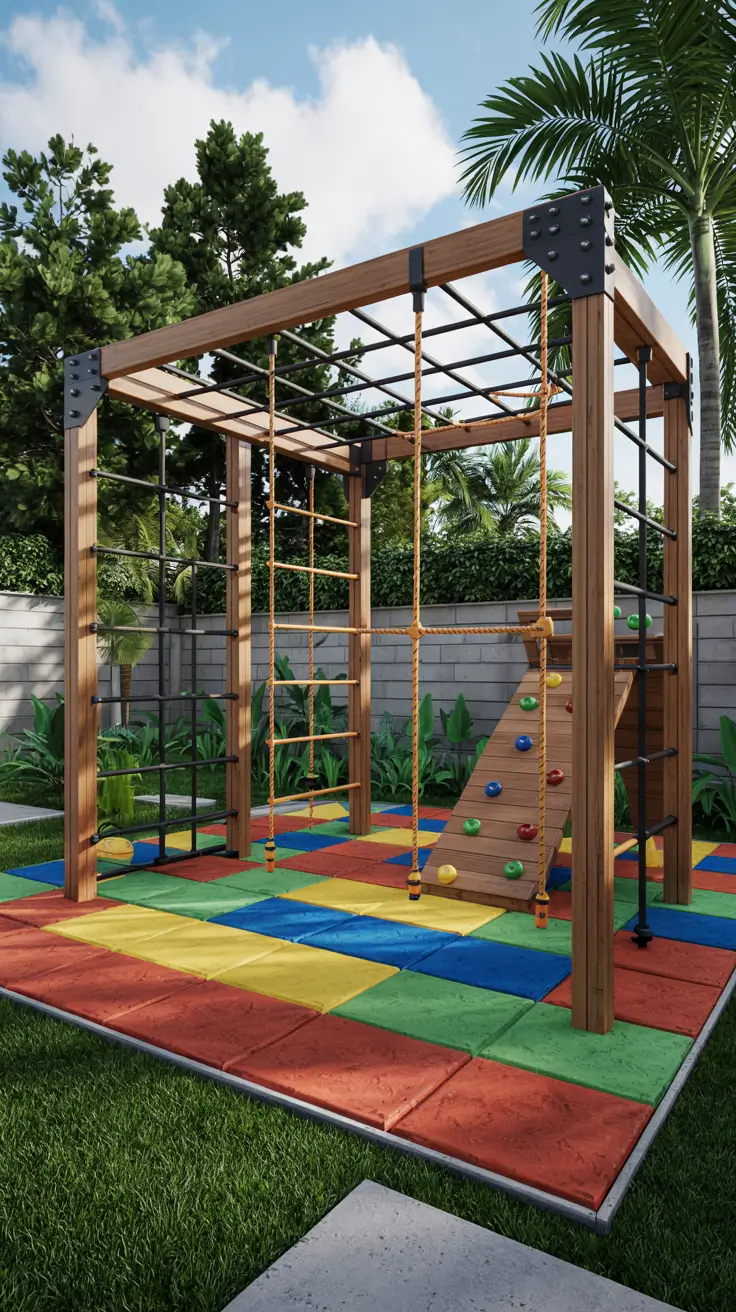
I include climbing frames, monkey bars, and obstacle elements arranged in a safe and logical layout. Playground design rubber tiles or soft ground coverings are essential for safety. I also add nearby seating for rest and supervision.
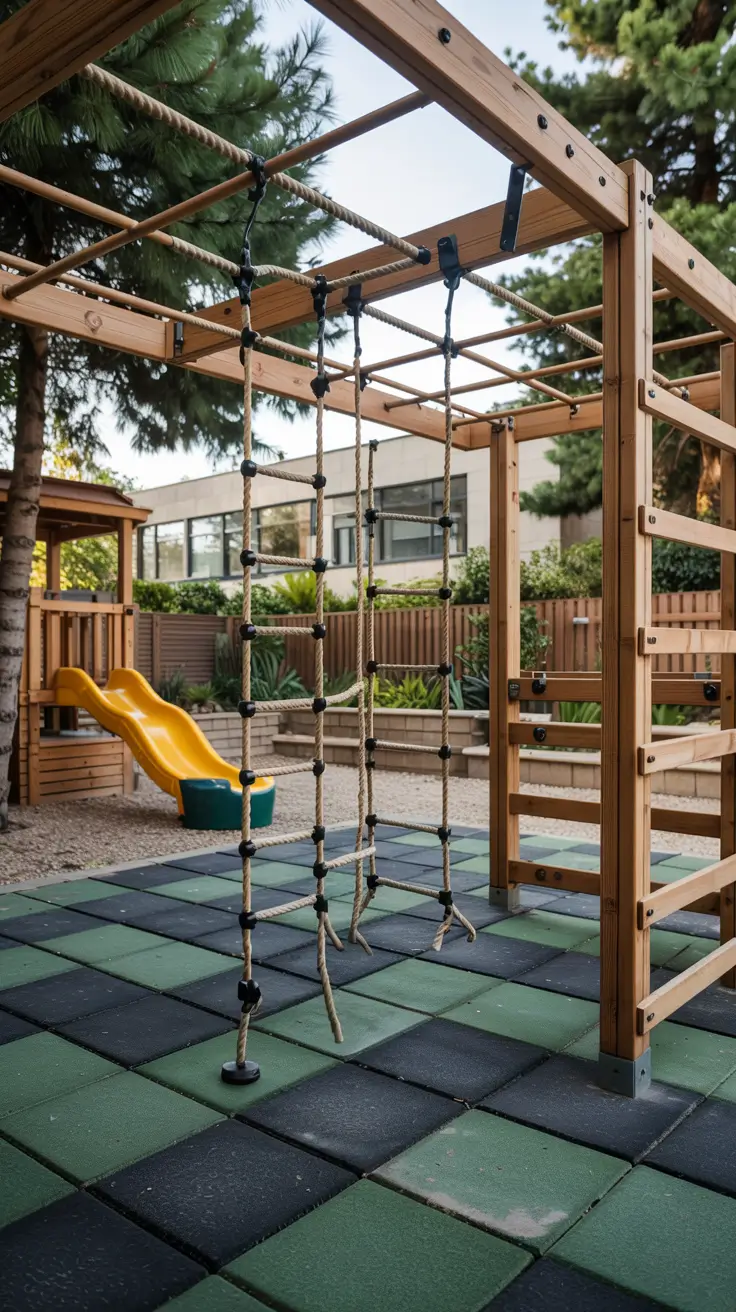
In my experience, these zones become the most frequently used parts of the Backyard. Many fitness-focused design approaches for children emphasize movement, and I see strong benefits in incorporating these features.
What I would add is progression levels. Including elements with varying difficulty allows the Playground to grow with the child.
29. Outdoor Art Stations for Creative Expression
I design outdoor art stations as open and flexible zones where children can freely explore creativity while staying connected to nature. In a Backyard or Garden setting, I usually position these stations near natural light and greenery to enhance inspiration. This approach aligns with a nature-inspired philosophy, making the space feel both calming and stimulating for kids of different ages.
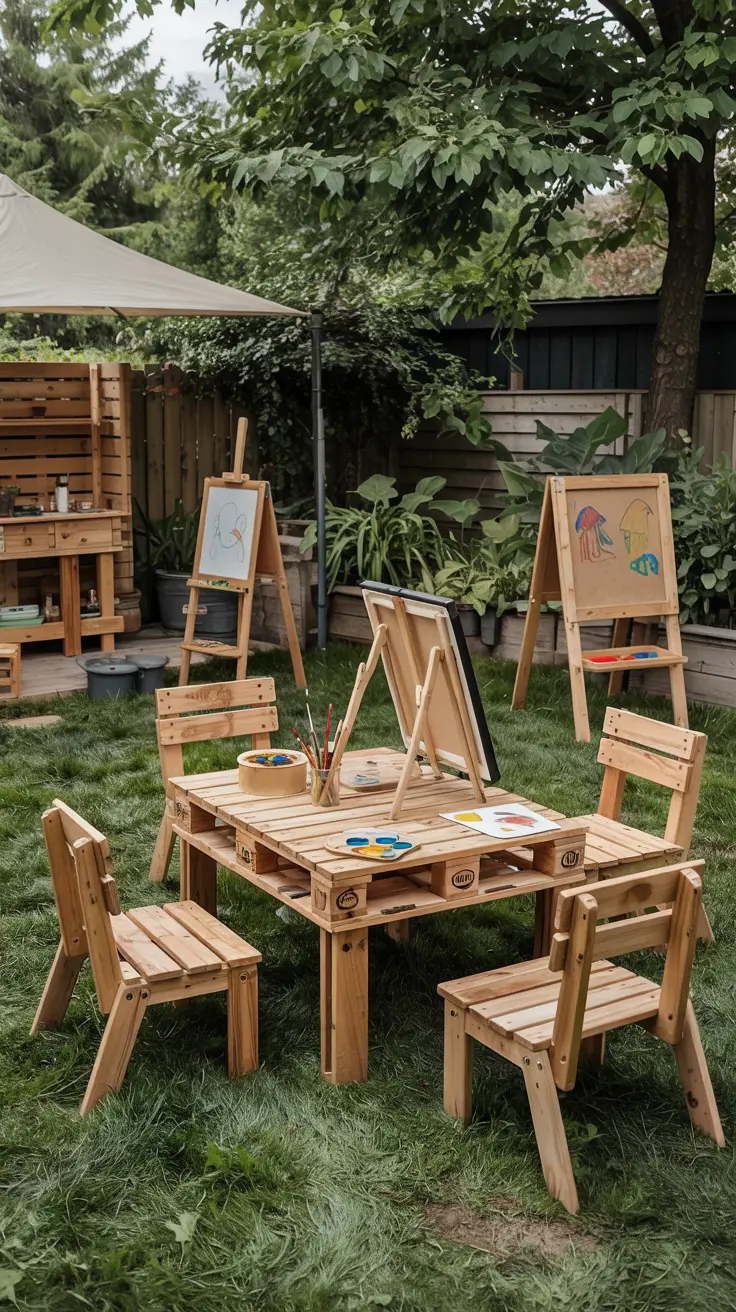
I include durable tables made from treated wood or Pallets, easels, washable surfaces, and storage for paints, chalk, and clay. A Playground design mud kitchen can be integrated nearby to combine sensory play with artistic expression. I also recommend weather-resistant materials and easy-to-clean flooring such as Playground design rubber tiles to maintain practicality.
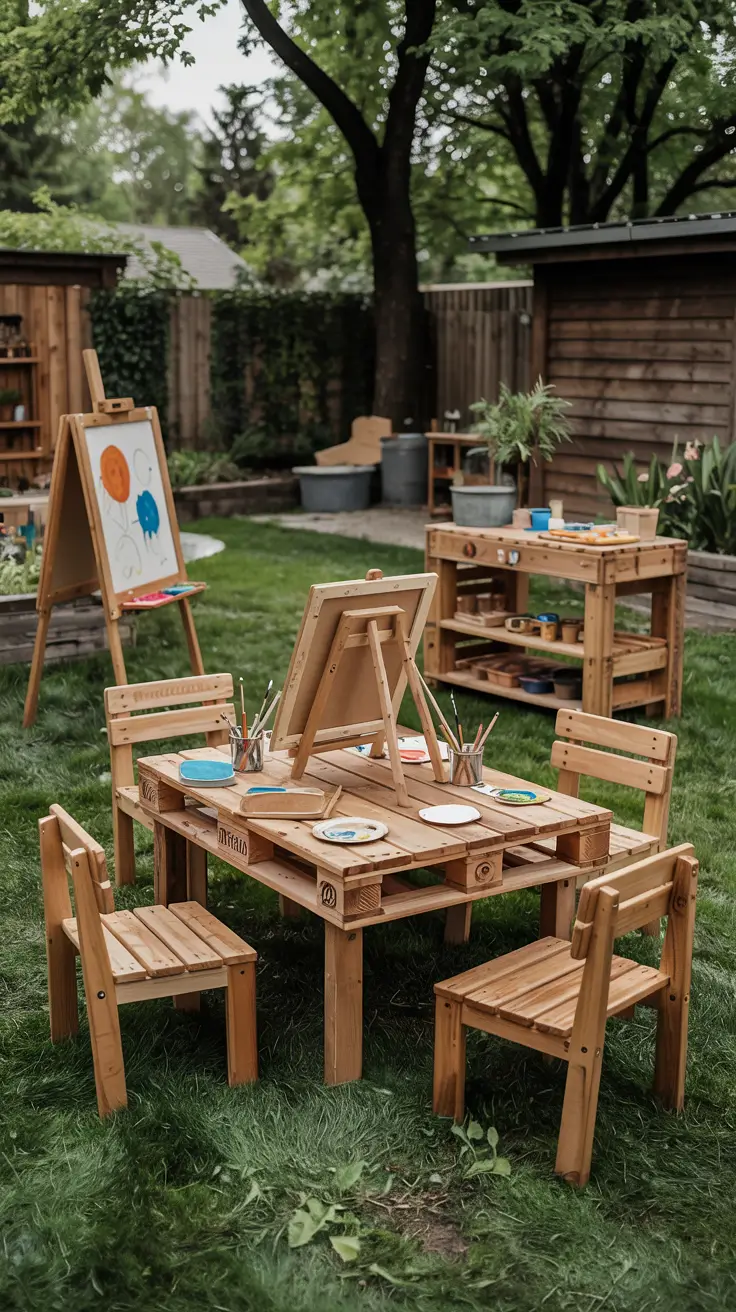
From my experience, children engage longer when they have access to both structured tools and open-ended materials. Many design experts emphasize that creative outdoor environments improve cognitive development and emotional expression, which I consistently observe in real projects.
What I would add here is a shaded canopy or pergola to protect materials and children from sun exposure, ensuring the station remains usable throughout the day and across seasons.
30. Multi-Zone Backyard Playgrounds for All Ages
When I plan a Playground design backyard, I divide the space into multiple zones to accommodate different age groups and activities. This ensures that toddlers, younger children, and older kids all have appropriate areas to Play safely and independently. Even in a Small space, zoning can be achieved through smart layout planning.
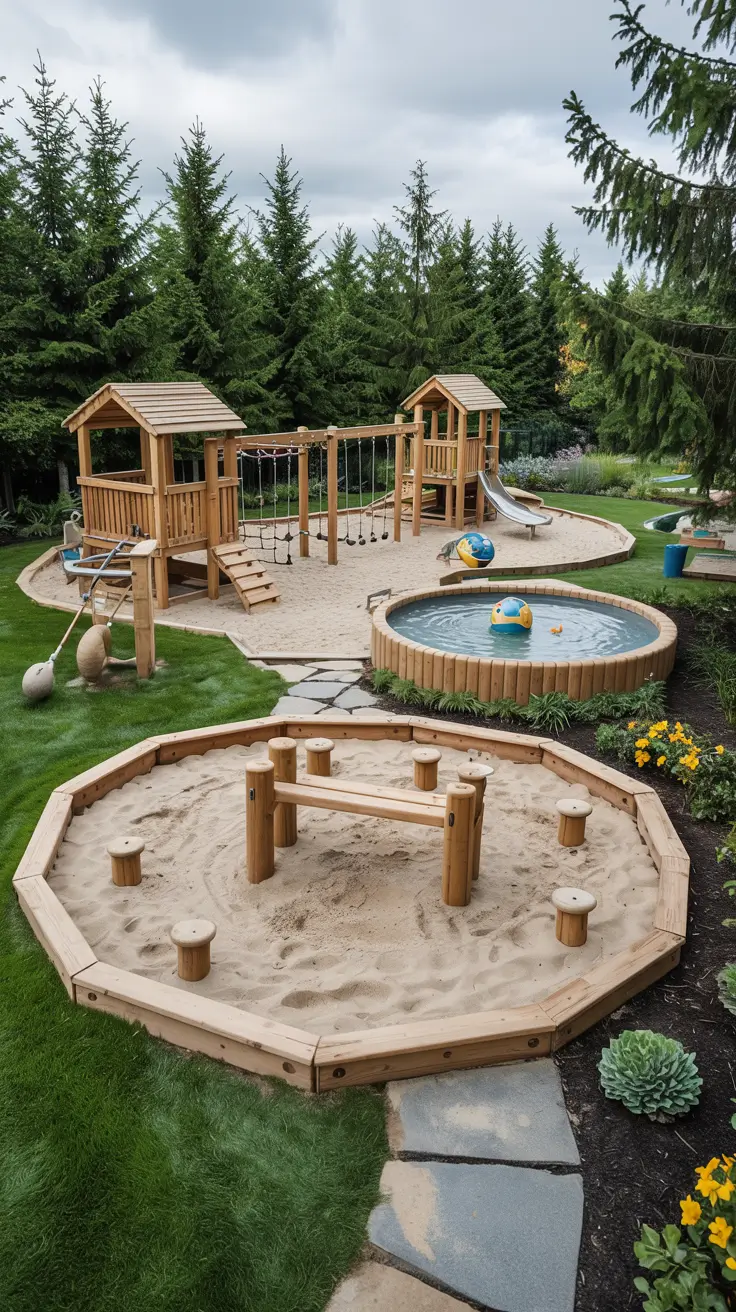
I typically include a climbing area, a soft landing zone, a quiet sensory corner, and an active Playground section. Playground design sand boxes and Water play areas are placed strategically away from high-traffic zones. I also use natural dividers such as hedges or wooden panels to subtly separate areas without making the space feel restricted.
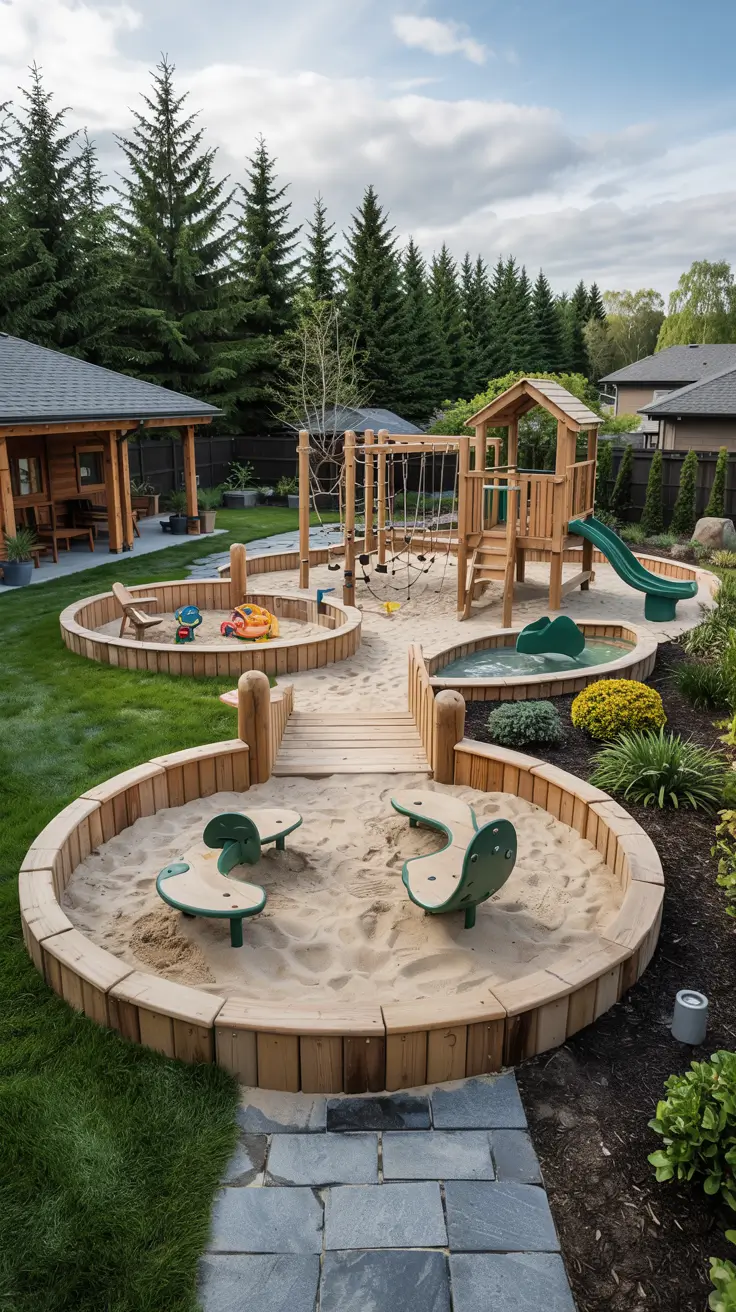
In my opinion, multi-zone layouts are the most efficient way to maximize functionality in a Backyard. They allow families to use the space for different purposes simultaneously, including relaxation, Party setups, and active playtime.
What could enhance this section is the addition of clear pathways or stepping stones to guide movement between zones, improving both safety and usability.
31. DIY Outdoor Play Equipment Using Recycled Materials
I often recommend Cheap DIY solutions for families working with A budget, and recycled materials are one of the most effective ways to create unique play equipment. Using Pallets, tires, and reclaimed wood, I can design functional and creative Playground elements that fit perfectly into a Garden or Backyard.
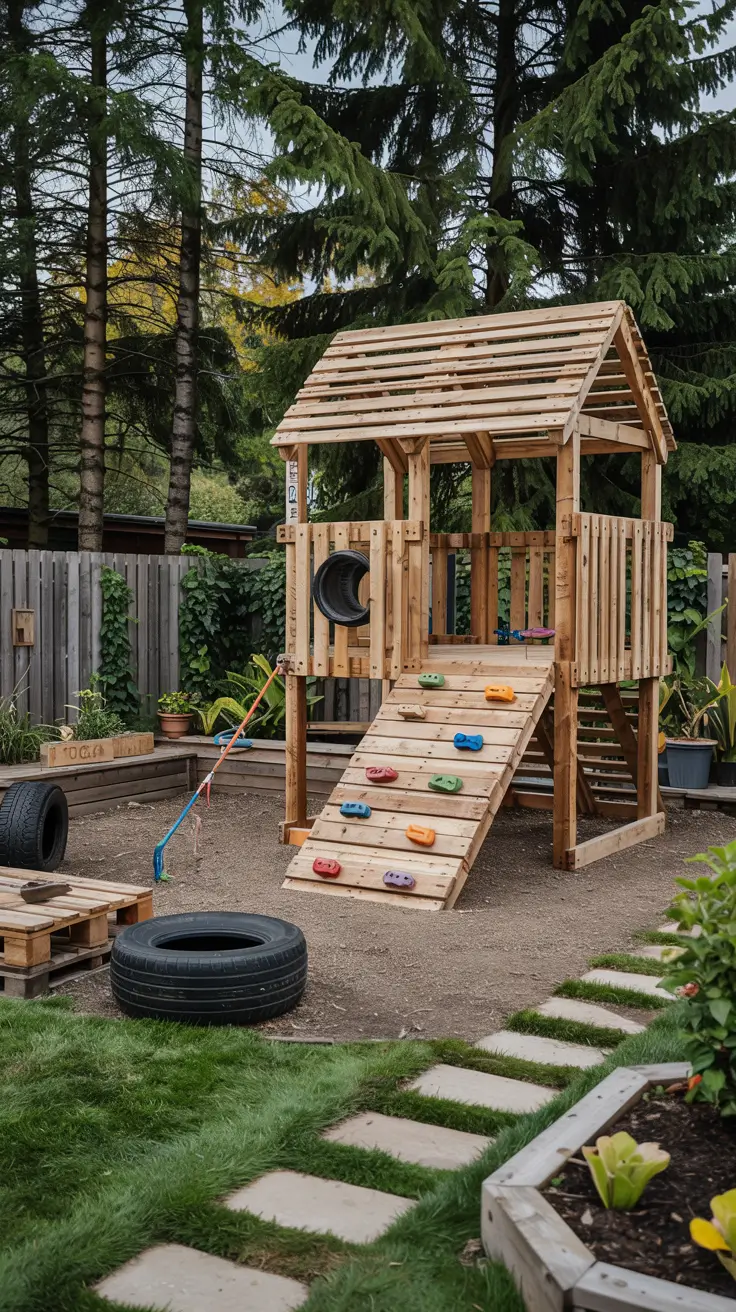
For example, Pallets can be transformed into climbing walls, seating areas, or even a small stage for imaginative play. Tires can become obstacle courses, swings, or planters that contribute to a Play garden concept. I always ensure that materials are properly treated and safe for children.
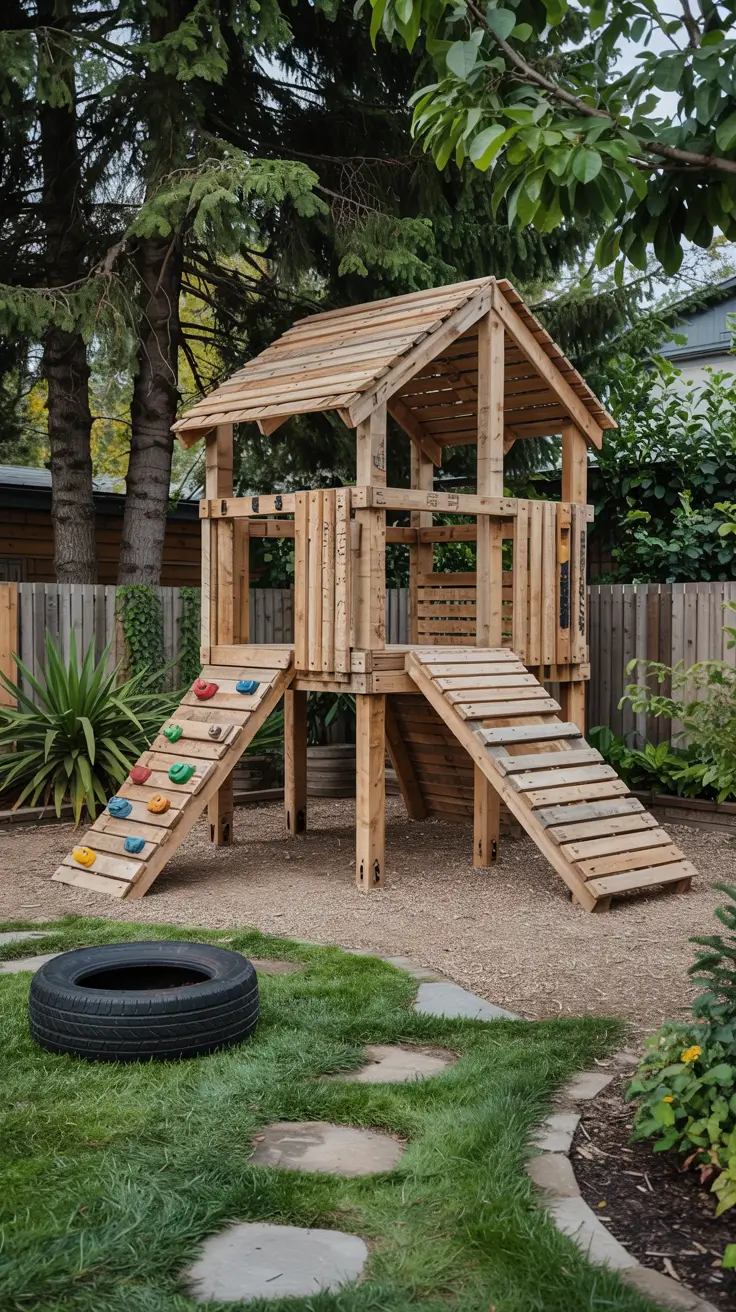
Personally, I find that DIY projects encourage parents and kids to participate together in building the space, which adds emotional value to the Playground. It also allows for customization that standard equipment cannot provide.
What I would improve here is adding a protective coating or finish to all materials to increase durability and ensure long-term safety in outdoor conditions.
32. Seasonal Outdoor Play Ideas for Year-Round Fun
I design outdoor spaces that remain functional throughout the year, adapting to seasonal changes. In summer, Water play features and shaded areas become essential, while in colder months, I focus on durable surfaces and flexible setups that can handle different weather conditions.
I incorporate removable elements such as portable sandboxes, modular seating, and weather-resistant storage. A Simple easy approach allows families to quickly adjust the Playground depending on the season. For example, a water zone can transform into a dry play area during colder months.
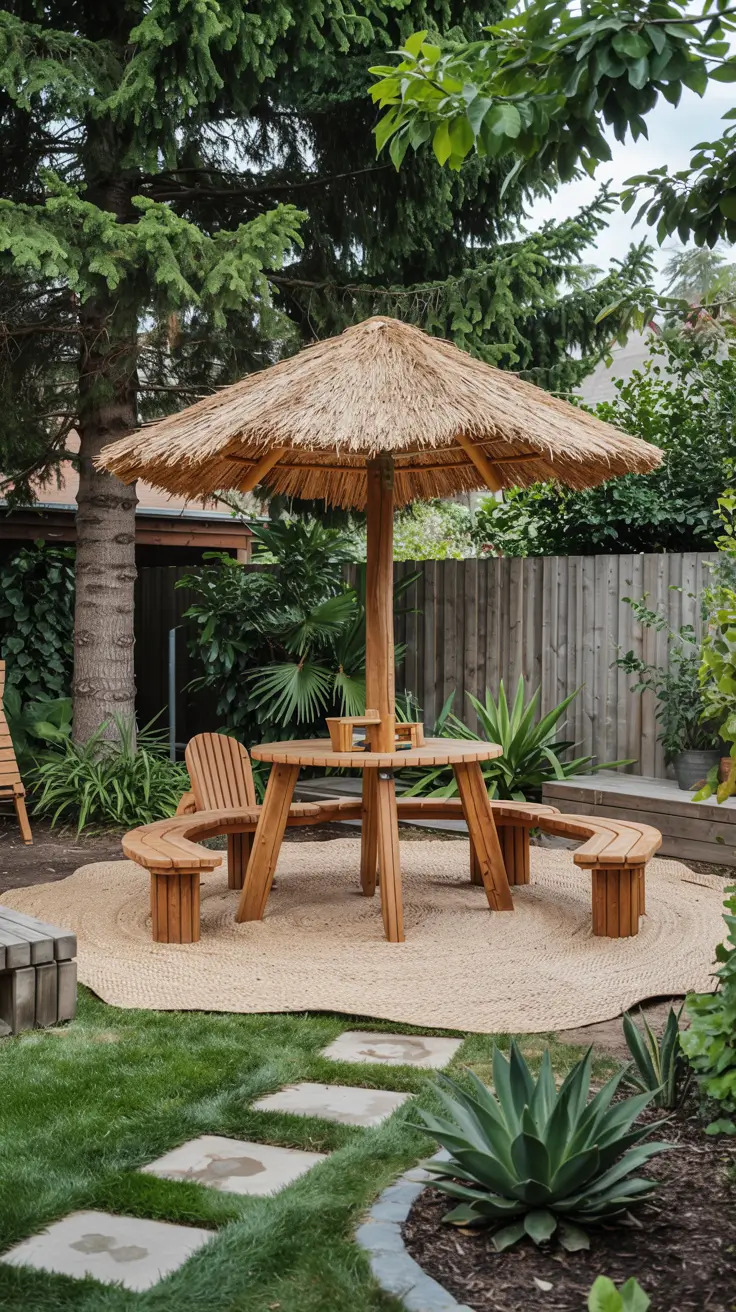
In my experience, year-round usability significantly increases the value of an outdoor space. Families are more likely to invest time and energy into areas that remain functional regardless of weather.
What could be added is a small covered structure or shed to store seasonal equipment and protect it from damage.
33. Future Trends in Outdoor Kids Area Design for 2026
Looking ahead to 2026, I see a strong shift toward eco-friendly and Montessori-inspired outdoor environments. These spaces prioritize independence, exploration, and interaction with natural materials rather than overly structured play systems.
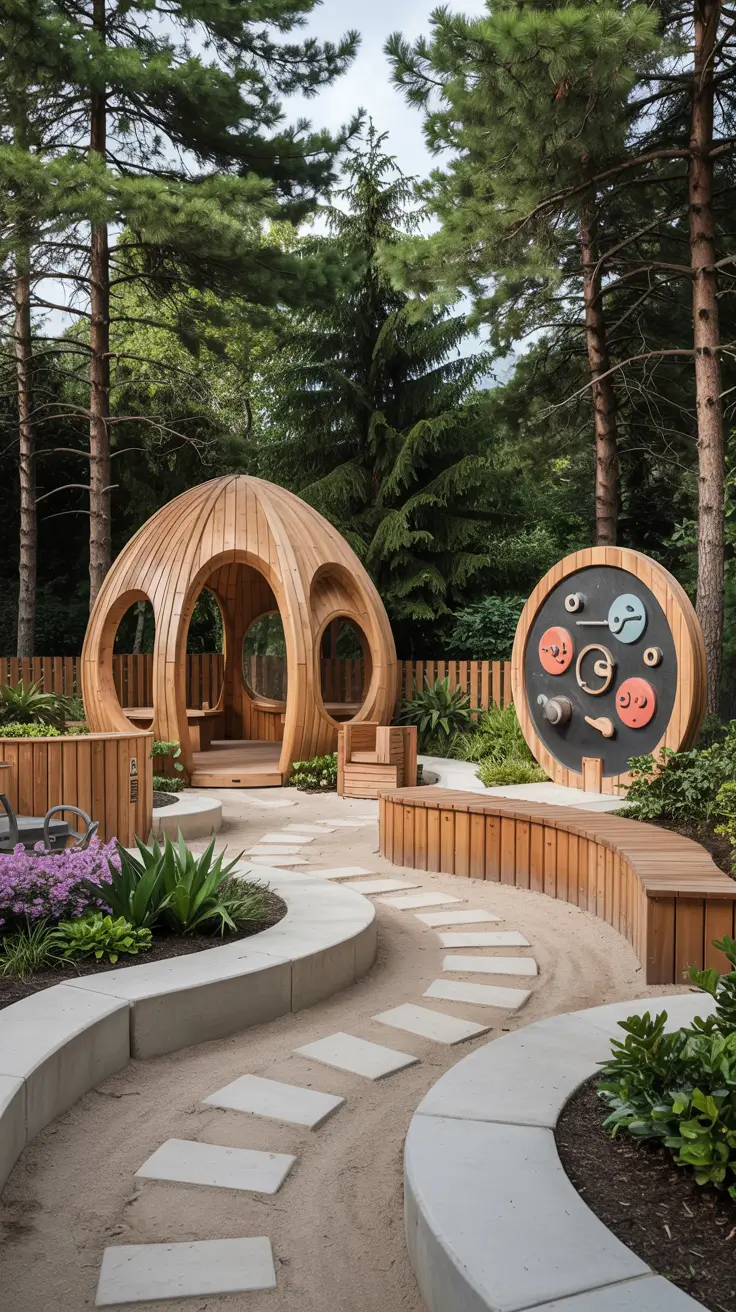
I incorporate Playground design natural wood elements, sensory pathways, and interactive features like Playground design music wall installations. These additions encourage children to engage with sound, texture, and movement in a more meaningful way.
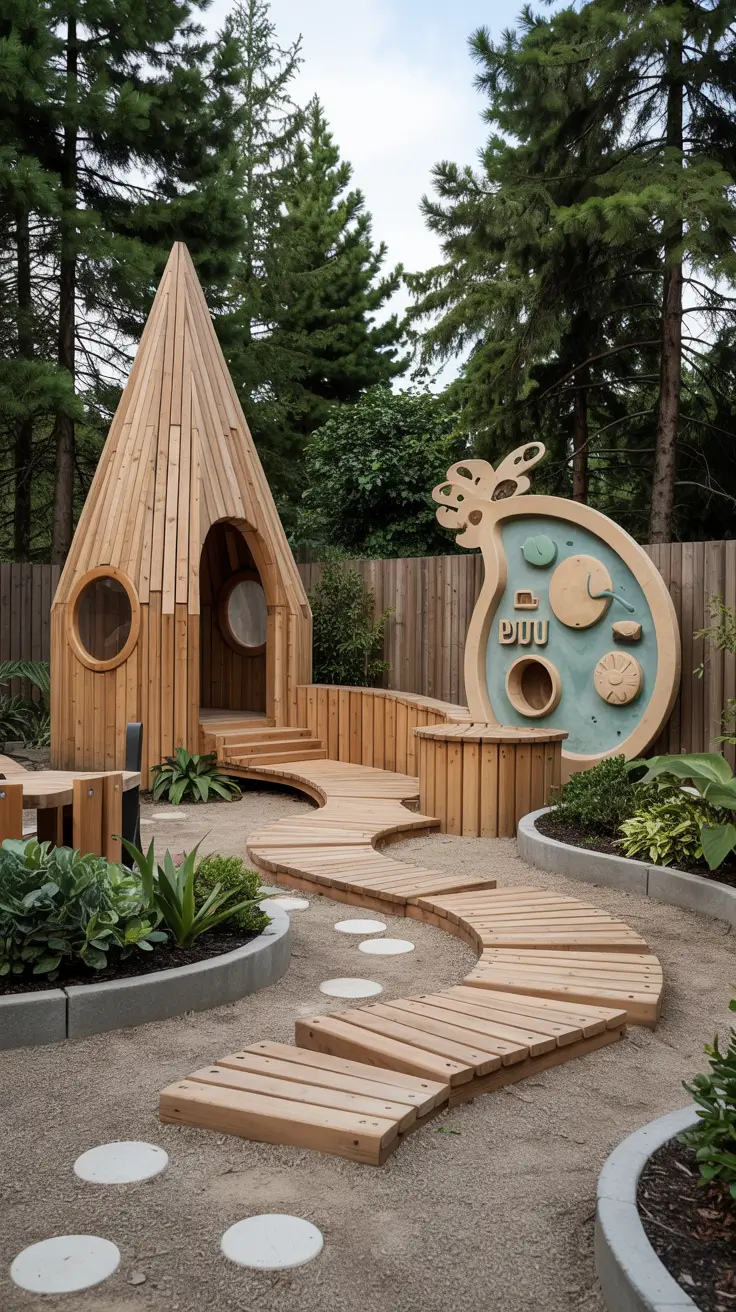
From my perspective, the future of Playground design is about balance between technology and nature. While digital elements may appear, the focus remains on hands-on experiences and real-world interaction.
What I would expand here is the integration of smart lighting or subtle tech features that enhance safety without disrupting the natural aesthetic.