Looking for vertical garden ideas 2026 that actually work in real spaces? Wondering how to use vertical garden ideas outdoor, balcony setups, or even small backyard walls without wasting space or money? In this guide, I break down practical, modern solutions that combine aesthetics with functionality, whether you are working with a terrace, small patios, or compact apartments.
1. Vertical Garden Ideas 2026 That Transform Any Space Into a Living Oasis
I approach this concept as a full transformation of space rather than just adding plants. A vertical garden in 2026 is not just decorative, it becomes a structural element that defines the room or outdoor area. Whether it is a backyard, terrace, or indoor wall, I focus on layering greenery vertically to create depth while saving floor space.
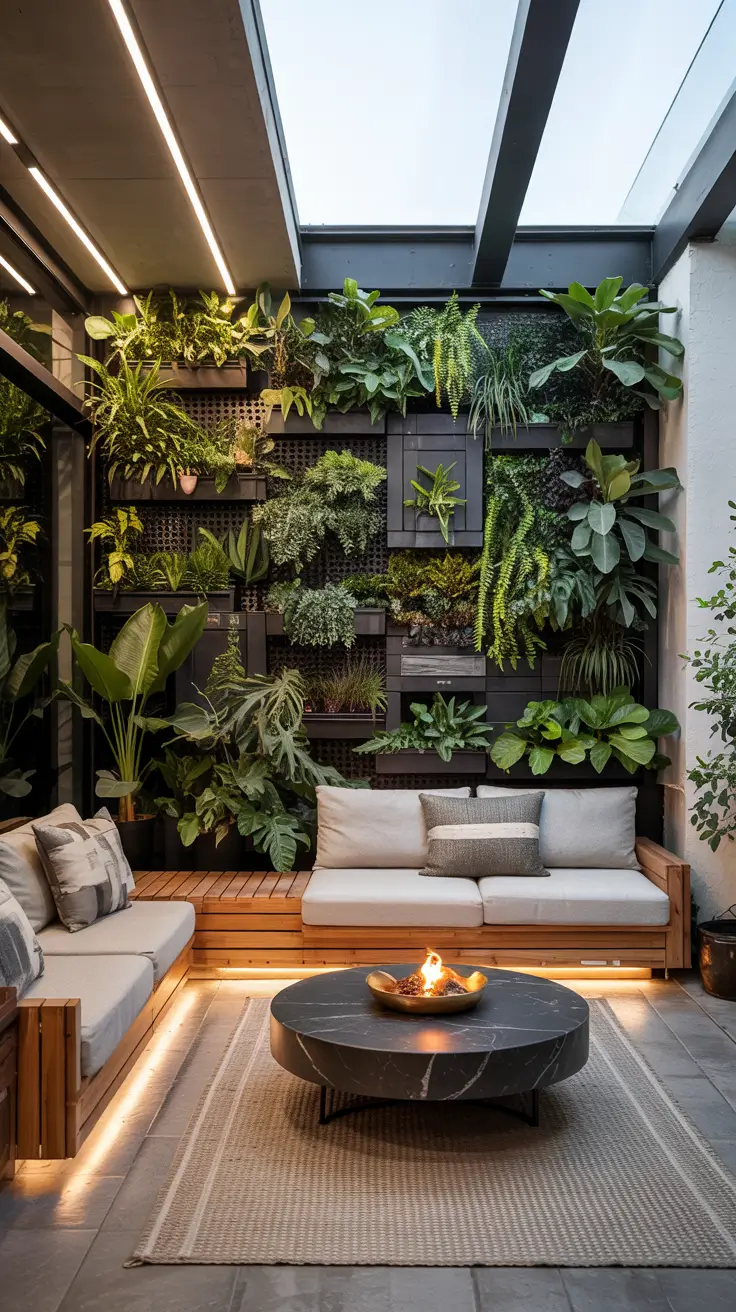
I typically include modular wall panels, integrated irrigation systems, and a mix of plant textures. For example, combining leafy greens with trailing plants creates movement, while structured frames keep everything organized. Furniture should remain minimal, such as neutral-toned seating or wooden benches, so the garden remains the focal point.
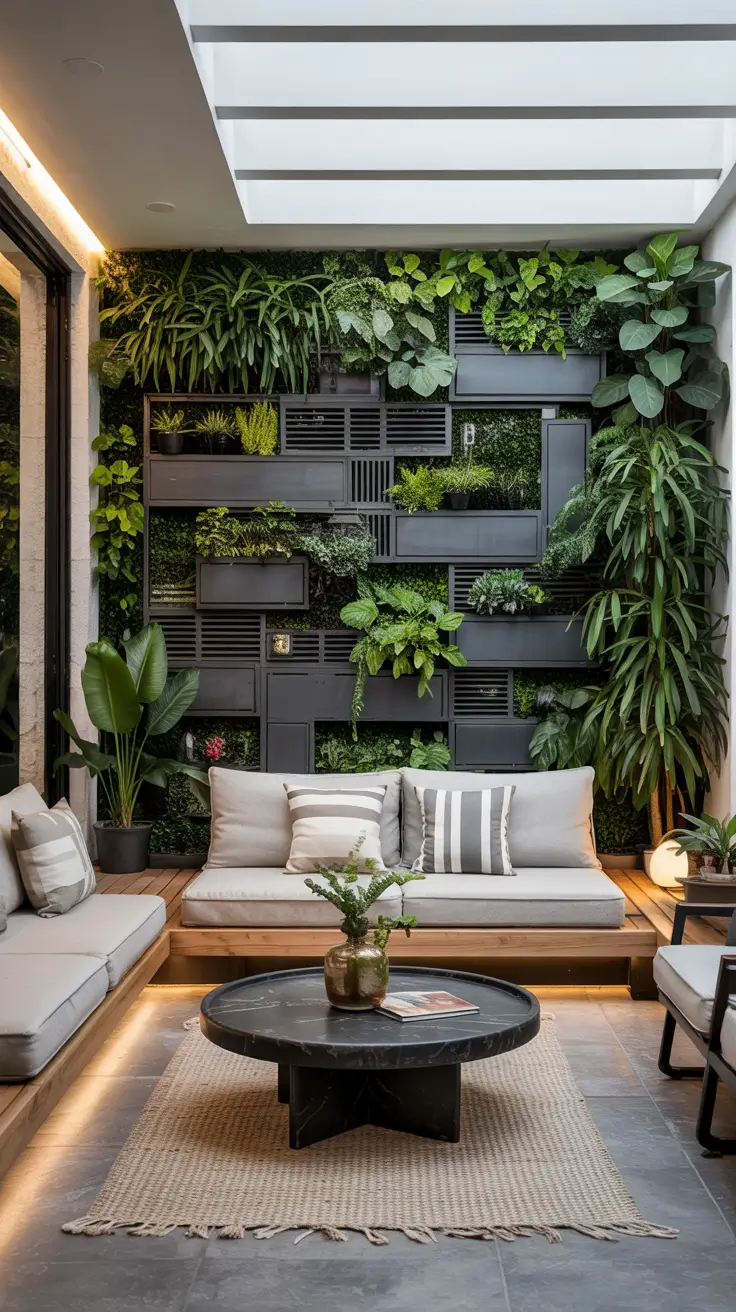
From my experience, the key is balance. I always follow guidance similar to what is often emphasized in modern design media like Architectural Digest, which highlights cohesion between natural and built elements. I avoid overcrowding and let negative space enhance the greenery.
I would add integrated lighting to this setup. Without proper lighting, especially in indoor or shaded outdoor areas, the visual impact and plant health both suffer.
2. Outdoor Vertical Garden Ideas 2026 for Stylish and Functional Backyards
When designing vertical garden ideas outdoor, I focus on durability and weather resistance. In a small backyard, vertical systems allow me to maximize greenery without sacrificing usable space. I often use fences or standalone frames as the base structure.
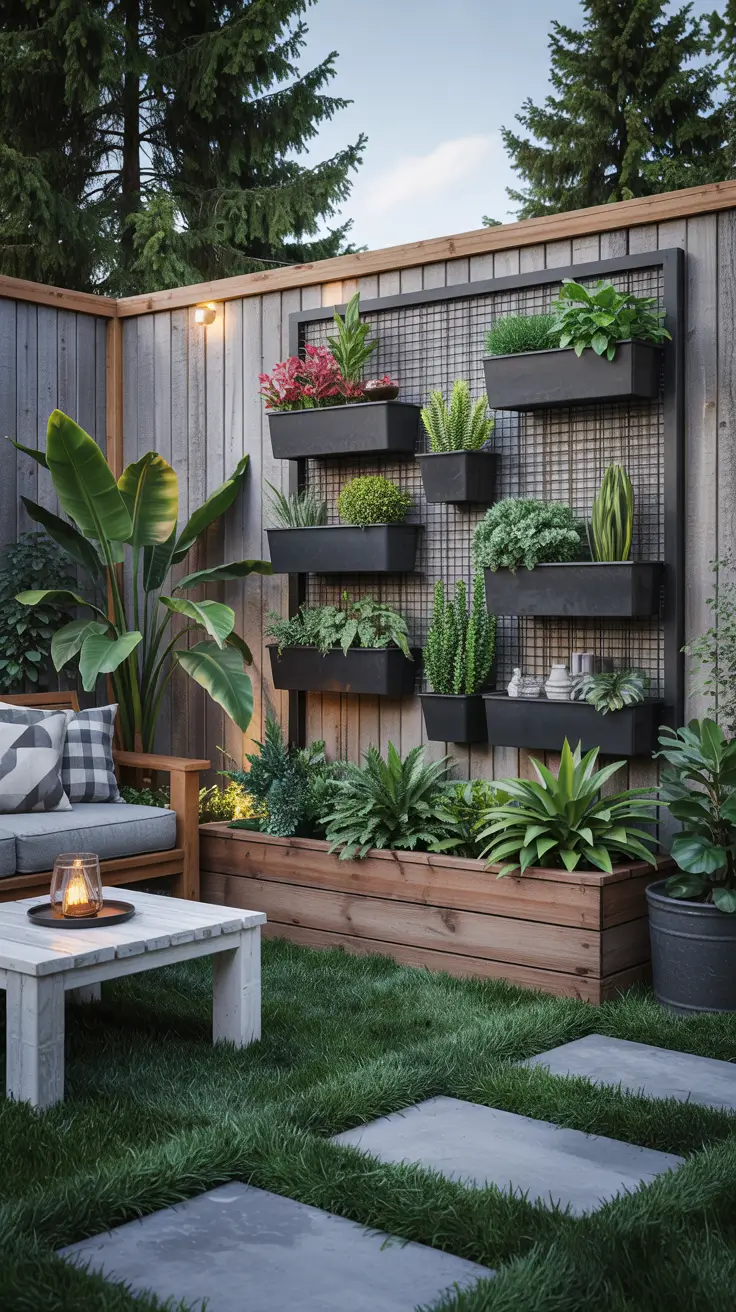
I include materials like treated wood, powder-coated metal, and weatherproof planters. Climbing plants, herbs, and even small vegetables can be integrated. I also position seating areas nearby to create a cohesive outdoor living environment.
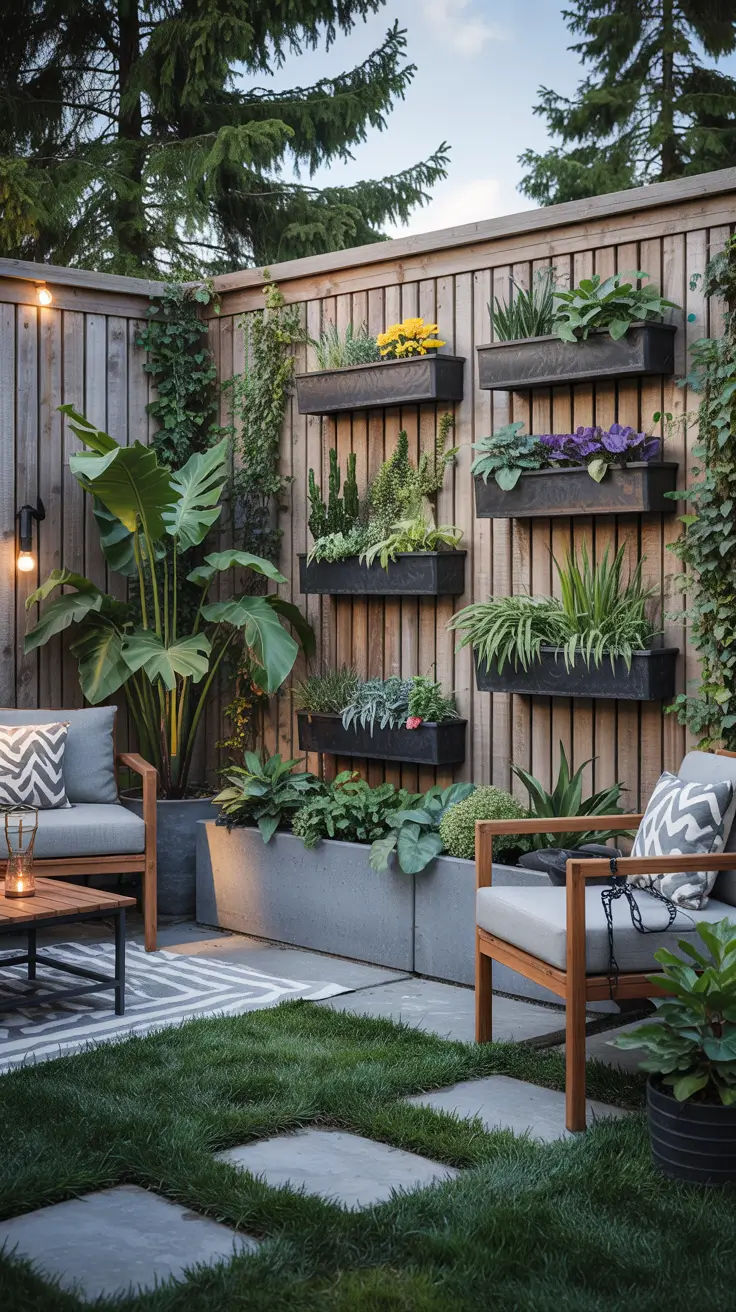
In my opinion, functionality should never be compromised for aesthetics. Outdoor vertical gardens should provide shade, privacy, or even food production. This aligns with sustainable design practices widely discussed in modern landscaping trends.
What is missing here is a water management system. I always recommend adding drip irrigation to maintain consistency and reduce maintenance.
3. Vertical Garden Ideas for Small Backyards That Maximize Every Inch
In small backyard settings, I treat vertical space as the primary canvas. Instead of spreading plants horizontally, I build upward using tiered structures and wall-mounted systems. This approach is ideal for vertical garden ideas for small backyard layouts.
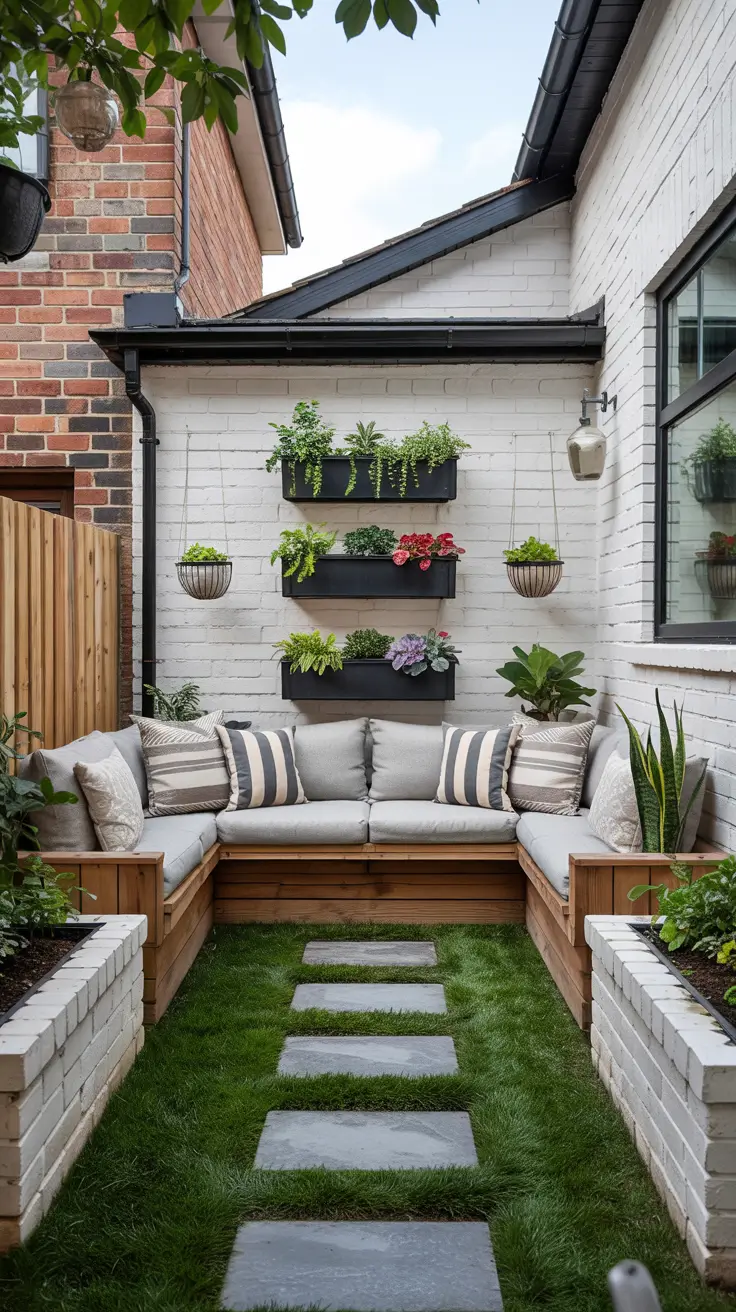
I use stackable planters, narrow shelving, and vertical frames. Dollar tree stackable planters or DIY wooden racks can be surprisingly effective. I also integrate seating that doubles as storage to keep the area uncluttered.
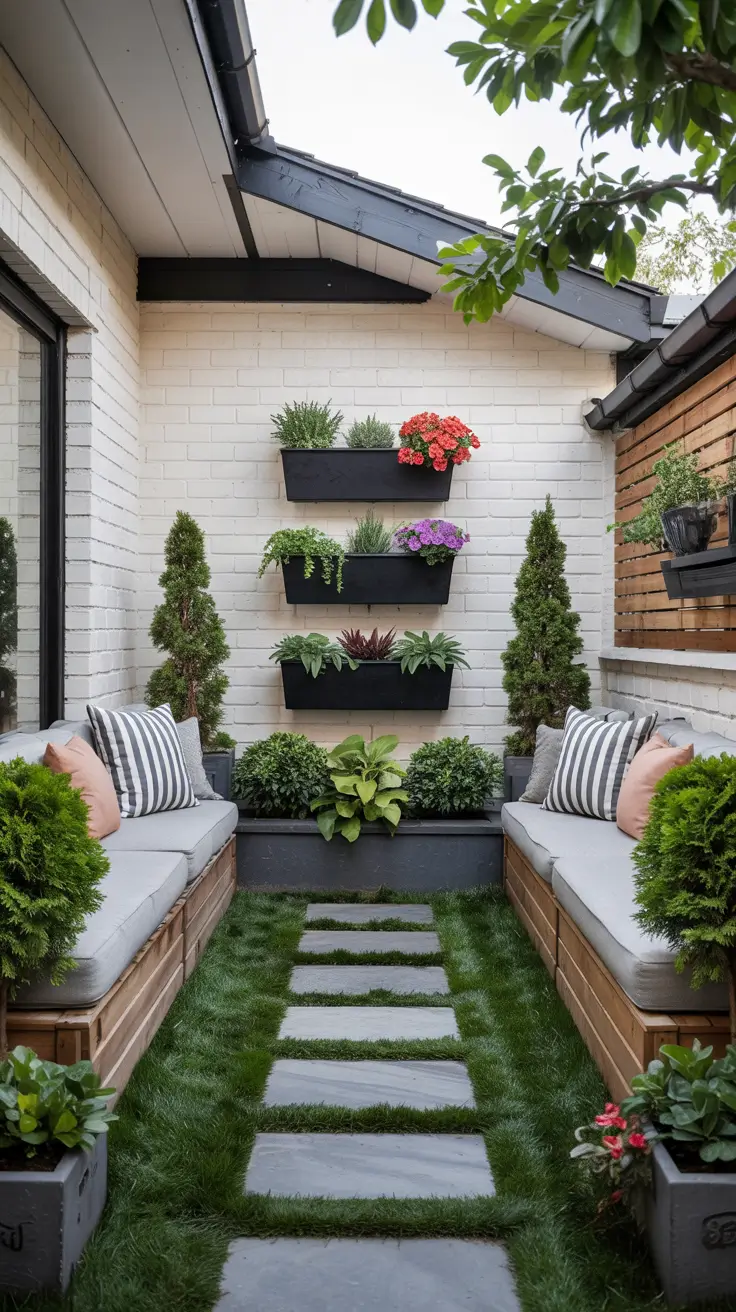
Personally, I have found that symmetry helps small spaces feel intentional rather than cramped. Keeping lines clean and repeating patterns makes the garden look larger than it is.
I would improve this design by incorporating mirrors or reflective surfaces to visually expand the space further.
4. Creative Vertical Garden Ideas for Balcony Spaces in 2026
Balcony designs require careful planning, especially when working with vertical garden ideas for balcony setups. I focus on lightweight systems that do not overload the structure while still delivering visual impact.
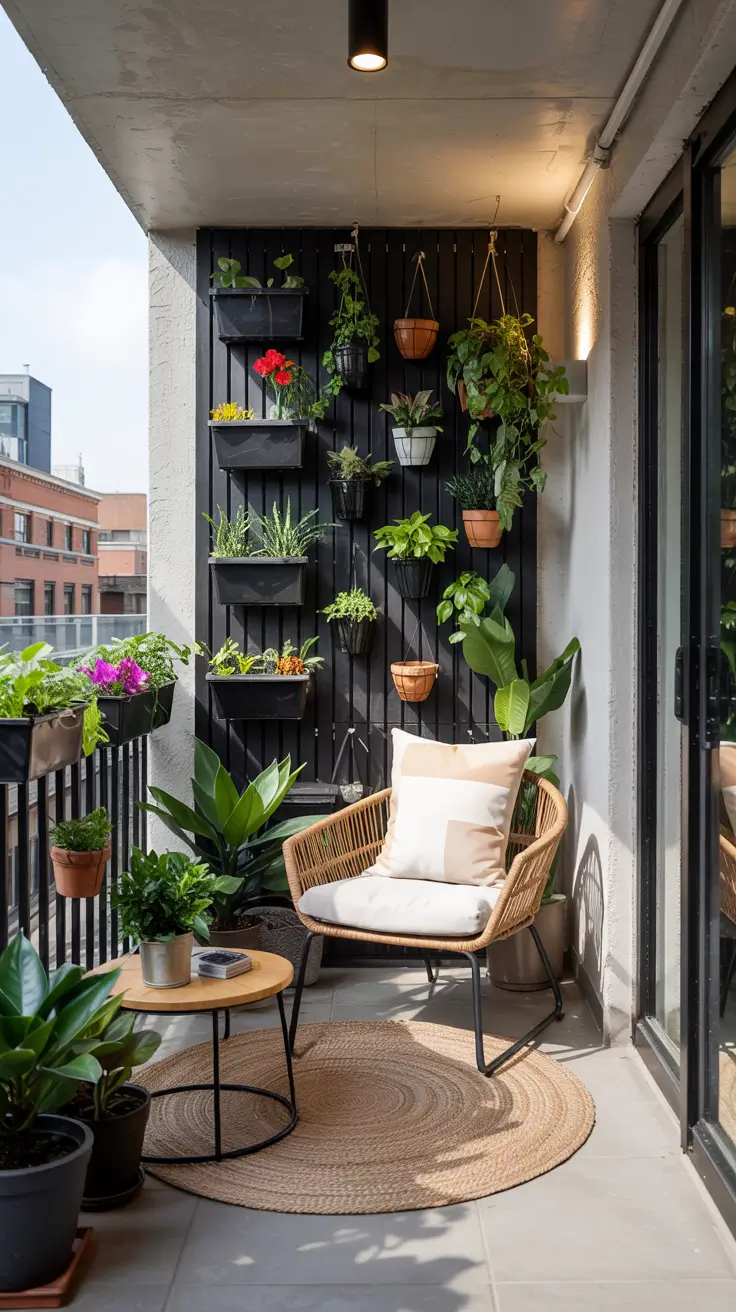
I typically use railing planters, hanging pots, and wall grids. Plants like herbs, flowers, and compact greenery work best. Furniture should be foldable or compact to maintain flexibility.
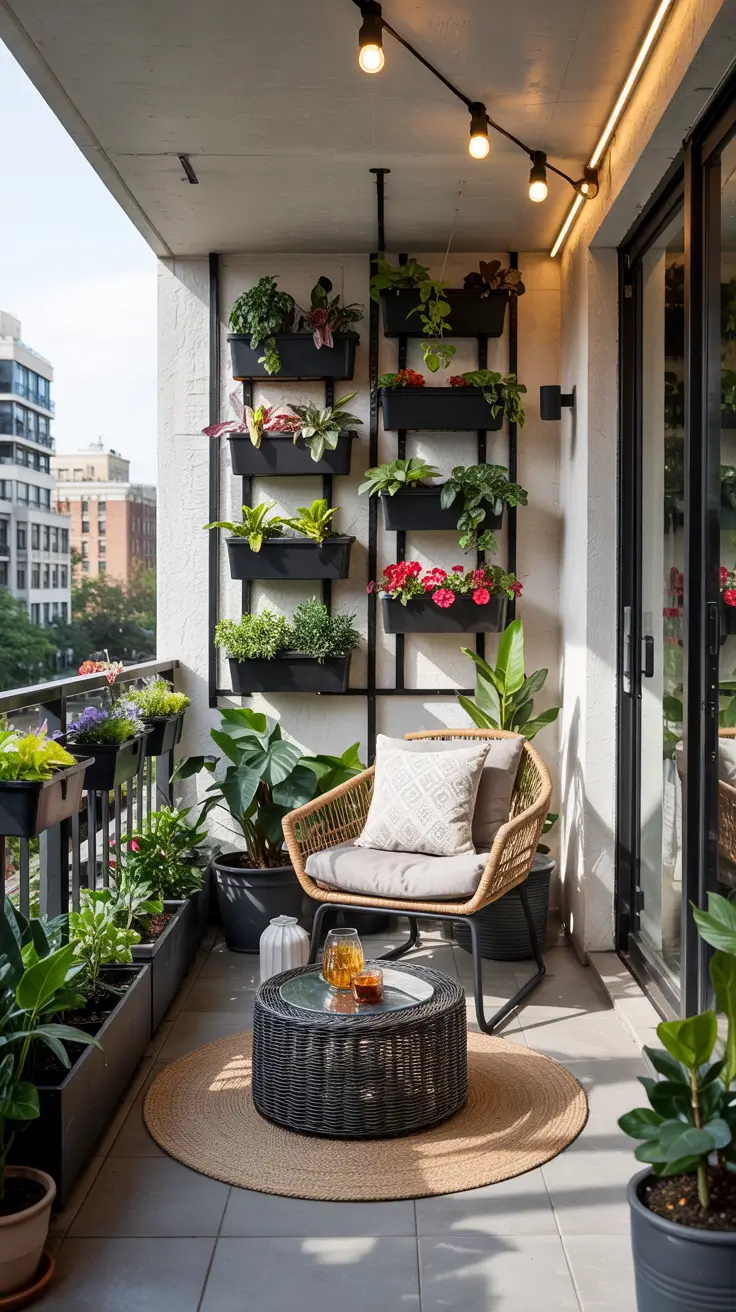
From my perspective, balconies benefit from layering. Combining different heights and textures creates a lush effect even in small balconies. This is especially useful for small apartment balconies where space is limited.
What I would add here is wind protection. Many balcony gardens fail because wind exposure is underestimated.
5. DIY Vertical Garden Ideas 2026 for Budget-Friendly Green Walls
DIY solutions are essential for anyone exploring vertical garden ideas diy on a budget. I often use recycled materials like plastic bottle systems, wooden pallets, or even rusty bed springs to create unique structures.
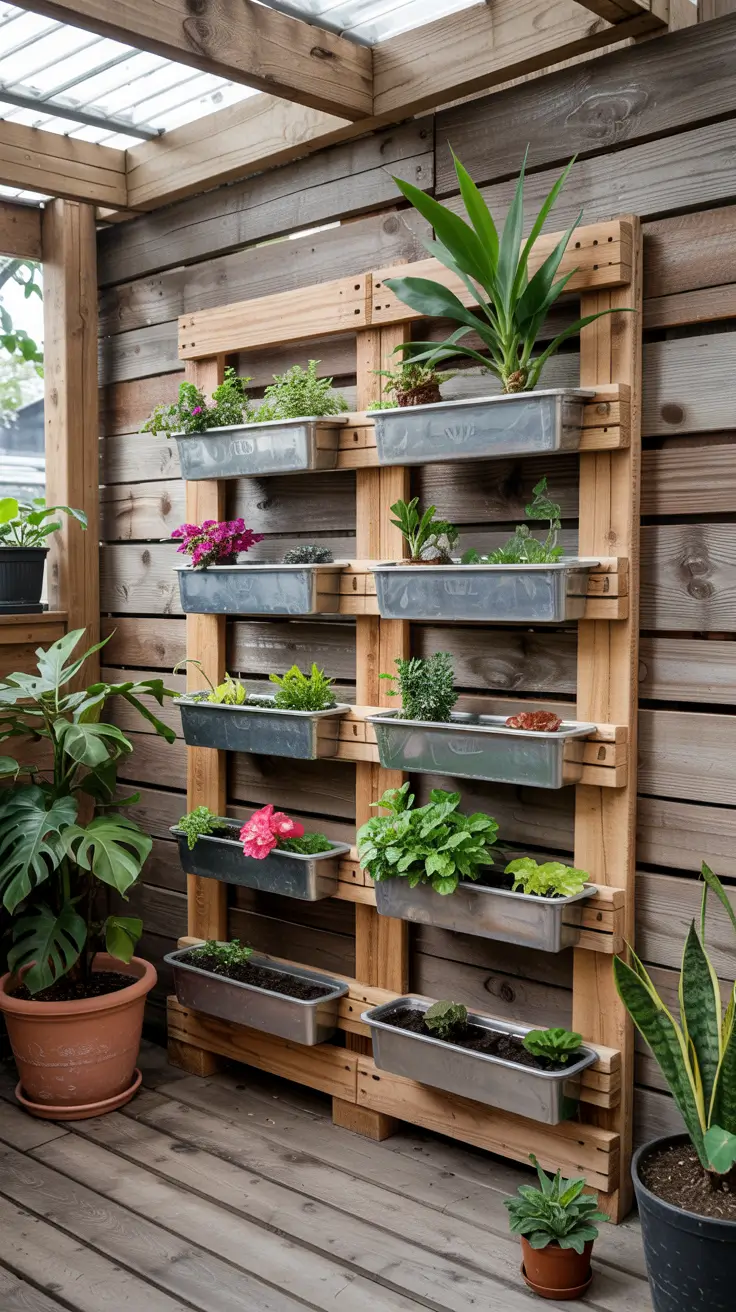
Each element should be functional. Bottles can act as individual planters, pallets can support multiple rows, and repurposed materials add character. I ensure everything is securely mounted and properly drained.
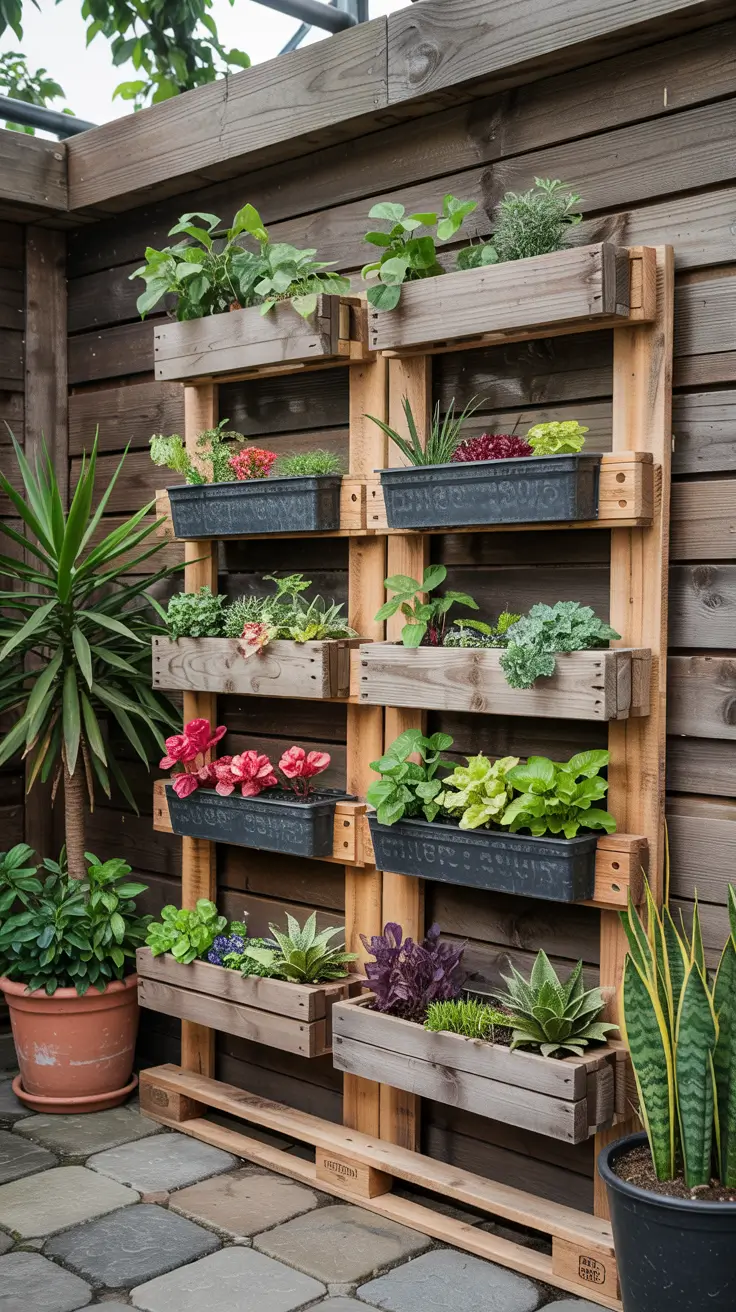
In my experience, DIY projects are not just about saving money. They allow customization that store-bought systems cannot offer. Creativity plays a major role here.
I would include a protective backing layer to prevent wall damage, especially for indoor or apartment installations.
6. Indoor Vertical Garden Ideas 2026 for Modern Living Spaces
Indoor vertical garden ideas indoor focus on blending greenery with interior design. I treat these installations as living art pieces that enhance the atmosphere of the room.
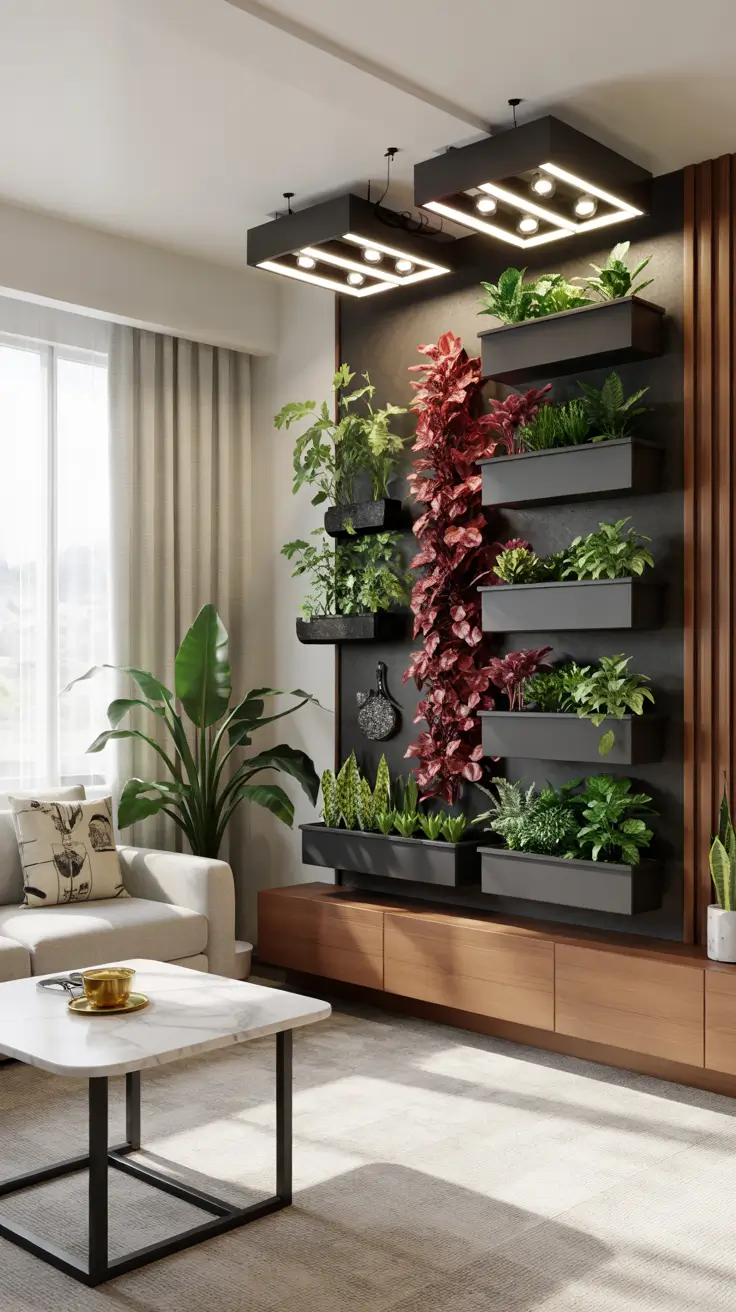
I use wall-mounted planters, hydroponic systems, and decorative frames. Plants like ferns, pothos, and moss walls are ideal for indoor conditions. Lighting is crucial, so I often integrate LED grow lights.
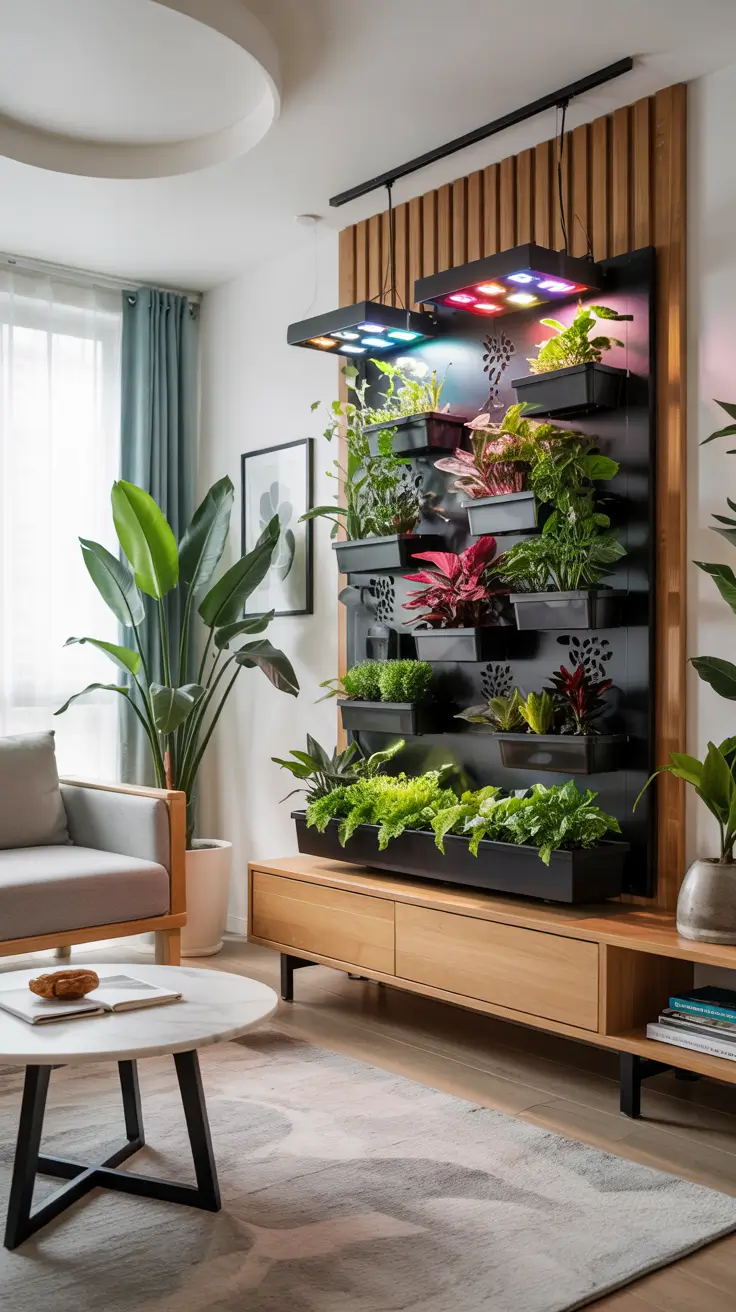
From my perspective, indoor gardens improve both aesthetics and well-being. Clean air and natural textures contribute to a more comfortable living environment.
What is often missing is humidity control. I always recommend monitoring moisture levels to protect both plants and walls.
7. Vertical Garden Ideas for Small Spaces That Feel Bigger and Greener
When working with vertical garden ideas for small spaces, my goal is to create the illusion of openness. Vertical layouts naturally draw the eye upward, making the area feel larger.
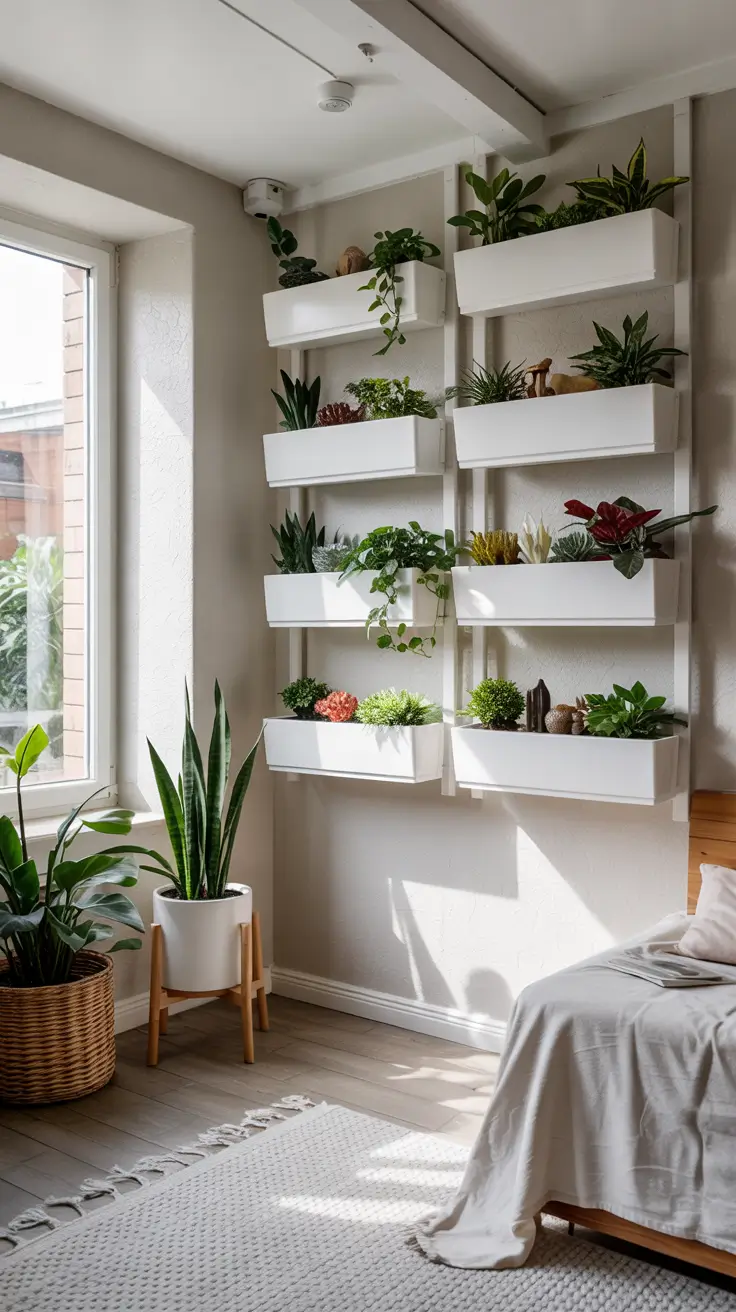
I use slim planters, vertical grids, and light-colored backgrounds. Combining greenery with neutral tones enhances brightness. Furniture should remain minimal and functional.
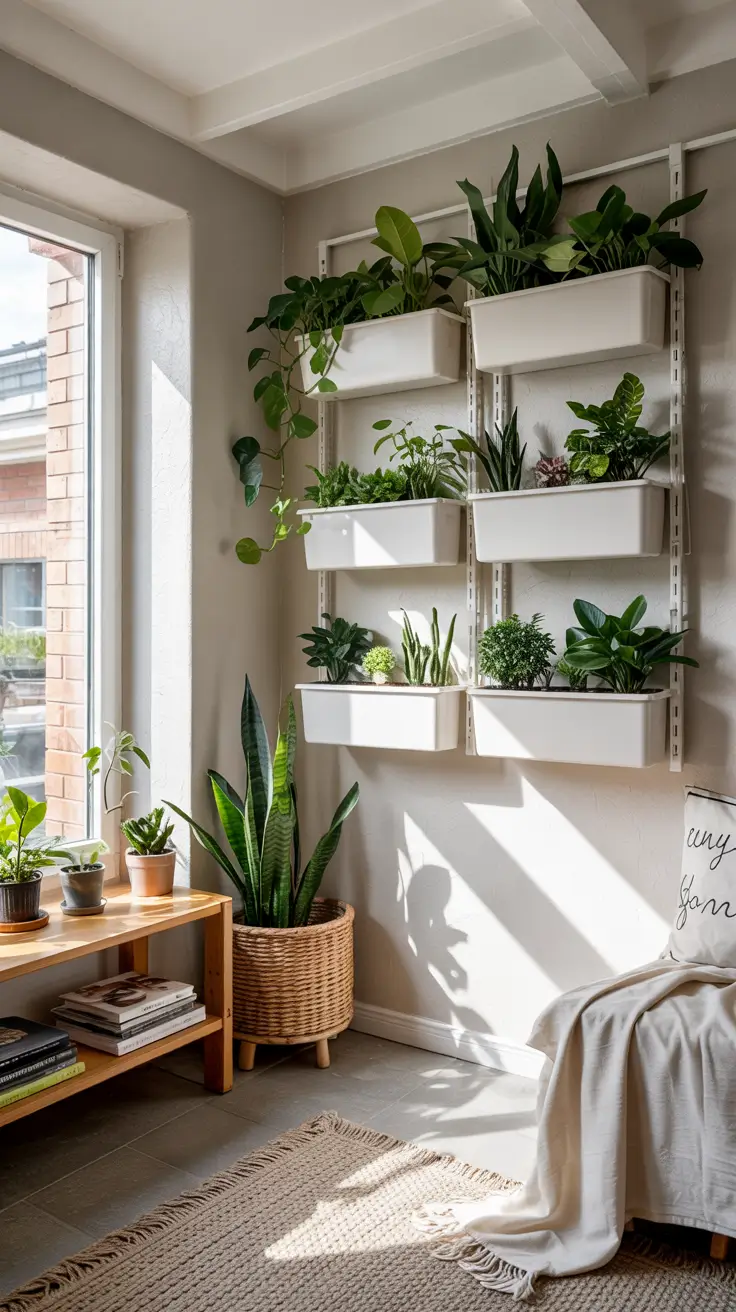
In my experience, consistency is key. Repeating plant types or planter styles creates a cohesive look that avoids visual clutter.
I would enhance this design by incorporating multi-functional elements, such as vertical gardens that also act as room dividers or storage solutions.
8. Elegant Vertical Garden Ideas with Star Jasmine for Fragrant Walls
I use star jasmine when I want a vertical garden to engage more than just the visual sense. This plant allows me to design walls that are not only green but also fragrant, making the space feel more immersive. It works especially well in outdoor areas like terraces, front yard boundaries, or even along a corner fence where airflow spreads the scent naturally.
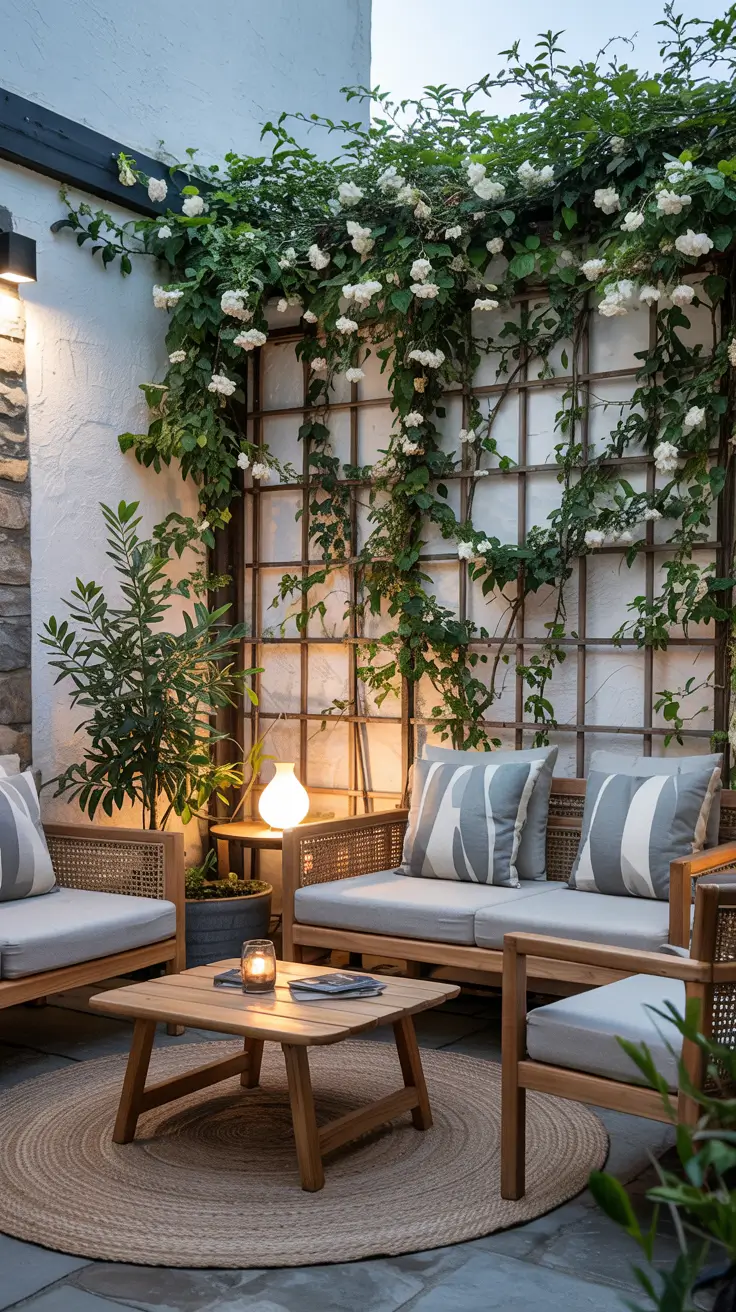
I usually install a trellis or wire support system to guide the growth of star jasmine. The structure needs to be strong enough to handle dense foliage over time. I combine it with neutral-toned furniture and natural materials like wood or stone so the plant remains the highlight. Lighting placed below or behind the foliage enhances texture at night.
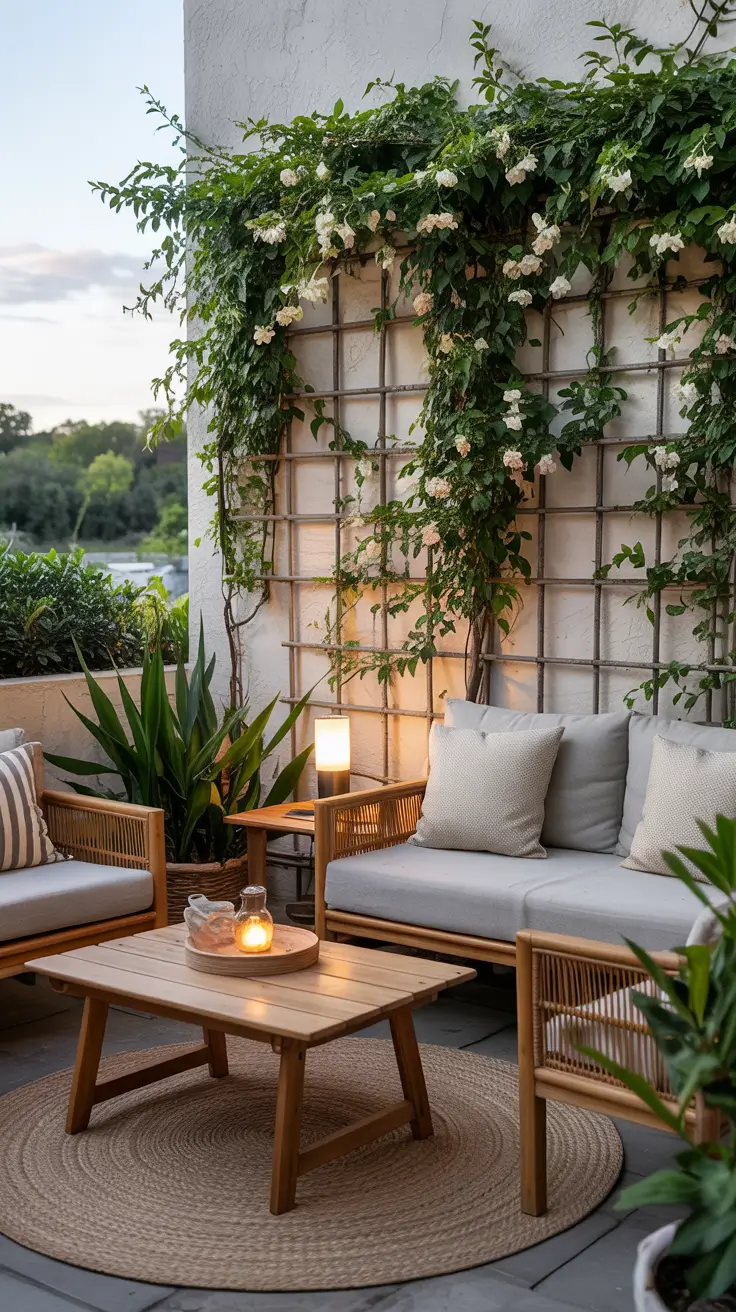
From my experience, fragrant vertical gardens create a stronger emotional connection to the space. Many landscape designers emphasize sensory design as a key trend, and I find that star jasmine is one of the easiest ways to achieve it without overcomplicating the setup.
I would add a pruning and maintenance plan here. Without regular shaping, the plant can quickly become overgrown and lose its visual structure.
9. Vertical Garden Ideas for Small Patios That Elevate Outdoor Living
When I design for small patios, I focus on making the vertical garden an extension of the living area. Instead of treating it as a separate feature, I integrate it into the overall layout so it enhances how the space is used daily.
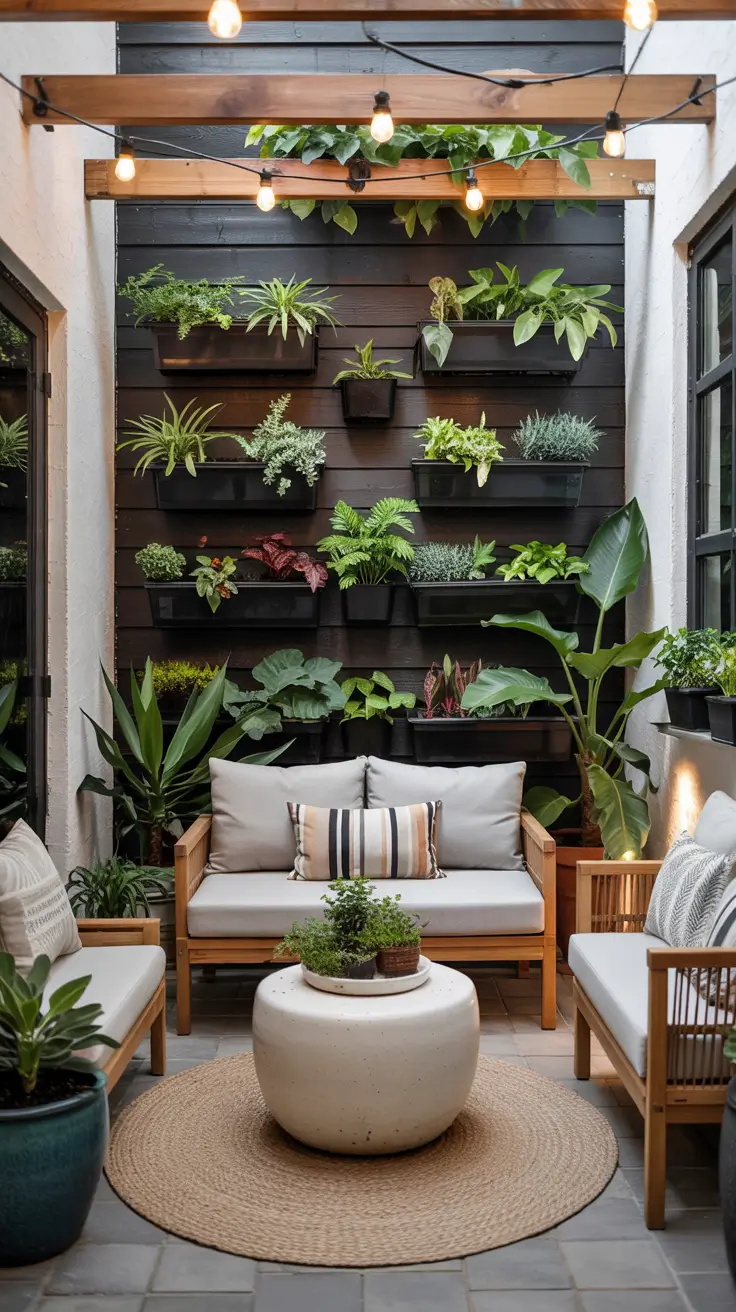
I include vertical panels behind seating, compact planters attached to walls, and sometimes a green backdrop for dining or lounge zones. Materials like ceramic pots, metal frames, and wood accents help create a balanced aesthetic. I keep furniture low-profile to avoid blocking the vertical elements.
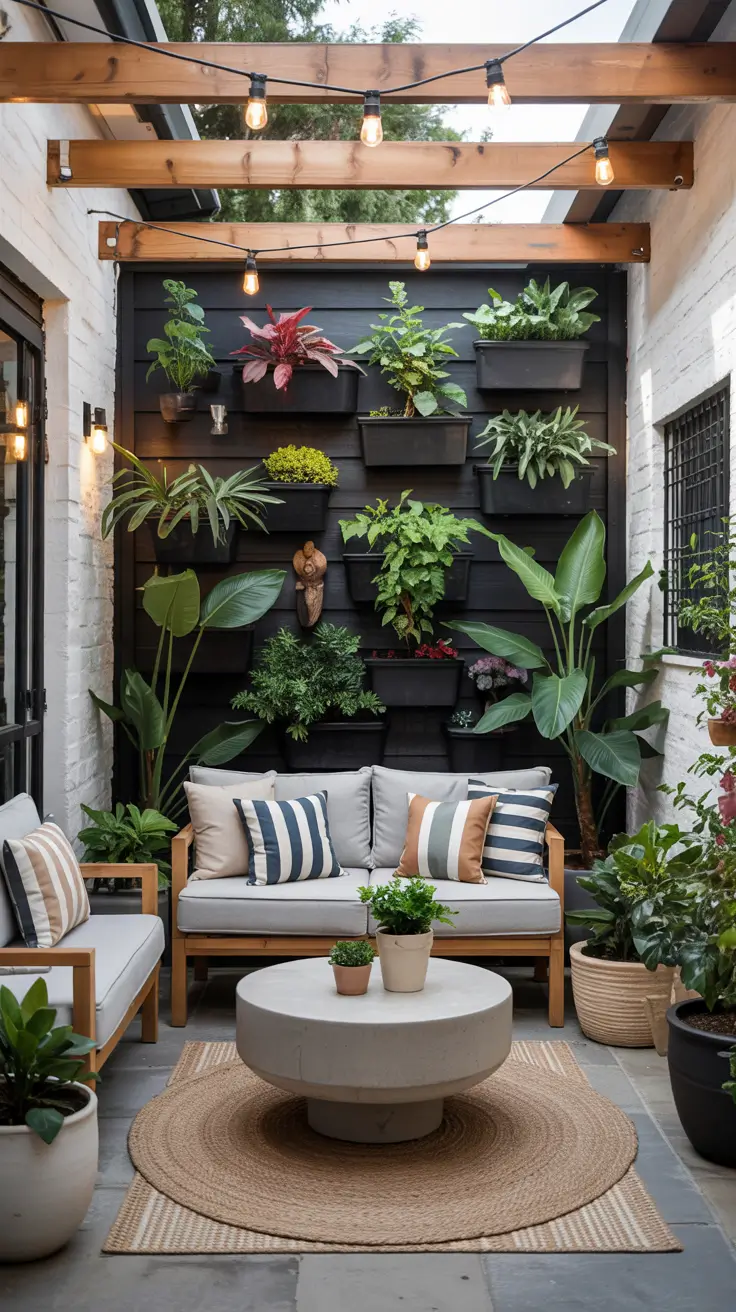
In my opinion, a well-designed patio vertical garden should feel like an outdoor room. This approach aligns with current outdoor living trends where patios function as living spaces rather than just transitional zones.
I would improve this setup by adding shade solutions such as pergolas or fabric covers to protect both plants and furniture.
10. Vertical Garden Ideas for Indoor Walls with a Touch
For indoor walls, I treat vertical gardens as a statement piece. The goal is to integrate greenery into the architecture so it feels intentional and refined rather than decorative.
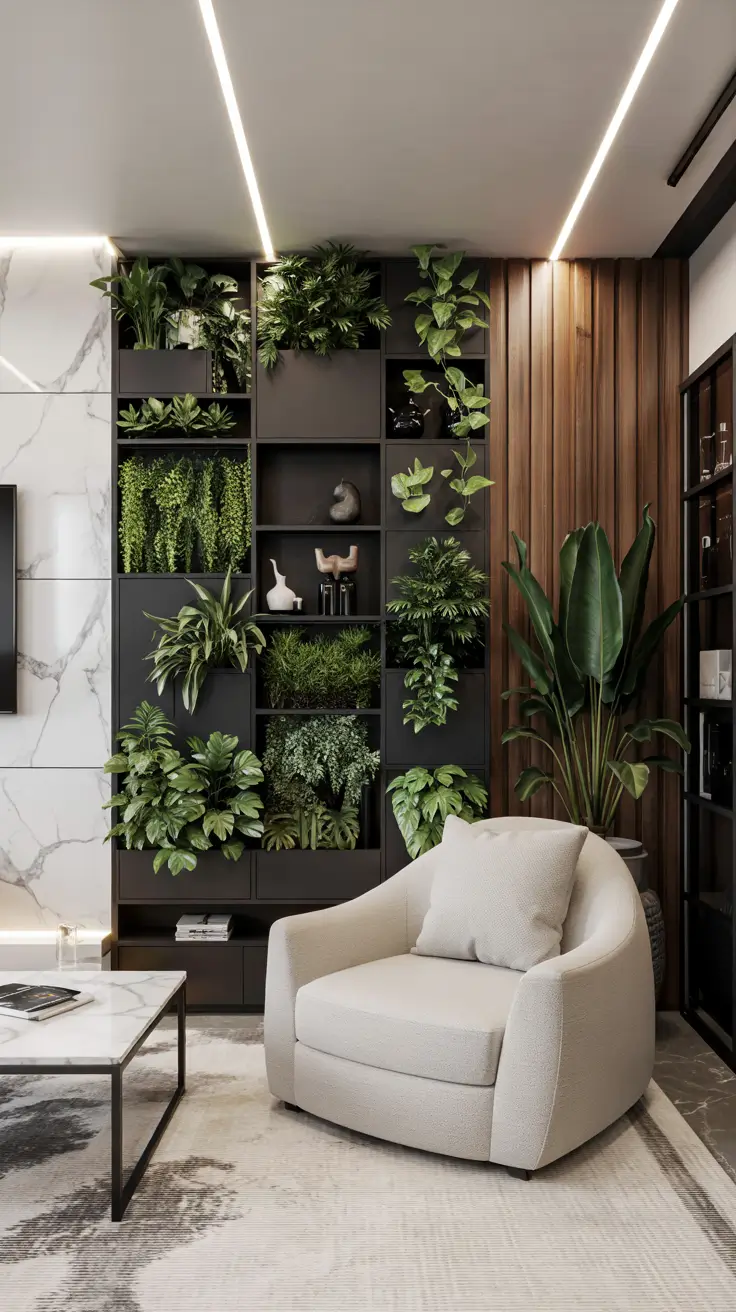
I use framed plant systems, geometric layouts, and sometimes combine greenery with materials like glass or metal. Moss walls and structured plant grids work particularly well in modern interiors. Lighting design is critical here, as it highlights the adds depth.
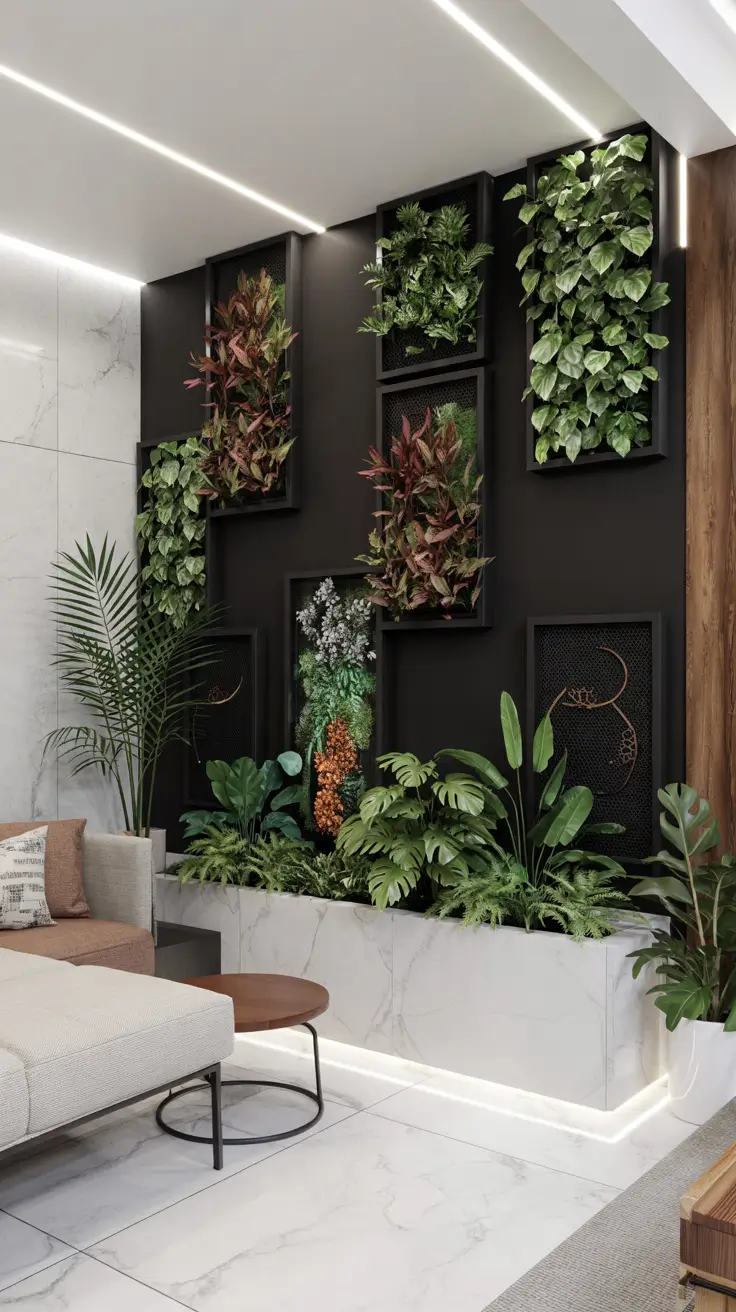
From my perspective, indoor vertical gardens should reflect the overall design language of the home. I often draw inspiration from contemporary interior studios that emphasize clean lines and natural integration.
What I would add here is acoustic consideration. Green walls can improve sound absorption, but this benefit should be intentionally designed, not accidental.
11. Vertical Garden Ideas for Corner Fence Areas You Never Use
Unused corner fence areas are one of the most overlooked opportunities. I always see them as potential focal points rather than dead zones. A vertical garden here can completely change how the backyard feels.
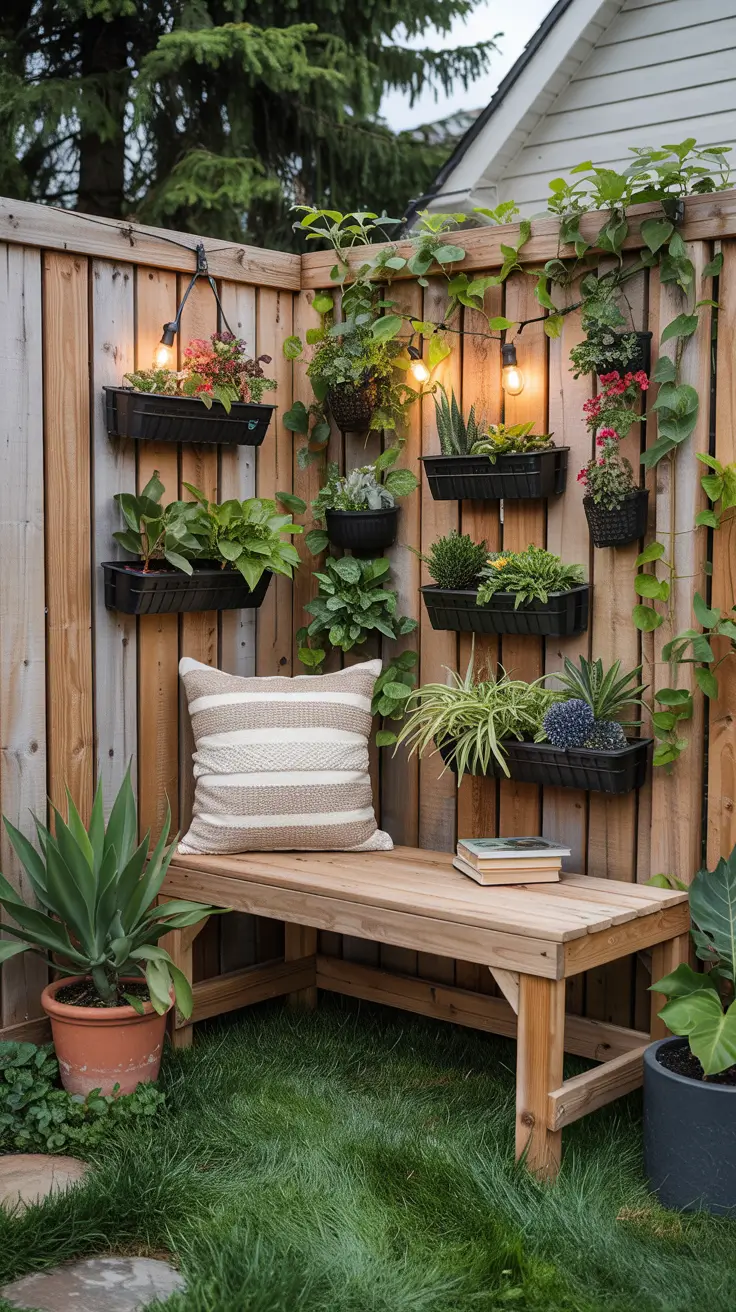
I install corner-specific structures like angled trellises or L-shaped planter systems. Plants that cascade or climb help soften the hard lines of the fence. I often add a small bench or element to make the corner usable.
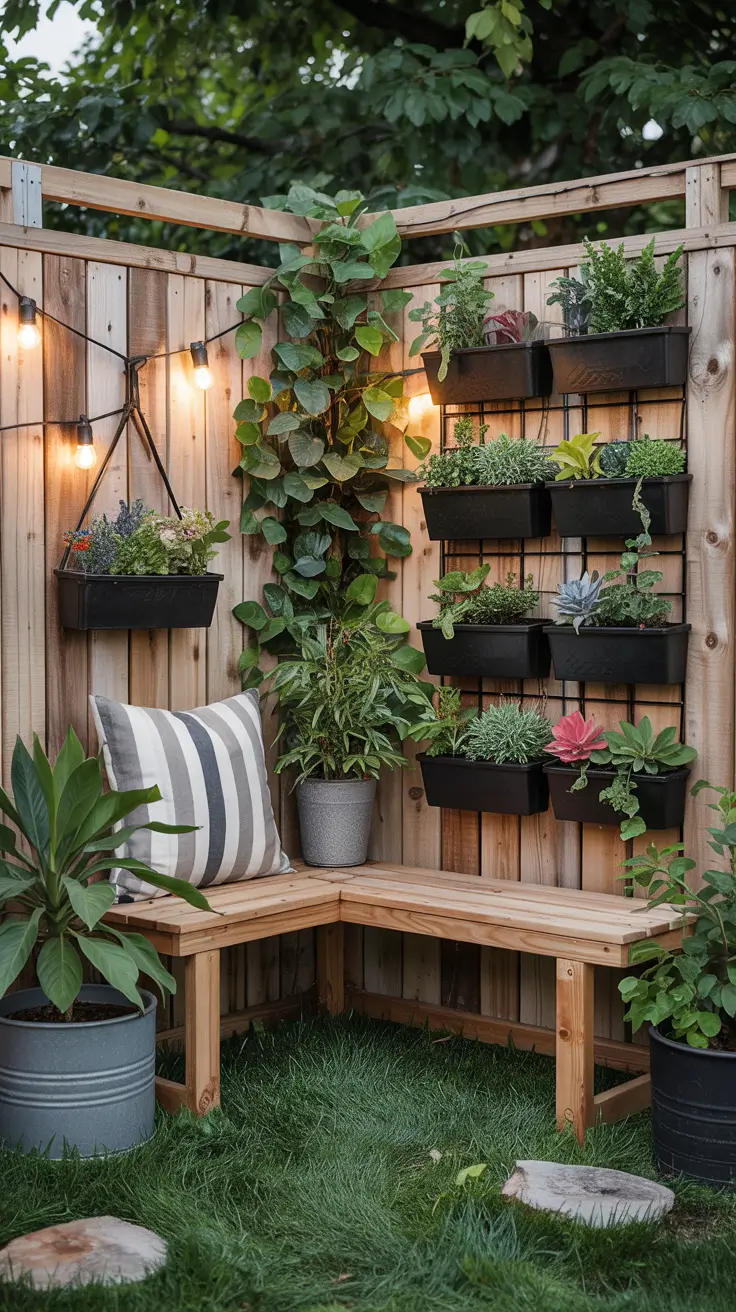
In my experience, transforming corners creates a sense of completeness in the space. It removes visual gaps and makes the design feel intentional.
I would enhance this by adding lighting. Corners tend to be darker, and proper illumination can turn them into standout features at night.
12. Smart Vertical Garden Ideas for Balcony Living in Apartments
Apartment balconies require smart solutions, especially when space and weight are limited. I focus on systems that are flexible, modular, and easy to maintain.
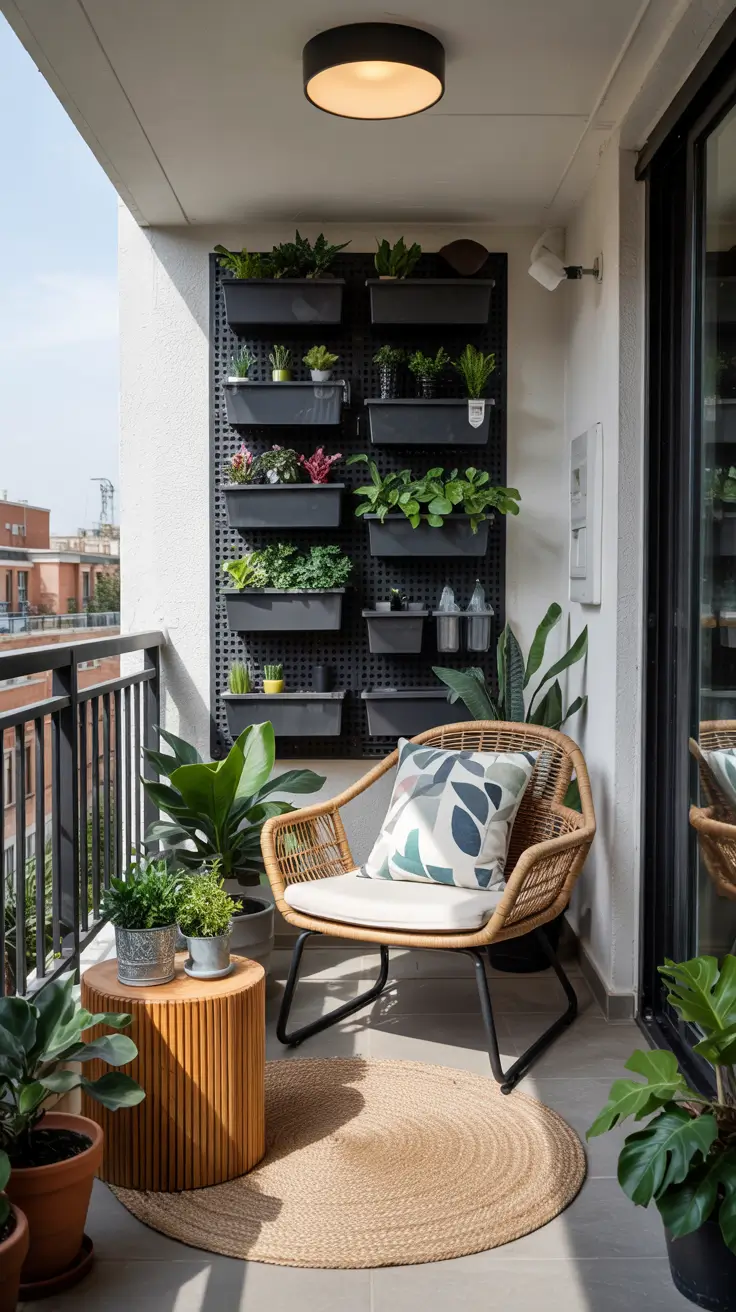
I use lightweight planters, vertical grids, and hanging systems that can be adjusted or moved. Plants are selected based on sunlight exposure and maintenance level. I also ensure that drainage is properly managed to avoid issues in apartment settings.
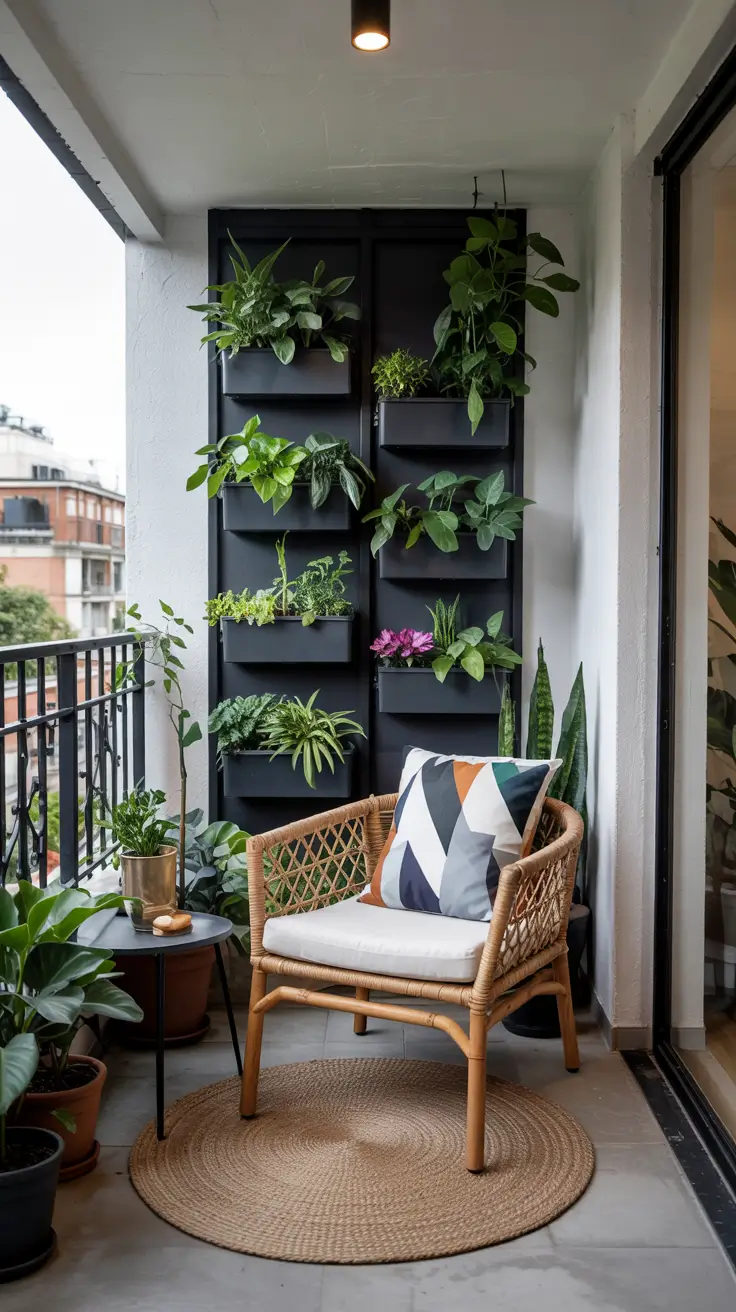
From my experience, simplicity is key. Overcomplicating a balcony garden often leads to maintenance problems. Clean, efficient setups work best in small apartment balconies.
I would add automated watering systems here. Even a simple drip setup can make a significant difference in long-term maintenance.
13. Vertical Garden Ideas Using IBC Totes for Sustainable Gardening
Using IBC totes is one of the most practical solutions for sustainable vertical gardening. I see this as a perfect approach for those who want to combine eco-friendly practices with functional design.
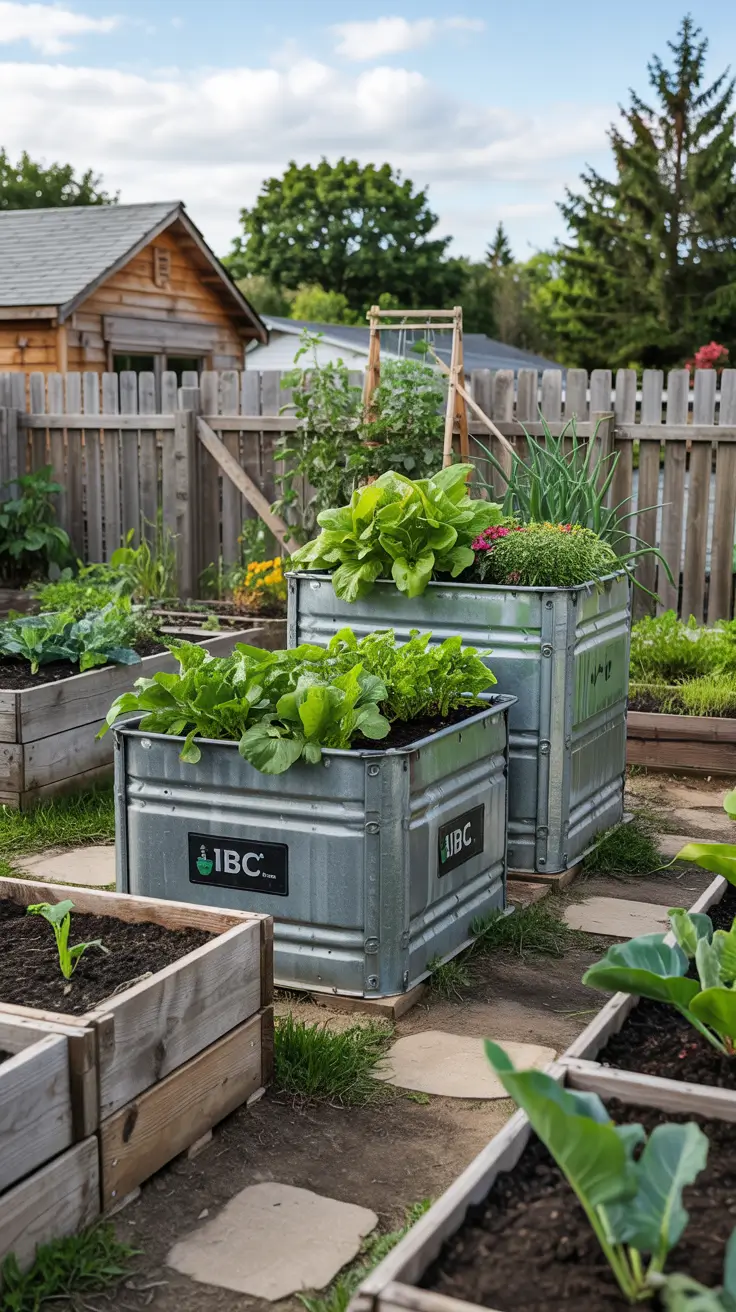
I cut and modify the totes to create stacked planting systems. They are durable, spacious, and ideal for growing vegetables or larger plants. I often place them in backyards or greenhouse setups where space and sunlight are sufficient.
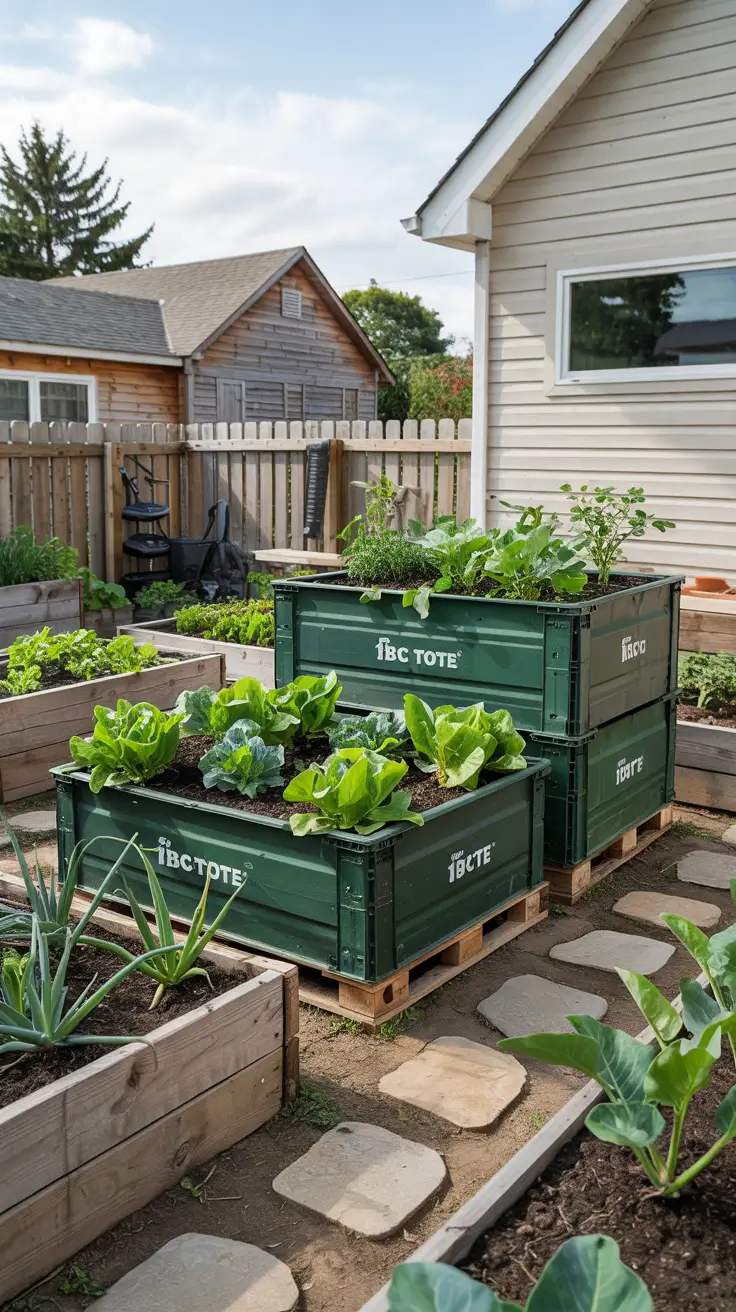
In my opinion, this method is underrated. It offers both scale and efficiency, especially for those interested in urban farming or self-sufficiency.
I would improve this setup by adding a filtration or irrigation system to optimize water usage and plant health.
14. Balcony Vertical Garden Ideas for Small Apartment Lifestyles
For small apartment lifestyles, I design balcony gardens that prioritize flexibility and comfort. The goal is to create a green retreat without overwhelming the limited space.
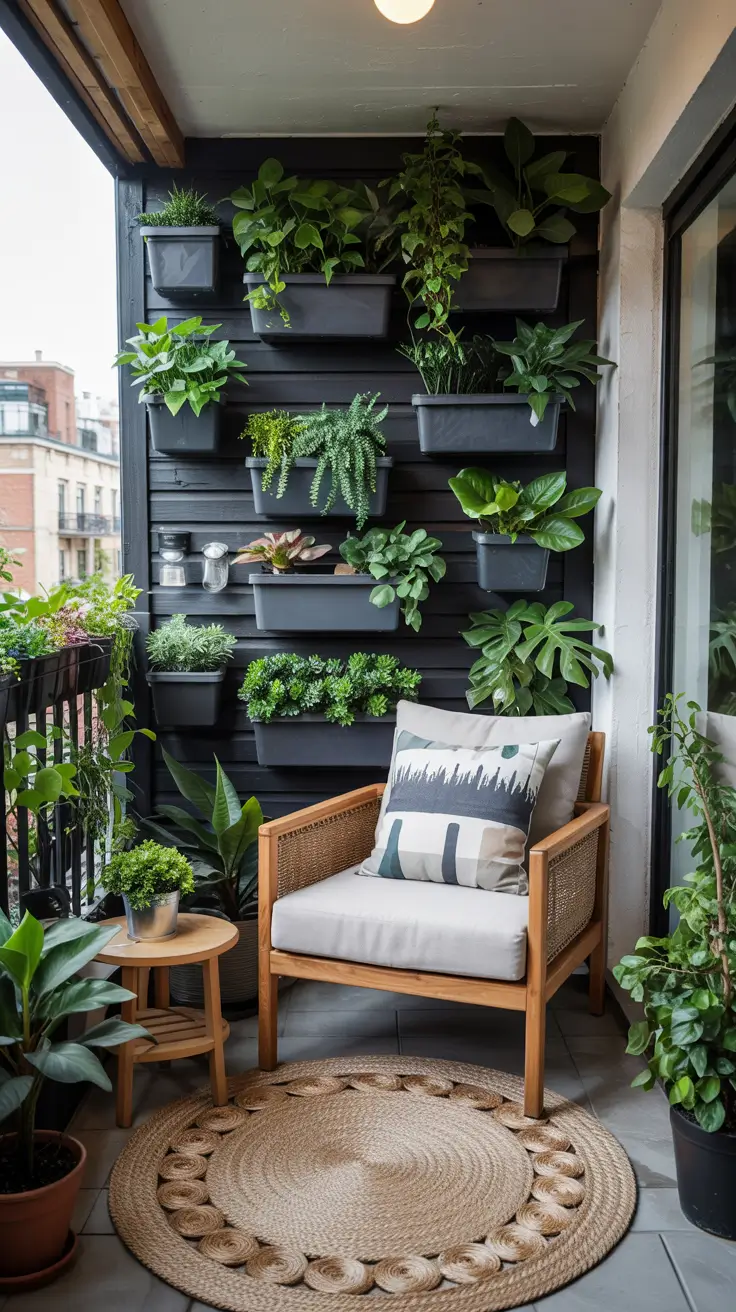
I include compact seating, vertical planters, and layered greenery. Folding furniture and multi-purpose elements help maintain functionality. I also consider privacy by using plants as natural screens.
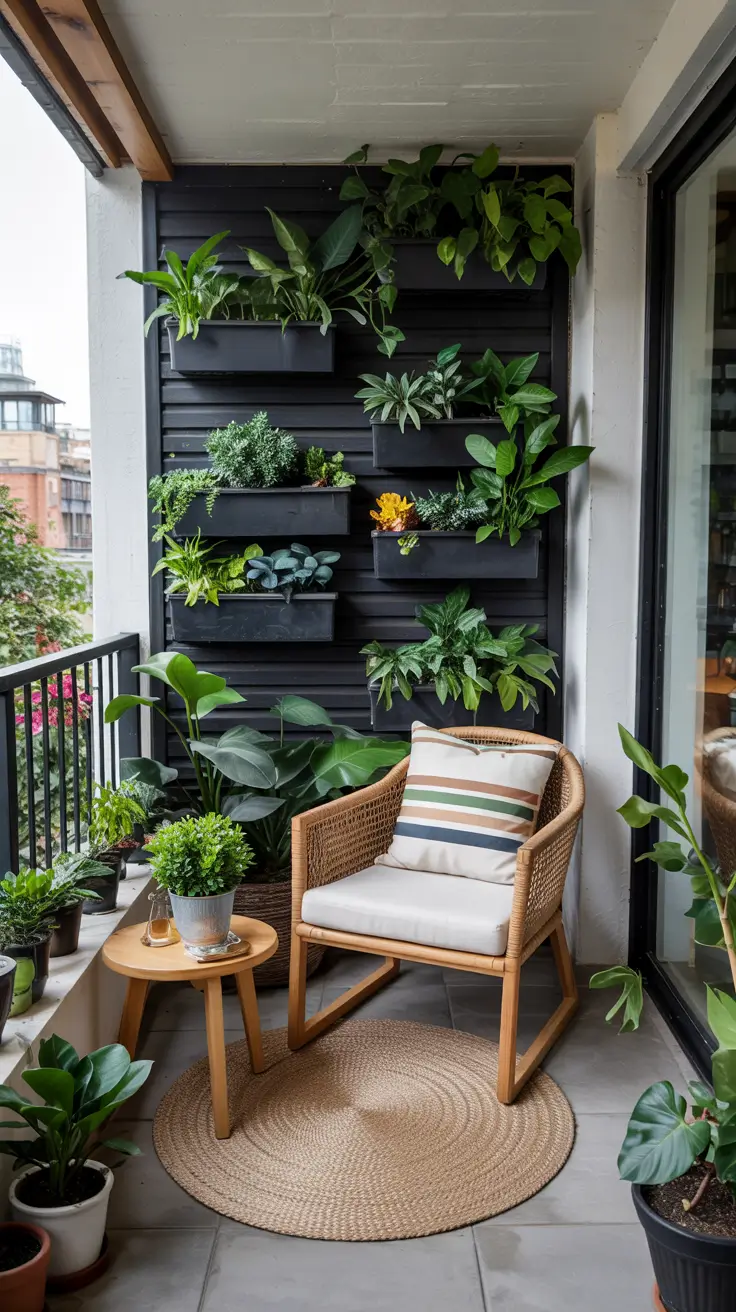
From my experience, even the smallest balcony can feel like a retreat if designed correctly. The key is to balance greenery with usability.
I would add weather-resistant materials to ensure longevity, especially in exposed balcony environments.
15. Green Stalk Vertical Garden Ideas 2026 for High-Yield Growing
I find Green Stalk systems to be one of the most efficient vertical garden ideas for small backyard setups and compact outdoor areas. They allow me to grow a large number of plants vertically while maintaining easy access for watering and harvesting. This approach works especially well in outdoor environments where maximizing yield is essential without expanding footprint.
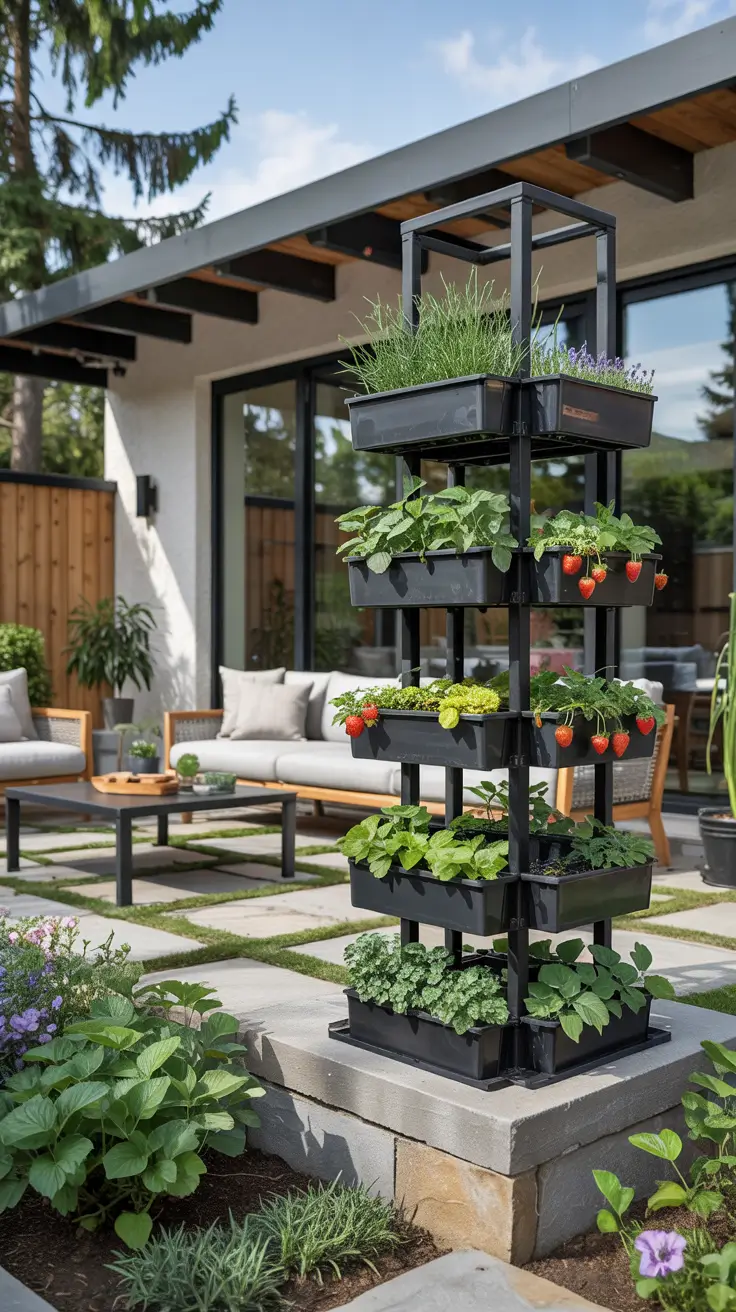
From my experience, the structure itself becomes the centerpiece. I typically pair it with neutral patio furniture, light stone flooring, and subtle greenery around the base to create a cohesive outdoor living zone. The tiered planters ensure proper drainage and sunlight distribution, which is critical for herbs, strawberries, and leafy greens.
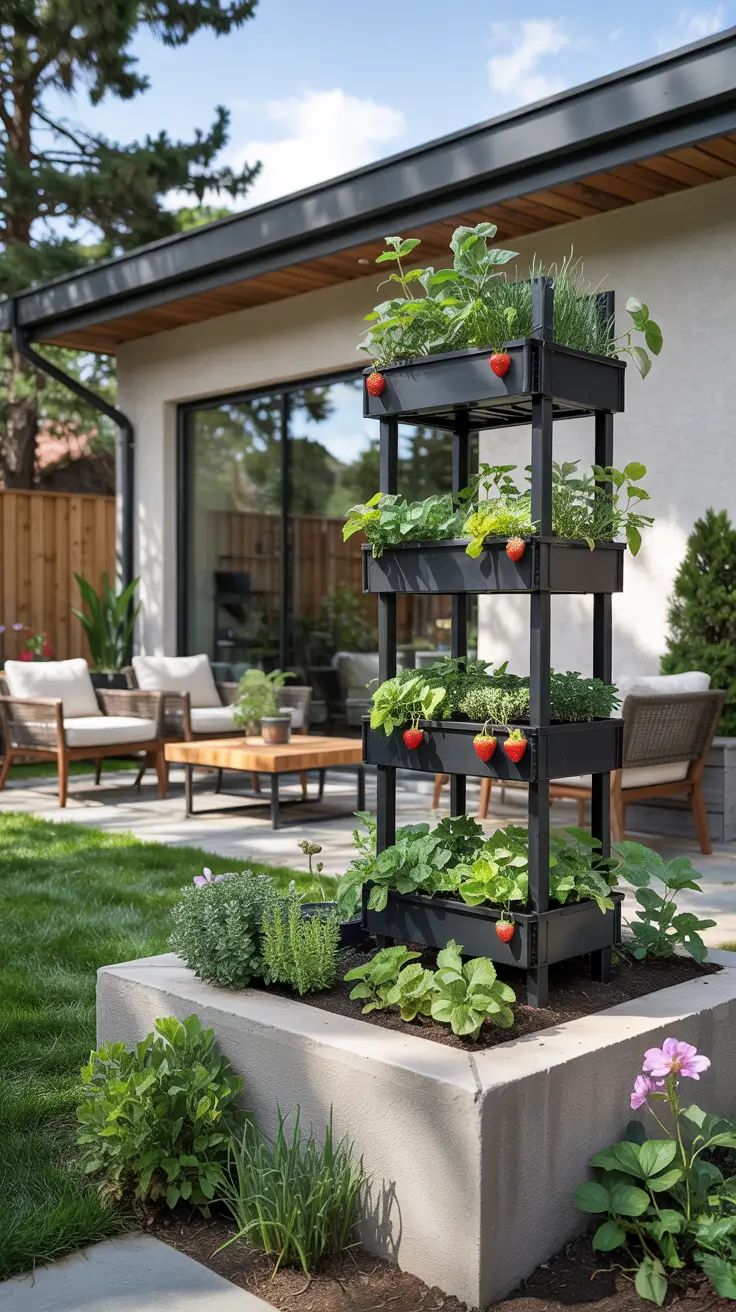
Personally, I’ve noticed that systems like this align with advice often shared in modern gardening trends, where efficiency meets design. It’s not just about growing food, but integrating it into your lifestyle space in a visually appealing way.
What I would add here is a built-in irrigation system or drip line to reduce maintenance and ensure consistent watering, especially during hot seasons.
16. Cheap Vertical Garden Ideas 2026 That Still Look Premium
When working with a limited budget, I focus on vertical garden ideas diy that still deliver a polished, modern appearance. Cheap does not have to mean messy. I often use repurposed wood panels, painted containers, and modular shelving to create structured vertical layouts.
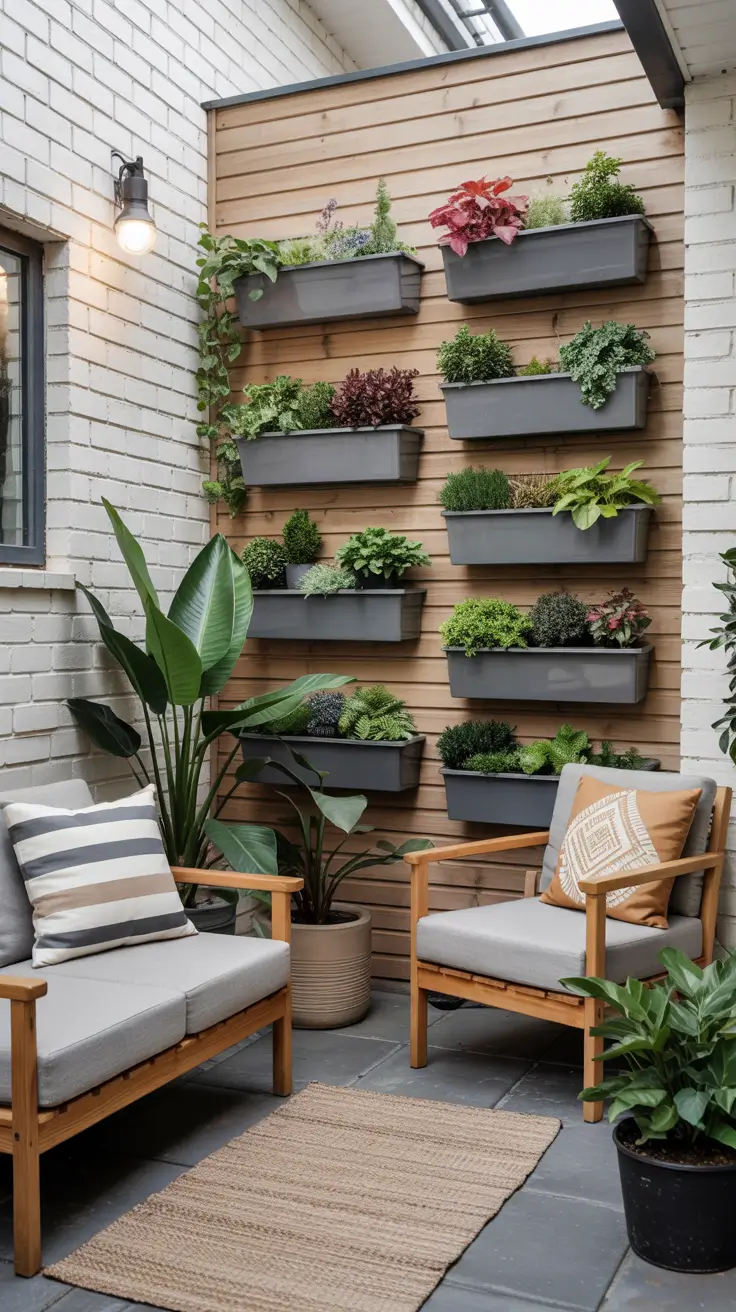
I carefully select materials such as matte black brackets, neutral-toned pots, and symmetrical arrangements to elevate the overall look. Even in small patios or balconies, combining budget-friendly elements with intentional design creates a premium feel.
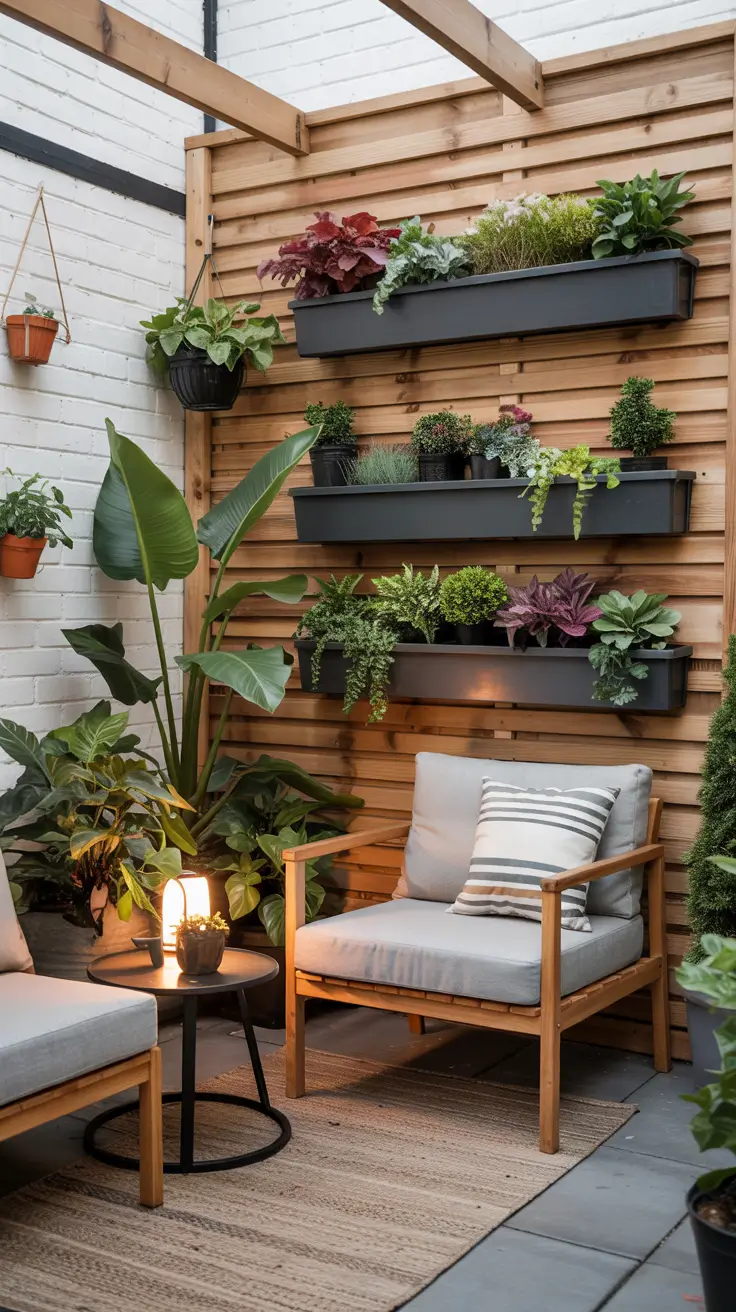
In my opinion, the key is restraint. I avoid overcrowding and instead focus on a clean composition. Many designers emphasize that simplicity often looks more expensive than complexity, and I strongly agree with that principle.
What’s missing here is integrated lighting, such as warm LED strips, which would instantly enhance the premium aesthetic during evenings.
17. Vertical Garden Ideas with Dollar Tree Stackable Planters
I often recommend Dollar Tree stackable planters for vertical garden ideas for small spaces because they are accessible and surprisingly versatile. They allow me to create vertical layers without complex installation, making them ideal for balconies and small apartment setups.
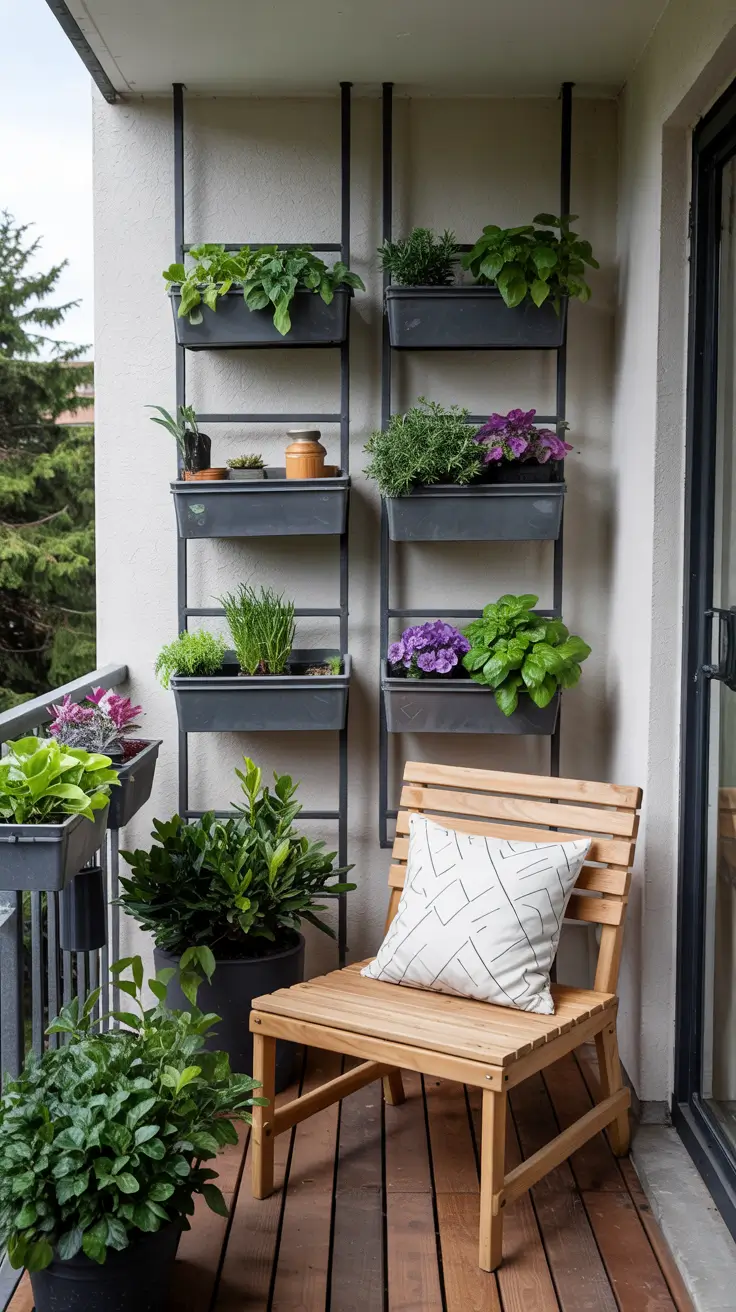
I usually arrange them in corners or along railings, especially for vertical garden ideas in balcony environments. Adding lightweight soil and compact plants ensures stability while maintaining visual harmony. I also like to mix herbs with decorative plants for a balanced look.
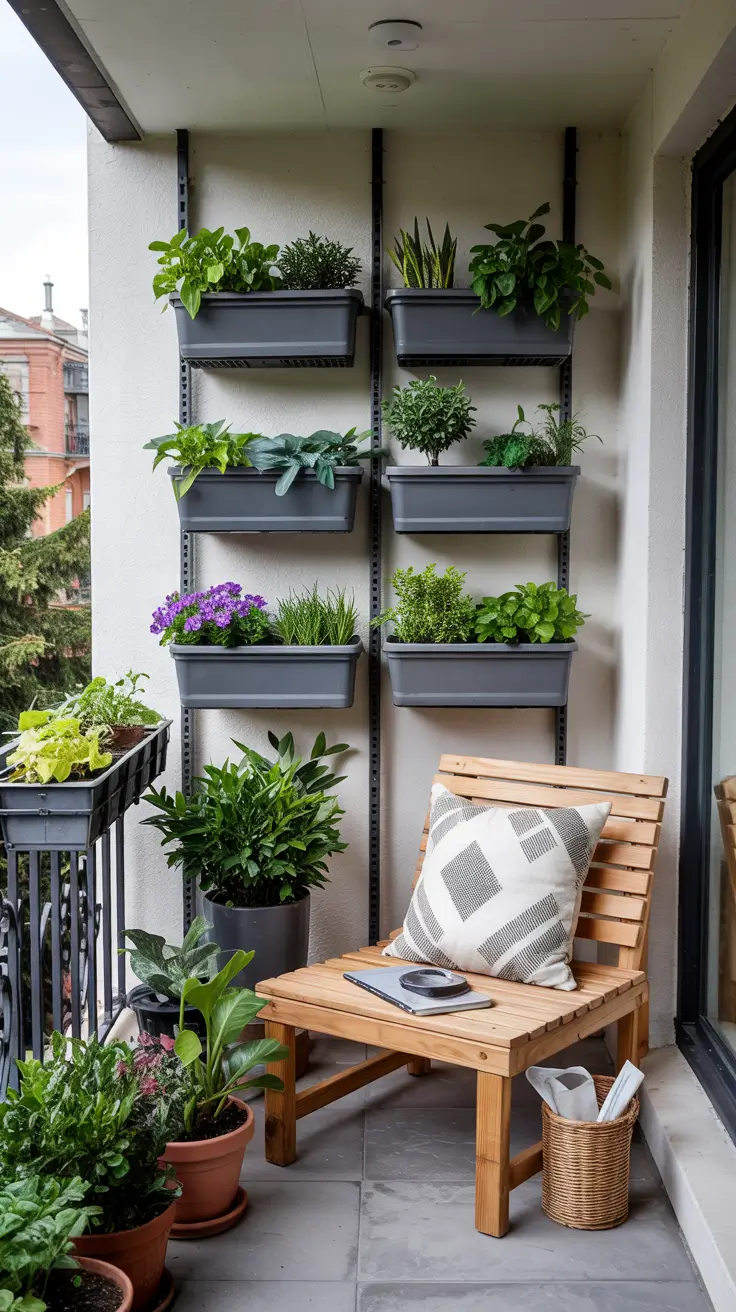
From my experience, these systems are perfect for beginners. They require minimal investment but still allow experimentation with layout and plant combinations.
To improve this setup, I would include a more secure anchoring method or base support, especially for outdoor balconies exposed to wind.
18. Space-Saving Vertical Garden Ideas for Compact Homes
In compact homes and apartments, I rely heavily on vertical garden ideas indoor and for indoor walls. These solutions transform unused vertical surfaces into functional green areas while keeping the floor clear.
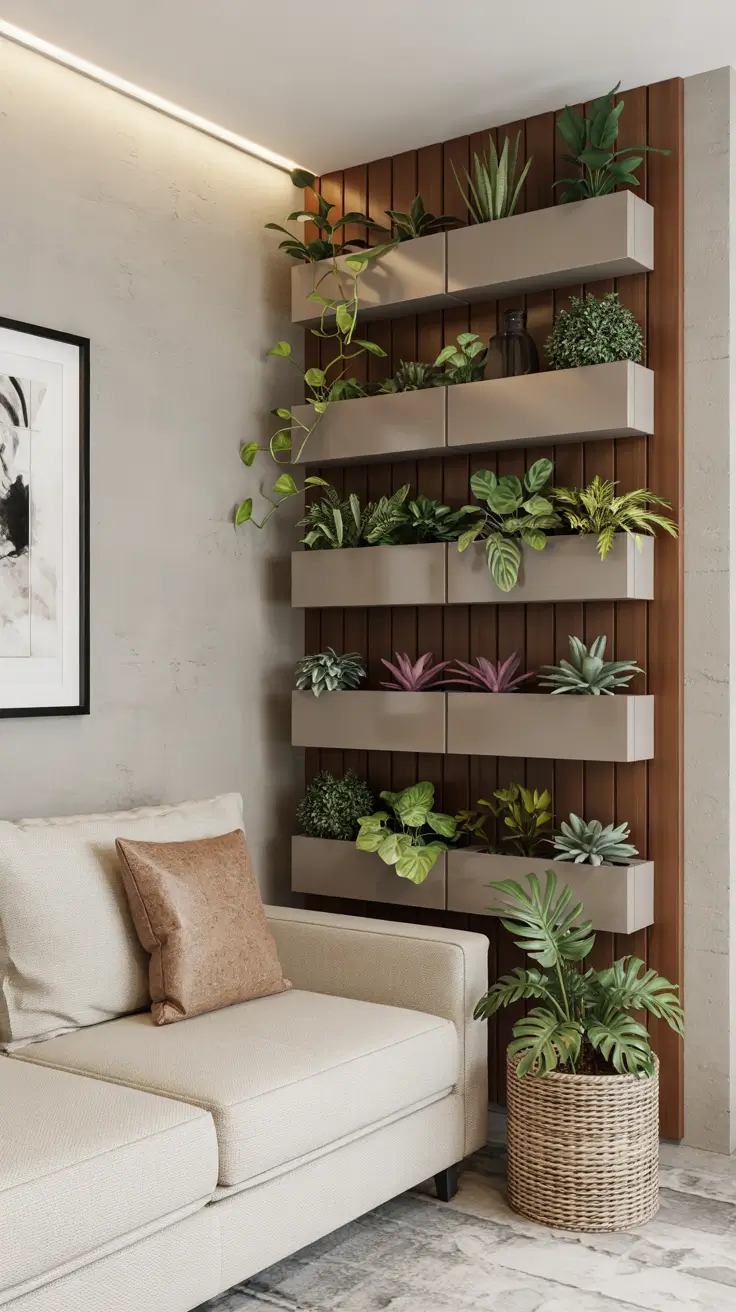
I typically incorporate wall-mounted planters, floating shelves, and slim metal frames. These pair well with modern interiors, especially when combined with neutral furniture and soft lighting. For small apartment balconies, I integrate foldable furniture to maintain flexibility.
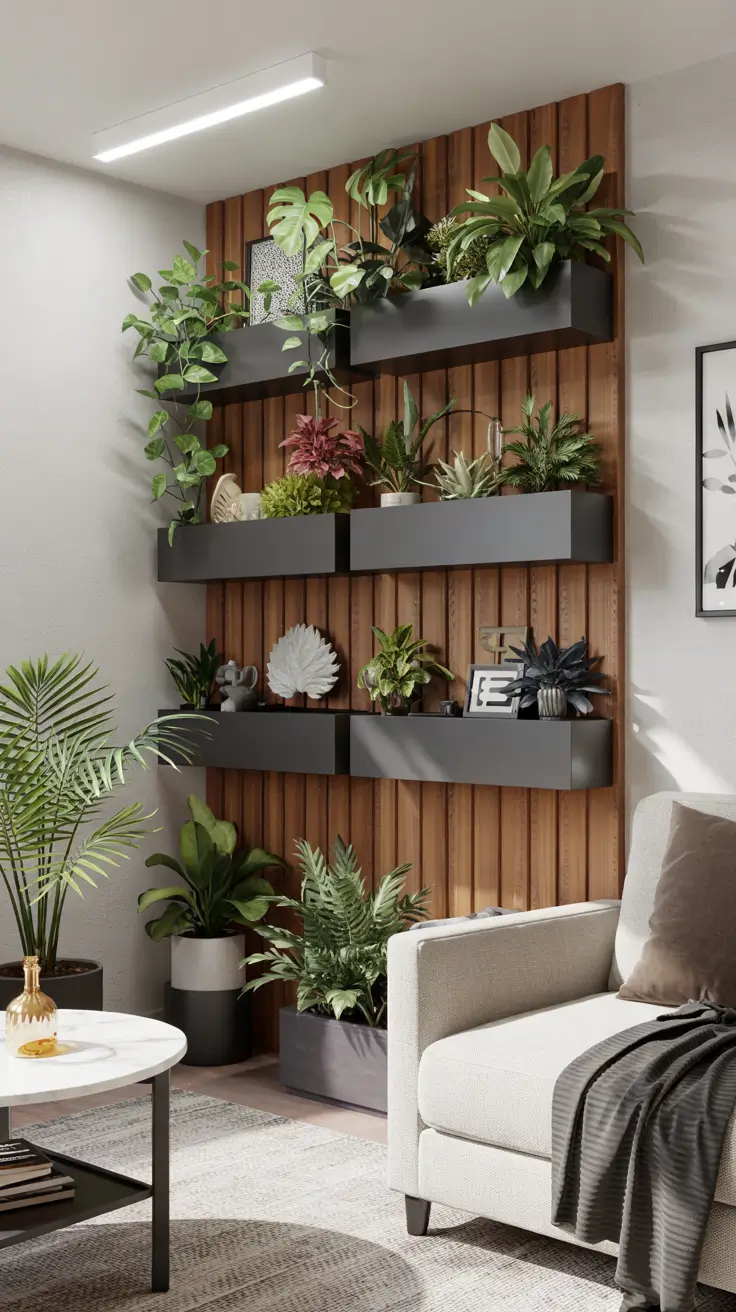
I’ve found that space-saving designs work best when they feel intentional rather than improvised. Clean lines and consistent materials make even a dense plant arrangement feel organized.
What I would enhance here is the addition of grow lights for indoor setups, ensuring plants thrive even in low-light environments.
19. Vertical Garden Ideas for Front Yard and Curb Appeal Boost
For front yard applications, I see vertical garden ideas as a powerful tool to enhance curb appeal. Whether it’s a front porch flower bed or a structured wall installation, vertical greenery immediately adds depth and character.
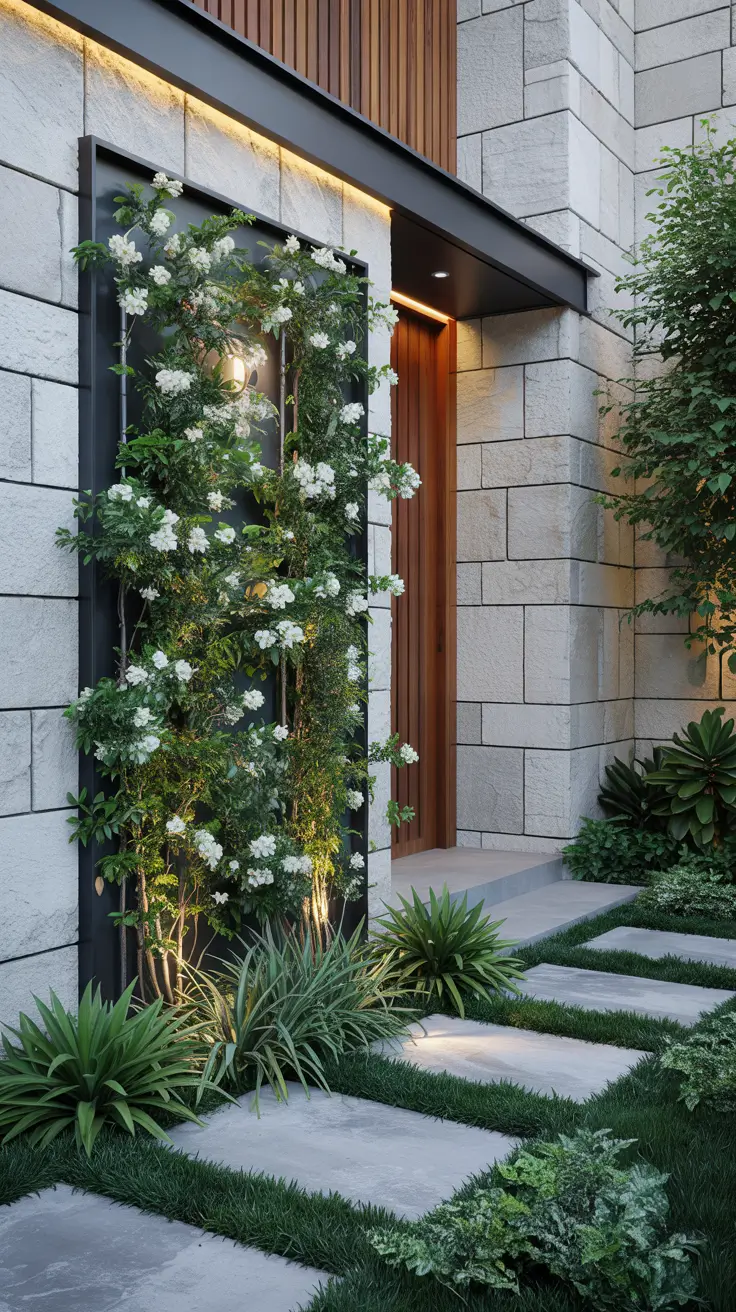
I often combine vertical panels with climbing plants like star jasmine to create a lush, welcoming entrance. Pairing this with pathway lighting and minimal outdoor decor helps maintain a clean, elegant look.
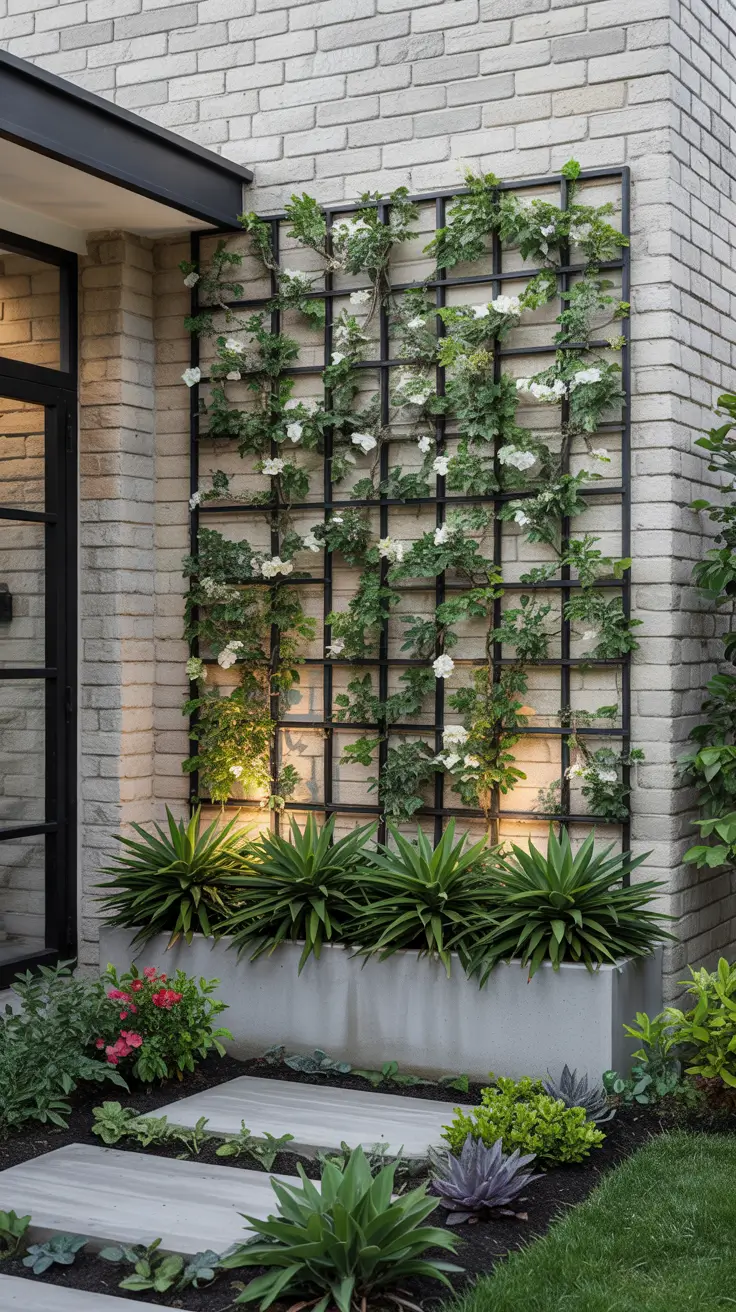
Personally, I believe that first impressions matter, and a well-designed vertical garden can significantly increase perceived home value. Many landscaping professionals highlight vertical elements as a way to add dimension without overcrowding the space.
To complete this section, I would incorporate a seasonal planting strategy to ensure year-round visual interest.
20. Plastic Bottle Vertical Garden Ideas for Eco-Friendly Design
Using plastic bottles is one of my favorite vertical garden ideas diy approaches, especially for eco-conscious designs. It’s a practical way to reuse materials while creating something functional and visually appealing.
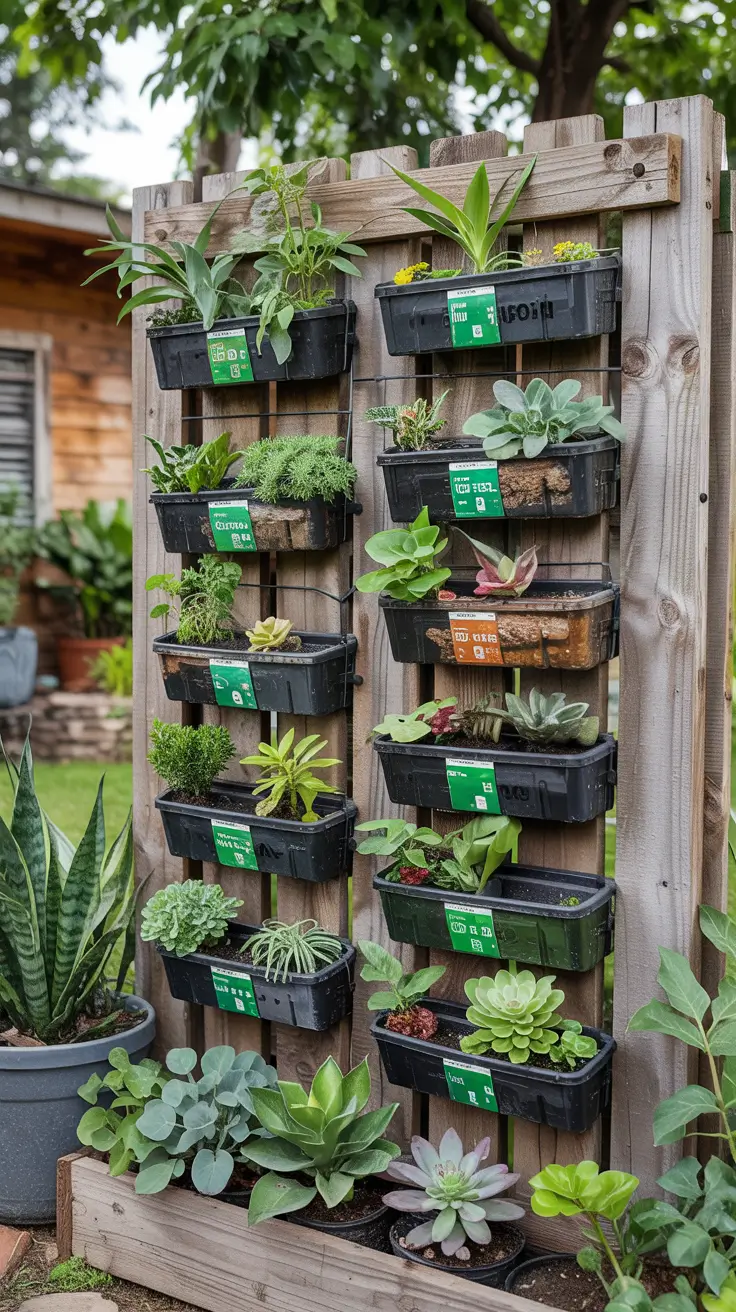
I usually cut and mount bottles along fences or walls, including chain link fences, which work surprisingly well as a base. Arranging them in neat rows or patterns helps maintain a structured appearance rather than a chaotic one.
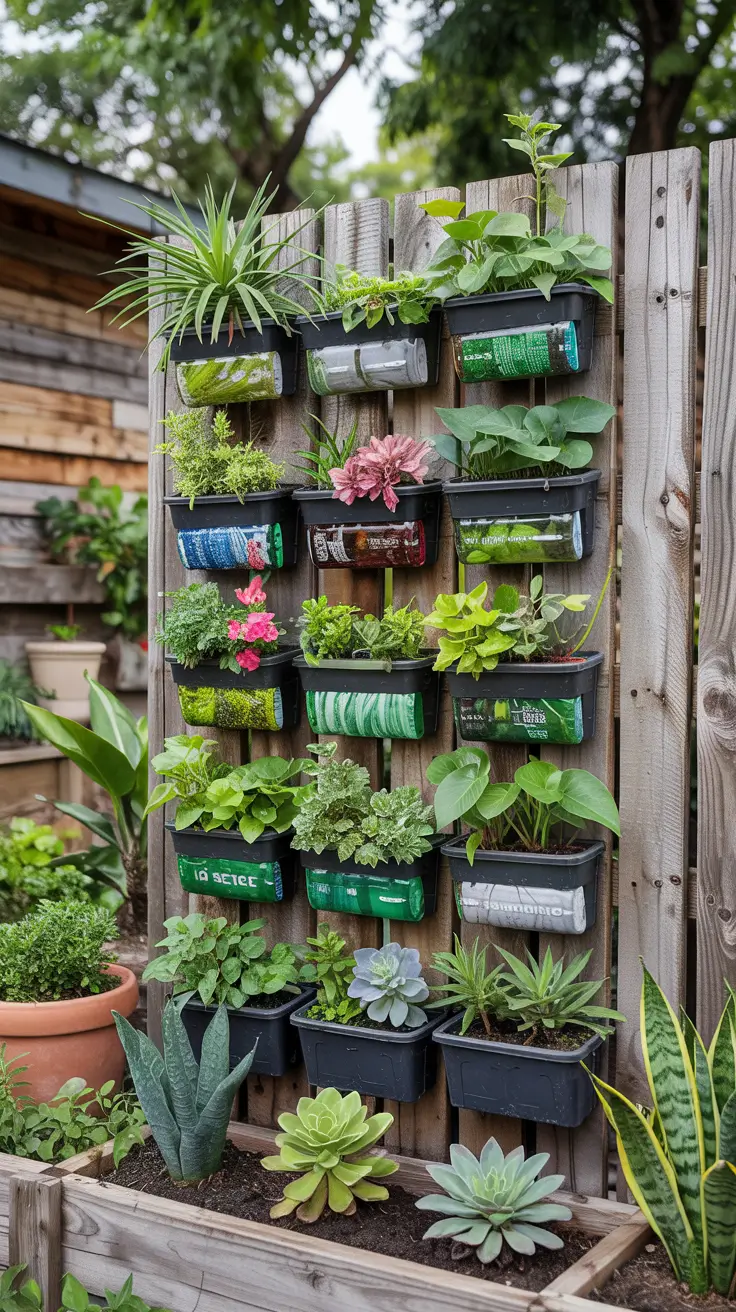
From my perspective, sustainability should not compromise design. With the right arrangement and consistent color palette, even recycled materials can look modern.
What I would improve here is adding a uniform painting or coating system to ensure all elements visually match and withstand outdoor conditions.
21. Vertical Garden Ideas for Greenhouses and Controlled Environments
In greenhouses, vertical garden ideas allow me to fully utilize vertical space while maintaining controlled growing conditions. This is especially useful for herbs, seedlings, and delicate plants.
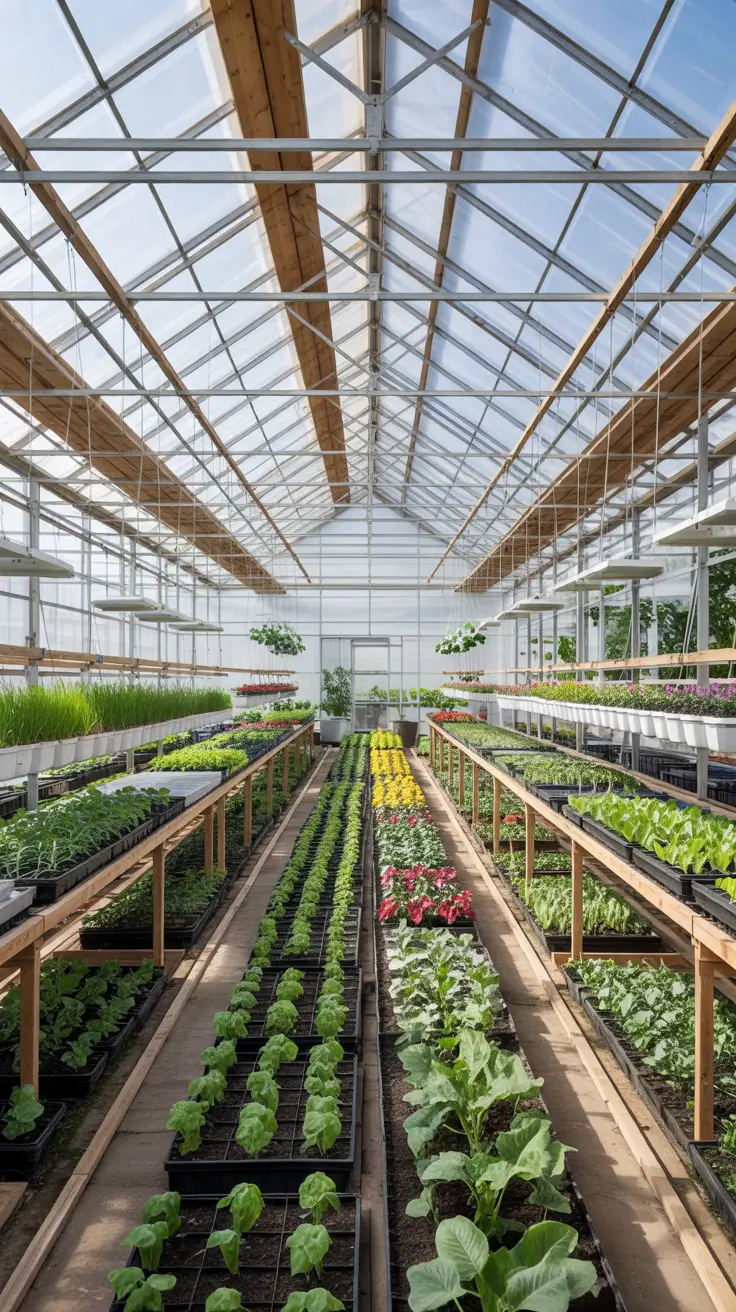
I typically install vertical racks, hanging systems, or modular panels that allow airflow and easy access. Combined with transparent greenhouse structures, the result is both efficient and visually clean.
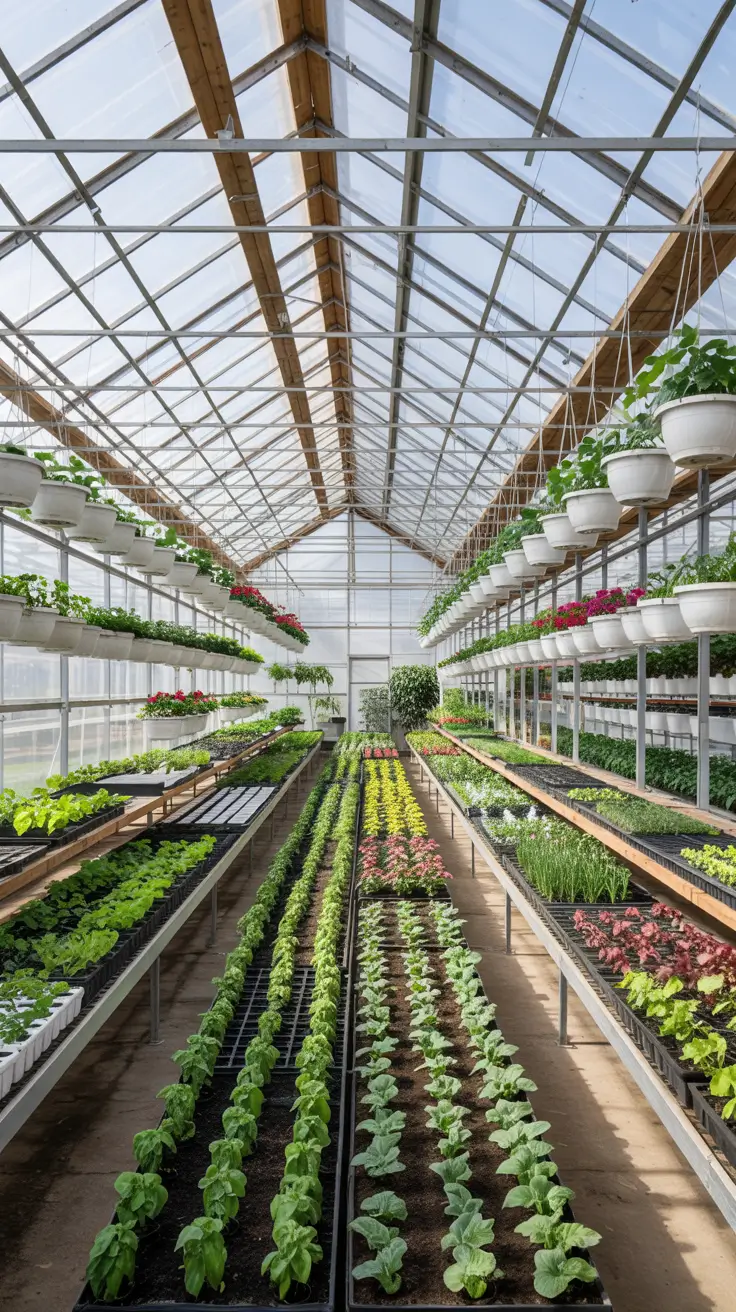
In my experience, controlled environments offer the best opportunity to experiment with plant combinations and layouts. The consistency in lighting and temperature makes vertical systems highly productive.
To enhance this setup, I would include automated climate control and irrigation systems for optimal performance and reduced manual effort.
22. Artificial Vertical Garden Ideas 2026 for Low-Maintenance Decor
I often turn to artificial solutions when clients want vertical garden ideas indoor without ongoing maintenance. These installations are ideal for apartments, offices, or low-light spaces where real plants may struggle. The key is choosing high-quality artificial greenery that mimics natural textures and tones.
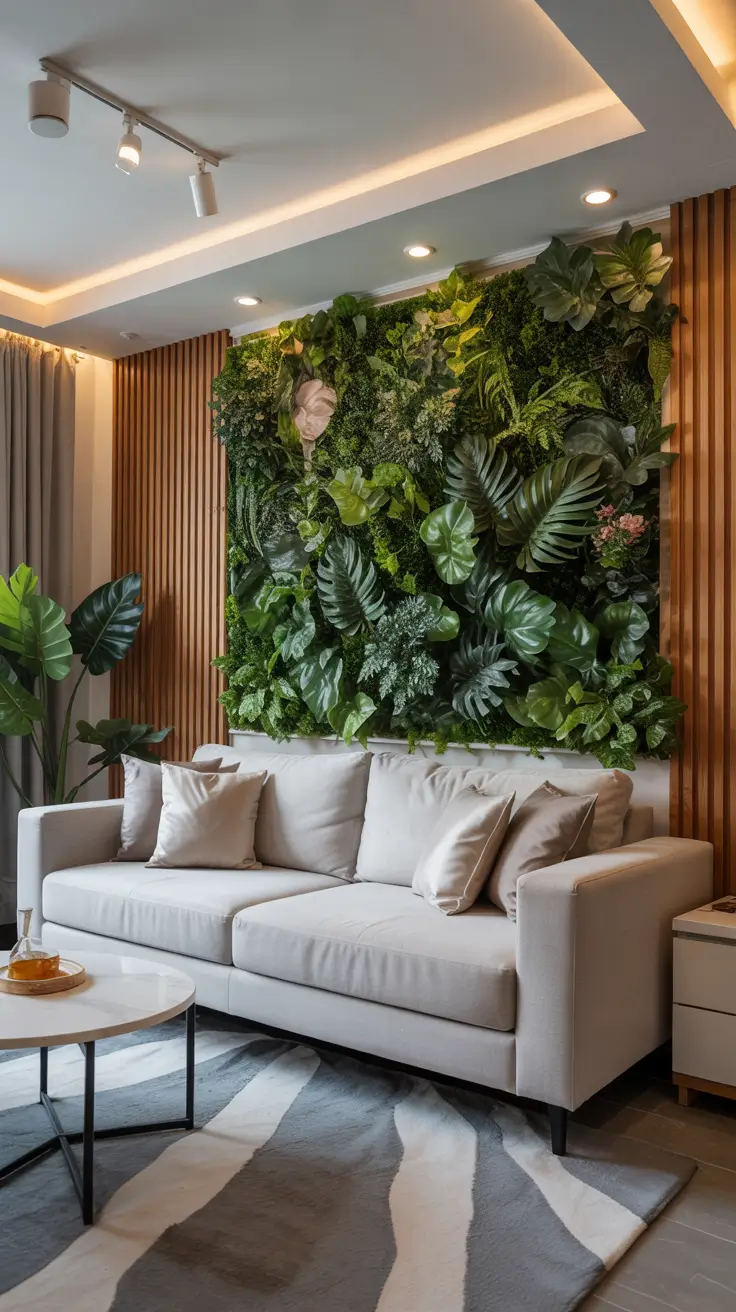
I typically combine artificial panels with modern furniture such as neutral sofas, wood accents, and soft textiles to maintain a balanced interior. For vertical garden ideas for indoor walls, I prefer structured layouts with symmetry, ensuring the installation looks intentional rather than decorative clutter.
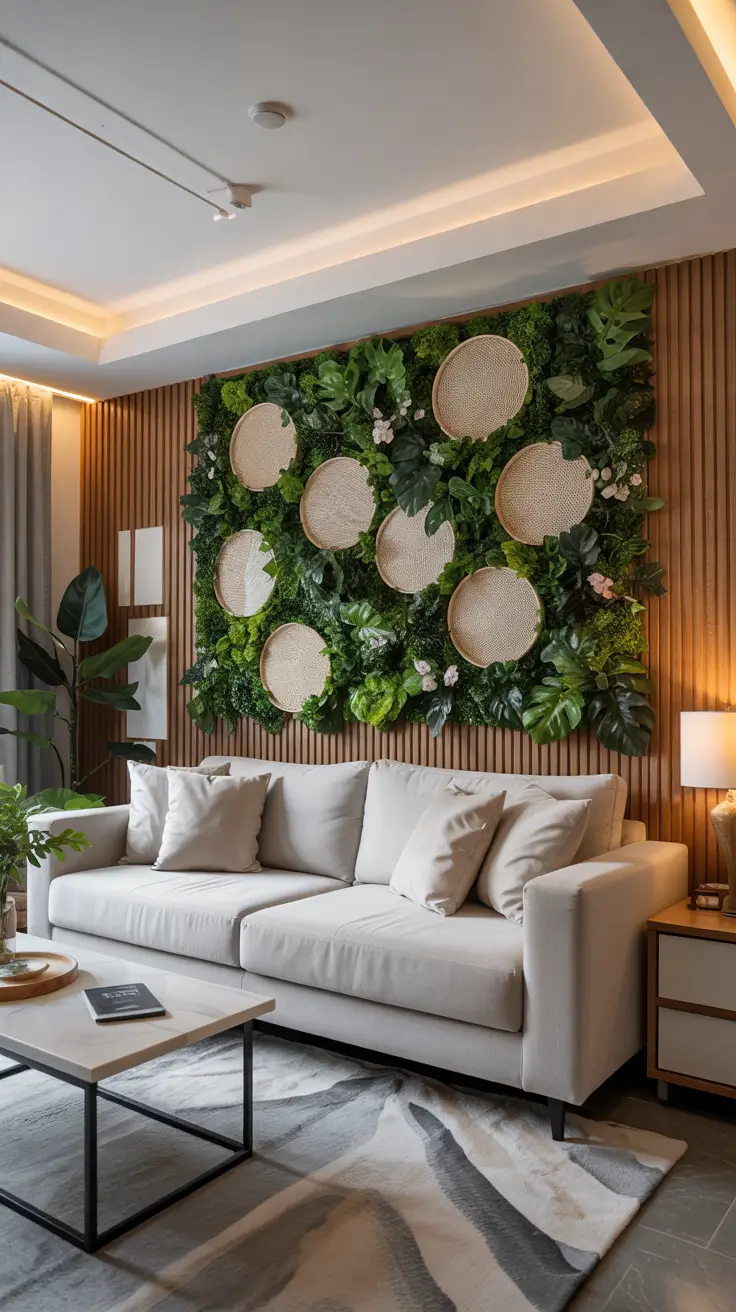
From my experience, artificial vertical gardens are especially effective in commercial or rental spaces where maintenance is limited. They provide the visual impact of greenery without the commitment, which aligns with current interior trends focused on convenience.
What I would improve here is incorporating subtle integrated lighting to enhance depth and realism, especially in the evening.
23. Unique Vertical Garden Ideas Using Rusty Bed Springs for Vintage Style
I enjoy experimenting with unconventional materials, and rusty bed springs offer a unique approach to vertical garden ideas outdoor. They create a vintage aesthetic that works well in eclectic backyards or artistic terraces.
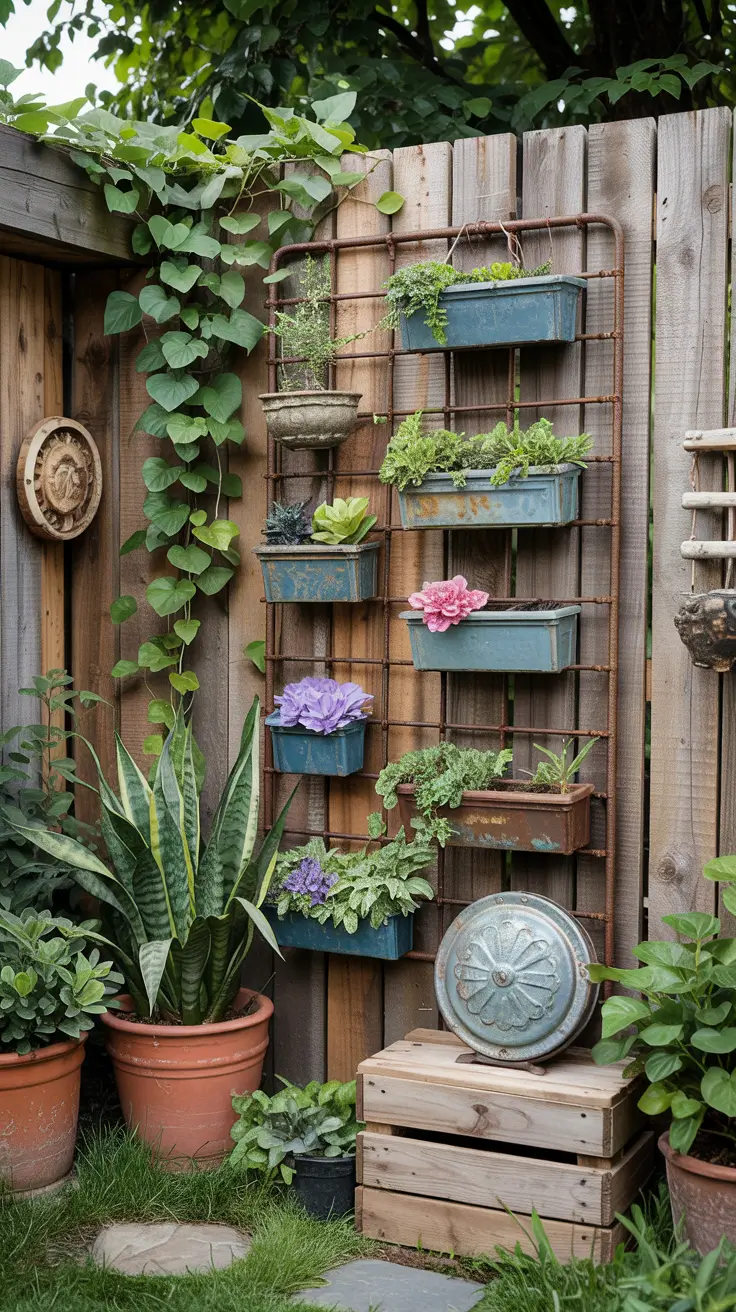
I usually mount the springs on wooden frames or directly onto fences, including corner fence areas, and insert small pots or climbing plants. This works particularly well with cascading greenery, adding texture and depth to the design.
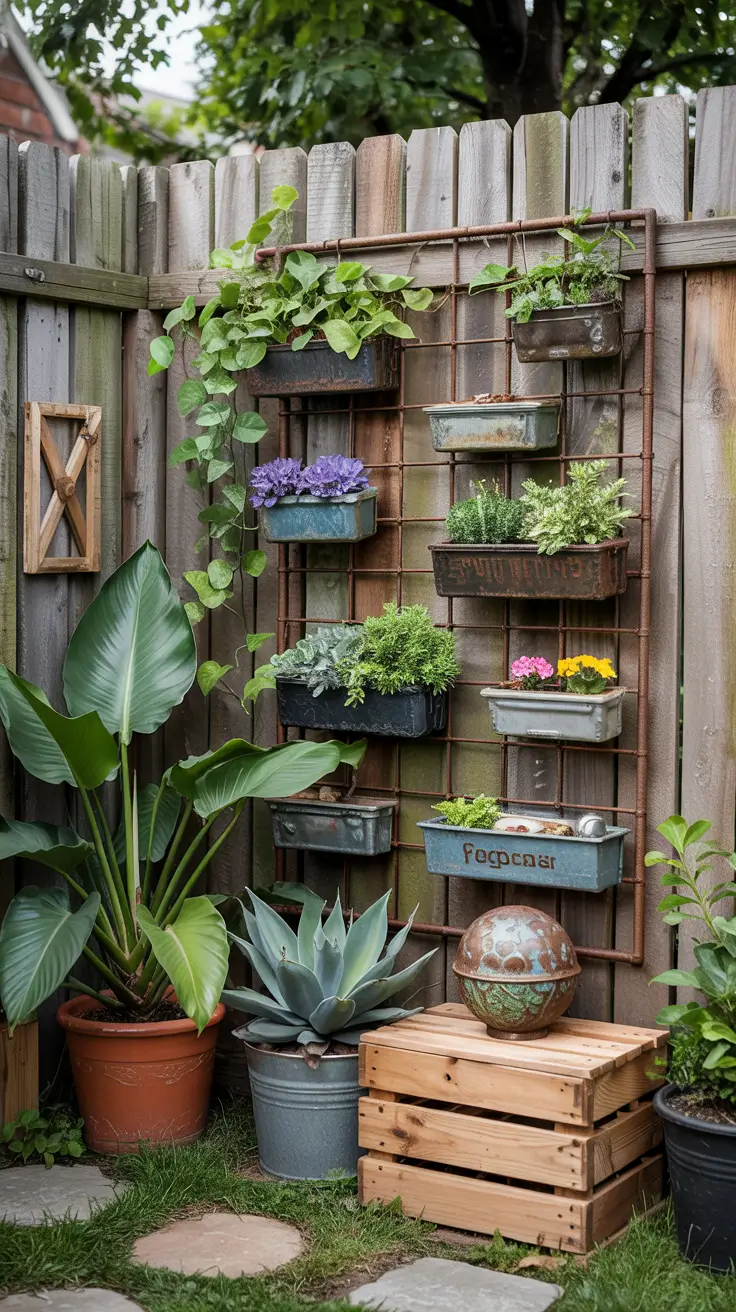
Personally, I find that mixing industrial elements with natural plants creates a strong visual contrast. It reflects a growing trend in outdoor design where imperfection and history become part of the aesthetic.
To enhance this concept, I would add complementary vintage decor such as metal watering cans or reclaimed wood elements to unify the overall look.