
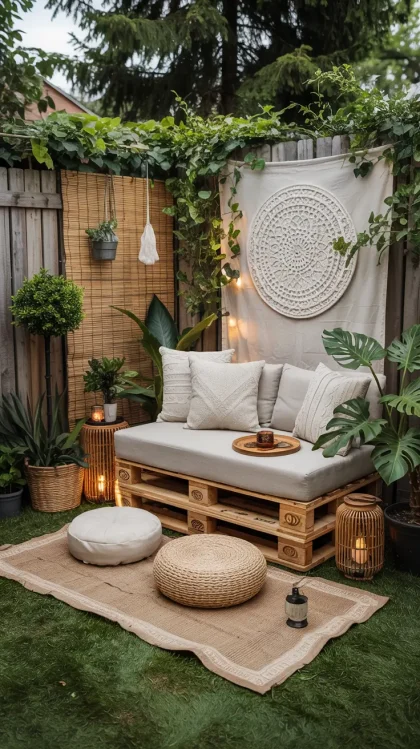
Building an outdoor meditation space for 2027 has moved beyond a passing trend. It is now a practical way to reconnect with nature and steady a busy day. Whether you are browsing outdoor meditation space ideas for backyards, planning a balcony retreat, or sketching a small zen area, good design can turn an ordinary corner into a quiet sanctuary. So what makes an outdoor spot feel truly calm? And how do architecture, furniture, and plants work together to support mindfulness?
In this article, I walk through practical design strategies, from DIY builds and secret garden hideaways to desert-inspired layouts and balcony solutions. I will share ideas for backyards, small outdoor corners, and indoor-outdoor hybrid setups, so anyone can carve out a place for mindfulness and calm.
Indoor and Outdoor Meditation Space Combinations for Year Round Use
Combining indoor and outdoor meditation spaces lets mindfulness practice continue regardless of the weather. When I design these hybrid environments, I create a visual link between the indoor room and the garden retreat. Large sliding doors, glass walls, or covered patios help the two spaces merge smoothly.

Furniture in these settings often moves between indoor comfort and outdoor durability. I typically include weather-resistant cushions, natural wood benches, and lightweight seating that can shift between spaces. Indoor plants near the transition zone extend the garden feeling into the interior.
Personally, I think hybrid meditation spaces suit modern homes well because they support flexible routines. Many architects note that wellness-focused homes increasingly blur the line between interior and landscape. When I design these areas, I keep colors, materials, and lighting consistent so the whole meditation environment feels unified.
I often add a covered outdoor section, such as a pergola or veranda, to improve these spaces. It creates a sheltered meditation spot that stays usable even in the rain.
Outdoor Meditation Space Balcony Ideas for Small Urban Homes
Designing an outdoor meditation space on a balcony calls for careful attention to scale, comfort, and privacy. When I work with small urban balconies, I simplify the layout and focus on a calm visual flow. Even a compact balcony can become a peaceful retreat if the design removes distractions and highlights natural elements. I usually place the meditation area near the railing, where there is the most light and fresh air, so the balcony becomes a quiet refuge above the busy city.

For furniture and décor, I prefer lightweight, multifunctional pieces. A foldable meditation bench or a thick outdoor floor cushion suits tight spaces well. I often add wooden deck tiles or a small outdoor rug to mark the meditation zone. Tall planters with bamboo, grasses, or climbing plants create privacy and soften the view of nearby buildings. Lanterns, ceramic bowls, and small wind chimes add gentle atmosphere without overcrowding the balcony.
In my experience, balcony meditation spaces work better when the design uses vertical space. Many urban designers suggest hanging plants or wall-mounted shelves to free up the floor. I often install a simple wooden screen or trellis behind the meditation seat so the area feels separate from the rest of the balcony.
I commonly suggest adding adjustable shade, such as a fabric canopy or bamboo blind. This keeps the outdoor balcony meditation space comfortable on bright mornings and hot afternoons alike.
Desert Outdoor Meditation Space Inspiration with Natural Elements
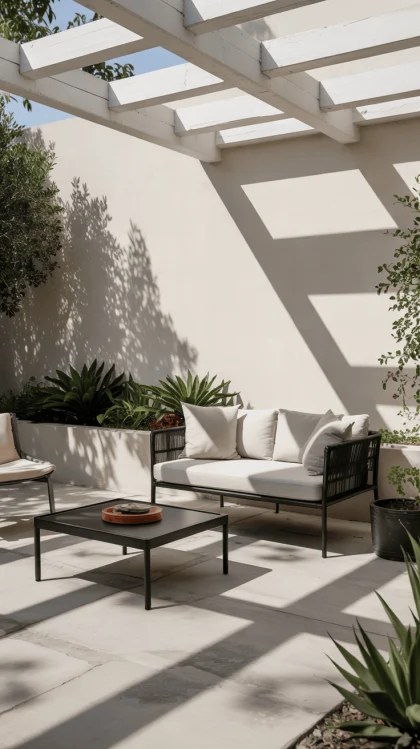
A desert outdoor meditation space has a distinct look that blends minimalism with strong natural textures. When I design spaces inspired by desert landscapes, I focus on open ground, warm tones, and sculptural plants. Gravel surfaces, natural stone platforms, and sandy textures create a calm setting that reflects the quiet beauty of arid environments.

Furniture should stay low and grounded to suit the surrounding landscape. I usually include wooden meditation benches, neutral floor cushions, or simple stone seating. Agave, cacti, and desert grasses add visual interest while keeping the minimalist mood typical of desert design.
In my view, desert meditation spaces succeed because they embrace stillness. Many landscape designers point out that desert environments naturally support mindfulness thanks to their open horizons and quiet simplicity. I often orient the meditation seat toward sunset views, so the shifting light becomes part of the practice.
To strengthen this design, I usually add shade structures such as wooden pergolas or fabric canopies. They keep the natural desert feel while making the space comfortable during the hottest hours.
Boho Outdoor Meditation Space Style for a Relaxed Spiritual Atmosphere
A boho outdoor meditation space feels relaxed and expressive, encouraging creativity and emotional balance. When I design boho meditation areas, I layer natural textures, varied fabrics, and eclectic decorative pieces to create a space that feels warm and inviting.

Furniture usually includes floor cushions, woven poufs, low wooden tables, and hanging lanterns. I often add macramé décor, rattan chairs, and patterned outdoor rugs for a setting that feels both artistic and grounded. Lush plants or small garden beds around the edges strengthen the sense of a private sanctuary.
I find that boho meditation spaces work especially well in secret gardens or hidden backyard corners. Interior design experts often highlight the value of layered textures in boho settings, and I apply that idea by combining textiles, plants, and natural materials.
To make this look stronger, I would add soft lighting, such as string lights or clusters of lanterns, to enhance the evening mood. Warm light turns a boho meditation space into a peaceful spot for night reflection or breathing exercises.
Outdoor Meditation Space 2027 – Trends Shaping Peaceful Outdoor Retreats
When I design an outdoor meditation space for 2027, I focus on simplicity, sensory comfort, and a natural connection to the landscape. Modern outdoor meditation spaces are increasingly shaped by wellness architecture, where the outdoors is deliberately built to support mental clarity. In many projects I see, people pair minimalist layouts with natural materials such as stone, wood, and textured gravel, creating a calm landscape that blends into backyards and gardens.

In practical terms, I suggest a low platform deck or natural stone base as the foundation of the meditation area. Comfortable floor cushions, weather-resistant meditation benches, and neutral outdoor rugs define the space without adding clutter. I also often include vertical greenery like bamboo screens, climbing plants, or decorative garden walls. They gently enclose the zone while still letting in air and light.
I have noticed that the most successful outdoor meditation designs combine good looks with clear intention. Design publications often point out that biophilic design, which brings nature into living spaces, supports relaxation and mindfulness. When I apply this approach, I concentrate on natural textures, gentle sound elements such as water features, and soft lighting that makes evening sessions feel inviting.
Many outdoor meditation spaces still lack thoughtful lighting. I often recommend warm LED garden lights, lanterns, or recessed deck lighting. These let the area stay usable at sunrise or sunset without disturbing the quiet atmosphere.
Outdoor Meditation Space Seating and Comfort Ideas
Comfort is essential when designing a simple outdoor meditation space layout. I usually begin by considering how long someone might sit in the space. Short sessions may need only a cushion, while longer practices benefit from ergonomic benches or supportive seating platforms.

In my designs, I often combine weather-resistant floor cushions, wooden meditation stools, and low benches made from teak or cedar. These materials handle outdoor conditions and keep a warm, natural look. A small outdoor rug or a tatami-style mat can also add comfort and visually define the meditation area.
From personal experience, seating height and posture support make a real difference in meditation quality. Many wellness experts recommend benches that lift the hips slightly to encourage a proper spinal alignment.
If something still feels missing, I usually add soft touches such as lightweight blankets or small side tables for tea or a journal. These extras make the space more welcoming and practical.
Budget Friendly Outdoor Meditation Space DIY Inspiration
Building an outdoor meditation space as a DIY project does not require a large budget. In fact, many of the most peaceful spaces I have designed relied on simple materials and creative thinking. A quiet corner of a backyard, balcony, or garden can become a meditation retreat with a few thoughtful adjustments.

I often recommend using wooden pallets to build a small meditation platform. Outdoor rugs, weatherproof cushions, and inexpensive planters can transform the area quickly. Vertical plant walls or bamboo screens also create privacy without costly construction.
Personally, I enjoy DIY projects because they help homeowners build a meaningful connection with their space. Many designers encourage personalization, since a meditation space should reflect the individual’s own sense of calm and comfort.
When improving a DIY meditation space, I usually suggest adding a small shade element, such as a fabric canopy or pergola. Protection from sun and wind makes a noticeable difference in how often you will use the space.
Small Outdoor Meditation Spaces That Feel Private and Peaceful
Small outdoor meditation spaces can feel remarkably peaceful when they are designed with care. In compact gardens or patios, I start by finding the quietest corner and visually separating it from the rest of the yard. Even a small area can feel like a sanctuary when it is surrounded by plants or subtle partitions.

For furniture, I suggest keeping the layout simple. A single meditation cushion, a small bench, or a compact wooden platform is often enough. I usually surround the area with vertical greenery, such as climbing vines, tall grasses, or narrow trees, to create privacy and soften the edges of the space.
From my experience, lighting and texture matter a great deal in small meditation spaces. Designers often recommend combining gravel, wood, and plants to create contrast without clutter. Soft lantern light can turn even a tiny garden corner into a calming retreat for evening practice.
One element that improves many small outdoor meditation areas is a privacy screen or trellis. It blocks distractions and reinforces the feeling of a dedicated sanctuary.
Outdoor Meditation Space Landscaping for Harmony and Balance
Landscaping plays a major role in creating balanced outdoor meditation spaces. When I design these environments, I arrange plants, stones, and pathways so the landscape encourages slow movement and quiet observation. In backyards, I often build curved walking paths that lead gently toward the meditation area, reinforcing the sense of entering a peaceful retreat.

I usually combine plants of different heights to create layers of calm. Tall grasses or bamboo can act as natural privacy walls, while low ground plants soften the space underfoot. Stones and gravel beds are also useful, since they suggest stability and balance and need very little upkeep.
From my experience, many homeowners overlook the psychological role of landscaping. Publications such as Architectural Digest often highlight how natural landscaping can improve emotional wellbeing. I have seen this myself when a well-planned garden turns an ordinary backyard into a quiet, restorative place.
If something feels missing in this type of design, I usually add a transitional path or stepping stones that lead into the meditation area. This small architectural gesture gently prepares the mind for stillness.
Creative Outdoor Meditation Space Design for Modern Gardens
Modern gardens offer exciting chances for creative outdoor meditation space design. I often build these projects around geometric layouts, architectural seating platforms, and contemporary landscaping. This style suits urban homes especially well, where modern architecture already shapes the garden.

Furniture in these spaces often includes sculptural benches, modular seating blocks, and clean-lined pergolas or shade structures. Materials such as concrete, steel, and composite decking can be softened with greenery and natural textiles so the design does not feel too rigid. I also like symmetrical layouts that draw the eye toward the meditation area.
In my view, modern meditation spaces succeed when they combine design innovation with tranquility. Many contemporary landscape architects note that meditation environments should still feel organic, even when the forms are geometric. I aim for that balance by pairing structured layouts with flowing plants and subtle lighting.
To improve these spaces, I often add a dedicated transition path that leads to the meditation area. A stone walkway or wooden stepping path helps visitors shift into a quieter mindset as they approach the outdoor zen space.
Backyard Zen Garden Outdoor Meditation Space Concepts
A zen-inspired outdoor space is one of the most effective ways to create calm in residential backyards. When I plan a zen garden meditation area, I focus on minimalism, symmetry, and carefully placed natural elements. Gravel beds raked into soft patterns often form the base of the design.

In practical terms, I include a few essential features: large statement rocks, wooden seating platforms, and a simple shade structure such as a pergola or bamboo canopy. These elements define the meditation area without cluttering the design. A small wooden deck also helps separate the zone from the rest of the yard.
I personally appreciate the philosophy behind zen gardens because they encourage contemplation. Designers influenced by Japanese architecture often recommend leaving empty space within the layout. That emptiness is not wasted room; it lets the environment breathe.
To enhance this design, I sometimes add a single sculptural tree, such as a Japanese maple or pine. It sharpens the sense of focus and creates visual harmony throughout the garden.
Nature Inspired Outdoor Meditation Space Design Ideas for 2027
When I design an outdoor meditation space inspired by nature, I always begin with simplicity and a natural flow. A strong design should feel like an extension of the landscape rather than something placed on top of it. I often create a small clearing ringed by plants, stones, or natural wood, so the space blends into its surroundings. This approach works especially well in backyards or secret gardens, where greenery already supports relaxation.

In my experience, materials matter more than decoration. I prefer low wooden platforms, bamboo screens, natural stone paths, and soft ground coverings like gravel or moss. Together they create a quiet, sensory setting. A comfortable floor cushion or minimalist bench serves as the main seat, while potted plants and subtle water features add gentle movement and sound.
I believe meditation spaces should never feel overly styled. Interior designers such as Nate Berkus often stress the value of authenticity in design, and I share that view. I choose natural textures and organic layouts over rigid structures.
To improve this part of the design, I often add a small focal element, such as a stone sculpture, a bonsai tree, or a quiet water bowl. These features give the eye a resting point that helps the mind settle during meditation.
Secret Garden Outdoor Meditation Space Concepts for Hidden Retreats
A hidden retreat is one of the most enchanting ways to design a secret garden meditation space. When I create these spots, I place the meditation area deeper within the garden so the walk toward it becomes part of the calm. Curved pathways, climbing vines, and layered greenery reveal the space gradually, making arrival feel peaceful and deliberate.

Furniture in secret garden meditation spaces should feel natural and timeless. I often choose a stone bench, a wooden platform, or floor cushions set beneath a tree canopy or pergola. Flowering plants, aromatic herbs, or ivy-covered walls around the area heighten the sensory atmosphere and deepen the feeling of privacy.
I believe hidden meditation spaces work best when sound and scent are part of the design. Garden designers frequently recommend plants like lavender, jasmine, or rosemary, since they release calming fragrances. I also like a small fountain or water bowl, because gentle water sounds mask surrounding noise.
A feature I often add to secret garden meditation areas is a clear entrance element. Even a small arch, stone gateway, or plant-covered trellis can mark the shift into the meditation sanctuary.
Outdoor Meditation Space Lighting Ideas for Evening Relaxation
Lighting is often overlooked when planning an outdoor meditation space architecture, yet it becomes essential if the area will be used in the evening. When I design lighting for meditation zones, I avoid harsh direct sources and choose soft, ambient illumination instead.

I usually use ground lanterns, solar garden lights, and warm LED strips tucked beneath benches or steps. These create gentle light that supports relaxation without pulling attention away. On balconies or small patios, hanging lanterns or woven pendant lights also look lovely.
Personally, I prefer warm light tones, since they mimic sunset and candlelight. Designers often recommend keeping light below eye level in meditation spaces, which prevents glare and keeps the mood calm.
If the lighting still feels incomplete, I often add small candles or lantern clusters near the seating. These details create intimacy and turn the meditation space into a peaceful nighttime sanctuary.
Outdoor Zen Area Meditation Space for Deep Mindfulness Practice
A dedicated outdoor zen space is built entirely around supporting mindfulness practice. When I design these areas, I draw on traditional Japanese gardens, where every element has a purpose. The layout typically emphasizes symmetry, balance, and natural simplicity.

The central meditation area usually features a raised wooden deck or a smooth stone platform. Around it, I often arrange raked gravel, stepping stones, moss patches, or carefully placed rocks. A small bamboo fountain or water basin can become a gentle focal point and reinforce the tranquil atmosphere.
From my experience, zen meditation areas benefit from deliberate visual framing. Garden designers often use stone lanterns, bamboo screens, or sculptural trees to guide the eye and create harmony. I prefer to limit decorative elements so the environment supports concentration rather than distraction.
One improvement that strengthens many zen meditation areas is a quiet transition seat. A small bench or entry platform gives visitors a moment to pause before stepping into the meditation zone.
Outdoor Meditation Space Plan – How to Design a Functional Zen Area
A thoughtful outdoor meditation space plan starts with understanding how the area will be used. When I plan a zen area outdoors, I first study sunlight, wind direction, and the surrounding views. Placing the meditation seat so it faces greenery or open sky gives the eye a calm point of focus.

The layout usually includes a central meditation platform surrounded by natural elements. Stone pavers, gravel paths, or wooden decking can define the main zone. I typically offer several seating options, such as floor cushions, meditation benches, or a low wooden platform. Shade structures like pergolas or light garden pavilions keep the space comfortable through the day.
In my experience, a good meditation space plan also guides movement. Landscape architects often stress the value of pathways that lead gently into meditation areas. I frequently design curved garden paths or stepping stones that slow the pace of walking and prepare the mind for quiet reflection.
To strengthen the overall plan, I often add subtle landscape lighting. Soft ground lights or lanterns can highlight the paths and allow early morning or evening meditation without disturbing the calm.
Outdoor Meditation Space Layout Ideas for Creating a Personal Sanctuary
A well-planned outdoor meditation space ensures that every element contributes to peace and focus. When I design layouts, I always consider how entry paths, seating areas, and the surrounding landscape relate to one another.

I typically divide the space into three subtle zones: an approach path, the meditation platform, and a surrounding quiet garden. This structure helps the area feel intentional without becoming overly architectural. In desert landscapes or dry climates, gravel surfaces and sculptural plants work beautifully.
From my experience, the most successful layouts put privacy first. Even a small balcony meditation space can feel secluded when plants, screens, or wooden panels block outside distractions.
If the design needs refining, I usually adjust the seating so it faces a calming focal point, such as greenery, water, or open sky. This small change can noticeably improve the experience.
Simple Outdoor Meditation Space Concepts for Minimalist Relaxation
A simple outdoor meditation space often works best because it removes visual distractions. When I design minimalist meditation areas, I reduce the environment to the elements that support slow breathing and stillness. Clean surfaces, neutral colors, and open space guide the whole approach.

For furniture, I usually choose one or two core pieces, such as a wooden meditation bench and a weatherproof cushion on a natural platform. Surrounding the space with gravel, sand, or smooth stepping stones keeps the layout clean and balanced. A few minimalist plantings, like ornamental grasses or a single sculptural tree, add life without crowding the area.
I believe minimalist meditation spaces benefit greatly from careful proportion. Many designers draw on Japanese garden principles, where negative space becomes part of the design. Leaving open ground around the meditation seat makes the environment feel expansive and calm.
A simple outdoor meditation space can be further improved with subtle sound control. Gravel paths, bamboo screens, or small water features soften outside noise while keeping the minimalist look intact.
Outdoor Meditation Space Ideas for Backyards That Inspire Calm and Balance
Backyards offer one of the most flexible settings for an outdoor meditation space. When I plan a backyard meditation area, I usually start by finding a quiet corner away from heavy traffic, such as patios or outdoor kitchens. Even a modest yard can hold a calming zone if it is visually separated from the rest of the landscape.

Furniture should stay minimal but purposeful. I prefer a wooden meditation platform surrounded by low ornamental grasses, natural stone paths, and a few sculptural plants. A simple pergola or light canopy provides shade and frames the seating area. Small fountains or ceramic water bowls add a sensory layer by introducing soft ambient sound.
From my experience, balance is the most important principle for backyard meditation spaces. Landscape designers often suggest layering heights with ground plants, shrubs, and taller elements such as small trees. This layered arrangement creates depth and privacy, so the space feels secluded without heavy walls.
Many backyard meditation areas overlook seasonal adaptability. I usually suggest movable seating, outdoor blankets, or portable shade structures, so the space stays comfortable through changing weather.
DIY Outdoor Meditation Space Projects for a Personal Zen Corner
A DIY outdoor meditation space can be surprisingly easy to build when the design stays simple and intentional. I often recommend starting with a defined base, such as a gravel circle, a platform of wooden deck tiles, or a compact stone patio. This base separates the meditation area from the rest of the garden and creates a dedicated zone for mindfulness practice.

For furniture, I favor modular pieces that are easy to rearrange. Floor cushions, low stools, woven mats, and small side tables for candles or incense work well in a DIY setup. Natural materials like bamboo, untreated wood, and linen reinforce the calm mood and keep the budget manageable.
In my own work, DIY projects often produce the most meaningful meditation spaces because they reflect personal intention. Many designers stress that a meditation area should feel personal rather than decorative. When I build one, I often add handmade touches such as stone arrangements, small herb gardens, or personal objects that invite reflection.
To strengthen many DIY outdoor meditation spaces, I would add a subtle visual boundary. Even a small trellis, bamboo divider, or circle of potted plants can define the zone and make it feel purposeful rather than temporary.
Outdoor Meditation Space Architecture – Designing Mindful Outdoor Sanctuaries
Outdoor meditation space architecture is about creating settings where structure and landscape both support mindfulness. When I plan architectural meditation spaces, I start with the flow of movement: how someone approaches, enters, and experiences the zone. Pavilions, open garden rooms, and pergolas often define these sanctuaries.

Structural elements usually include timber frames, bamboo roofs, or lightweight shade structures that let in sunlight and air while offering protection from weather. I often place built-in seating, raised meditation decks, or circular stone platforms beneath these structures to create a clear focal point for practice.
In my experience, architecture gives outdoor meditation spaces a sense of permanence. Many landscape architects suggest aligning meditation structures with surrounding views, such as trees, gardens, or water. When the structure frames those views on purpose, the whole environment feels naturally calming.
I frequently suggest planning natural ventilation and shade orientation as part of the outdoor meditation space plan. Thoughtful placement keeps the area comfortable in warmer seasons without relying on artificial cooling.

More patio & deck ideas
- Outdoor Chairs Ideas for 2027
- Outdoor Patio Ideas for 2027
- Outdoor Breakfast Patio Ideas 2027
- Outdoor Party Lounge 2027
- Courtyard Water Feature Ideas for 2027
- Outdoor Reading Nook Ideas 2027
- Summer Patio Decor 2027
- 25 Calm Outdoor Yoga Space Ideas for 2027, From Backyards to Rooftops
- Outdoor Shower Ideas 2027
- Small Courtyard Gardens for 2027
- Outdoor Relaxing Area Ideas 2027
- Outdoor Fireplace Ideas for 2027
- Covered Patio Ideas for 2027
- Paver Patio Patterns for 2027
You might also like
Patio & Deck
Back Patio Ideas for 2027
Patio & Deck
Outdoor Lighting Ideas 2027
Patio & Deck
Outdoor Deck Ideas for 2027
Patio & Deck