Clover Lawn Ideas 2026: Stylish, Low-Maintenance Designs for Front Yards, Backyards, and Gardens

Are you looking for fresh clover lawn ideas 2026 that feel modern, sustainable, and visually appealing at the same time? Wondering how clover lawns can replace traditional grass and still look stylish in front yards or backyard spaces? In this guide, I will walk through practical and aesthetic solutions, from clover lawn garden layouts to clover lawn with pavers designs, while also explaining how to grow and maintain them successfully. Whether you are planning a full redesign or exploring small upgrades, these ideas will help you create a soft, eco-friendly landscape that works in real life.
1. Clover Lawn Ideas 2026: Fresh Trends for Sustainable and Stylish Outdoor Spaces
I see the biggest trend in clover lawn ideas 2026 as a shift toward combining sustainability with refined outdoor aesthetics. Instead of purely decorative grass lawns, I design spaces that balance biodiversity, softness underfoot, and long-lasting greenery. Clover lawns, especially micro and white dutch varieties, create a naturally lush surface that stays vibrant even in challenging conditions.
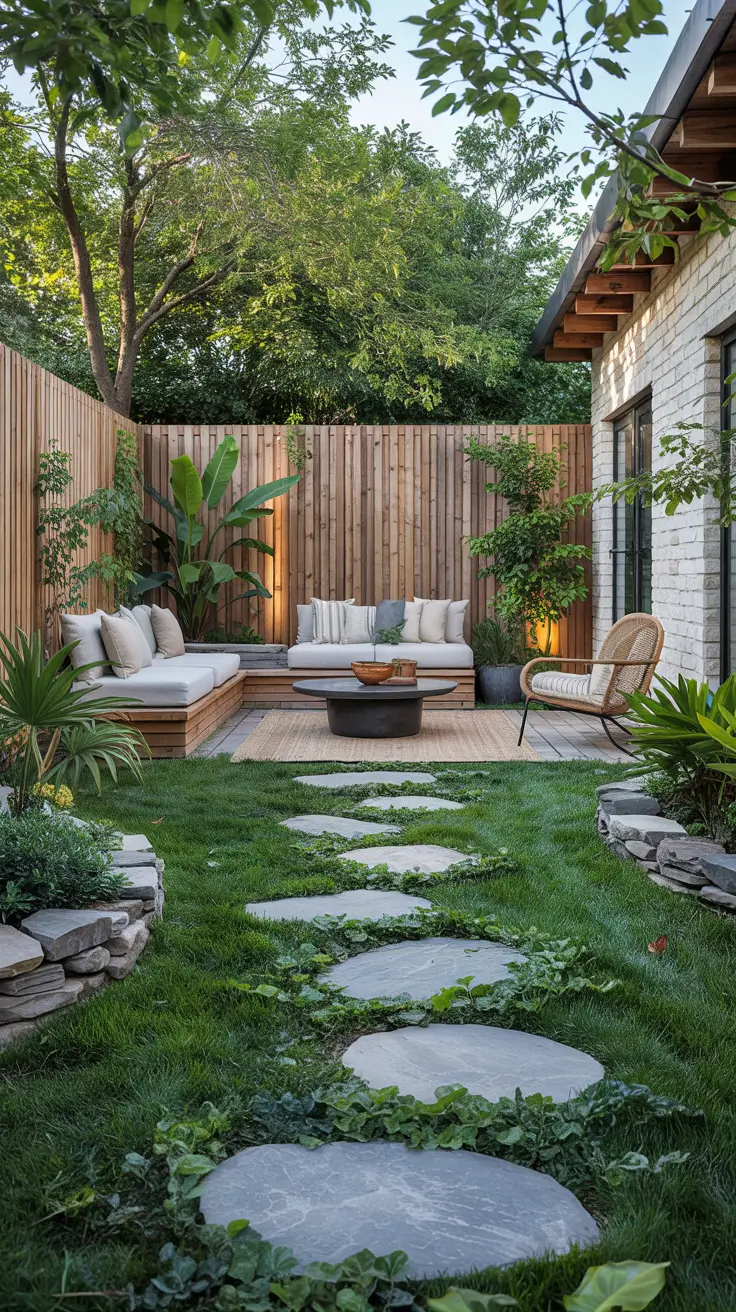
When I design such spaces, I include natural stone paths, minimal outdoor seating, and layered planting zones. I often pair clover with low-profile furniture like wooden benches or powder-coated metal chairs to maintain a clean visual flow. The key is to avoid overloading the space and let the clover lawn aesthetic remain the focal point.
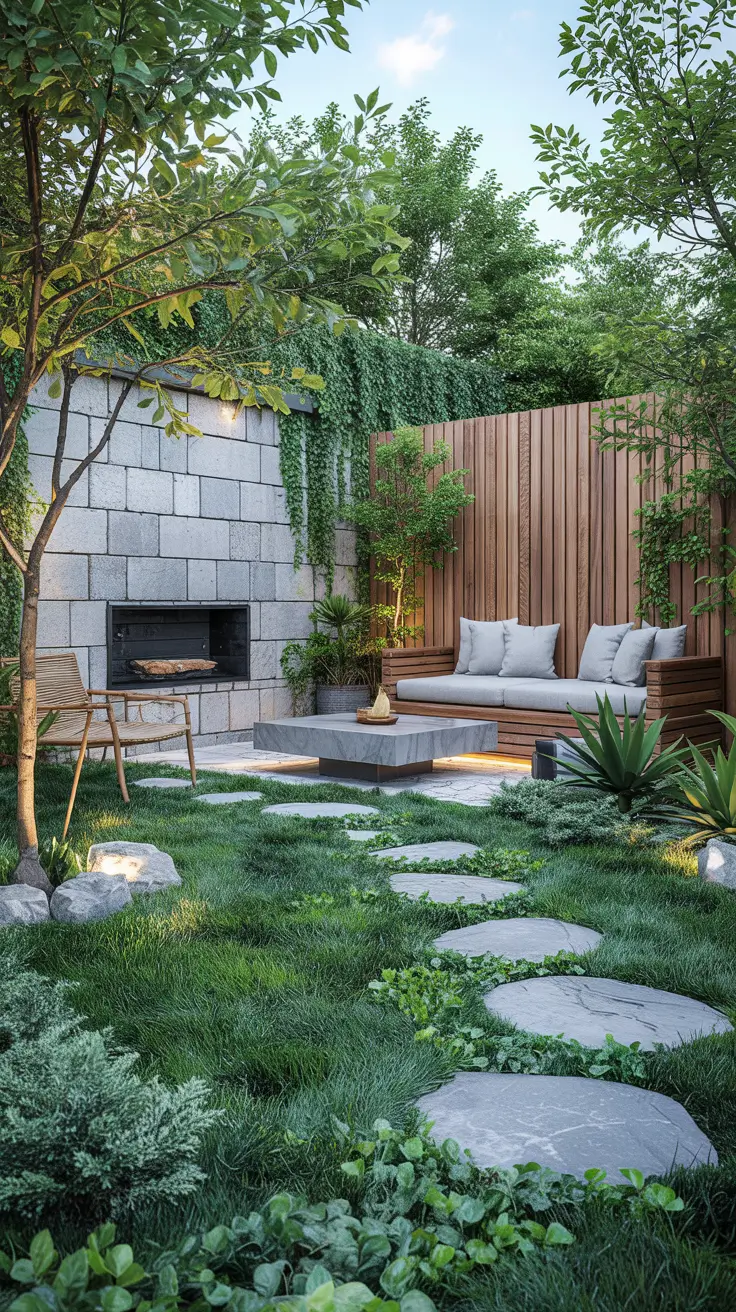
From my experience, clients appreciate how clover reduces maintenance while improving soil health. Publications like Better Homes and Gardens often highlight clover lawns as a smart alternative to grass, and I agree with that perspective based on practical results.
What I would add here is a more defined irrigation and seasonal care plan. Even though clover lawns are low-maintenance, I always recommend outlining watering strategies for the first growth phase.
2. Modern Clover Lawn Ideas That Replace Traditional Grass Beautifully
I approach modern clover lawns as a complete replacement for traditional grass and not just a patch solution. The goal is to create a seamless green surface that looks intentional and contemporary. I typically use micro clover blends to achieve a uniform texture that resembles high-end turf but behaves more naturally.
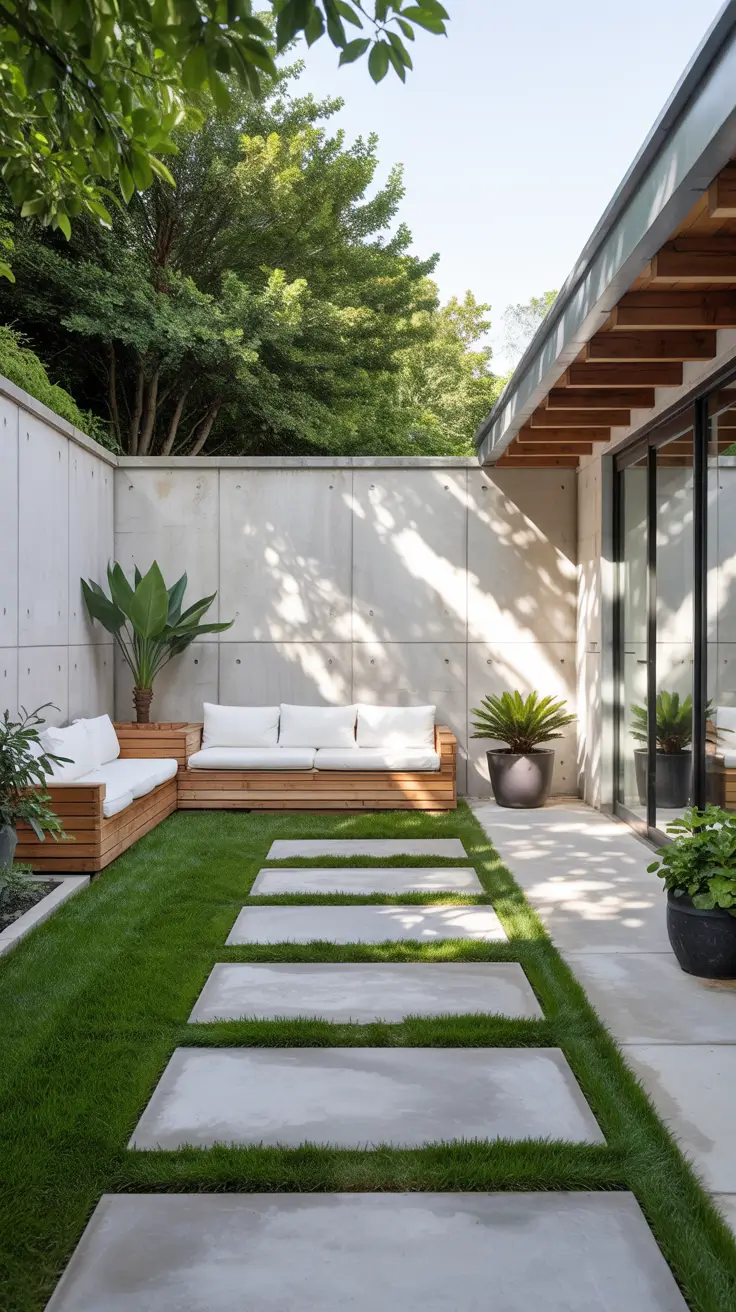
In terms of layout, I incorporate geometric pathways, large-format pavers, and subtle lighting. These elements create contrast and elevate the overall design. Furniture remains minimal, often including modular outdoor seating and neutral-toned cushions to avoid visual clutter.
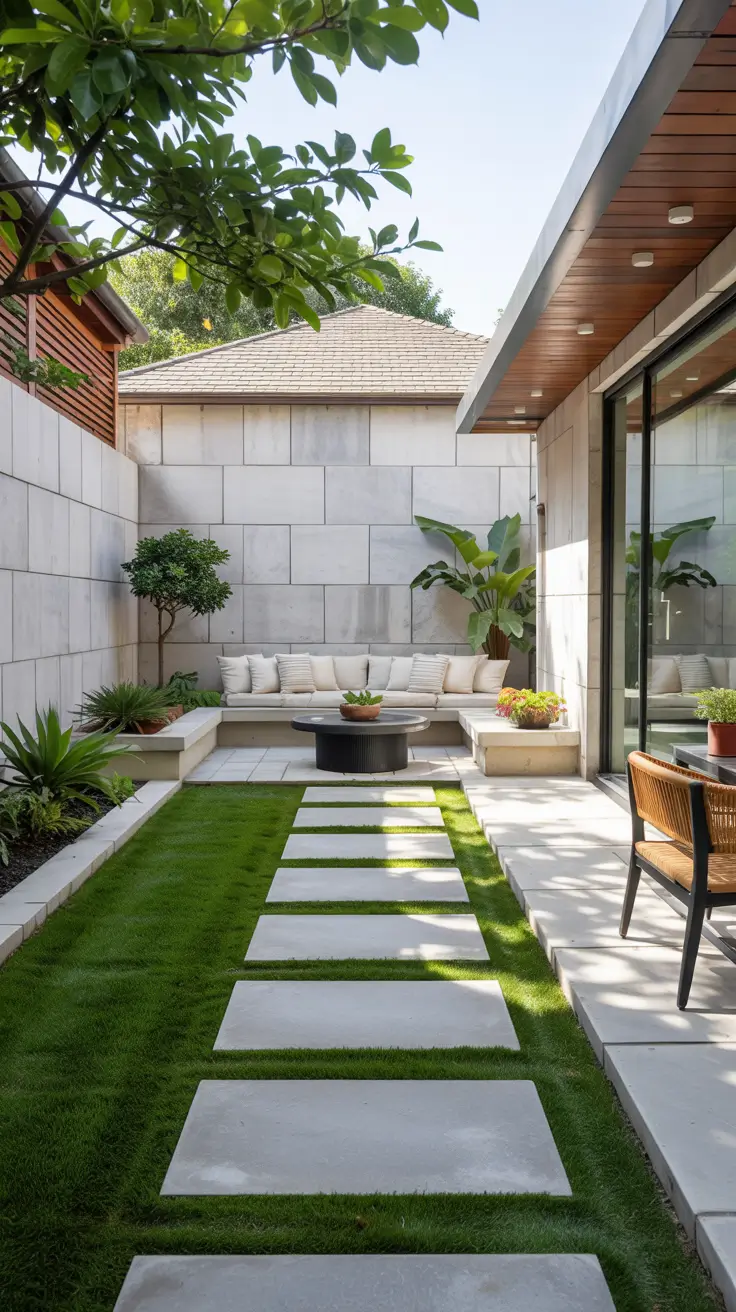
Personally, I find that replacing grass entirely with clover changes how people interact with their yard. It feels softer, cooler, and more inviting. Landscape designers frequently emphasize functionality, and this approach aligns perfectly with that philosophy.
What could improve this section is a comparison between micro clover and white clover performance over time, especially in high-traffic areas.
3. Clover Lawn Front Yards That Boost Curb Appeal Naturally
When I design clover lawn front yards, I focus on first impressions. Clover offers a softer, more organic look compared to traditional grass, which instantly improves curb appeal. I often integrate curved borders and mixed planting beds to enhance the visual depth.
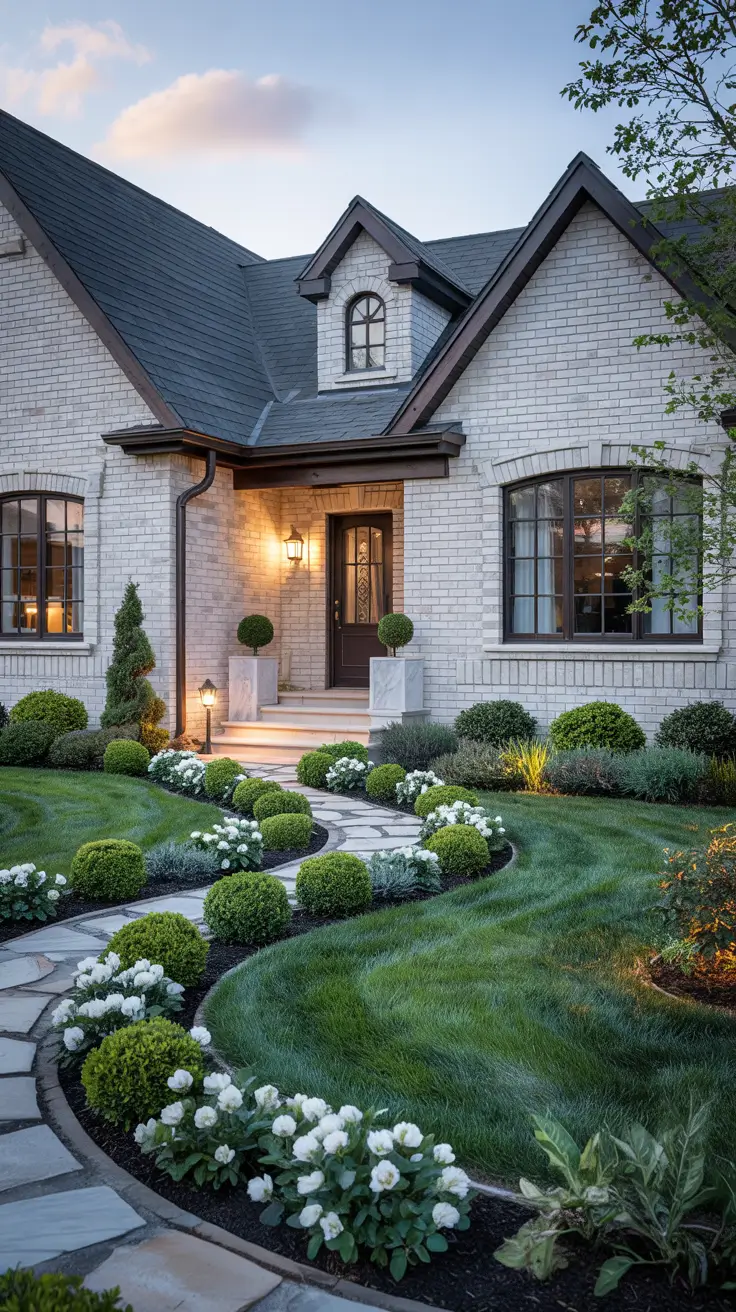
I typically combine clover lawns with structured elements like edging stones, decorative gravel strips, and small shrubs. A well-placed pathway leading to the entrance creates a welcoming feel. I also recommend subtle lighting fixtures to highlight textures during the evening.
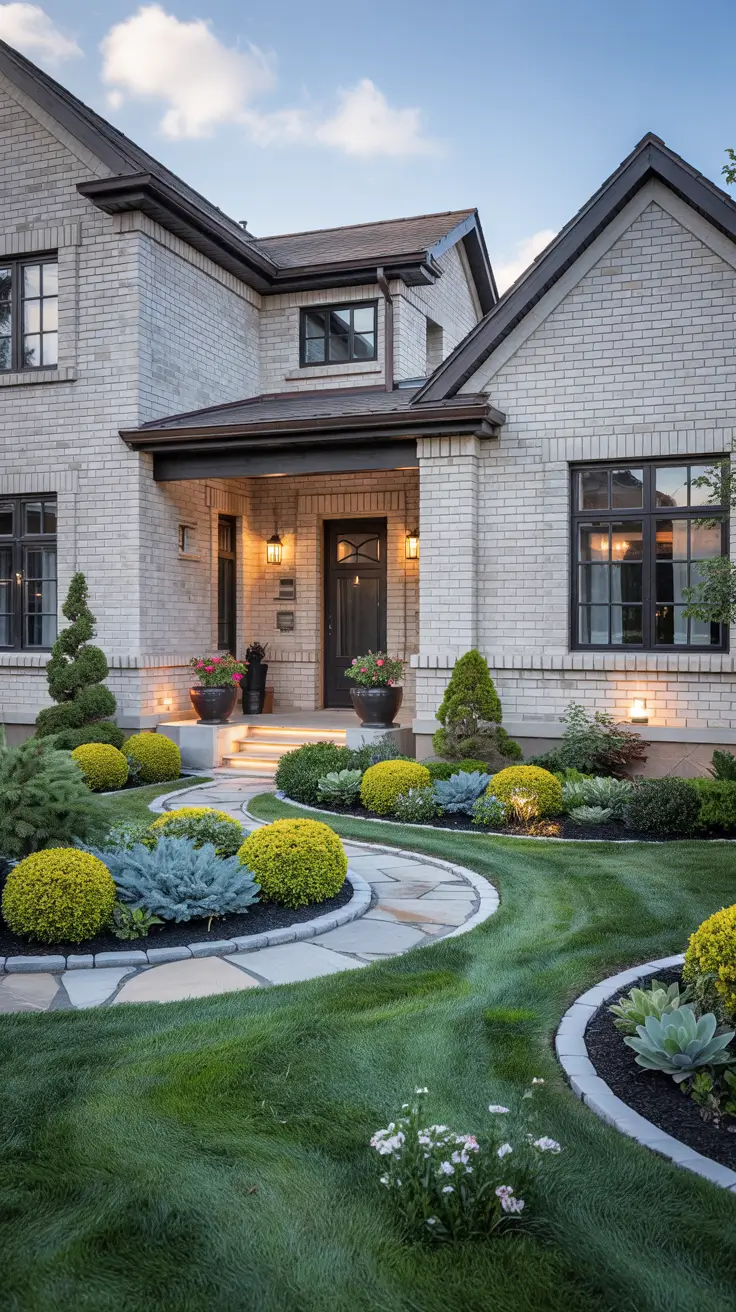
From my perspective, front yards benefit the most from white clover because of its bright tone. It reflects light beautifully and keeps the area looking fresh. Many landscaping experts suggest prioritizing low-maintenance plants in front yards, and clover fits perfectly into that recommendation.
I would add a note here about seasonal flowering of clover and how it impacts visual consistency, especially for homeowners who prefer a uniform look.
4. Backyard Clover Lawn Ideas for Relaxed and Low-Maintenance Living
In backyard spaces, I prioritize comfort and usability. A clover lawn backyard creates a soft, resilient surface that works well for relaxation and informal gatherings. I often design these spaces with open zones rather than rigid layouts.
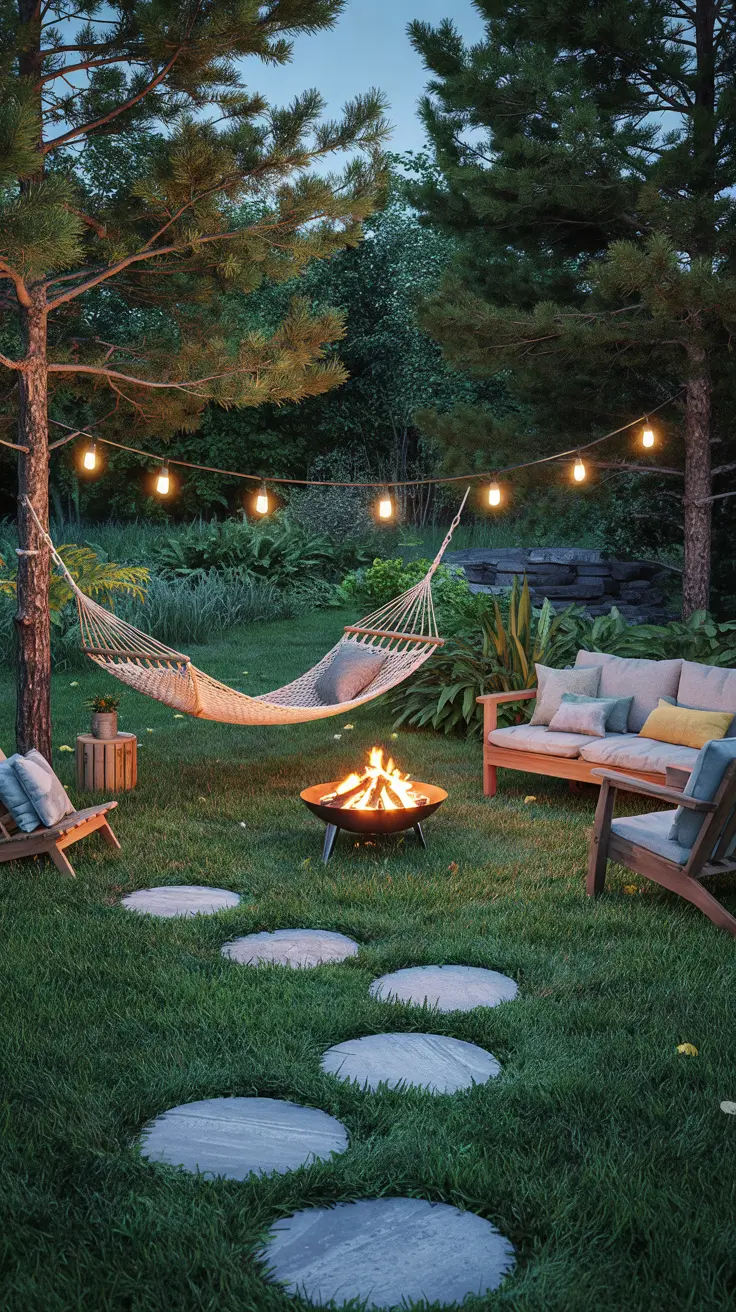
I include elements like outdoor lounges, hammocks, and fire pits placed directly on or adjacent to the clover lawn. Materials such as wood and stone complement the natural feel. I also like adding stepping stones to define movement without disrupting the greenery.
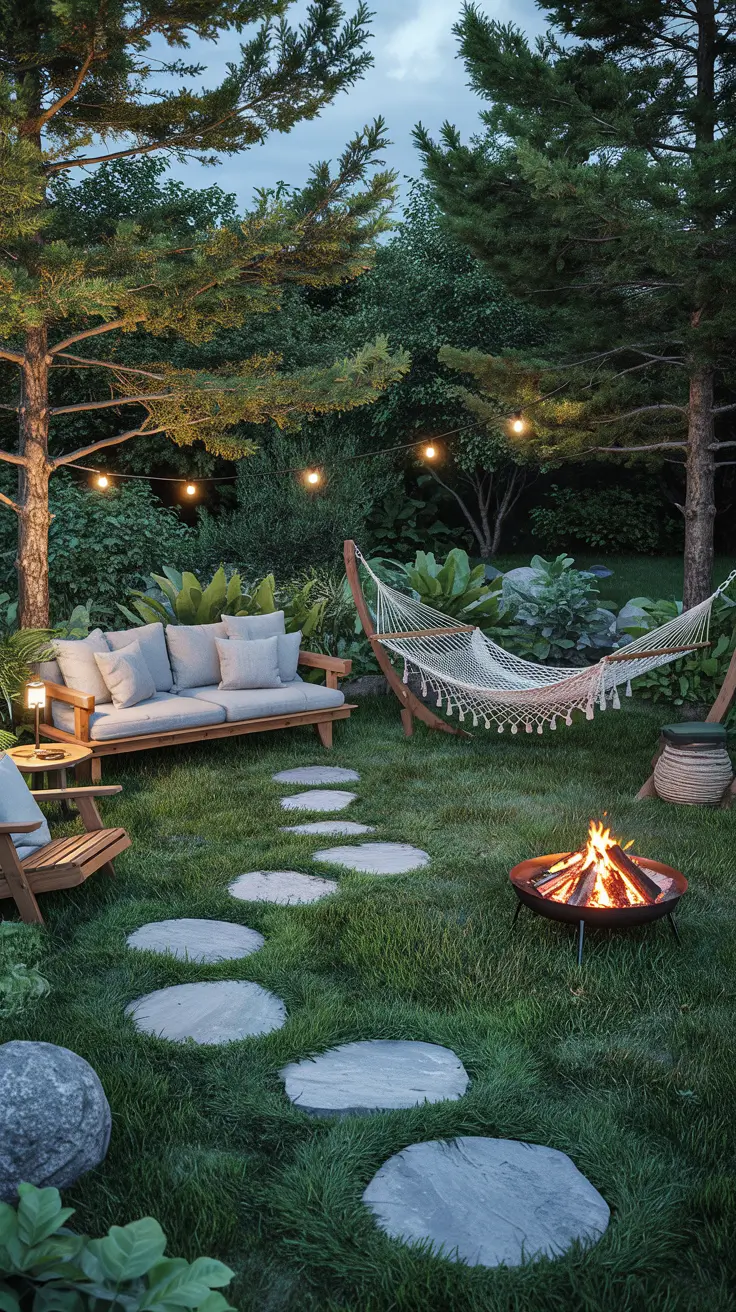
From experience, clover lawns perform well in backyard environments because they recover quickly from use. This makes them ideal for families and social spaces. I have seen consistent positive feedback from homeowners who switch from grass to clover in these areas.
What could enhance this section is a clearer zoning strategy, especially for combining dining, lounging, and play areas within one backyard.
5. Clover Lawn Aesthetic: Designing Soft, Lush, and Eco-Friendly Spaces
I approach the clover lawn aesthetic as a balance between softness and structure. The goal is to create a visually calm environment that still feels designed. Clover naturally delivers a dense, cushion-like surface that enhances this effect.
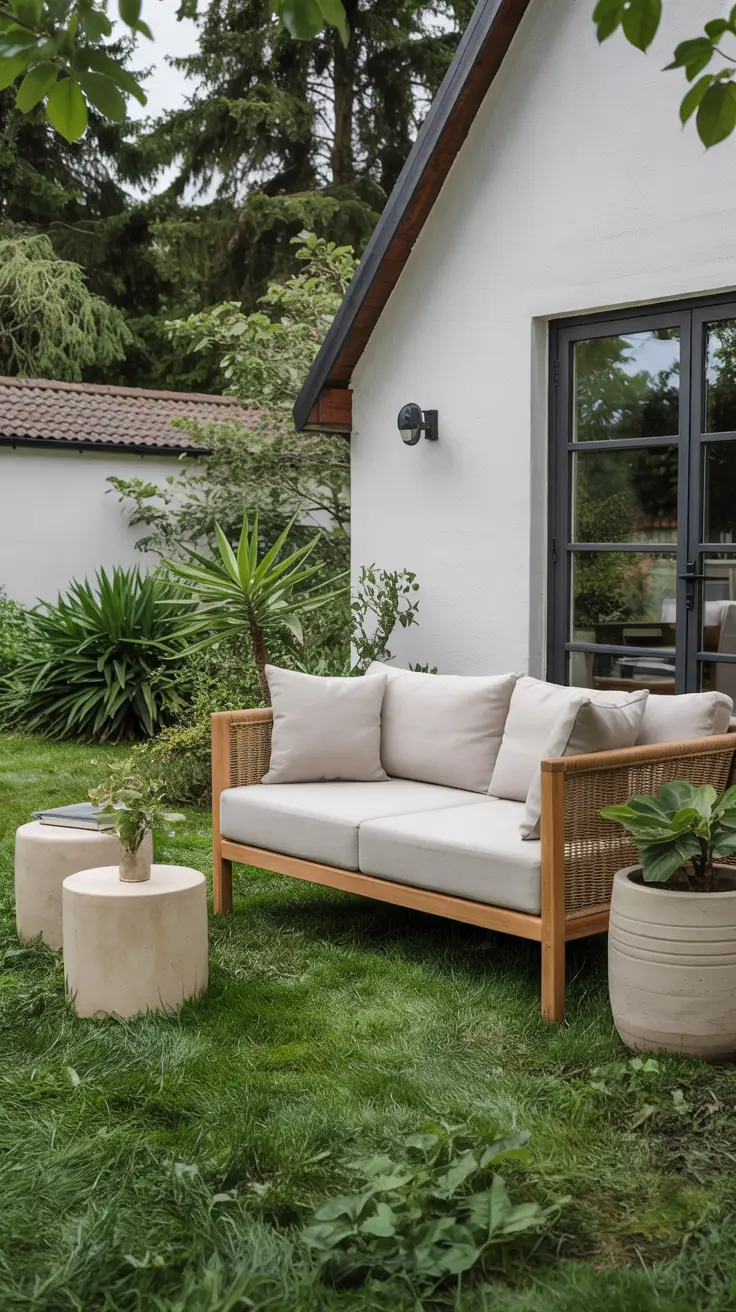
To support this aesthetic, I use neutral palettes and organic materials. Furniture is typically low-profile, with linen or weather-resistant fabrics. Decorative elements such as ceramic planters or wooden accents help maintain a cohesive look.
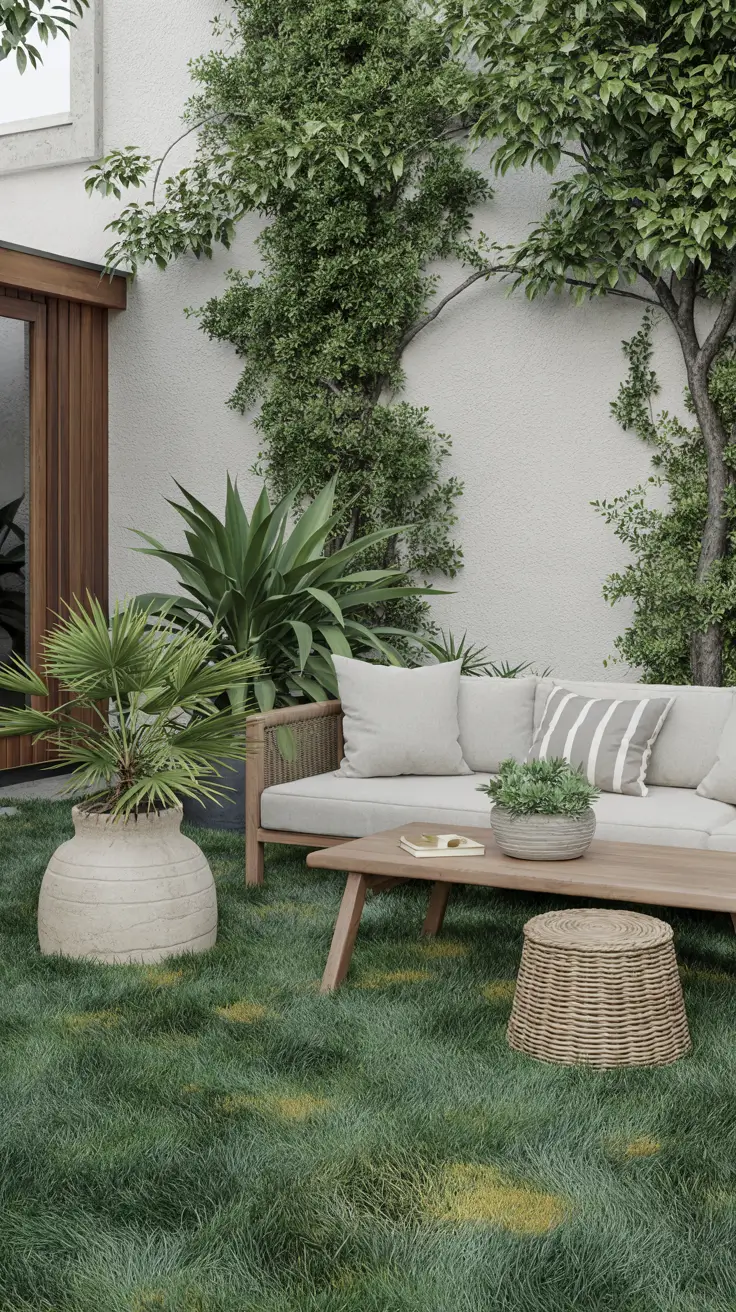
In my opinion, the success of this aesthetic lies in restraint. Overdesigning can easily disrupt the natural charm of clover lawns. Many modern landscaping guides emphasize simplicity, and I consistently apply that principle.
I would include more detail here on color coordination between clover varieties like white, crimson, and purple to achieve specific visual moods.
6. Creative Clover Lawn Garden Layouts for 2026 Landscapes
When planning a clover lawn garden, I focus on layout first. A strong structure ensures that the space remains functional and visually appealing over time. I often divide the garden into zones using subtle transitions rather than hard boundaries.
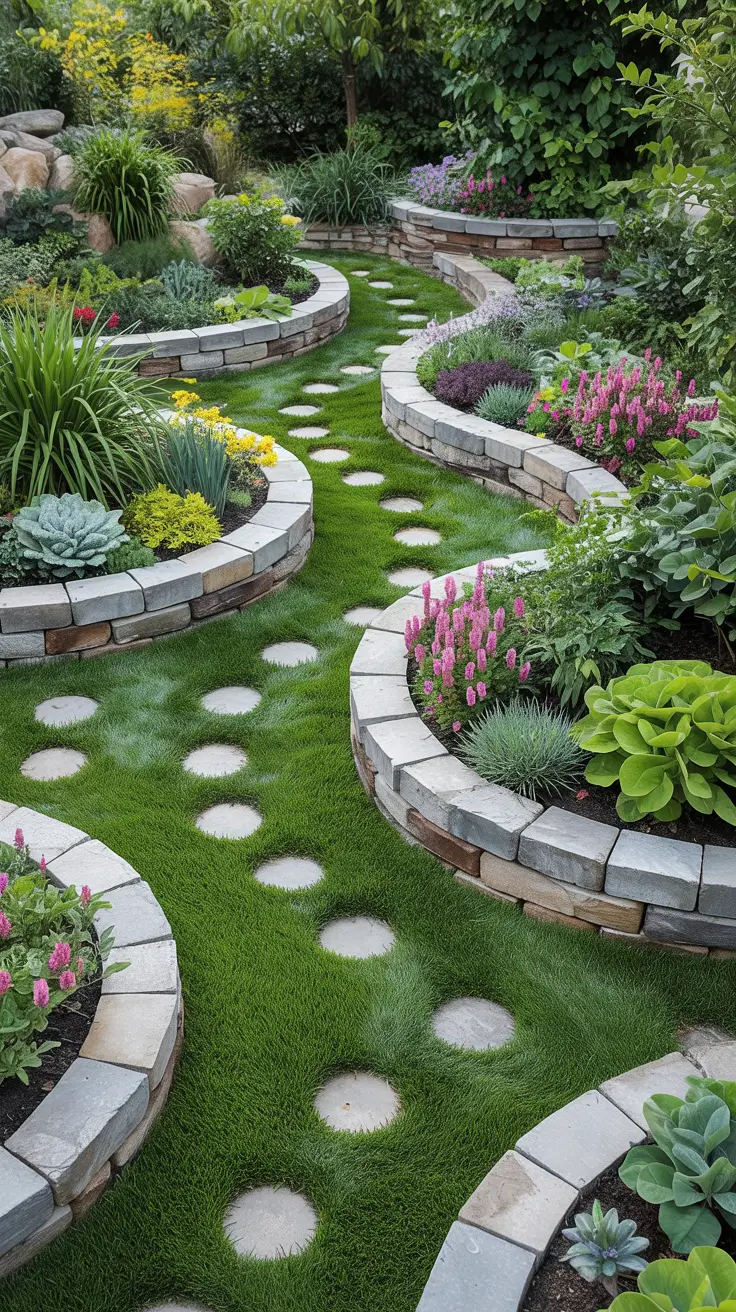
I incorporate elements like raised beds, mixed planting areas, and curved pathways. Clover acts as a unifying base that ties everything together. I also like integrating flowering varieties such as crimson clover for seasonal color variation.
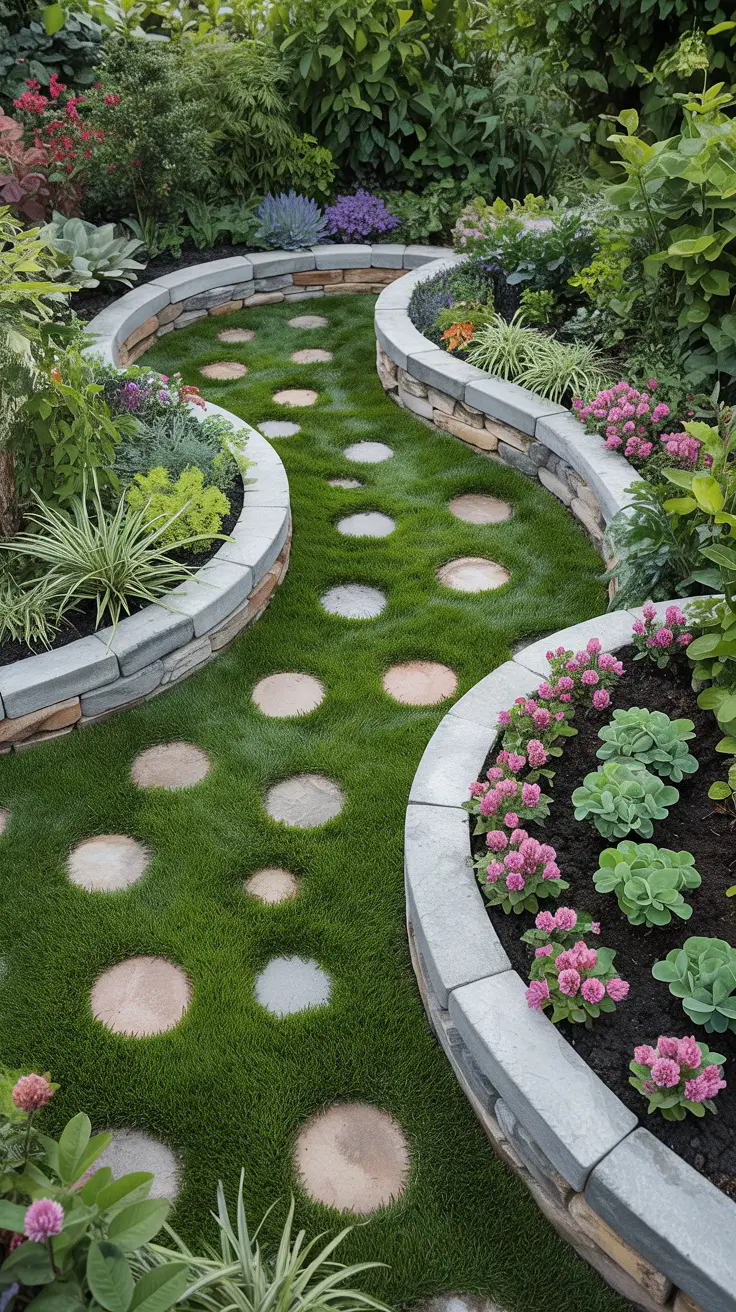
From my perspective, creativity comes from combining different textures and heights. Clover provides a consistent base layer, allowing other elements to stand out without overwhelming the design.
What this section could benefit from is a simple planning framework or step-by-step layout process for beginners.
7. Clover Lawn with Pavers: Elegant Combinations for Functional Design
I frequently use clover lawn with pavers to create structured yet natural outdoor spaces. This combination allows for clear pathways while maintaining a soft green surface. It is one of the most practical and visually appealing solutions.
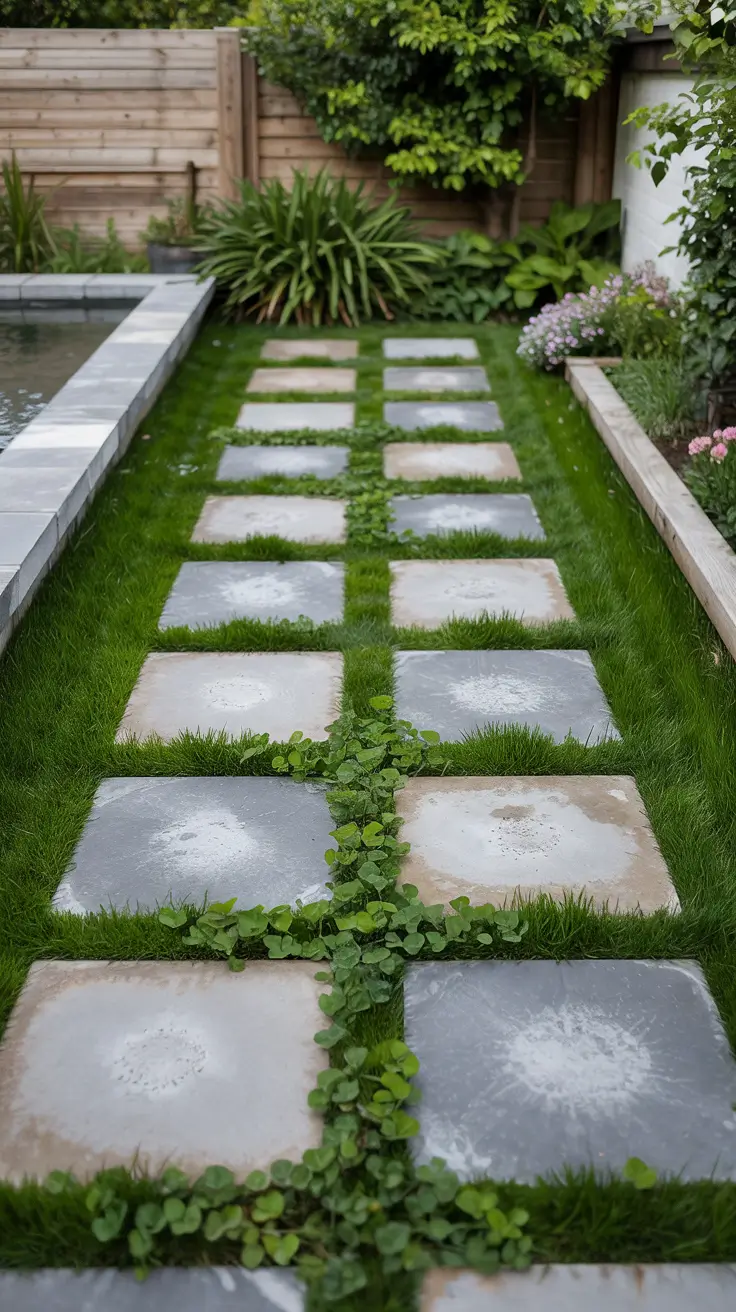
I prefer large, evenly spaced pavers with clover growing between them. Materials like concrete, natural stone, or porcelain work well depending on the overall style. This setup improves accessibility while preserving the organic look of the lawn.
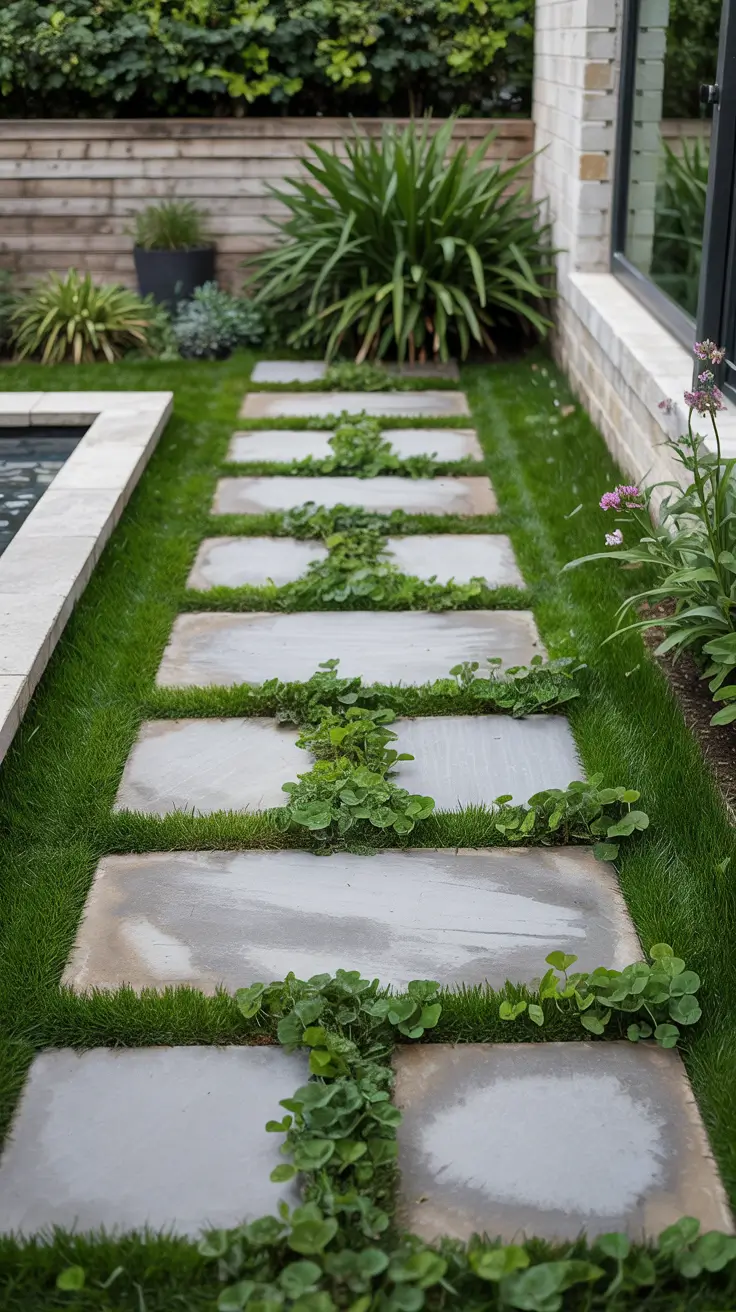
In my experience, this approach works particularly well in both front yards and backyard areas. It balances function and design without requiring intensive maintenance. Many landscape designers recommend integrating hardscape elements, and this method does it effectively.
I would add more technical detail here about spacing, soil preparation, and how to ensure clover grows evenly between pavers.
8. Red Clover Lawn Ideas for Bold and Colorful Landscaping
I find that using red clover immediately changes the visual identity of a landscape. Unlike standard grass lawns, red clover introduces soft crimson tones that create a dynamic and bold aesthetic. This approach works especially well in clover lawn front yards where curb appeal matters, as the color variation draws attention without overwhelming the overall design. It also improves soil health naturally, making it both decorative and functional.
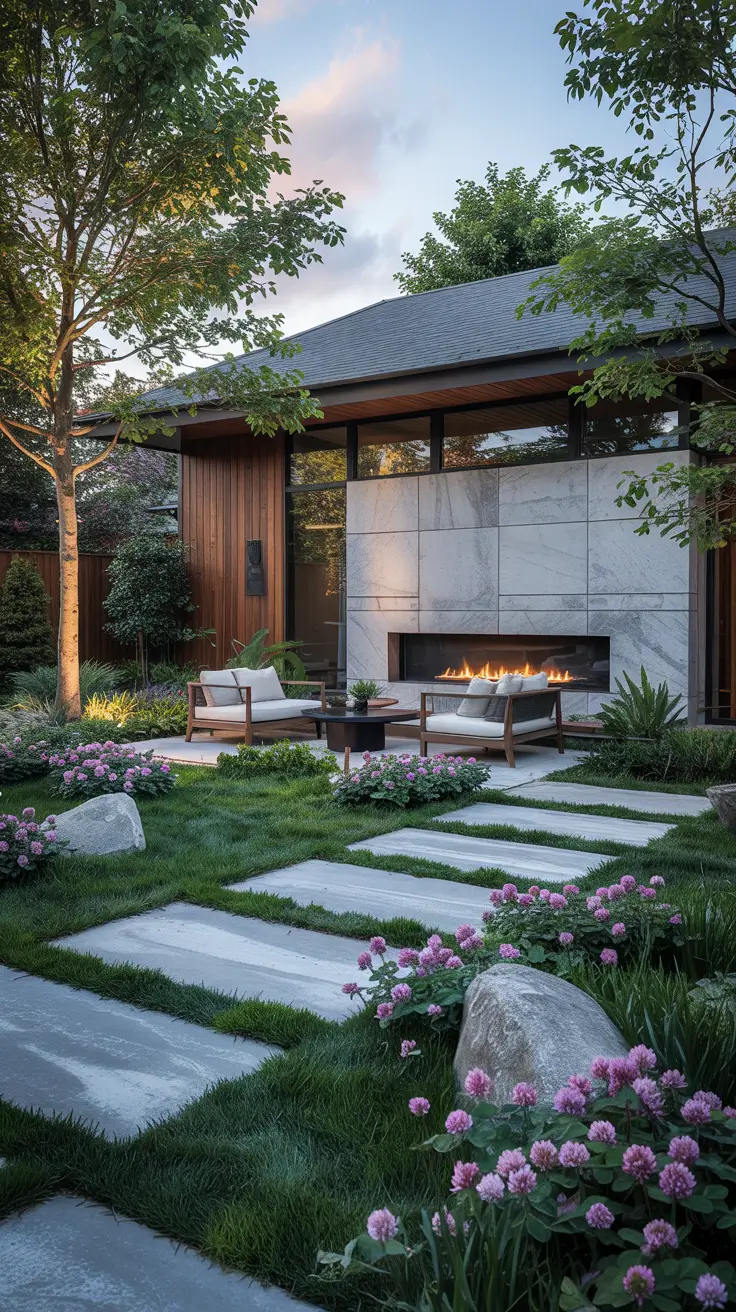
In terms of layout, I recommend pairing red clover with neutral hardscaping elements such as stone edging, concrete borders, or wooden decking. Outdoor seating in muted tones like beige or charcoal allows the clover’s color to stand out. Adding low-profile lighting and minimalistic planters enhances the clover lawn aesthetic while maintaining a clean and modern look.
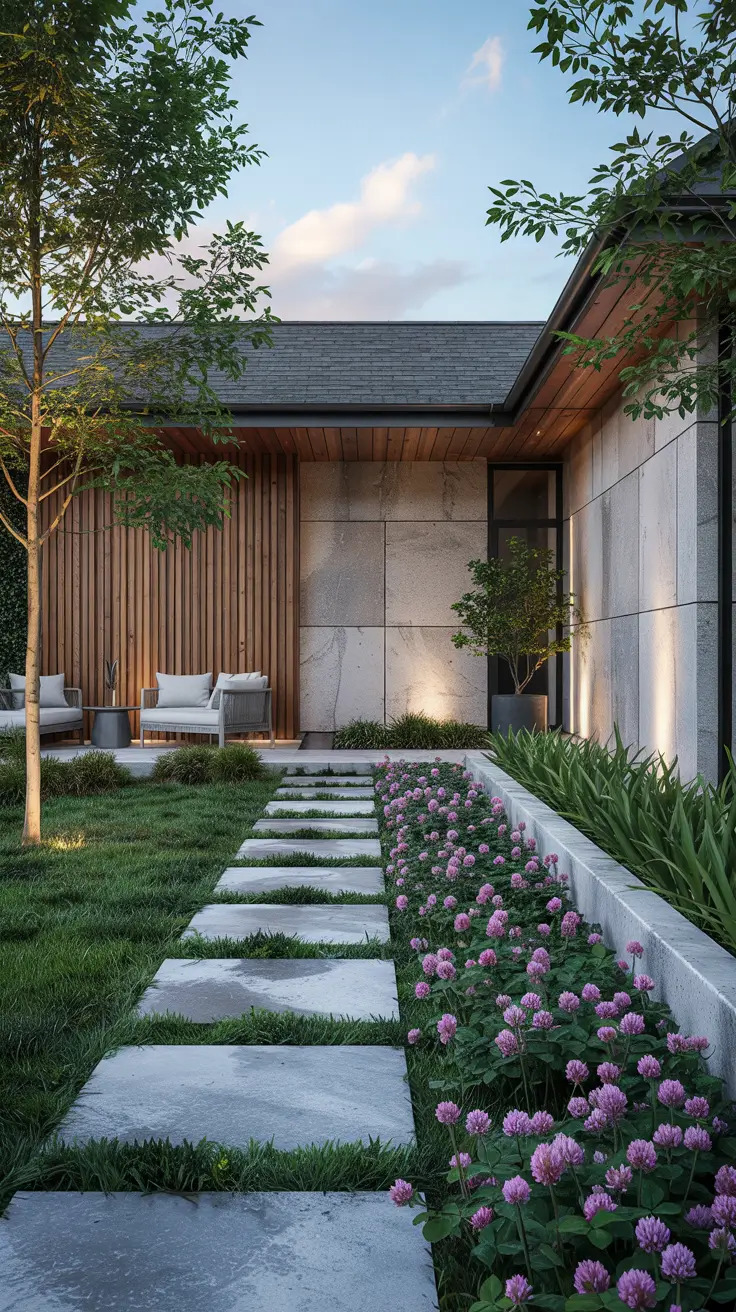
Personally, I see red clover as a strong alternative to traditional lawns, especially for homeowners who want something expressive yet sustainable. Many landscaping experts in the US highlight biodiversity and pollinator-friendly choices, and red clover fits perfectly into that trend while still looking intentional and curated.
What I would add here is a seasonal maintenance plan, since red clover behaves differently across climates. Including guidance on mowing height and reseeding would make this section more complete.
9. Clover Lawn Garden Ideas That Blend Flowers and Greenery
When I design a clover lawn garden, I focus on blending textures and layers rather than treating the lawn as a flat surface. Clover works beautifully as a base layer that supports small flowering plants, creating a natural meadow effect. This is especially effective in backyard settings where a relaxed and organic style is preferred.
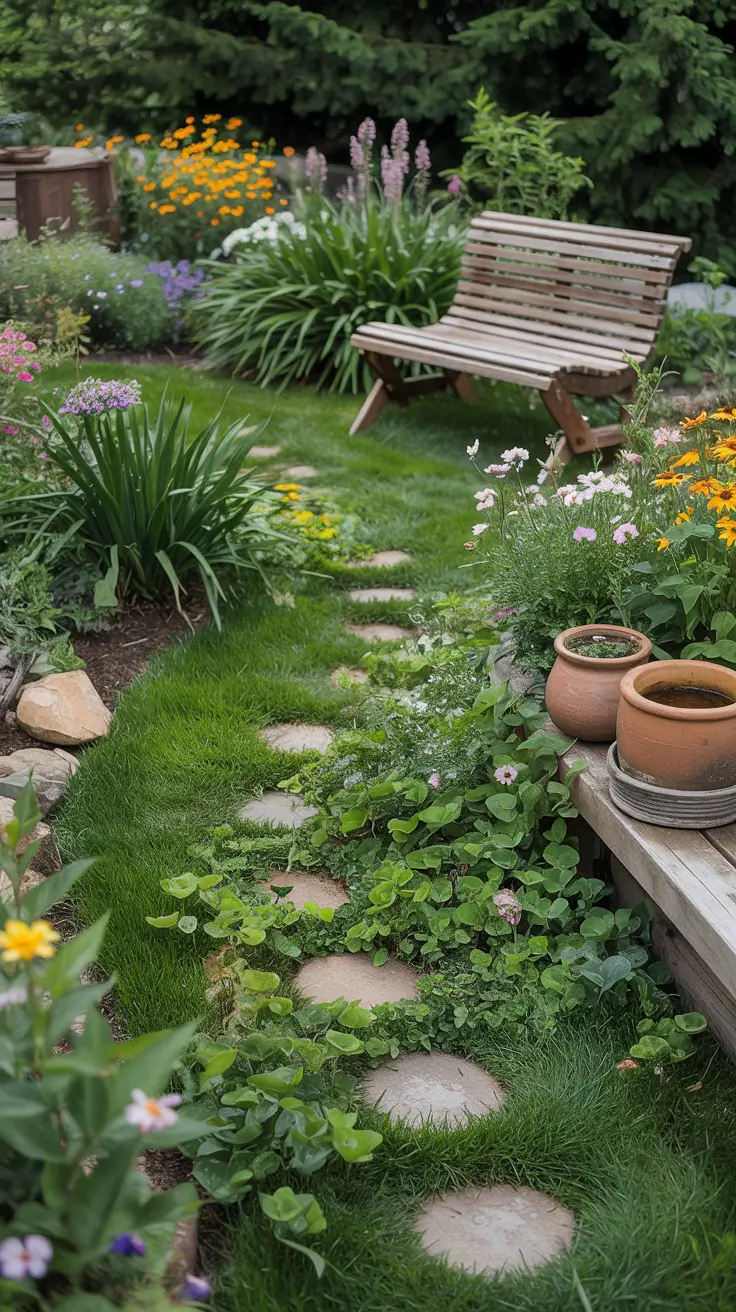
I typically integrate flowers like daisies or lavender directly into the clover lawn, along with curved garden borders and stepping stones. Wooden benches, ceramic pots, and subtle water features help structure the space while keeping the overall look soft and inviting. The key is balance, ensuring that greenery and blooms coexist without competing visually.
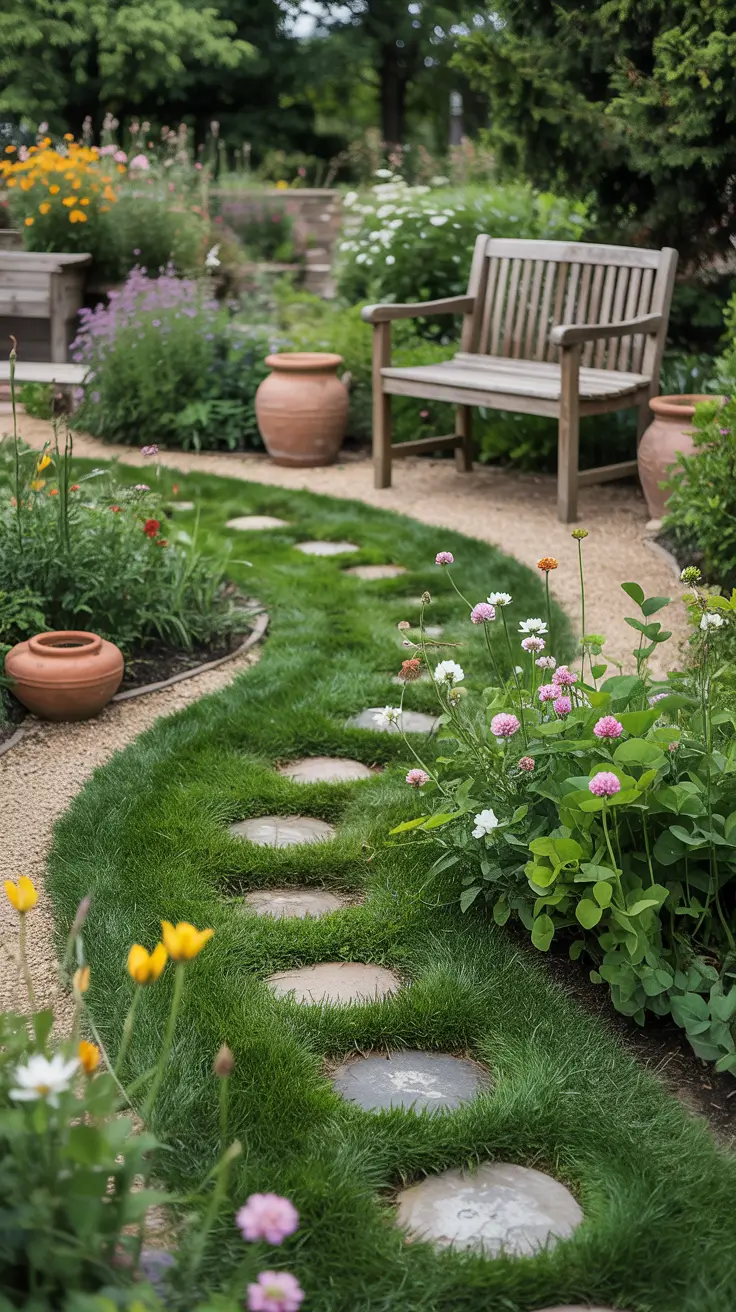
From my experience, this approach creates a calming outdoor environment that feels more alive than a traditional lawn. It aligns with current garden design trends that prioritize ecological harmony and reduced maintenance.
What’s missing here is a clear planting ratio between clover and flowers. I would include exact percentages to help readers replicate the look more accurately.
10. Planting Clover Lawn: Smart Techniques for Long-Lasting Growth
When it comes to clover lawn how to grow successfully, I always emphasize preparation. Proper soil conditioning and seed selection are critical for long-term results. Clover adapts well to different environments, but achieving dense and even coverage requires careful planting and timing.
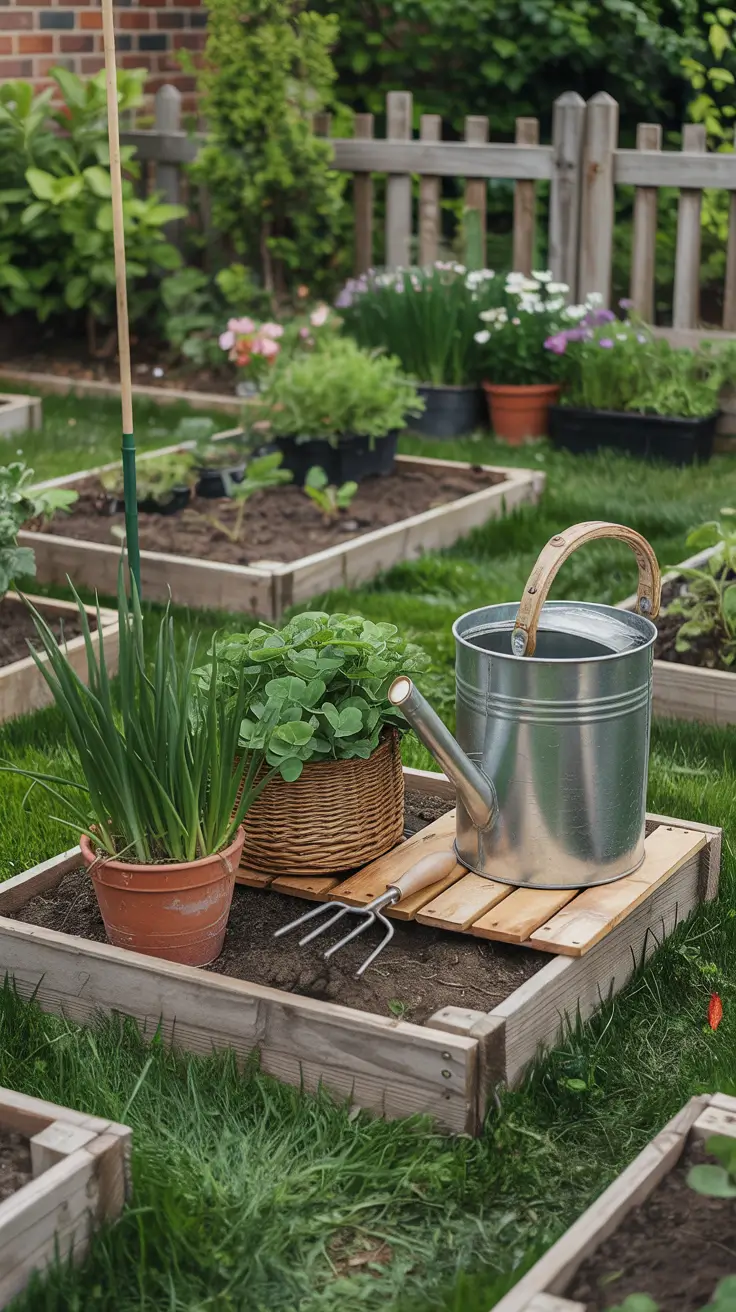
I recommend starting with soil aeration, followed by spreading micro clover or white dutch clover seeds evenly across the area. Light watering and minimal fertilization help establish strong roots. Tools like seed spreaders and irrigation systems ensure consistency, especially in larger backyard projects.
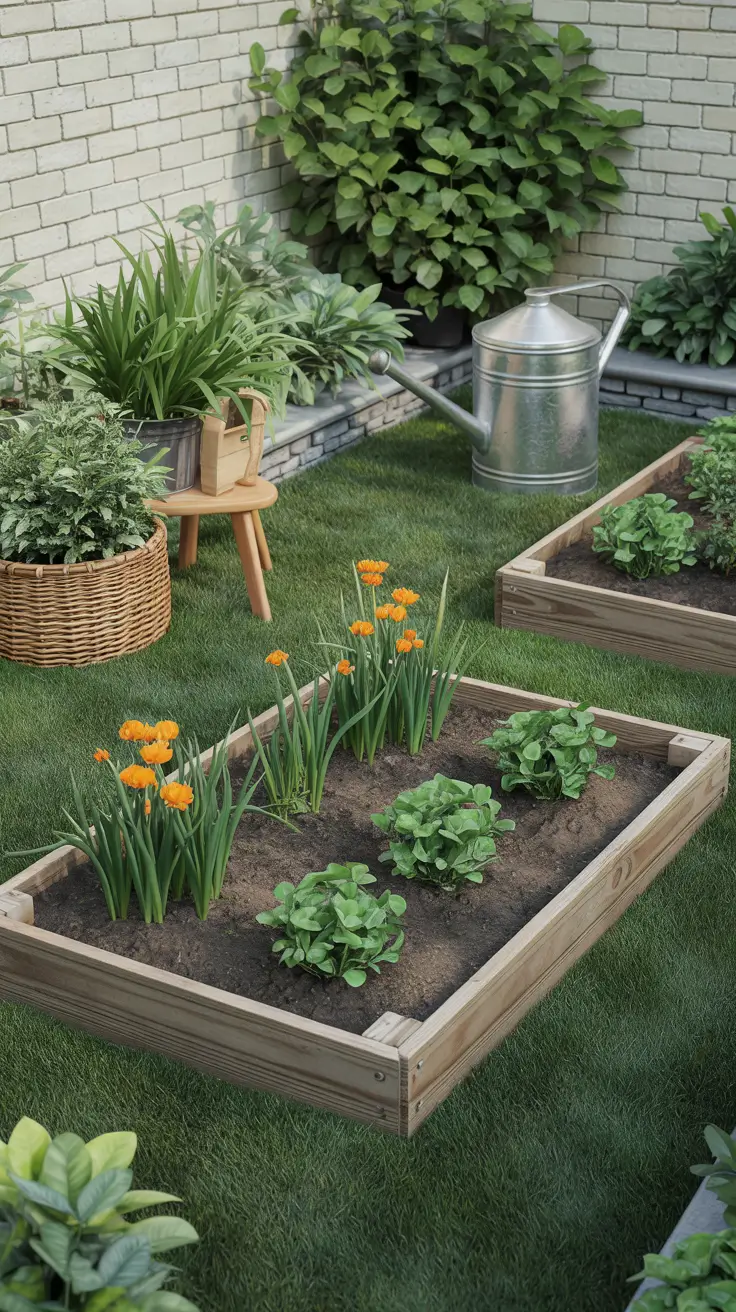
In my opinion, clover is one of the easiest lawn alternatives to maintain once established. It requires less water and mowing compared to grass, which makes it ideal for modern homeowners looking for efficiency.
What I would include additionally is a troubleshooting guide for patchy growth or weed competition, as these are common challenges beginners face.
11. Clover Lawn Backyard Designs with Relaxing Outdoor Zones
I approach clover lawn backyard design as an extension of indoor living. Clover provides a soft, comfortable ground cover that enhances relaxation zones such as lounge areas, fire pits, or outdoor dining spaces. Its texture feels more natural and inviting than traditional grass.
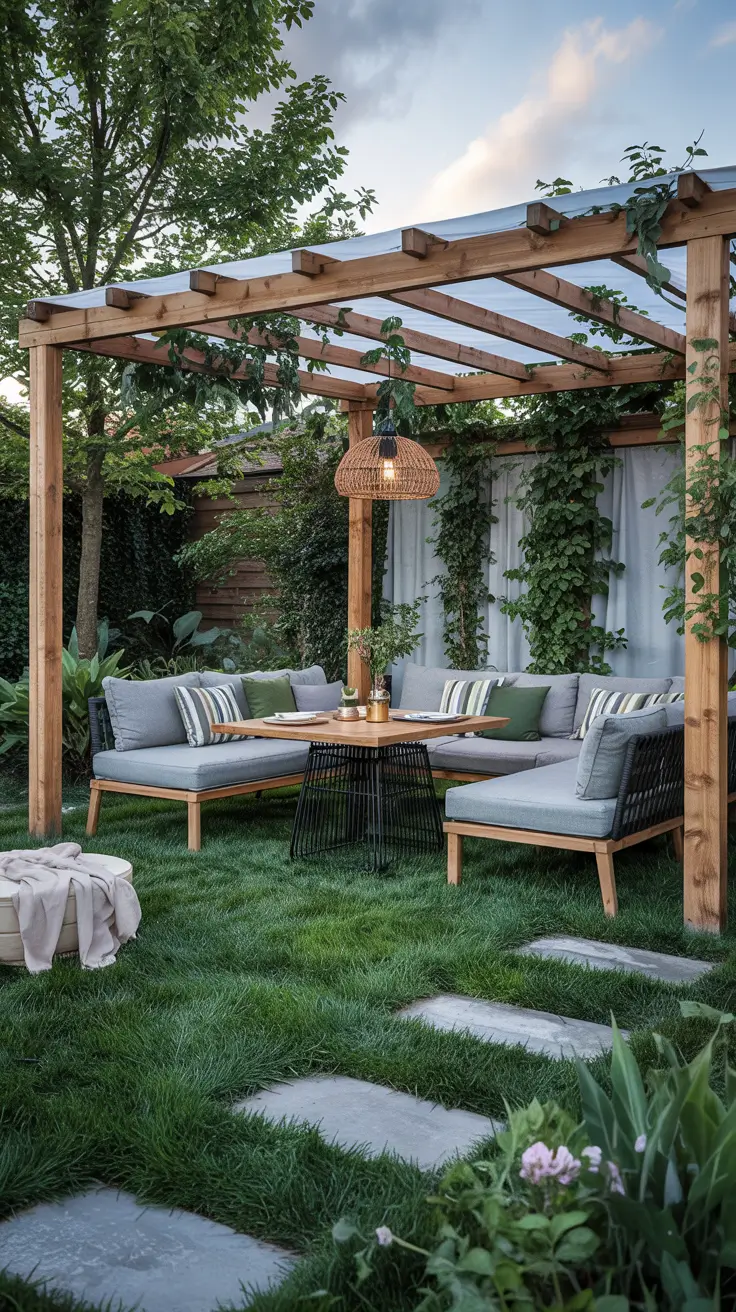
I usually divide the backyard into functional zones. A seating area with weather-resistant sofas, a dining table with simple lines, and shaded pergolas work well alongside clover lawns. Adding rugs and cushions designed for outdoor use creates a seamless transition between indoor and outdoor aesthetics.
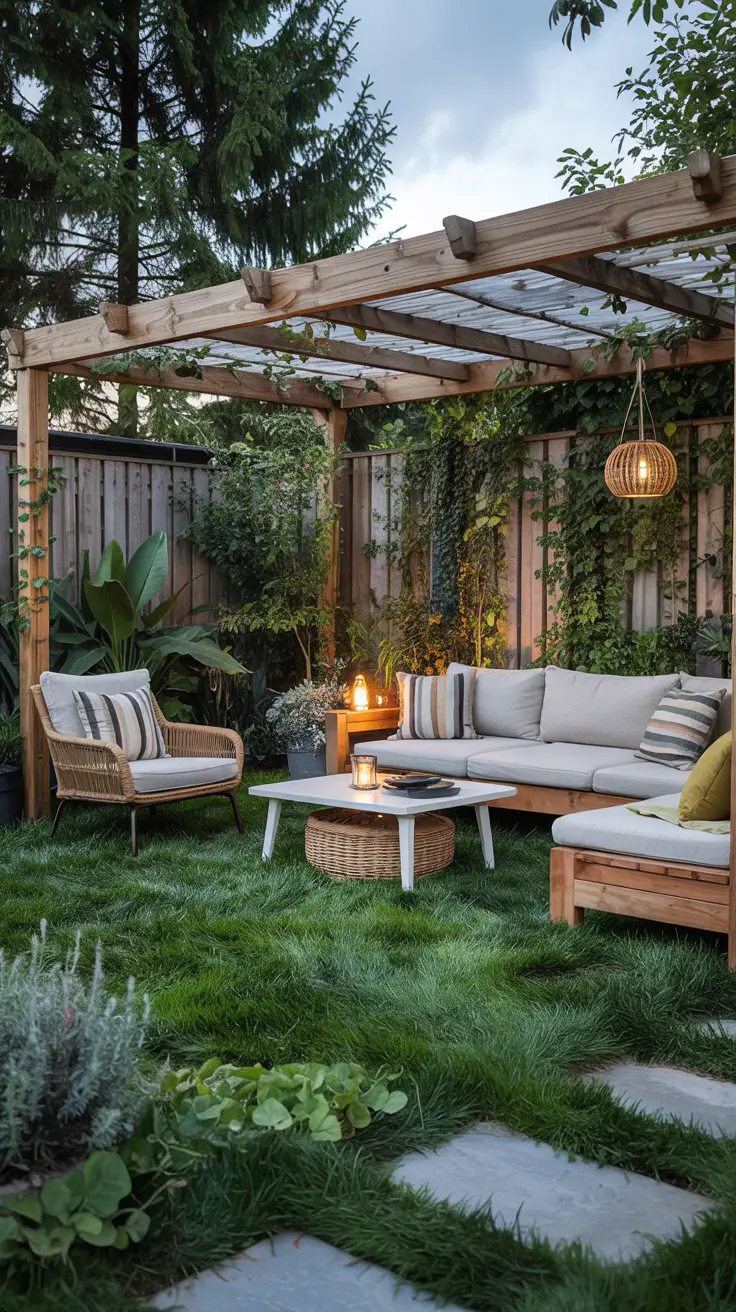
From my perspective, clover lawns are especially suitable for families and pets. They are resilient and softer underfoot, making them ideal for everyday use while still maintaining a polished look.
What could improve this section is a layout diagram suggestion, helping readers visualize zoning more clearly.
12. Clover Lawn with Pavers and Pathways for Modern Gardens
One of my favorite clover lawn ideas is combining it with pavers. This creates structure while preserving the natural softness of the lawn. Clover lawn with pavers is particularly effective in modern gardens where clean lines and geometry are essential.
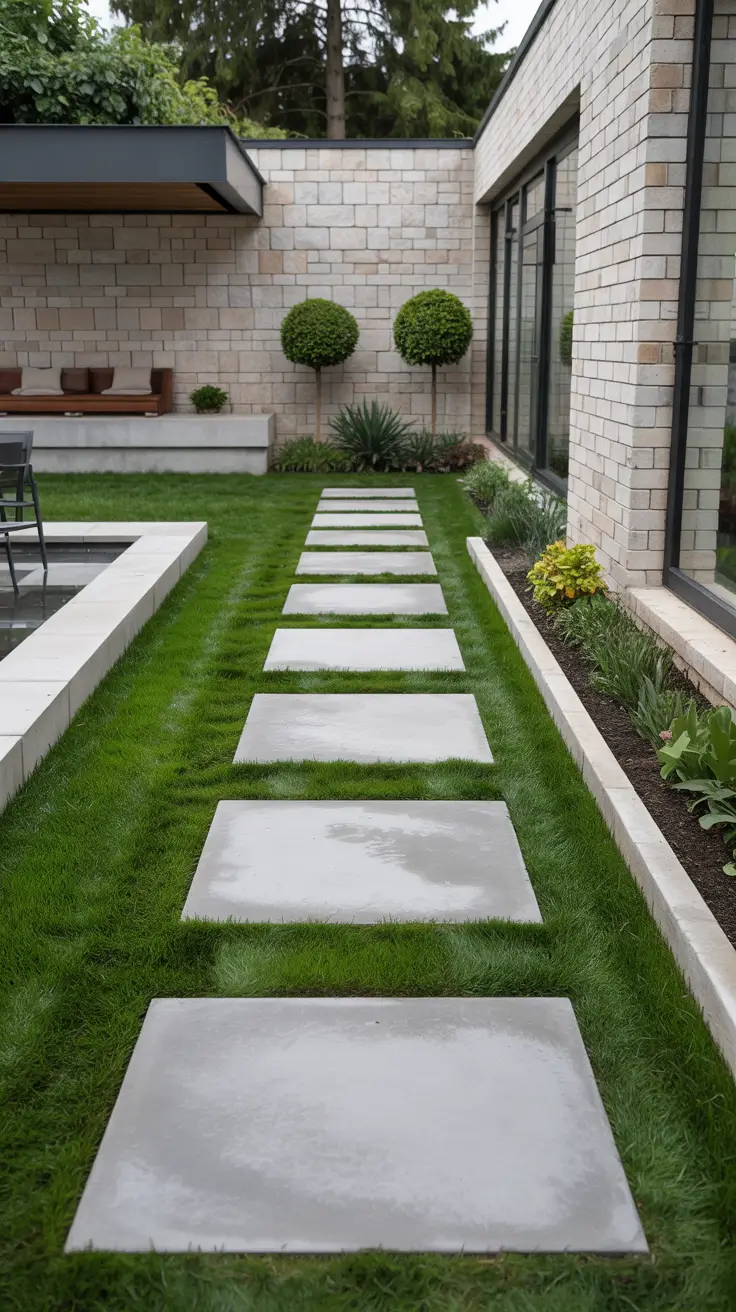
I recommend using large concrete or stone pavers spaced evenly across the clover. This allows for easy movement while maintaining a green, continuous surface. Gravel accents, minimalist lighting, and linear pathways enhance the design further.
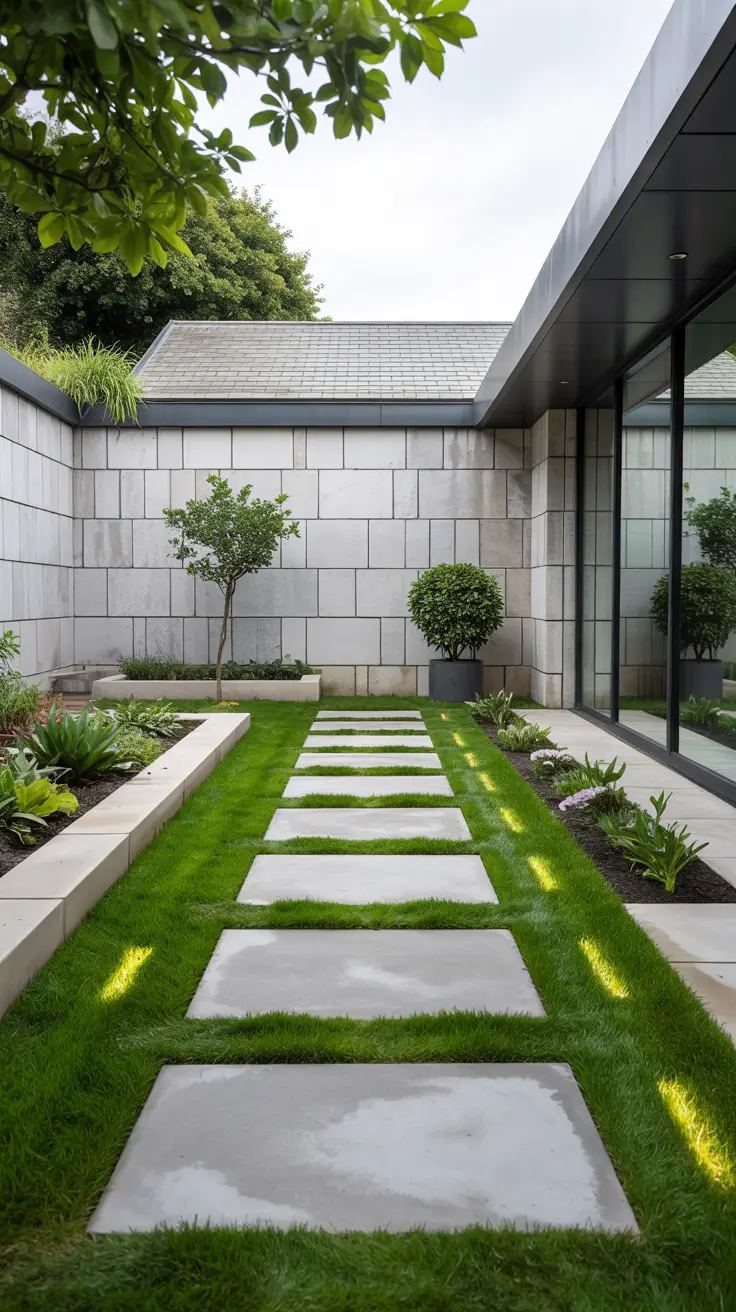
In my experience, this combination balances practicality and aesthetics perfectly. It reduces wear on the lawn while adding visual interest and guiding movement through the space.
What I would add here is spacing recommendations for pavers, as this detail significantly impacts both usability and visual rhythm.
13. Crimson Clover Lawn Ideas for Vibrant Seasonal Impact
Crimson clover offers a more intense seasonal display compared to other varieties. I like to use it as a feature element in gardens where a strong visual impact is desired during specific times of the year. It works well in both front yards and backyard focal areas.
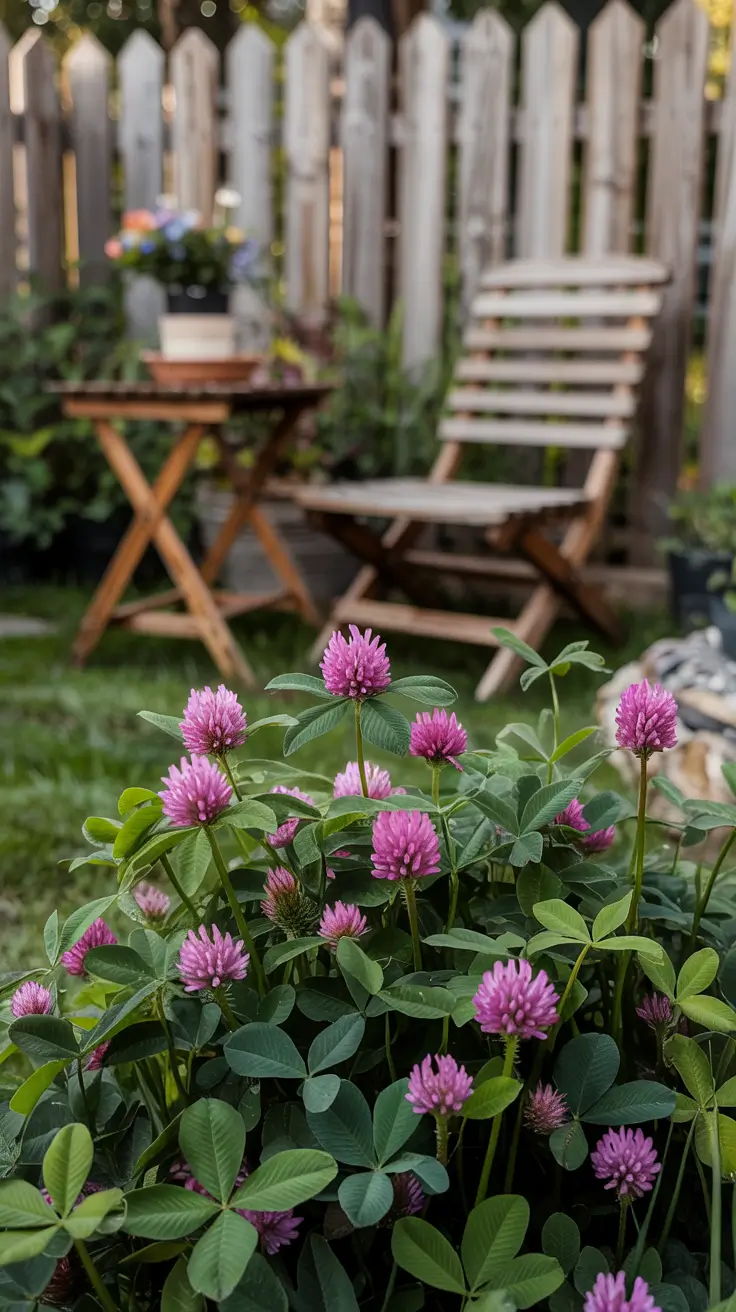
I typically combine crimson clover with neutral backdrops such as stone walls or wooden fences. Simple garden furniture and minimal decor help highlight the vibrant color. This creates a striking yet controlled aesthetic that feels intentional rather than chaotic.
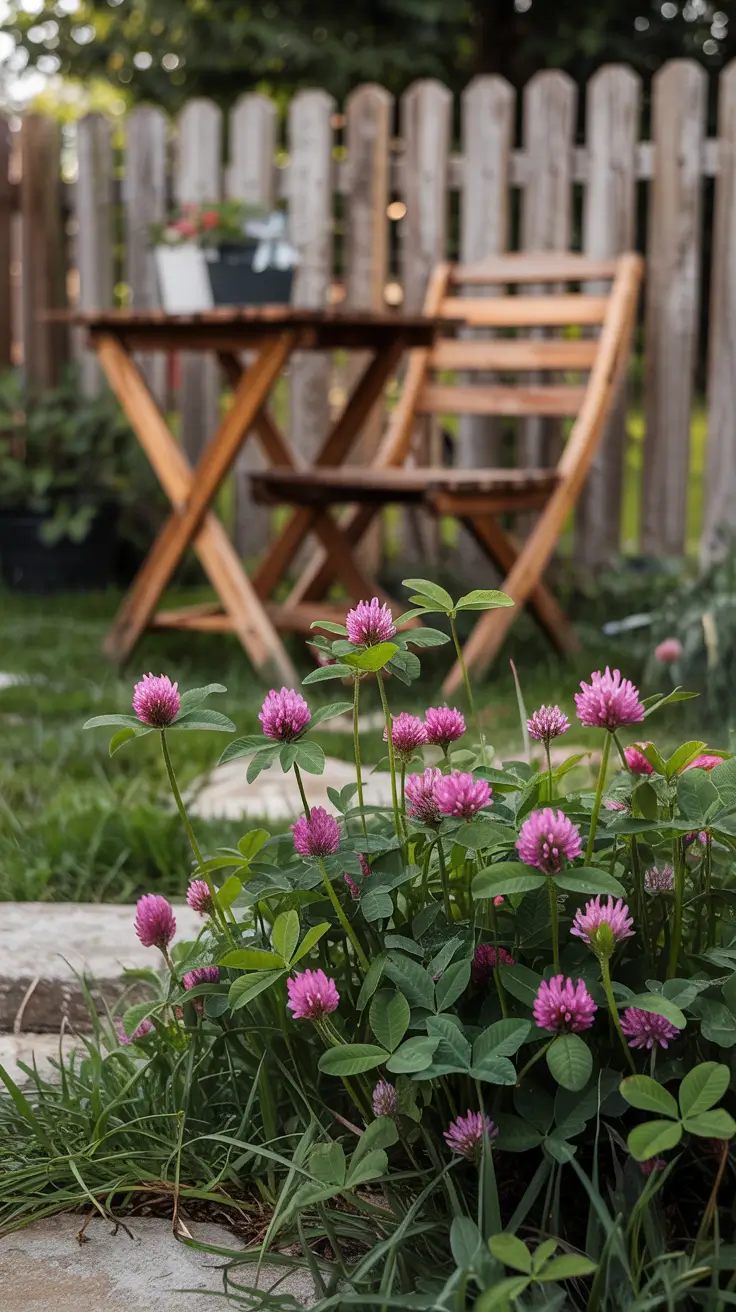
From what I’ve seen, crimson clover is ideal for homeowners who enjoy seasonal transformations in their outdoor spaces. It adds variety without requiring permanent structural changes.
What’s missing here is guidance on seasonal transitions, especially what to replace or pair with crimson clover when it is not in bloom.
14. Growing Clover Lawn with Grass for a Hybrid Natural Look
Mixing clover with grass is one of the most practical approaches I recommend. Growing clover lawn with grass creates a hybrid surface that combines durability with ecological benefits. This is especially useful in high-traffic areas.
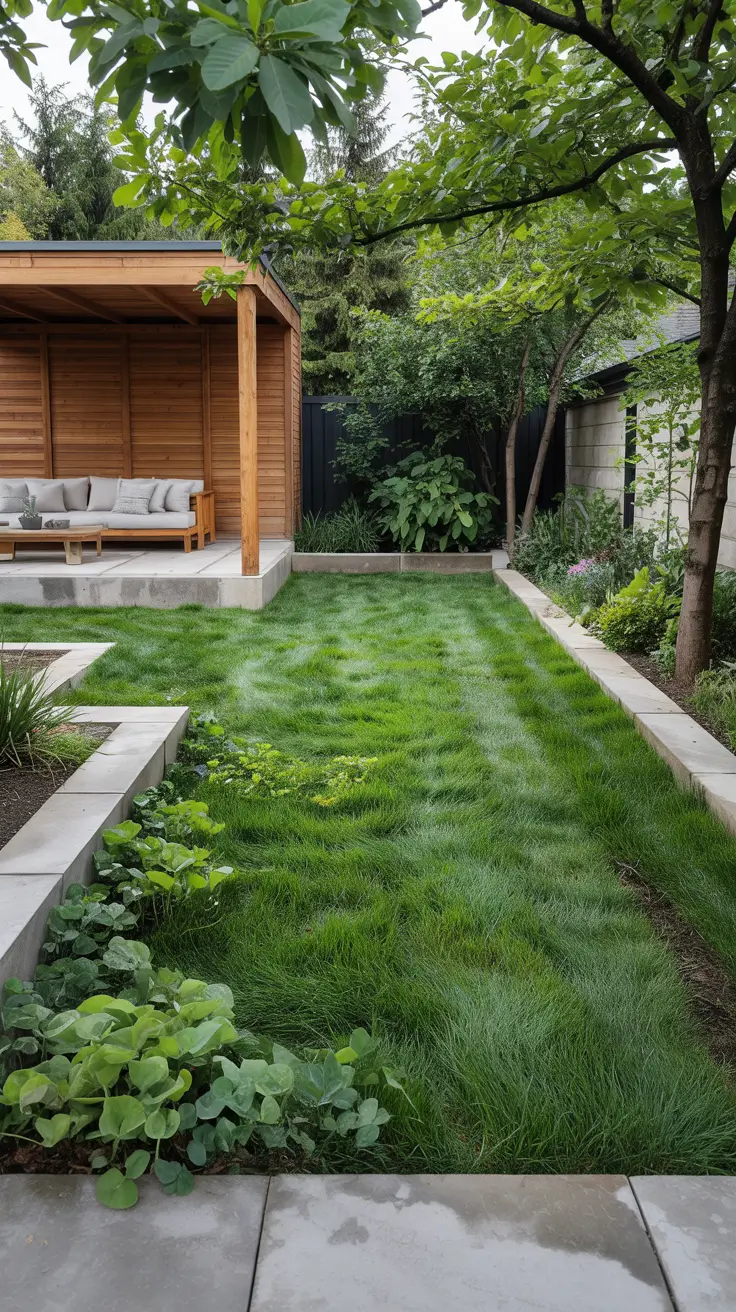
I usually suggest a mix of micro clover and drought-resistant grass. This combination results in a lush, dense lawn that stays green longer throughout the year. Adding edging, pathways, and simple outdoor furniture helps maintain a clean and organized appearance.
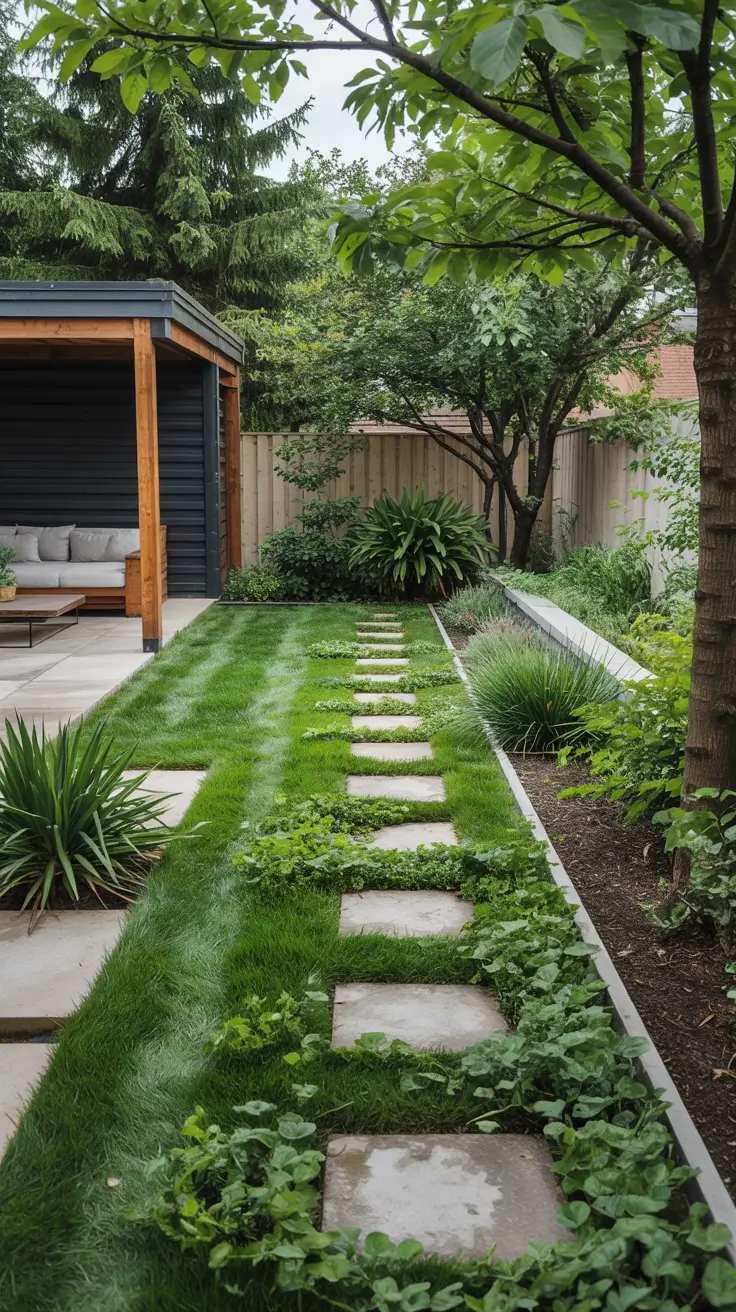
In my opinion, this hybrid approach is the best transition for those who are not ready to fully replace traditional grass lawns. It offers the benefits of clover while retaining a familiar look.
What I would include here is a comparison table between pure clover lawns and hybrid lawns, helping readers choose the best option for their needs.
15. Best Clover Lawn Ideas for Small and Large Outdoor Spaces
I approach clover lawn ideas differently depending on the scale of the space, but the core principle remains the same – balance and usability. In small areas, I focus on maximizing openness and visual continuity, while in larger landscapes, I create distinct zones connected by clover lawns as a unifying surface. Clover adapts well in both cases, making it a versatile solution for modern outdoor design.
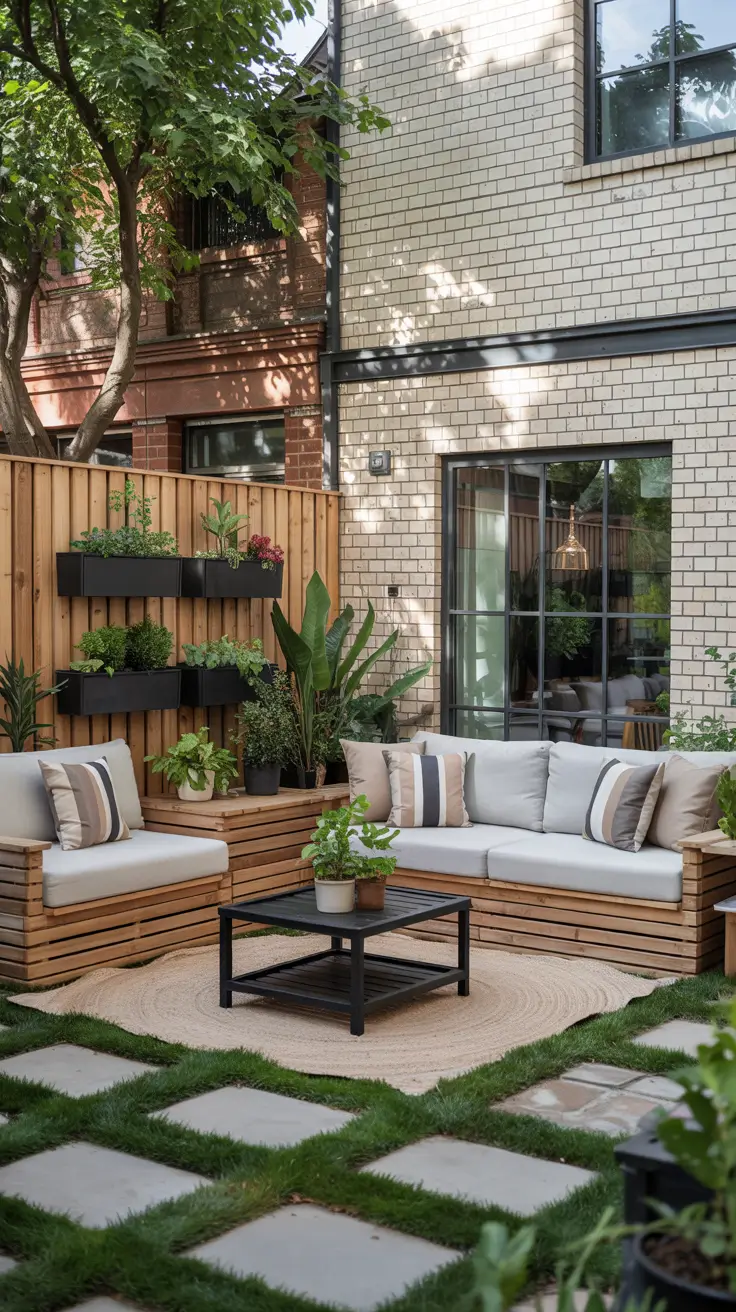
For compact spaces, I typically use micro clover combined with vertical elements like slim planters or wall greenery. In larger yards, I introduce pathways, seating areas, and layered planting beds. Furniture selection plays a key role – I prefer lightweight, modular pieces for small yards and more substantial seating arrangements for expansive backyards.
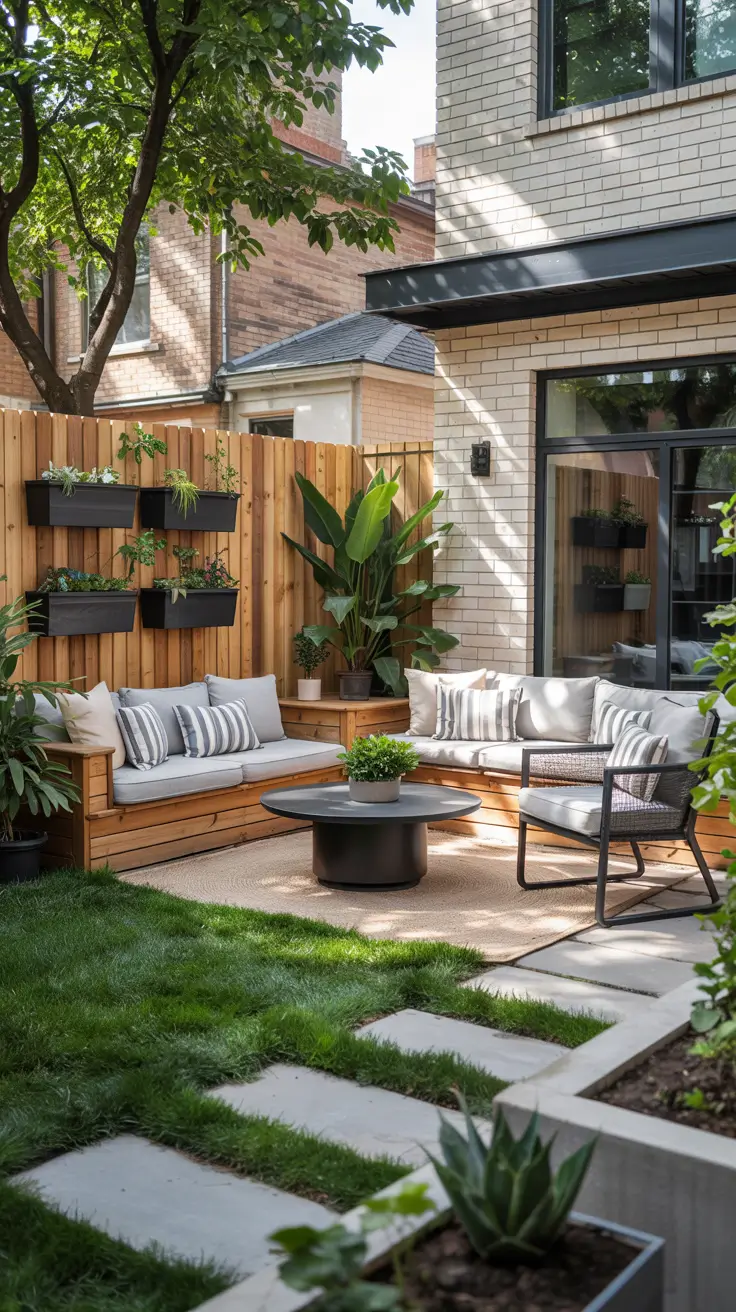
From my experience, clover lawns help visually expand small spaces because of their soft texture and uniform color. In larger areas, they reduce maintenance significantly compared to traditional grass, which is often a priority for homeowners.
What I would refine here is a clearer distinction between zoning techniques for large properties and space-saving strategies for compact urban yards.
16. How to Grow a Clover Lawn Successfully in Any Climate
When I explain clover lawn how to grow properly, I always start with soil preparation and seed selection. Whether it is white dutch, micro, or crimson clover, the success of the lawn depends on proper planting conditions. Clover is adaptable, but it still requires a well-prepared base to establish evenly.
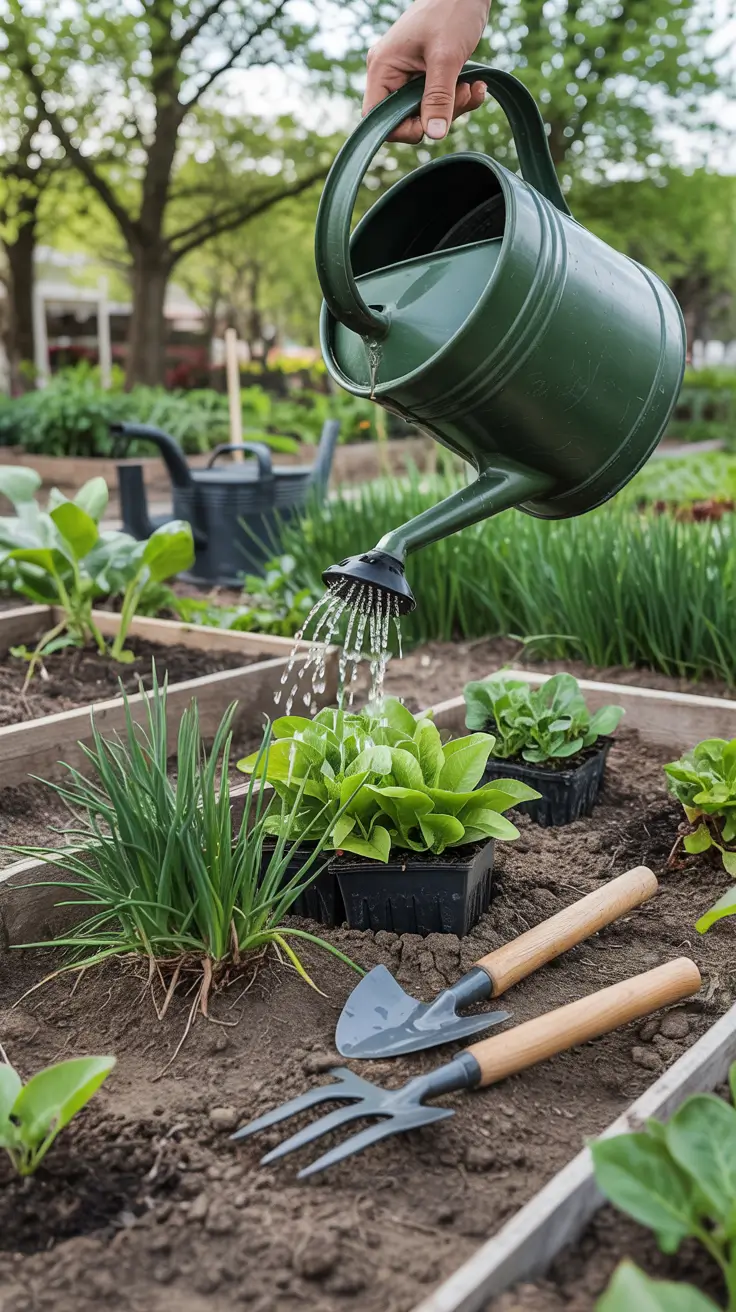
I usually recommend loosening the soil, removing debris, and lightly leveling the surface before planting. Seeding should be done evenly, followed by gentle watering to support early growth. Clover lawns do not require heavy fertilization, which makes them more sustainable compared to traditional grass.
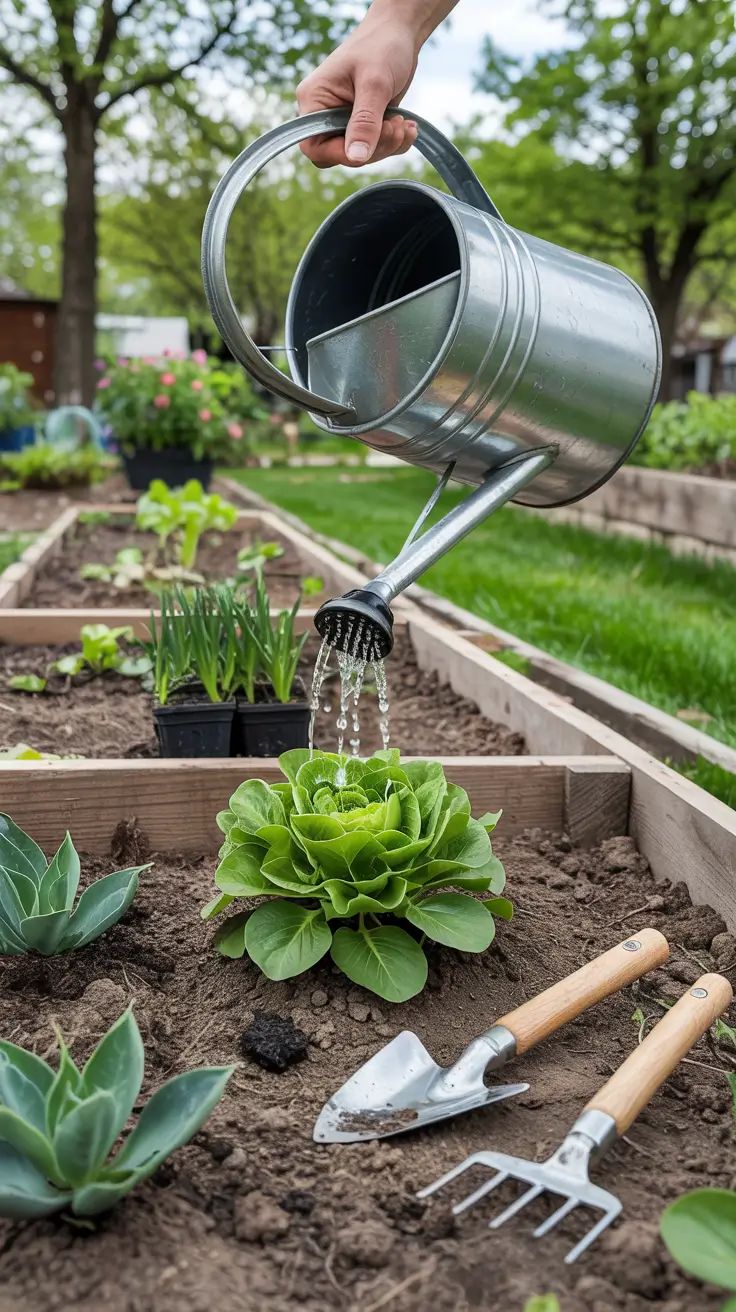
In my practice, I have seen clover thrive in a wide range of climates, from dry to moderately wet conditions. Many gardening experts note that clover fixes nitrogen in the soil, which improves overall lawn health naturally.
What I would add here is a seasonal calendar for planting and maintenance, especially for regions with varying climates.
17. Clover Lawn UK Trends: Natural Lawns for Rainy and Cool Regions
Looking at clover lawn UK trends, I notice a strong preference for resilient, moisture-tolerant landscaping. Clover performs particularly well in rainy and cool environments, making it an ideal choice for these conditions. I design such lawns with drainage and airflow in mind to prevent waterlogging.
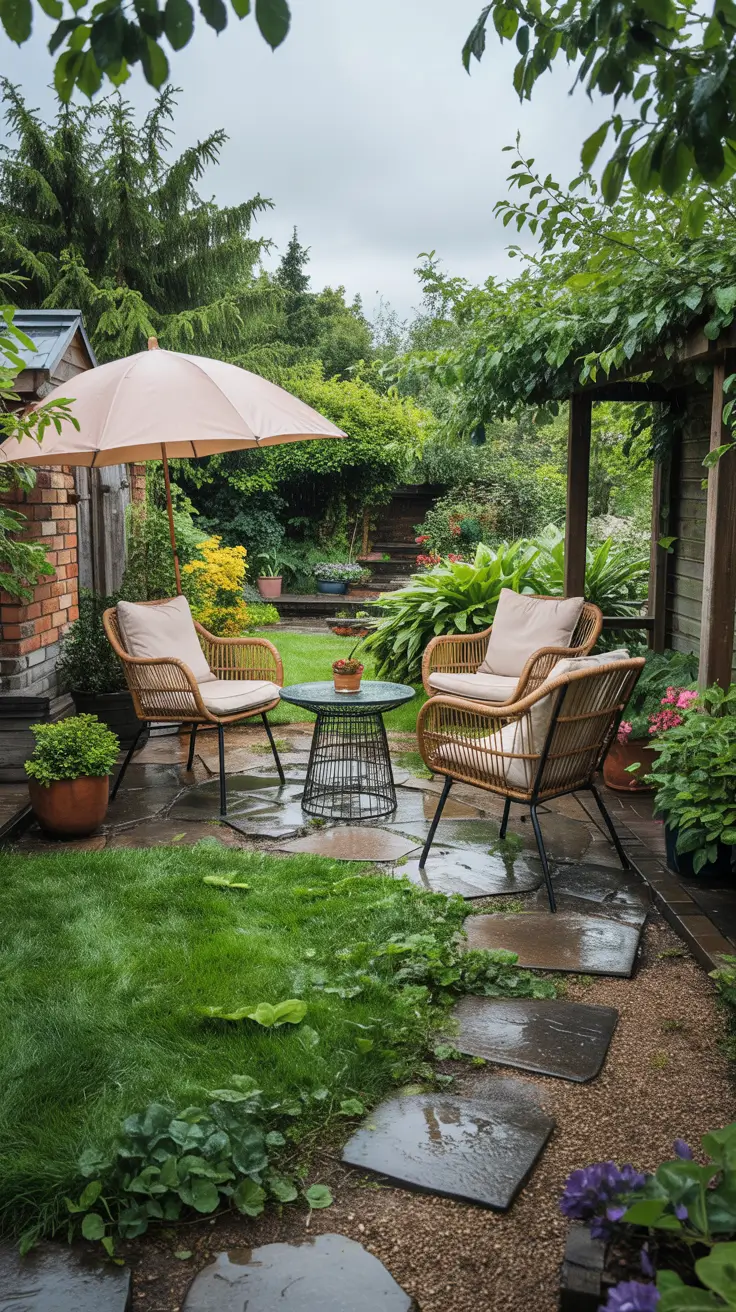
In these landscapes, I often combine clover with gravel paths, raised edges, and moisture-resistant materials. Furniture is typically weatherproof, such as treated wood or metal, to withstand frequent rain. The layout remains simple to ensure practicality.
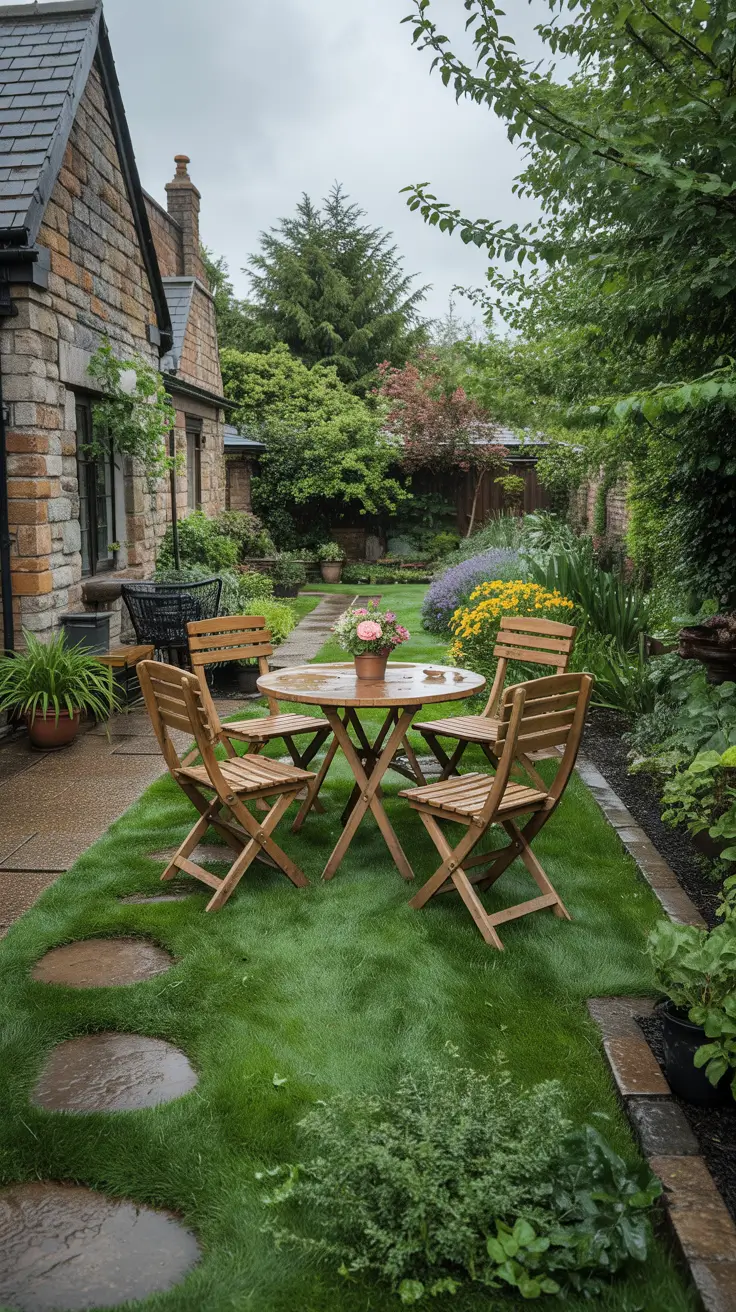
From my perspective, clover lawns in cooler climates maintain a healthier appearance compared to traditional grass, which can struggle with excess moisture. This makes clover a reliable and visually pleasing solution.
I would enhance this section by including specific clover varieties best suited for cool climates, such as white dutch clover.
18. Clover Lawn Drawing Inspiration for Planning Your Landscape Design
Before starting any project, I often create a clover lawn drawing to visualize the layout. This step helps define pathways, planting zones, and focal points. Even a simple sketch can significantly improve the final outcome by providing clarity.
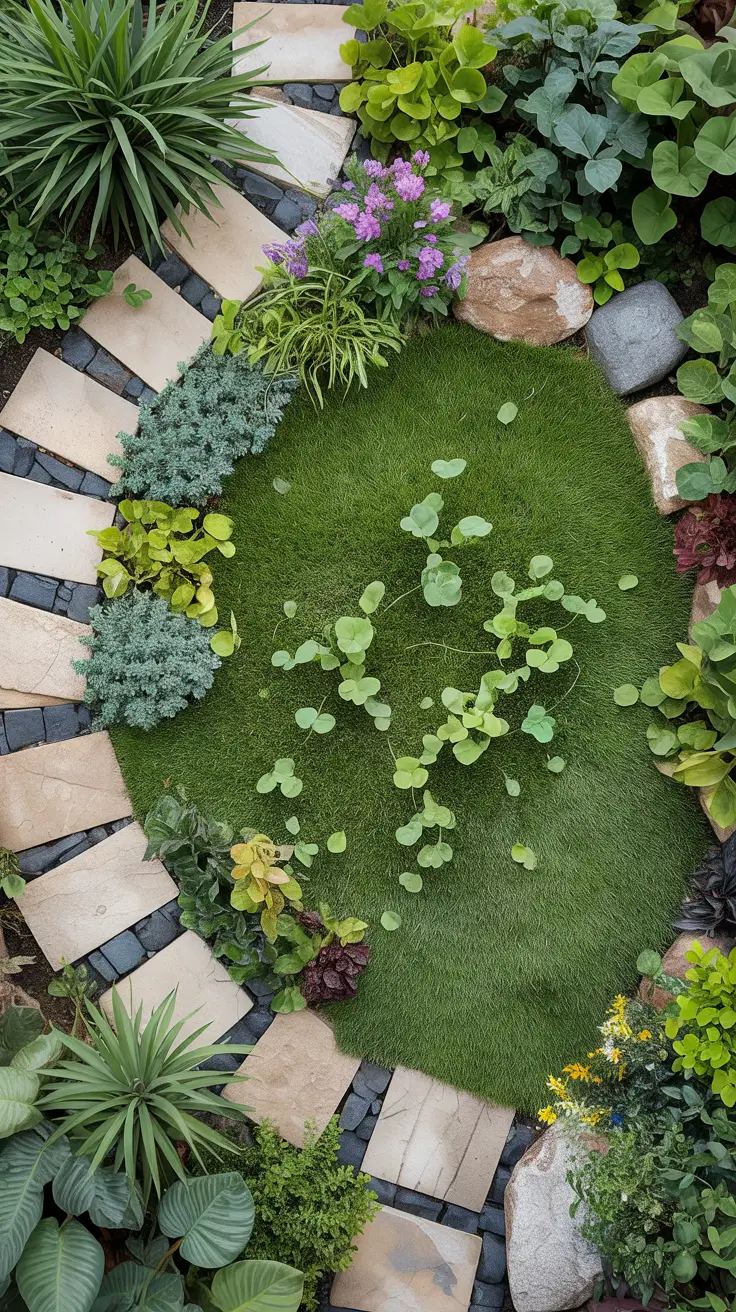
I include elements such as clover lawn pavers, seating areas, and garden beds in the drawing. This allows me to test different arrangements and ensure that the design remains functional. It also helps in selecting appropriate materials and proportions.
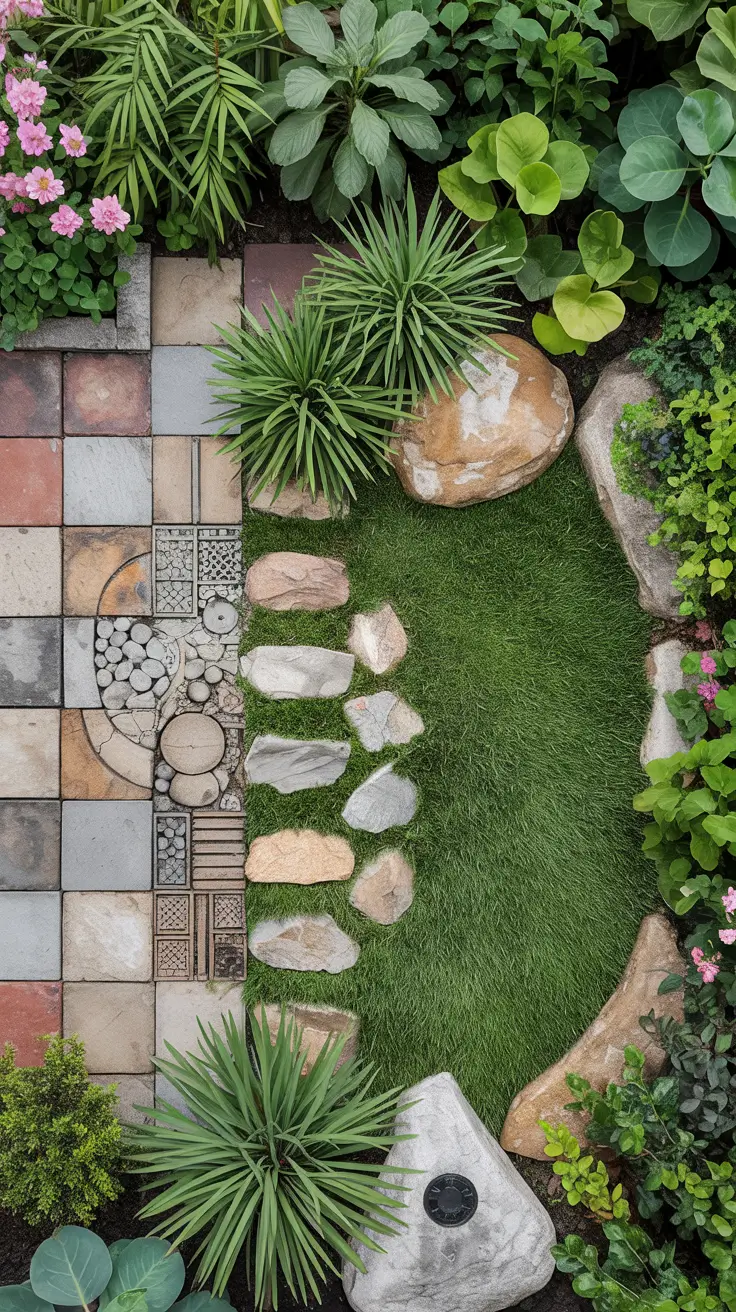
Personally, I find that planning reduces mistakes and saves time during implementation. Many professional designers rely on preliminary sketches or digital layouts for the same reason.
What I would add here is guidance on using digital tools or apps for more precise landscape planning.
19. Clover Lawn for Dogs: Durable, Soft, and Pet-Friendly Solutions
Designing a clover lawn for dogs requires attention to durability and safety. Clover creates a soft surface that is comfortable for pets while also being more resistant to wear compared to traditional grass. I always consider how pets will use the space.
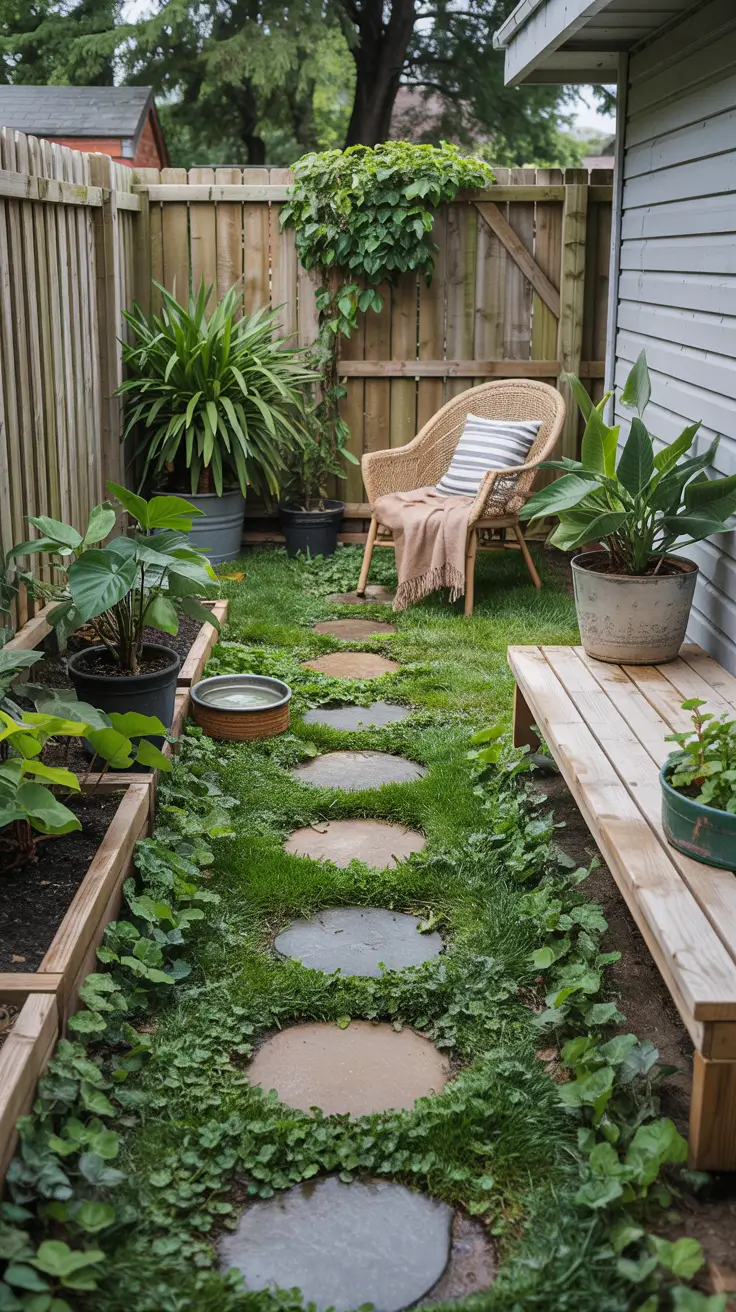
I typically include reinforced pathways, shaded areas, and water access points. Clover is less likely to develop bare patches, which makes it ideal for active dogs. I also avoid toxic plants and ensure that all materials are pet-safe.
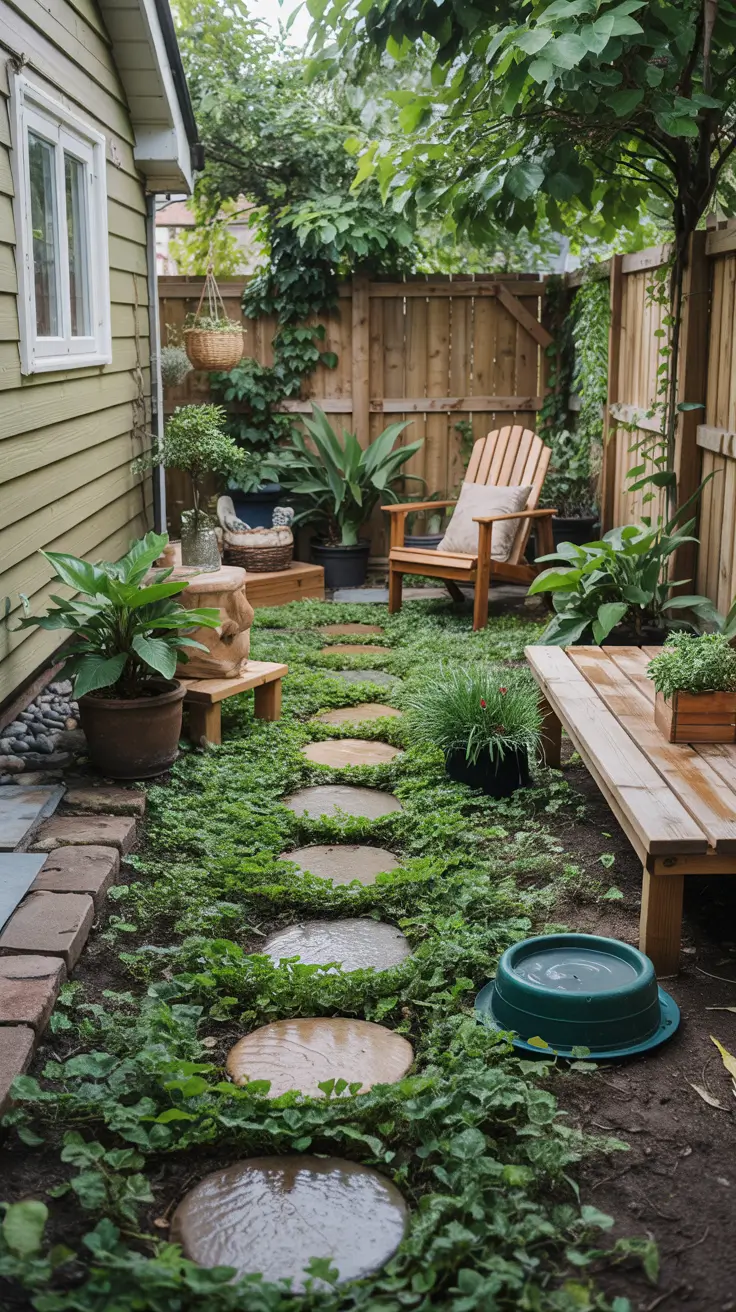
From my experience, pet owners appreciate how clover lawns stay green and recover quickly. It also reduces mud, which is a common issue in traditional lawns.
I would improve this section by adding tips on training pets to use specific zones and maintaining cleanliness in high-traffic areas.
20. Micro Clover Lawn Ideas for a Clean and Minimalist Look
Micro clover lawn ideas are perfect for achieving a clean and modern outdoor aesthetic. I use micro clover when I want a uniform, fine-textured surface that closely resembles traditional grass but offers better sustainability.
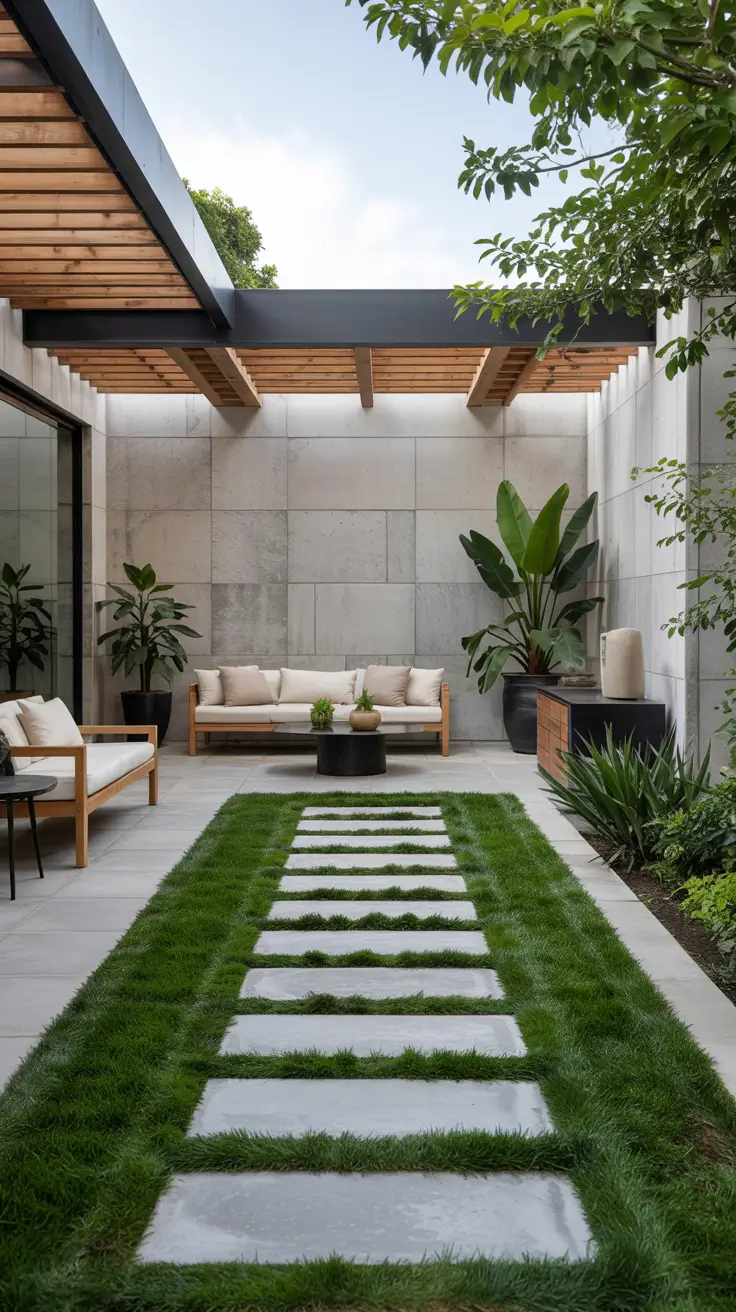
In these designs, I keep everything minimal – straight pathways, simple furniture, and neutral tones. Materials like concrete, light wood, and metal complement the refined look. The goal is to create a calm and uncluttered space.
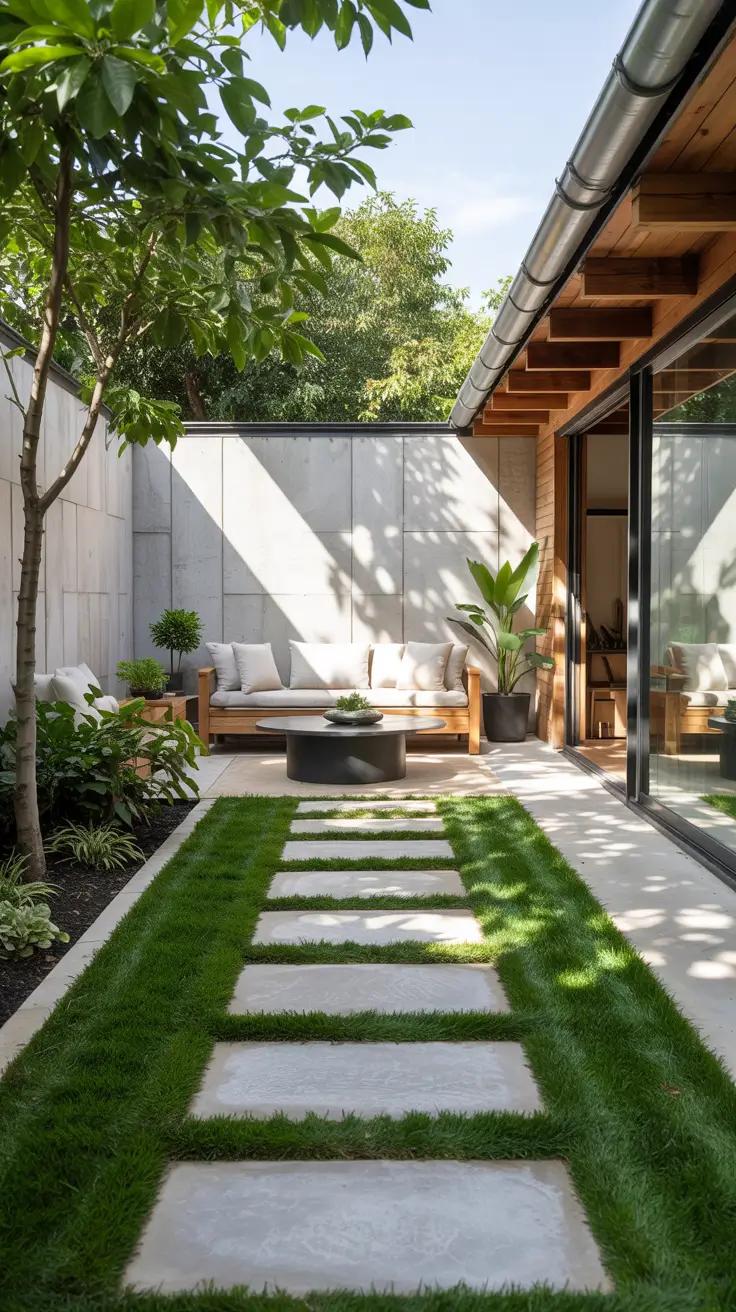
I personally prefer micro clover for contemporary homes because it blends seamlessly with modern architecture. It creates a polished appearance without requiring intensive maintenance.
What could be added here is a comparison between micro clover and standard clover in terms of durability and visual texture.
21. White Clover Lawn Designs That Brighten Any Outdoor Area
White clover lawn designs stand out because of their brightness and ability to reflect light. I use white clover to make outdoor spaces feel more open and inviting, especially in shaded or compact areas.
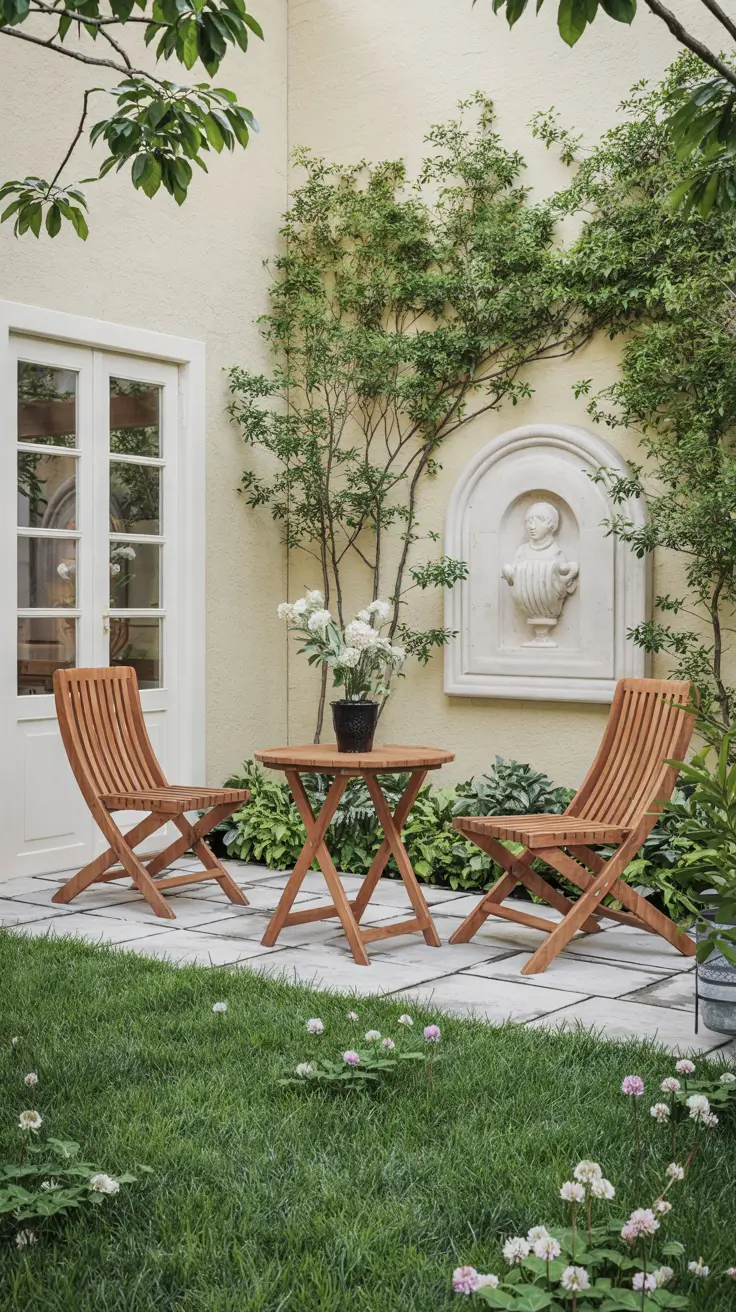
I often pair white clover with light-colored pavers, wooden furniture, and soft landscaping elements. This combination enhances the airy feel of the space. It works particularly well in both front yards and backyard settings.
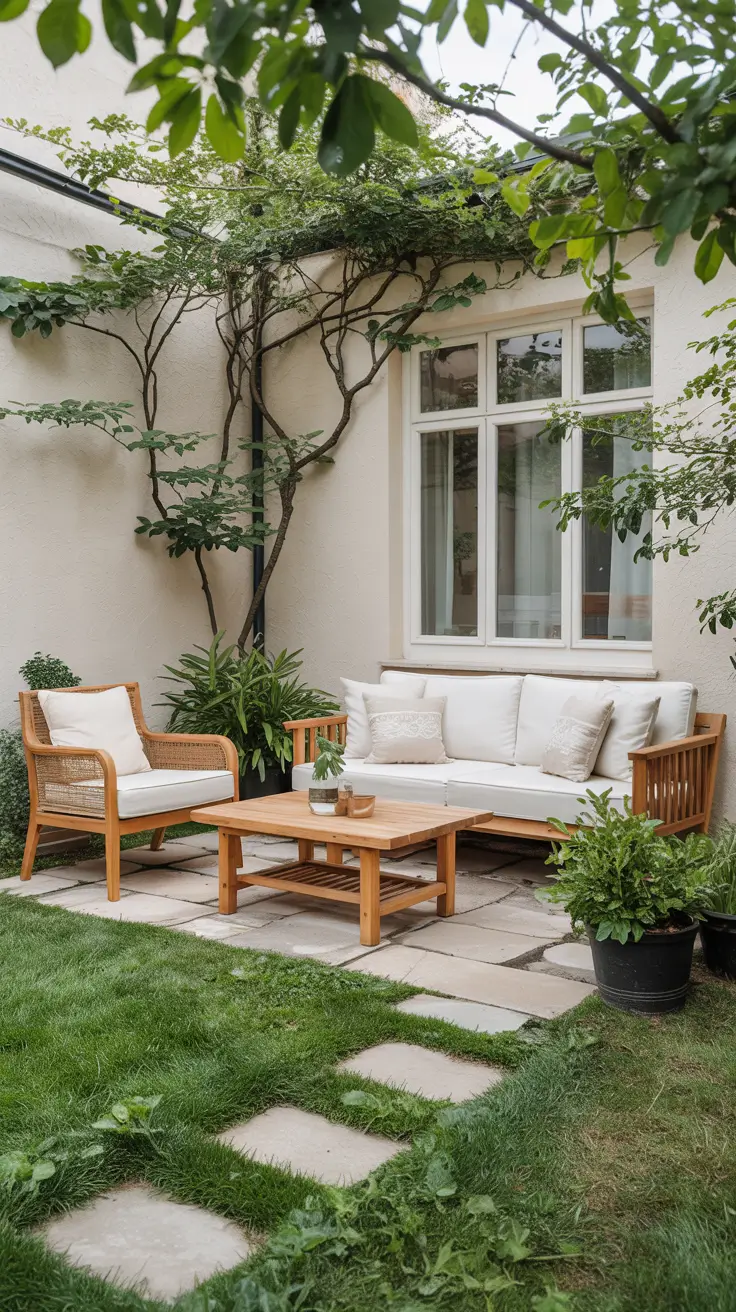
From my perspective, white clover creates a timeless look that fits various design styles. It also adds subtle seasonal interest when it blooms, enhancing the overall aesthetic.
I would expand this section by including maintenance tips for keeping the lawn evenly colored and preventing overgrowth.
22. Clover Lawn UK Style Gardens for Natural and Cottage Looks
I often draw inspiration from clover lawn UK style gardens when aiming for a soft, natural look. These designs emphasize informality, blending clover with traditional cottage garden elements to create a relaxed and inviting atmosphere.
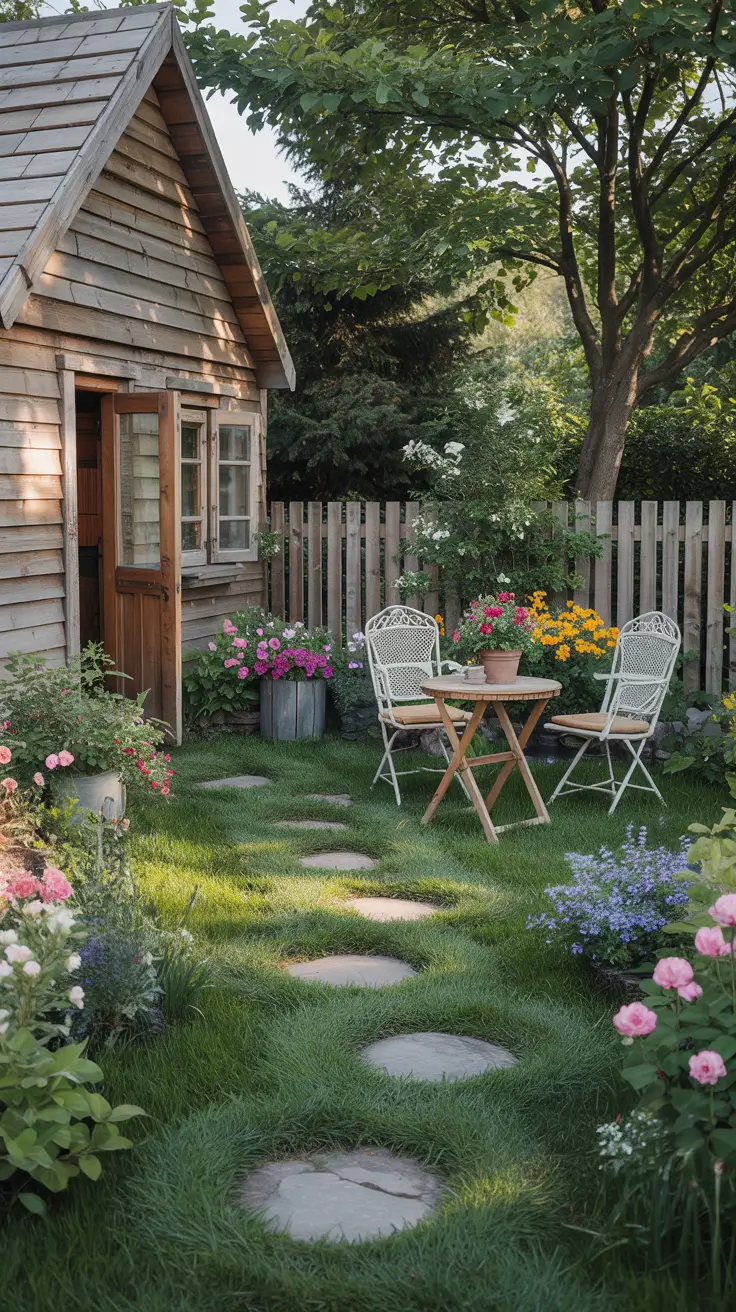
I typically include winding paths, mixed planting beds, and vintage-style furniture. Materials like brick, stone, and weathered wood enhance the authenticity of the design. Flowering plants and herbs integrated into the clover lawn add layers of texture and fragrance.
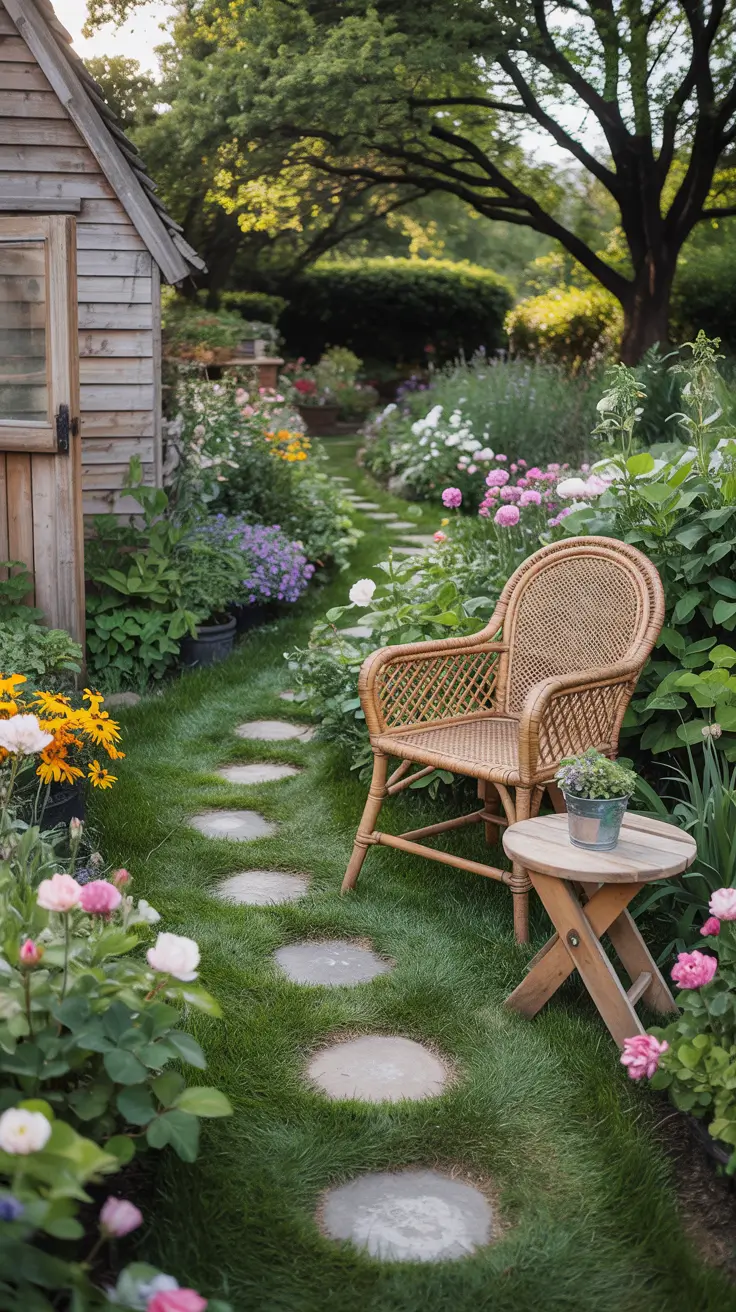
From my experience, this style is perfect for those who appreciate a more organic and less structured approach to landscaping. It feels timeless and welcoming.
What I would include here is a seasonal planting calendar to help maintain the garden’s visual interest throughout the year.