Are you looking for fresh and creative garden path design ideas for 2026 that combine beauty, function, and personality? Wondering how to design curved pathways, a front garden path design, or even a Japanese-inspired sensory garden that feels like a peaceful escape? In this guide, I will walk through modern and natural approaches to garden path designs, including Acnh-inspired layouts, brick and wood solutions, and practical garden path design plans you can actually apply.
1. Garden Path Design 2026 – Creative Ideas for Modern and Natural Landscapes
I approach modern garden path design by balancing structure with nature. In 2026, I see a strong trend toward blending natural pathways with clean geometry, especially when creating a flexible garden path design plan. Whether I work on a compact front yard or a spacious landscape, I focus on how the path guides movement and connects zones like seating areas, flower beds, and entry points.
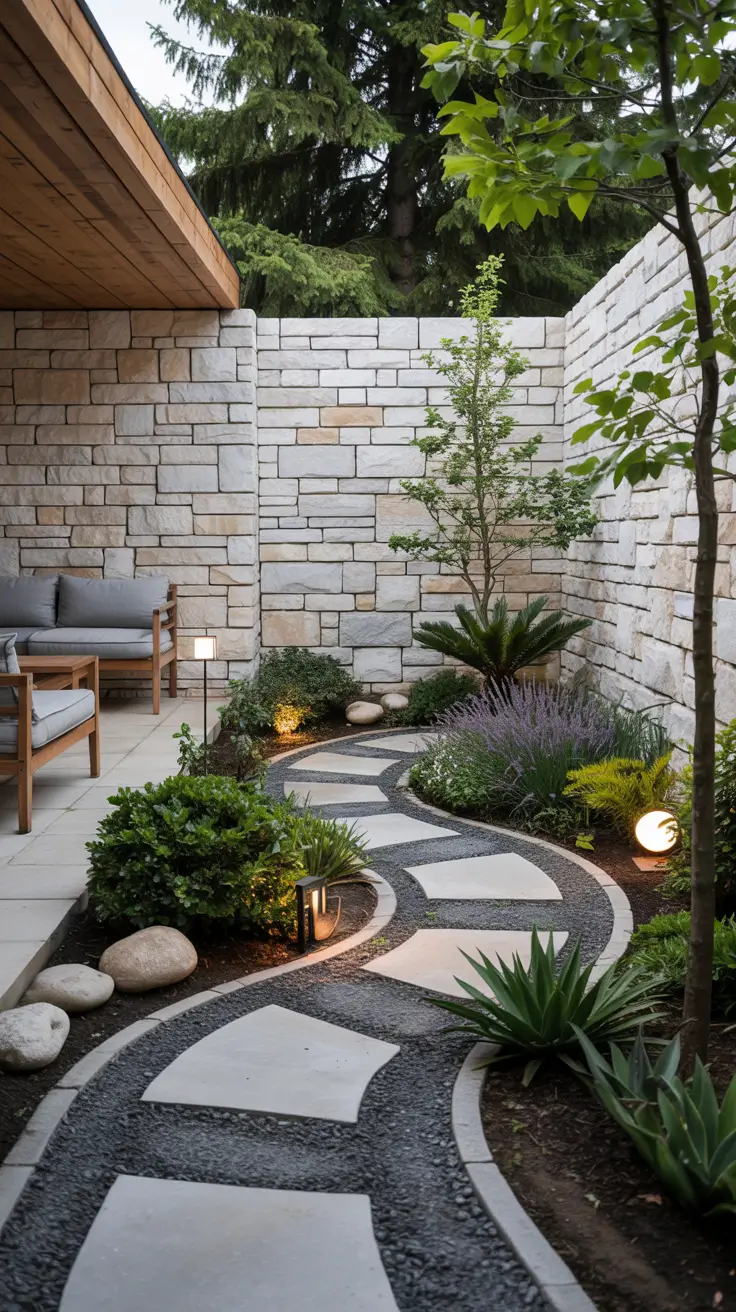
I typically combine materials such as stone, gravel, and wood stamped concrete to create layered textures. I also include subtle lighting, low-profile edging, and integrated planting zones with flower and rock elements. These choices ensure that the path is not only visually appealing but also durable and easy to maintain.
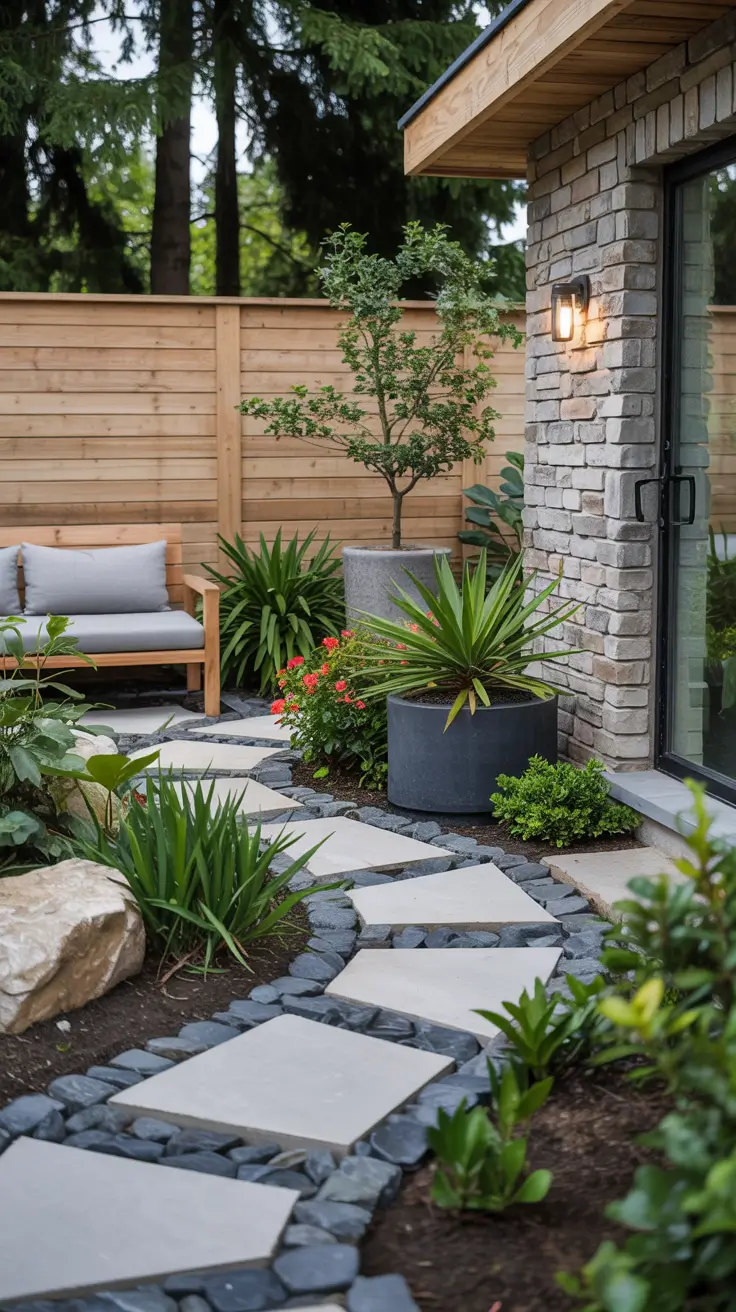
From my experience, the most successful designs feel intentional but not rigid. Publications like Architectural Digest often emphasize the importance of “flow” in outdoor spaces, and I fully agree – a path should feel like a natural extension of the landscape rather than a forced addition.
What I would add here is a stronger focus on seasonal adaptability – for example, choosing materials that perform well in different climates and incorporating drainage solutions early in the design process.
2. Curved Garden Path Design Ideas for a Soft and Organic Look
When I design curved garden path designs pathways, I focus on creating a sense of movement and calm. Curved layouts work especially well in cottage and natural-style gardens, where straight lines can feel too rigid. I often use curves to guide visitors through different visual moments, making even a small garden feel larger.
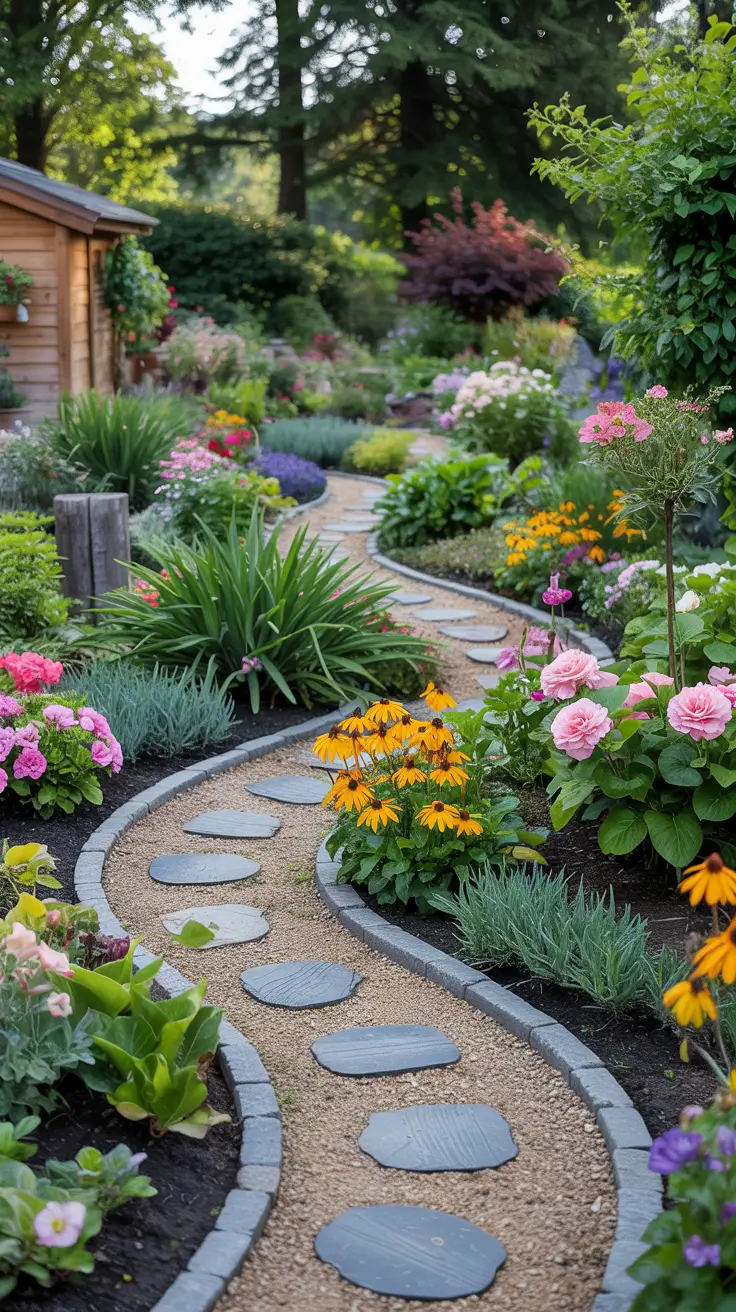
I usually pair curved paths with soft materials like gravel, stepping stones, or lightly textured concrete. Surrounding the path with flower beds, ornamental grasses, or even Acnh flower inspired layouts helps reinforce the organic feel. Edging is important too – I prefer subtle borders like metal strips or natural stone.
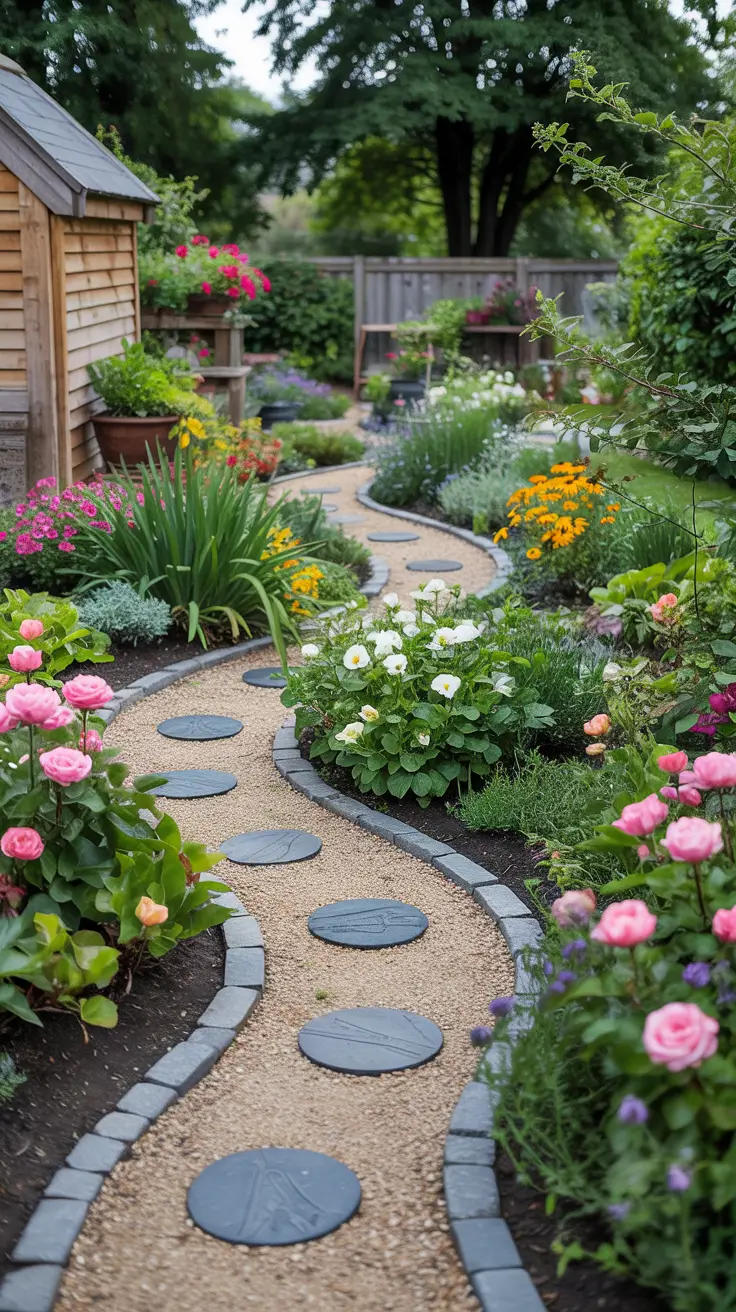
In my opinion, curved paths are one of the easiest ways to elevate a garden without major structural changes. Many designers recommend avoiding symmetry in such layouts, and I’ve found that slight irregularities actually make the design more natural and inviting.
What’s missing here is seating integration – adding a small bench or resting point along the curve can enhance both functionality and user experience.
3. Front Garden Path Design Trends That Boost Curb Appeal
Designing a front garden path design is about making a strong first impression. I always consider how the path frames the entrance and complements the architecture of the home. In 2026, I see a rise in minimal but bold layouts that combine symmetry with modern materials.
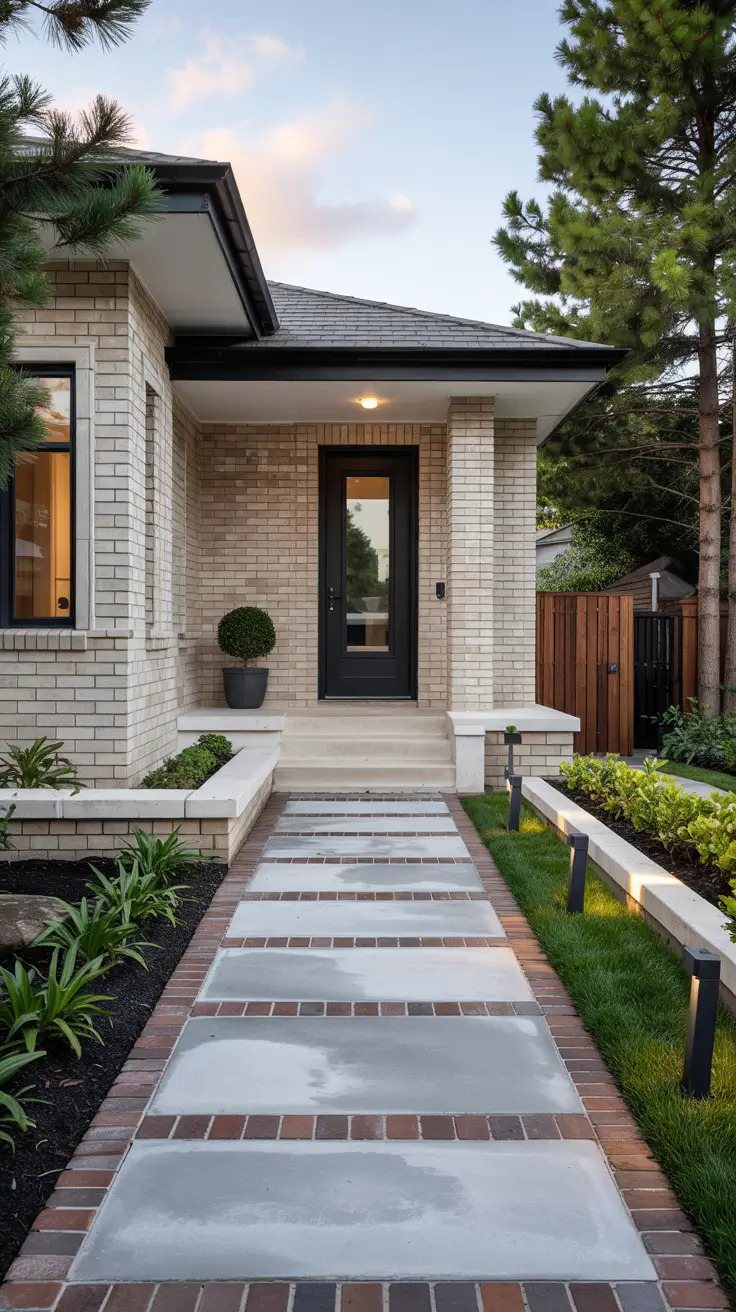
I typically use materials like brick, concrete pavers, or stone slabs, arranged in clean patterns. Lighting plays a key role – I integrate pathway lights or recessed LEDs to highlight the structure at night. I also incorporate low-maintenance plants along the edges to keep the entrance neat.
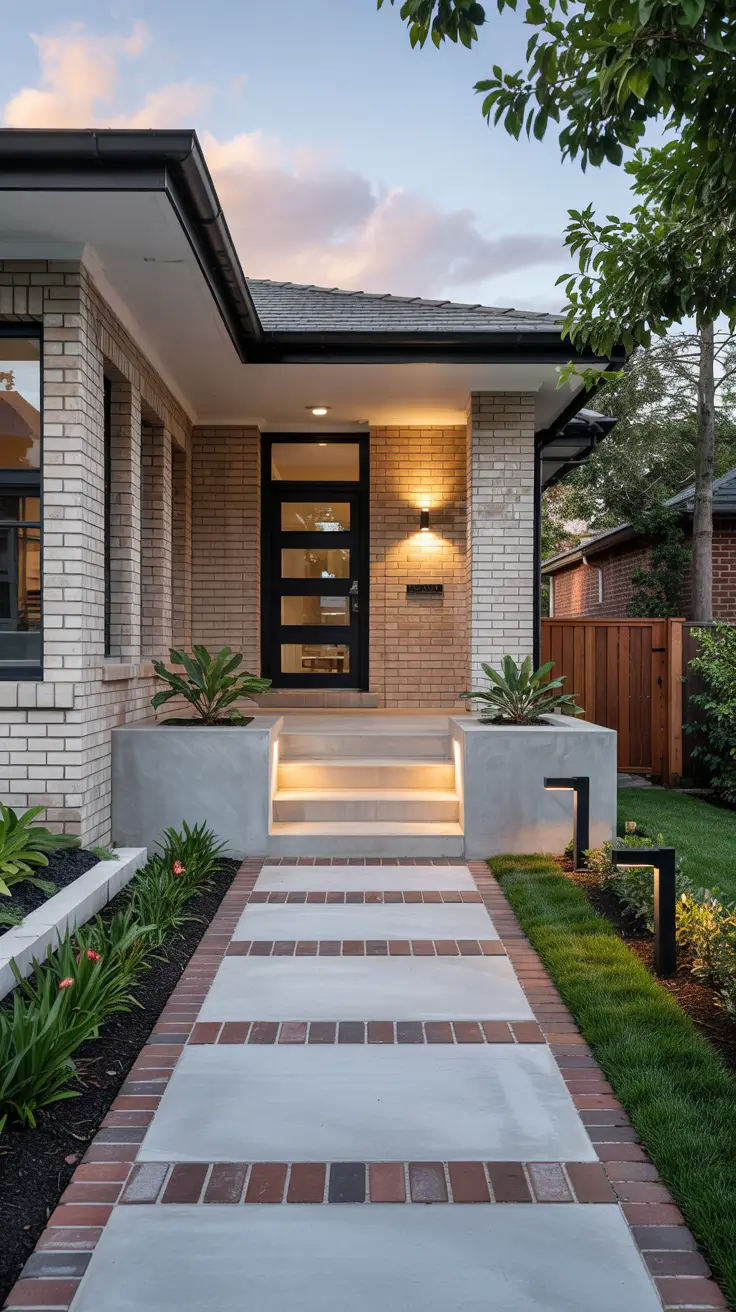
From my perspective, curb appeal is not just about aesthetics but also clarity. A well-designed front path should clearly guide guests to the entrance without confusion. Many landscaping experts emphasize this principle, and I consistently apply it in my projects.
I would improve this section by adding more emphasis on accessibility, such as non-slip surfaces and comfortable path widths for all users.
4. Japanese Garden Path Design 2026 – Minimalism and Harmony
When I work on a Japanese garden path design, I focus on simplicity, balance, and mindfulness. These paths are not just functional – they are part of a larger sensory and emotional experience. I often design them to slow down movement and encourage observation.
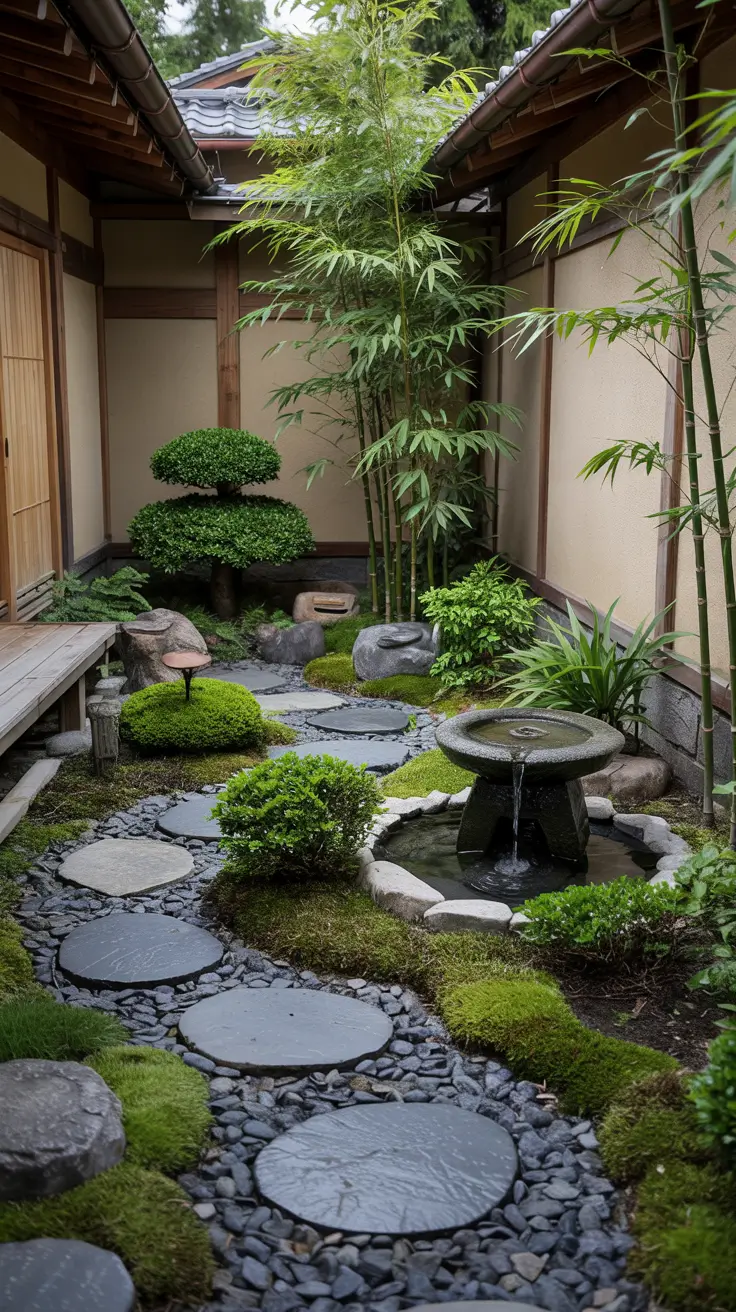
I use materials like stepping stones, gravel, and moss, carefully spaced to create rhythm. Elements like bamboo, water features, and rock gardens enhance the atmosphere. I also draw inspiration from Acnh zen and Animal Crossing layouts, which surprisingly reflect many traditional principles.
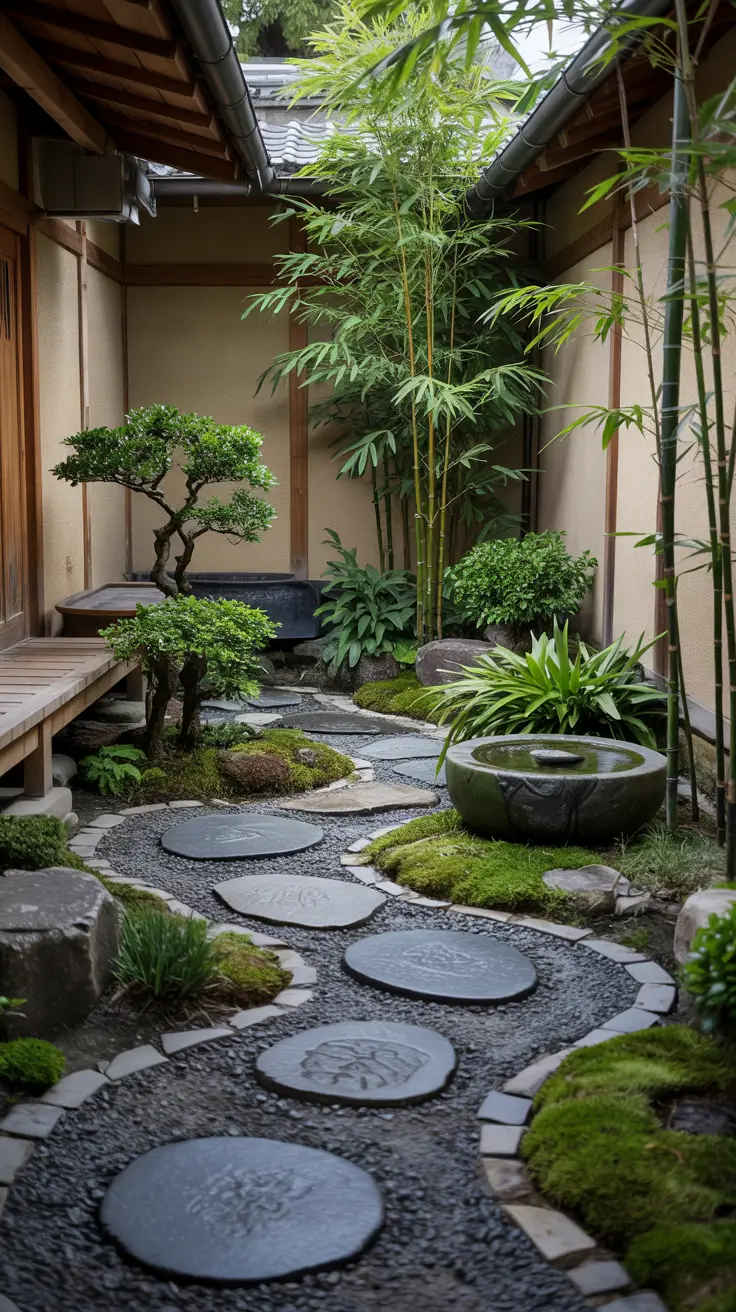
Personally, I find Japanese paths incredibly calming. The design philosophy aligns with what many experts highlight – less is more, and every element should have a purpose. I always aim to create a space that feels peaceful and intentional.
What could be added here is guidance on maintenance, especially for moss and gravel surfaces, which require regular care to preserve their aesthetic.
5. Cottage Garden Path Designs for a Romantic Outdoor Feel
Cottage-style paths are some of my favorite garden path design ideas because they feel warm and inviting. I design them to look slightly overgrown, with plants spilling over the edges and soft curves guiding the way.
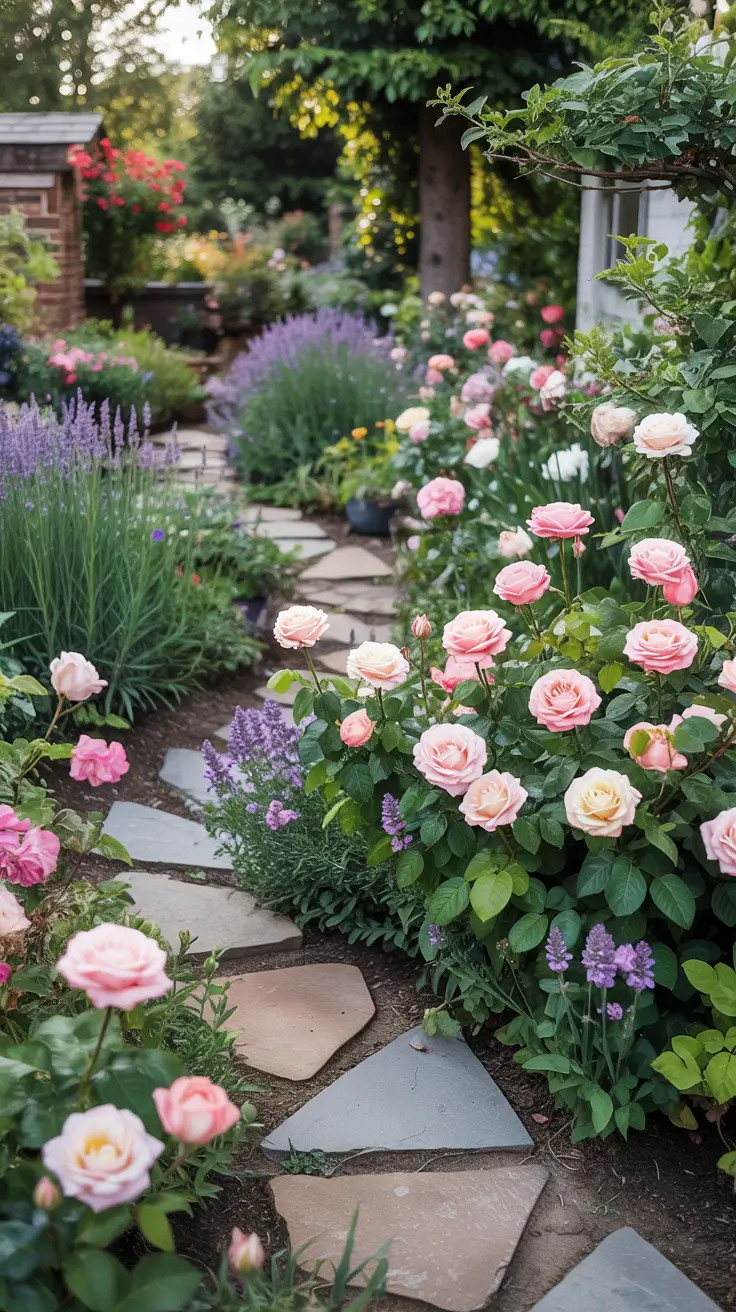
I often use irregular stone slabs, gravel, or aged brick. Surrounding the path with dense planting – roses, lavender, and mixed flower gardens – creates that signature romantic look. Small decorative elements like arches or trellises can enhance the charm.
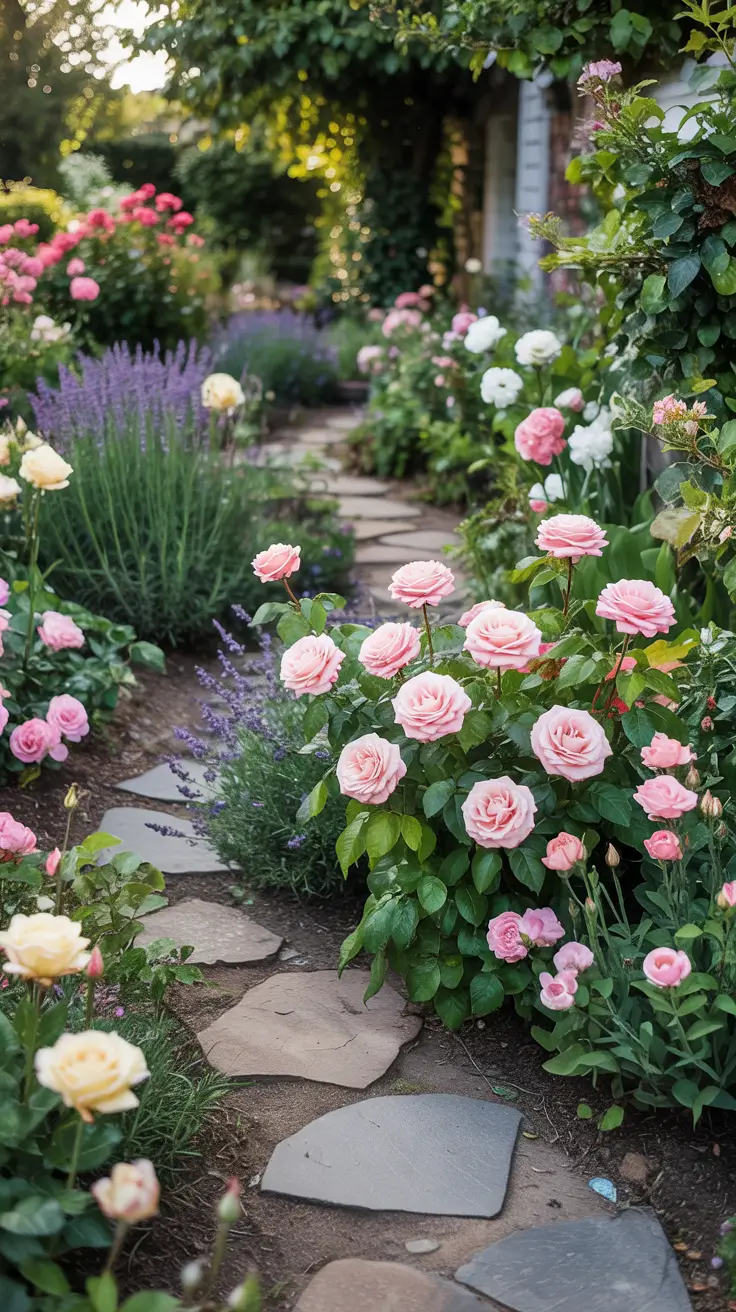
In my experience, cottage paths are about embracing imperfection. Many designers highlight the importance of layering textures and colors, and I always follow that principle to achieve depth and richness.
I would expand this section by suggesting plant combinations that bloom in different seasons to maintain visual interest year-round.
6. Brick Garden Path Design Ideas for Timeless Elegance
Brick paths remain one of the most reliable choices in brick garden path design ideas. I use them when I want a classic, structured look that still feels warm and approachable. They work especially well in both traditional and transitional gardens.
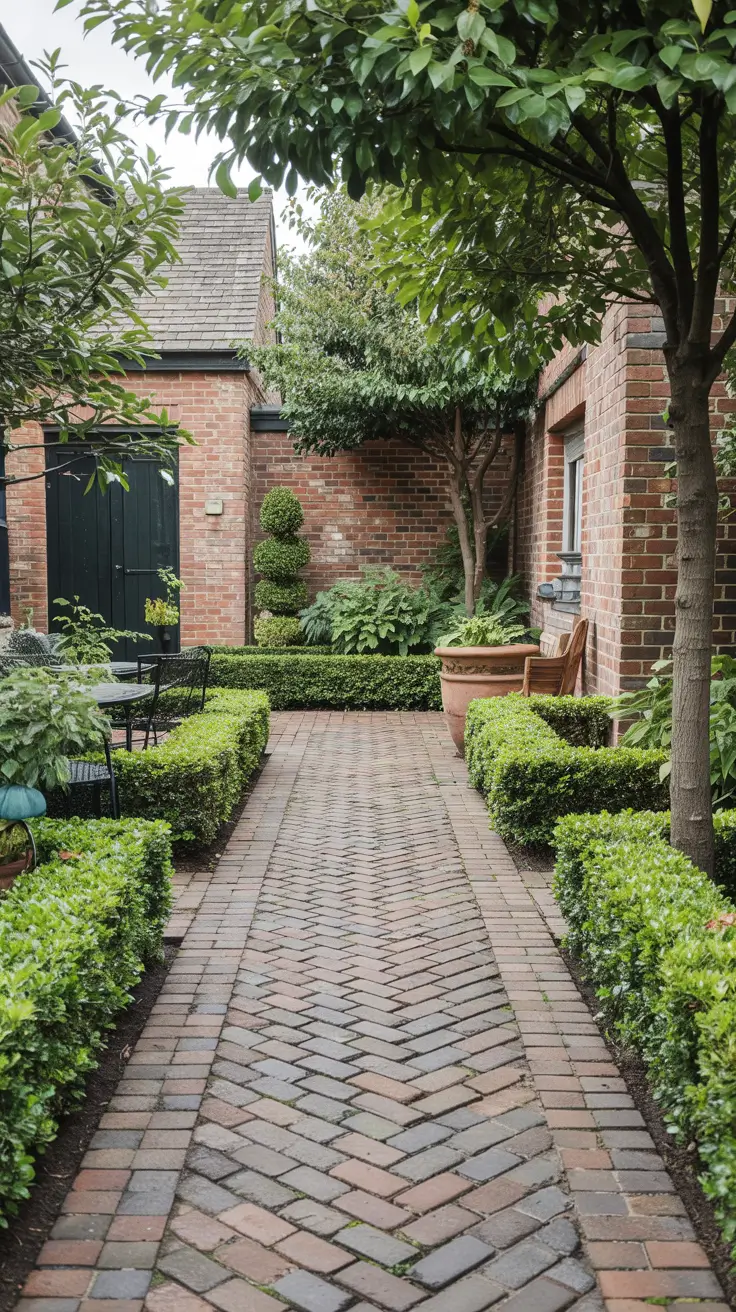
I typically experiment with patterns like herringbone, basket weave, or running bond. Brick pairs beautifully with greenery, especially when combined with structured hedges or simple lawn borders. I also ensure proper installation to prevent shifting over time.
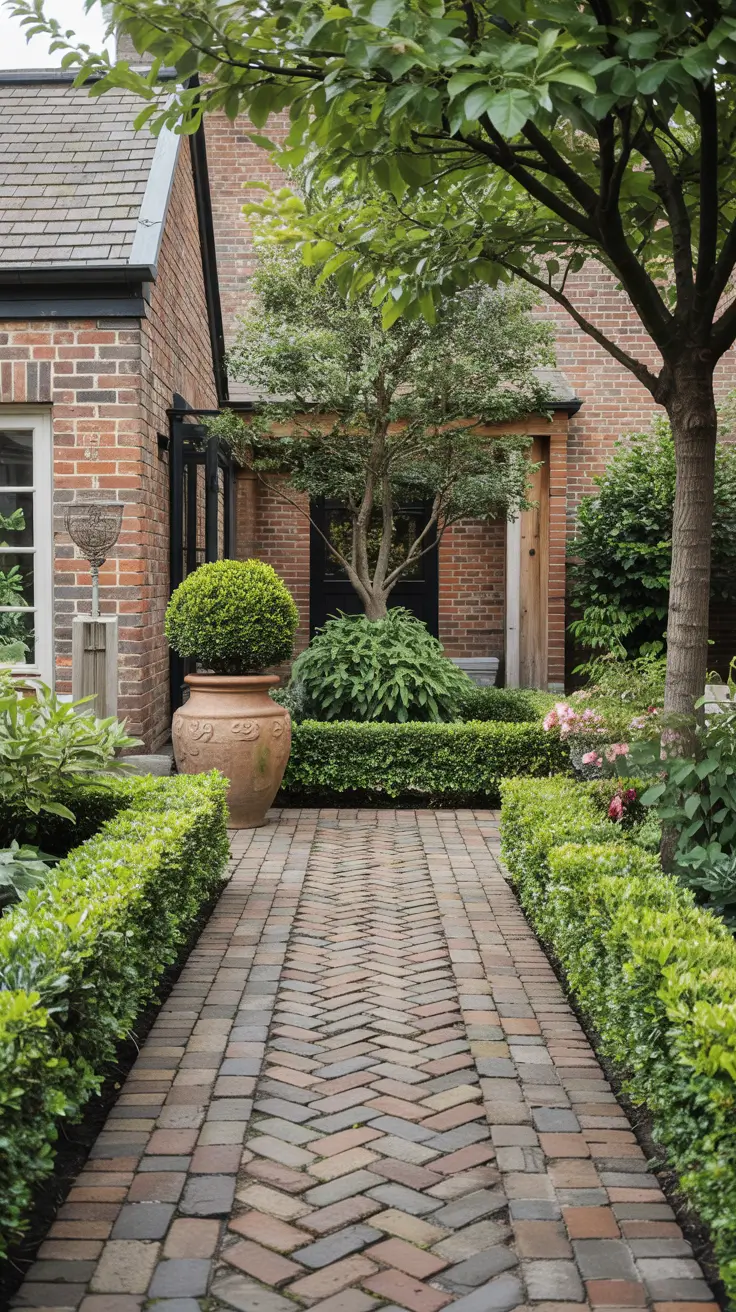
From my perspective, brick is both aesthetic and practical. It ages well and adds character over time. Many landscaping professionals recommend it for its durability and timeless appeal, and I’ve consistently seen great results.
What’s missing here is a discussion about color selection – choosing the right brick tone can significantly influence the overall mood of the space.
7. Wood and Boardwalk Garden Path Landscape Design Inspirations
For a more natural and relaxed look, I often design boardwalk garden path landscape design solutions. These are ideal for gardens with uneven terrain or areas that need elevation, such as near water features or soft soil zones.
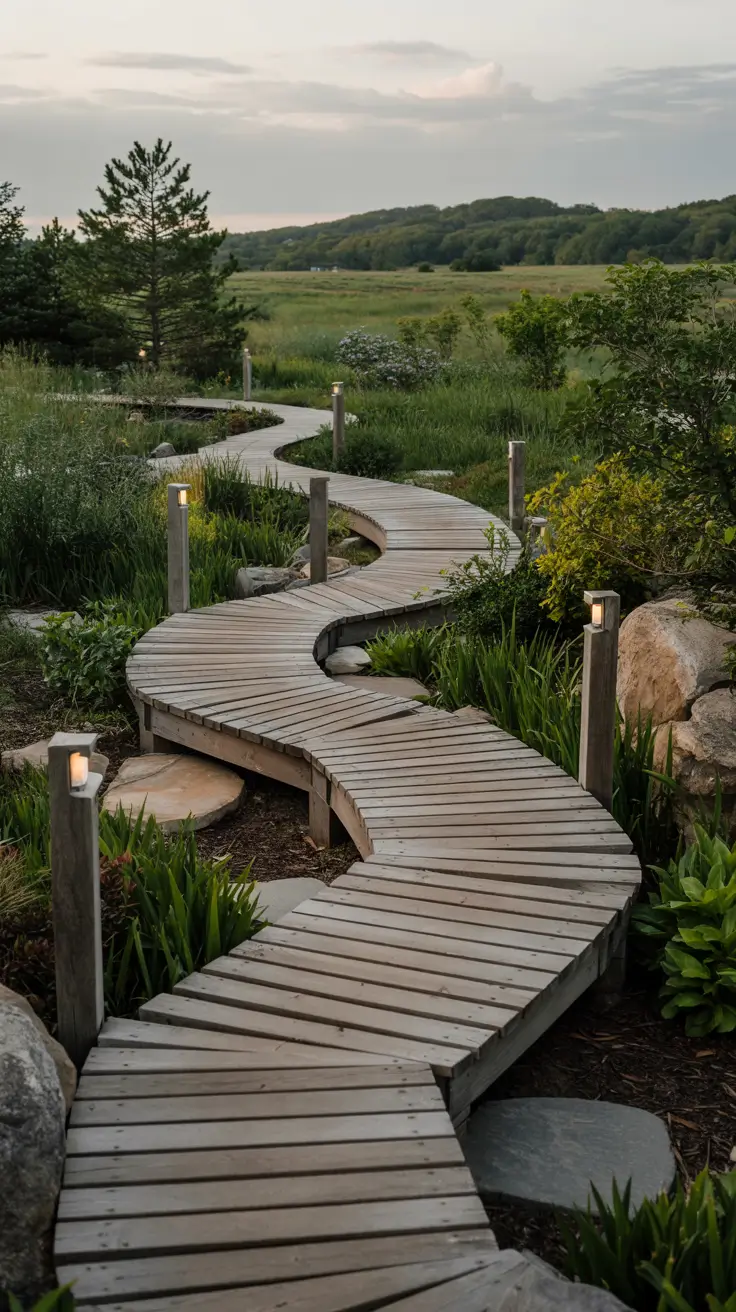
I use treated wood, composite decking, or reclaimed timber to build the pathway. Adding railings, integrated lighting, or even small seating platforms can enhance both safety and usability. The texture of wood creates a warm contrast with greenery.
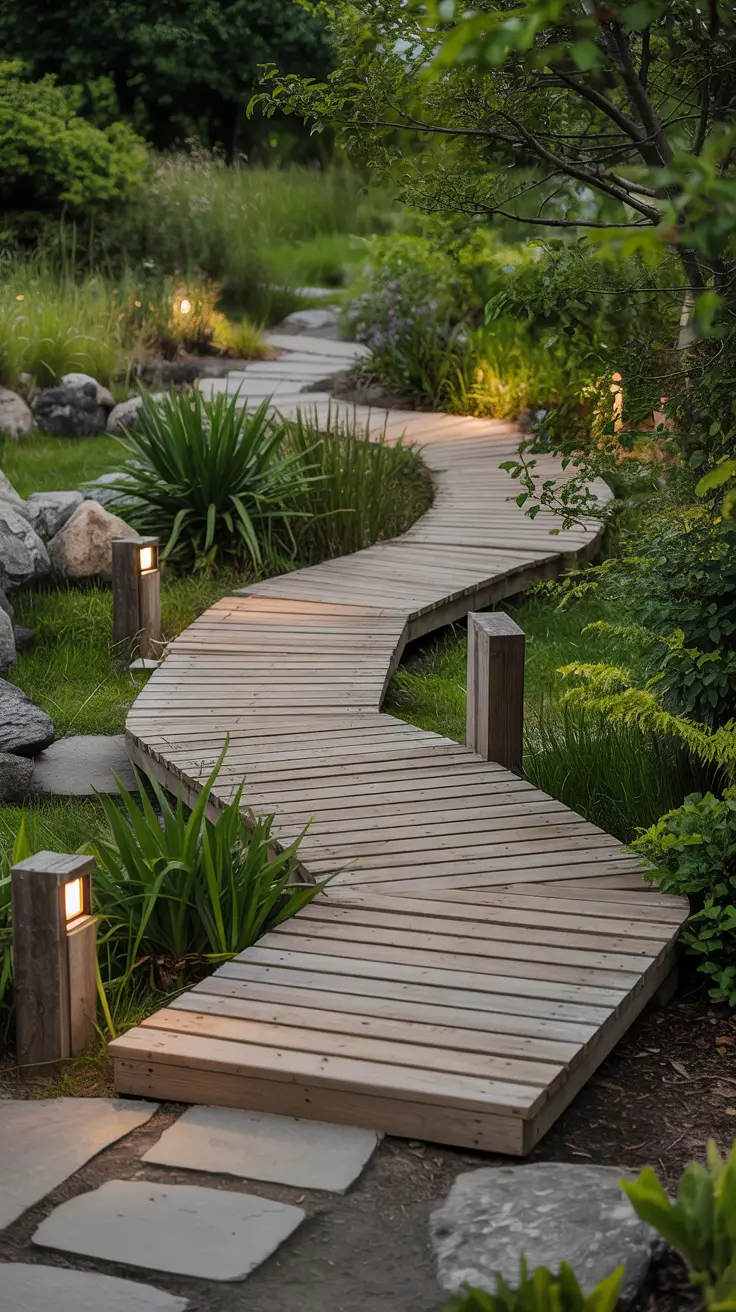
In my experience, wooden paths bring a unique character that other materials cannot replicate. They feel immersive and are perfect for creating a journey-like experience through the garden.
I would add more detail here about weather protection and sealing techniques to extend the lifespan of wooden pathways.
8. ACNH Garden Path Design Ideas for Creative Virtual Landscapes
I approach ACNH garden path design as a blend of digital creativity and real-world landscaping principles. In Animal Crossing, I focus on building layered pathways that guide movement across the island while visually dividing zones. A well-planned garden path design acnh concept allows me to simulate realistic transitions between areas like cottages, flower zones, and zen gardens, making the entire layout feel intentional rather than random.
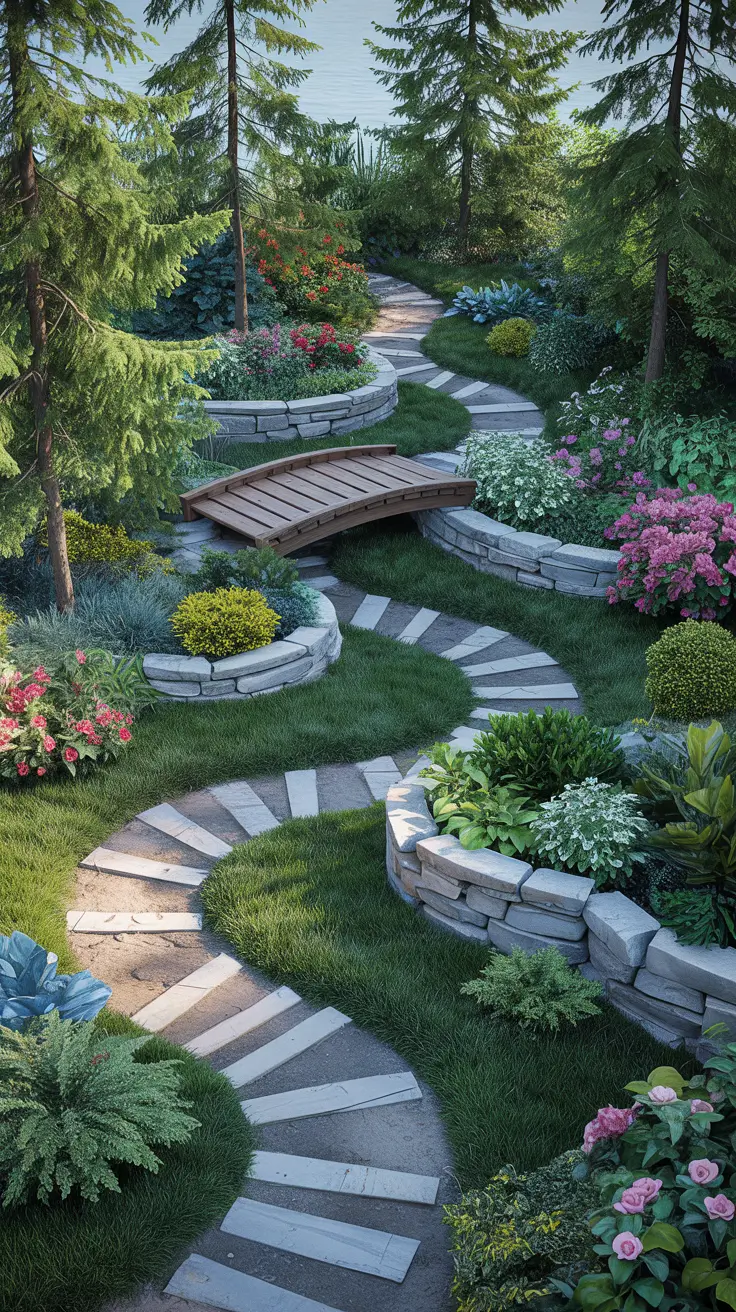
When designing, I include custom path tiles, natural textures like dirt or stone, and decorative elements such as lanterns, fencing, and small bridges. These elements help define pathways while adding depth. I often combine curved pathways with small plant clusters or ACNH flower beds to soften the edges and create a more organic look.
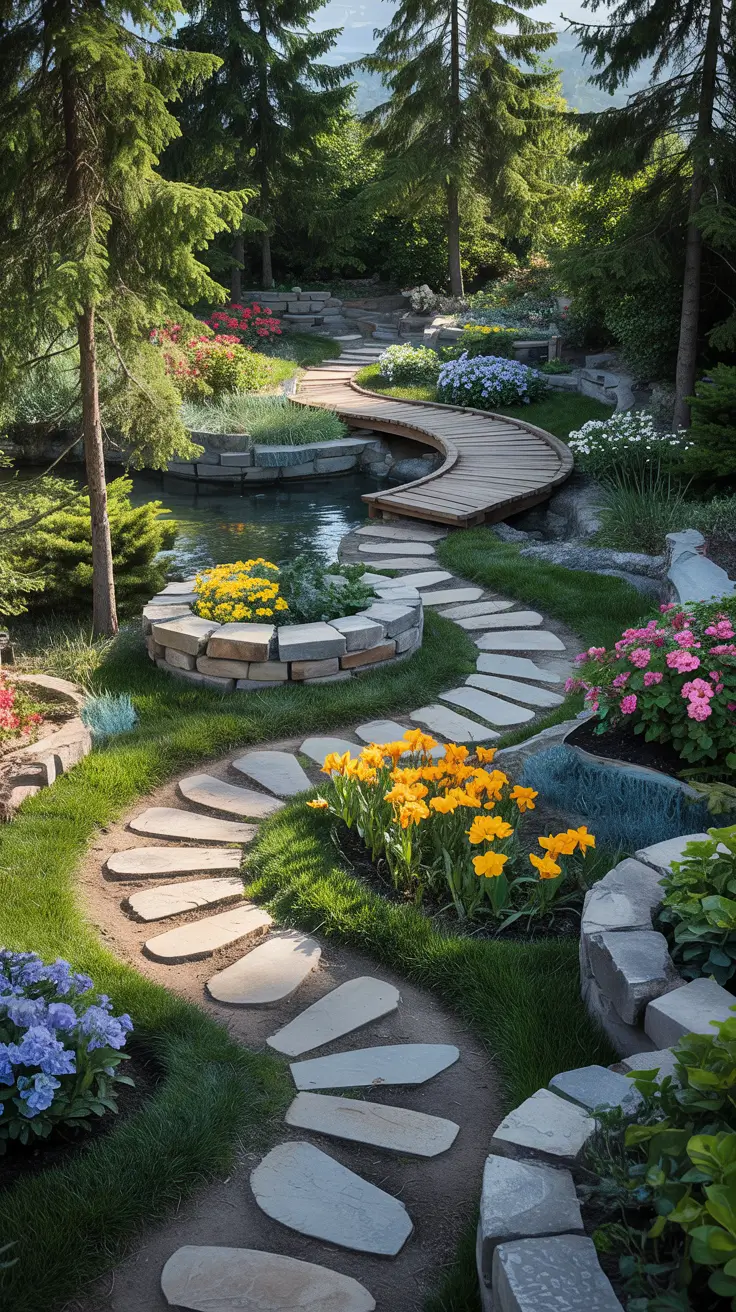
From my experience, the best ACNH designs mirror real landscaping logic. Even though it’s a virtual environment, the same principles apply: balance, flow, and proportion. Many designers recommend creating a clear garden path design plan before placing tiles, and I fully agree – it saves time and improves the final result.
What I would add here is a clearer zoning strategy. I would define entrance paths, central walkways, and secondary paths separately to avoid visual clutter and improve navigation.
9. Animal Crossing Garden Path Design Inspiration for Unique Layouts
When I design garden path design animal crossing layouts, I focus on storytelling through space. Each path should feel like it belongs to a specific theme – cottage, Japanese, or even modern minimalist. This helps create immersive environments where every pathway connects meaningfully to surrounding structures and landscapes.
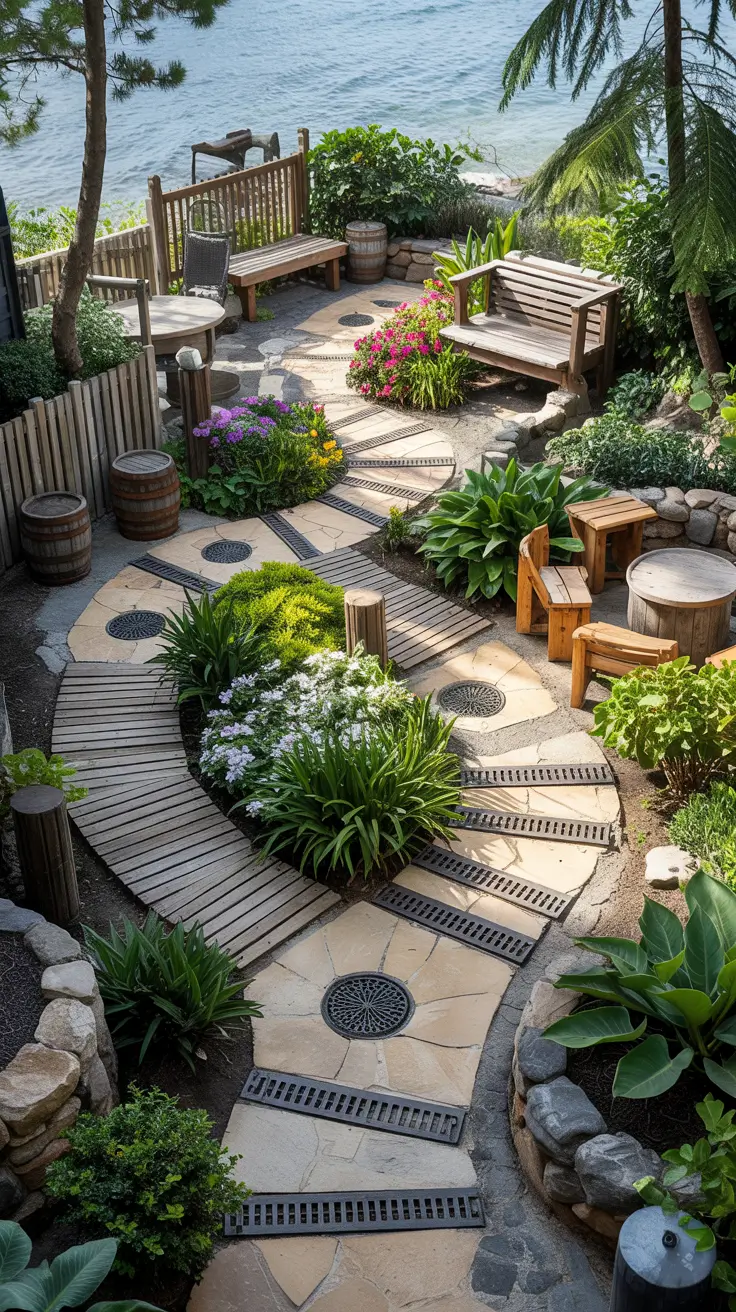
I usually include materials that reflect the theme, such as wooden planks for boardwalk garden path landscape design or stone tiles for structured areas. Decorative items like benches, barrels, and flower arrangements are placed along the edges to make the pathway feel lived-in and functional.
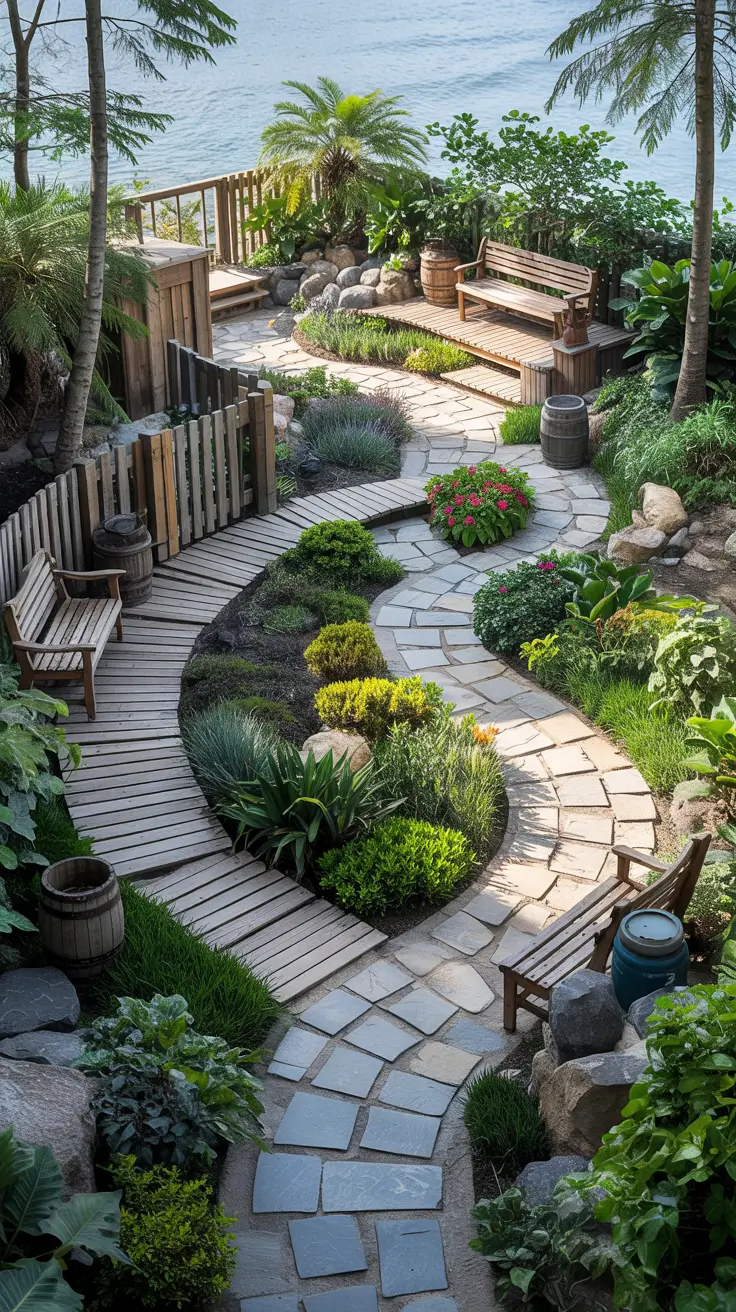
Personally, I find that mixing straight and curved pathways creates the most visually engaging layouts. Straight paths provide structure, while curved ones add softness and exploration. This combination prevents monotony and enhances user experience.
To improve this section, I would add lighting considerations. Pathway lighting is essential for atmosphere, especially in evening settings within the game.
10. ACNH Zen Garden Path Design for Peaceful Digital Spaces
Designing an acnh zen garden path is about simplicity and intentional space. I focus on minimalism, using gravel textures, stone slabs, and carefully placed rocks to create calm, balanced pathways. The goal is to reduce visual noise and emphasize tranquility.
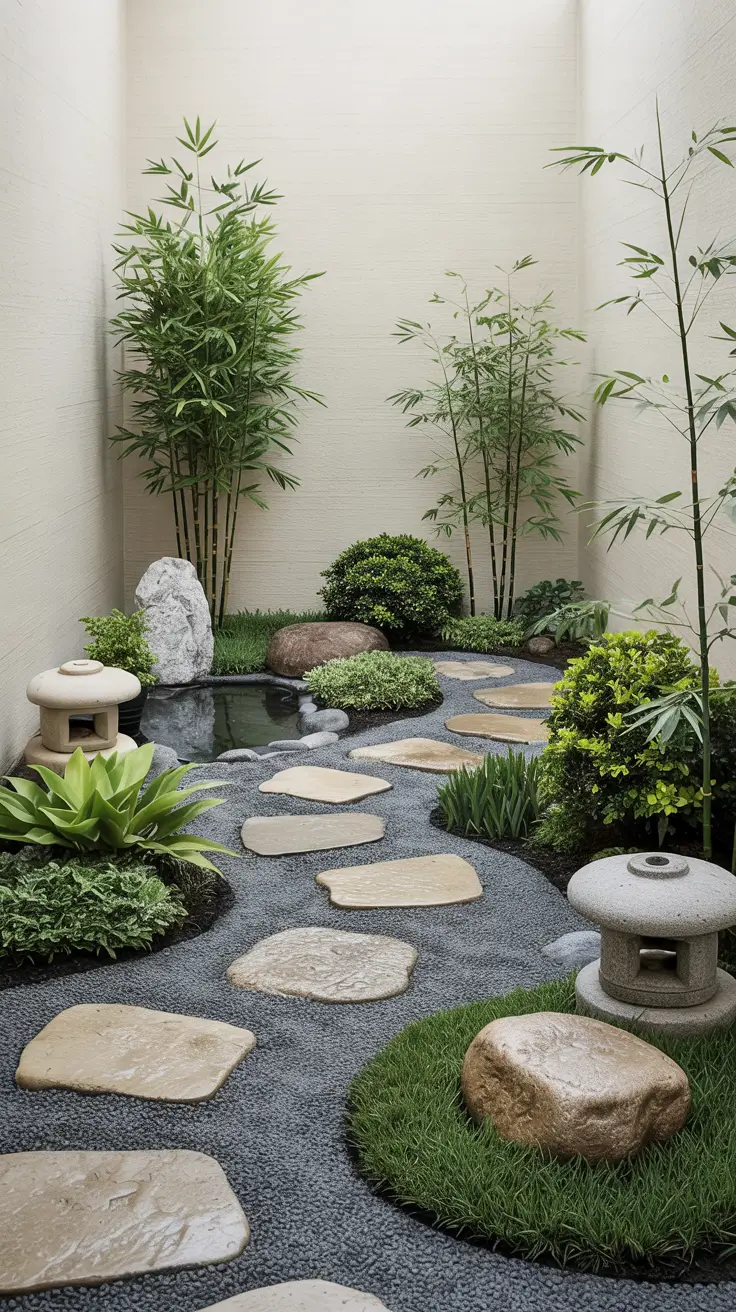
I incorporate elements like bamboo, water features, and low-profile lanterns. These components support the Japanese aesthetic and guide movement subtly rather than aggressively. The spacing between objects is just as important as the objects themselves.
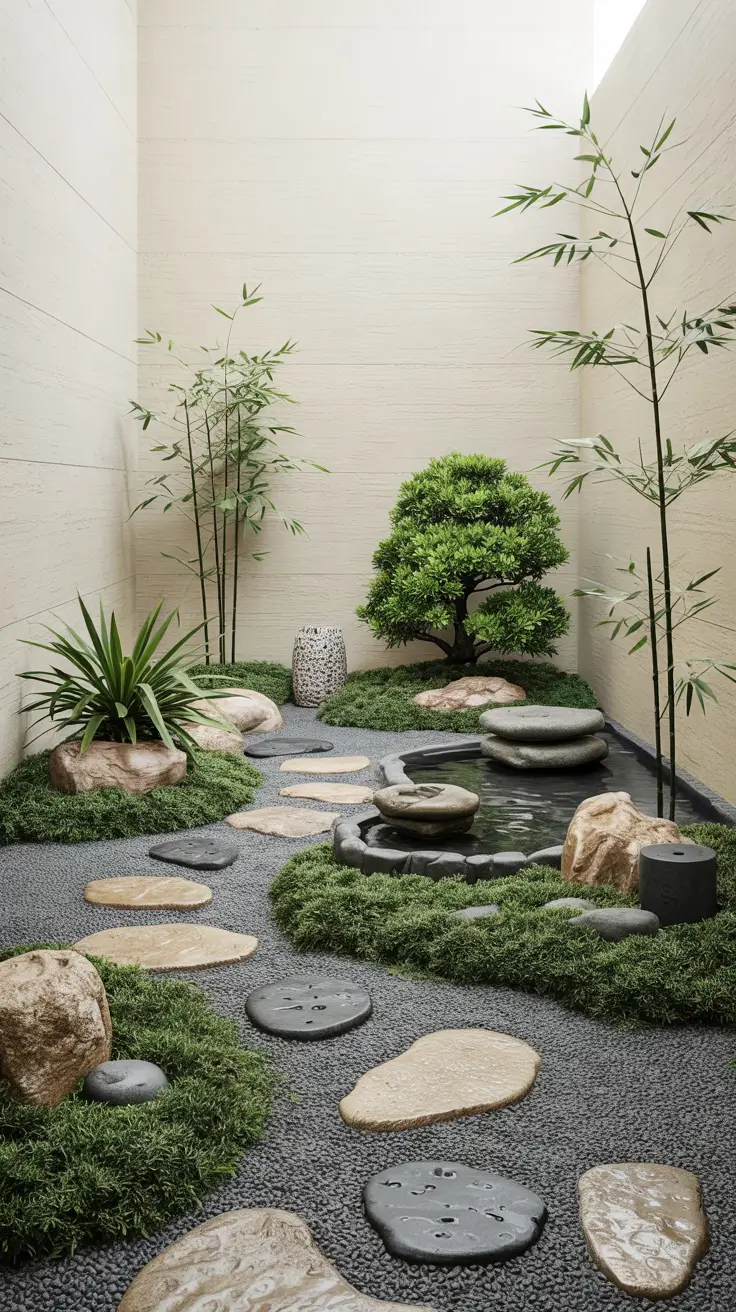
In my opinion, restraint is key here. It’s tempting to add more decor, but zen design thrives on negative space. Many professional designers emphasize the importance of emptiness in Japanese landscapes, and I apply that principle consistently.
What I would add is a stronger focus on sensory experience. Even in a digital format, textures and spacing can simulate calmness, so emphasizing rhythm and repetition would enhance the design.
11. ACNH Flower Garden Path Design for Colorful Island Themes
For an acnh flower garden path design, I prioritize color harmony and flow. I design pathways that weave through dense flower beds, creating a vibrant and immersive experience. The path becomes part of the garden rather than just a functional element.
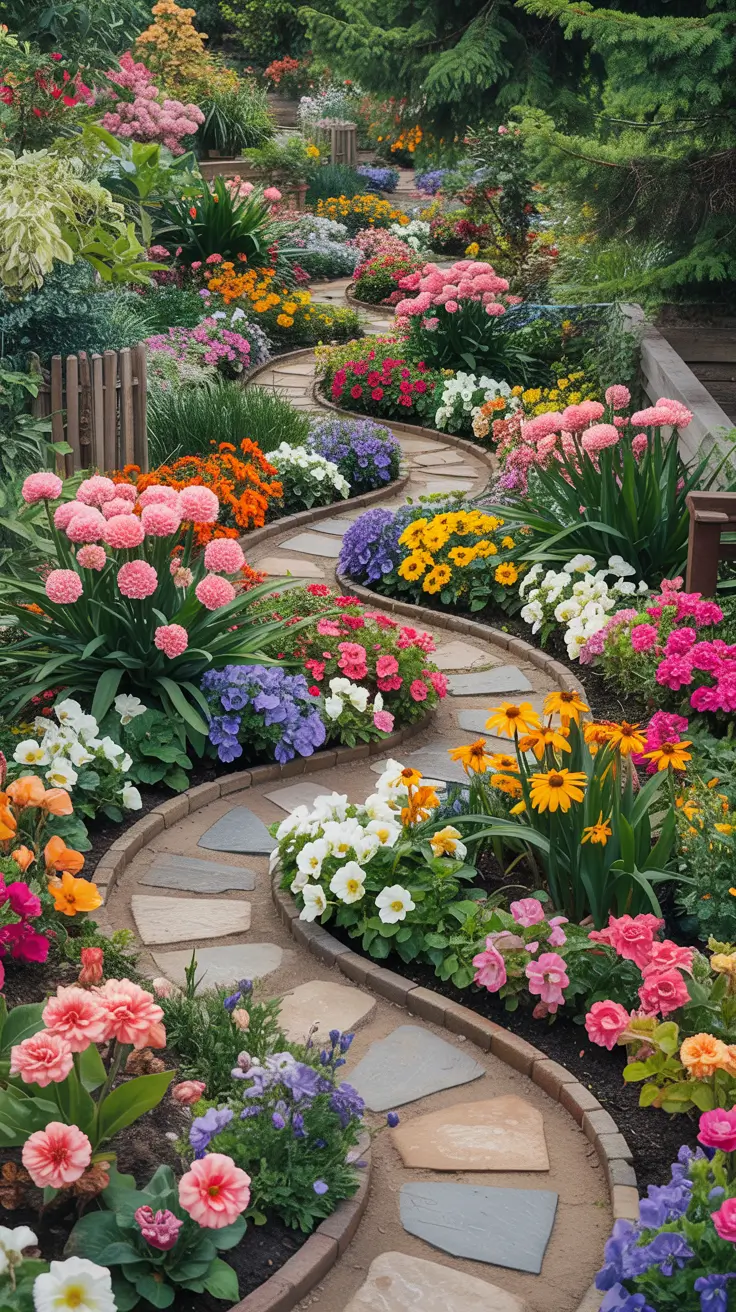
I use a mix of flower types and colors to create gradients and patterns. Path materials are usually neutral – like dirt or light stone – so they don’t compete with the flowers visually. Small fences or edging help define the path without disrupting the natural feel.
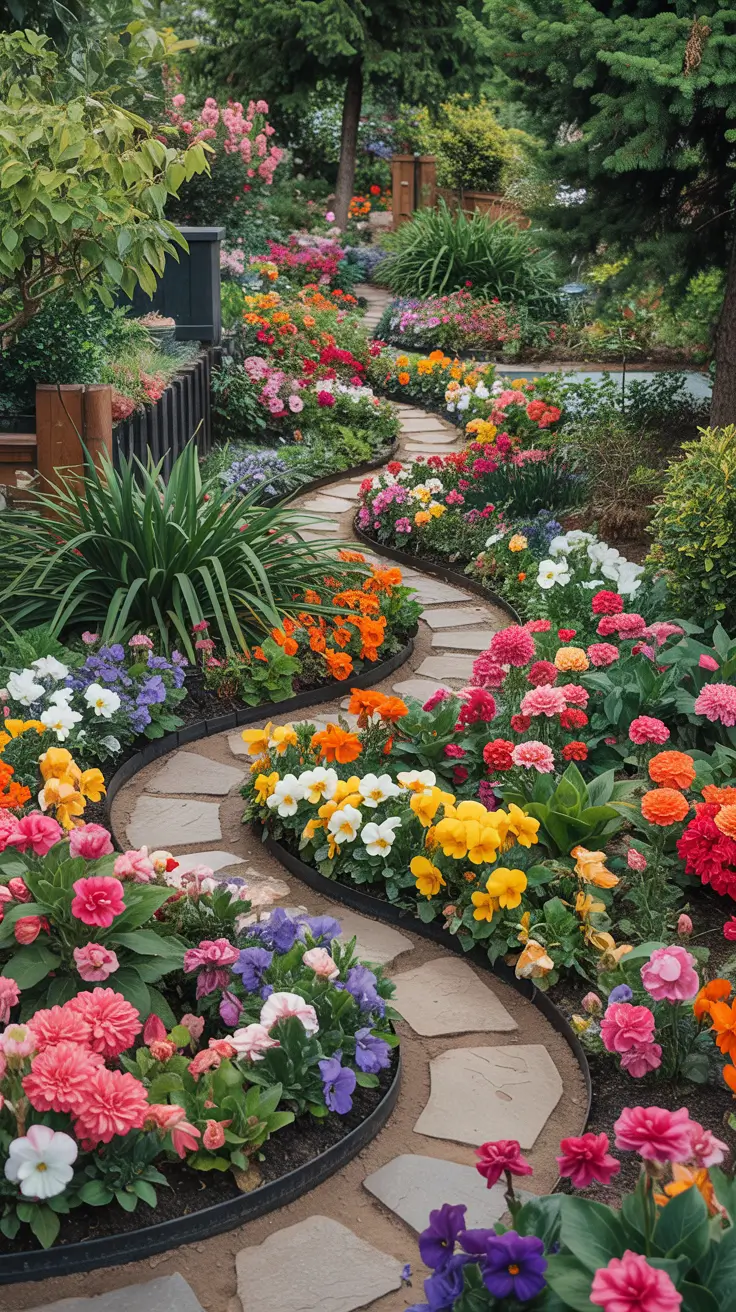
From my experience, too many colors can become chaotic. I prefer selecting 2-3 dominant shades and building around them. This creates a cohesive look while still feeling lively and dynamic.
To enhance this section, I would include seasonal planning. Choosing flowers based on bloom cycles can make the design feel more dynamic over time.
12. Front Yard Garden Pathways Design for Small and Large Spaces
When working on front garden path design, I always consider scale first. In small spaces, I keep paths simple and direct, while in larger yards, I introduce curves and branching pathways to create interest and movement.
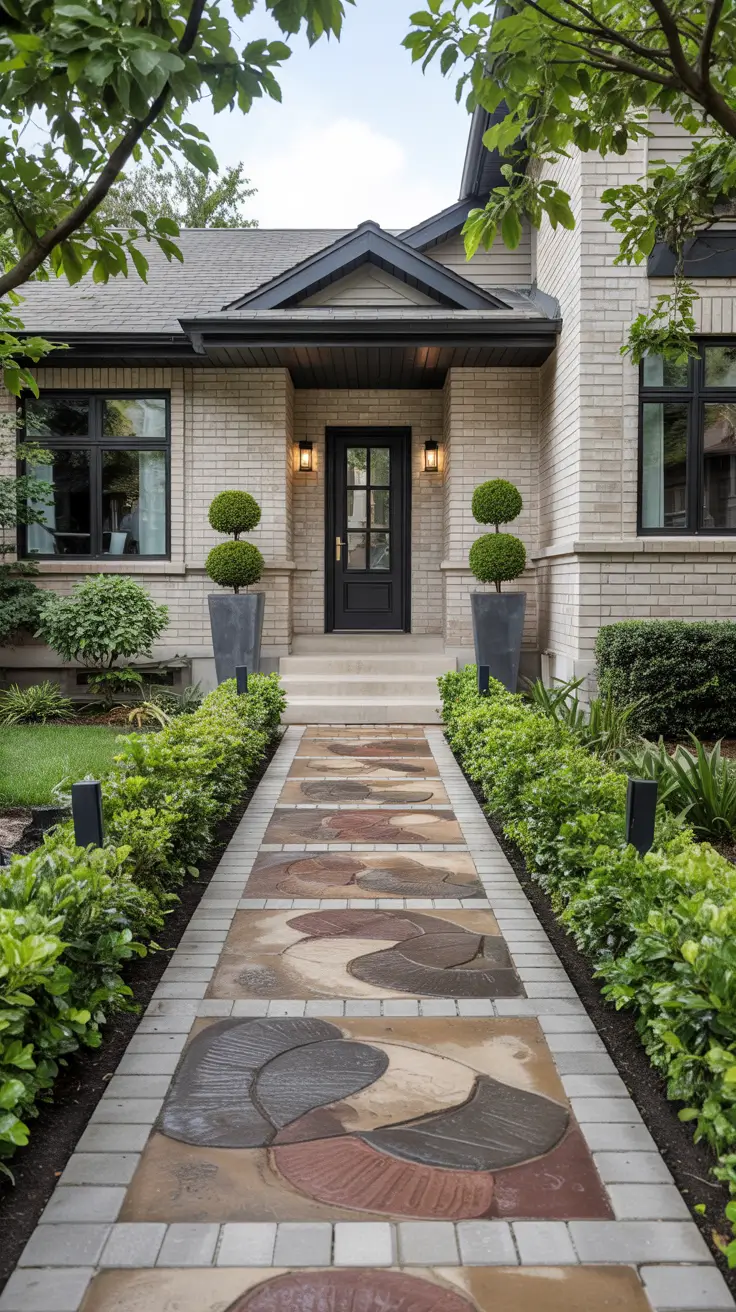
Materials play a critical role. Brick garden path design ideas work well for traditional homes, while wood stamped concrete offers a modern and durable alternative. I also ensure that the path leads clearly to the entrance, enhancing both function and curb appeal.
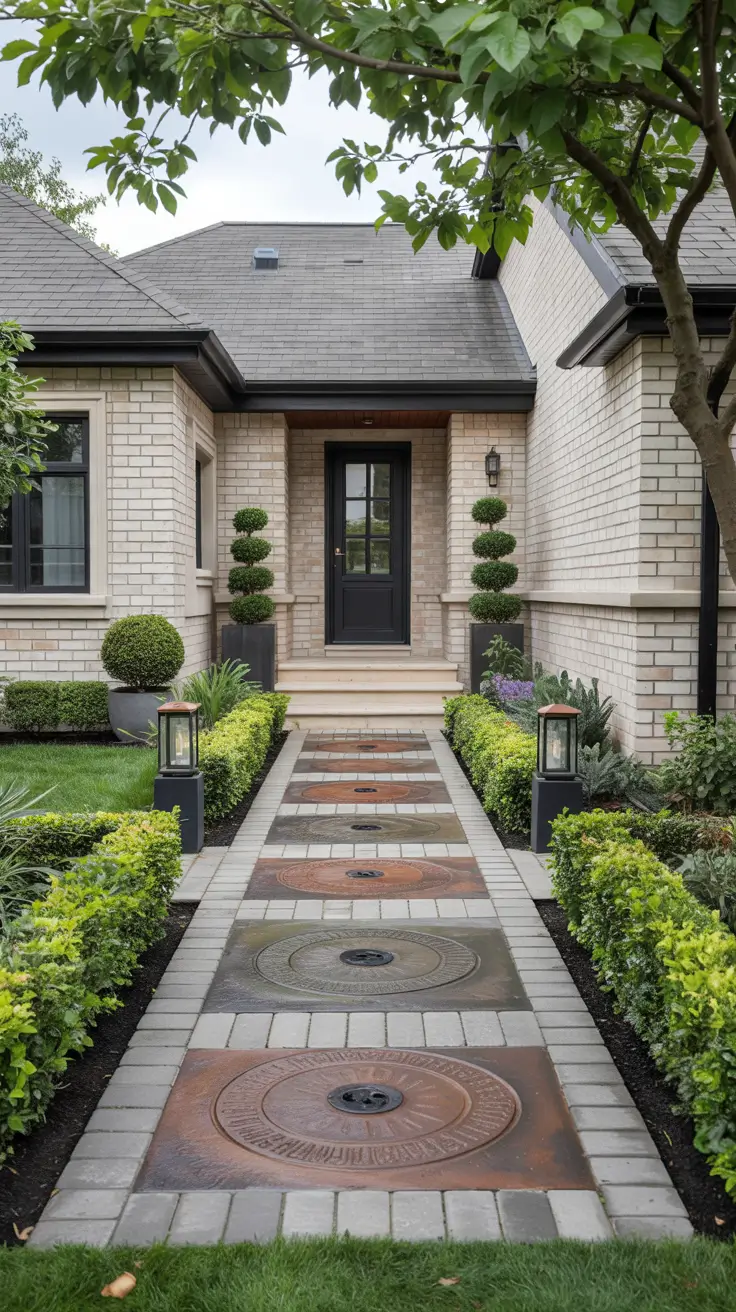
I’ve found that symmetry works well in front yards, especially for formal designs. However, adding slight asymmetry through plants or lighting can prevent the space from feeling too rigid.
What I would add here is drainage planning. Proper slope and material choice are essential to ensure longevity and usability in all weather conditions.
13. Grow a Garden Path Design Ideas for Practical and Aesthetic Layouts
In a grow a garden path design, practicality is just as important as aesthetics. I design paths that allow easy access to plants while maintaining a visually pleasing layout. This is especially important for vegetable or herb gardens.
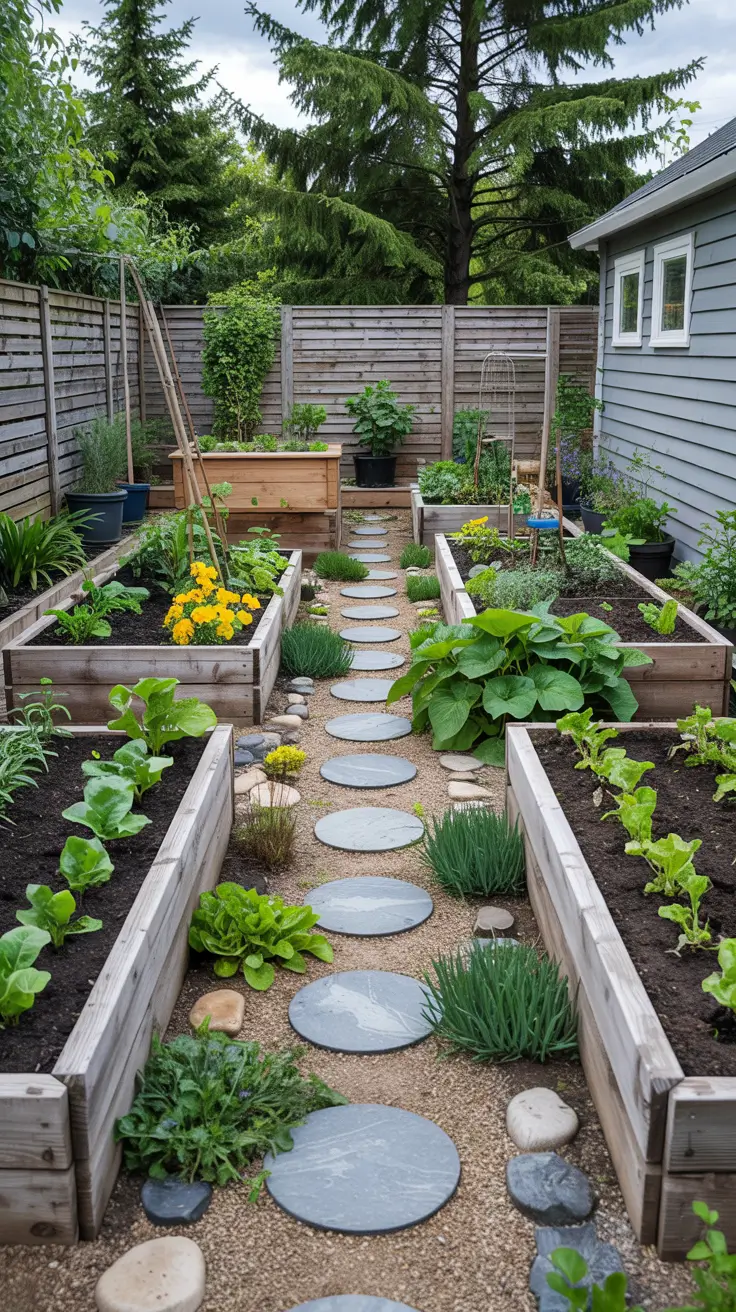
I typically use gravel, stepping stones, or compacted soil for these pathways. These materials are cost-effective and easy to maintain. Raised beds, edging, and clear borders help keep the path clean and functional.
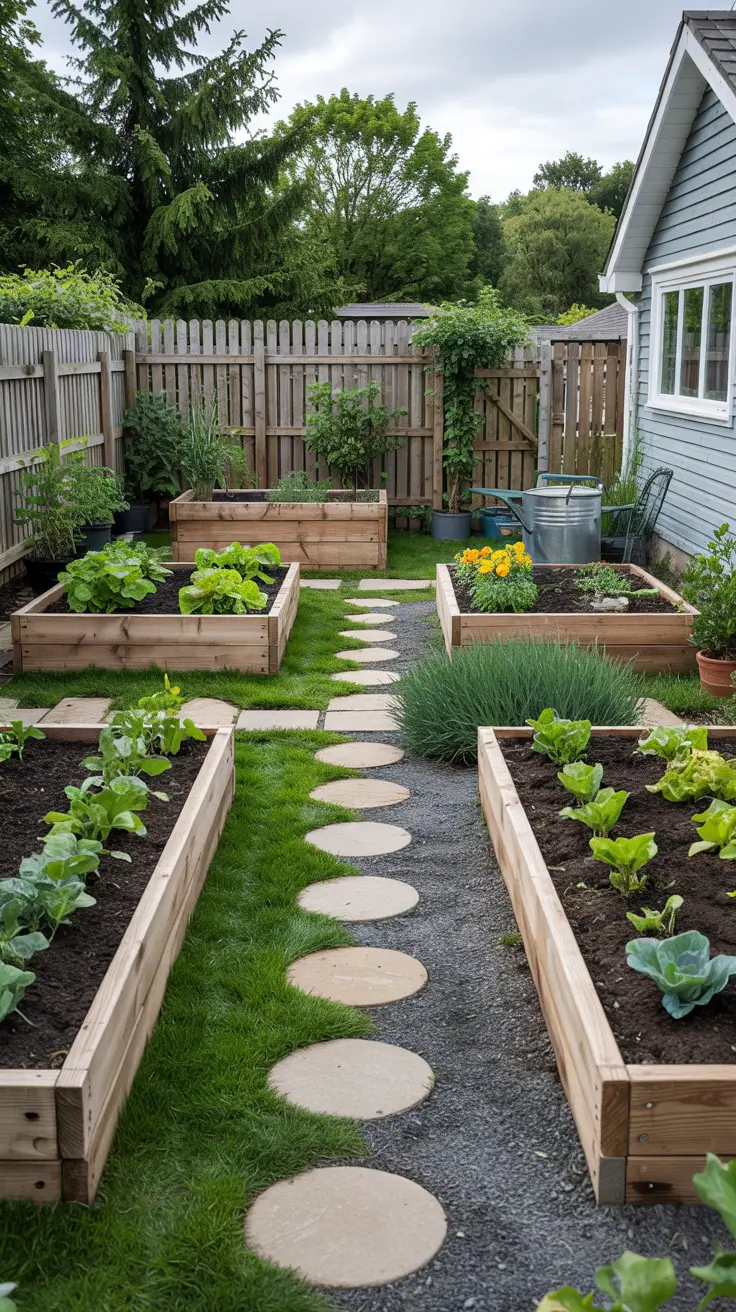
From my perspective, the best designs are those that evolve over time. As plants grow and seasons change, the path should remain accessible and adaptable.
To improve this section, I would incorporate irrigation planning. Integrating watering systems into the path design can significantly enhance efficiency.
14. Rock Garden Path Designs for Natural Texture and Durability
I often turn to rock-based garden path designs when durability and natural aesthetics are a priority. These paths are ideal for high-traffic areas or gardens exposed to changing weather conditions. I design them to blend seamlessly into the landscape, using irregular shapes and varied tones to mimic natural terrain.
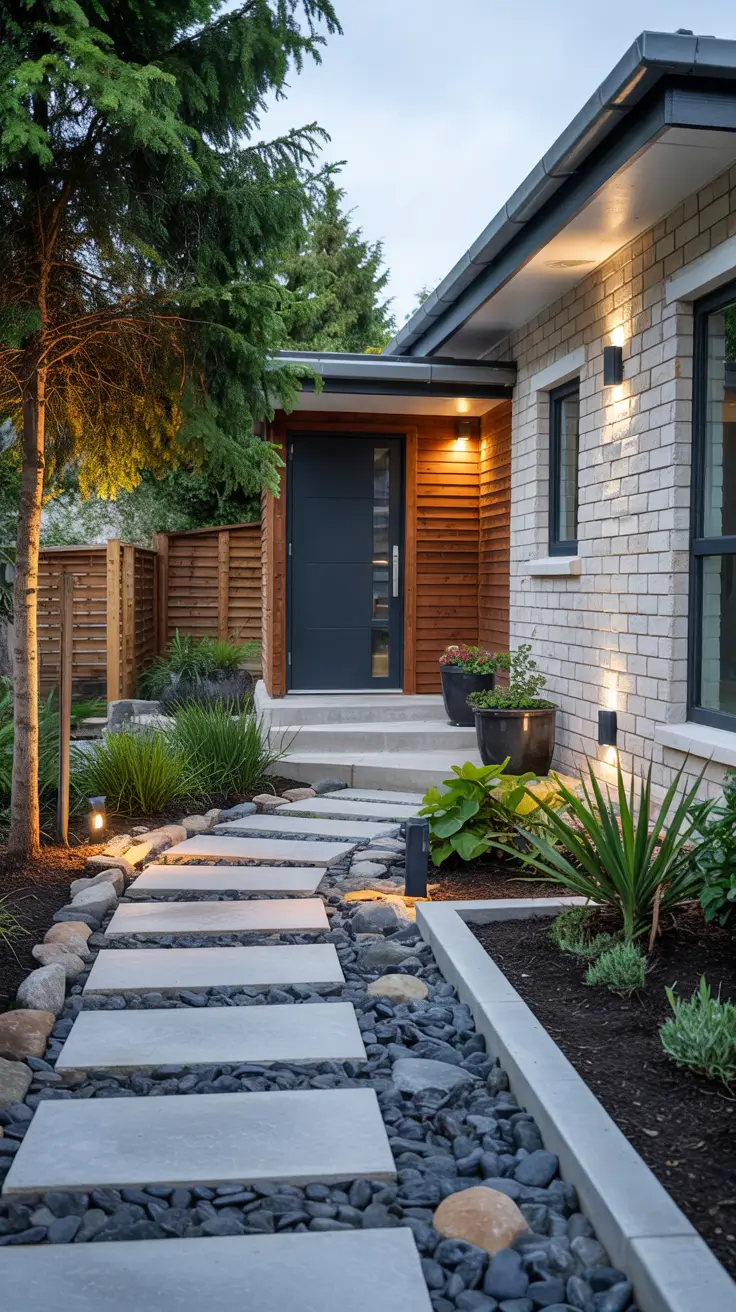
I typically use a mix of large stepping stones, crushed gravel, and compacted base layers for stability. Surrounding the path with drought-resistant plants or alpine species enhances the natural look. I also integrate subtle elevation changes to create depth and visual interest without complicating the layout.
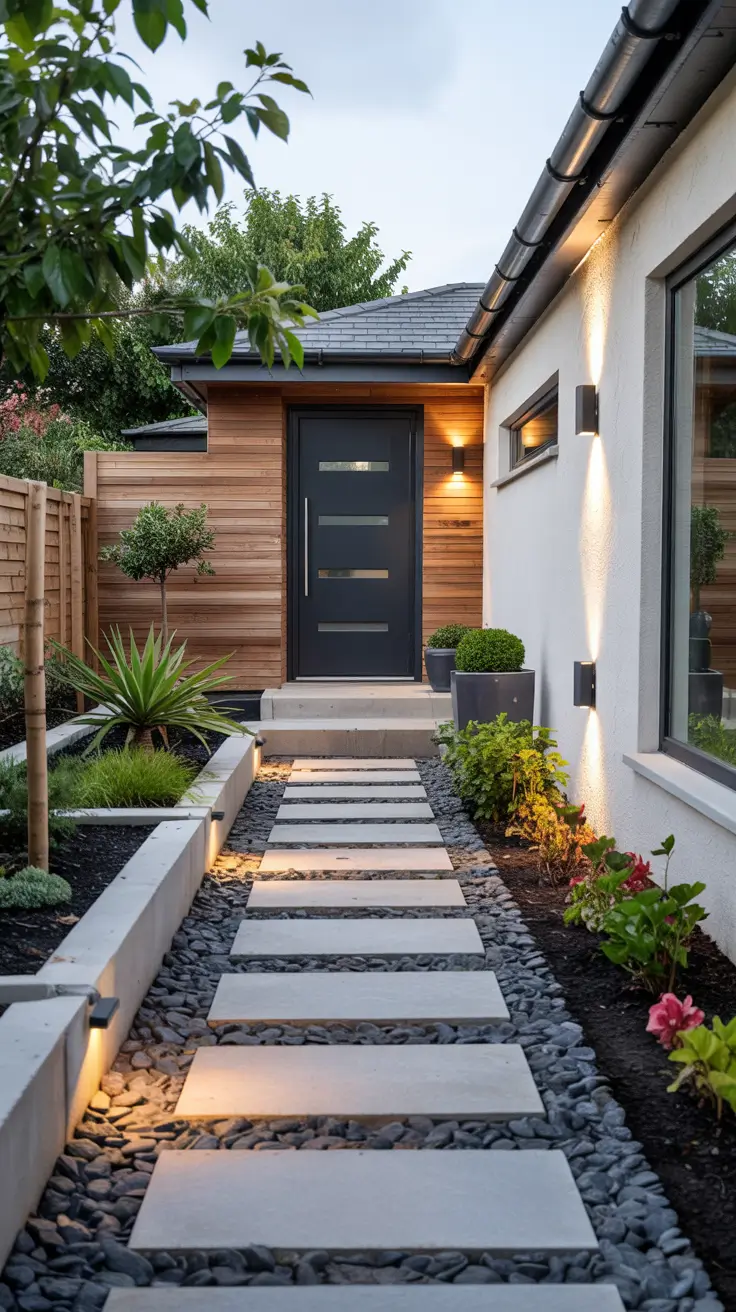
From my experience, rock paths are one of the most low-maintenance solutions available. Many landscape designers emphasize their longevity and adaptability, and I’ve found them especially effective in both modern and rustic settings.
What I would add here is better drainage planning – ensuring water flows away from the path will significantly increase its lifespan and usability.
15. Stamped Concrete Garden Path Design for Modern Outdoor Spaces
When I want a sleek and contemporary look, I often choose stamped concrete garden path design. This approach allows me to replicate textures like stone or brick while maintaining a clean and uniform surface. It works especially well in modern homes and structured landscapes.
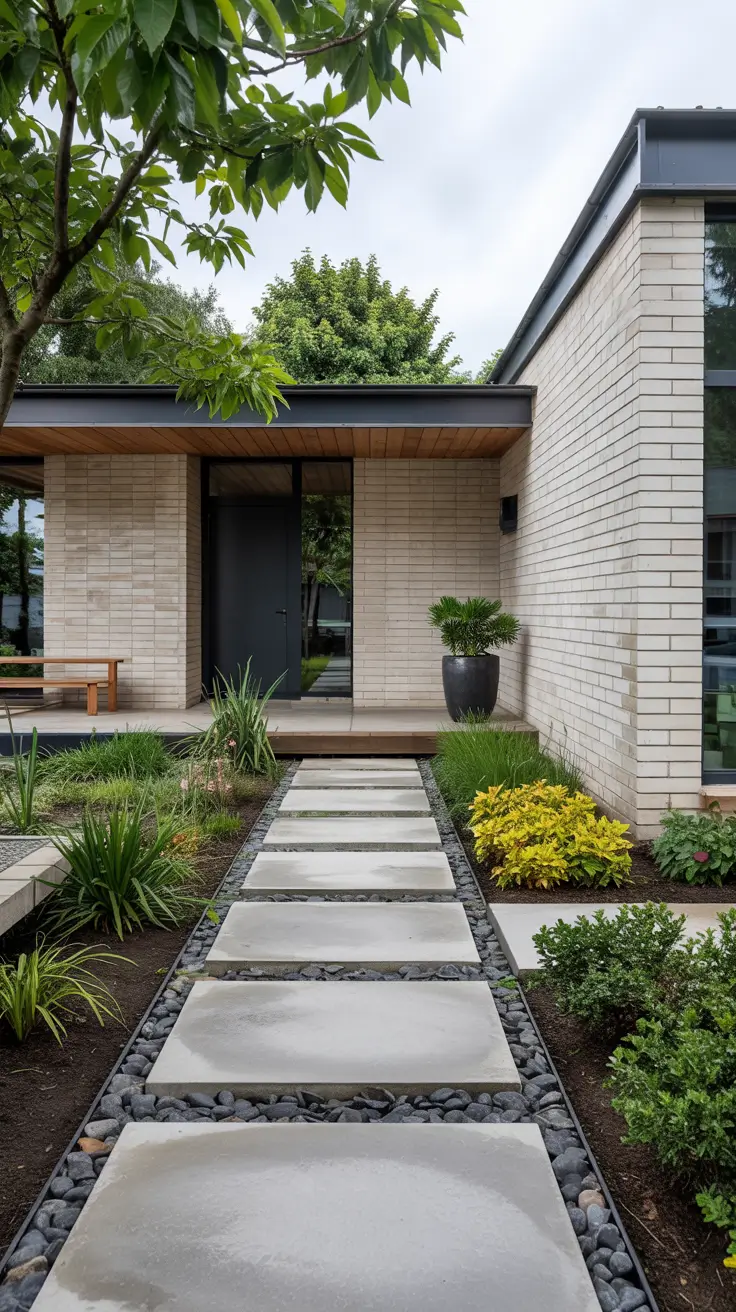
I usually select patterns that imitate natural materials, such as slate or wood, combined with neutral tones. Adding expansion joints, anti-slip finishes, and integrated lighting helps improve both safety and functionality. The result is a polished yet practical pathway.
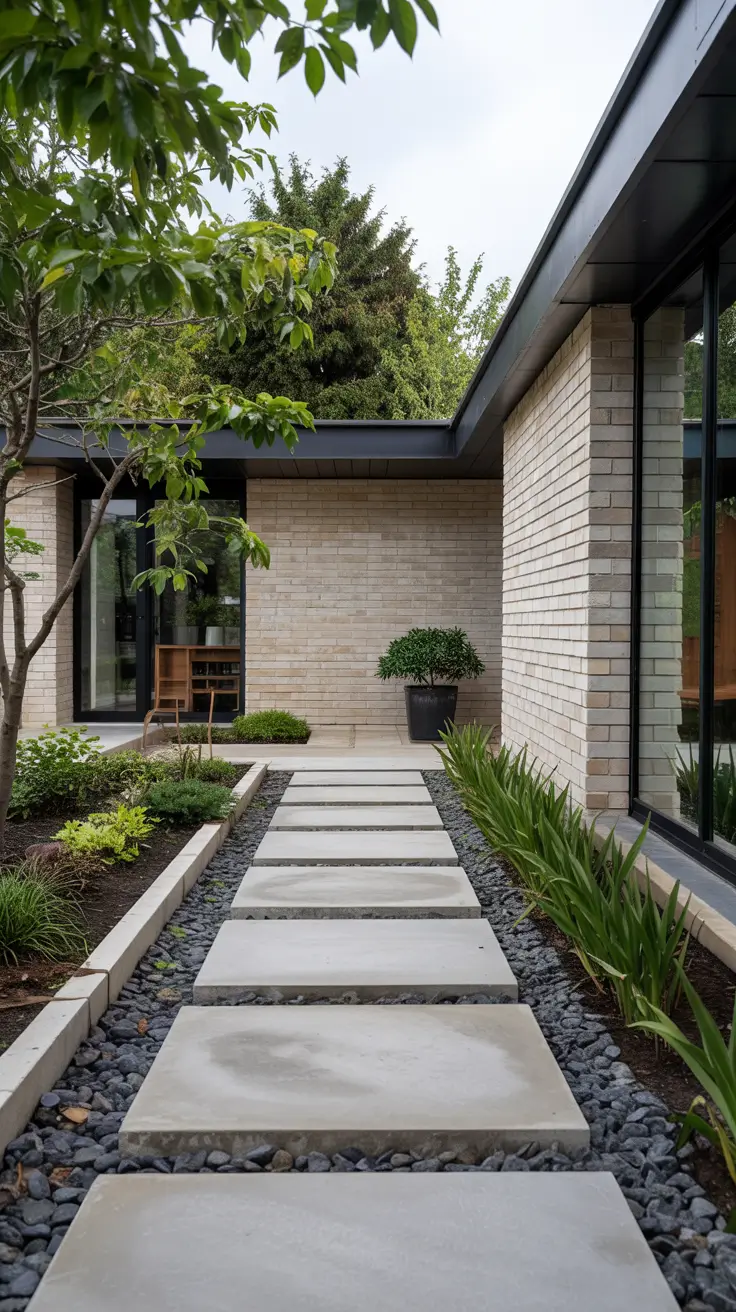
In my opinion, stamped concrete offers one of the best balances between cost and aesthetics. Many professionals recommend it for its versatility, and I appreciate how easily it adapts to different design styles.
What’s missing here is a discussion about sealing and maintenance – proper sealing is essential to prevent cracks and preserve the finish over time.
16. Garden Entrance Path Design Ideas That Make a Strong First Impression
The garden entrance path design is where I focus on storytelling – it sets the tone for the entire outdoor space. I design these paths to feel welcoming while clearly guiding visitors toward the main entry point or focal area.
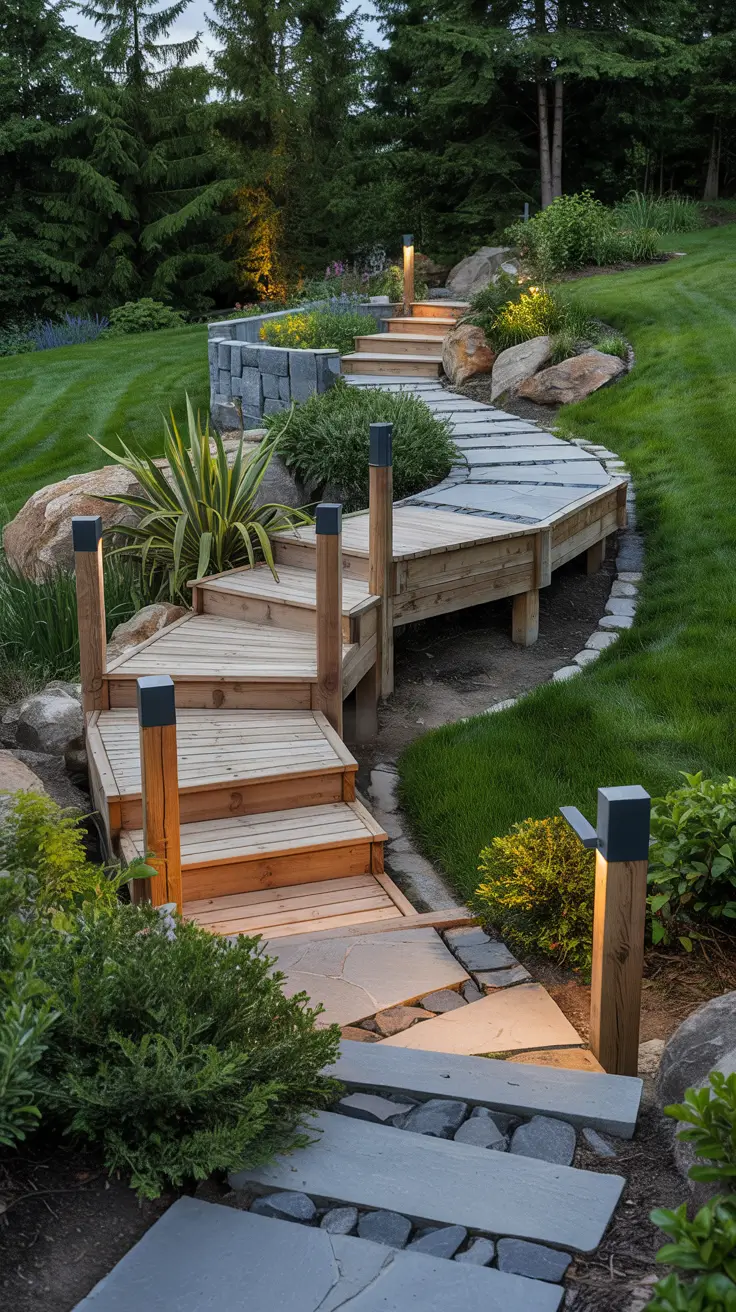
I often use symmetrical layouts, framed with lighting, planters, or low hedges. Materials like stone slabs, brick, or decorative concrete help create a defined and elegant entrance. I also consider sightlines to ensure the path highlights key features of the garden.
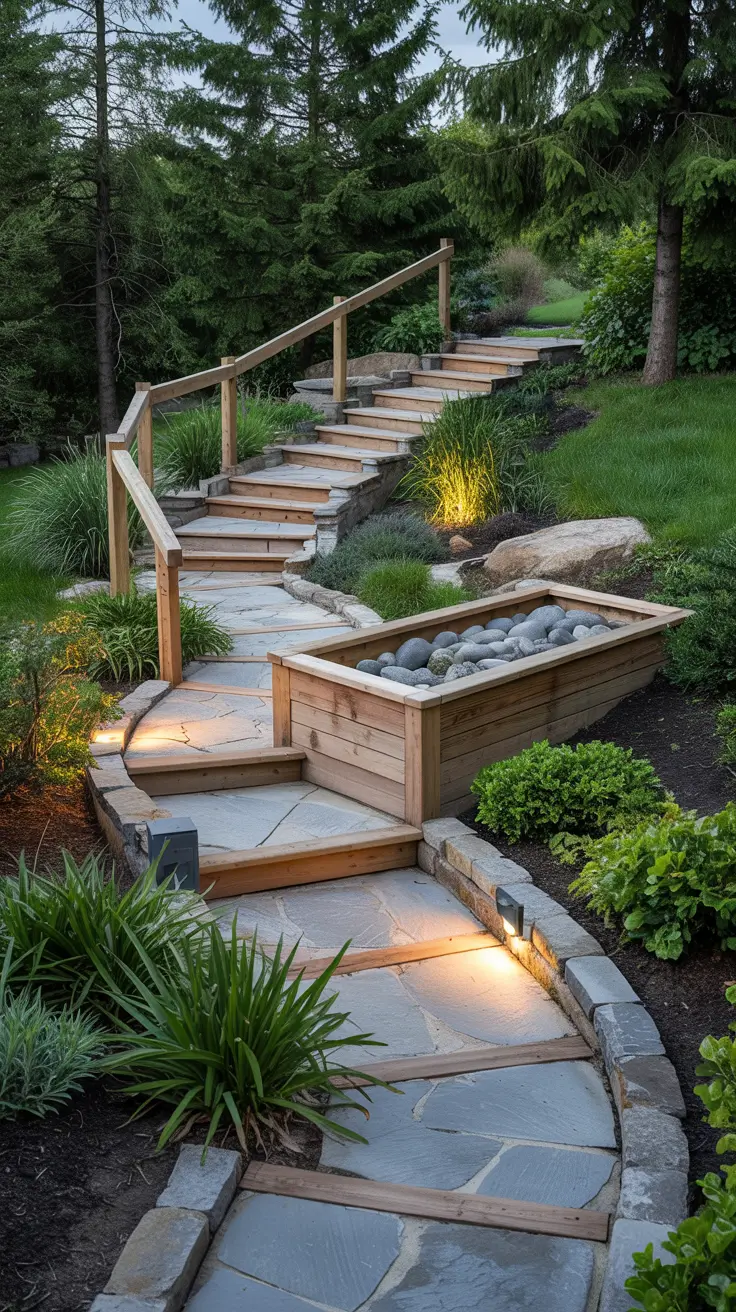
From my perspective, a strong entrance path creates anticipation. Many experts highlight the importance of “arrival experience,” and I always aim to make that moment memorable and intuitive.
I would enhance this section by adding vertical elements such as arches or pergolas to create a more immersive entry sequence.
17. Garden Walk Path Design Concepts for Functional Beauty
A well-designed garden walk path design should balance practicality with visual appeal. I approach these paths as connectors between different zones – seating areas, planting beds, and functional spaces like sheds or patios.
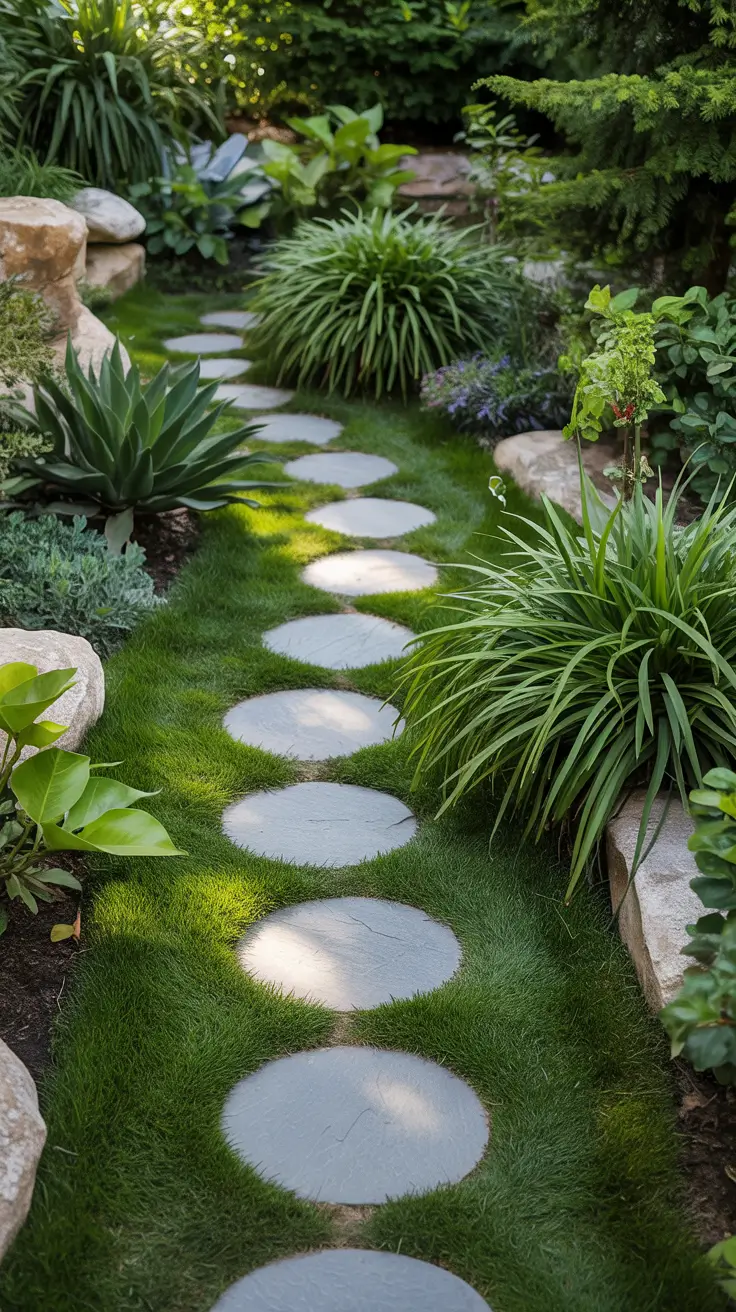
I typically use consistent materials and widths to maintain flow. Adding borders, lighting, and occasional focal points like sculptures or planters helps break monotony. I also ensure the path is comfortable to walk on, with even surfaces and gentle transitions.
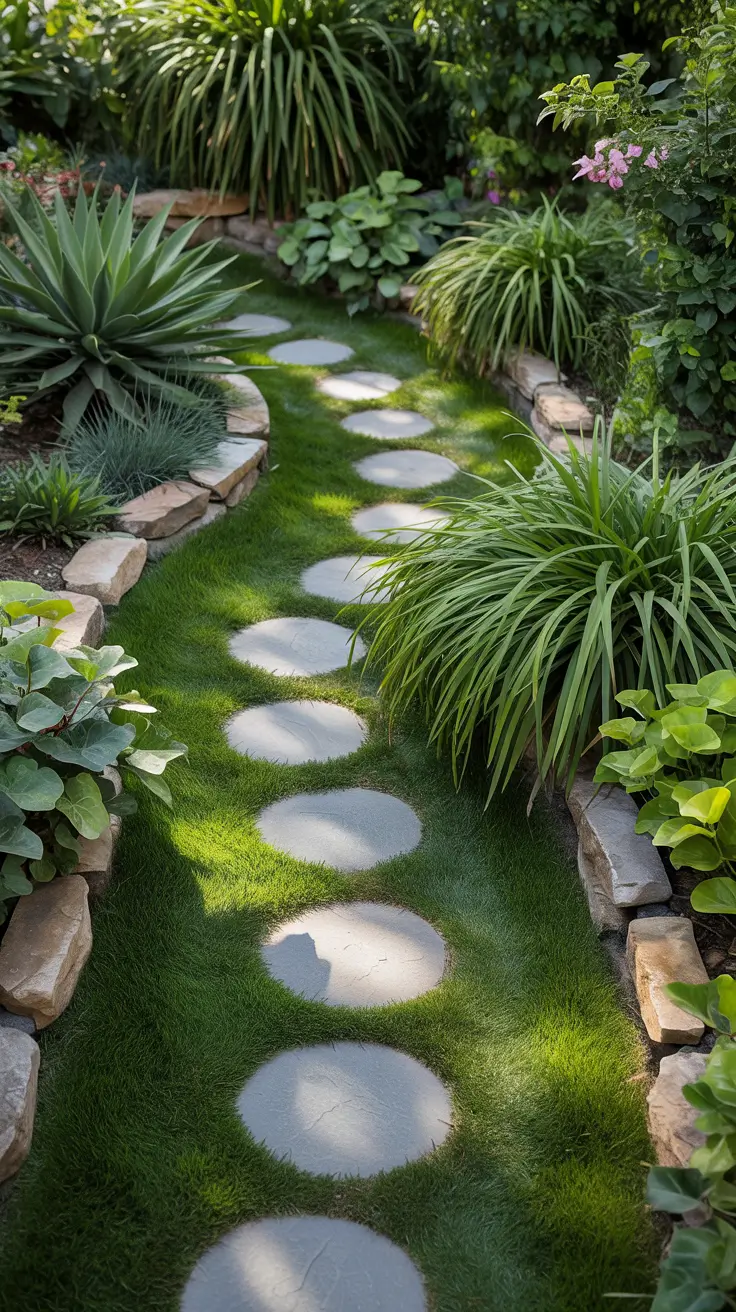
In my experience, the best walk paths are intuitive – they guide movement naturally without forcing it. Many design guides emphasize circulation, and I always prioritize that when planning layouts.
What could be improved here is incorporating shade elements, such as pergolas or trees, to make the path more comfortable during hot weather.
18. Sensory Garden Path Design Ideas for a Multi-Sensory Experience
Designing a sensory garden path allows me to create a space that engages more than just sight. I focus on textures, sounds, and scents to build a rich, immersive experience. These paths are especially effective in therapeutic or relaxation-focused gardens.
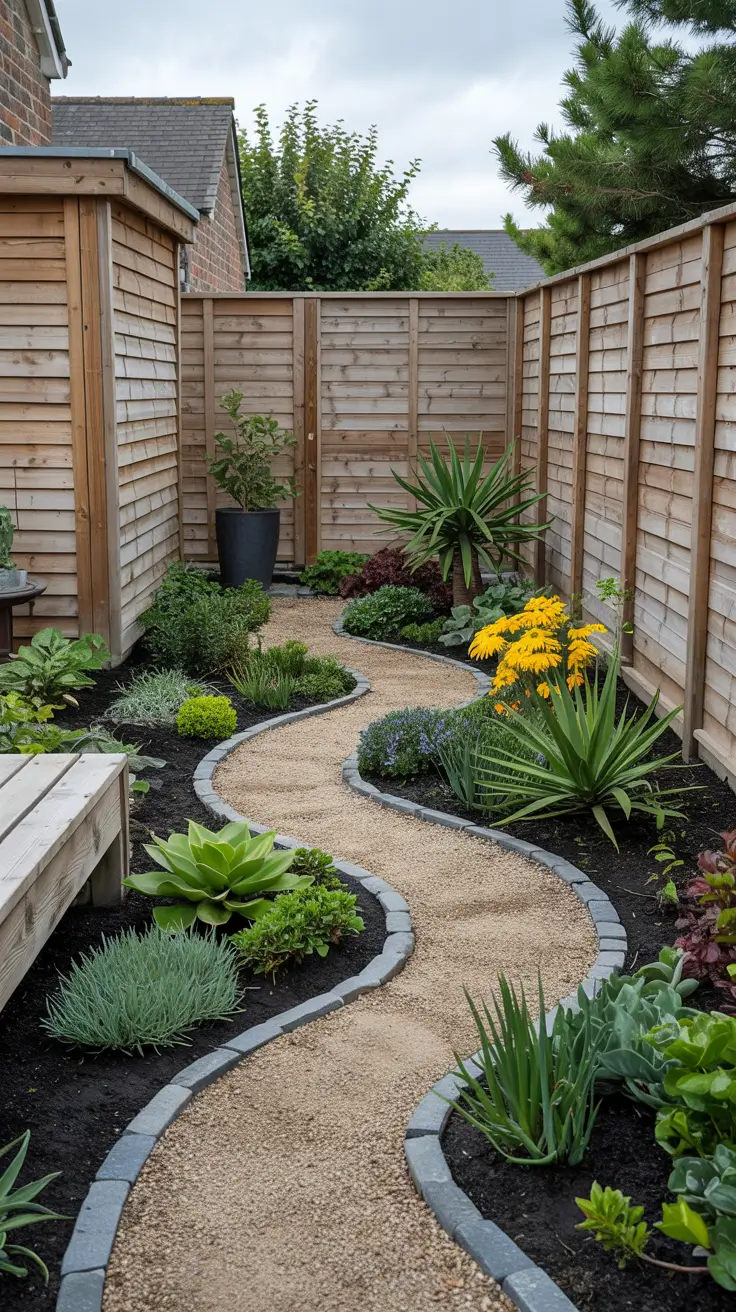
I use a variety of materials like smooth stones, gravel, and wood to create tactile diversity. Plants with fragrance, such as lavender or herbs, add another layer, while elements like water features or wind chimes introduce sound. Lighting is kept soft to maintain a calming atmosphere.
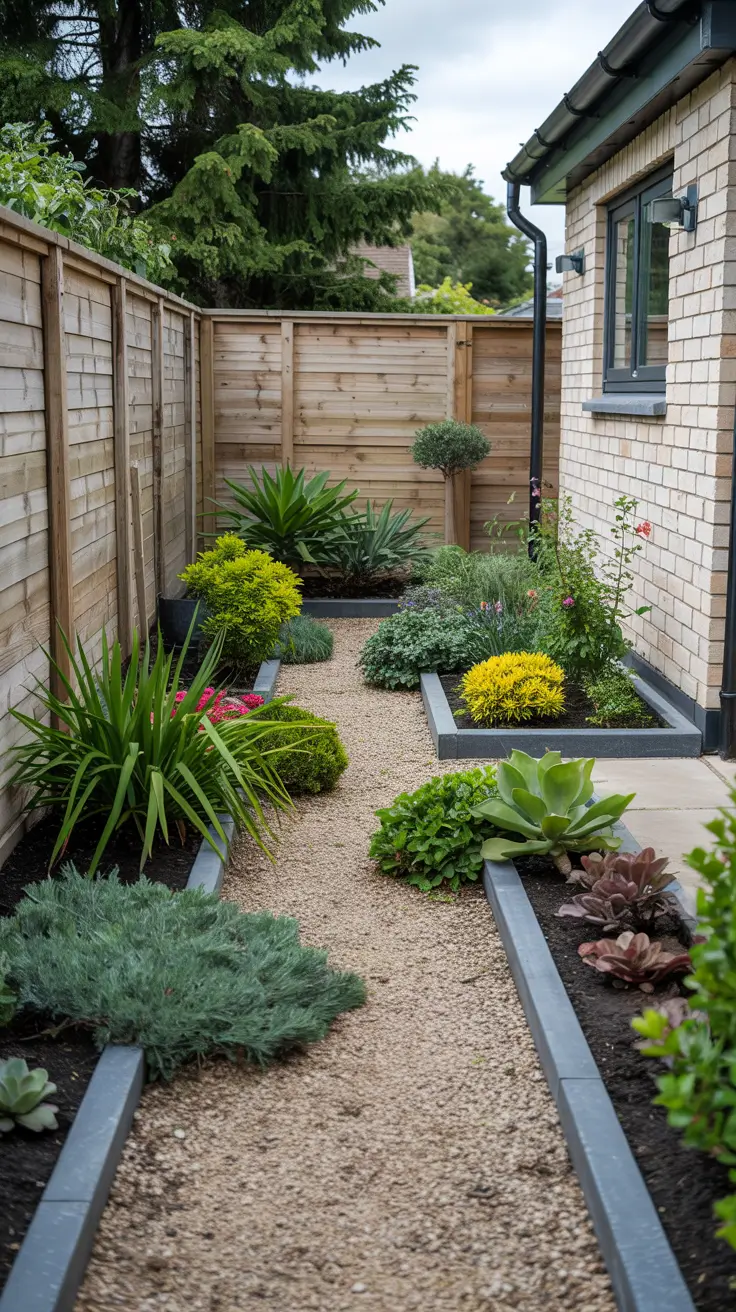
Personally, I find sensory paths incredibly rewarding to design. Many experts highlight their benefits for well-being, and I’ve seen how they transform outdoor spaces into places of relaxation and reflection.
I would add more guidance on accessibility, ensuring the path is inclusive and comfortable for all users.
19. Flower Garden Path Design Ideas to Add Color and Life
When I design a flower garden path, I aim to create a vibrant and dynamic environment. These paths are not just functional – they become part of the visual composition, surrounded by color and seasonal change.
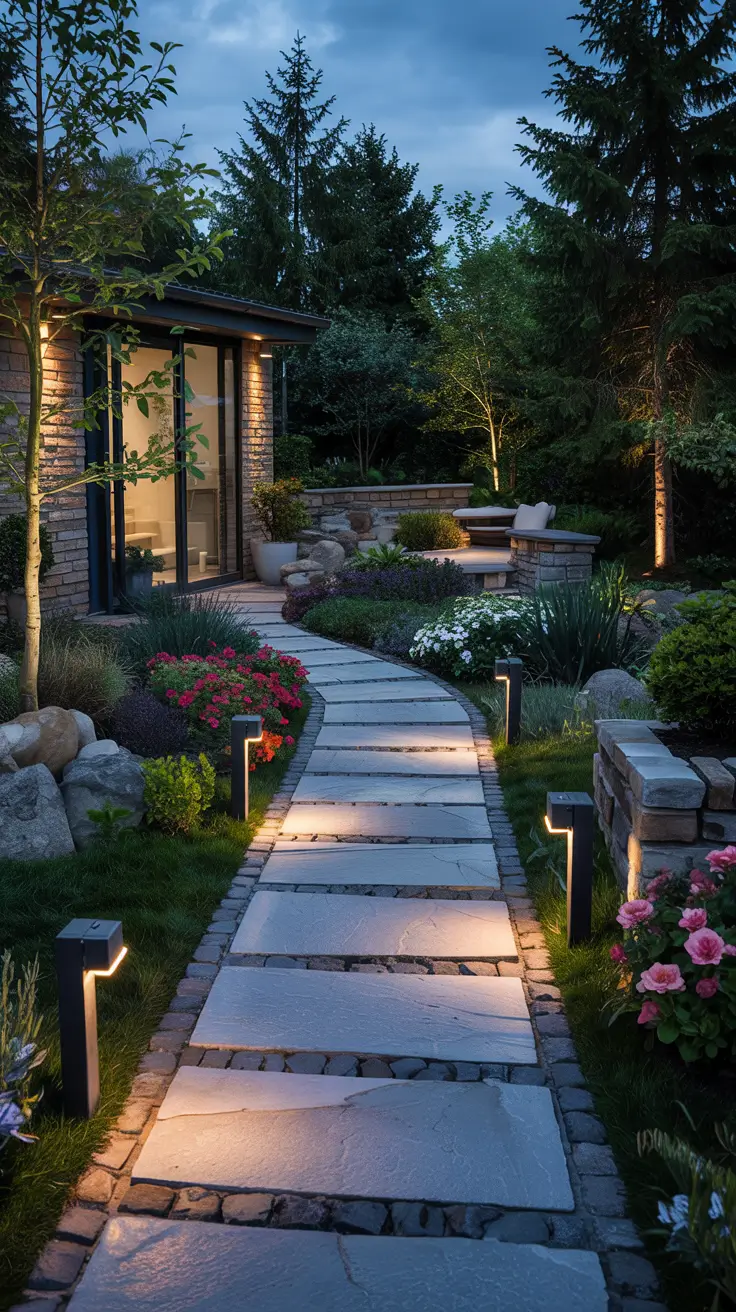
I usually combine narrow pathways with dense planting on both sides. Using layered flowers – from low ground cover to taller blooms – creates depth and movement. I also consider bloom timing to ensure continuous color throughout the year.
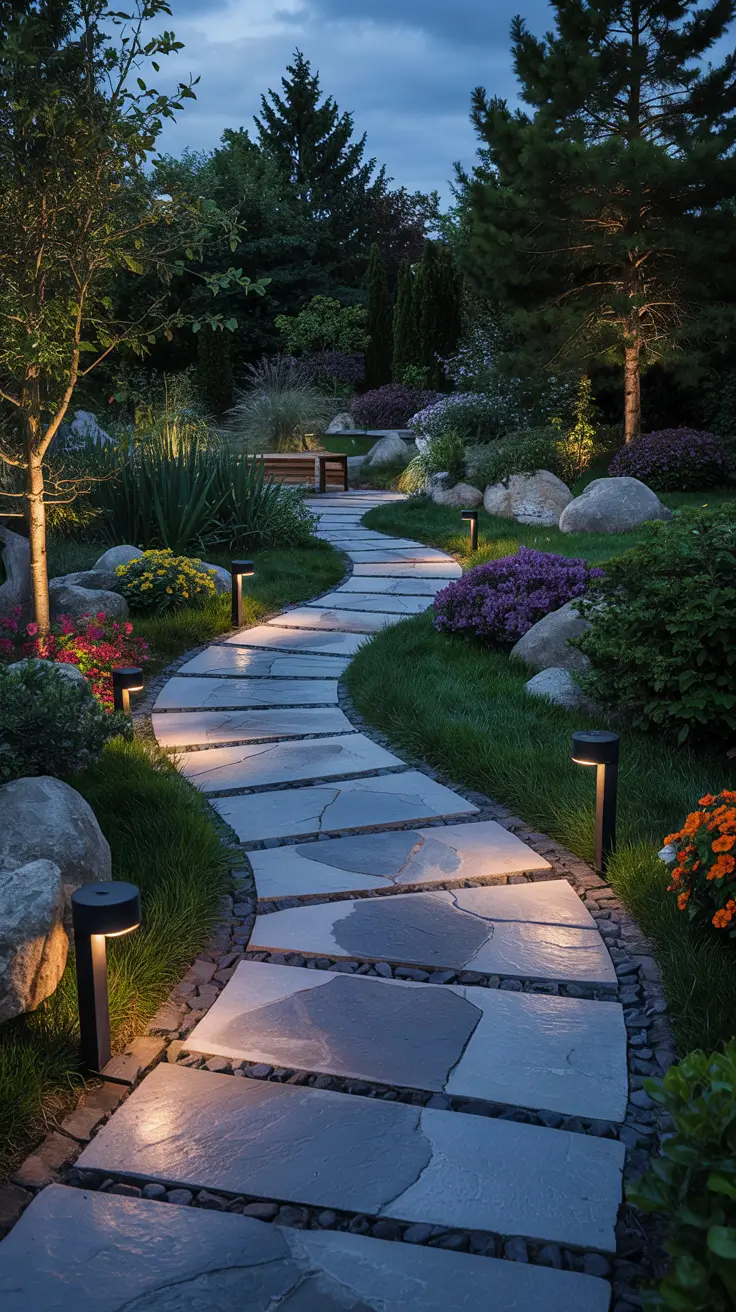
In my opinion, flower paths bring energy and personality to a garden. Many designers recommend mixing textures and colors, and I always experiment to achieve a balanced yet lively result.
What’s missing here is irrigation planning – proper watering systems are essential to maintain healthy and thriving plantings along the path.
20. Garden Path Design Plan – How to Structure Your Outdoor Space
Creating a solid garden path design plan is the foundation of any successful project. I always start by mapping out the space, identifying key zones, and defining how the path will connect them.
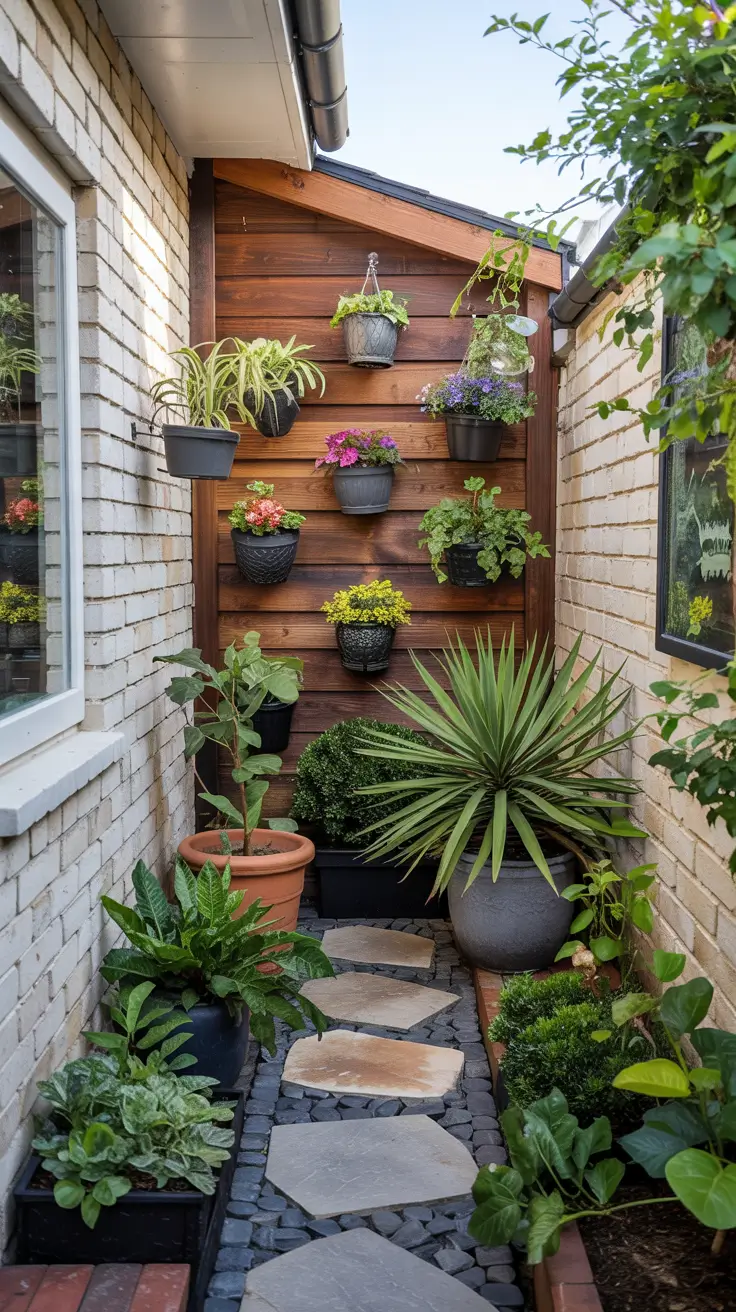
I consider factors like traffic flow, material selection, and environmental conditions. Sketching layouts or using digital tools helps visualize the final result. I also plan for lighting, drainage, and long-term maintenance from the beginning.
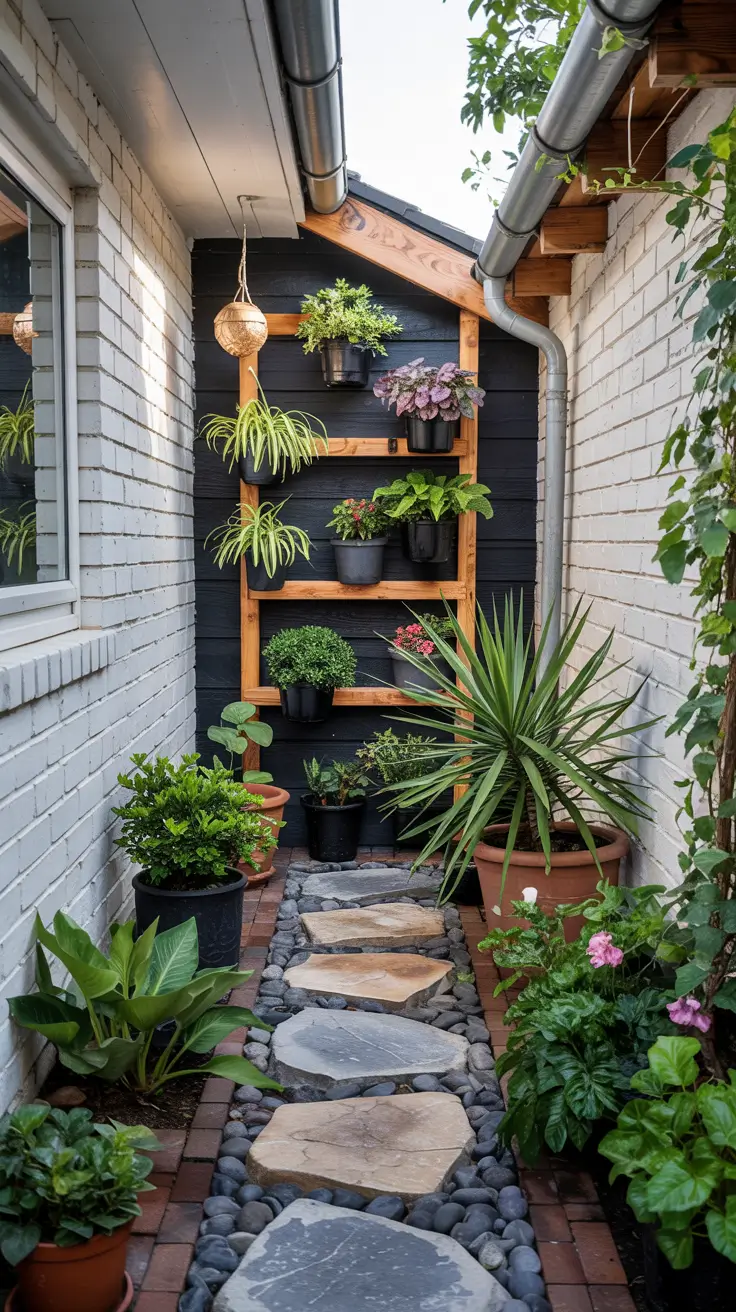
From my experience, planning saves both time and resources. Many professionals emphasize this step, and I’ve found that even simple projects benefit from a clear structure.
I would expand this section by recommending specific tools or software that can help homeowners create accurate and practical plans.